School of Entrepreneurs
Term 1, Week 6
News from the School of Entrepreneurs
A message from the School of Entrepreneurs Head of School
As we step into 2026 with our School of Entrepreneurs motto, “To Become… Learners Persevere Even When No One Is Watching,” we deepen the conversation from achievement to identity. This year is not simply about results, it is about the kind of young person each student is becoming in the process of striving.
Author, coach and motivational speaker Tony Robbins describes mastery across three levels: Cognitive Mastery, Emotional Mastery and Physical Mastery. When viewed through the lens of our 2026 theme, these levels are not just a framework for success, they are a roadmap for character formation. Mastery is not merely about skill acquisition, it is about shaping identity. Becoming and mastery are inseparable.
The first level, Cognitive Mastery, is where growth begins. It is about understanding, listening with intent, asking thoughtful questions, revising until clarity is achieved and breaking down complex ideas. In practical terms, this might mean analysing a text with depth, solving a challenging mathematical problem step-by-step, or refining a business concept until it is viable. Cognitive mastery builds competence. It develops capability. Although, knowing is not the same as becoming. Many students understand what they should do. Fewer consistently act on that knowledge. Character begins when understanding translates into action. A powerful question for families to explore at home is: What did you understand deeply today and how will you apply it?
The second level, Emotional Mastery, moves learning from the head to the heart. Here, students begin to connect their work with purpose. Why does this matter to me? What kind of future am I building? What does success represent in my life? When students identify their “why,” effort shifts from compliance to commitment. Emotional mastery also strengthens resilience. Senior school brings pressure - deadlines, expectations, exams and sometimes comparison. Students who learn to regulate emotion rather than be ruled by it are better equipped to remain steady under stress, reframe setbacks and persist through frustration. Each time a student chooses composure over panic or discipline over distraction, they are becoming stronger internally. Families might ask: Why is this goal important to you and who are you becoming as you pursue it?
The final level, Physical Mastery, is where identity is formed through action. This level is about behaviour: habits, routines, consistency and follow-through. It is showing up, particularly when no one is watching. Students who operate at this level build structured study routines, practise past papers repeatedly, refine their skills deliberately and protect their focus from distraction. Over time, effort becomes automatic. Discipline becomes normal. Excellence becomes habitual. They are no longer just completing tasks, they are becoming capable, reliable and future-ready individuals. Mastery, then, is not an event or a single achievement. It is an identity built through repeated action.
This is the heart of our 2026 motto. When a student perseveres without reminders, chooses revision over procrastination and continues working because the task is meant to be challenging, something deeper than academic progress is taking place. They are shaping character. They are building integrity. They are developing the quiet strength that will sustain them well beyond school.
In the School of Entrepreneurs, our role is to build both capacity and character so that this culture of ‘becoming’ is reinforced when at home and school. We invite families to continue these conversations about discipline, perseverance and identity. Ask your son or daughter what kind of person they want to become this year. Discuss where greater focus is needed. Explore what perseverance looks like when there is no audience and no applause.
Mastery is available to anyone willing to walk the full path: to know, to care and to consistently act. As we journey through 2026 together, we look forward to partnering with families in shaping not only successful students, but young people of strength, integrity and purpose.
The question remains for each of our young entrepreneurs: Which path will you walk today and who are you becoming because of it?
Wishing you all a great second half to the term.
Blessings to you all,
Ms Jacqui Genovese - Head of School, School of Entrepreneurs
From the SOE Assistant Principal
As you are all not doubt aware, students from 9-12 are engaging in a range of assessment experiences during this time. There are communications coming home about upcoming tasks, reminders to students, in class activities, consolidated and flipped, the list goes on.
We are working hard to provide a quality, challenging learning experience that is supportive and considerate of the learning needs of all students in our spaces. It makes me think that parents and carers share the same goals in their own spaces (the home). To that end, I would like to share with you a resource that was shared with me regarding study support for university students. Some of the content relates to roommates and house cleaning which might not be always relevant, but the main ideas are really useful.
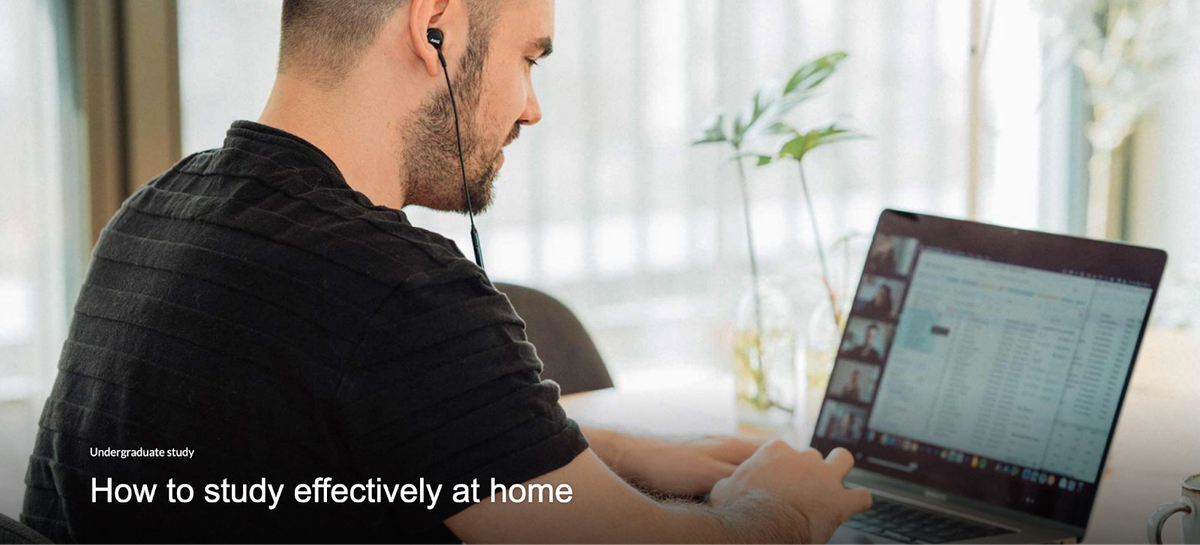
Making sure that your sons and daughters have time and space to complete their learning while at home can make a huge difference. In particular, I like the section that highlights that study is the practice of refining and remembering ideas, plans and practices that we already know. This means that our ability to draw on this knowledge and these skills becomes more and more accessible the more we practise.
Click on the image to read more.
Warm regards,
Mr Francis O’Callaghan - Assistant Principal, School of Entrepreneurs
Wellbeing Update
From the Year 9 Wellbeing Coordinator
Year 9 Week 6 Update
Year 9 has made a positive start to 2026, settling into new routines, learning expectations and the School of Entrepreneurs mindset. Our recent Year Meeting focused on building strong habits that will support students academically, socially and personally throughout the year. A key message was the idea of improving by 1% each day — through effort, kindness, organisation and resilience. Small daily improvements lead to long-term success.
Transition to Year 9
Teachers have been pleased with how students are:
- adjusting to the phone policy
- engaging in learning
- moving responsibly between classes
- following Hybrid Hub procedures
Our next focus areas include organisation of flipped learning, voluntary participation in class and being prepared with the correct equipment.
Routines and Organisation
Students were reminded to:
- have materials ready at the start of each session
- record assessment dates in their diary
- break tasks into manageable steps
- seek feedback and ask questions
Developing these habits now will support success in Stage 5 and beyond.
Attendance Matters
Regular attendance is essential. Families are asked to:
- explain absences and lateness promptly via Compass
- ensure students contact teachers before planned absences, such as travel
- support punctual arrival, particularly on late-start days
Unexplained lateness may result in consequences, and ongoing issues can affect late-start privileges.
Uniform and College Expectations
Students are expected to wear full and correct summer uniform each day, including:
- college school bag
- appropriate socks and shoes
- minimal jewellery
- hair tied back
These expectations support a consistent and professional learning environment.
Study Centre and Academic Support
The Study Centre runs every Tuesday afternoon in the Hub. This is a valuable opportunity for students to:
- complete homework and assessment tasks
- receive teacher support
- develop effective study habits
Representative Sport
Students participating in representative sport must balance their commitments by maintaining behaviour expectations and completing missed classwork.
Key Dates This Term
Some important upcoming events include:
- Week 6: Open Night
- Week 7–8: NAPLAN
- Week 9: Athletics Carnival and Year 9 Wellbeing Day
- Week 10: Multicultural Day
Families will receive further details closer to each event.
Looking Ahead
Year 9 students are reminded that they are role models within the College. Our focus for the term is simple:
Be prompt. Be present. Be prepared.Learners persevere even when no one is watching.
We look forward to continuing to support our Year 9 students as they grow in confidence, independence and responsibility throughout the year.
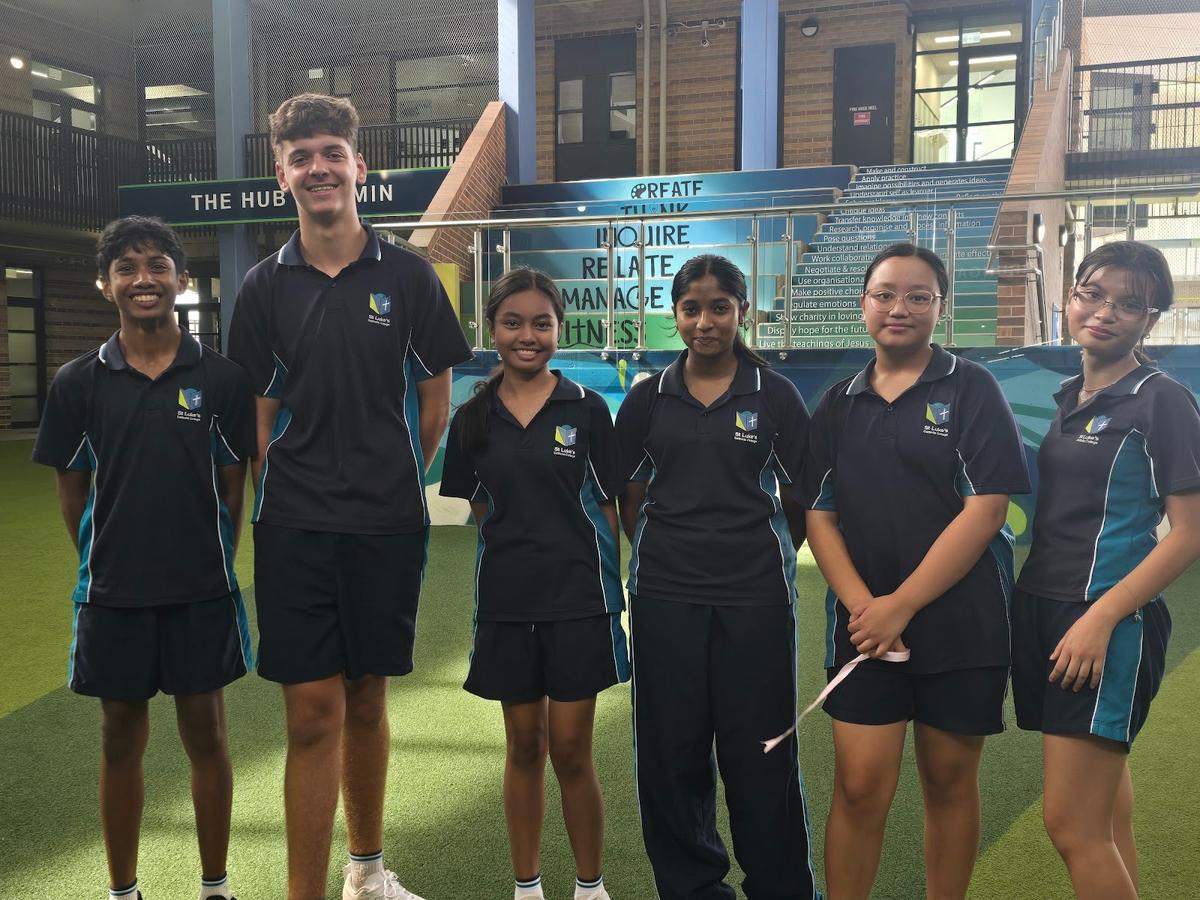
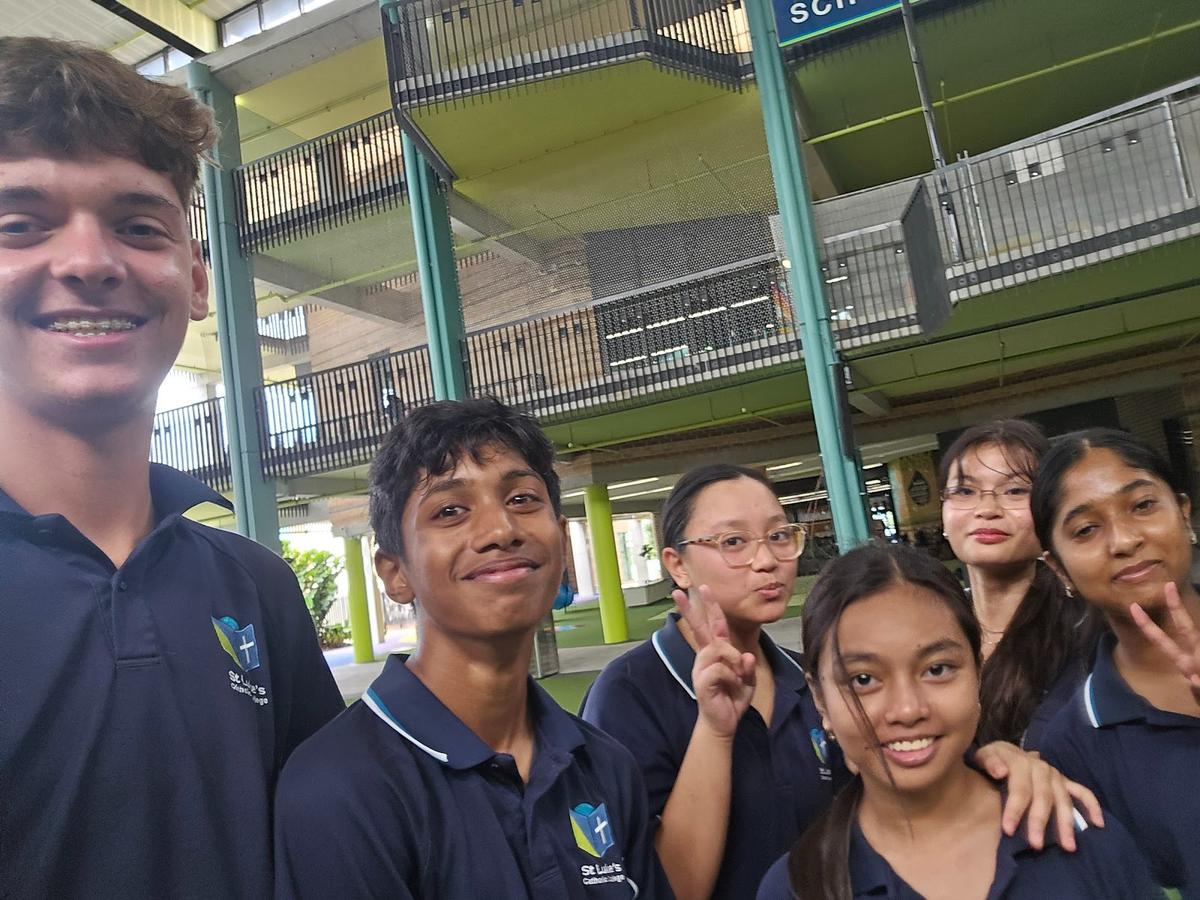
Congratulations to Team Watermelon for their demonstration of collaboration, communication and perseverance in the ‘Amazing Race’ challenge designed by the Life Design teachers. Another great example of Year 9s embracing new experiences and developing the skills needed for success in Stage 5 and beyond.
Mrs Michelle Zorzo - Year 9 Wellbeing Coordinator
From the Year 10 Wellbeing Coordinator
Our Year 10 students have made a positive and purposeful start to the year. As their final year of Stage 5, this is an important period of growth as they begin preparing for the academic expectations, increased independence and personal responsibility that comes with Years 11 and 12. It has been encouraging to see students engaging thoughtfully in their learning, building maturity in their approach to study, and beginning to reflect on the habits and mindset that will support future success in the senior years.
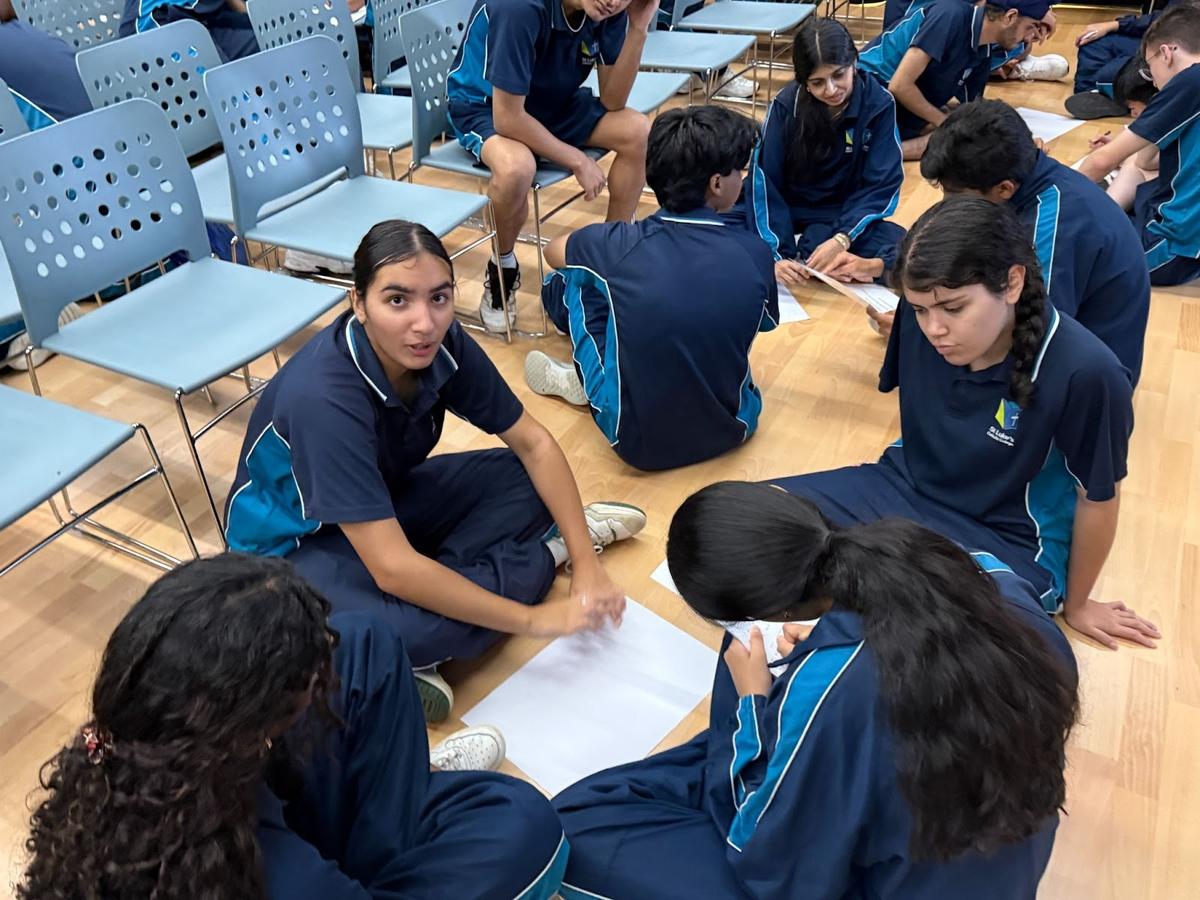
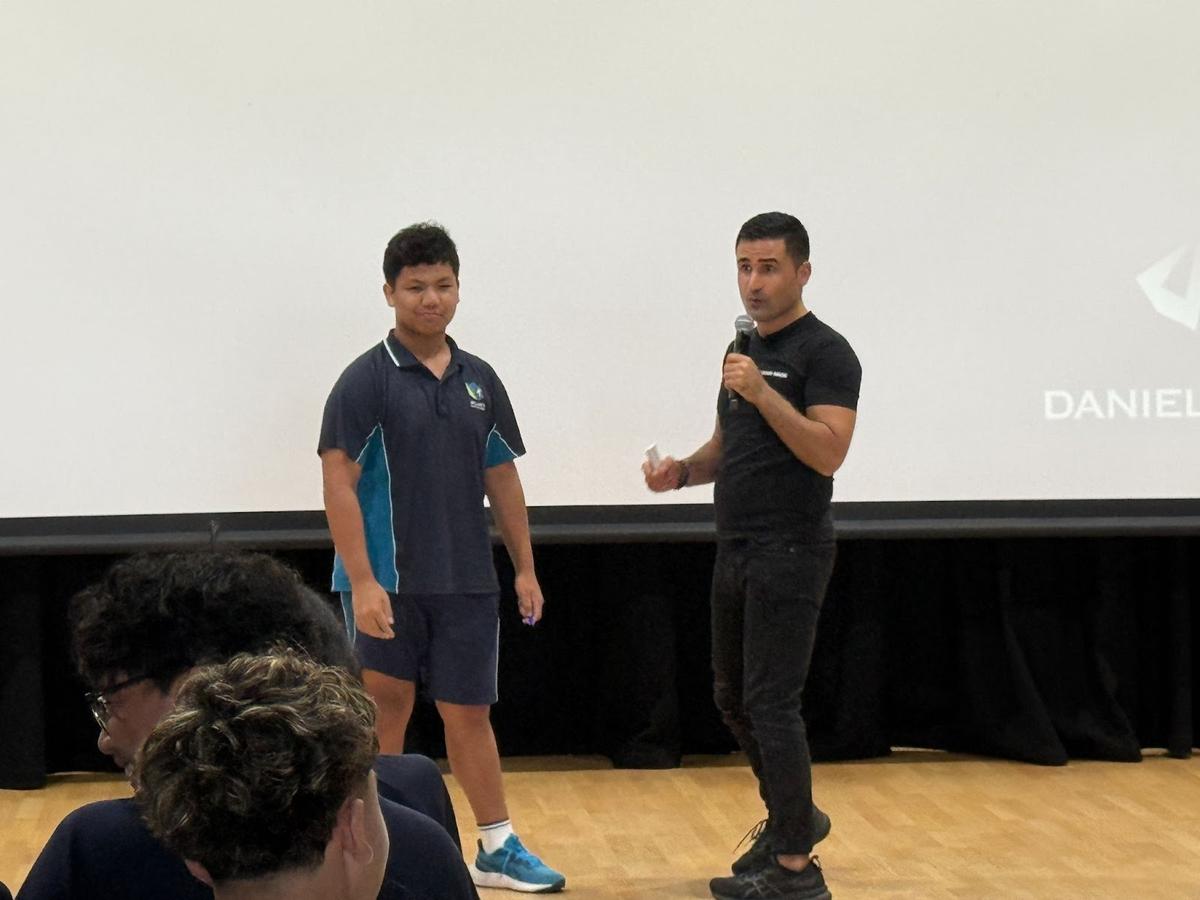
On Thursday 26 February, the entire Year 10 cohort participated in a dedicated Wellbeing Day designed to support this transition. The program focused on developing a Growth Mindset, strengthening emotional regulation skills, making positive choices in relationships, and exploring strategies for managing pressure and self-doubt through Daniel Merza’s “Getting the Monkeys off Your Back” framework. Students were encouraged to reflect on how their thinking patterns influence behaviour, performance and wellbeing, and to consider practical strategies for responding constructively to challenges.
As students move closer to their senior years, experiences such as these play an important role in equipping them not only academically, but personally and socially. We look forward to continuing to support our Year 10 students as they grow in confidence, resilience and responsibility throughout the year.
Mr Dean Zaccaria - Year 10 Wellbeing Coordinator
From the Year 11 Wellbeing Coordinator
Year 11 has been very busy in the first six weeks of 2026. With the excitement of new subjects and the rapidly increasing volume of work that Stage 6 brings, the students have been met with new challenges. It has been wonderful to see the Year 11 rise to the occasion and take this in their stride.
We have also had some great opportunities to get prepared for Preliminary studies with our Information Evening held on the 17th of February and students completing their accelerated HSC Design and Technology Major Works attending an evening to showcase their progress on the 24th of February.
Miss Breana Wick - Year 11 Wellbeing Coordinator
From the Year 12 Wellbeing Coordinator
2026 has seen Year 12 approach their learning with energy, reflection and a strong sense of connection. A standout moment so far has been the Retreat, which students overwhelmingly described as a highlight. It provided valuable time to strengthen friendships, build unity across the cohort and pause to reflect before the demands of the HSC year intensified. Milestones such as receiving the Year 12 jacket and stepping into leadership roles have also been deeply meaningful, symbolising both maturity and responsibility. Students are already celebrating personal successes—achieving high ranks, making strong progress on major works and developing greater independence—while also appreciating the simple joys of senior year, from shared activities to living more intentionally in the present moment.
A recent wellbeing session featuring guest speaker Daniel Merza further reinforced the importance of resilience and perspective during this important year. His message about recognising and managing the “monkeys” of stress, expectation and self-doubt resonated strongly, equipping students with practical strategies to seek support, reframe negative thinking and take responsibility for their wellbeing. Looking ahead, students are eagerly anticipating key milestones such as Graduation and the Formal—significant celebrations that will mark the culmination of their schooling journey. They are equally excited about creating lasting memories through cohort events, carnivals and shared activities that strengthen their sense of belonging. Alongside these celebrations, many are focused on personal growth: refining study routines, completing major projects, pursuing future pathways and striving to become the very best version of themselves. Year 12 is shaping up to be a year not only of achievement, but of character, connection and growth.
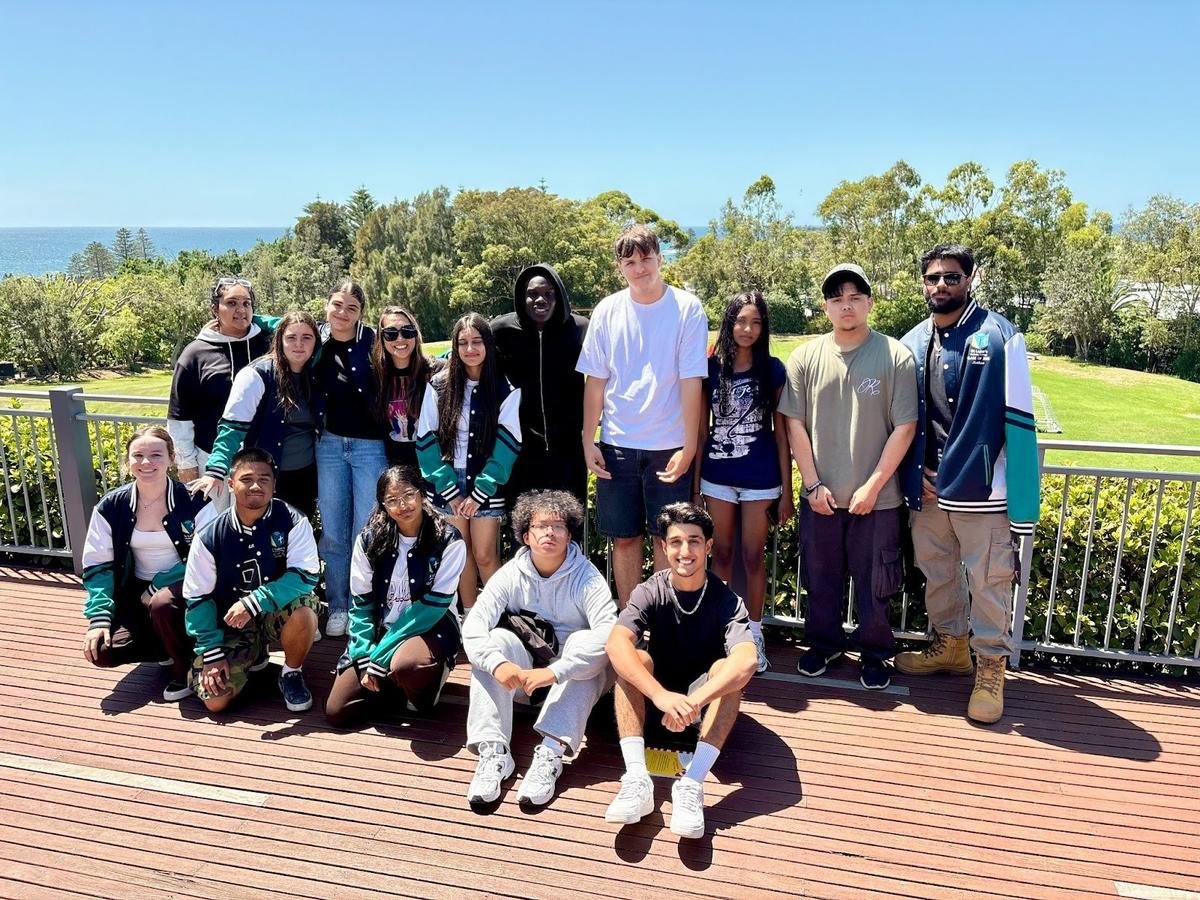
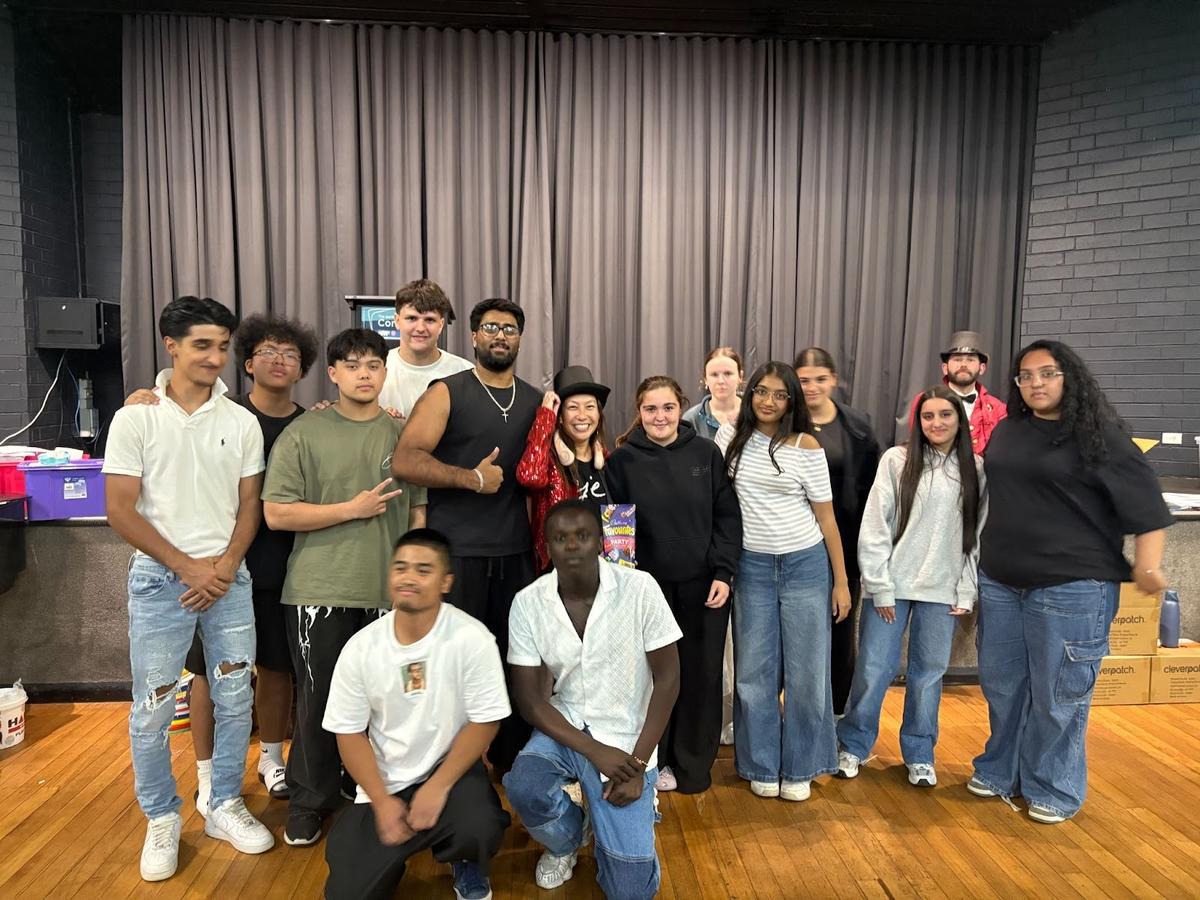
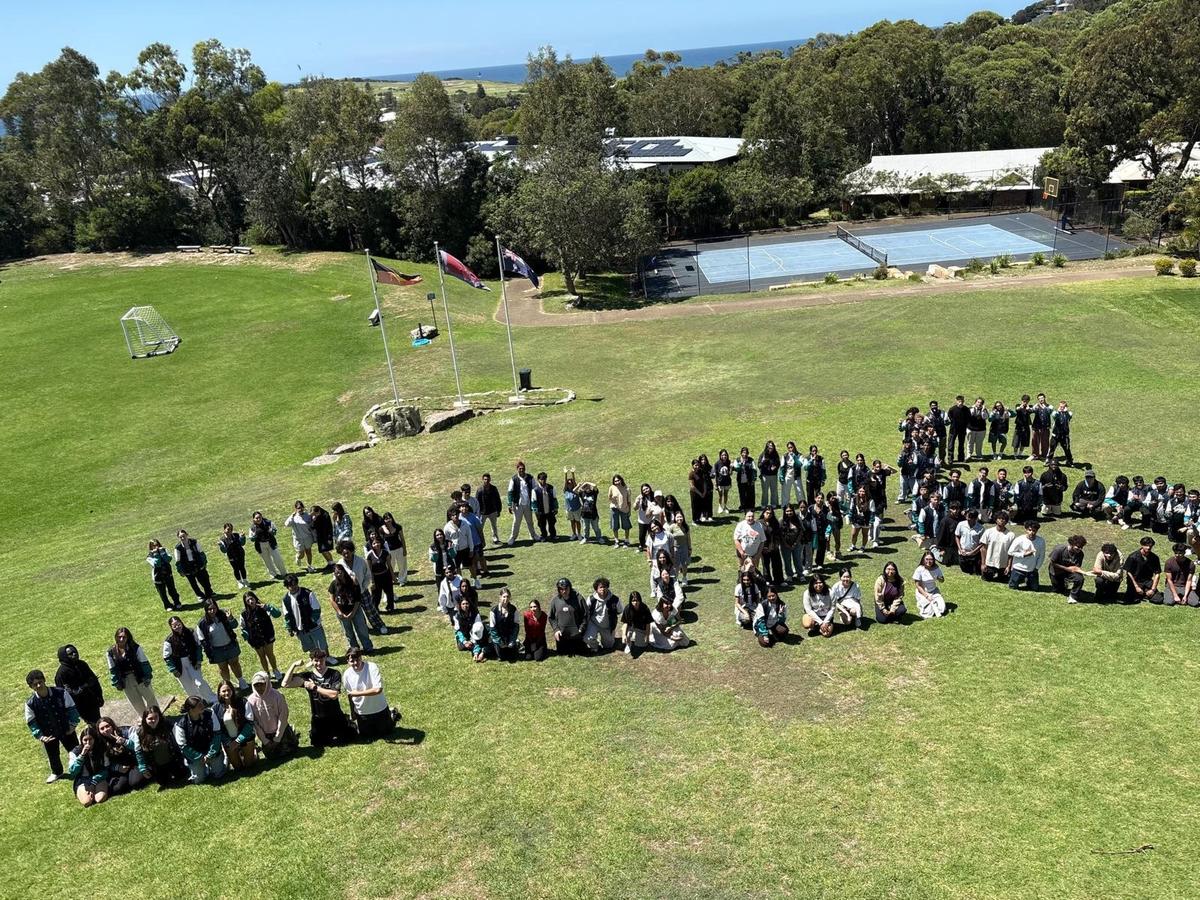
Mrs Sharon Eldridge - Acting Year 12 Wellbeing Coordinator
What’s been happening Across the Curriculum . . .
Life Design: Year 9 - Amazing Race
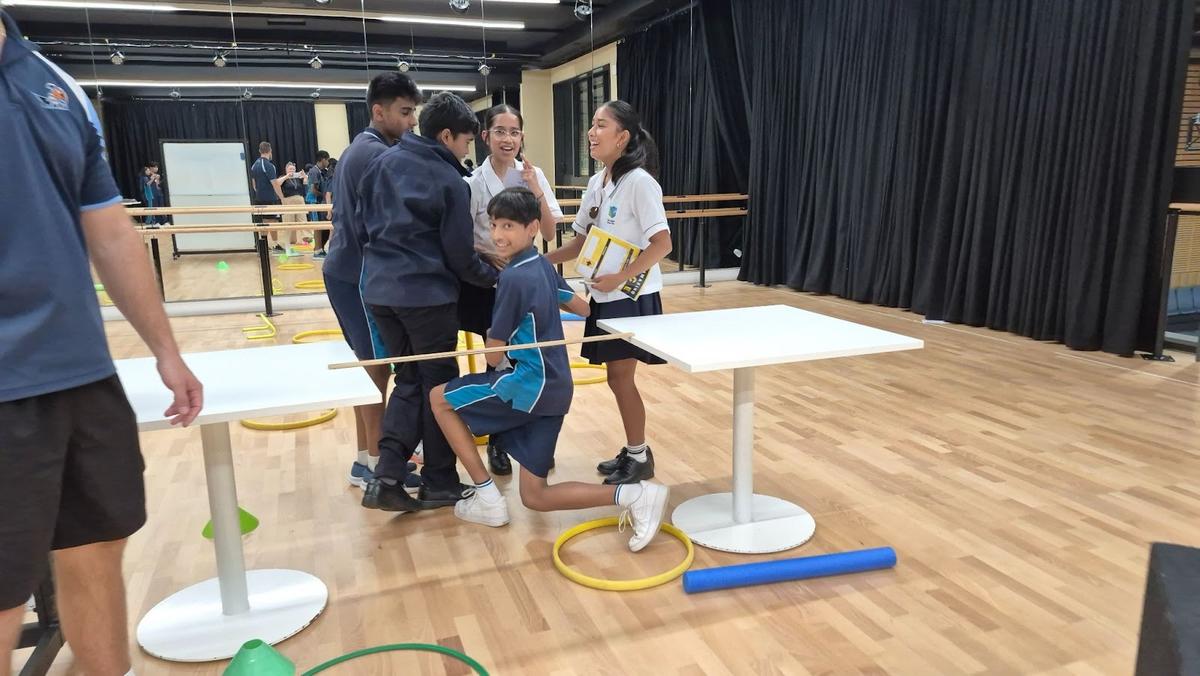
On Wednesday 25th February, Year 9 took part in St. Luke’s annual Life Design Amazing Race. Teams competed head-to-head, racing around the school to solve riddles, puzzles, and complete physical challenges.
In preparation for the event, students tackled a series of in-class challenges before forming their own teams. They carefully considered the different strengths and genders within the cohort to create balanced teams. In total, 29 teams competed, each choosing a team name and designing and wearing a team emblem.
A huge congratulations to Team Watermelon for their victory! It was a fantastic way to spend the morning, filled with energy, teamwork, and plenty of smiling faces.
English- YEAR 10
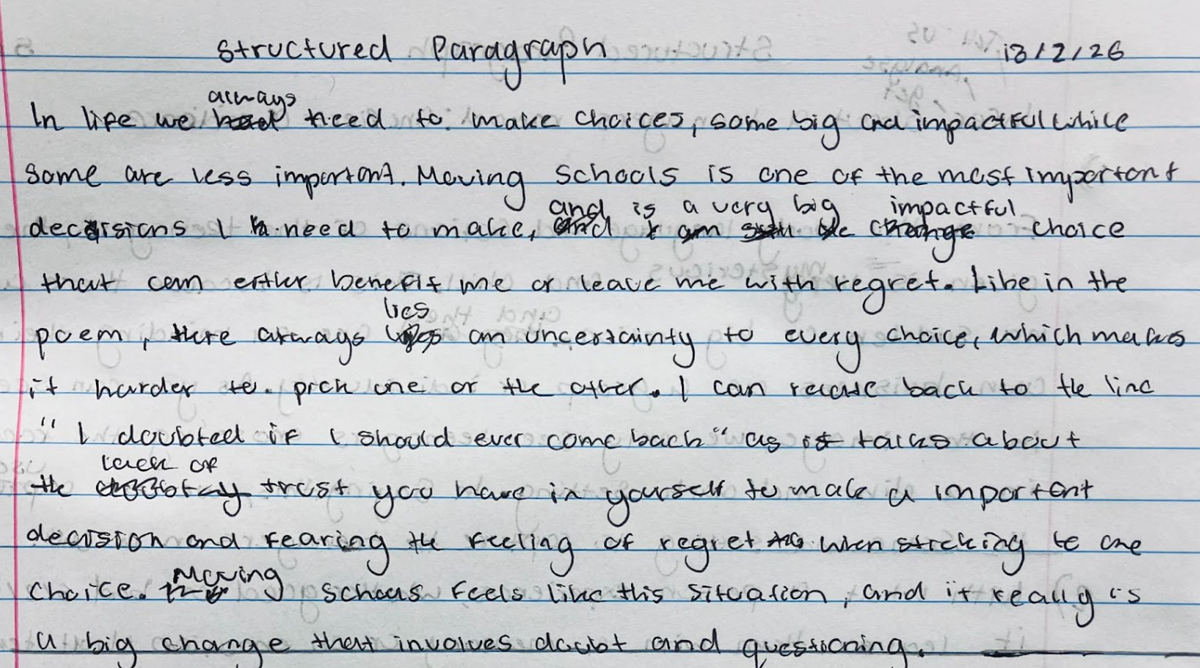
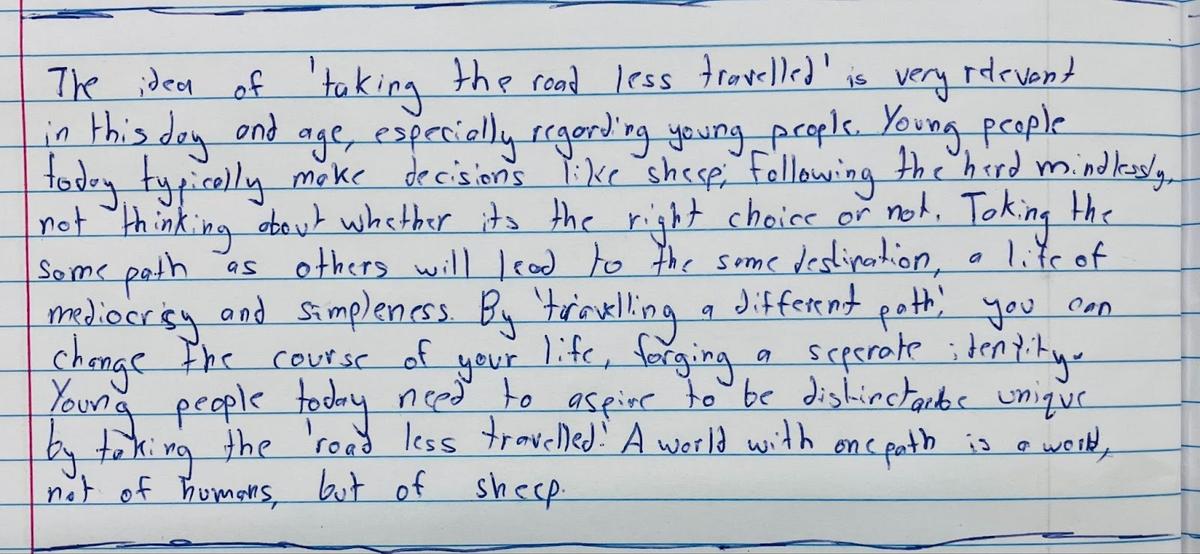
In 10 English NAVY, students are strengthening their analytical writing skills through a focused paragraph-writing routine embedded into every lesson. Teachers have introduced the IQTVE paragraph structure, and students practise applying this format consistently to build clarity, precision, and confidence in their responses.
At the start of each session, students are given three questions based on the text they are studying. These questions are structured at three levels: surface, deep, and transfer, allowing students to choose the level of challenge that best supports their learning. Students select one question and have six minutes to respond using the IQTVE structure. This timed practice encourages students to focus closely on the question, organise their thinking quickly, and construct a coherent paragraph under realistic assessment conditions.
Importantly, finishing the paragraph is not the main goal. The emphasis is on practising structured writing within a limited time frame. After writing, students are randomly selected to share their responses with the class. Peers and teachers then provide constructive feedback, highlighting strengths and suggesting areas for improvement.
Through this regular practice, students are developing the ability to respond directly to questions, structure their ideas clearly, and refine their analytical writing skills. Over time, this routine is building both their technical accuracy and their confidence in writing thoughtful, well-supported paragraphs efficiently.
Here are examples of their writing.
English- 9 WHITE
This term, our Year 9 students stepped into the world of film studies by exploring auteur theory; the idea that a director is the “author” of a film, shaping its meaning through distinctive stylistic and cinematic choices.
Students began by examining the work of celebrated directors such as Tim Burton and Wes Anderson, analysing how their films reflect consistent visual signatures, thematic concerns, and narrative patterns. From Burton’s gothic aesthetic and outsider protagonists in films like Edward Scissorhands, to Anderson’s symmetrical framing and meticulous colour palettes in The Grand Budapest Hotel, students identified how directors leave a creative “fingerprint” on their work.
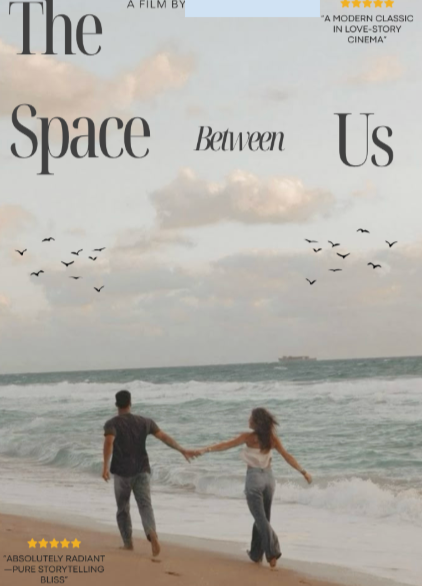
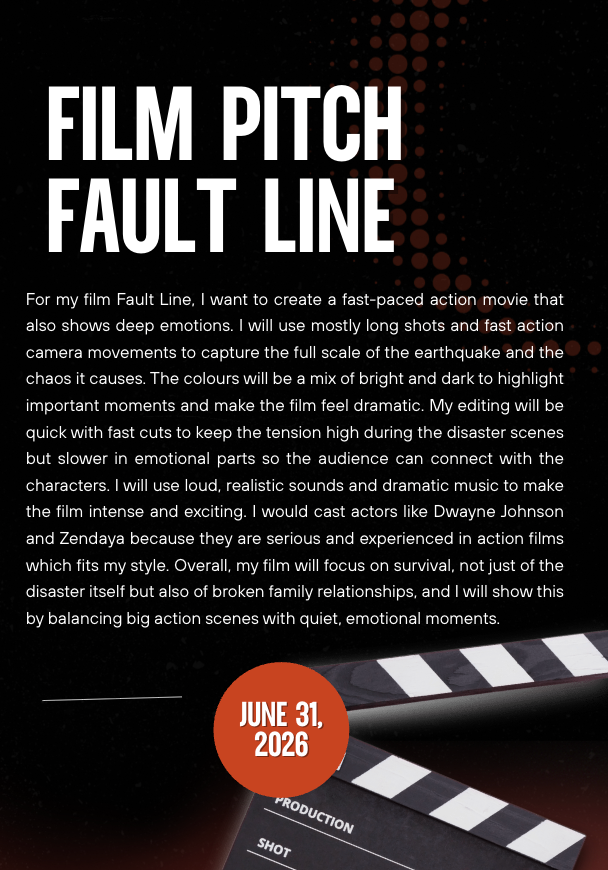
To consolidate their learning, students were given a creative brief: Become an auteur.
Working independently, students were asked to create their own original film and design with the following elements:
- A film poster that visually represents their unique directorial style
- A short pitch explaining their vision
- A justification of the cinematic and stylistic features they would utilise to bring their film to life
The classroom transformed into a creative studio, where students blended their inspirations and influences to craft their cinematic identities. The pitch component challenged students to reflect on their artistic decisions. They explained why they chose particular lighting, how costume symbolised internal conflict, or how music would shape audience emotion. In doing so, students demonstrated a growing understanding that directors do not simply tell stories, but they also construct experiences.

HSIE
Year 9 HSIE - Geography
This term in Geography, Year 9 students have been investigating the concept of sustainable biomes and working towards answering the driving question: “How can we ensure that people do not go hungry in the future?”
Students explored how biotic and abiotic factors influence food production across different global biomes and analysed the environmental, economic and technological challenges that affect agricultural yields. A key focus of the unit has been evaluating sustainable farming practices, including drip irrigation, vertical farming, agroforestry and greenhouse agriculture.
When asked mid-term why our driving question and topic matters, students in 9 Navy responded with:
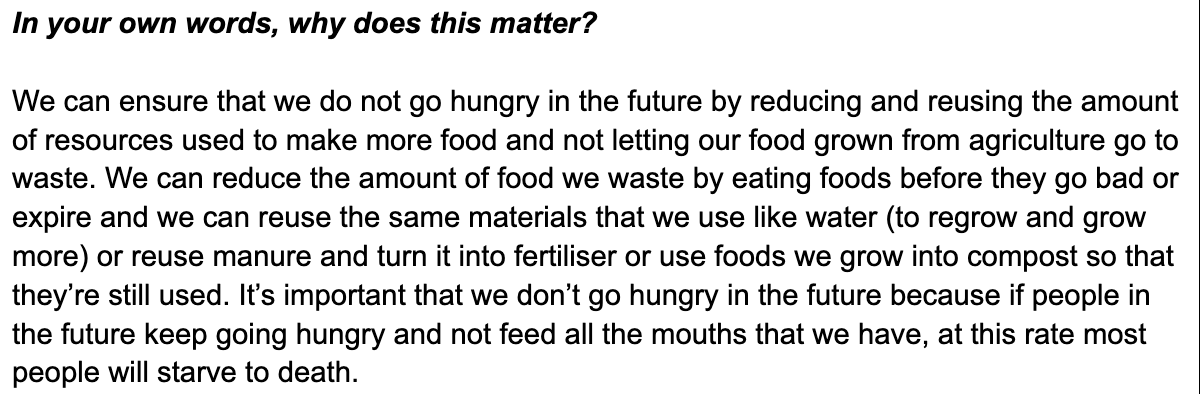
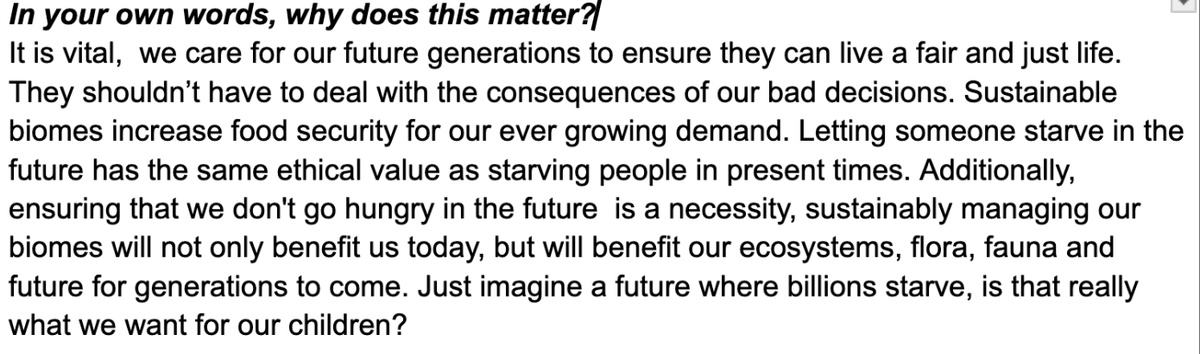
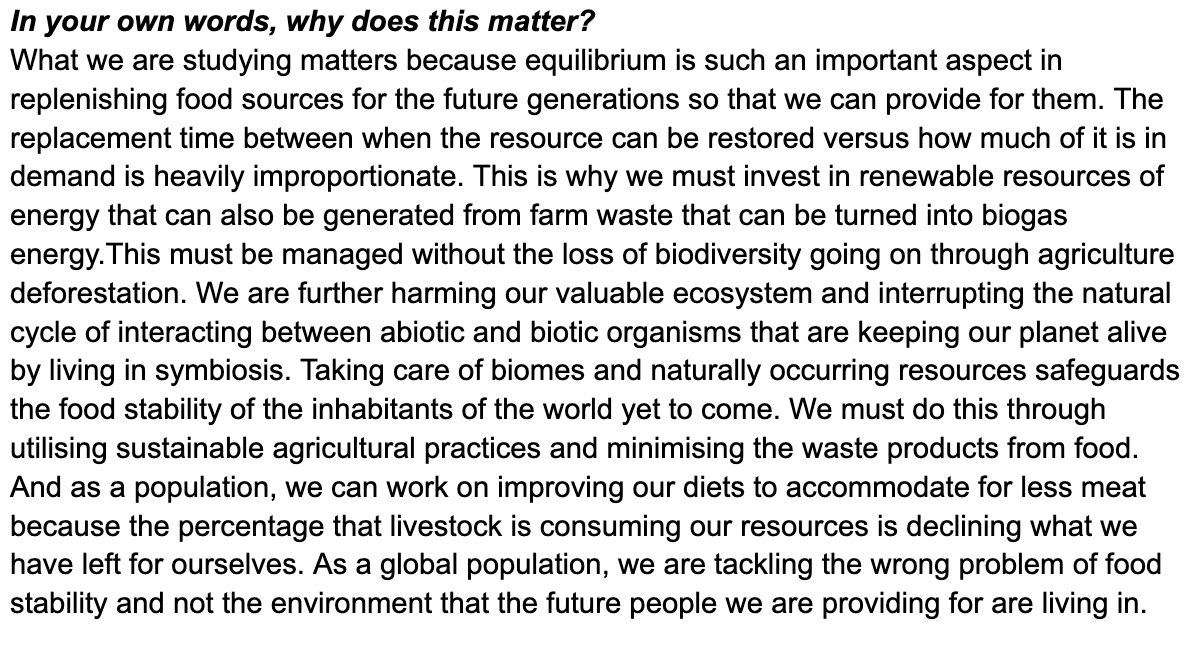
This unit has encouraged critical thinking about the balance between feeding a growing global population and managing environments responsibly. It has also supported students in developing informed perspectives on the role of technology and innovation in future food production. We look forward to seeing students apply these skills in upcoming assessments as they continue to develop as informed and responsible global citizens.
TAS
Year 9 Multimedia and coding
This is a fun and creative course that enhances student knowledge of multimedia and its impact on society.
Students will develop an awareness of the forms of multimedia, and how to create interactive platforms for future learning. This course teaches students to become creators of multimedia products through hands-on projects whilst integrating theory and practicals. Students will learn to plan and construct projects using a variety of hardware and software, with a focus on practical skills like simple game creation, and digital editing, and the application of design principles.
In Topic 1 called ‘Game on’ students are currently analysing existing games. They are identifying and describing the features and characteristics that make the games unique. They are also enhancing their reflection skills by discussing both the positive and negative impact these games have on school-aged players.
HSC Design and Technology
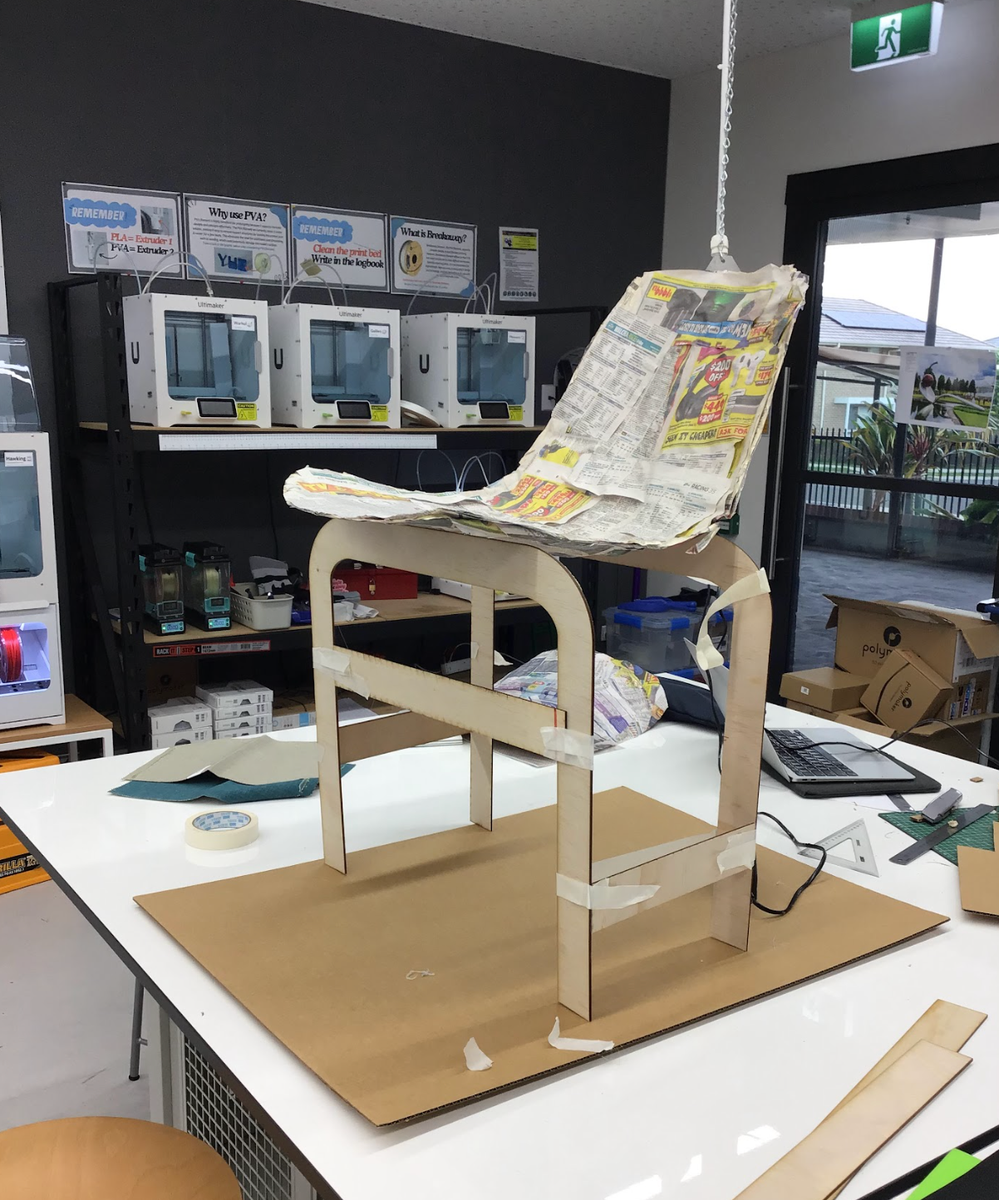
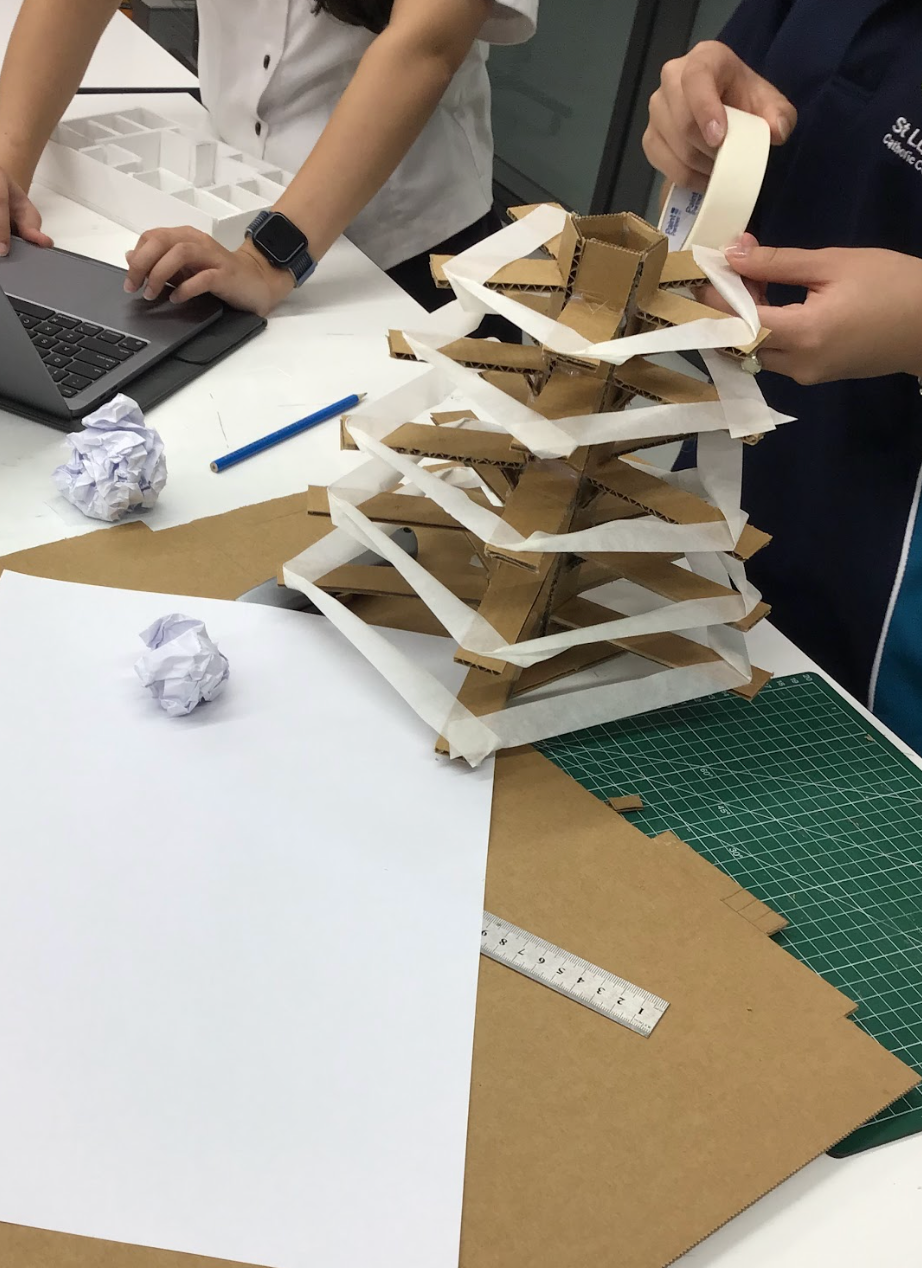
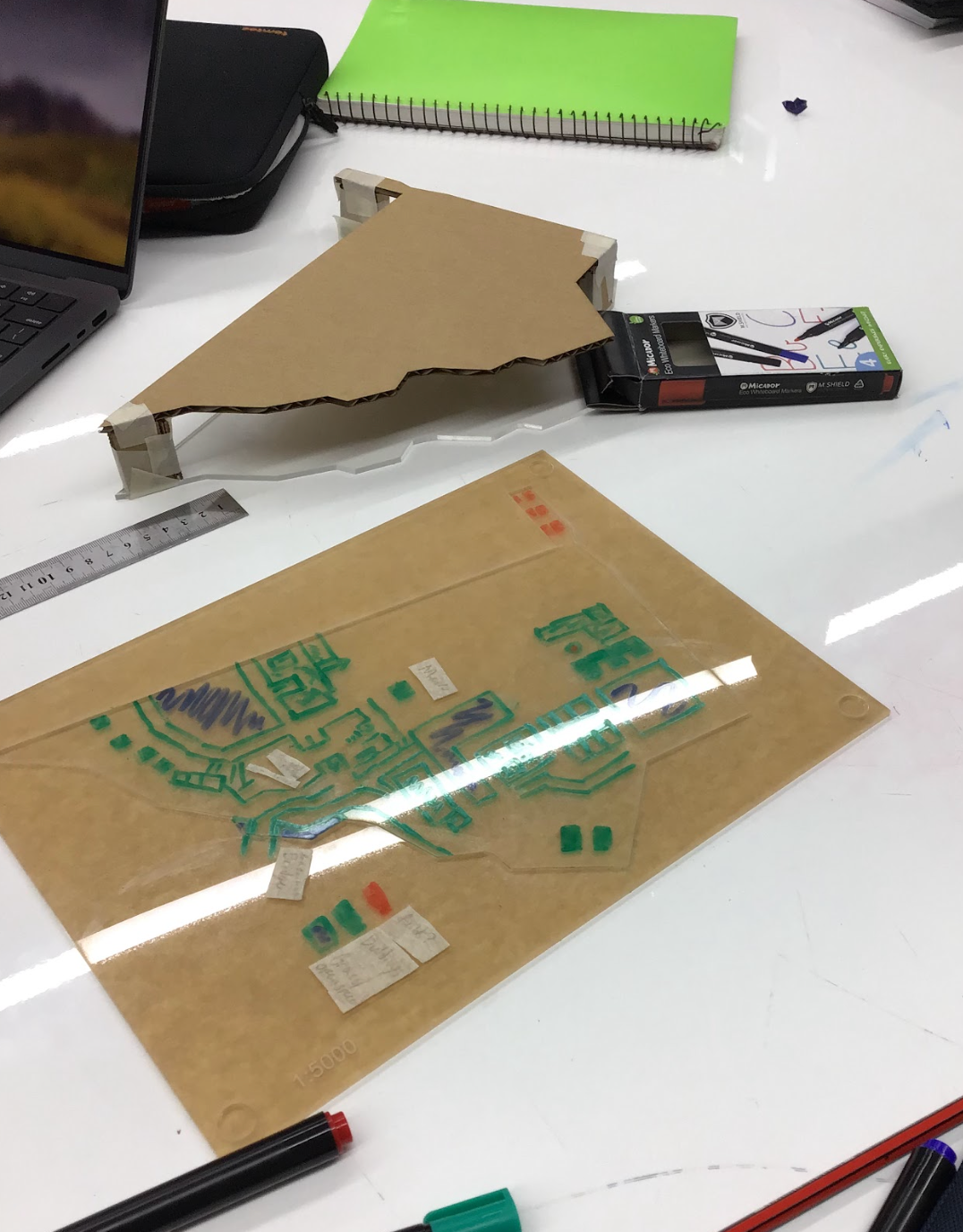
Our Year 11 accelerants studying HSC Design and Technology have been busy making impressive progress on their Major Projects. Having recently completed their project proposals, they are now enthusiastically developing prototypes to showcase their creativity and produce models that thoughtfully respond to their design briefs. Mrs Bauer and Ms Johnstone have spoken with great pride about the outstanding work ethic and commitment the students have demonstrated throughout this process. Below is a brief glimpse of some of the early-stage prototypes already taking shape. We look forward to welcoming parents on site in Week 5 to view their progress and provide valuable feedback on their work so far.
Pathways and Partnerships
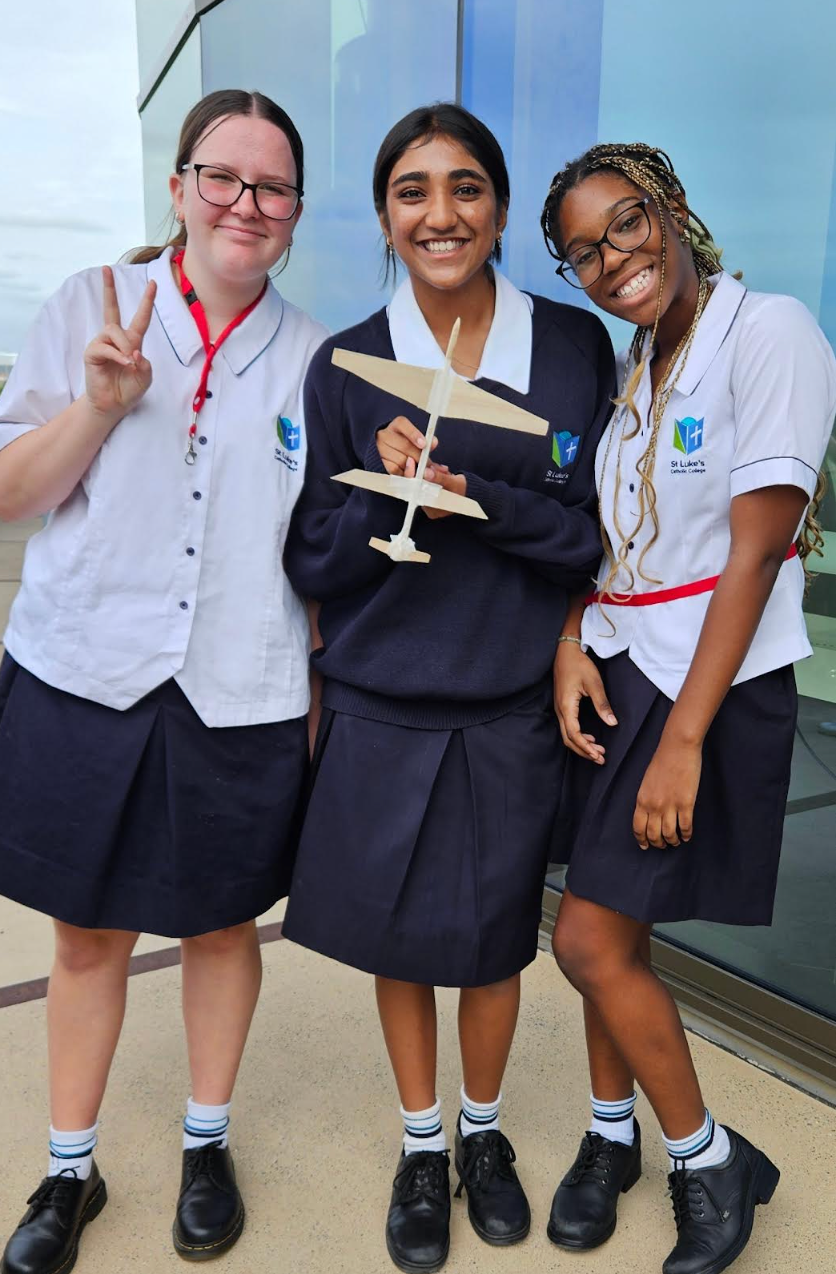
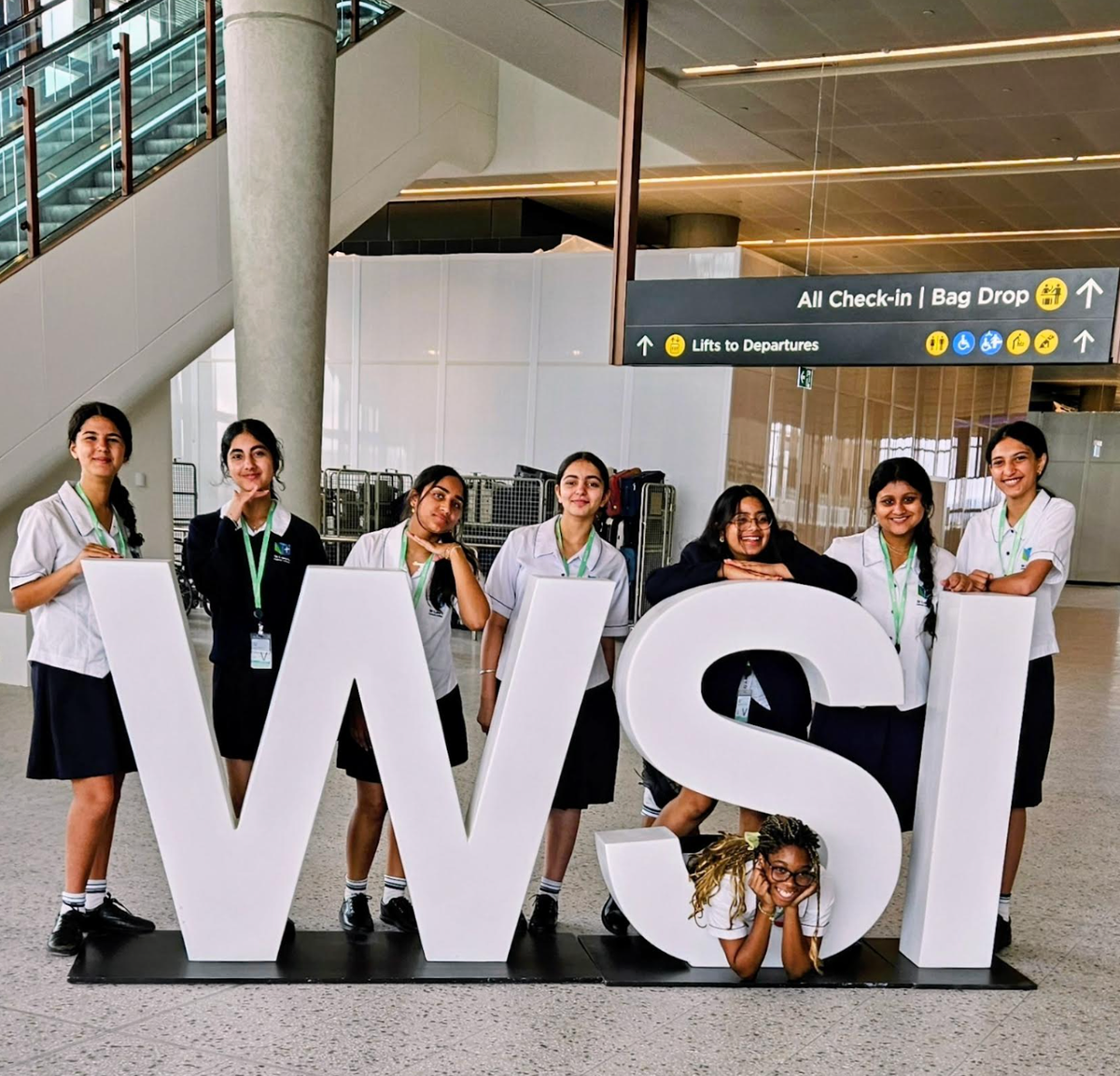
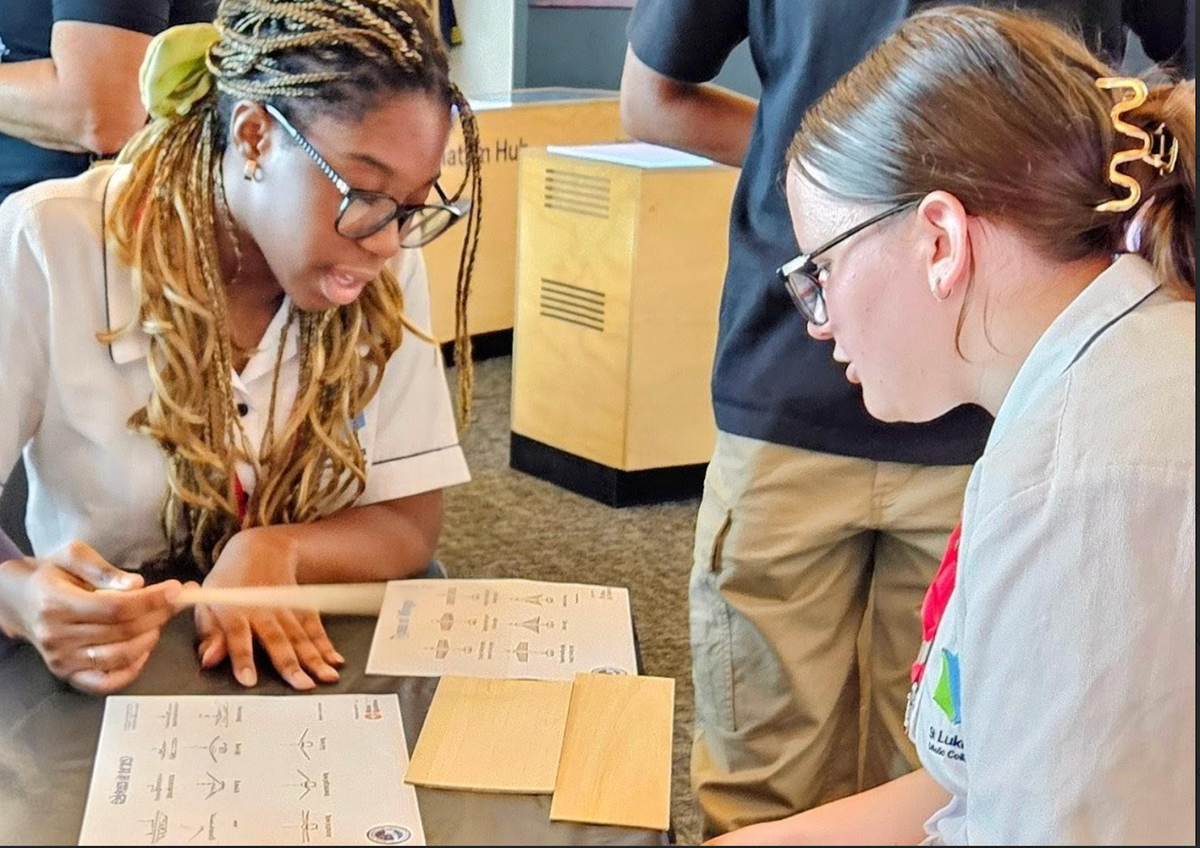
Ten of our students recently attended the Girls Engineering in the Sky STEM Workshop at WSI Airport. They explored the terminal facilities, walked on the runway, and heard from professionals about their career pathways. The day ended with a hands-on engineering and design challenge. Below are some photos from the day.
Western Sydney University Academy U
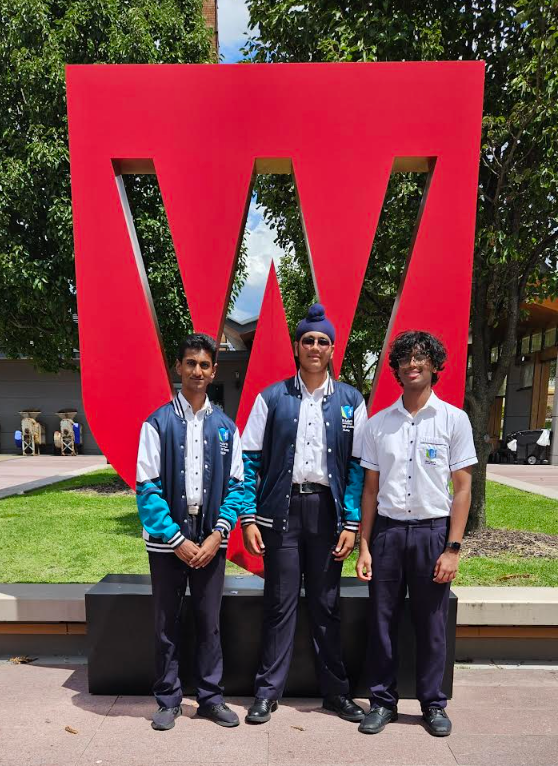
Students visited Western Sydney University for the Year 12 Conference to get a taste of university-level study across a range of disciplines. They were able to engage with academics and gain a clearer understanding of which courses best match their interests and future career goals.
Other News
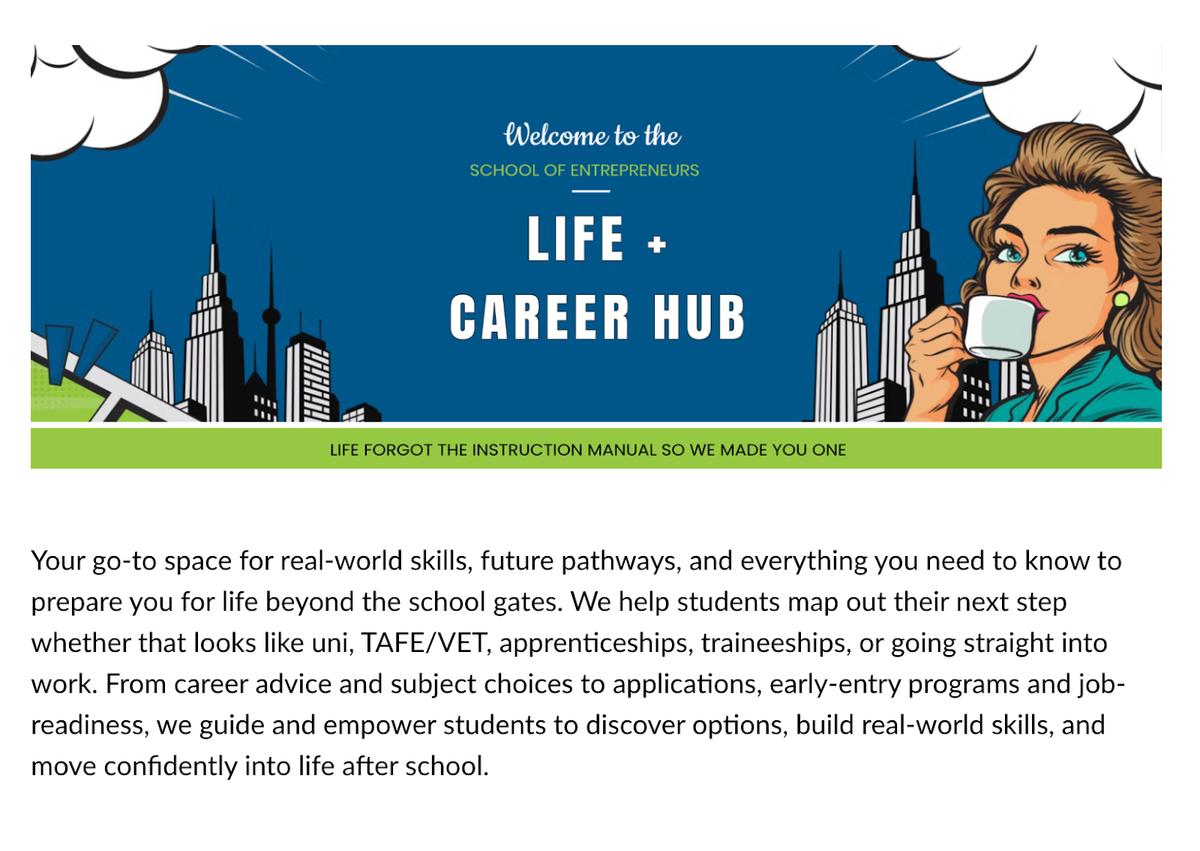
This week students in the School of Entrepreneurs will be given access to our new Life + Career Hub. This is a central online place for students to explore life after school. It brings together practical information not just about post-school pathways but also essential life skills.