Deputy Principal
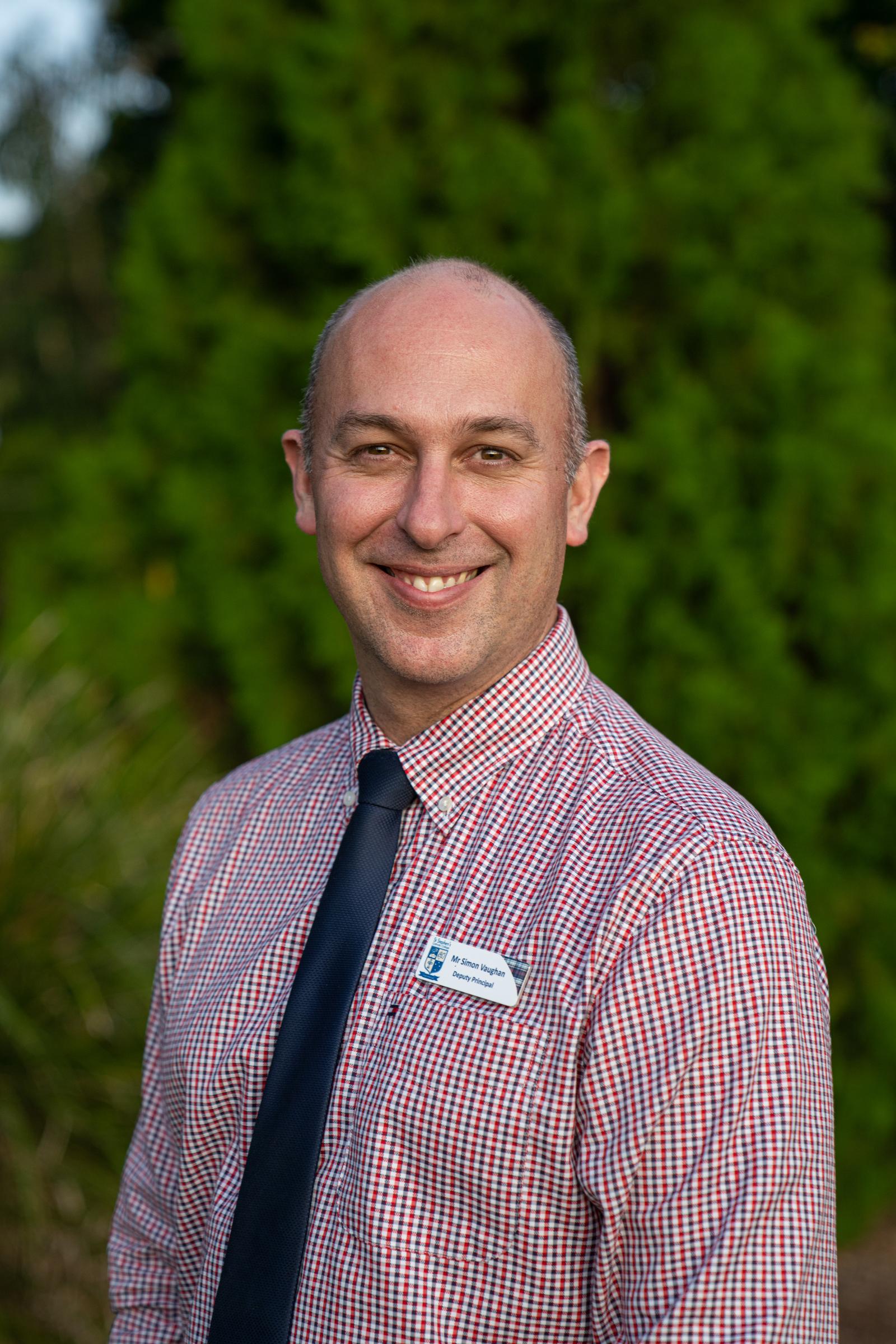
Mr Simon Vaughan, Deputy Principal
Deputy Principal
Mr Simon Vaughan, Deputy Principal
Nurturing Critical Thinkers for a Thriving Future
At St Stephen’s Catholic College, we are committed to preparing our students not only for academic achievement but also for thoughtful, informed citizenship in an increasingly complex world. A recent article published by EducationHQ highlights the growing international call for educators to embed critical thinking skills more deliberately throughout schooling, beginning in the early years (EducationHQ News, 2026). This aligns strongly with our College mission to empower students to become discerning, reflective and compassionate young adults.
The article emphasises that critical thinking is now considered essential for navigating unprecedented global challenges, including environmental pressures, misinformation, and rapid technological advancement (EducationHQ News, 2026). Microbiologist Dr Jake Robinson argues that digital misinformation and emerging technologies can impair young people’s ability to reason clearly, making the explicit teaching of evidence-based decision-making more important than ever (Robinson, as cited in EducationHQ News, 2026).
According to the article, embedding critical thinking into curriculum is vital but must be developmentally appropriate. Younger learners benefit from concrete, contextualised learning experiences that build toward more abstract reasoning skills over time (EducationHQ News,2026). This reflects our own approach at St Stephen’s, where inquiry-based learning, collaborative problem-solving, and reflective questioning are integrated across the curriculum, from Religious Education to the Sciences.
The EducationHQ report also describes innovative tools such as the International Microbiology Literacy Initiative’s MicroChats, which provide scaffolded class discussions to help students imagine how ideas apply across different contexts (EducationHQ News, 2026). These approaches mirror many strategies already embedded in our classrooms—encouraging students not only to learn new knowledge, but to apply it creatively, ethically, and in service of the common good.
As a Catholic learning community, we recognise that critical thinking extends beyond academic analysis. It includes the capacity to listen respectfully, evaluate multiple perspectives, and make decisions grounded in wisdom and empathy. The call by global experts to strengthen critical thinking education reinforces our ongoing commitment to forming students who can “think outside the box” while upholding integrity and justice in their choices (EducationHQ News, 2026).
Looking to the future, St Stephen’s Catholic College will continue to expand opportunities for students to cultivate deep thinking, ask meaningful questions, and develop the intellectual resilience needed for lifelong learning. By nurturing these essential skills, we equip our young people to contribute positively to their communities and to shape a hopeful, sustainable future for all.
Regards,
Simon Vaughan