
Wellbeing
MENTAL HEALTH SUPPORT/RESOURCES FOR STUDENTS and FAMILIES (Where/How to seek help)
At BSC, we believe that mental health is just as important as physical health. As we navigate this school year, we want to ensure that every member of our community knows how to access support when things feel challenging.
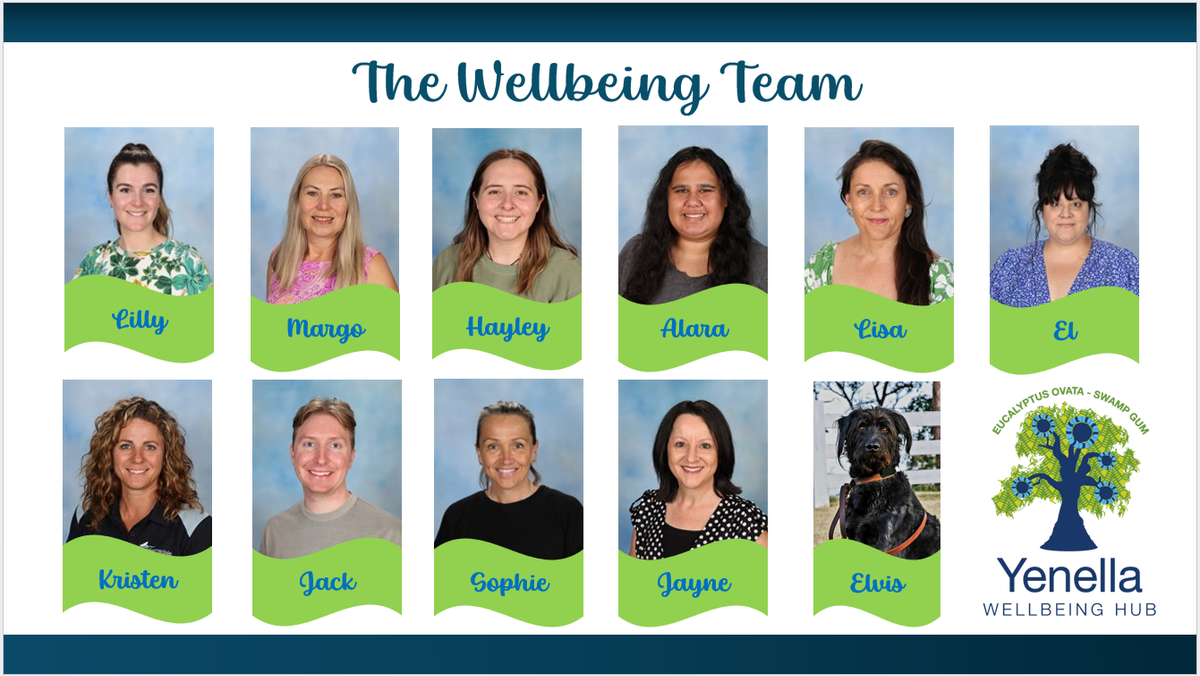
The Wellbeing team offer one-on-one counselling for students facilitated through a Hub referral process, and students can access our space any time they are feeling anxious, overwhelmed or upset. For all supports offered by the Wellbeing team, as well as external
supports/contacts/resources, see attachments:
• Wellbeing supports offered via BSC
• Digital mental health apps
• Contact numbers/links for external supports
• Stymie (Anonymous Harm Reporting for Schools & Students
DEPARTMENT OF EDUCATION
(Easing into adolescence: resources for families)
Free resources for families of adolescents aged 10 to 14 years. The Department of Education has launched an Easing into adolescence webpage for families of students aged 10 to 14 (Grade 5 to Year 8).
The webpage has information and strategies you can use to help ease your child into adolescence and secondary school. These include:
- a guide to emotion coaching. Staff from The University of Melbourne’s Tuning in to Teens Kids program developed the guidance.
- how to support your adolescent with their studies and more generally. Parenting expert and clinical psychologist Andrew Fuller helped develop this resource.
Subtitles for videos by The University of Melbourne on the webpage are available in 10 languages. You can select your preferred language on the translations page.
For questions about these resources, contact the Strategic Partnerships, Transitions and Student Voice team. You can email them at Secondary.School.Transition@education.vic.gov.au.
-------------------------------------------------------------------------------------------------------------------------------------
-------------------------------------------------------------------------------------------------------------------------------------

ParentZone offer all carers and parents a chance to develop and strengthen their parenting skills and create positive change in their family. They provide free parenting groups, workshops, resources, and training for parents and the professionals who work with them. Our skilled and experienced facilitators tailor the sessions to meet the interests of each group.
UPCOMING ONLINE SESSION: SETTING BOUNDARIES
Join us to explore practical strategies, clear communication tools, and supportive approaches that help you guide your young person while maintaining a strong, positive connection. Come along to this FREE session to learn strategies, share stories and take some time out for you! Please note these are interactive sessions and will not be recorded.
DATE: Wednesday 25th March 2026
TIME: 12:30pm - 2:30pm
WHERE: Online Via Zoom
COST: FREE
To register for the Setting Boundaries session, please complete the registration by clicking this link Setting Boundaries - Term 1, 2026 or scan the QR code below.

Based on more than 20 years of experience, six new episodes of ParentZone Pods give busy parents quick and helpful advice that they can use straight away. The topics covered in the first season are some of the most-requested topics addressed in ParentZone sessions, including:
• How to stop yelling at your kids
• Sibling rivalry
• Getting my children to listen
• Dealing with your kids’ anxiety
• How to respond to my kids’ behaviour
• Family meetings everyone will love.
You can find out more on the ParentZone page at Anglicare Victoria. ParentZone Pods are available for free on Spotify or the Anglicare Victoria website.
-------------------------------------------------------------------------------------------------------------------------------------
SOCIAL MEDIA AGE RESTRICTIONS: what families need to know
What is the social media delay?
From 10 December 2025, new Australian law will be introduced, such that anyone under 16 is not permitted to have a social media account on major social media platforms. These changes are designed to reduce young people’s exposure to online risks and give them more time to develop the skills they need to confidently and safely navigate social media spaces.
For many families, this news may bring mixed feelings. Parents/carers might feel relieved, while young people could experience tension, uncertainty, or even anxiety. If your child already uses social media or has been asking for it, you might be wondering what the changes mean, and how best to support them through this transition.
For more information, visit: Social media age restrictions: What families need to know - Black Dog Institute | Better Mental Health