
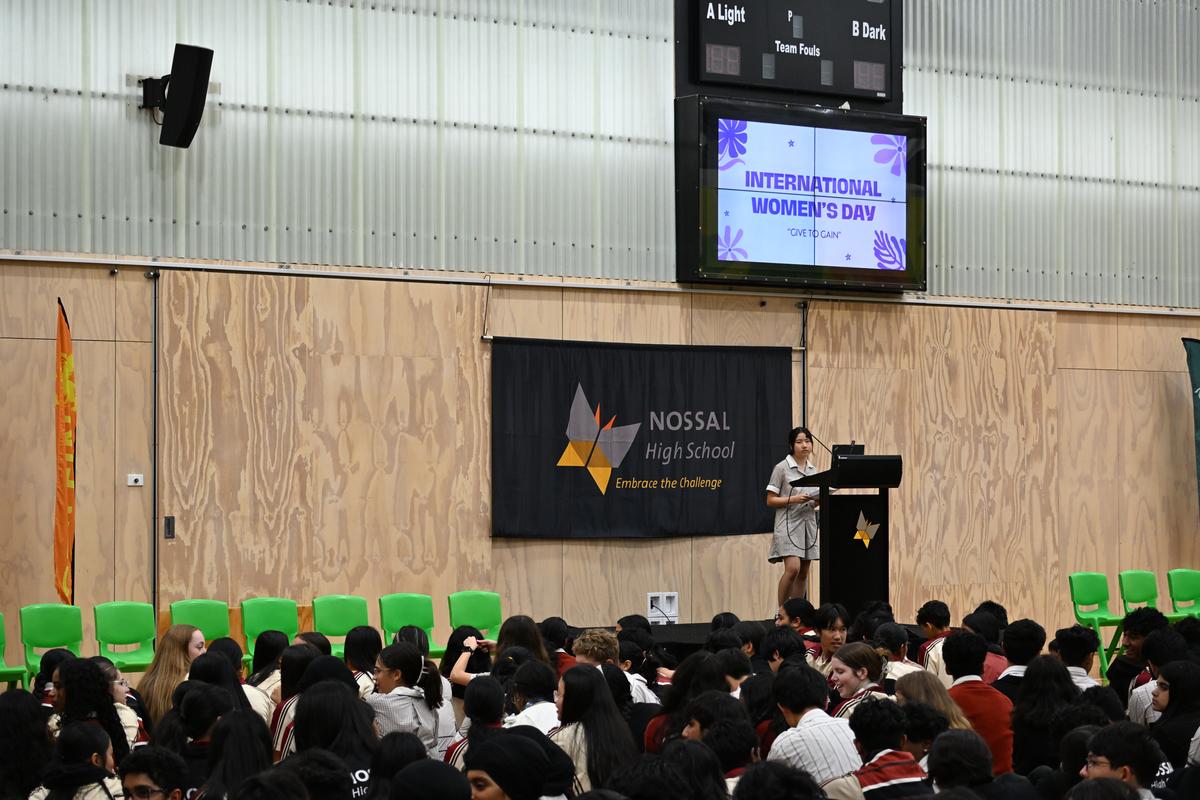
International Women's Day
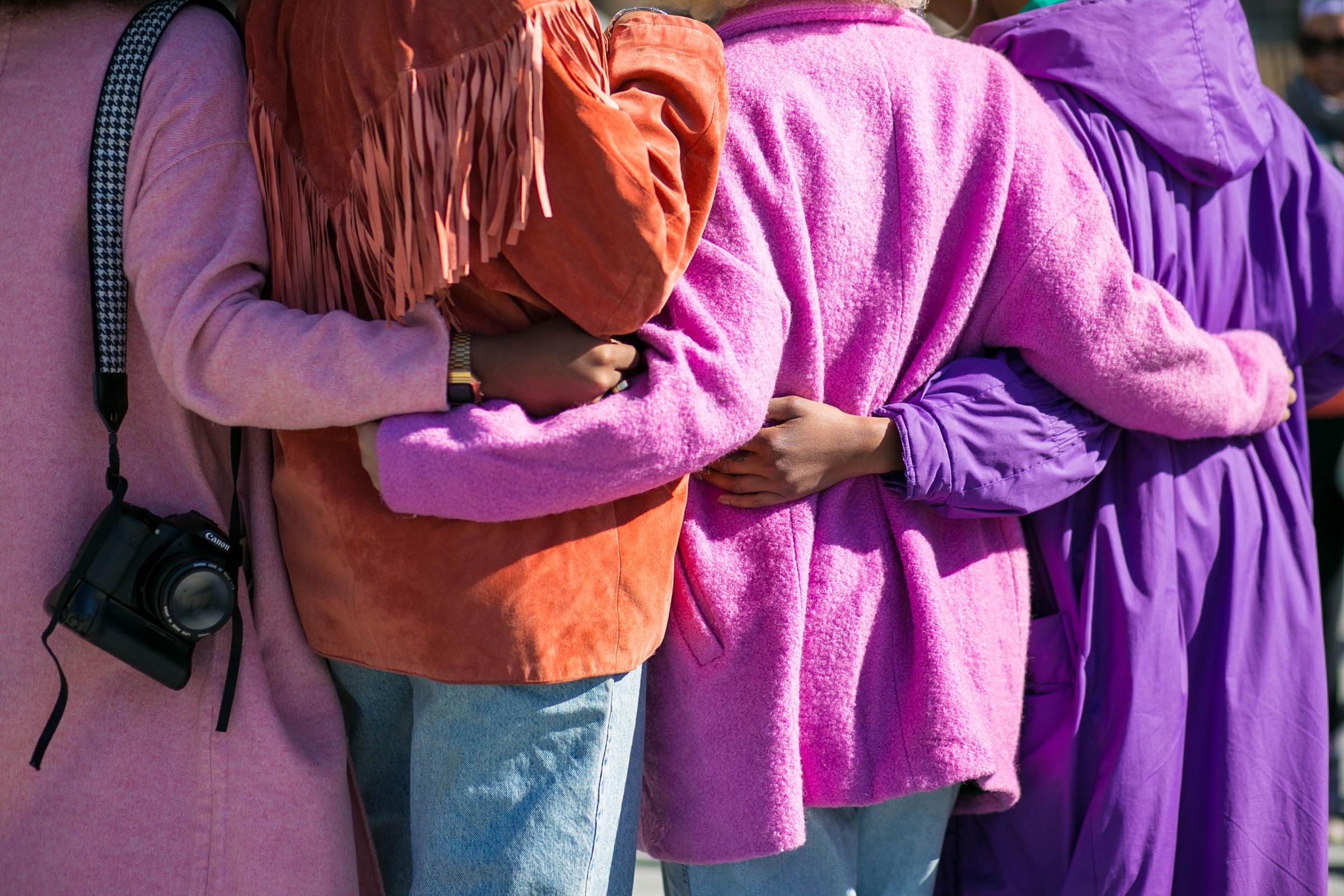
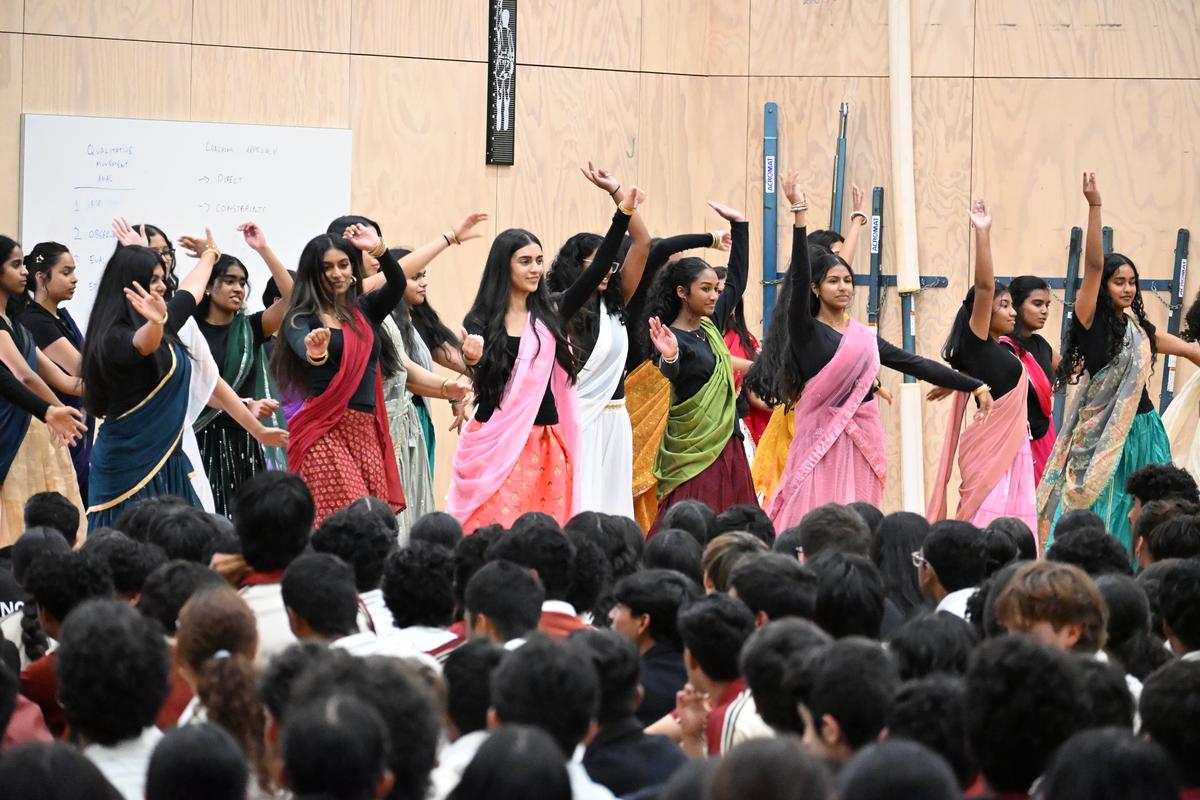
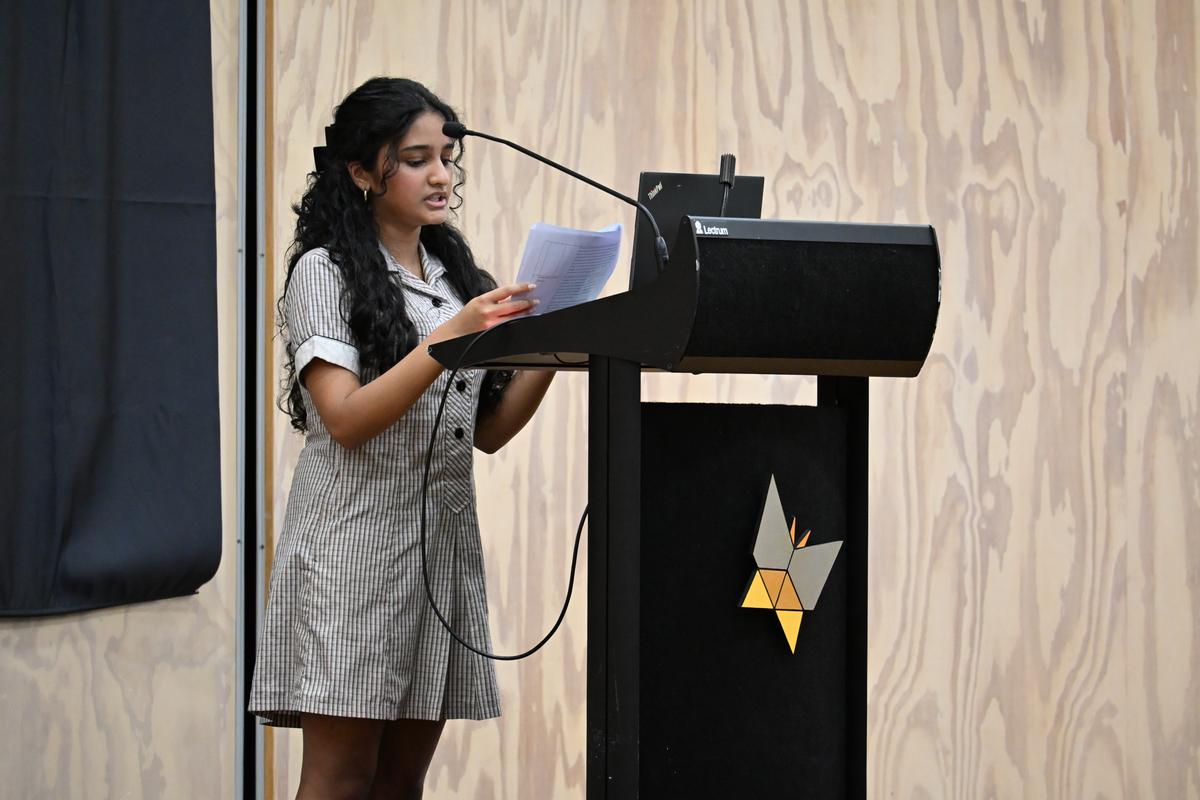
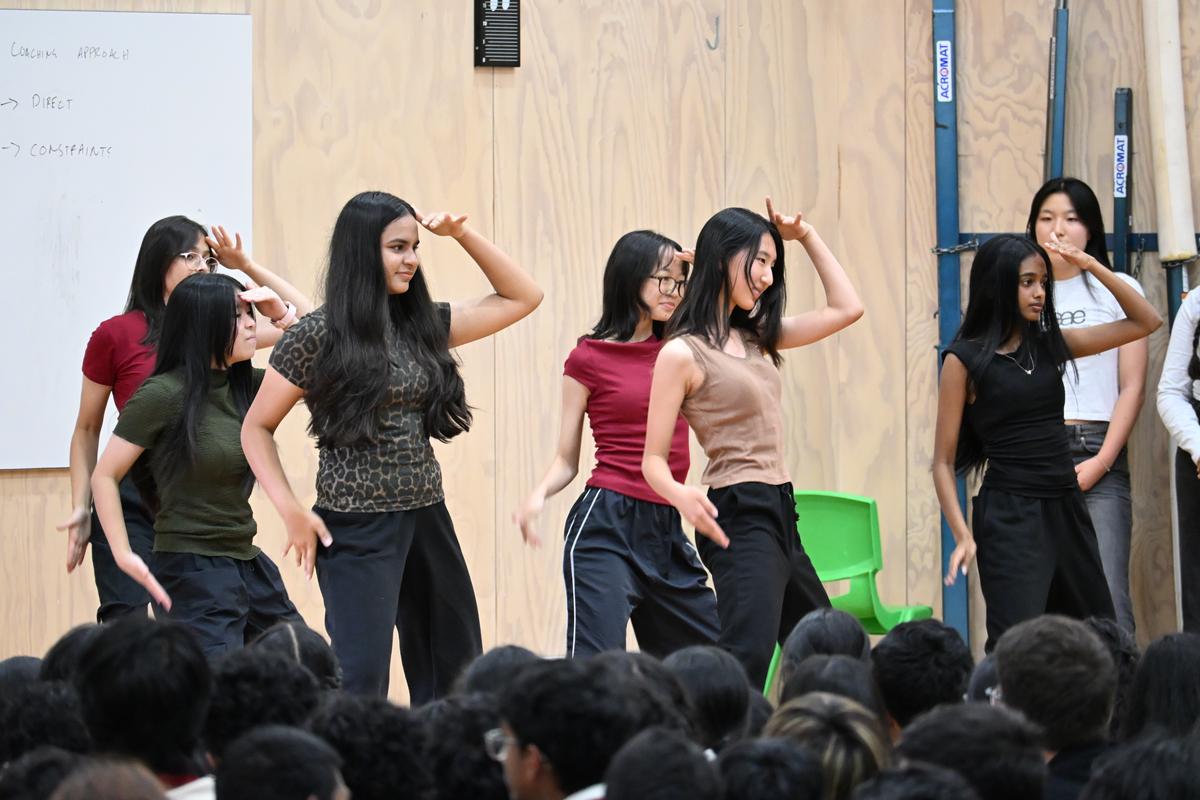
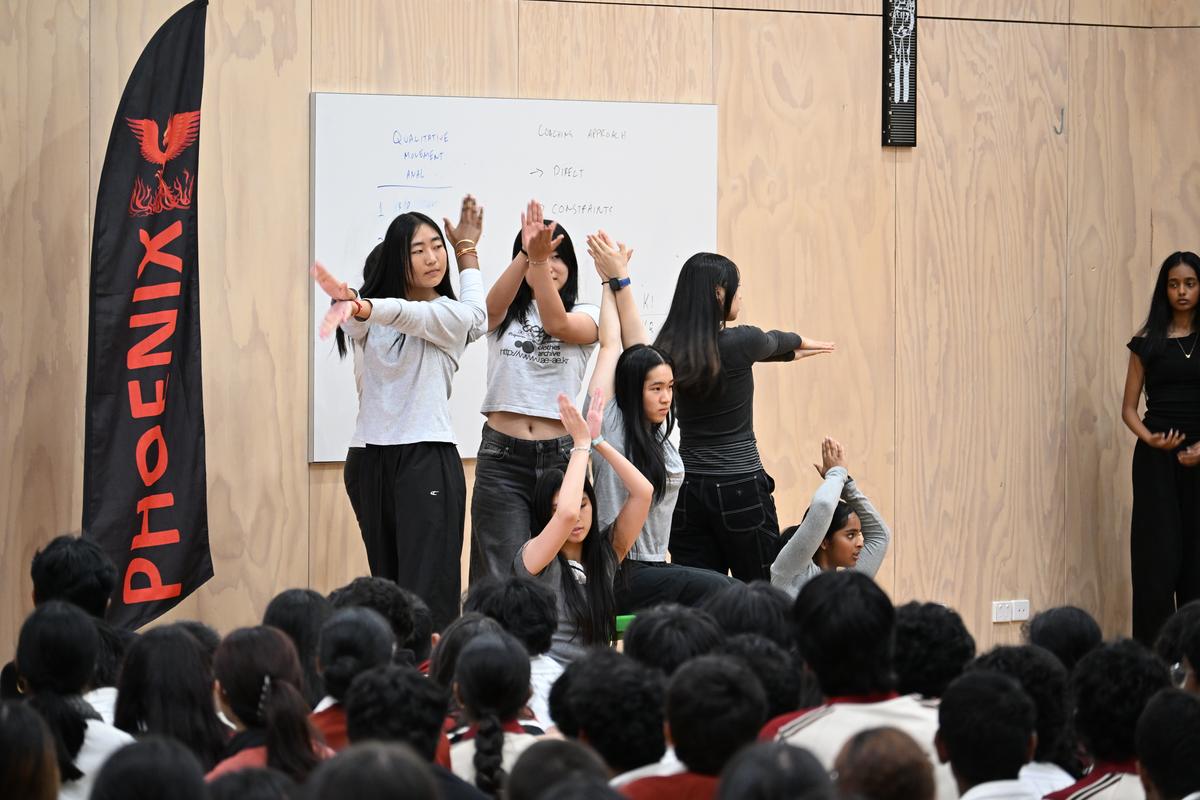
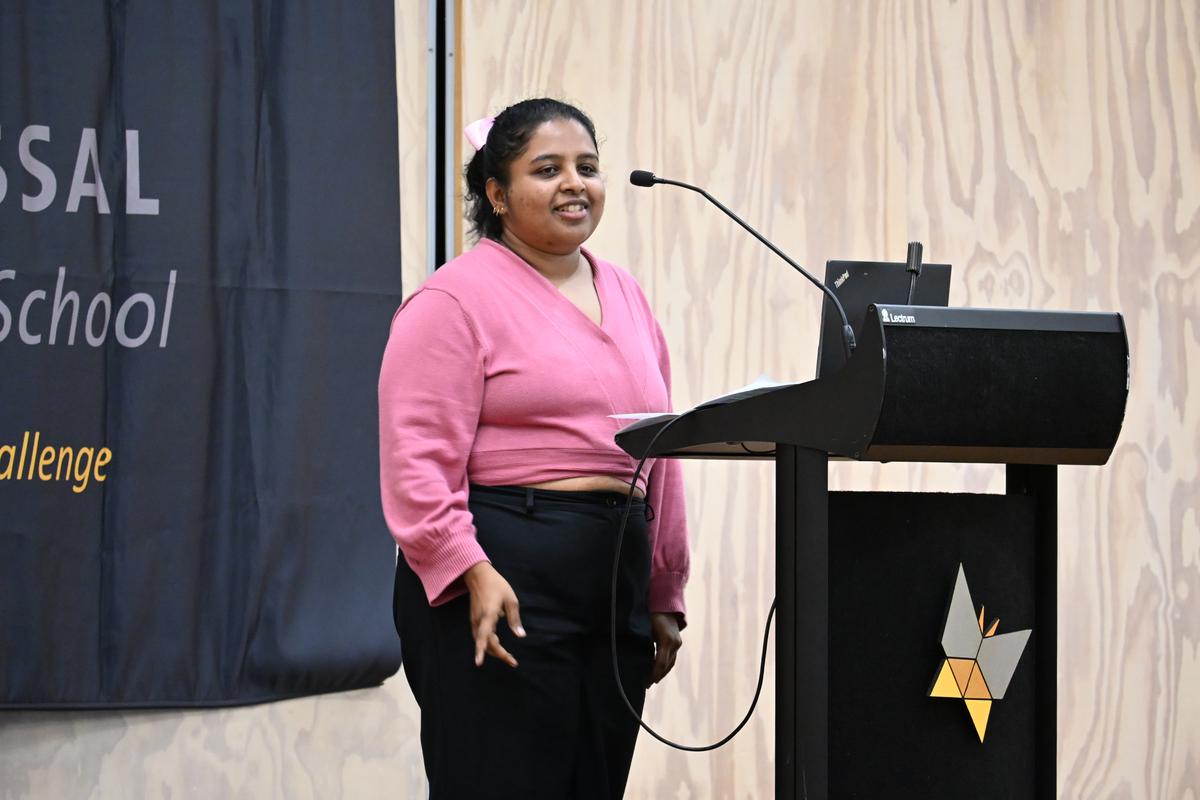
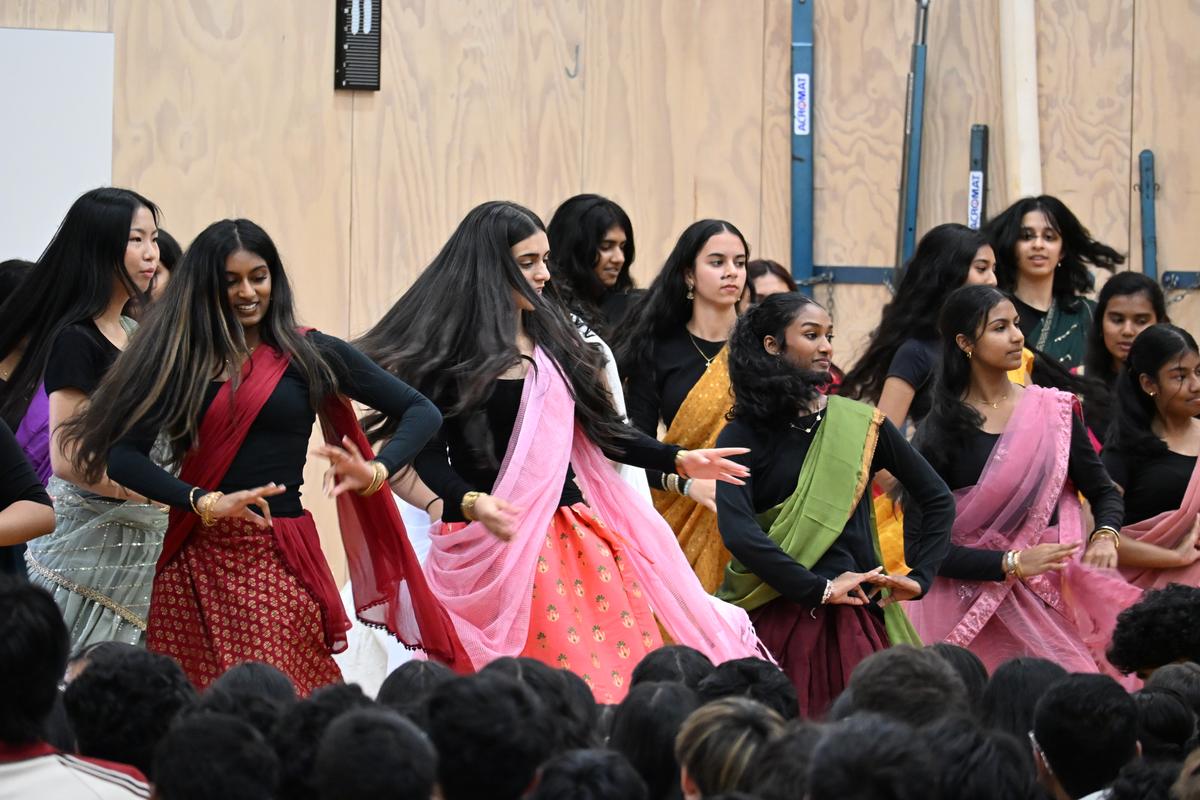
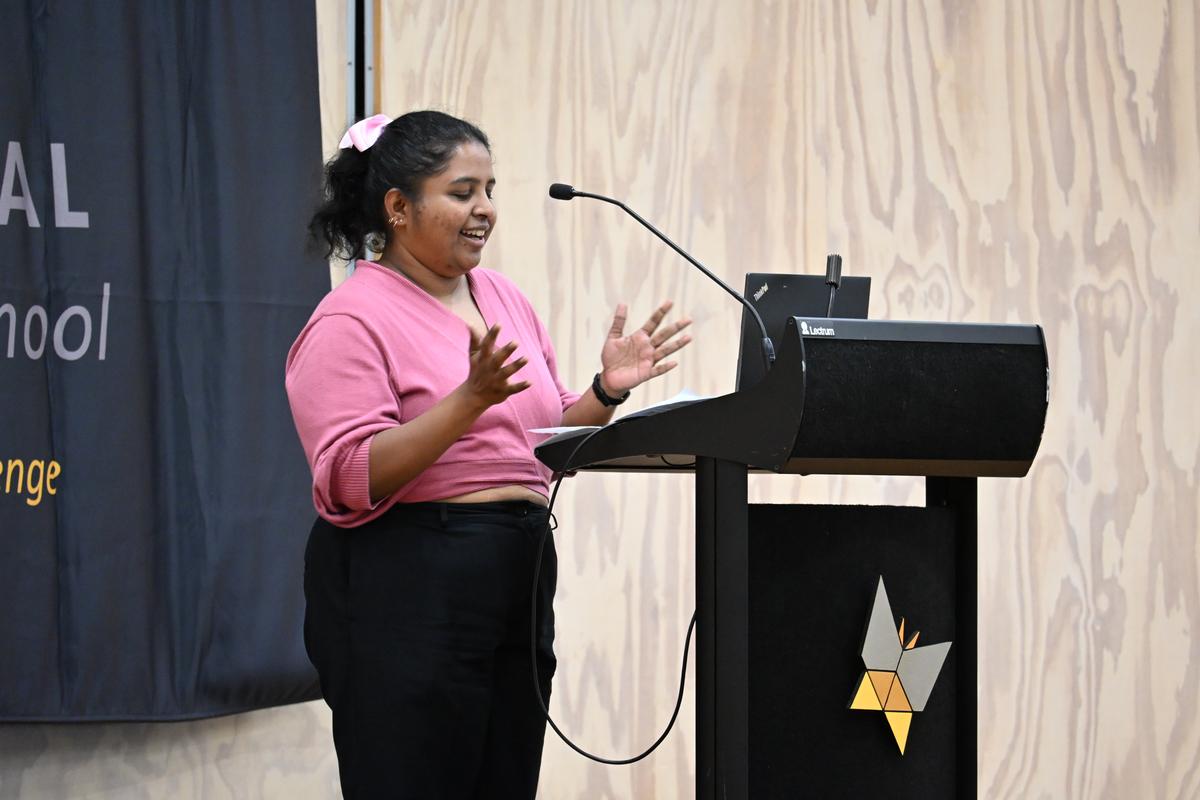
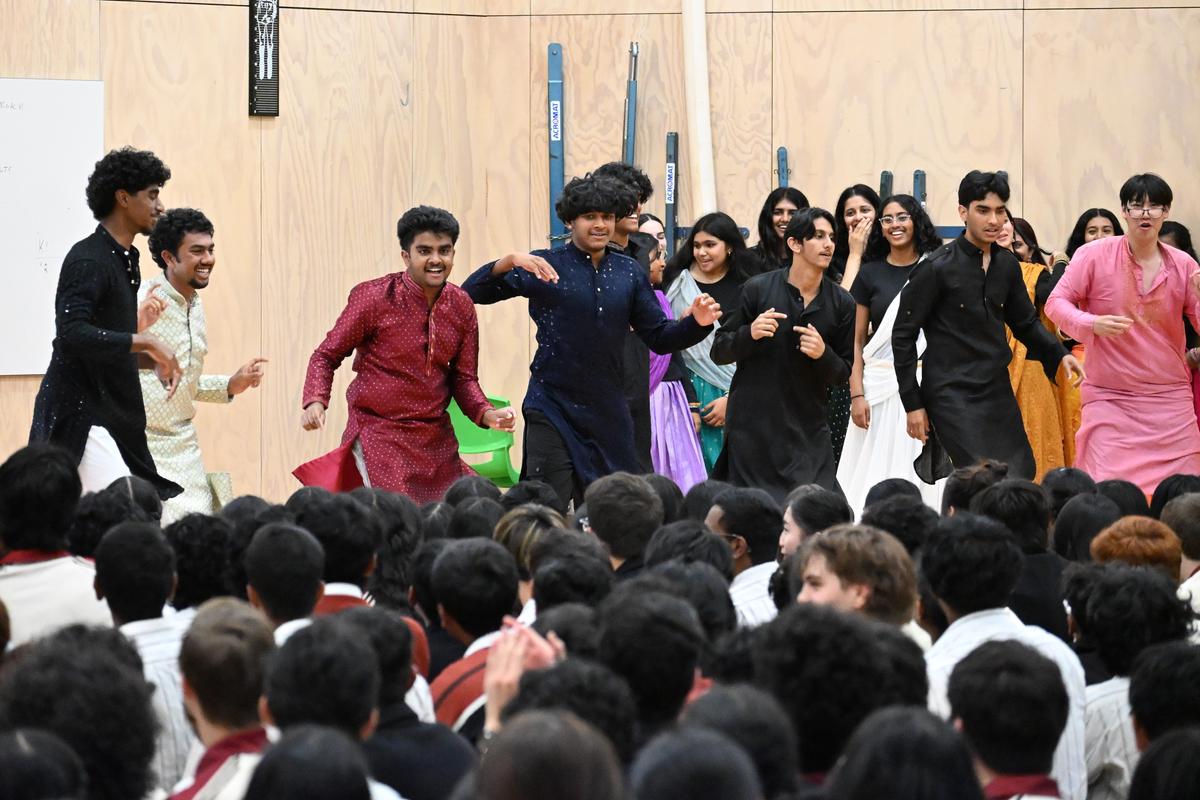
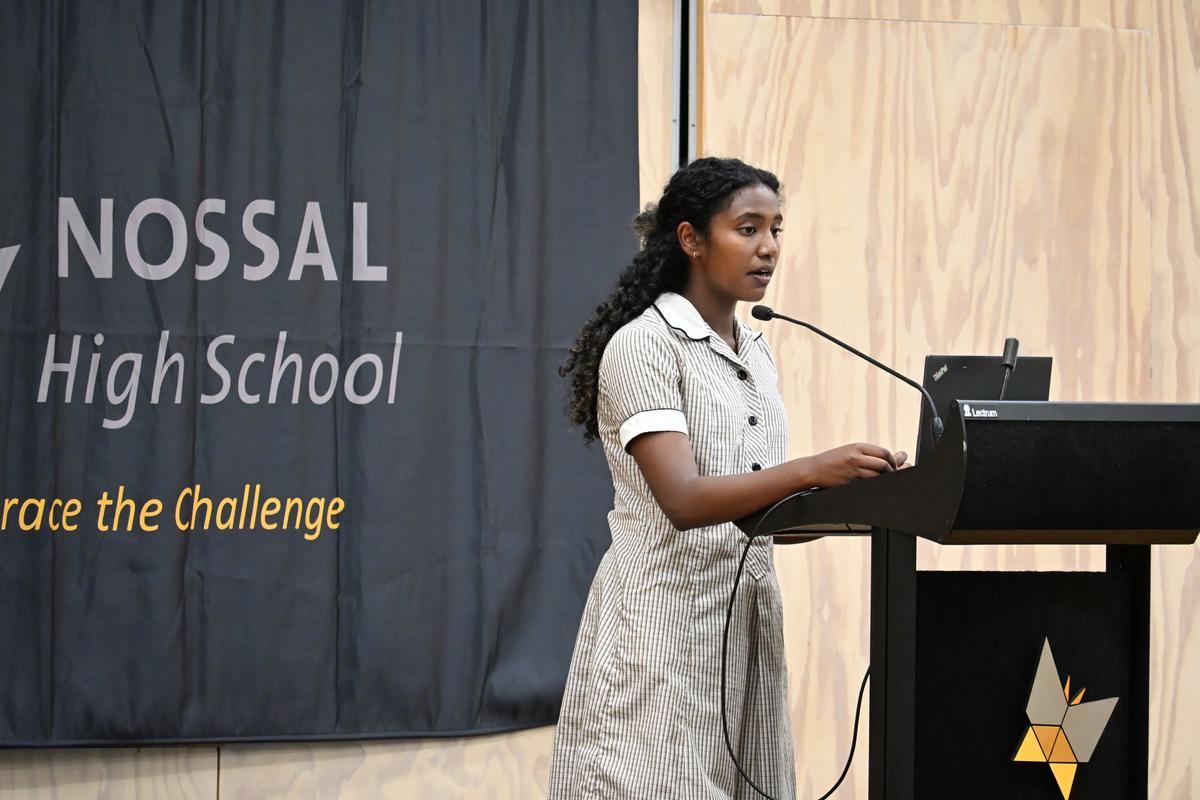
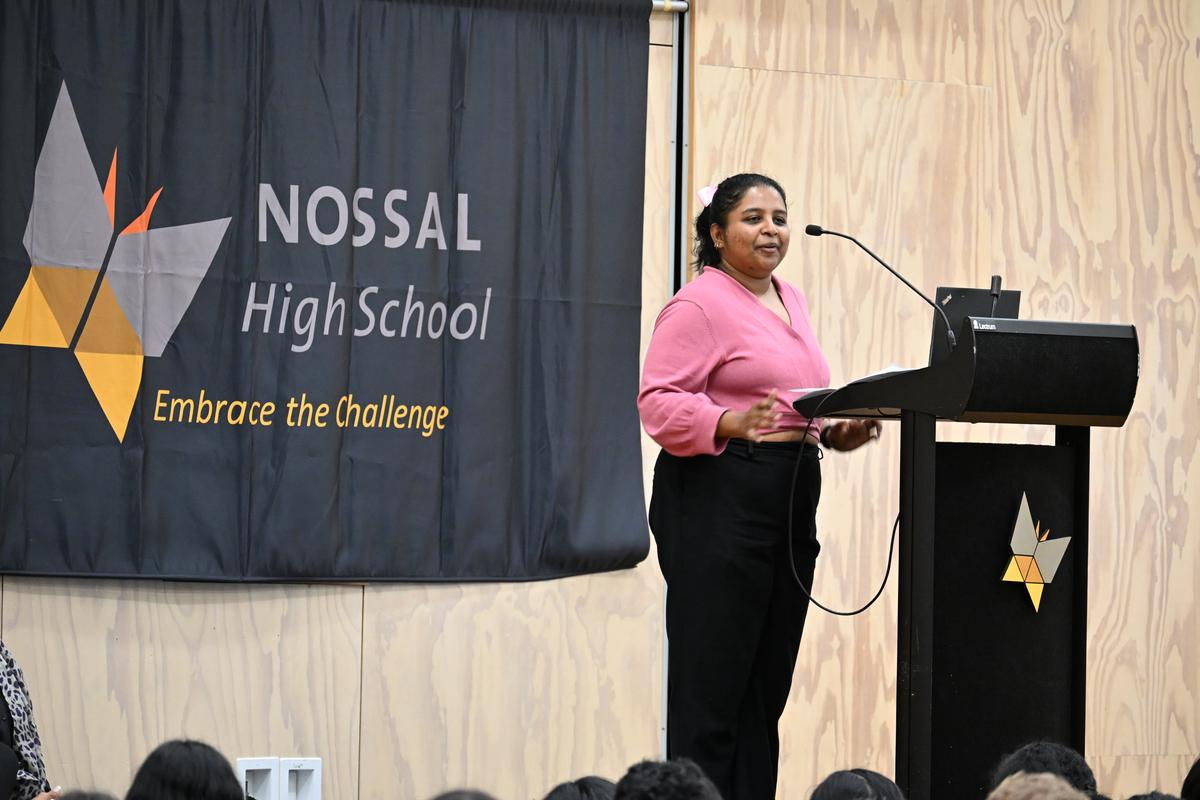
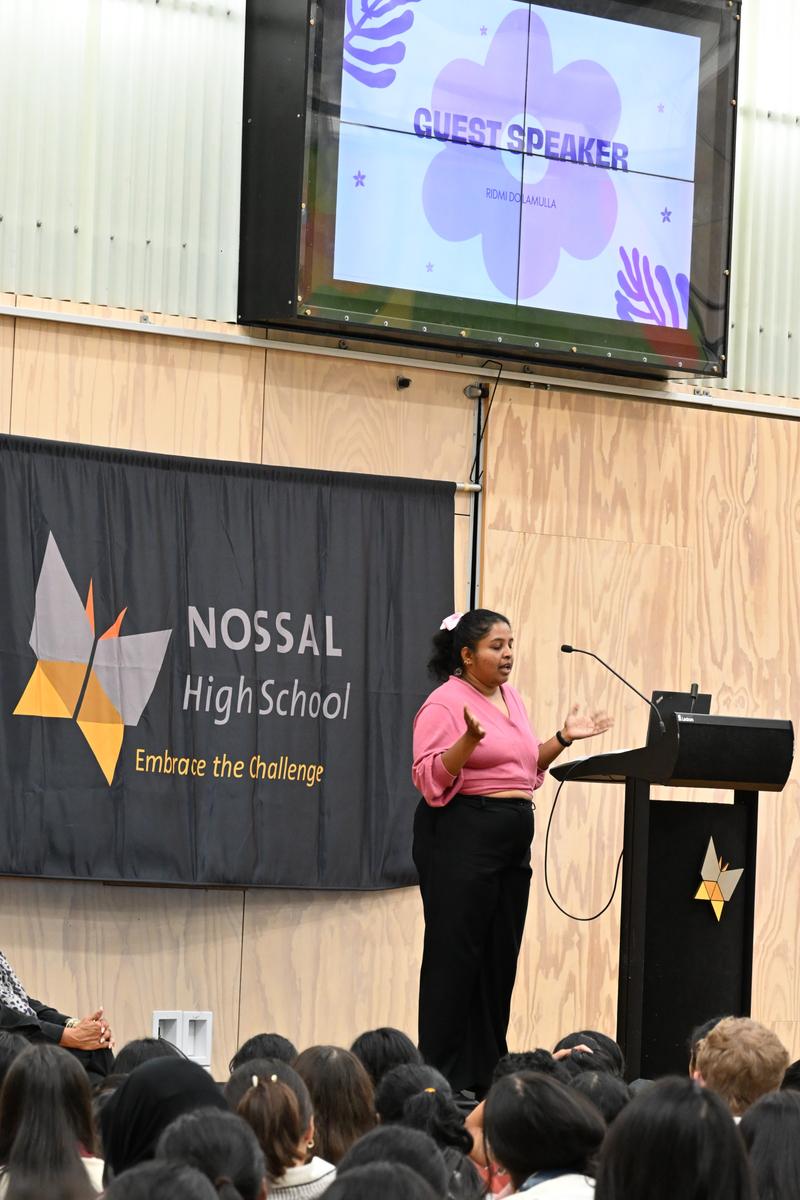
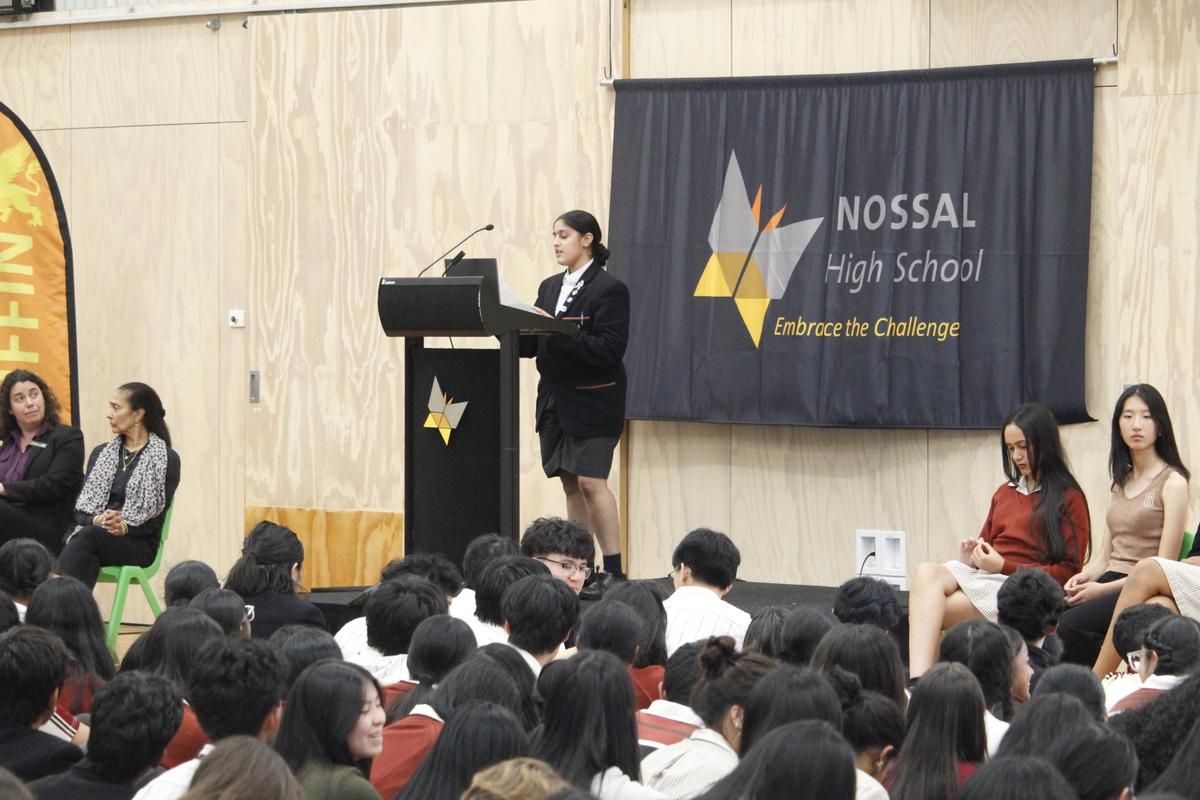
As usual, this year's International Women's Day Assembly brought together a number of thoughtful student leaders to reflect on the place of women in our society and to celebrate their many contributions. One example, a speech from Year 11 student Fiona Dubey, is shared below
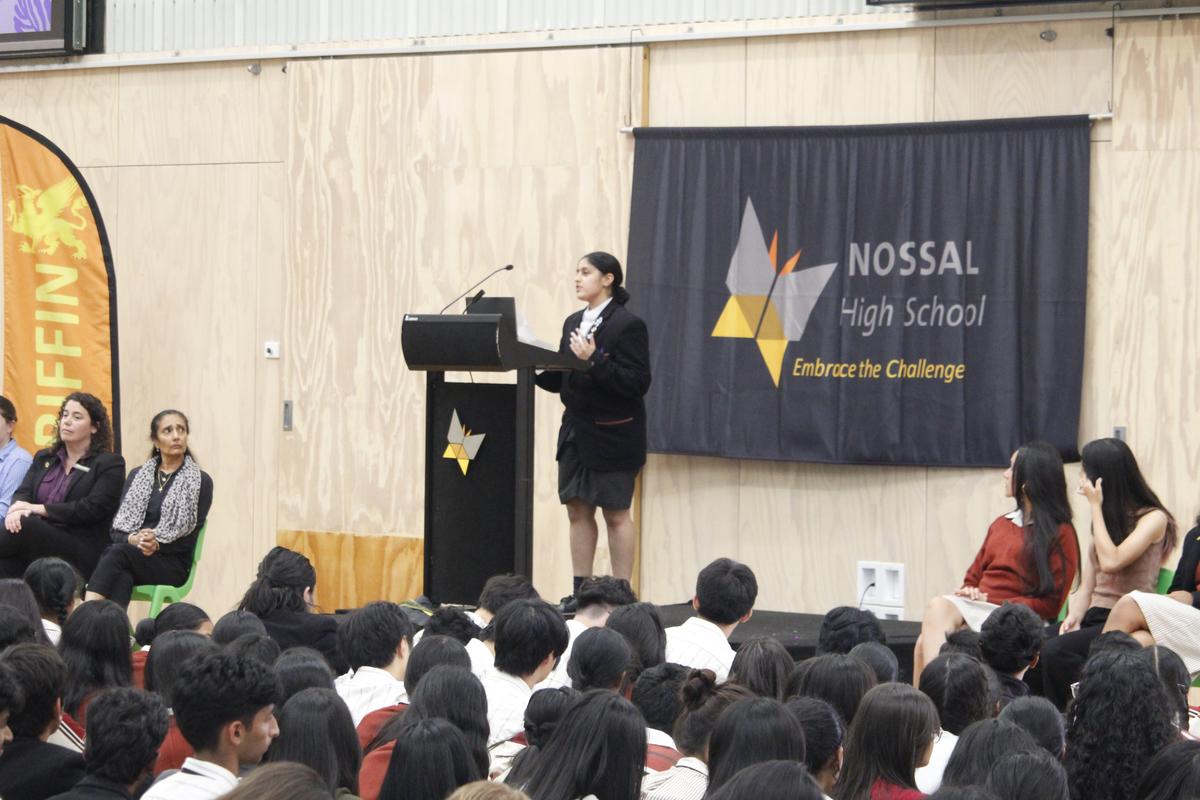
Hello Nossal,
Literature, aside from other media such as sound and film, has been one of the most crucial avenues for women and people of marginalised identities to oppose their subjugation. It allows for their voices to be heard, criticised and become the basis for political debate.
For authors across Western feminist history such as Mary Wollstonecraft, Audre Lorde, and the queer fanfiction writers on AO3, to read and to write is the invasion of what was once something reserved for white, cis, het men, transforming these acts into vicious acts of protest.
Now, to put this into context, there have been many times in this crazy world that some people have actively demonstrated how much they can’t stand the expansion of our minds. Across history, we have seen book burnings, the censorship of media, the denial of education and attacks on discussions of race, gender and sexuality in our classrooms used as tools to control who has access to what type of knowledge. And the absolutely insane thing about this, guys, is the fact that all of this has primarily got to do with reading and writing!
Because when you read, read books about women, about queer people, about people of colour, you can liaise with a world where women and nonbinary people are not erased; where they actively fight back against oppression using words as weapons. And to some people this is terrifying. It is so because books can give marginalised people power; they are allowing even the abstract idea of autonomy to influence and empower them in a world which wants to see them submissive.
So, guys, it is through the existence of censorship, and deeply political debates on the content of books, that the media you choose to engage with becomes political.
To read what empowers you is a choice and it is radical. To write feminist poetry on our Creative Writing club forums is to fight back against patriarchy. To write is to riot and to read is to resist. An engagement with literature is to connect to the words and experiences of those who have fought to make this reality possible and, in turn, to understand what else must be done.
For as long as women and people of marginalised identities are still abused, assaulted, sexualised and our rights denied, there is always a time for us to write back. So I don’t know how you lovely people are celebrating your International Women’s Day, but I know I’m gonna get out my pens and paperbacks.
Thank you!
Fiona Dubey
Year 11