Learning and Teaching

Mrs Annie Engellenner
Deputy Principal, Learning and Teaching Leader & Religious Education Leader
Literacy and Numeracy Testing: Supporting Learning Through Insight
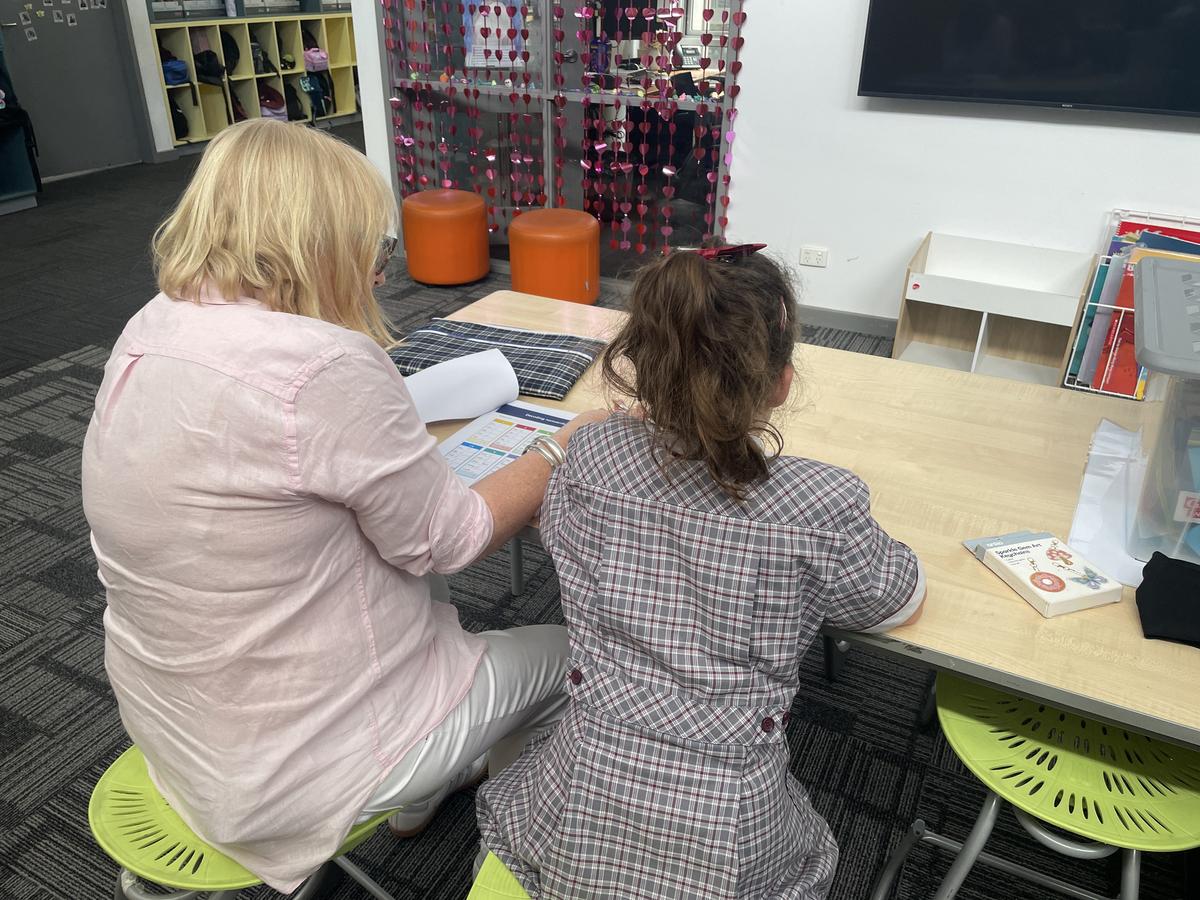
Over the coming weeks, our students will be participating in a range of literacy and numeracy assessments. These assessments are an important part of how we come to know each learner more deeply and ensure we are providing the best possible teaching to support their growth.
At our school, assessment is never about labels or scores alone. Rather, it is about understanding where each child is at in their learning journey and using that information to plan purposeful, targeted teaching. The data we gather helps our teachers identify strengths, areas for development, and the most effective strategies to support every student to progress with confidence.
This approach reflects our strong commitment to data-informed teaching and learning, and our alignment with the MACS Vision for Instruction. By using evidence to guide our practice, we ensure that teaching is intentional, responsive, and focused on high expectations for all learners.
We also recognise that children can feel a little nervous around testing. Our staff work carefully to create calm, supportive environments where students feel encouraged to simply do their best. Families can support by reassuring children that these assessments are just one way teachers learn more about how to help them grow.
We thank our students, staff, and families for their continued partnership as we work together to place each child’s learning, wellbeing, and success at the centre of all we do.
How families can support their children’s learning at home
Children learn best when they feel supported, encouraged, and confident. Families play a powerful role in shaping positive attitudes towards learning through simple, everyday actions.
Families can support learning by:
- Talking and listening – having regular conversations, asking open-ended questions, and encouraging children to share their ideas builds language, thinking, and confidence.
- Reading regularly – reading together, discussing stories, and encouraging children to read for enjoyment strengthens literacy skills and a love of learning.
- Using maths in everyday life – cooking, shopping, telling the time, handling money, and playing games all help children see how numeracy is used in real life.
- Establishing routines – consistent times for sleep, homework, and meals support focus, wellbeing, and readiness to learn.
- Encouraging effort and persistence – praising effort rather than outcomes helps children develop resilience and a growth mindset.
- Creating a positive learning environment – a quiet space, free from distractions, supports concentration and independence.
- Staying connected with the school – reading school communications and talking with teachers strengthens the partnership around each child’s learning.
When families and schools work together, children feel supported, valued, and empowered to grow. This shared approach reflects our commitment to high-quality teaching and learning and our alignment with the MACS Vision for Instruction, with the child at the centre of all we do.


Digital Technologies
Social Media and Student Wellbeing
At Trinity, the safety, dignity and wellbeing of every child is a shared responsibility. As part of this commitment, we have updated our social media expectations to help guide safe and respectful online behaviour.
Most social media platforms are not designed for primary-aged children, and students are not permitted to access social media during school hours or on school devices. Online behaviour that impacts student wellbeing or relationships may be followed up in partnership with families, even when it occurs outside school hours.
We ask families to support their children by talking about online safety, monitoring app use, and reinforcing the importance of kindness and respect — online and offline.
By working together, we can help our children use technology wisely and in ways that reflect our shared values.
Recently our students unpacked our schools Digital Use Agreement. These documents are designed to suit our Prep to Year 2 students and our Year 3 to 6 students. During these lessons the following topics were epxlored:
*what respectful behaviour looks, sounds, and feels like
*clarifying online safety terminology
*supporting student understanding of online rights and responsibilities
* setting out an agreed set of steps that will be followed when an issue arises
Support for Families
To help you confidently support your child with online safety and social media, the Australian eSafety Commissioner provides free, trusted information and tools for families. These resources are relevant for primary school ages and beyond.
👉 General parent support and adviceFind videos, tips, printable guides and family tech agreements to help start conversations and set healthy boundaries at home:🔗 https://www.esafety.gov.au/parents/resources
👉 Online safety basicsIdeas for how to keep kids safer online — including talking about apps, privacy and respectful behaviour:🔗 https://www.esafety.gov.au/parents/issues-and-advice/online-safety-basics
👉 Multilingual safety supportSimplified online safety advice and conversation starters in multiple languages:🔗 https://www.esafety.gov.au/parents/resources/online-safety-for-every-family
👉 Social media age changes – what parents need to know.
Parents can read about recent changes to social media minimum age rules and access tools to help explain them.
Anaphylaxis Awareness and Student Safety
At Trinity, the safety and wellbeing of every child is a shared responsibility and a priority we take very seriously. In line with Melbourne Archdiocese Catholic Schools (MACS) policies, we have clear procedures in place to support students diagnosed with anaphylaxis.
Anaphylaxis is a severe allergic reaction that can be life-threatening. Common triggers include certain foods (such as nuts, eggs or dairy), insect stings and some medications. For students at risk, an individual Anaphylaxis Management Plan is developed in partnership with families and medical professionals. These plans guide staff on prevention strategies, recognising symptoms and responding quickly in an emergency.
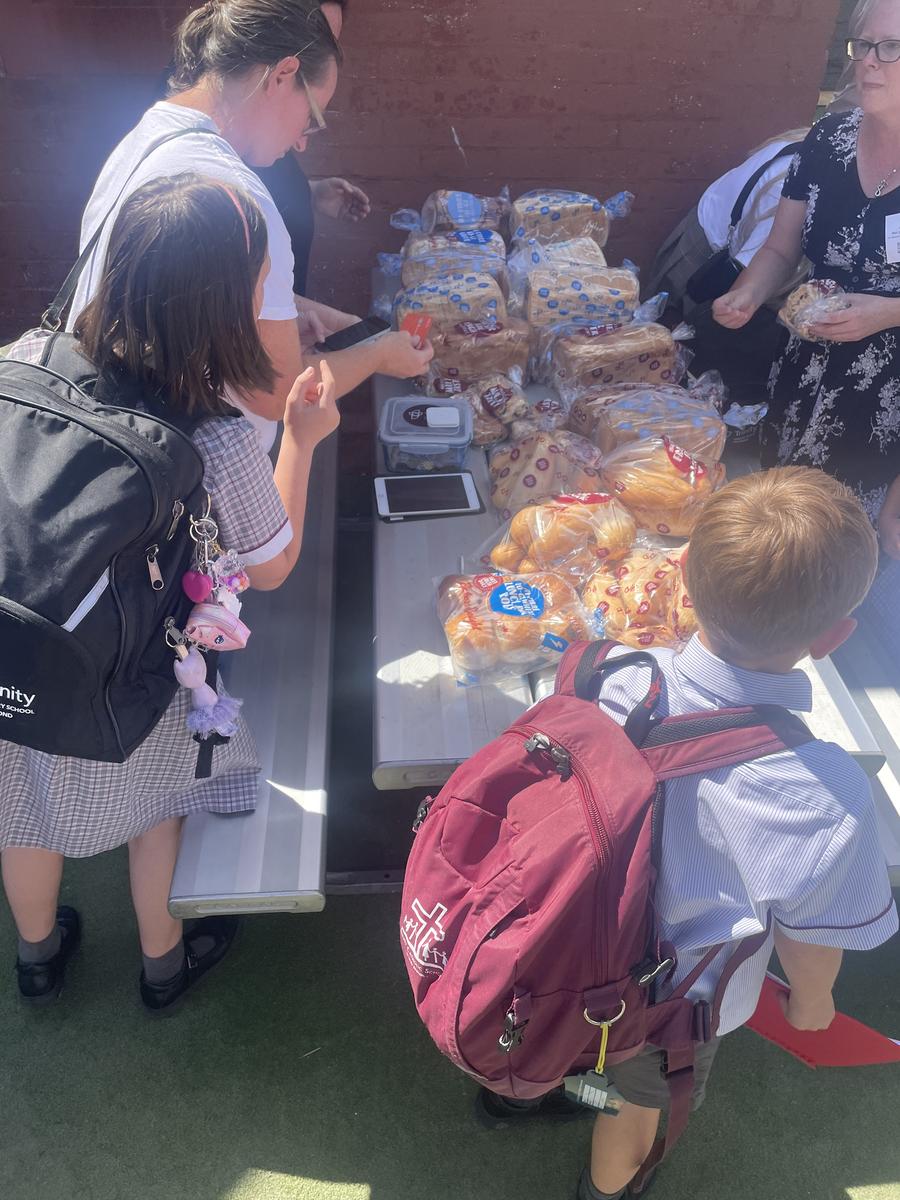
All staff undertake regular training in anaphylaxis awareness and emergency response, including the use of adrenaline auto-injectors (EpiPens). We also have whole-school procedures to reduce risk, including careful management of food at school events, excursions and in classrooms.
We ask families to support us by:
- Informing the school promptly of any diagnosed allergies
- Providing up-to-date medical documentation and medication
- Encouraging children not to share food
- Being mindful of school guidelines around food brought to school
By working together — school, families and students — we can ensure a safe, inclusive environment where every child is known, supported and able to learn and thrive. Thank you for your continued partnership and care for our community.