
Junior School
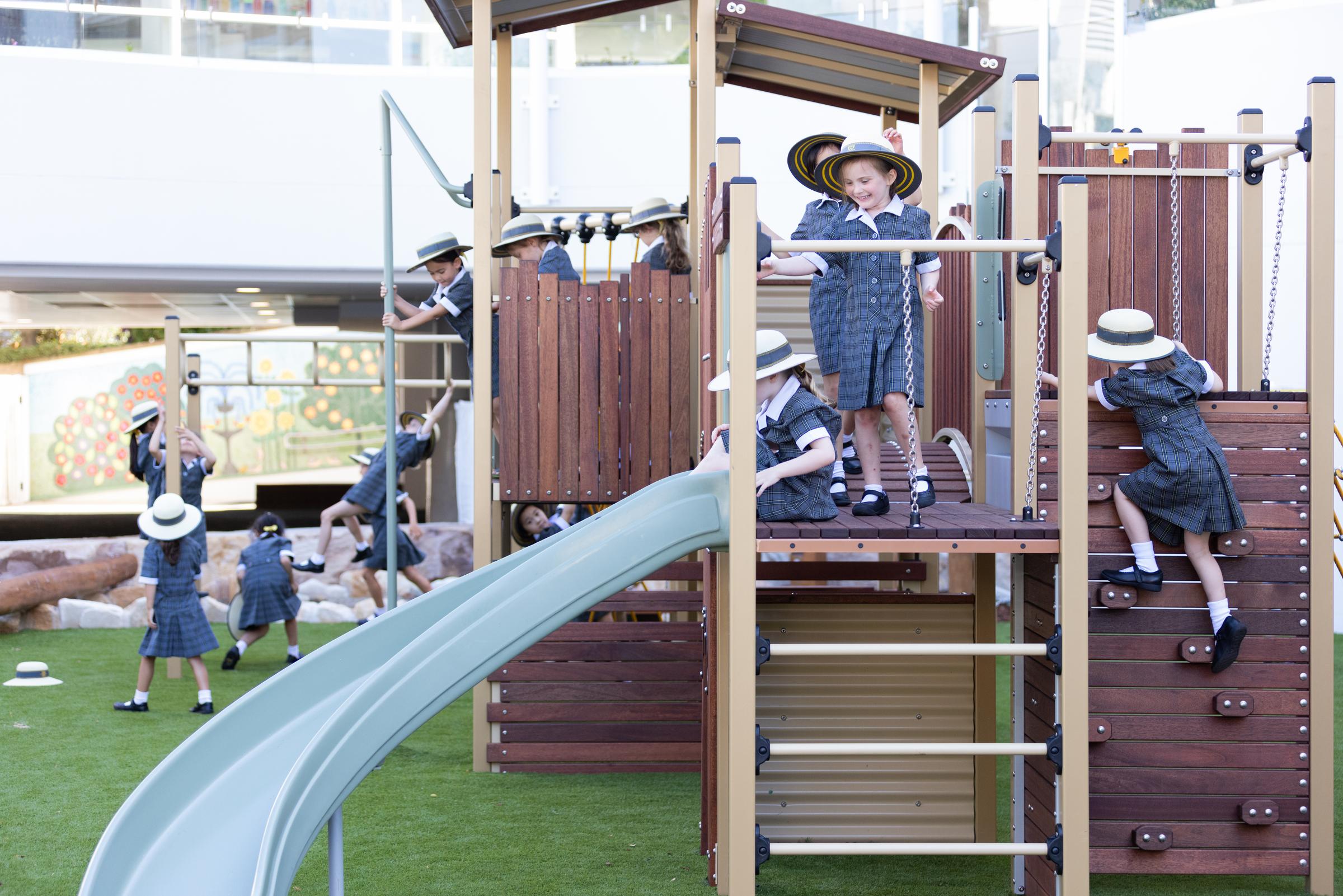
How do we show up?!
Last week when we posted at 7am that the 2026 Athletics Carnival would go ahead, I thought our absentee line would be flooded with excuses for our students to not run in the rain, instead our students by and large showed up in droves on the all-weather track.
And what a powerful lesson that turned out to be.
There is something easy about showing up when the conditions are perfect. When the sun is shining, the track is dry, the crowd is cheering and everything is going your way, participation requires little courage. But when the rain comes down, when the weather is miserable and when it would be perfectly understandable to stay home, showing up becomes a choice.
Our students made that choice.
They arrived in the rain, pulled on their House colours, gathered with their friends and took to the track. Some competed for points. Others came simply to be part of the day. Some ran personal bests, while others pushed themselves to finish events, they may never have imagined entering. There were cheers from the sidelines, encouragement between competitors and plenty of moments where the conditions mattered far less than the people standing beside them.
That is the power of showing up.
Showing up does not guarantee that we will win. It does not mean that everything will go according to plan. It certainly does not mean that the conditions will be comfortable. What it does guarantee is that we give ourselves the opportunity to experience something, to challenge ourselves, to support someone else and to discover what we are capable of when circumstances are less than ideal.
In education, we talk a great deal about resilience, perseverance, courage and character. These qualities can sometimes sound like abstract ideas, but on an afternoon soaked by rain, they became very real.
Resilience looked like getting back on the track. Courage looked like standing at the start line despite the weather. Perseverance looked like finishing the race. Character looked like cheering for someone else, even when your House wasn't the one crossing the line first.
And community looked like thousands of small acts of encouragement that kept the carnival moving.
Our Athletics Carnival reminded us that some of the most valuable experiences are not the ones where everything goes perfectly. Sometimes the rain becomes part of the story. Sometimes the day we nearly cancelled becomes the day we remember. Sometimes the conditions we would rather avoid are exactly what give an experience its meaning.
Sometimes, the most important thing we can do is simply show up.
Mr Stuart Coppin
Deputy Principal - Head of Junior School
Hands on Geography: Year 4 Bushland Adventure at Field of Mars
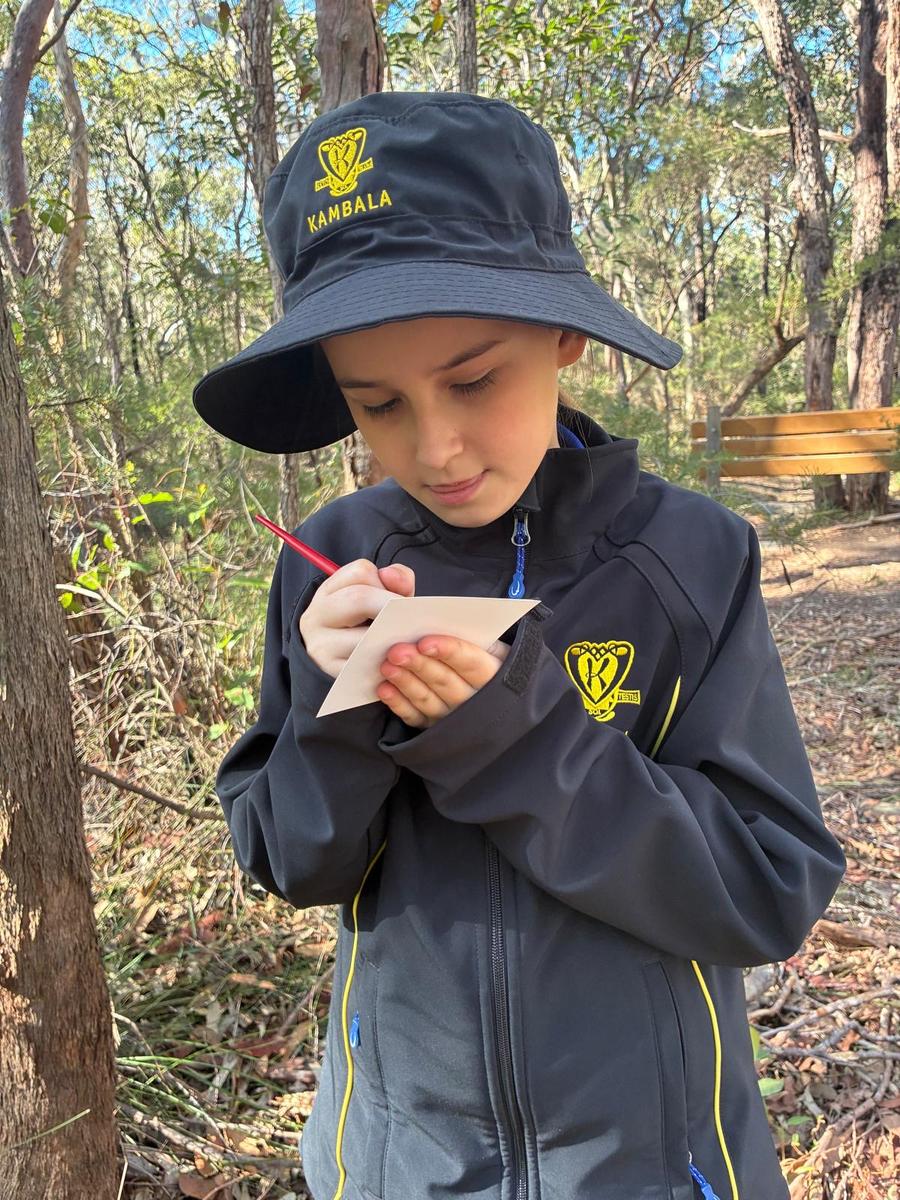
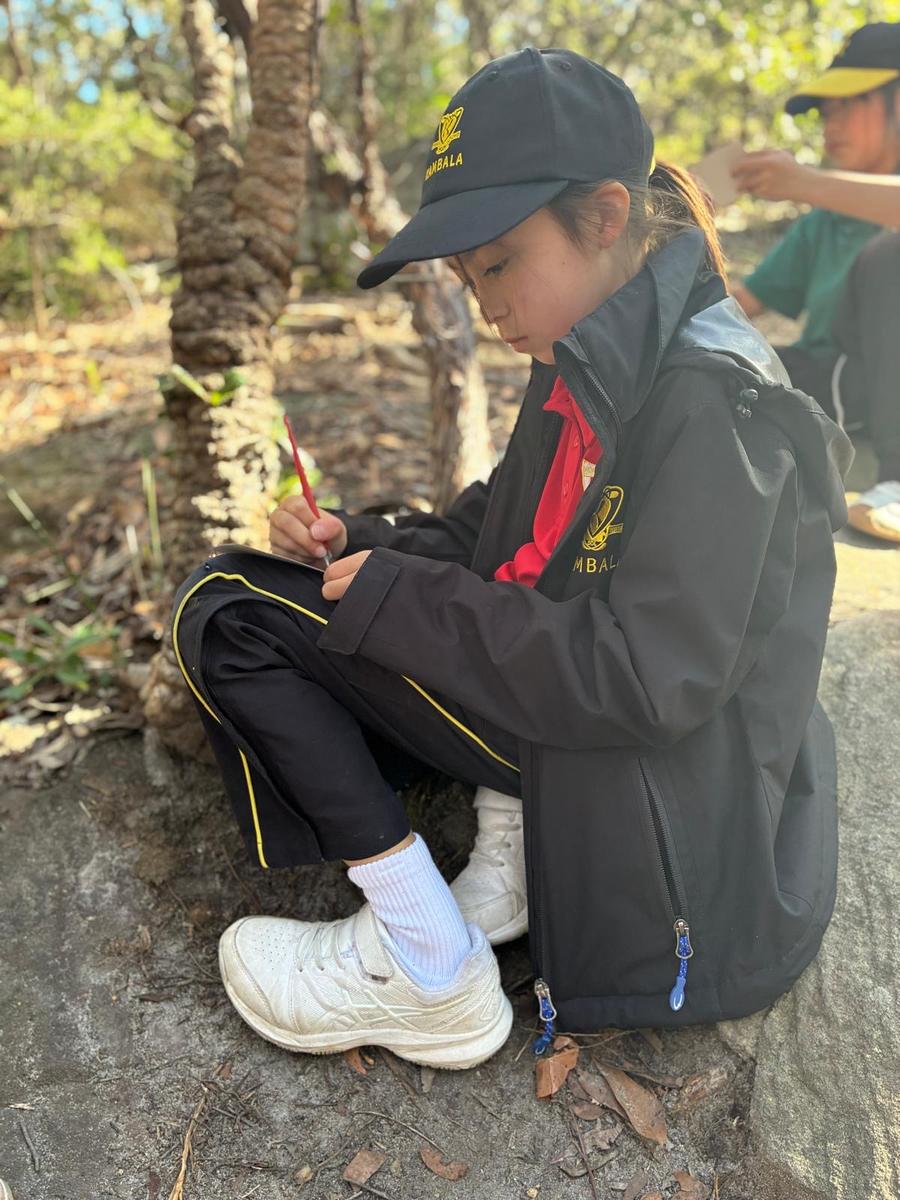
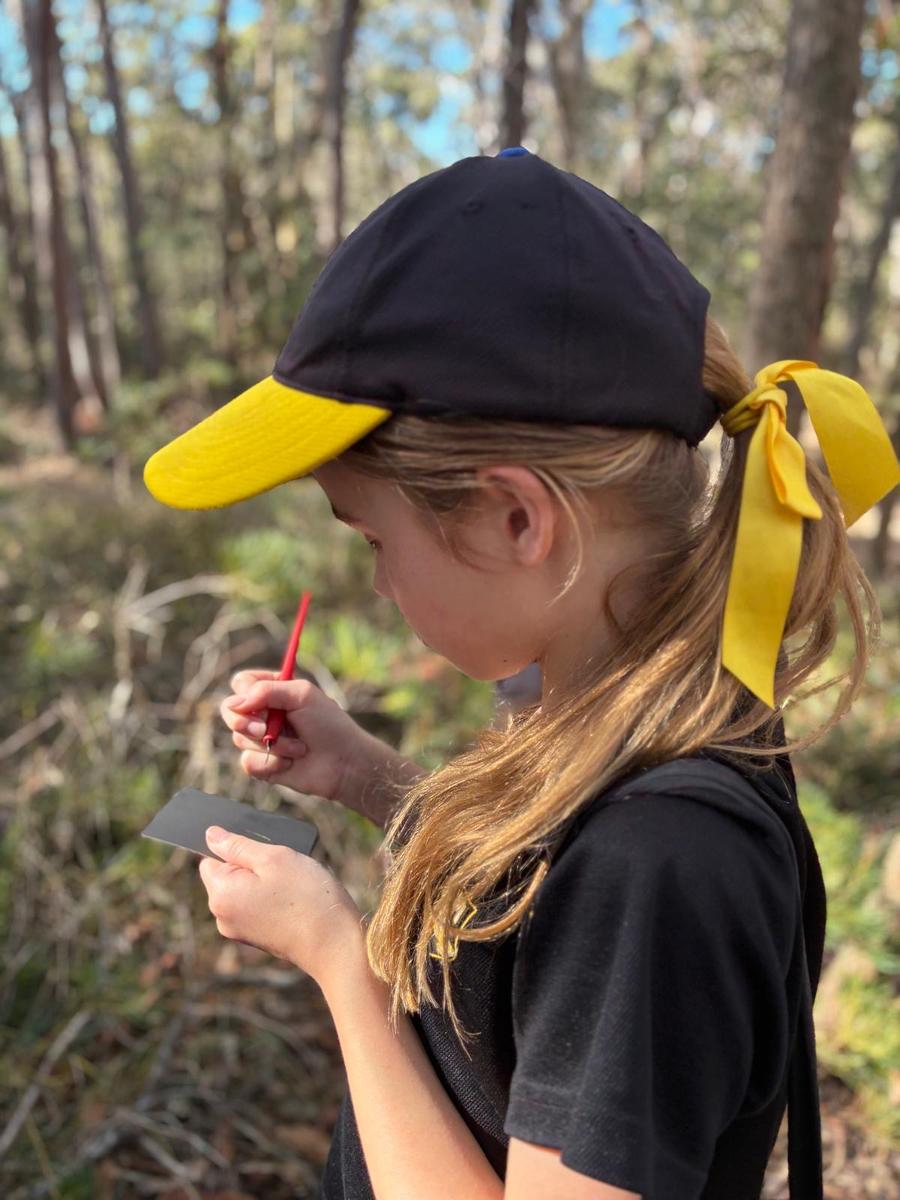
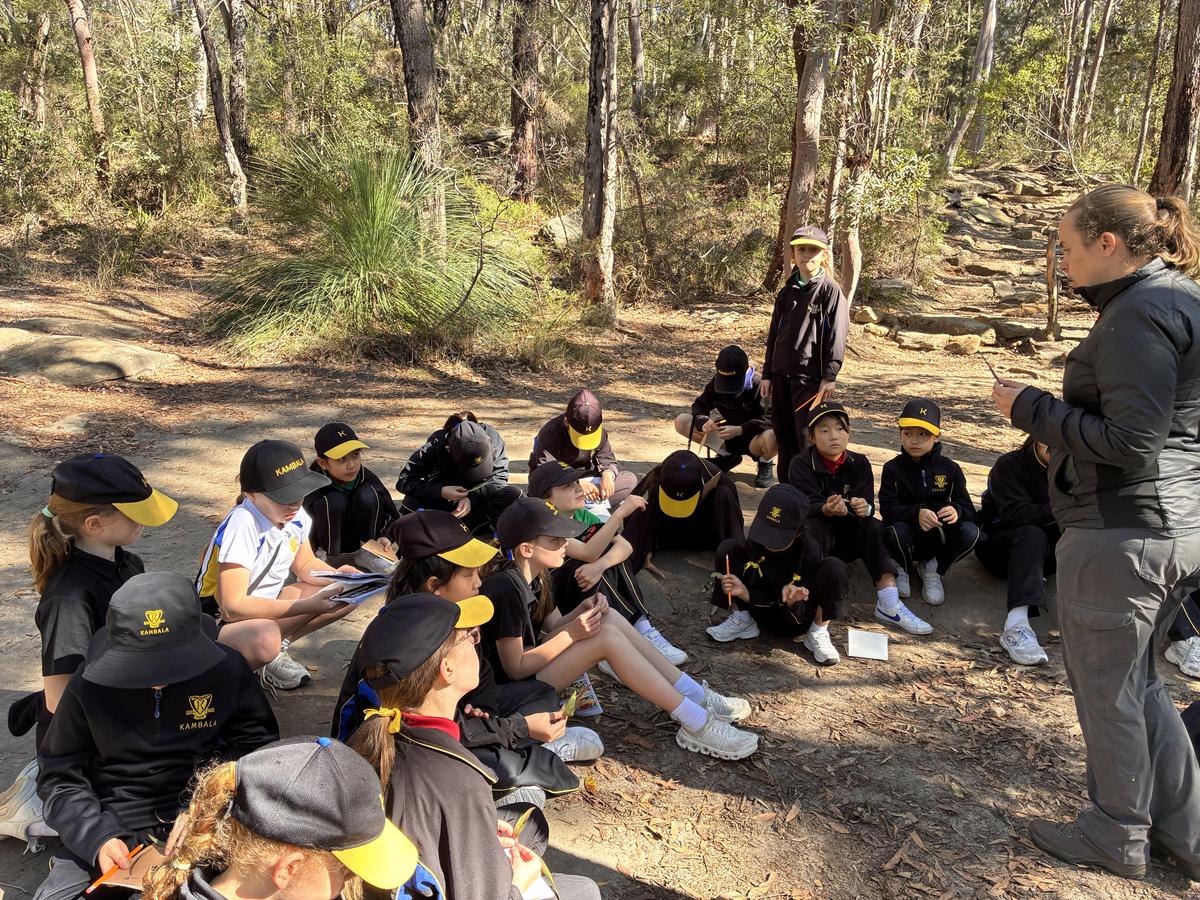
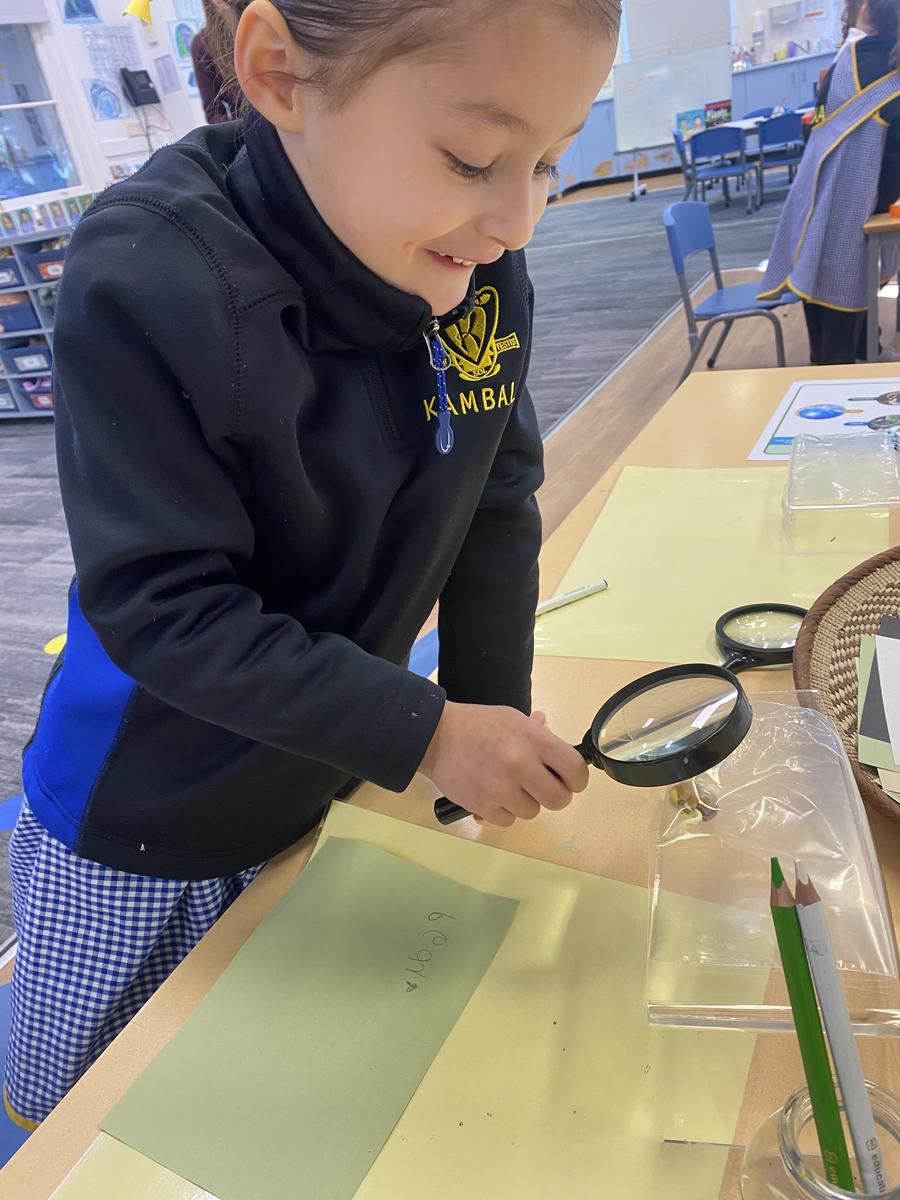
Our Year 4 geographers stepped out of the classroom and straight into nature with an action-packed excursion to the Field of Mars reserve. Trading desks for bush trails, students became full-fledged environmentalists and geologists for the day-getting up close and personal with this unique Australian Eucalypt Forest. Armed with magnifying glasses, field diaries, and plenty of curiosity, our young investigators put their observational and analytical skills to work.
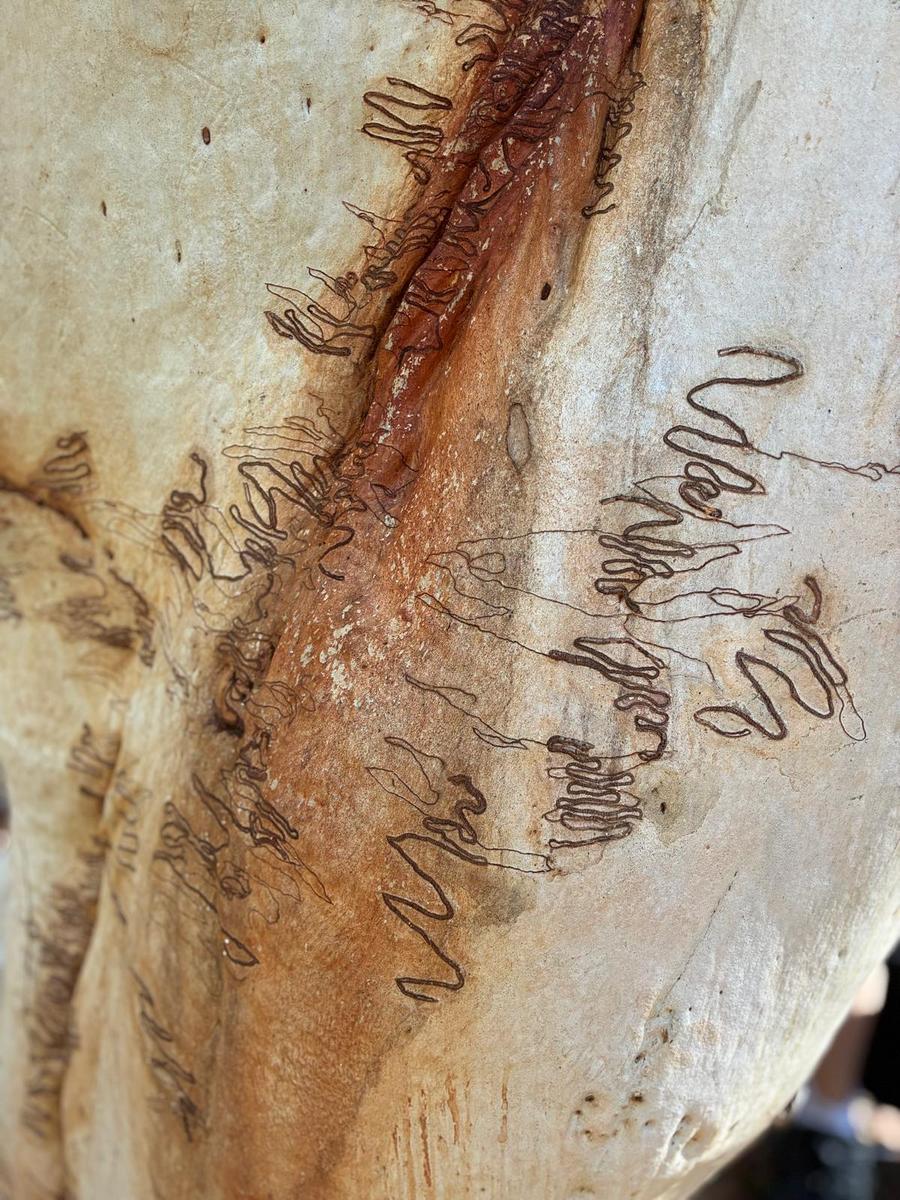
Working as botanical sleuths, students immersed themselves in the shade of towering gum trees to examine the incredible variety of plant life, insects and birdlife. They carefully analysed leaf structures, tracked complex patterns, and drew detailed illustrations directly into their own field journals. Shifting gears to geology, our rock and mineral detectives then explored nearby creek beds and sandstone outcrops. Using magnifying lenses, they inspected the microscopic details, vivid colour variations, and unique textures hidden within the natural rock formations. To round out their fieldwork, the children created intricate floral etchings and rubbings of delicate native wildflowers, capturing fine details to serve as beautiful visual keepsakes of their discoveries.
It was far more than just a fun day outdoors; it was a powerful learning experience that directly connected to our in-class studies of Biomes and environments. This fieldwork has laid a fantastic foundation for our learning as we prepare to take a deep dive into Australia’s Endangered Species later this term. By applying real-world scientific methods to explore the local bushland, our Year 4 learners have gained a much richer understanding and appreciation of the natural environment around them - even if there were Spiders!
Helen Maynard
Year 4 Teacher
Seeds of Science: Growing Curiosity, Creativity and a Greener Future
National Science Week 2026 | 15–23 August
During National Science Week, our young scientists discovered that some of the biggest scientific ideas can begin with something remarkably small - a seed.
With the 2026 theme, “Seeds of Science: Nurturing knowledge for all”, students have been encouraged to embrace curiosity, ask questions, test ideas and discover how science can help us understand and care for the world around us.
Across Kindergarten to Year 5, our science lessons have quite literally taken root!
Kindergarten: Growing Ideas with Seeds of Science
Our Kindergarten scientists began their National Science Week journey by discovering the purpose of seeds and exploring what makes a seed so important to the life cycle of a plant.
After investigating what seeds do and what they need to grow, students put their creativity to work by designing their very own “Seeds of Science” snakes. This playful challenge encouraged students to connect scientific ideas with imagination and design.
Through creating their snakes, students explored the idea that seeds can be remarkably different in shape, size and appearance, while all having an important role to play in helping new plants grow.
For our youngest scientists, the experience was a wonderful introduction to the idea that science begins with noticing, wondering and asking questions. Their colourful creations showed that scientific thinking can be imaginative, hands-on and lots of fun!
Years 1-2: Planting Seeds for Pollinators
Our Year 1 and 2 students discovered that seeds can play an important role far beyond simply growing into plants.
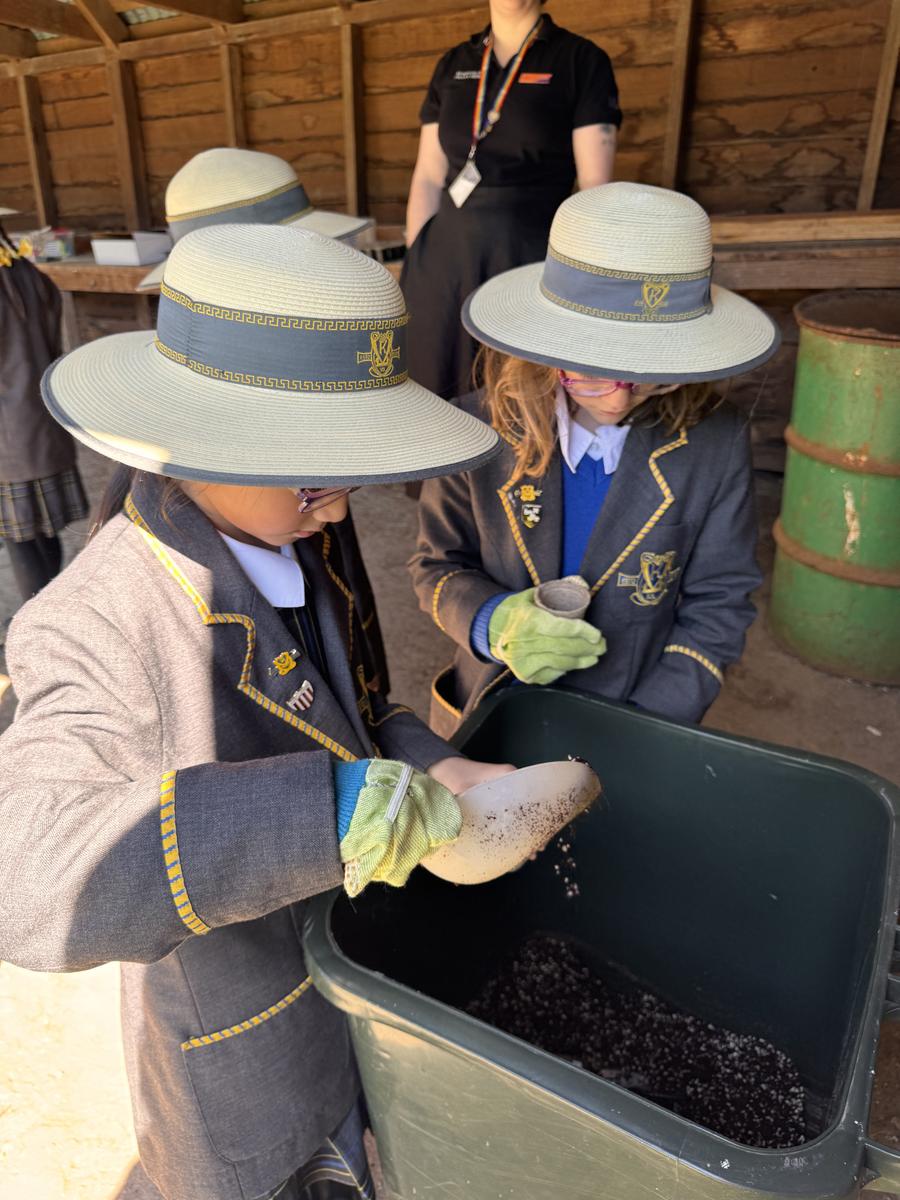
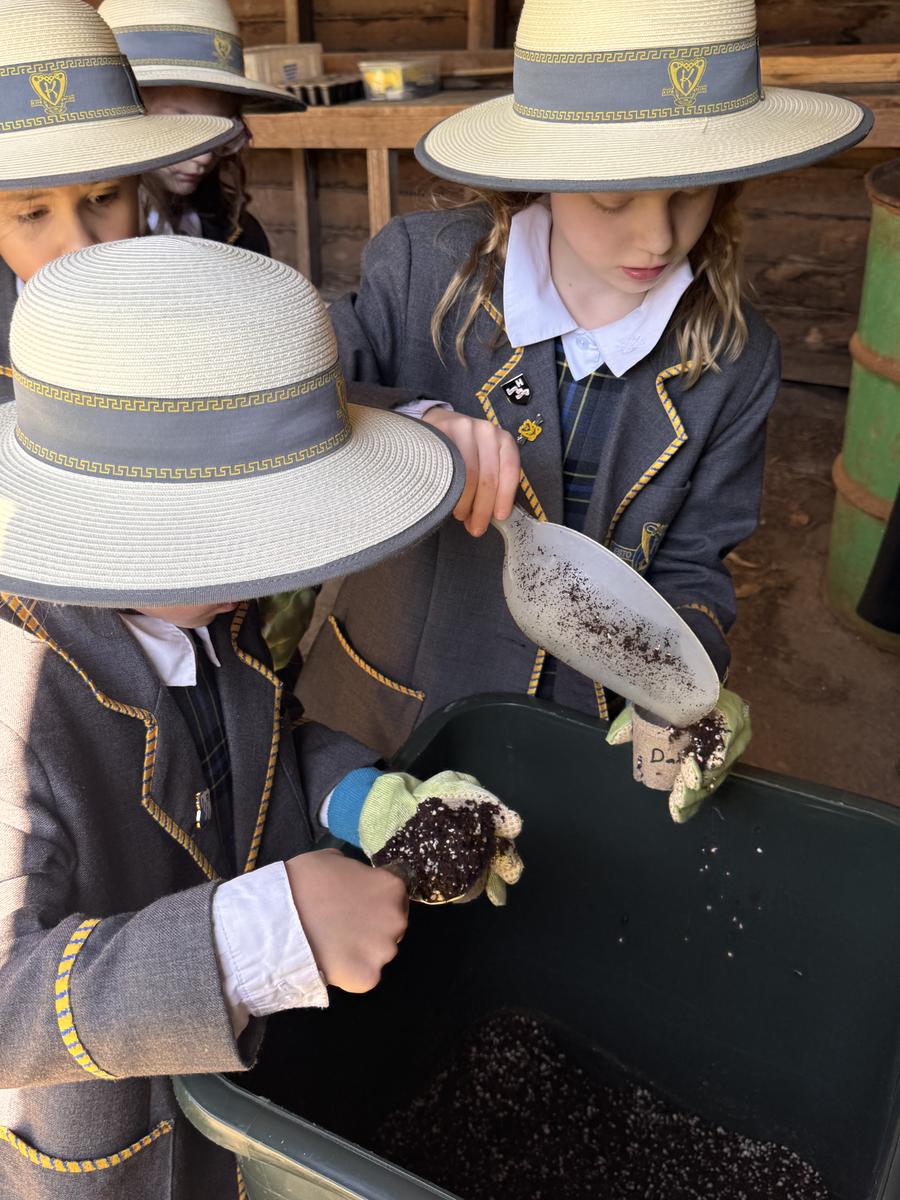
Students created their very own seed bombs, carefully combining soil and seeds to create small packages ready to be planted and nurtured. We used dianthus, cosmos andmarigold seeds - flowers that can provide valuable food sources for our essential pollinators.
As students made their seed bombs, they began to see the connection between a tiny seed, a beautiful flower and the much bigger ecosystem around us.
Our pollinators - including bees and other insects - play an essential role in helping plants reproduce. By creating spaces filled with flowering plants, we can help provide food for these important creatures and contribute to a pollinator highway, connecting habitats and giving pollinators more opportunities to find the resources they need.
For our youngest students, this was science they could touch, create and take action on.
Years 3-5: Harnessing the Power of the Wind
In Years 3–5, students became engineers, inventors and problem-solvers as they explored one of nature’s most powerful forces: wind.
Their challenge was to design and create a model capable of dispersing seeds effectively using the power of the wind. Rather than simply being told how seeds travel, students had to investigate the science for themselves.
They considered questions such as: What makes a seed travel further? How does its shape affect its movement? Could a seed spin, glide or float through the air? What happens when we change the design?
Armed with creative and critical thinking skills, students designed, constructed, tested and refined their own wind-dispersal models. There was plenty of experimentation - and plenty of learning from designs that did not quite work the first time!
Through this hands-on challenge, students experienced science as scientists do: wondering, predicting, creating, testing, evaluating and trying again.
The classroom became a laboratory of ideas, where there was no single right answer and every design had the potential to teach us something new.
Growing Scientists, One Question at a Time
National Science Week is a wonderful reminder that science is not simply a collection of facts to remember. It is a way of thinking, questioning and making sense of the world.
From Kindergarten students discovering the purpose of seeds and designing their Seedsof Science snakes, to Years 1 and 2 creating seed bombs for pollinators, and Years 3–5 engineering innovative wind-dispersal models, every student has had the opportunity to explore science through curiosity, creativity and hands-on investigation.
Most importantly, our students have discovered that even the smallest idea can grow into something significant.
A seed may be tiny, but with the right conditions, it can become a flower, provide food for a pollinator and contribute to a healthier ecosystem. In much the same way, a child’s question - “I wonder what would happen if…?” -can be the beginning of a lifetime of scientific curiosity.
This National Science Week, we are celebrating those questions, those ideas and those moments of discovery.
Because when we nurture curiosity, we grow more than scientists - we grow knowledgeable, creative and environmentally conscious young people who understand that they can make a difference.
And sometimes, it all starts with a seed.
Clickhereto view the Science Week video
Diane Jones
Science Specialist and STEM Integrator
Year 2 Excursion
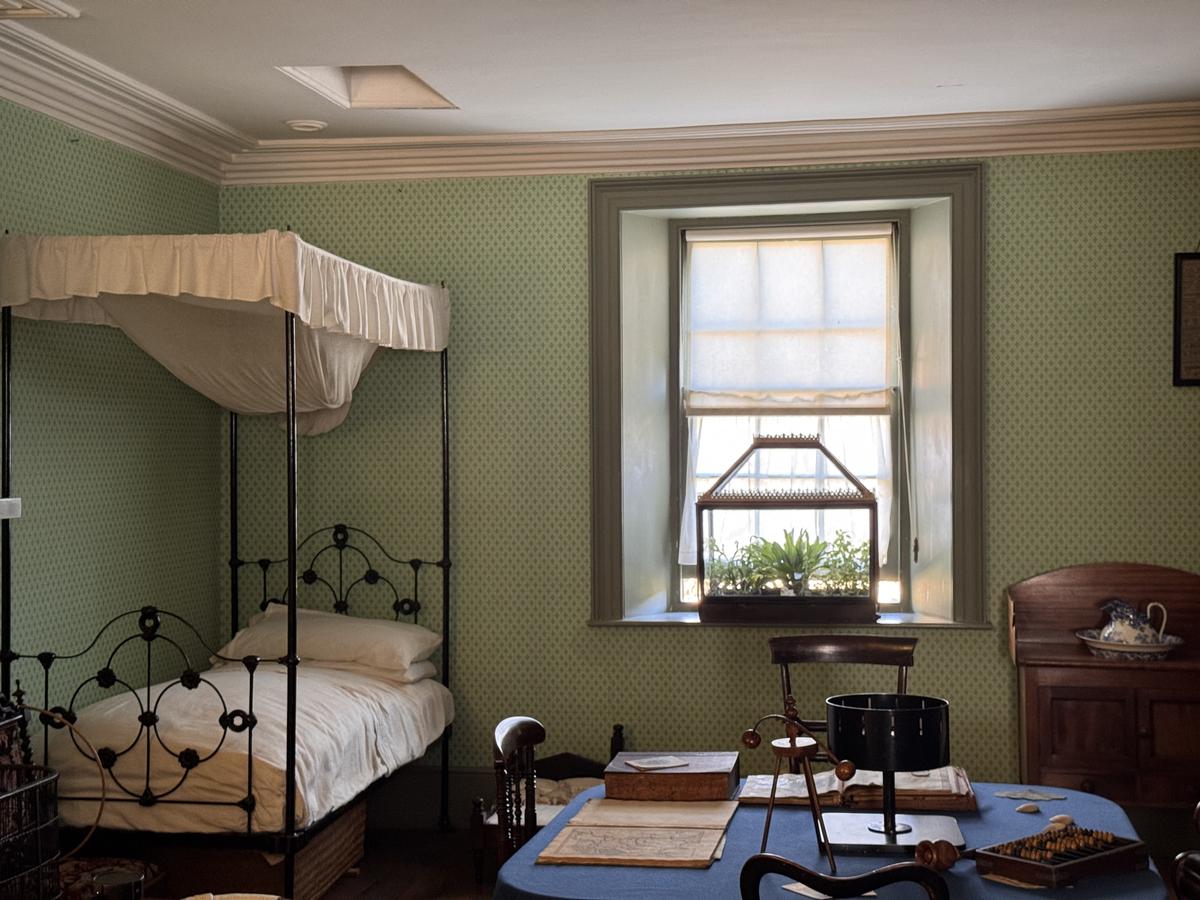
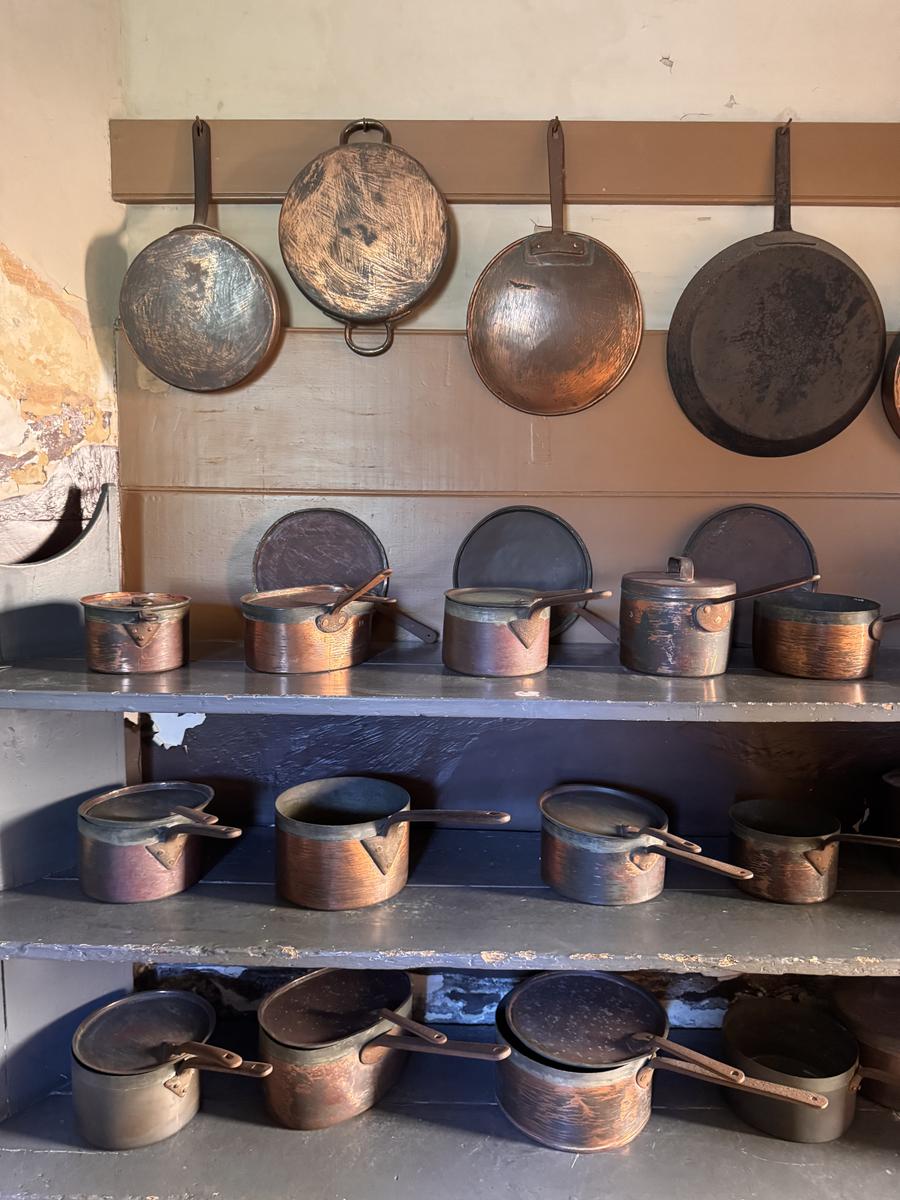
Imagine stepping through a magical doorway straight into the 1800s! That is exactly what it felt like when the Year 2 Kambala girls visited Vaucluse House last Friday. The moment they arrived, they were swept away by the magnificent mansion and its lush, sprawling gardens. The excursion brought their classroom History unit on changing technology to life as they explored the bedrooms, kitchen, drawing room, scullery and kitchen garden. Along the way, they uncovered clues about the lives of the Wentworth family and the servants who worked on the grand estate during the 1860s.
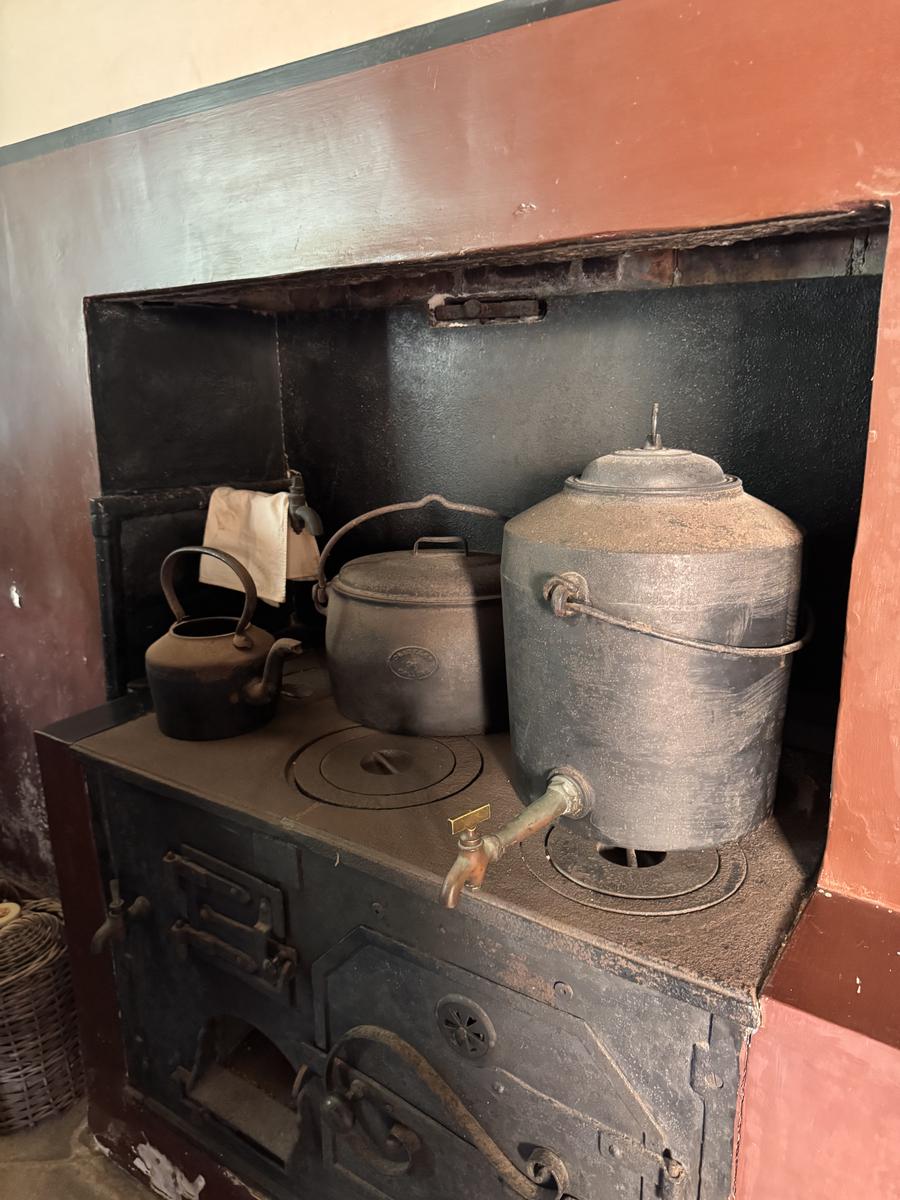
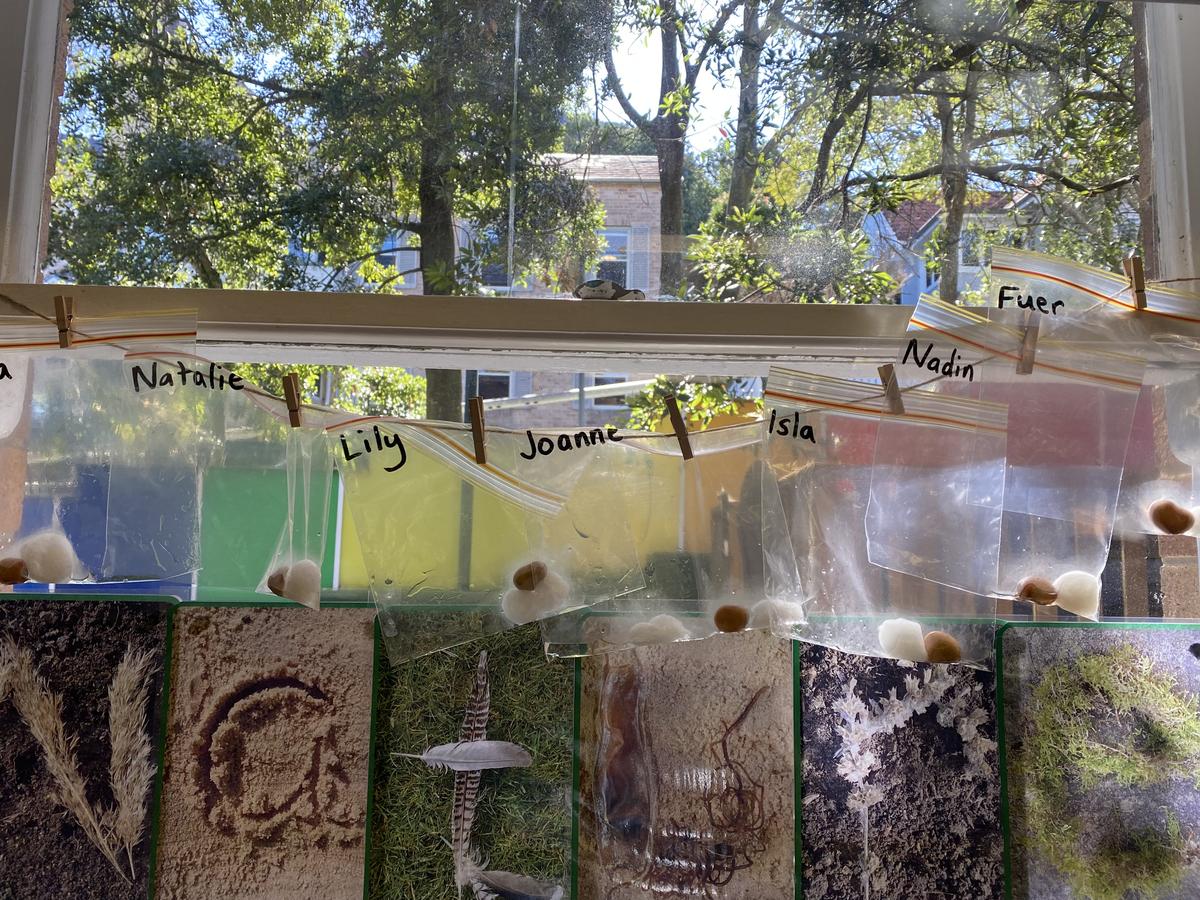
The excursion allowed the girls to investigate how technology and daily life have evolved over time. They saw the dark, bustling kitchen with its heavy, wood-burning iron stove-so different from the electric ovens and microwaves used today! They also discovered oil lamps instead of light switches and heavy copper tubs instead of automatic washing machines. Through hands-on activities, the girls experienced washing clothes by hand, polishing cutlery, grinding spices and churning butter. They also explored the kitchen garden and planted a bean seed to take home.
These experiences showed the girls how everyday tasks were completed without electricity or running water. They considered the differences between the daily lives of the Wentworth family and their servants while comparing life in the past with their own lives today.
The journey to Vaucluse House proved that history isn’t just about the past-it is an exciting story of innovation that the girls are part of today. They returned with massive smiles, curious minds and a deep appreciation for how far technology has come!
Ms Anna Goodman
Year 2
Nature, Wonder and Discovery in Preparation
“If we don’t reconnect our children with the natural world, we can’t expect them to help protect and care for it.” — David Suzuki
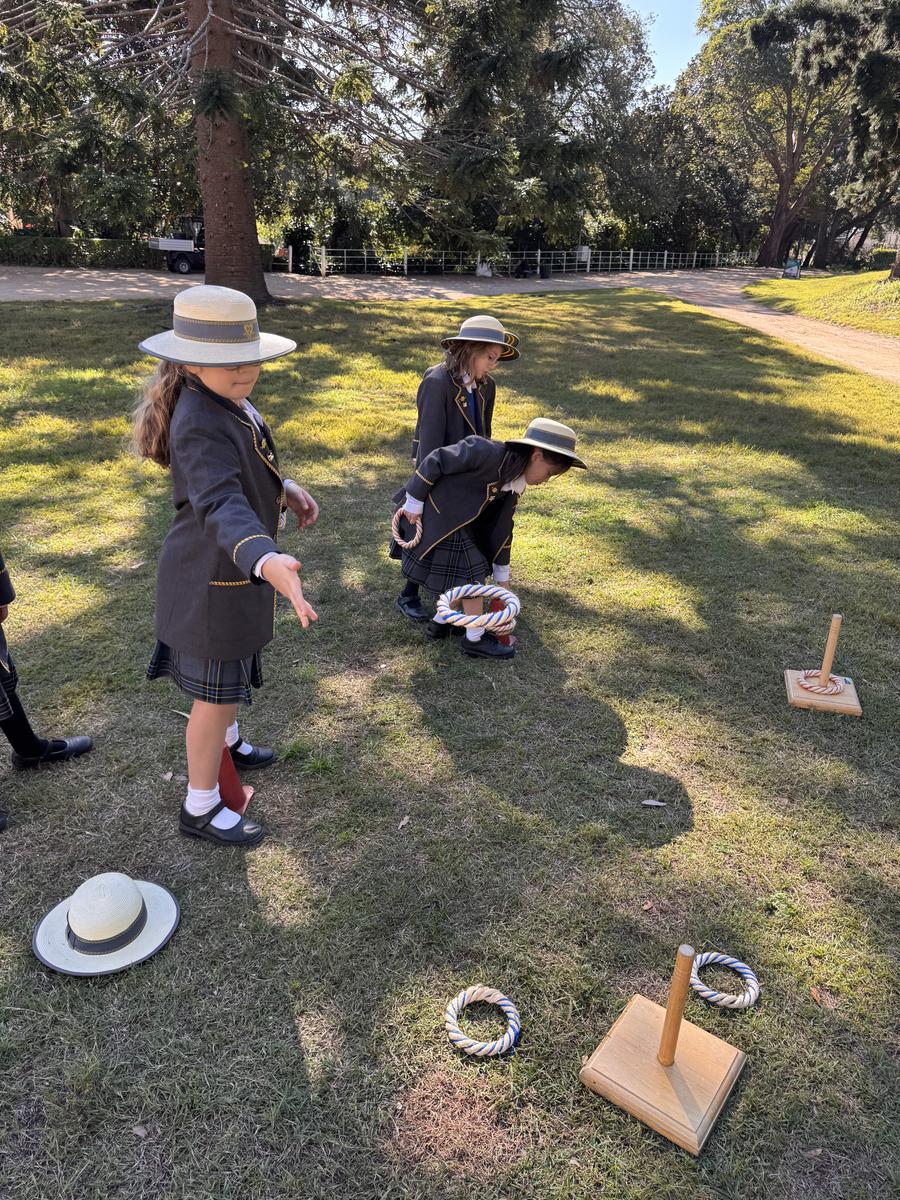
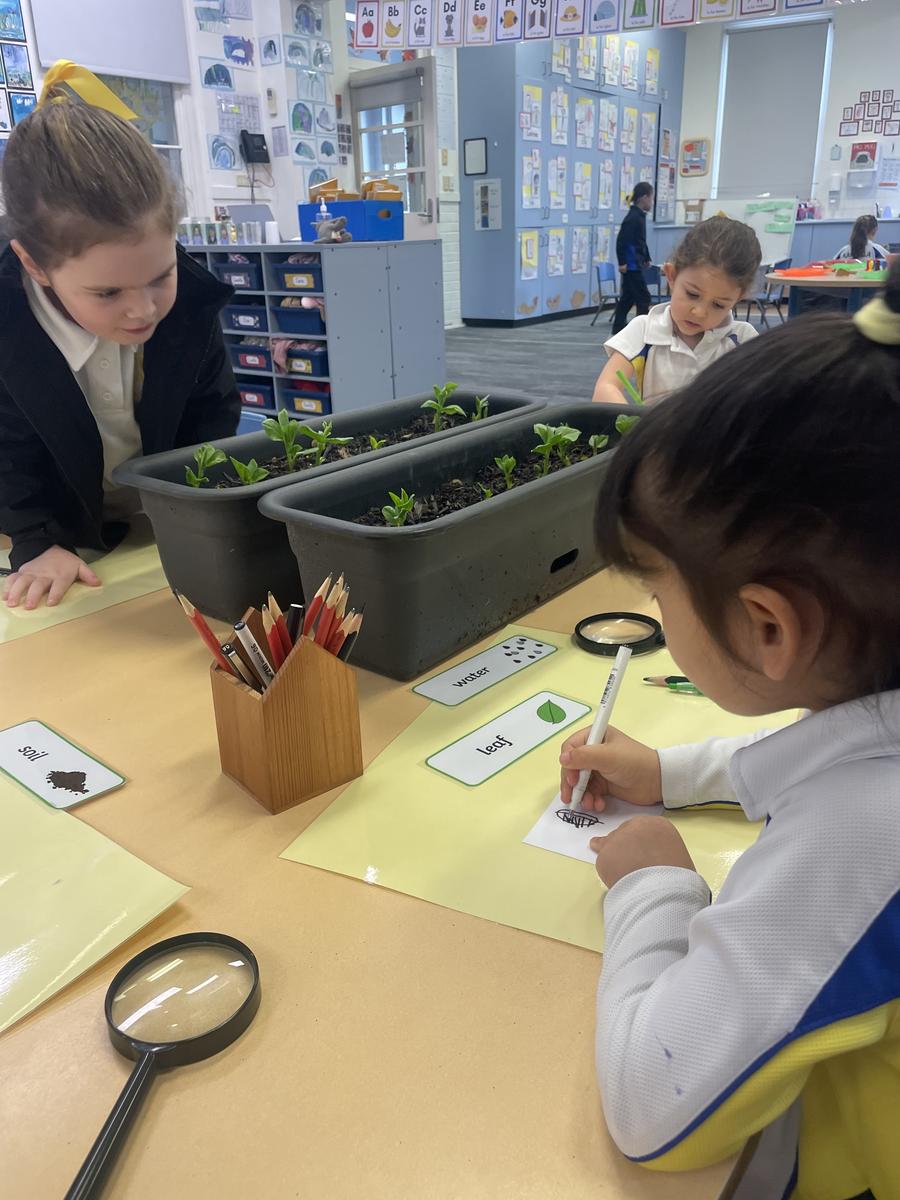
Term 3 is providing a time of wonder, curiosity and discovery in Preparation as we look closely at the natural world right on our doorstep. Our playground has become an important part of our learning environment, providing endless opportunities for the students to observe, question, predict and investigate. From bugs, insects and spiders to birds and other small creatures, the Preparation playground has continually inspired new questions and theories.
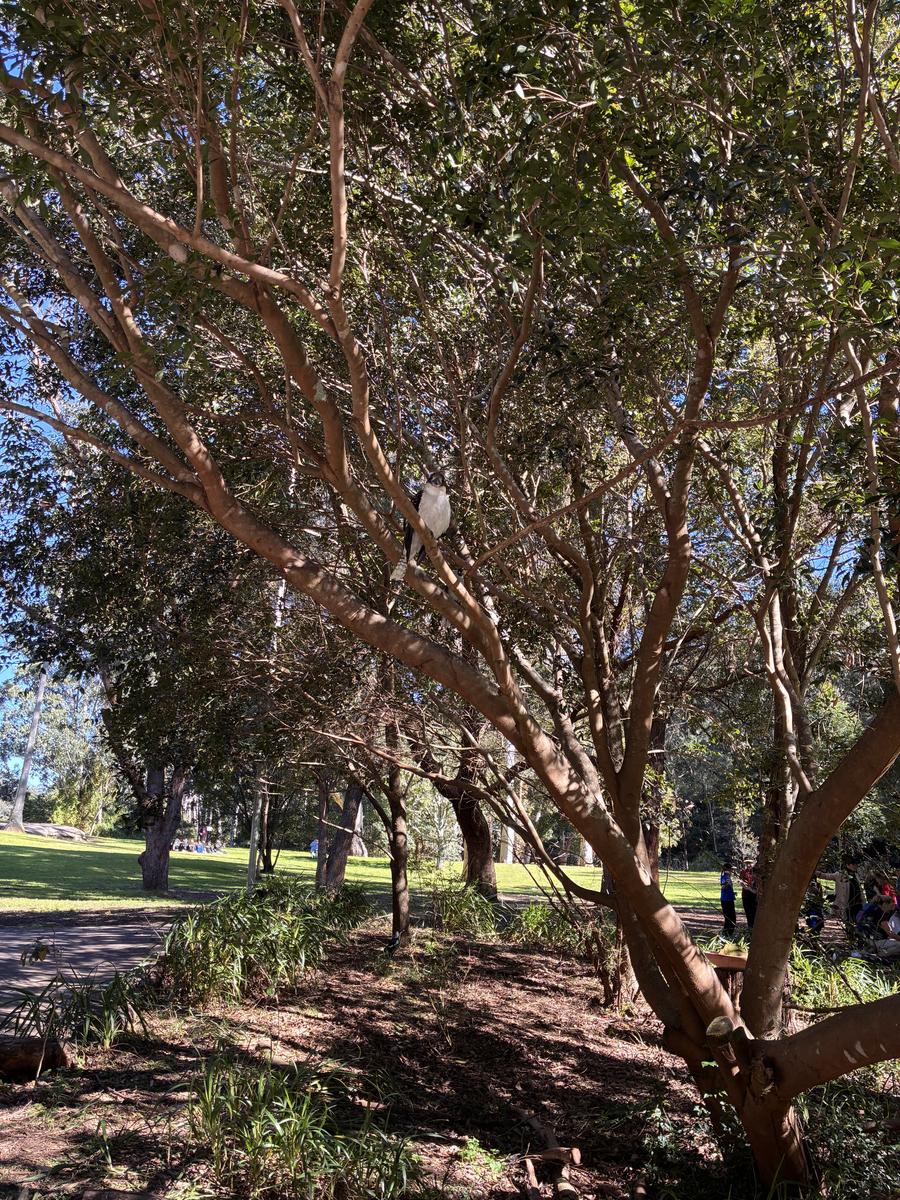
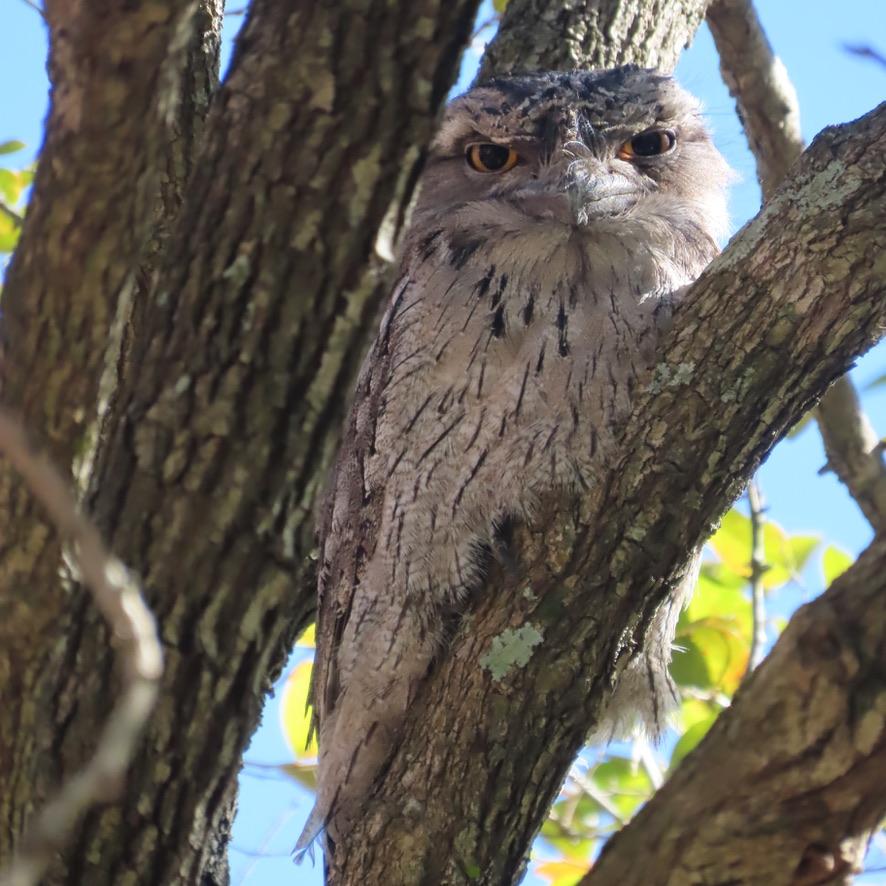
Our most memorable visitor this term (so far) has been a Tawny Frogmouth, affectionately named “Bobby”. Bobby made our playground home for three weeks while the weather was fair, giving us the wonderful opportunity to observe this remarkable native Australian bird. The students became fascinated by Bobby’s camouflage and nocturnal way of life. The class enjoyed sharing their curiosities about what Bobby got up to during the night. When the heavy rain came one weekend, we noticed that Bobby was no longer in our usual tree resting all day. The students speculated that Bobby may have found another tree with greater coverage, acting like an umbrella and providing protection from the rain. We hope Bobby will visit us again, but regardless, the class will always have a special memory of the time we shared together.
Our curiosity about Bobby also led us to investigate the differences and similarities between Tawny Frogmouths and Owls. Working together, the students created a Venn diagram, comparing features such as appearance, habitat, diet and behaviour. Our first News Task for the term extended this learning, with students researching a native Australian animal or bird with their families before sharing their discoveries with the class. These presentations have helped us build our knowledge of Australia's unique wildlife while developing confidence in speaking and listening. One student shared a Birds of Sydney, Parks and Gardens pamphlet featuring a tick box beside each bird, inspiring the class to create our own record of the birds we spot throughout the school grounds.
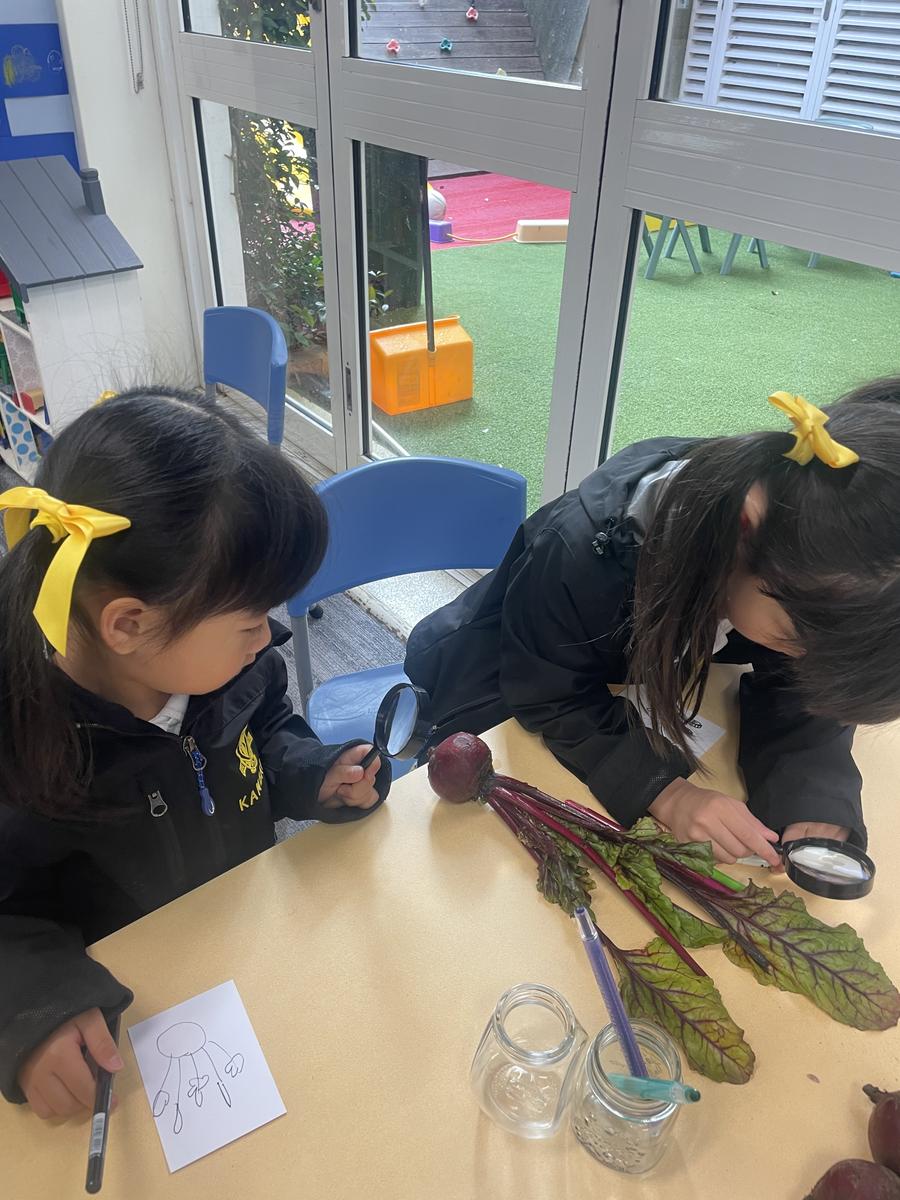
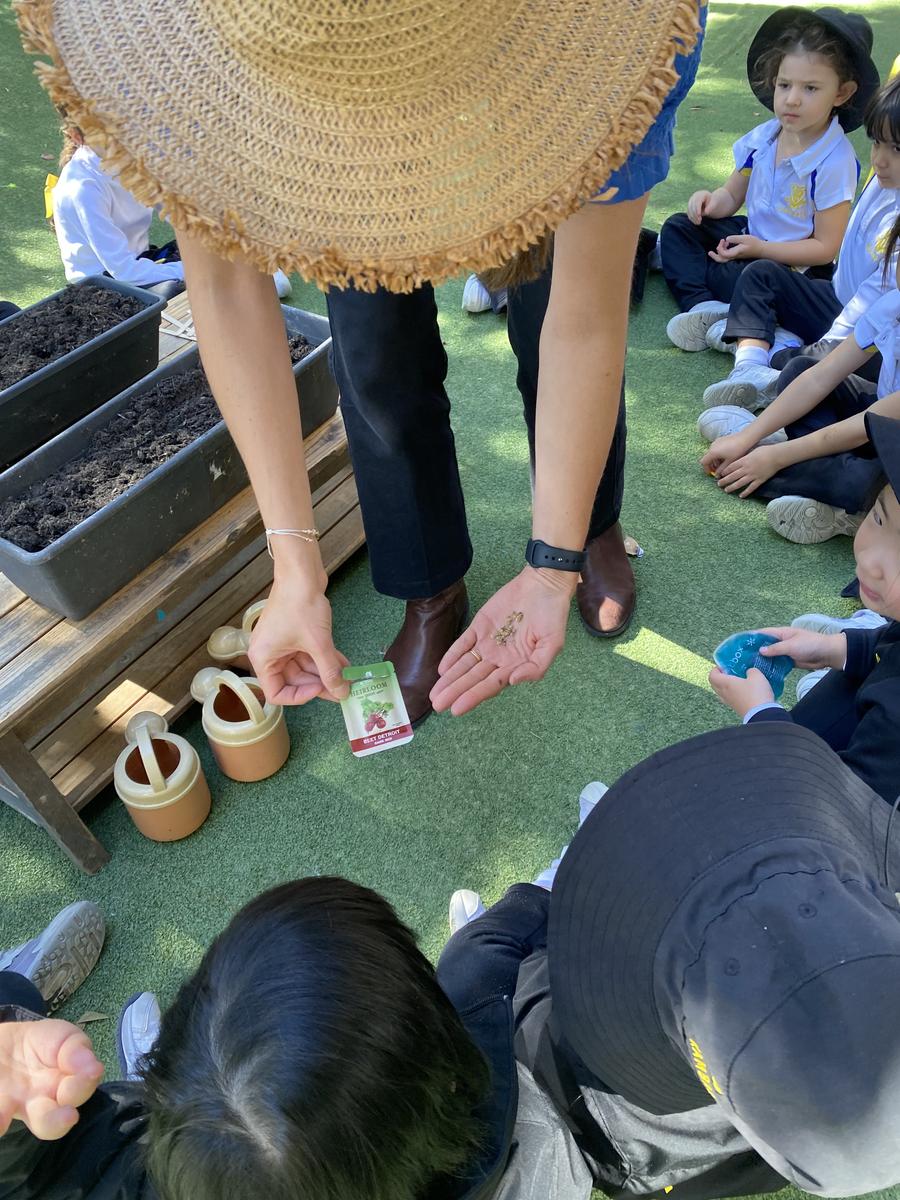
Plants have also become an important focus of our nature inquiry. The students have been investigating the different parts of plants and considering how each part helps a plant grow and survive. Preparation have planted broad beans, beetroot and chia seeds, with sunflowers next on the list. Caring for our plants has provided opportunities to observe change over time, make predictions, develop hypotheses and revisit our ideas as we gather new evidence.
Throughout our inquiry, the students have been encouraged to slow down and look closely. Observational drawing has helped the class notice details they may otherwise overlook, while our investigations into patterns in nature have encouraged them to make connections between the natural world and their own lives. One fascinating connection was made between the veins in leaves and the veins in our own bodies. The students have begun to recognise that patterns and structures found in nature can appear in many different forms.
Through these experiences, Preparation have been developing more than knowledge about plants and animals. The students are becoming thoughtful observers, confident questioners and curious investigators. Most importantly, they are developing a growing sense of connection with, and care for, the natural world around them.
Lucy Ramsay
Junior School Teacher
Important Safety Message to JS Parents using Hampshire House
A reminder to all families of the critical importance of adhering to the 5 km/h speed limit clearly signed throughout our school car park.
Children regularly embark from and disembark into vehicles in our Hampshire House Early Learning parking area. Cars entering the carpark and travelling up the ramp at excess speed pose a serious and unacceptable danger to our students.
Please observe the following at all times:
- Strictly obey the 5 km/h speed limit in the carpark and on the ramp.
- Drive slowly and with extreme caution at all times.
- When your child is getting out of the car, always hold their hand.
- Do not allow children to walk unattended through the carpark.
The safety of every child is our highest priority. We thank you for your immediate and ongoing cooperation in making our car park a safe environment for all.
Thank you for your attention to this important matter.
Simone Cooke
Director Hampshire House
Kambala Academic Transition Day: A Glimpse into Year 7
As part of our ongoing transition program, our Year 6 students will participate in the Kambala Academic Transition Day on Tuesday, 1 September. This immersive experience gives students a true taste of daily life in Year 7.
Purpose of the Day
Designed around recent student feedback, this day aims to:
- Build Confidence & Curiosity: Help Year 6 students feel prepared, empowered, and eager for Senior School.
- Inspire Future Growth: Highlight the unique learning and personal growth opportunities available within our girls' education framework.
- Foster Readiness: Cultivate dispositional and reflective thinking needed for Senior School success.
Program Highlights
Morning Session - Becoming a Senior School learner
Students will gather to explore core learner attributes—focusing on self-awareness, self-authorship, and self-reflection. Key discussion topics include:
- Who am I now, and who am I becoming?
- Navigating the exciting challenges of Senior School
- Understanding dispositional learning in a girls' school environment
Recess & Lunch - Senior School communal spaces
Students will share break times with their Year 9 Sisters, building natural connections and offering a supportive space for informal conversation.
Middle Session - Learning Opportunities in Senior School
An interactive look into key Senior School learning pathways, including:
- Global Mindedness
- Future Problem Solving
- STEM
What Students Need to Bring
- Excursion bag
- Recess, lunch and a refillable water bottle
- Small pencil case
- Fully charged laptop
We are excited to offer this rich and supportive experience, designed to help our Year 6 students feel more confident and prepared for the journey ahead. This meaningful connection allows our students to explore the routines, subjects and social spaces of Year 7 in a safe, supportive environment.
This program beautifully complements the language taster sessions held last week, and we look forward to it alongside our Parent/Daughter House Afternoon Teas with the Principal later this term (dates below and invitations to follow), and the Year 7 2027 Test and Connect Day on Friday 30 October.
- Year 6 Gurney House Afternoon Tea with Ms Danvers (parents and students) - Tuesday 25 August 2026
- Year 6 Hawthorne House Afternoon Tea with Ms Danvers (parents and students) - Wednesday 2 September 2026
- Year 6 Roseby House Afternoon Tea with Ms Danvers (parents and students) - Thursday 3 September 2026
- Year 6 Wentworth House Afternoon Tea with Ms Danvers (parents and students) - Monday 7 September 2026