
Year Two Newsletter
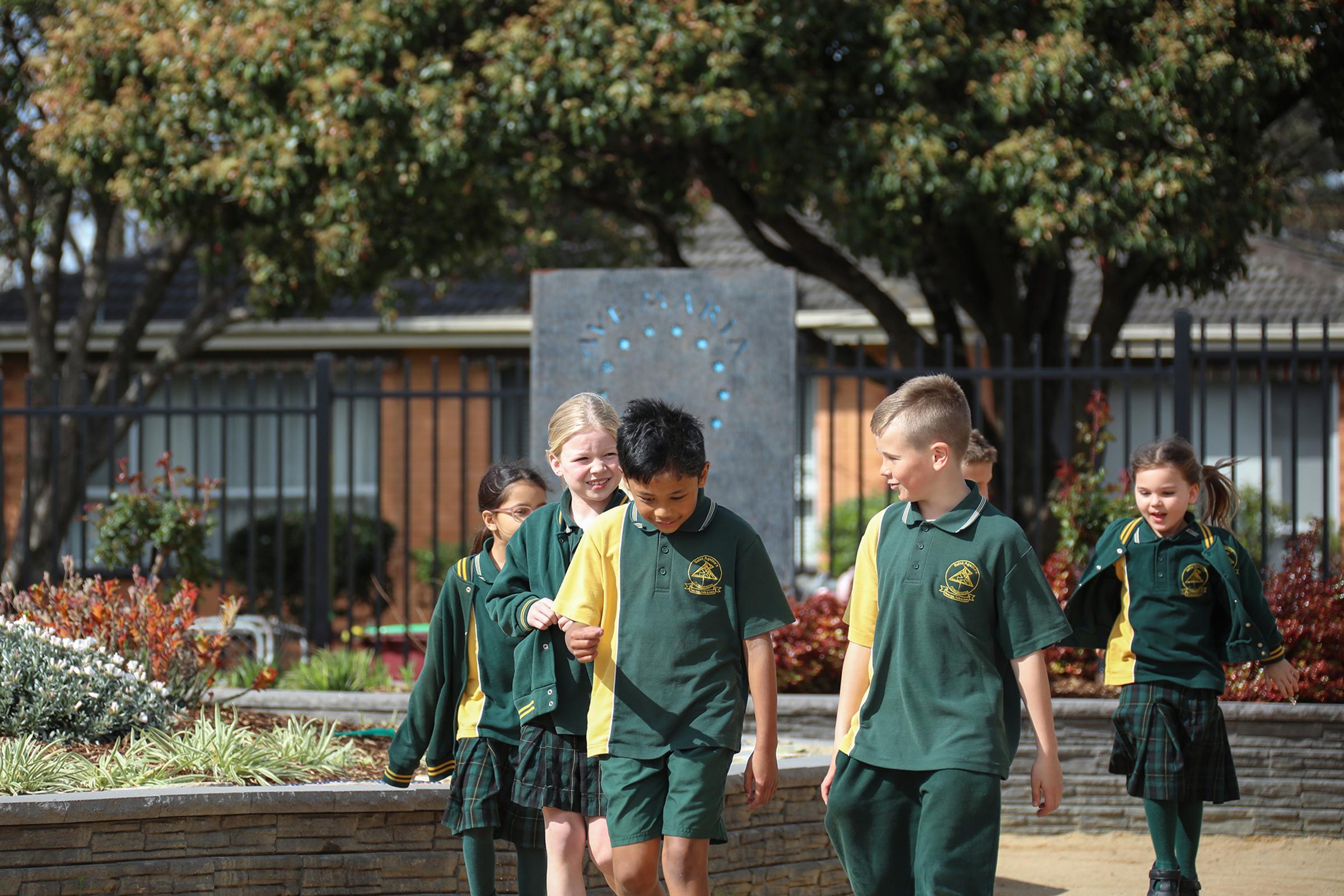
Welcome back for Term 3 of 2026. We look forwad to working with our students and their families as we prepare for a busy term with many highlights as shown below:
Important Dates
- 3rd August - 13th August Year 2 Swimming Program
- 7th August - Whole School Mass
24th - 28th August Book Week "Symphony of Stories"
Wednesday 26th Book Week Dress up, Grandparent’s Day
& Symphony of Stories Event
- Thursday 27th August Dress Rehearsal for Symphony of Stories
- Thursday 3rd September Family Performance of Symphony of Stories
- 1st September - Father’s Day Stall
- 4th September - Father’s Day Breakfast
- 11th September - Pupil Free Day
- 18th September - Last Day of Term 3 and Footy Colours Day
- 5th October - Term 4 Begins
Religion
This term in Religion, students will deepen their understanding of belonging to the Church community and the special celebrations that are part of Catholic life. Through learning about the Sacrament of Baptism, students will explore how people are welcomed into the Church and invited to follow the teachings of Jesus. A key focus will be the Scripture story of Pentecost. Students will learn about the coming of the Holy Spirit to Jesus’ disciples and discover how the Holy Spirit guided and strengthened them to share God’s message with others. Through stories, discussion and prayer, students will explore how the Holy Spirit continues to help people make good choices, show kindness and live as members of the Church community. Students will also learn about important liturgical seasons and celebrations, as well as the Sacraments of Baptism and Reconciliation. They will investigate the symbols, actions and traditions that help Catholics celebrate their faith and strengthen their relationship with God and others.
English
This term in English, students will be developing their reading and writing skills in a range of engaging ways. They will be learning to identify the purpose and audience of different texts, helping them understand why texts are written and who they are written for. Students will be creating short information reports using simple text structures and topic-specific vocabulary. They will explore how pictures, diagrams and other visual features can support and enhance their written work. As young authors, students will be building their editing skills by re-reading their writing and making improvements to spelling, punctuation and structure. We will also explore how images and sound can add to the meaning of a text, and build students’ understanding of how compound sentences can link ideas clearly. Lastly, we will be continuing to develop neat and fluent handwriting, practicing correct letter formation using lower-case and upper-case letters.
Mathematics
This term in Mathematics, students will continue to build their number knowledge and problem-solving skills through a range of hands-on and engaging learning experiences. They will review addition and subtraction of one to three digit numbers through a range of maths games, using a variety of strategies to solve problems and explain their thinking. In multiplication and division, students will investigate equal groups, arrays and repeated addition and subtraction to develop an understanding of how these operations work, focusing on 2s, 5s and 10s. These skills will be strengthened using practical materials, drawings and number sentences to represent and solve problems. In statistics, students will gather data through simple surveys, observations and digital tools. They will sort data into categories, organise it using tables and create different types of graphs, including digital representations. Students will learn how to interpret data displays, compare graphs and answer questions using the information they have collected. This will help them build their skills in talking about data in meaningful ways.
Science
This term in Science, students will explore the fascinating world of living things and discover how plants and animals survive in their environments. Through hands-on investigations and observations, students will learn that all living things have basic needs, including air, water, food and shelter, and that the places where they live help meet those needs. Through engaging activities, discussions and scientific observations, students will develop their understanding of how living things are adapted to their environments and the important role that different features play in helping plants and animals thrive.
Personal and Social Capabilities
Students will continue to develop the personal and social skills needed to build positive relationships and make safe, respectful choices. They will explore how different situations can influence their emotions and learn strategies to recognise and manage their feelings. Students will practise ways to seek, give and respectfully deny permission in everyday situations, helping them develop confidence and effective communication skills. They will also learn about protective behaviours and help-seeking strategies that support their own safety and wellbeing, as well as the safety of others.