Year 3 News

Reading
This fortnight in reading, Year 3 students have been learning about nonfiction texts. They explored different text features such as headings, subheadings, captions, diagrams and bold words, and how these help readers find and understand information.
Students also learned the difference between facts and opinions. They practised identifying statements that are true and can be proven, and those that share personal thoughts or feelings
“I liked to find the differences between facts and opinions” - Georgia 3A
“What we have been learning a lot of things and it's been so fun” - Ahri 3A
Writing
In Writing, Year 3 students have been developing their skills in note-taking and researching for information reports. They have practised gathering key facts from nonfiction texts and recording important information in their own words to support their writing. Students have used their research skills to begin planning and drafting simple information reports, focusing on selecting relevant details and organising their ideas clearly.
In Grammar, students have been learning about spelling rules, including the ‘y to i’ rule, where words that end in a consonant + y change the y to i when adding an ending (for example, happy → happier and carry → carried). They have also explored the “W effect”, which explains that when the letter w comes before a vowel, it can change the way the vowel sound is heard or spelled (for example, in words like was, want, and saw). Students have applied these rules in their writing to improve spelling accuracy and confidence.
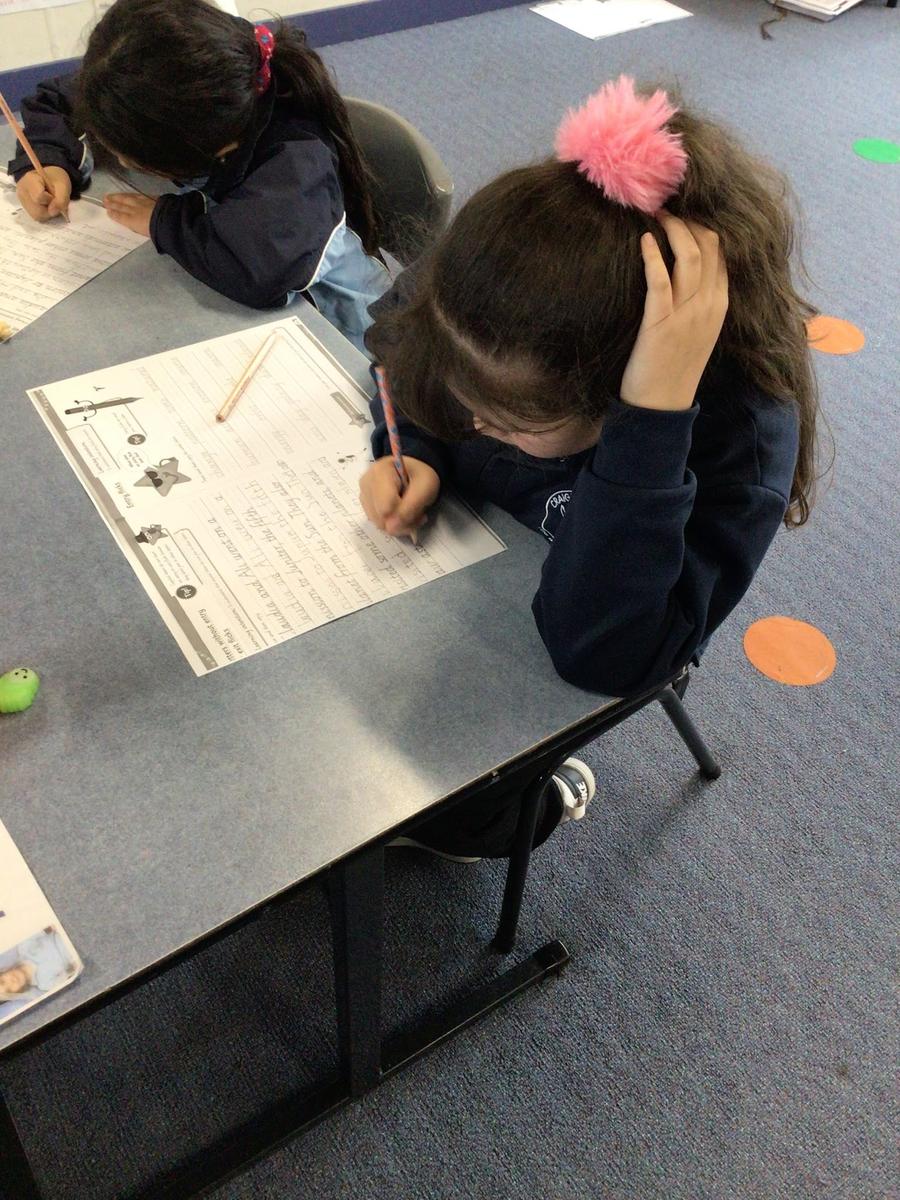
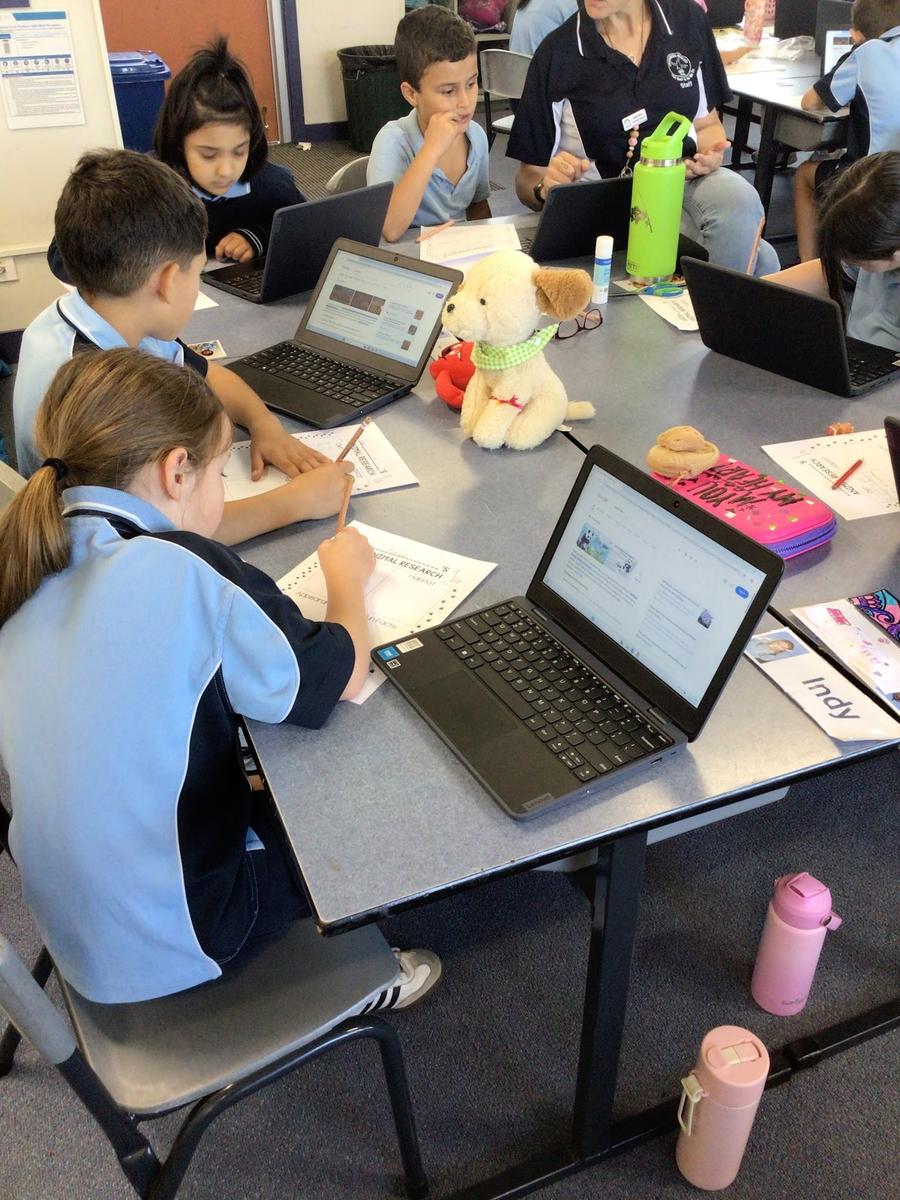
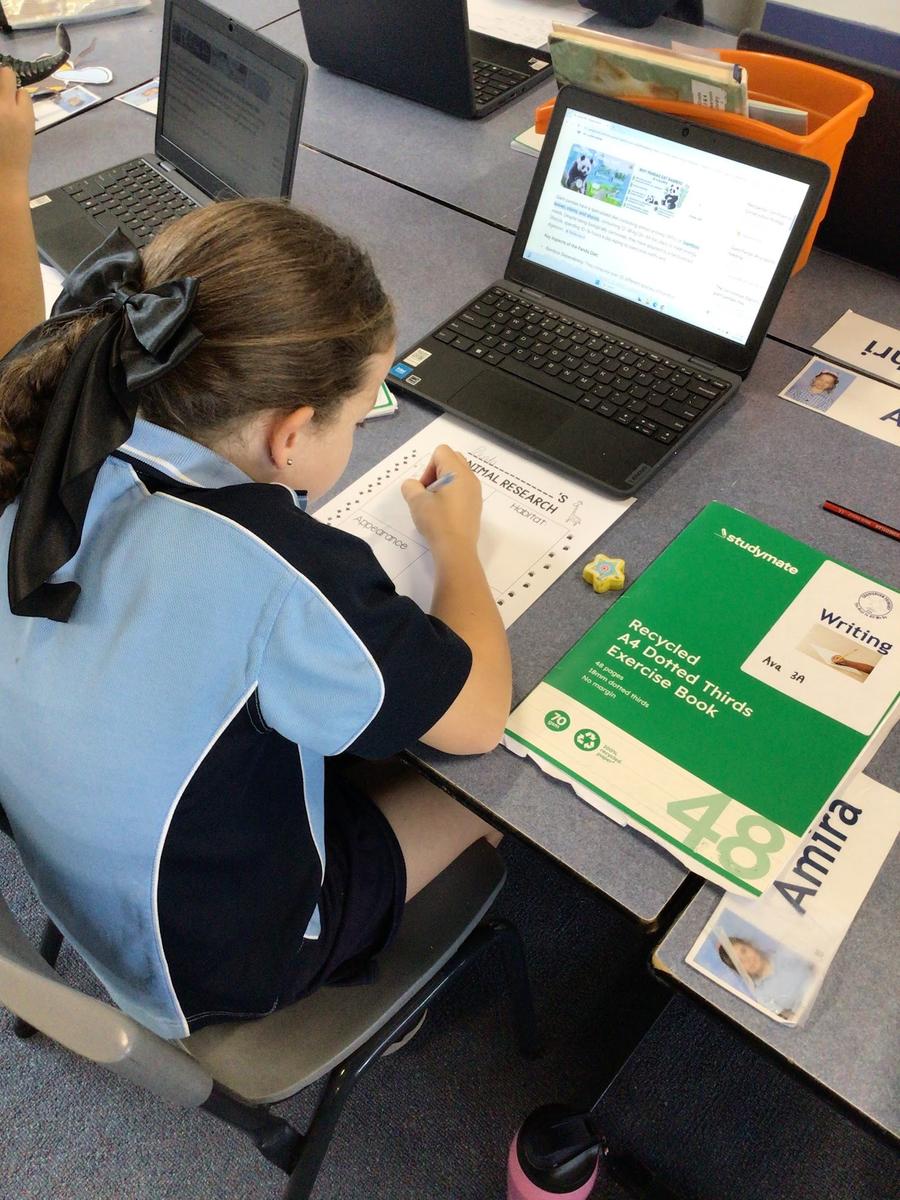
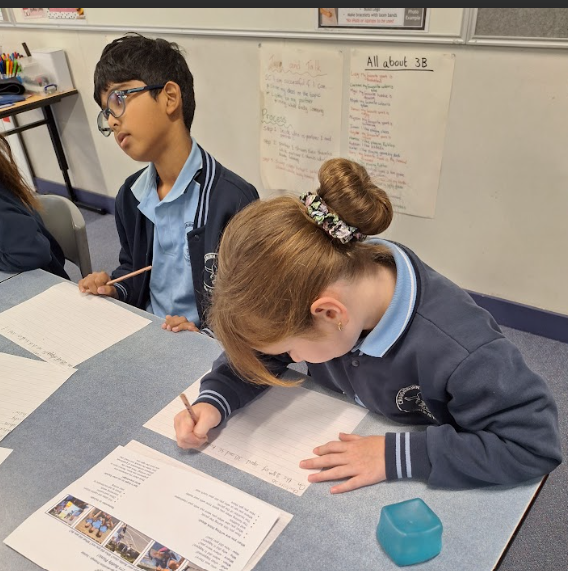
“I had lots of fun doing my writer’s notebook” - Hunter W 3A
Maths
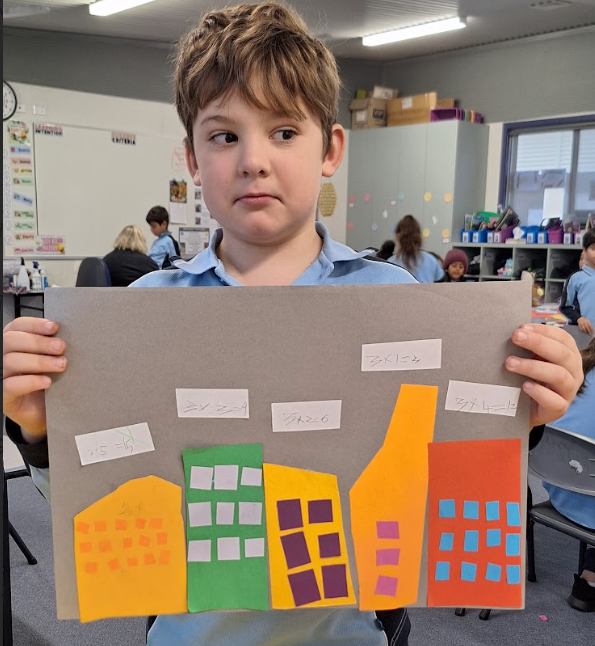
This fortnight, the Year 3 cohort has been working hard on developing their understanding of the 3, 4, 5, and 11 times tables. Students explored what multiplication means and focused on key strategies, particularly using arrays. They learned that an array is a way of organising objects into rows and columns to help represent multiplication. Students had the opportunity to draw arrays, write number sentences, and apply their understanding to solve worded problems.
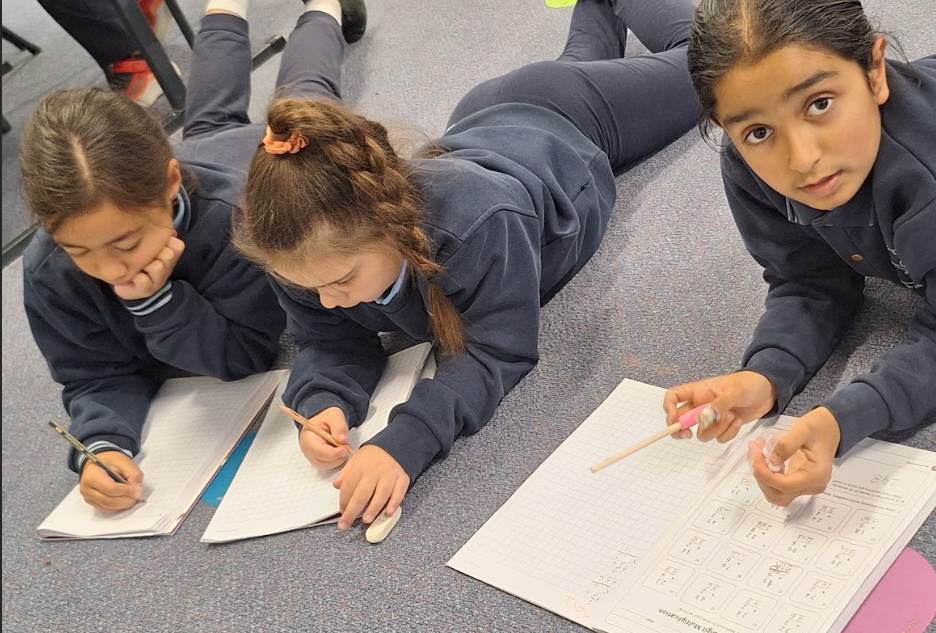
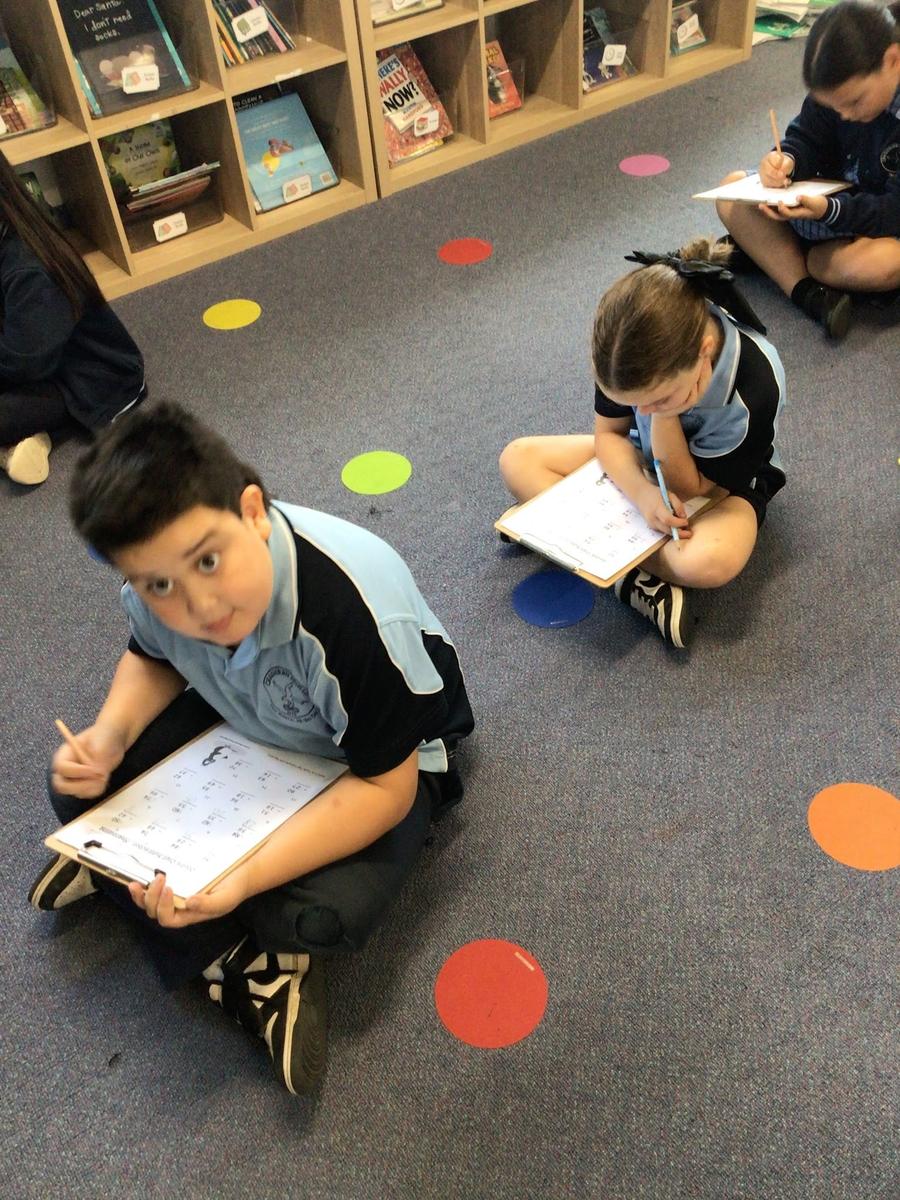
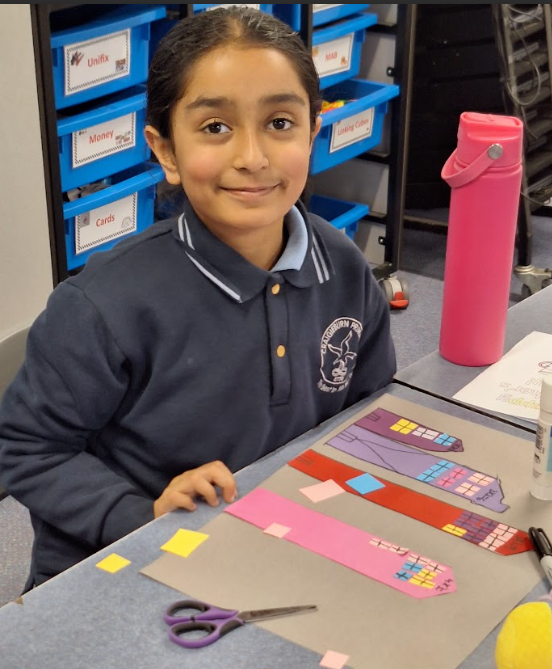
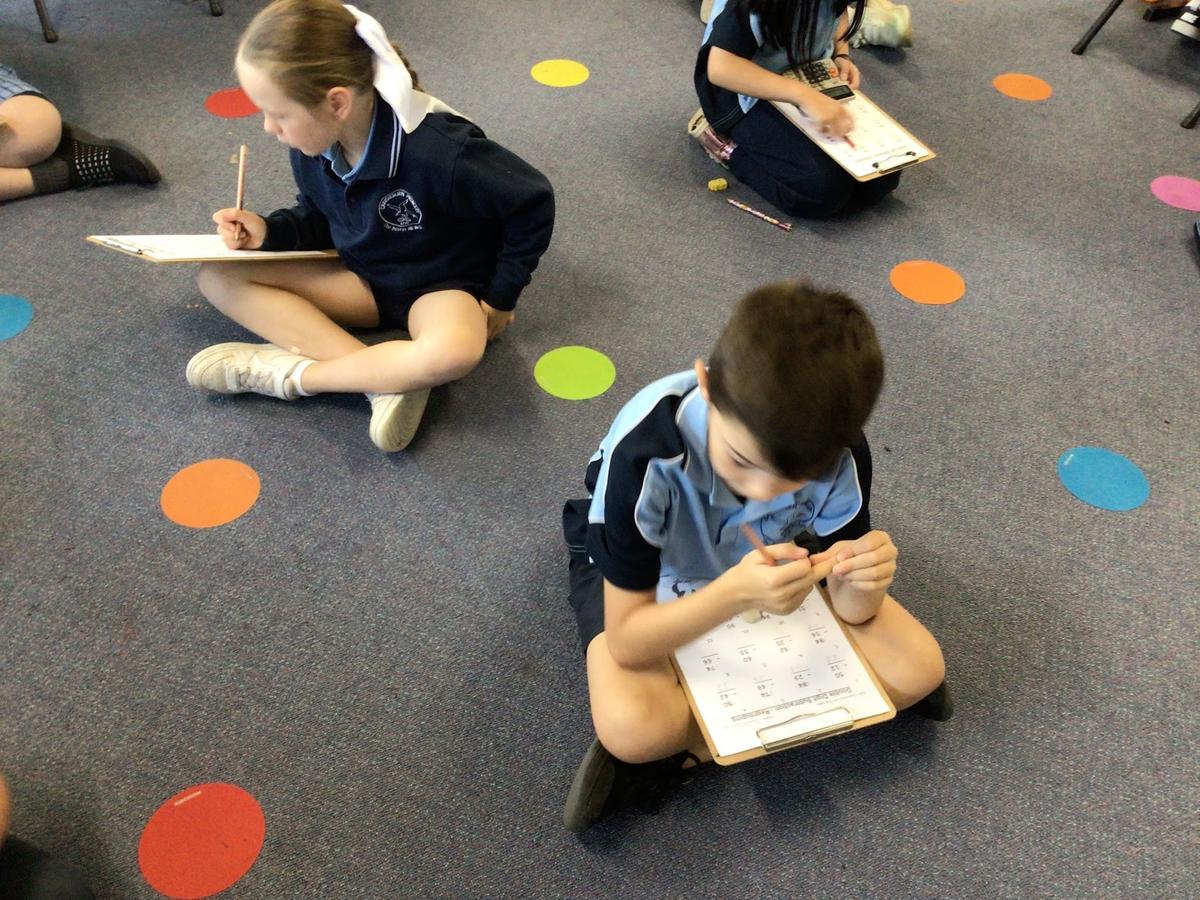
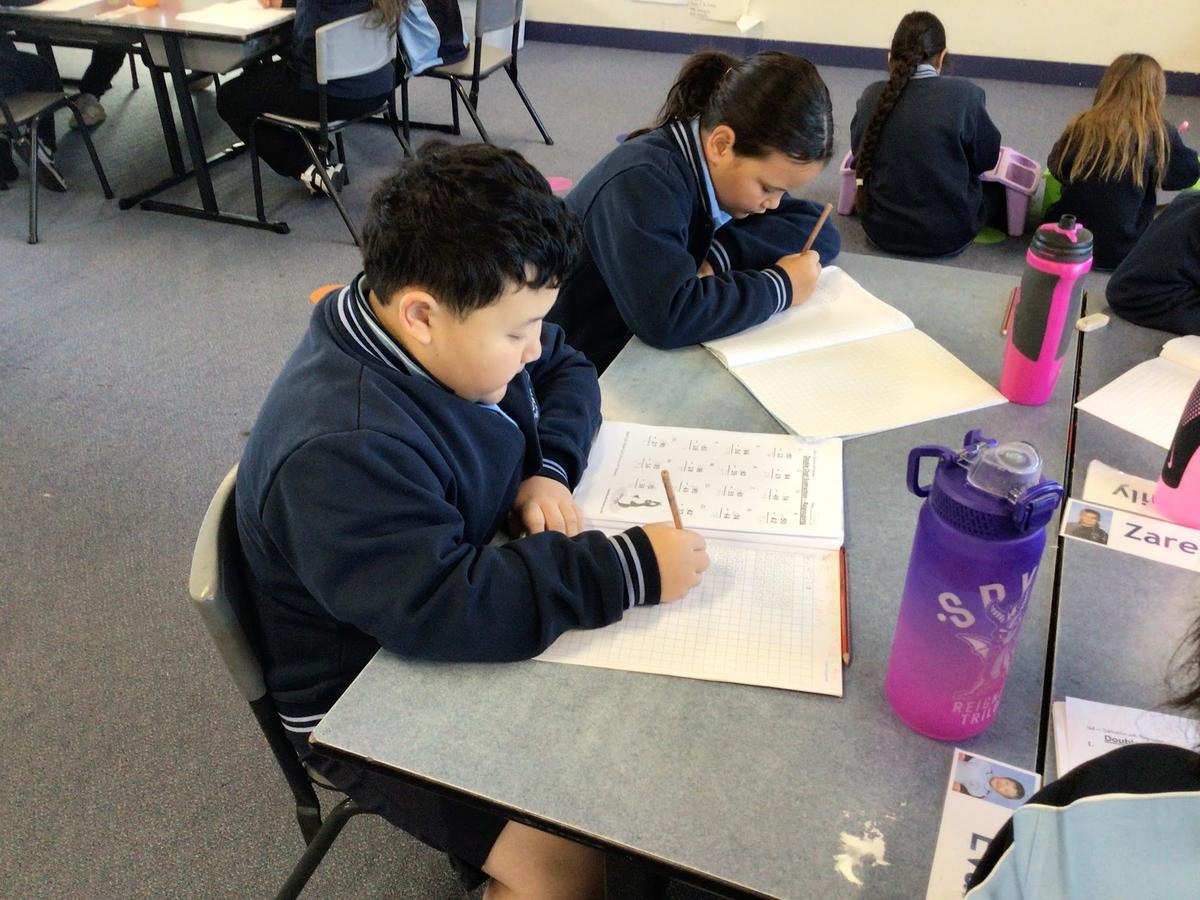
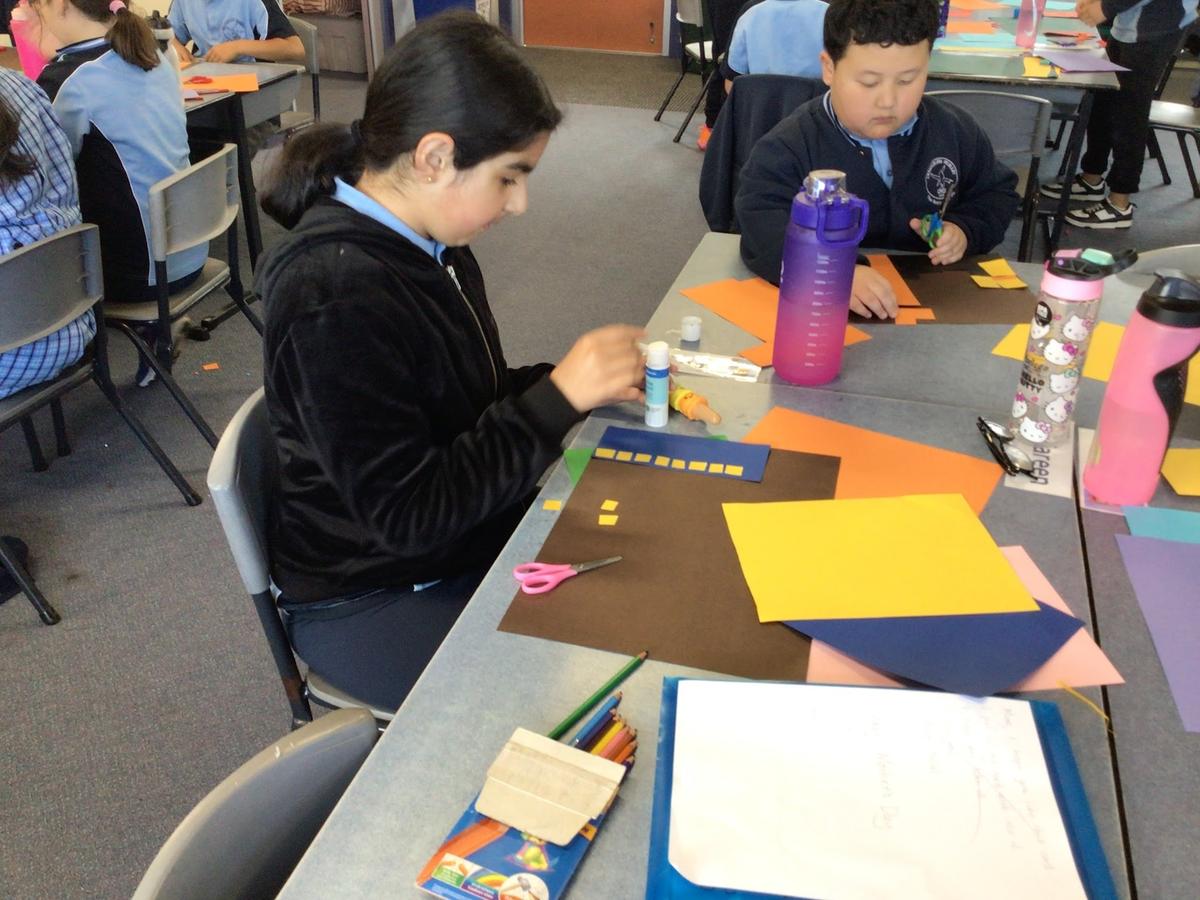
“When I was doing my 3 and 4 times tables, it was kind of fun, there was a video for us to remember our times tables” - Ayla 3A
“I really enjoyed making skyscrapers and they had arrays on it” - Amira 3A
Inquiry
This fortnight, the Year 3 students built on their understanding of neighbours and began exploring Australia’s neighbouring countries using new vocabulary. They extended their learning by researching the flora and fauna found in these countries, comparing how they are similar to and different from those in Australia. As part of their mapping skills, students learned about compasses and how they are used on maps. They practised using directional language such as north, east, south, and west while working with the school map. Students then applied these skills using Google Earth to identify oceans, continents, and different countries around the world.
“I learnt more about flora and fauna, and what it means” - Emily 3A
Social and Emotional Learning / SWPBS
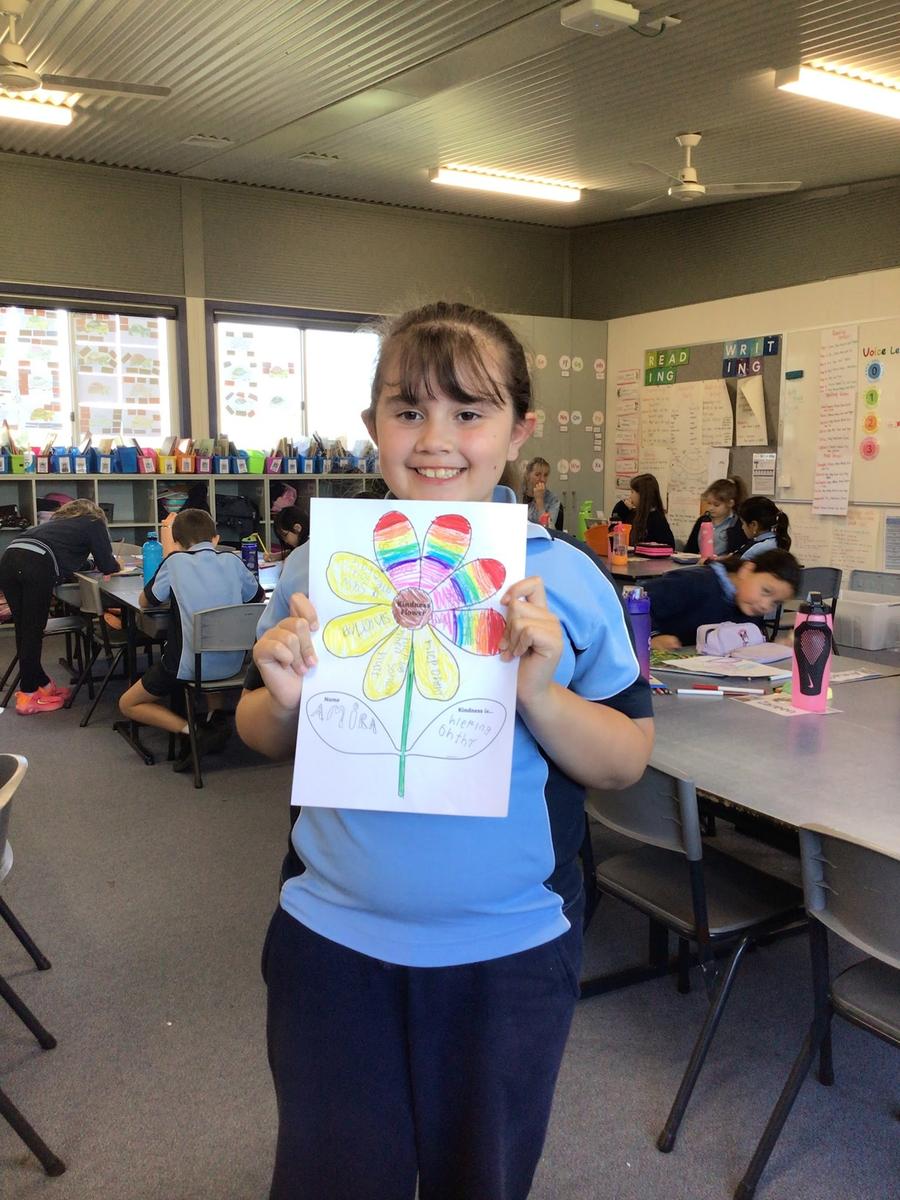
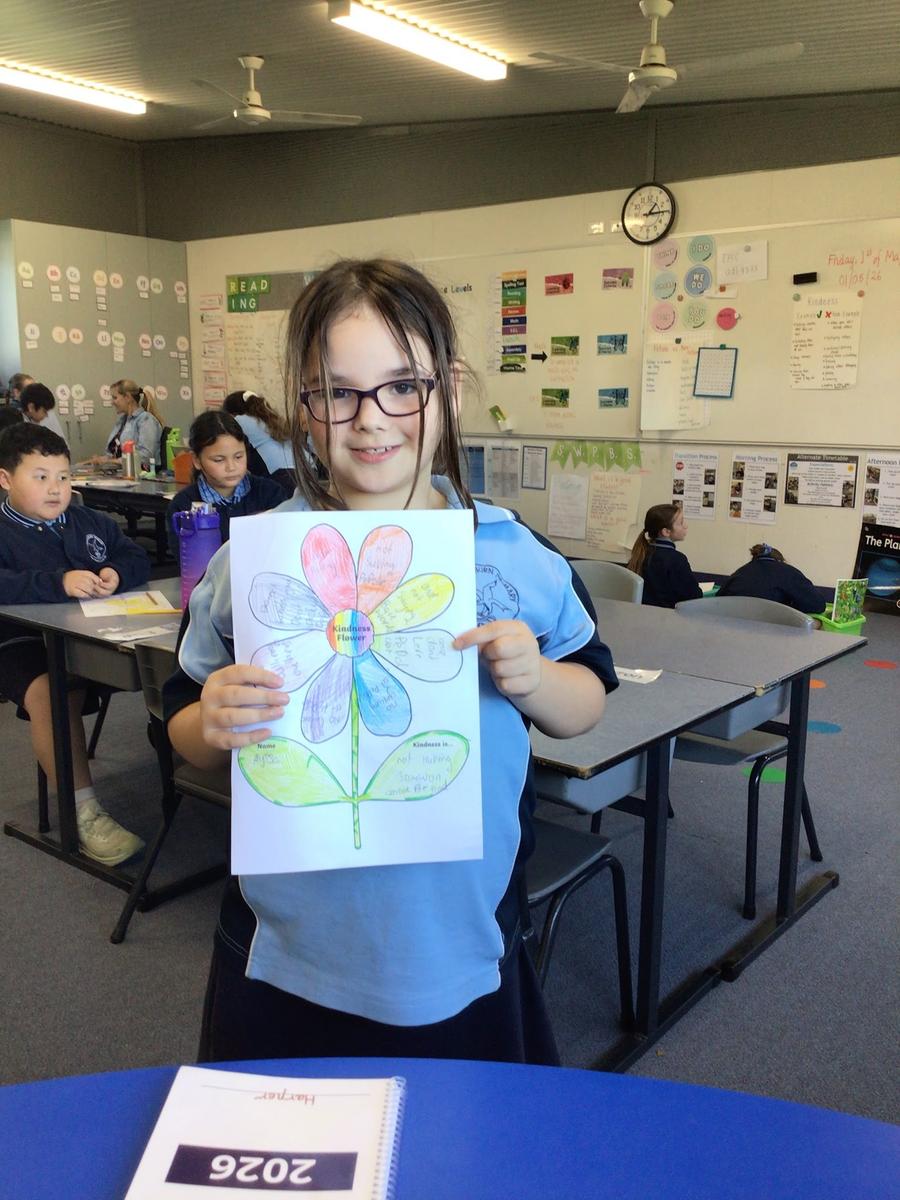
This fortnight, the Year 3 students have been exploring the meaning and importance of the Acknowledgement of Country and why it is valuable in showing respect to Aboriginal and Torres Strait Islander peoples as the Traditional Custodians of the land. Students engaged in thoughtful discussions about respect, belonging and community. They also focused on the school value of Kindness, discussing what kindness looks like and how it can be demonstrated both inside and outside the classroom. The students shared examples of kind actions and reflected on ways they can support and include others in the schoolyard and in their everyday lives.
AUSLAN
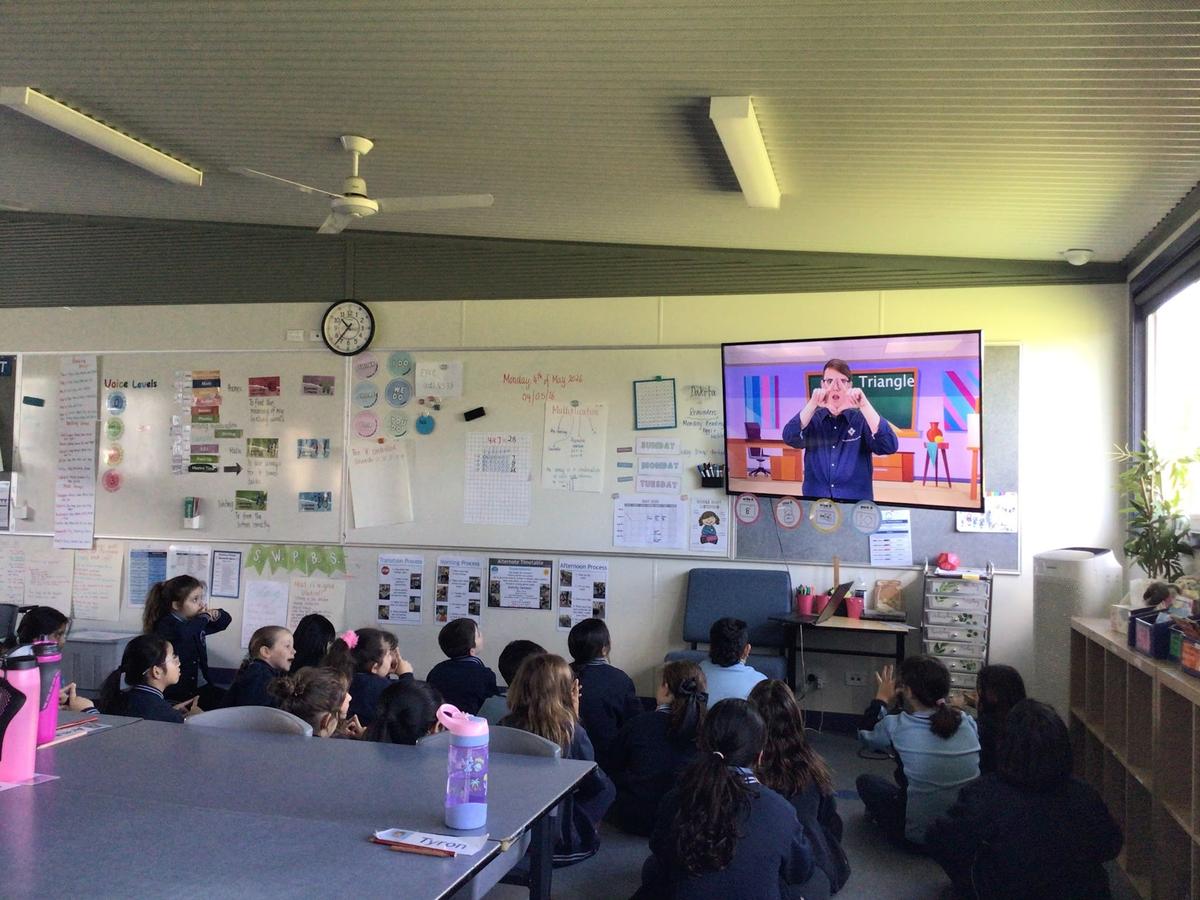
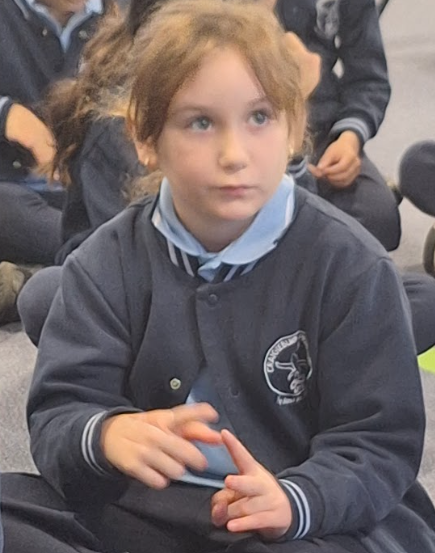
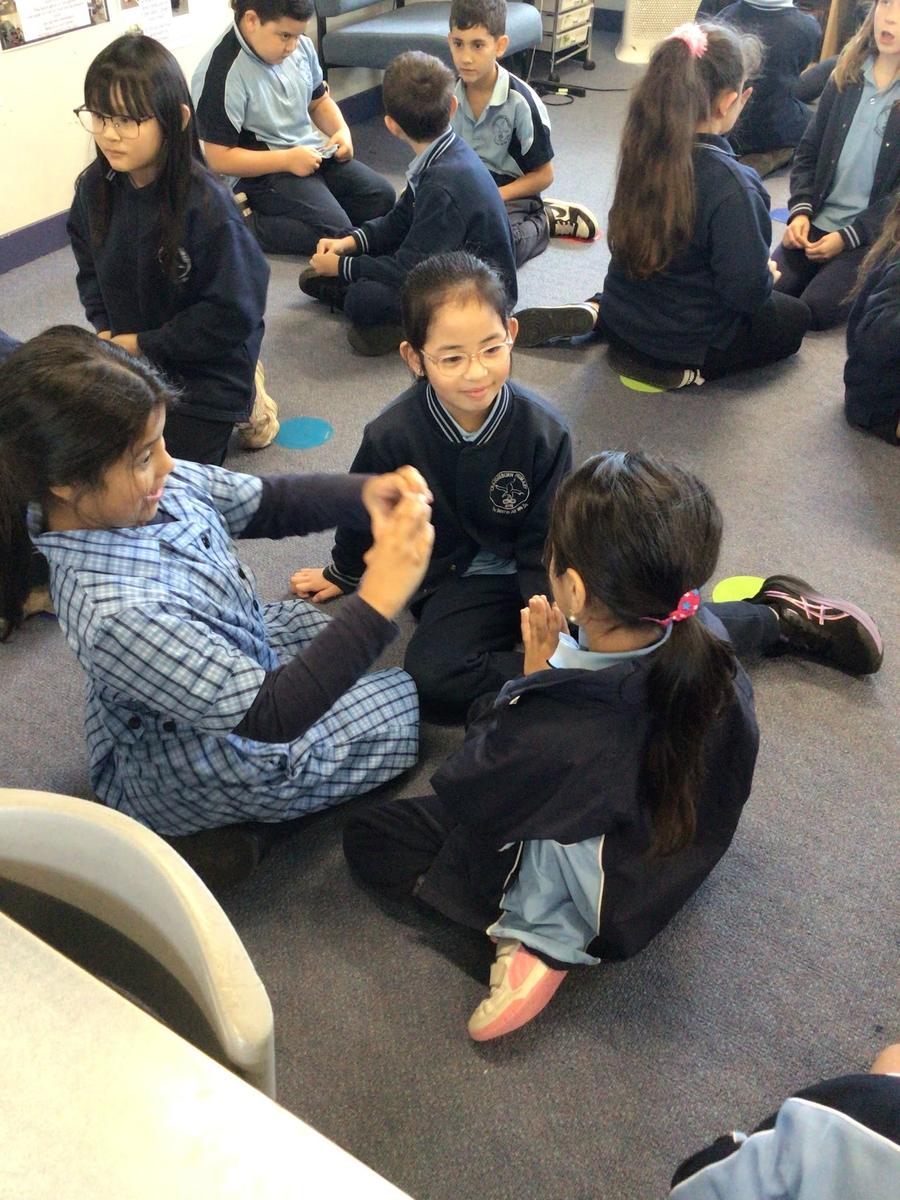
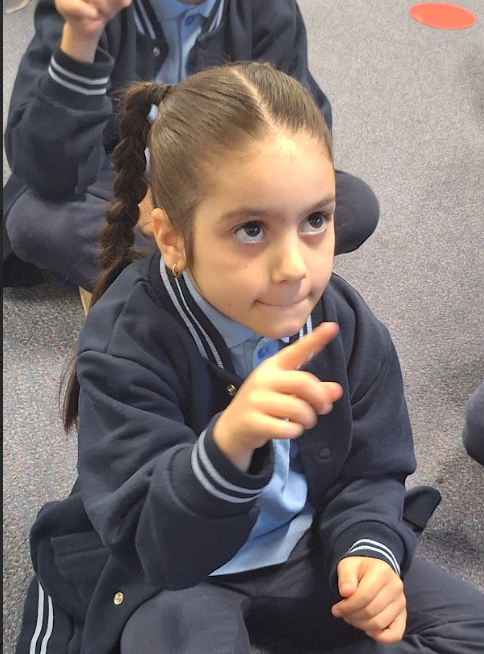
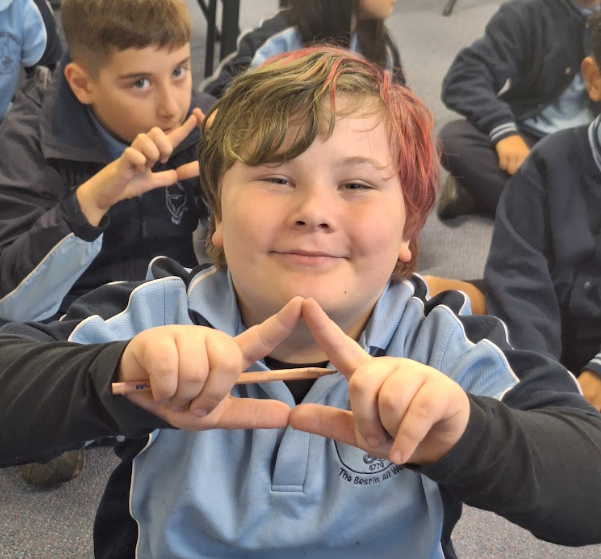
This fortnight, the Year 3 students have been learning about sizes and shapes in Auslan. Students explored a range of size vocabulary, such as big, huge and tiny, and practised using the correct Auslan signs to describe objects. They also learnt about both 2D shapes and 3D objects, including triangles, squares, circles, cubes and spheres.