
Fantastic 4

Term 2 Week 4
Year 4 Newsletter
Welcome to Week 4 of Term 2!
Literacy:
This term, students have been developing their skills in writing information reports. An information report is a type of non-fiction writing that presents facts about a particular topic. It may focus on animals, places, people, or objects, with the aim of informing the reader clearly and accurately.
To support this learning, we have been explicitly modelling how to construct an effective information report as a class. Using an angler fish as our focus, students observed how to research, plan, and organise factual information before turning it into a structured piece of writing. Together, we explored how to write an engaging introduction, group related ideas into paragraphs, and use appropriate technical vocabulary linked to the topic.
As part of this process, students are learning about the key features that make an effective information report. These include:
- A clear title that tells the reader what the report is about
- An introduction that provides a general overview of the topic
- Organised paragraphs that group similar information together
- Subheadings to help structure ideas and guide the reader
- Factual information presented in the present tense
- Technical vocabulary related to the topic
Images, diagrams, or labelled illustrations to support understanding
Students are beginning to apply these features in their own writing, using the angler fish model as a guide to create informative, well-structured reports.
Science:
This term in Science, students are exploring the differences between living, non-living, and once-living things. They are learning to identify the key characteristics of living things, including their need for food, water, and air, and are practising how to group and classify items from the world around them based on these features.
Students are also investigating the life cycles of plants and animals, developing an understanding of how living things grow and change over time. They will compare a range of life cycles, including those of insects, mammals, and plants, and begin to recognise that some living things undergo dramatic transformations, while others change more gradually.
A key focus of this unit is understanding that offspring are similar to their parents, but not identical. This helps students identify patterns in how living things grow, change, and reproduce.
To further support both our Science and Literacy learning, we are very much looking forward to our excursion to Melbourne Zoo in Week 5. This experience will provide students with the opportunity to observe a variety of living things up close, deepening their understanding of classification, habitats, and life cycles, while also inspiring their information report writing.
Phonics focus for the term:
Week | Phonics Focus | Example |
|---|---|---|
| Week 1 | Homophones | rain,reign |
| Week 2 | y>i when adding suffix rule | cubbies, notifies |
| Week 3 | y>i when adding suffix rule | deformities |
| Week 4 | The history of English language & Port | Transport, import |
| Week 5 | PORT & BIO | Support, biology |
| Week 6 | BIO & RUPT | Biography, erupt |
| Week 7 | RUPT | Corrupt, abrupt |
| Week 7 | RUPT | Interrupt, bankrupt |
| Week 8 | ZOO & Homophones | There, their |
| Week 9 | Homophones | Practise, practice |
| Week 10 | Tract | Tractor, extract |
Maths focus for the term:
| Week 1 | Decimals |
| Week 2 | Decimals |
| Week 3 | Length and Area |
| Week 4 | Length and Area |
| Week 5 | Shape |
| Week 6 | Shape |
| Week 7 | Data Representation |
| Week 8 | Addition and Subtraction |
| Week 9 | Addition and Subtraction |
| Week 10 | Consolidation |
Extra Announcements:
- Please send any photos from home to your child's classroom teacher
- Zoo excursion Tuesday May 19 (week 5)
- School photos Monday week 7
- Swimming Monday- Thursday week 9 & 10
Photos:
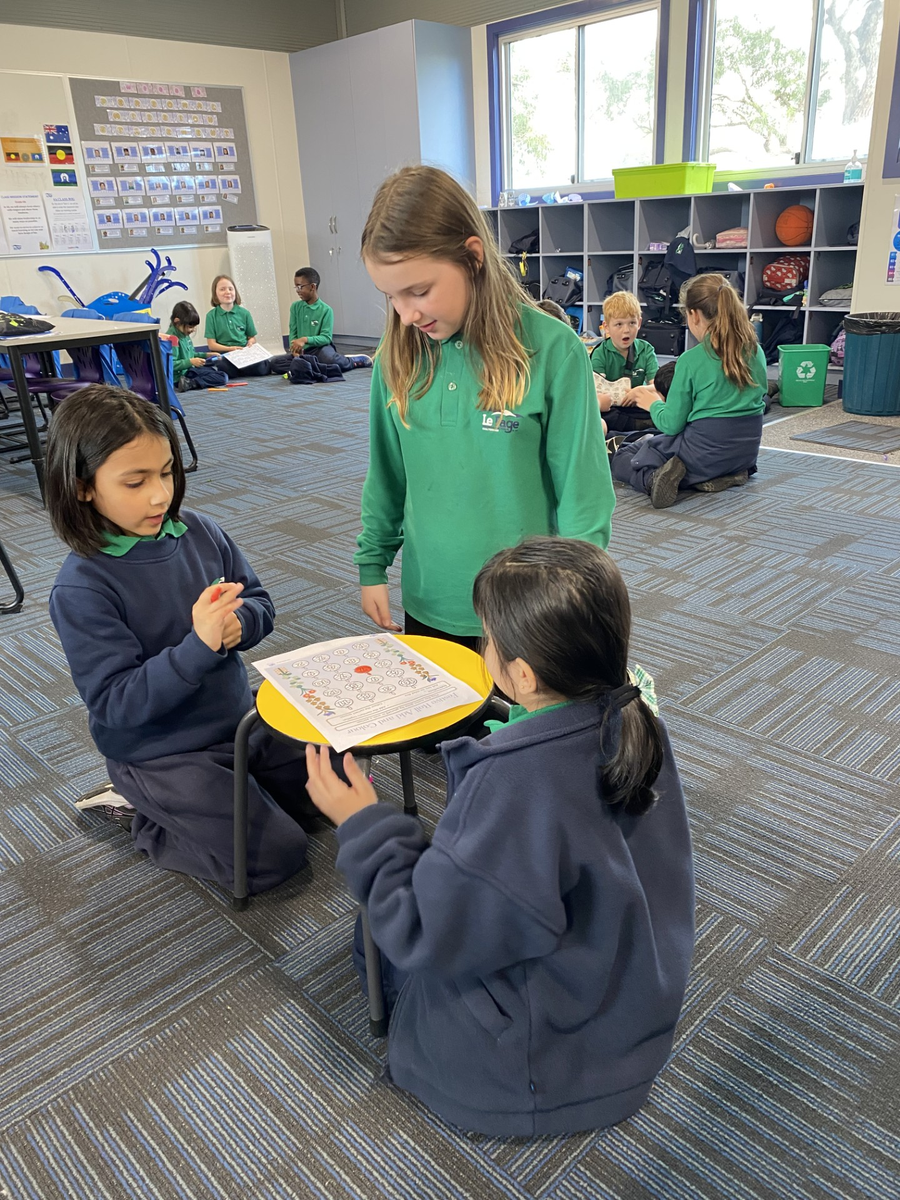
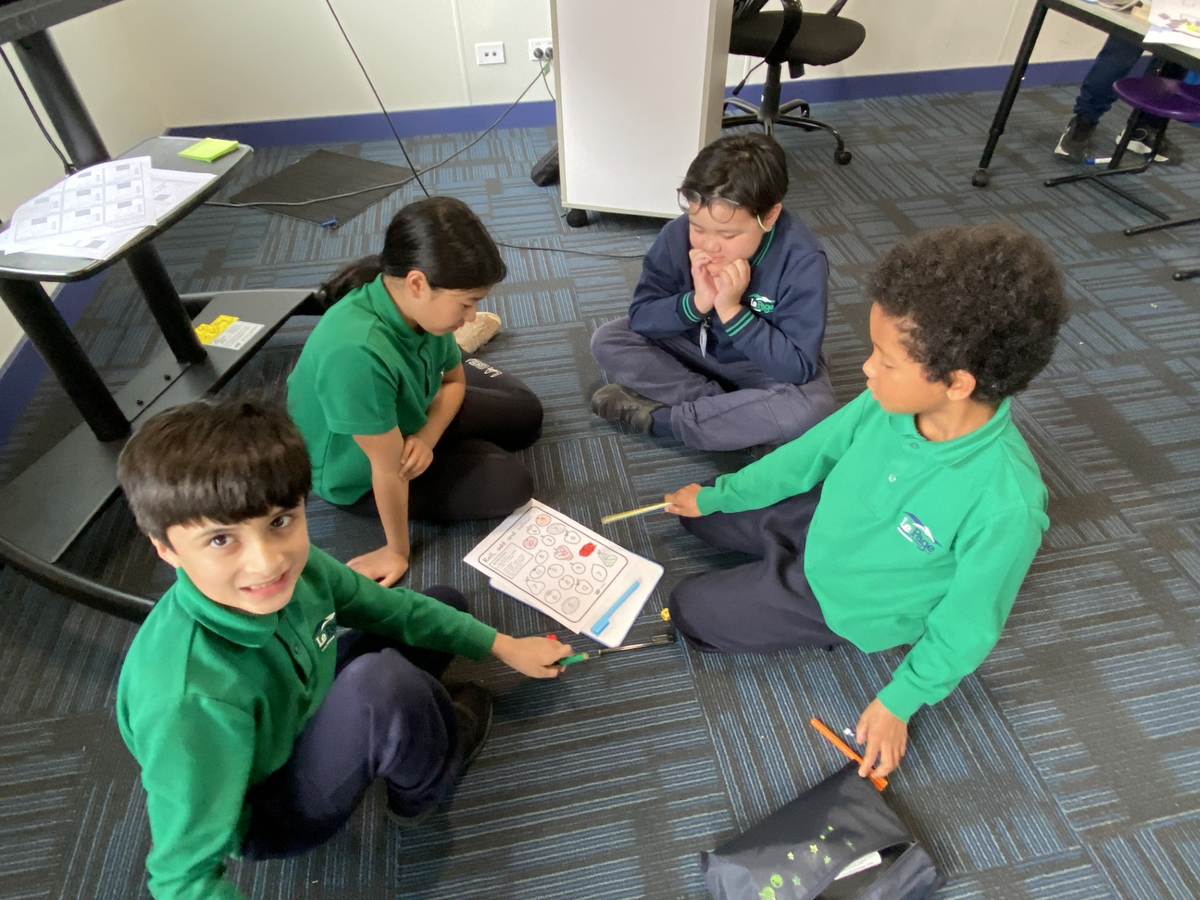
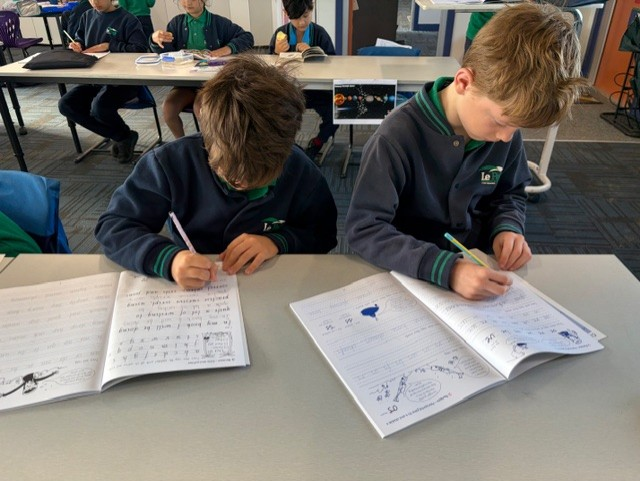
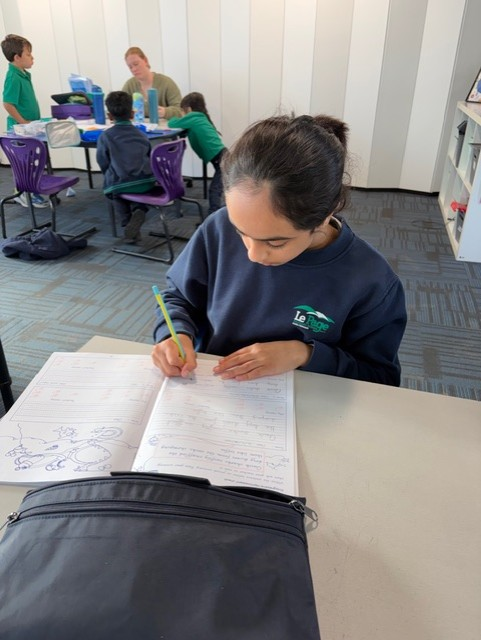
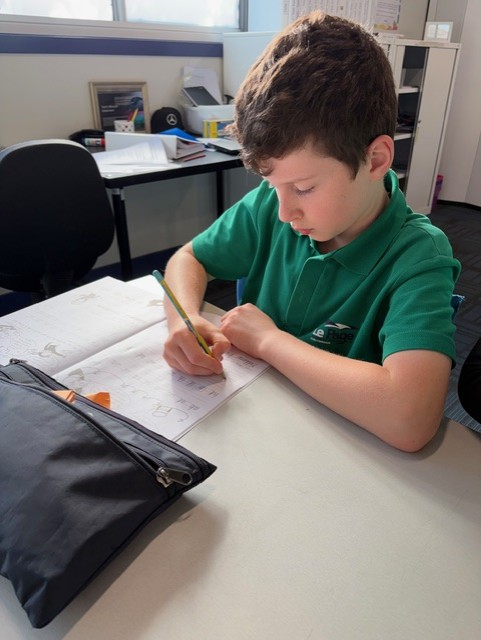
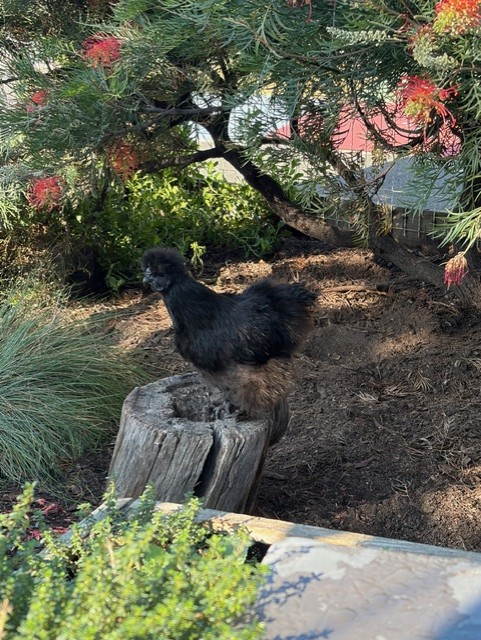
Year 4 Chicken leaders wanted to share a picture of Ham.