Tremendous 3
Term 2 Week 4
Year 3 Newsletter
Welcome to Week 4 of Term 2!
Literacy:
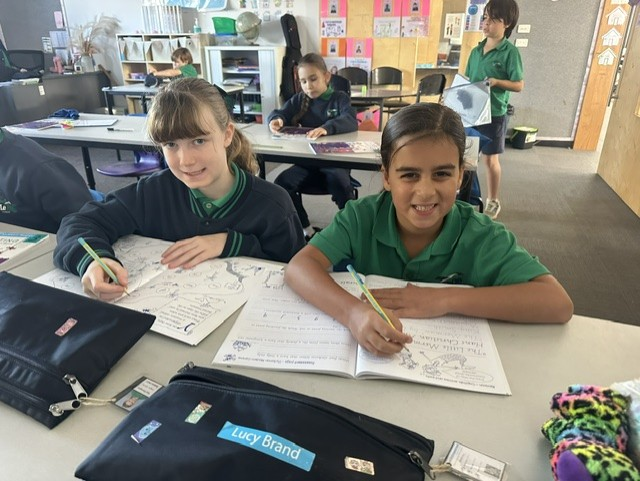
This week, students explored the fascinating world of the anglerfish and used their research to write detailed information reports. Throughout this task, students focused on organising their writing into clear sections and including important facts about the anglerfishes' appearance, habitat, diet, and unique adaptations. They worked hard to use topic-specific vocabulary, informative headings, and complete sentences to present their learning in an engaging and informative way. It has been wonderful to see students growing in confidence when writing non-fiction texts and learning how to present factual information in a clear and structured format.
Following our zoo excursion next week, students will begin an exciting new writing task where they will select an animal of their choice to research and create their own independent information report. They will use observations and facts gathered during the excursion, along with additional classroom research, to deepen their understanding of animal features, habitats, diets, and life cycles. We are looking forward to seeing the students apply the skills they have been developing to a topic they are personally interested in.
Phonics:
Week | Focus | Example words |
| Week 1 | 111 Rule | Madly Clapped Runner taping |
| Week 2 | 111 Rule | Dripped Splashed Strapped Shopped |
| Week 3 | 111 Rule | foggy Stunning Trotting Cunning |
| Week 4 | Homophones 1 | Ball Bawl Knot Not |
| Week 5 | SFE + suffix rule | lovely homeless shameful hugely |
| Week 6 | SFE + suffix rule | Hopeful Gamer Trembling Rescuer |
| Week 7 | Homophones 2 | heel – heal – he’ll |
| Week 8 | L stuffs it all | Fall stall always almost |
| Week 9 | Homophones 3 | meat meet flour flower |
| Week 10 | Homophones 4 | which - witch |
Maths:
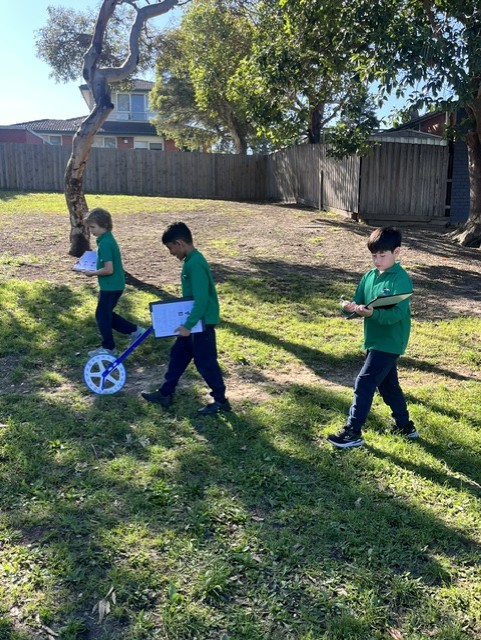
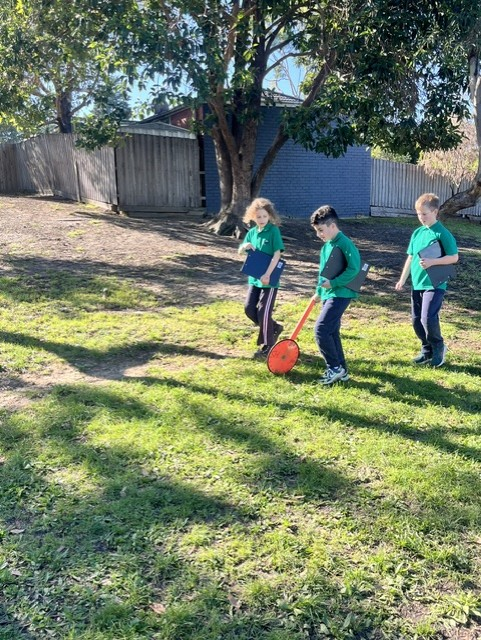
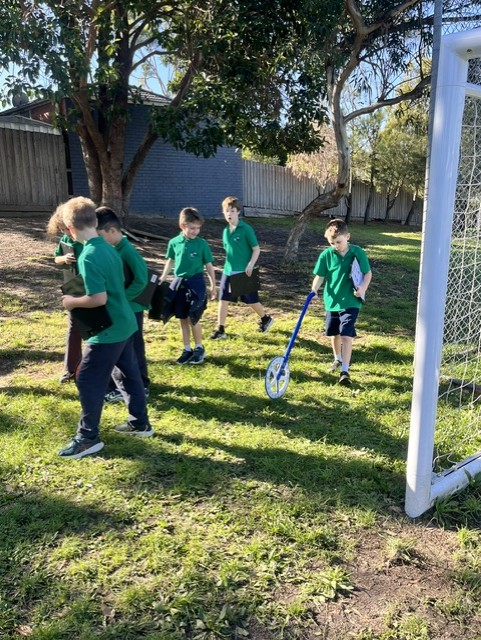
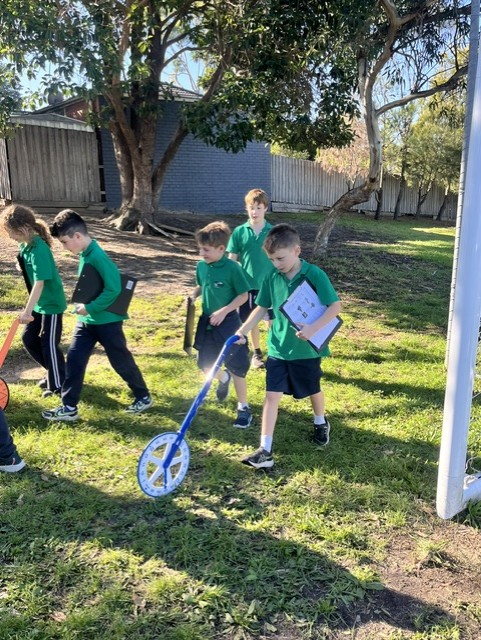
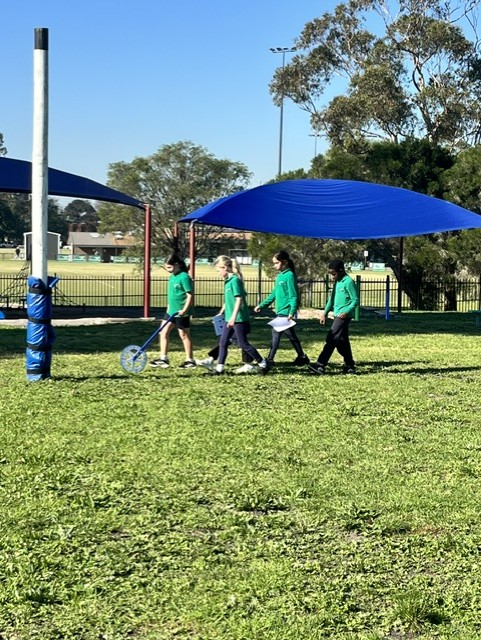
In Maths, the year 3 students are currently developing their understanding of measurement, with a focus on using and comparing metric units of length. Students are learning to measure, compare, estimate, and order lengths using millimetres (mm), centimetres (cm), metres (m), and kilometres (km). They are building their understanding of when and why different units are used, as well as developing practical measuring skills through hands-on activities and real-world problem solving.
Throughout this unit, students are practising how to choose appropriate measuring tools, read scales accurately, and record measurements using the correct unit. They are also exploring how to estimate lengths before measuring and comparing the reasonableness of their answers. These skills help students build strong foundational knowledge in measurement and develop confidence applying maths to everyday situations.
| Weeks 1-2 | Weeks 3-4 | Week 5 | Week 6-7 | Weeks 8-9 | ||||
Fractions VC2M3N03 | Length VC2M3M01, VC2M3M02 | Pattern VC2M3N09 | Data representation VC2M3ST01, VC2M3ST02 | Addition and subtraction 2 VC2M3N04, VC2M3N06 | ||||
Science
This term in Science, students will be learning about living, non-living and once-living things. They will explore the features of living things, such as the need for food, water and air, and how to group and classify different things in the world around them.
Students will also investigate life cycles of plants and animals, learning how living things grow and change over time. They will compare different life cycles (such as insects, mammals and plants) and begin to understand that some living things go through significant changes, while others develop more gradually.
A key focus of this unit will be understanding that offspring are similar to their parents, but not identical, helping students recognise patterns in how living things grow and reproduce.
.
Extra Announcements:
- Please send any photos from home to your child's classroom teacher
- Zoo excursion Tuesday week 5
- School photos Monday week 7
- Swimming Monday- Thursday week 9 & 10
Photos