
Year 7 Innovate
Extreme Environments
In this unit, we are exploring how humans protect themselves in extreme environments through thoughtful design and textile innovation. We are investigating conditions such as arctic cold, desert heat, and high-altitude environments, and examining how these challenges influence the materials and features needed in protective clothing and equipment. By learning about textile properties—like insulation, breathability, waterproofing, durability, and flexibility—we are developing an understanding of how materials impact performance, safety, and comfort. We are also analysing real-world examples to see how designers use human-centred approaches to solve problems effectively.
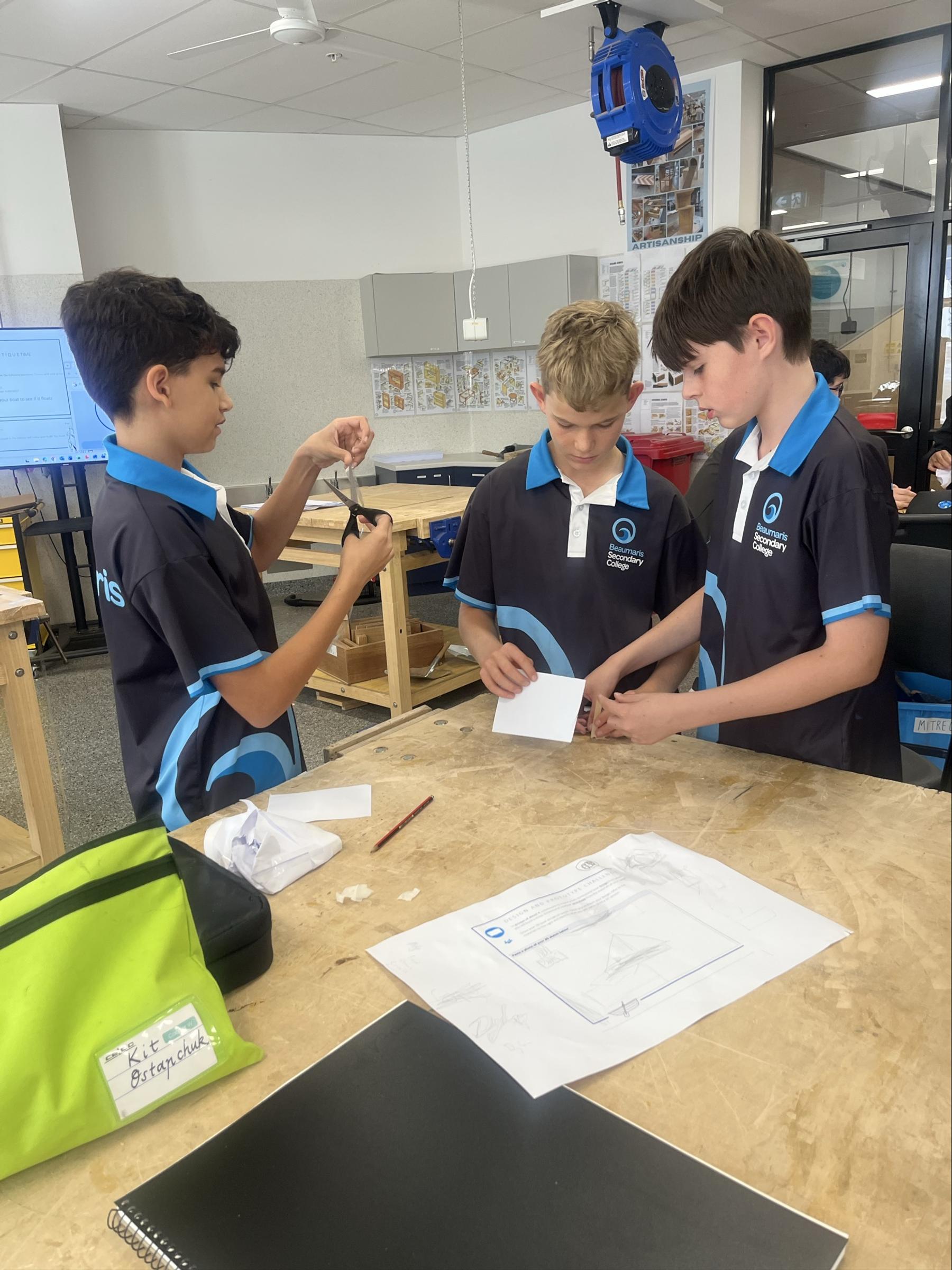
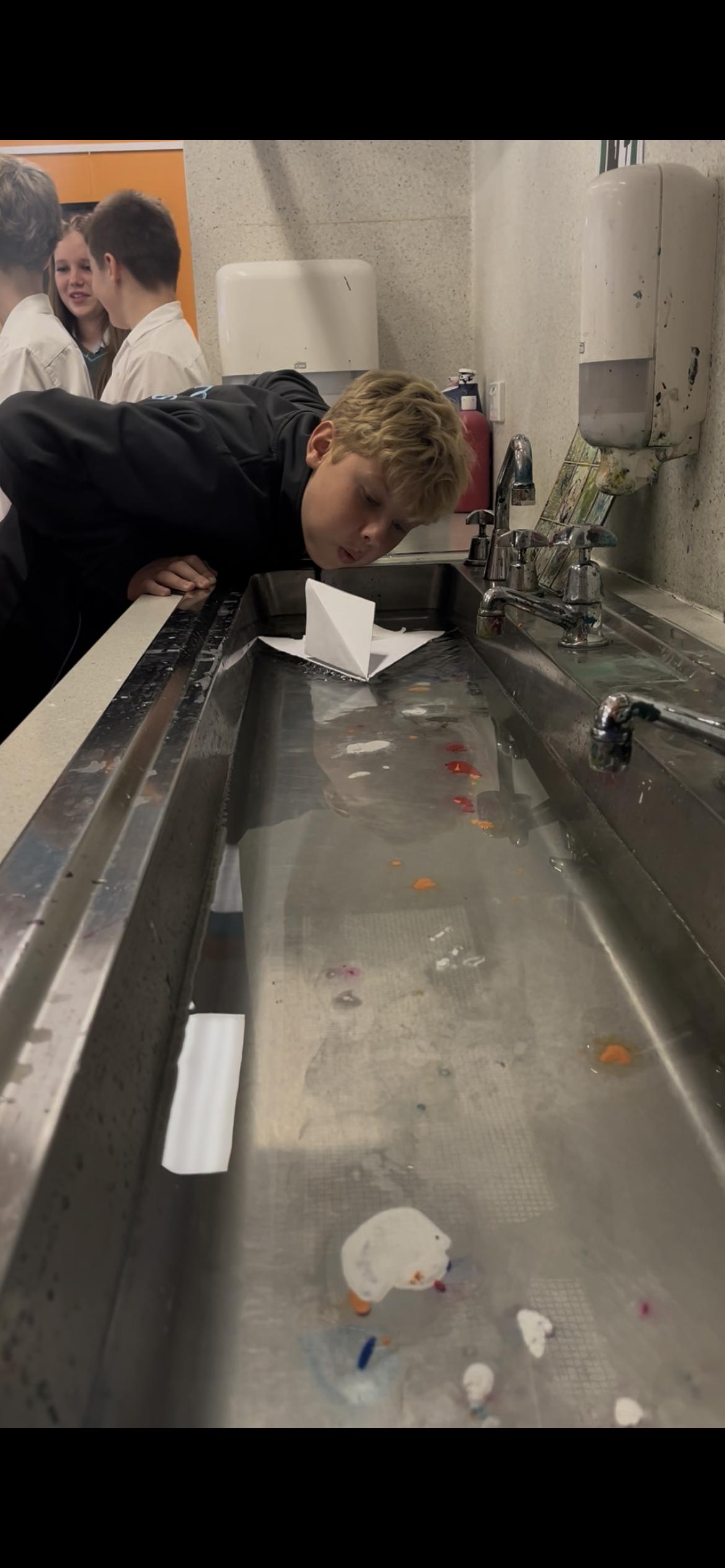
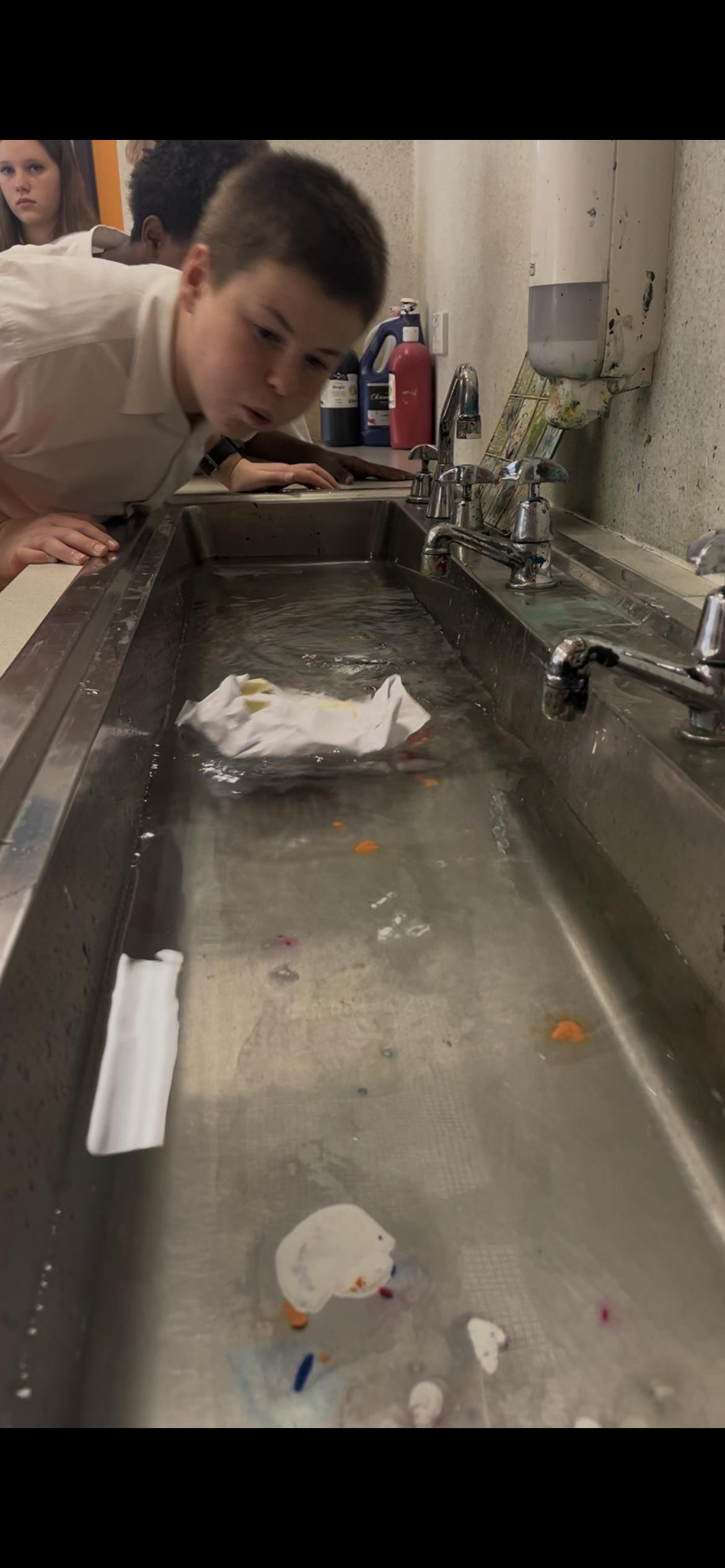
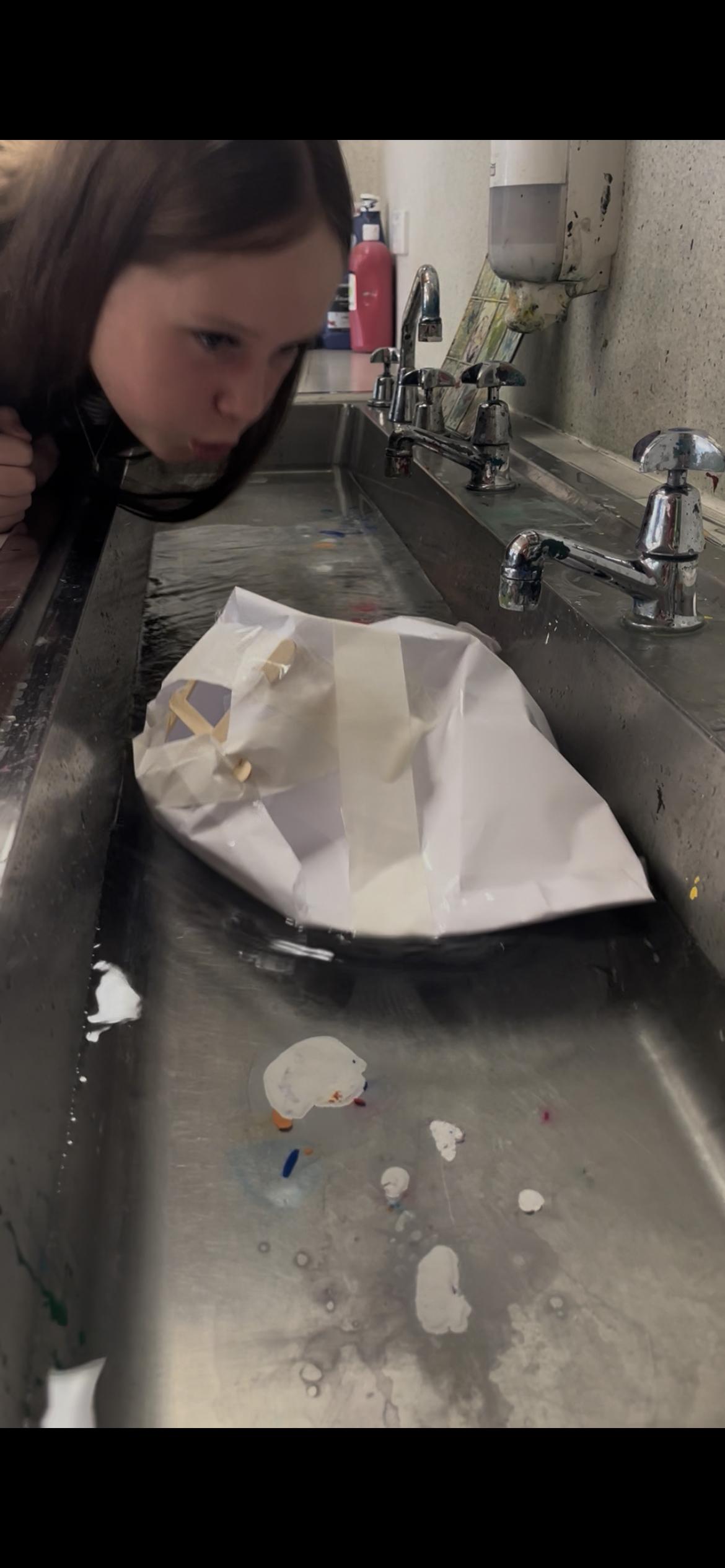
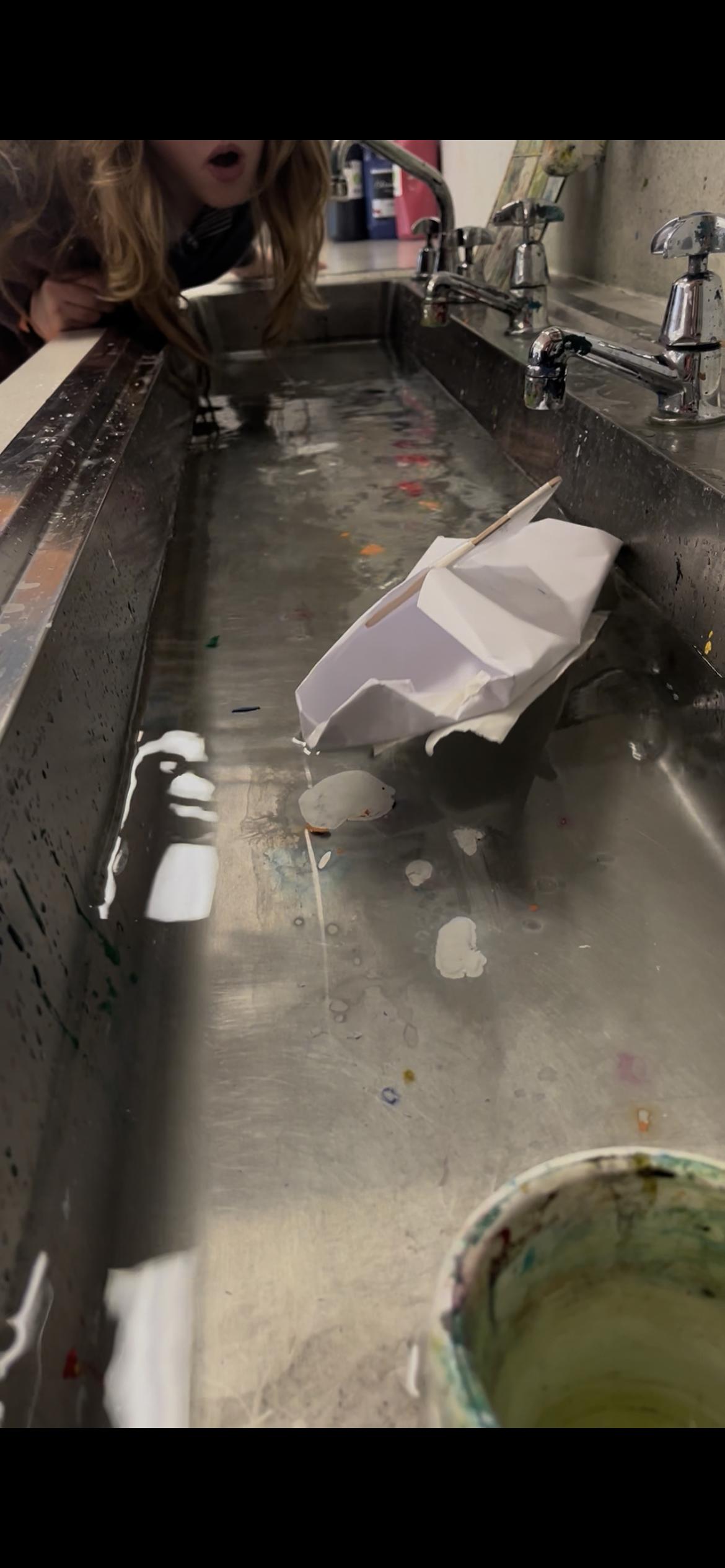
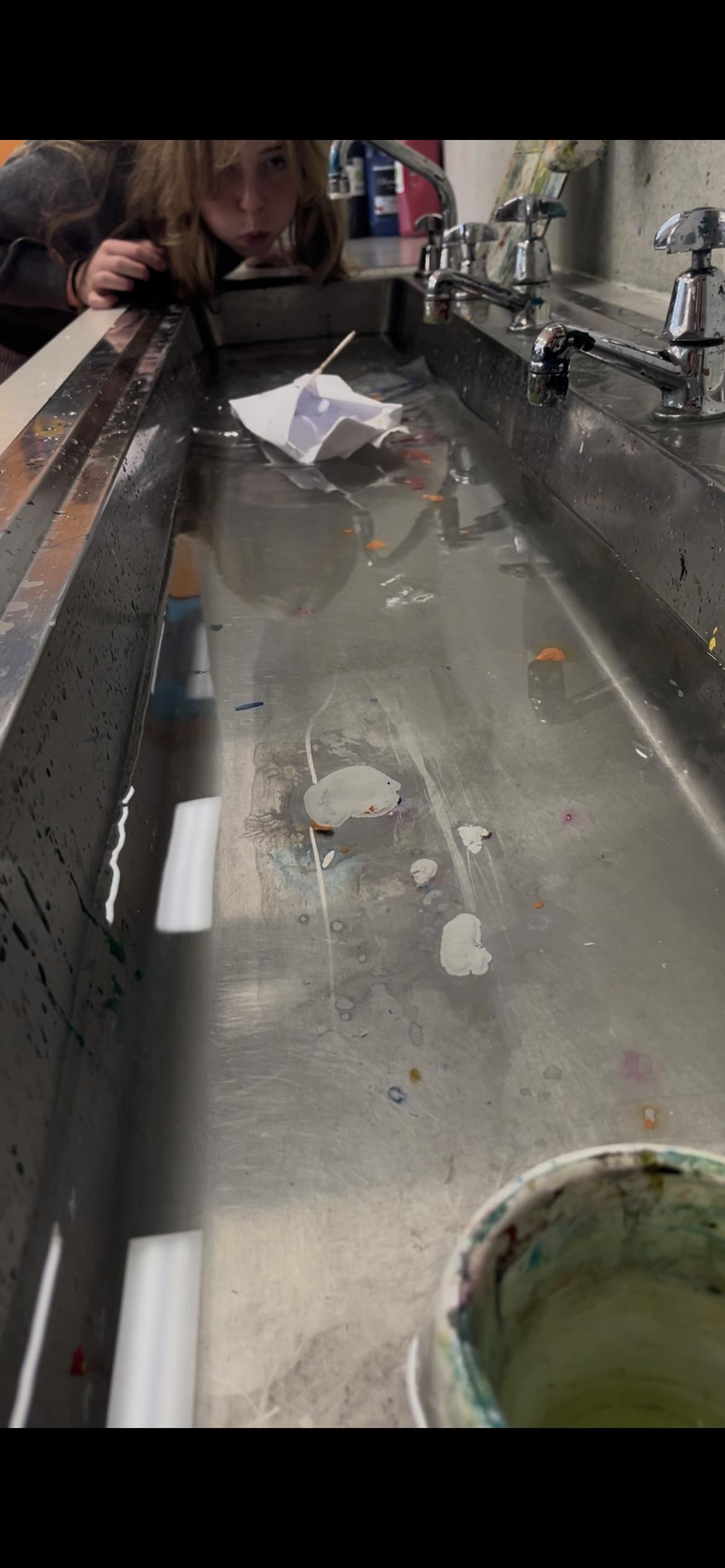
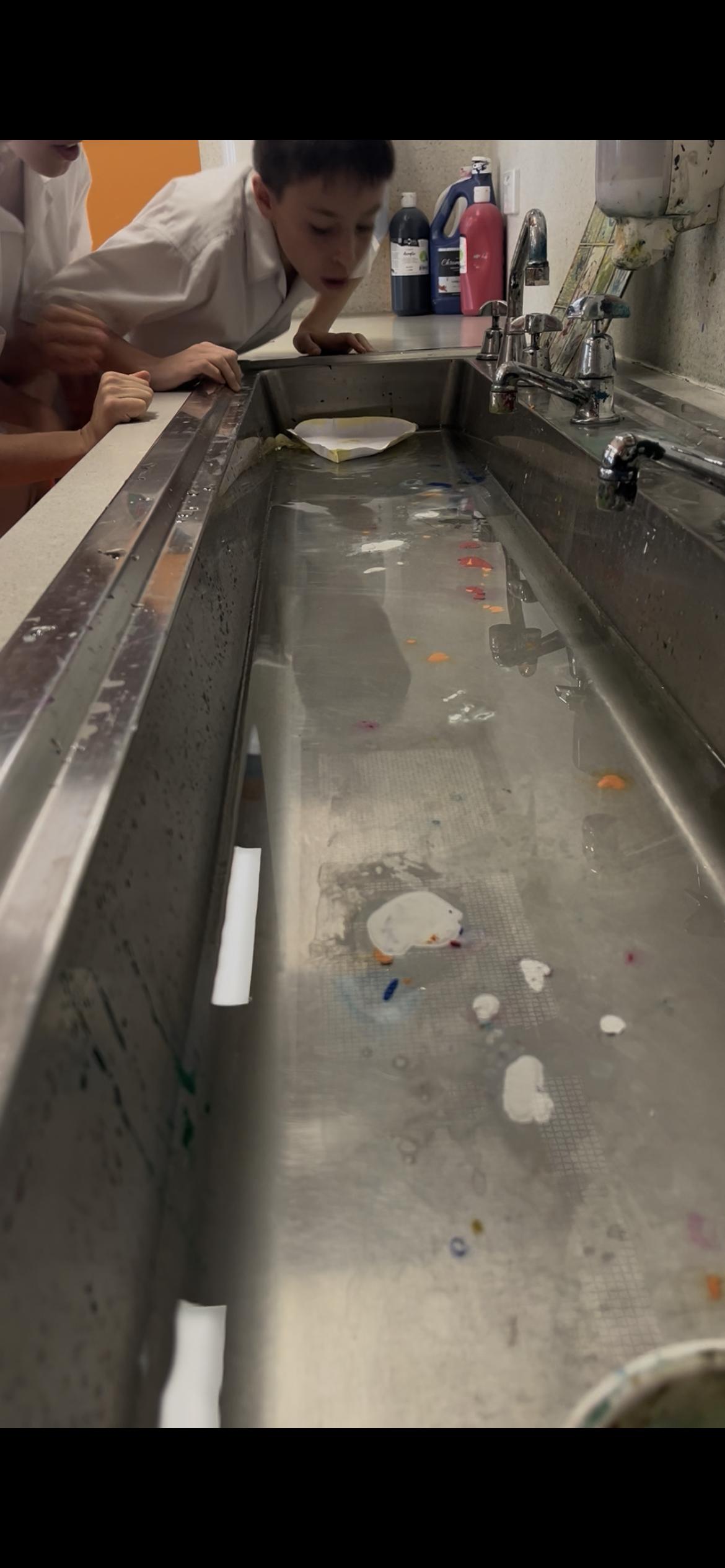
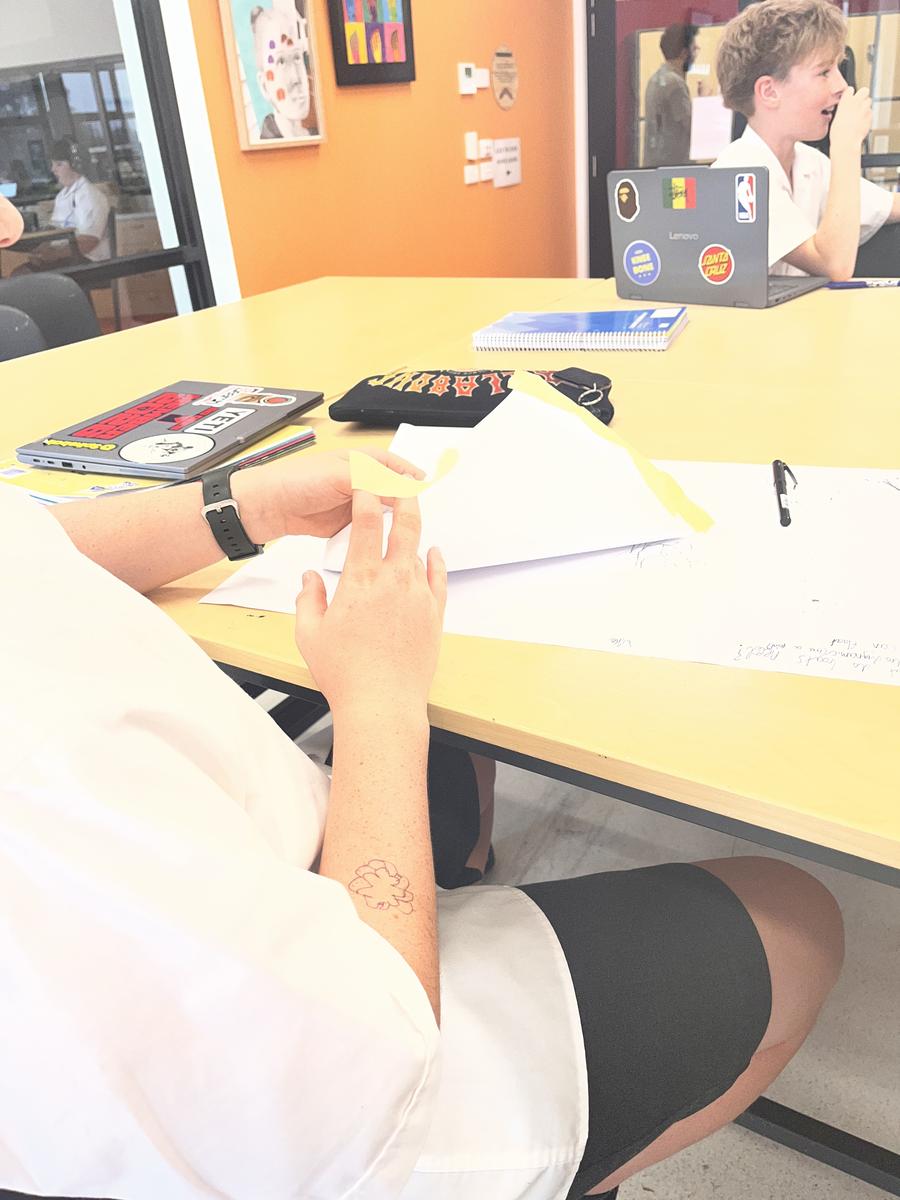
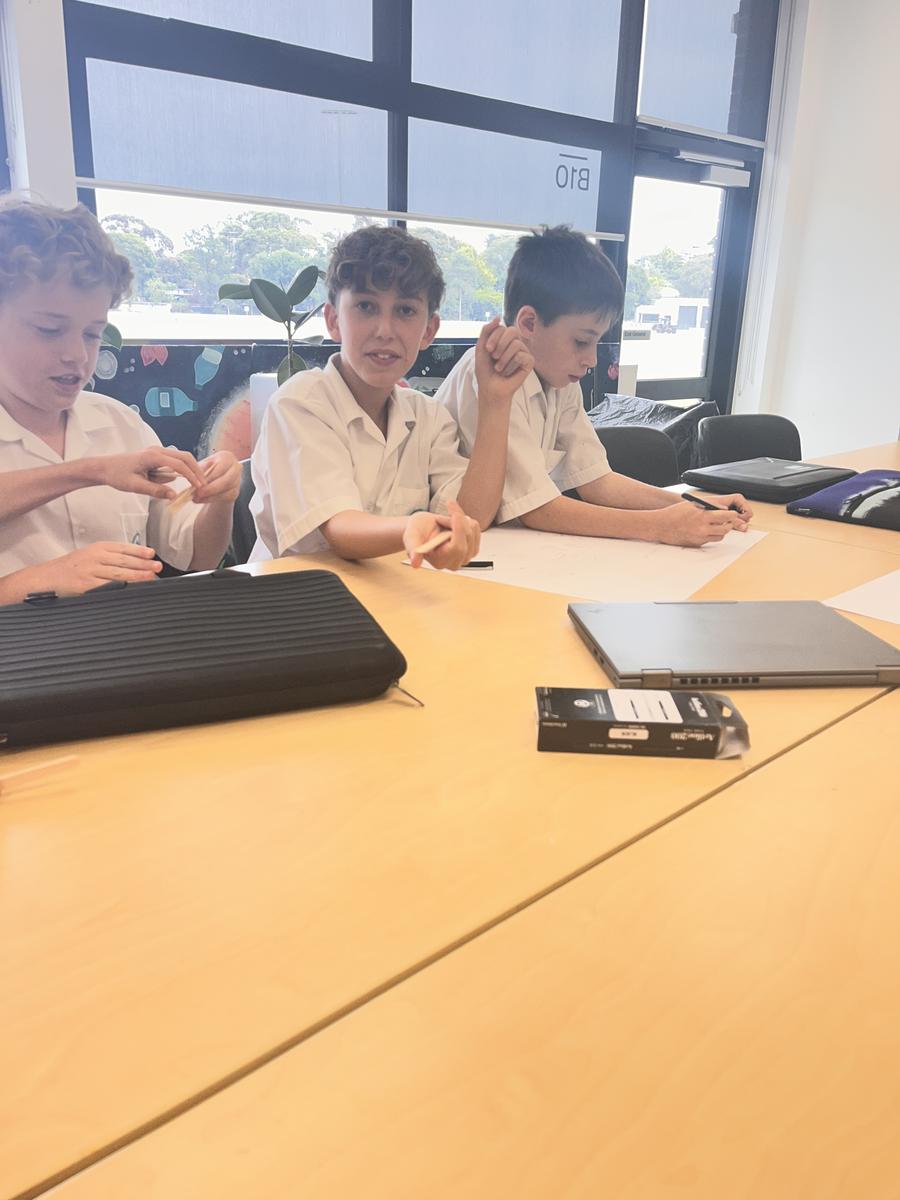
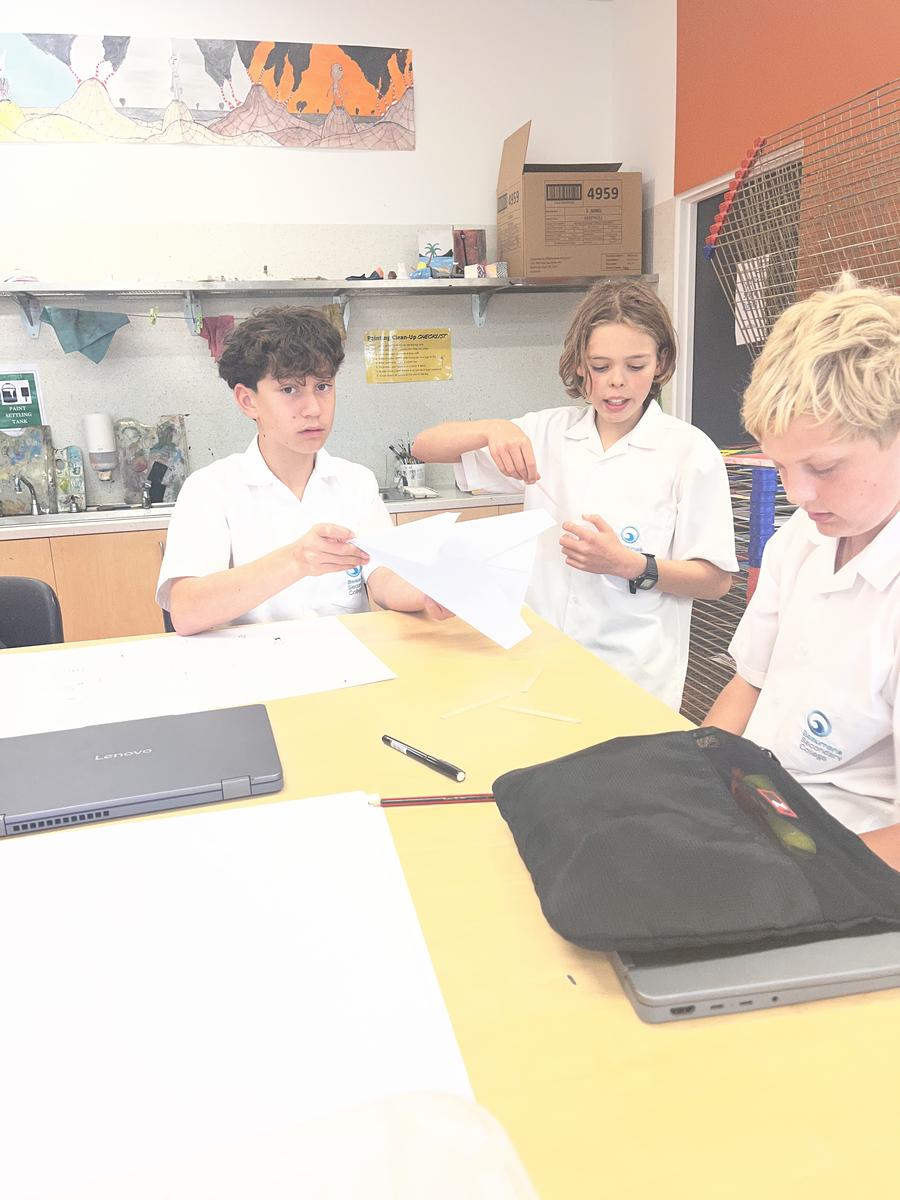
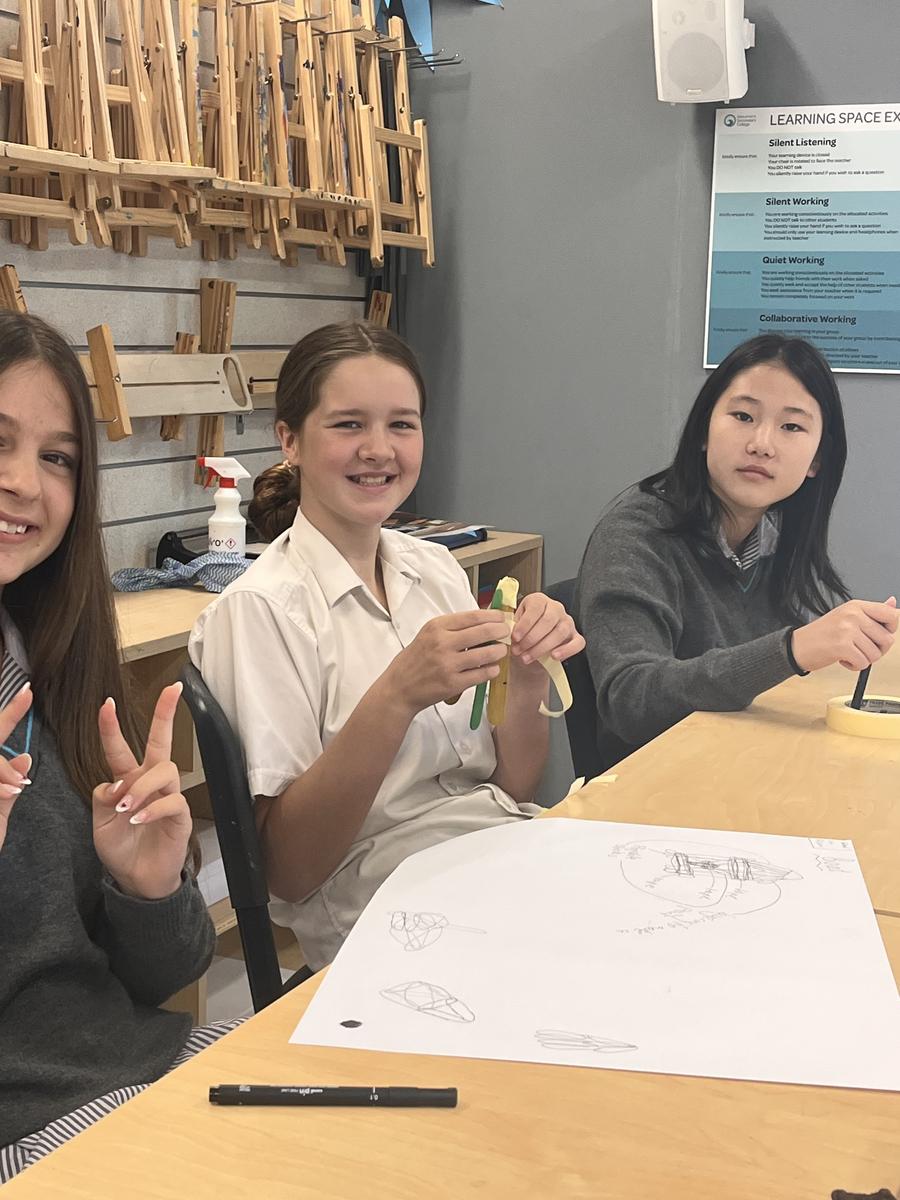
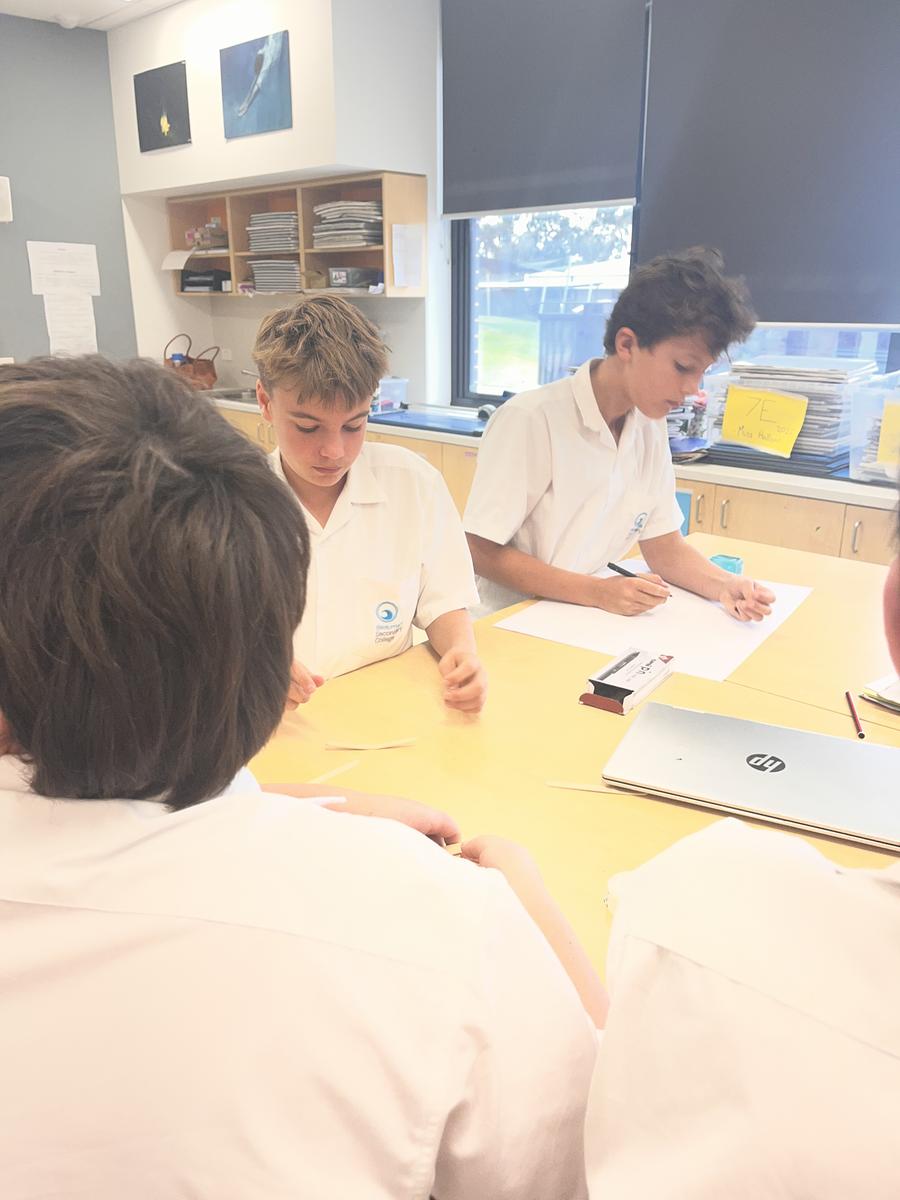
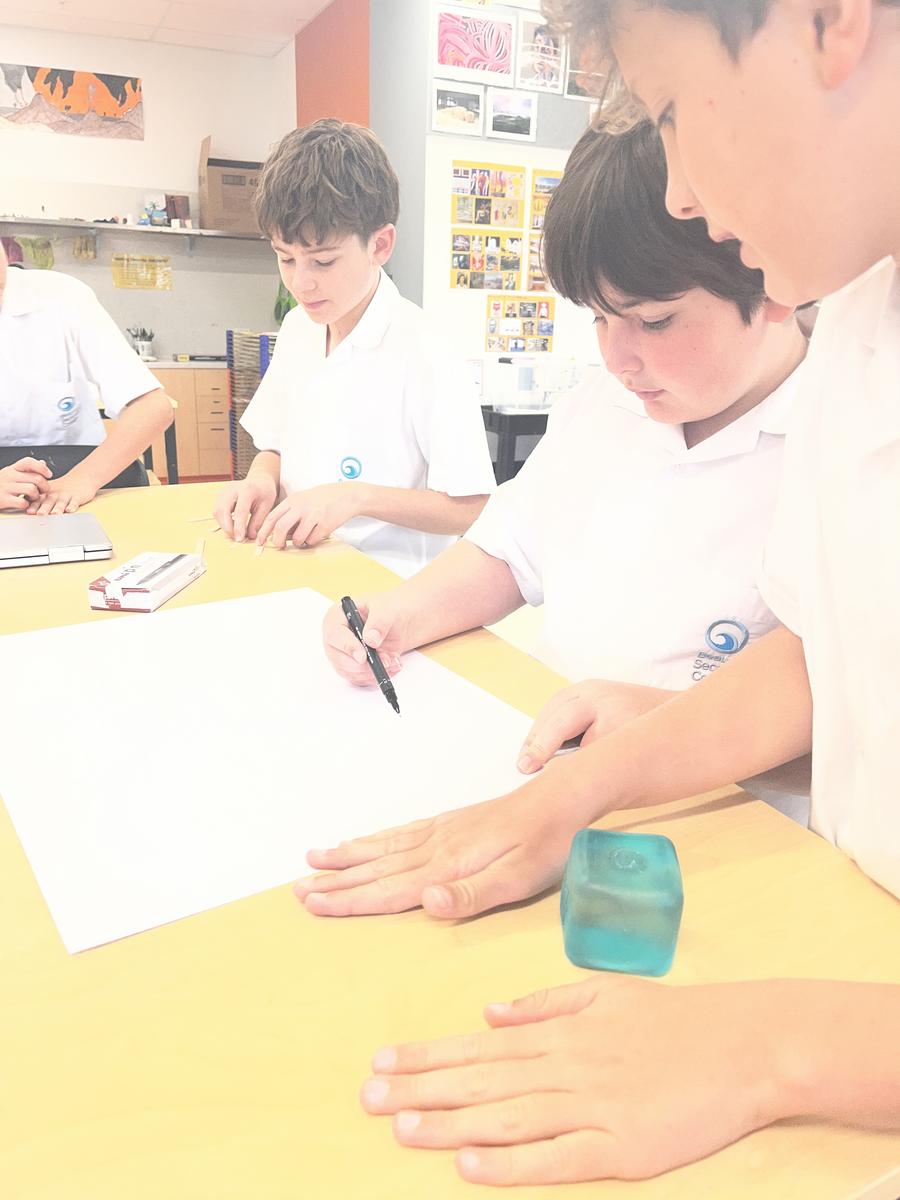
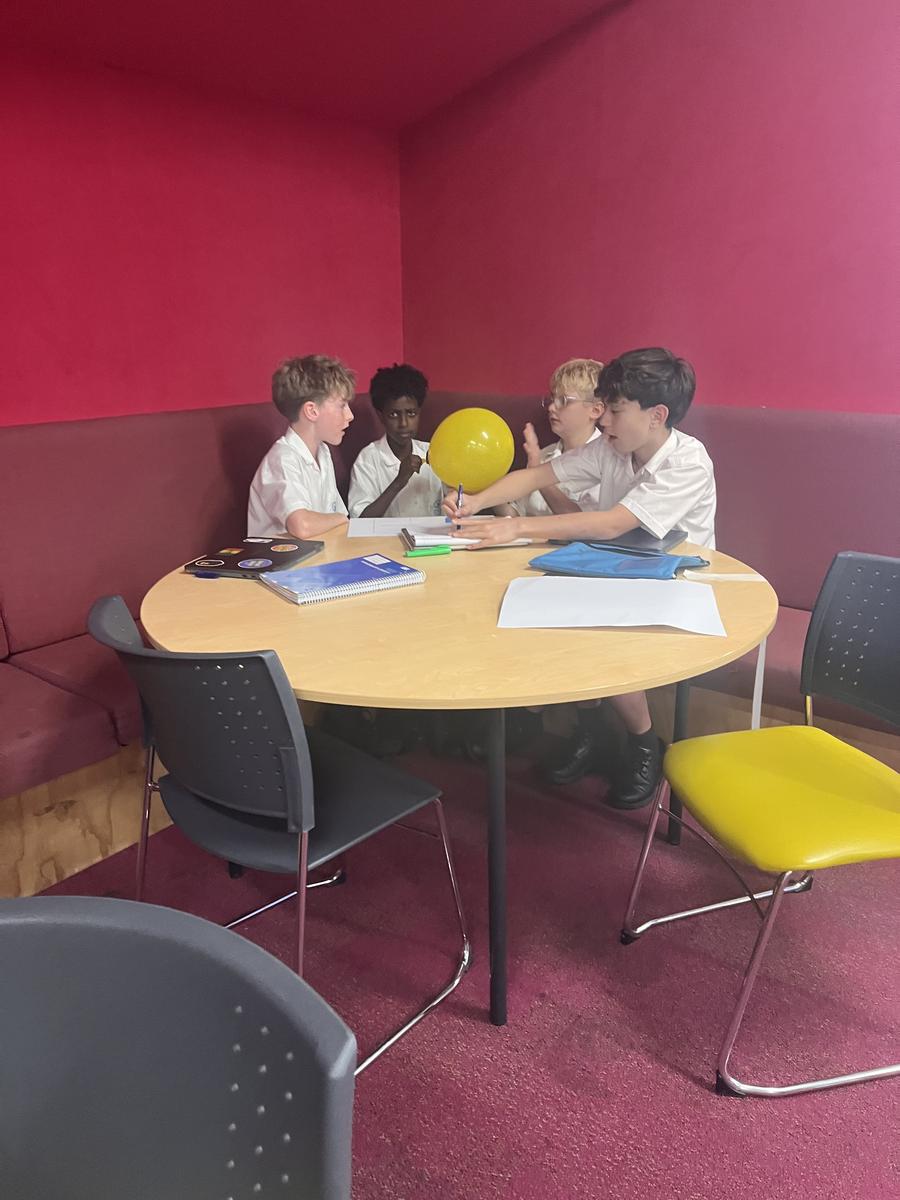
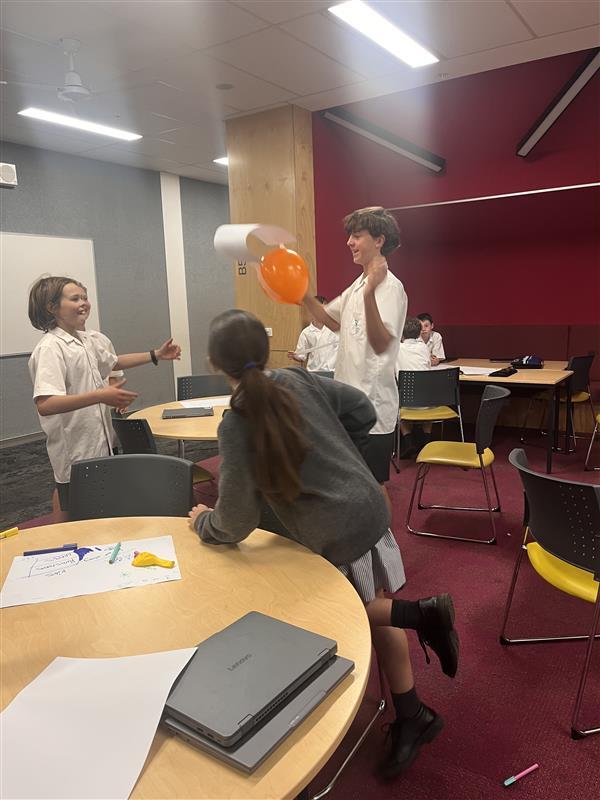
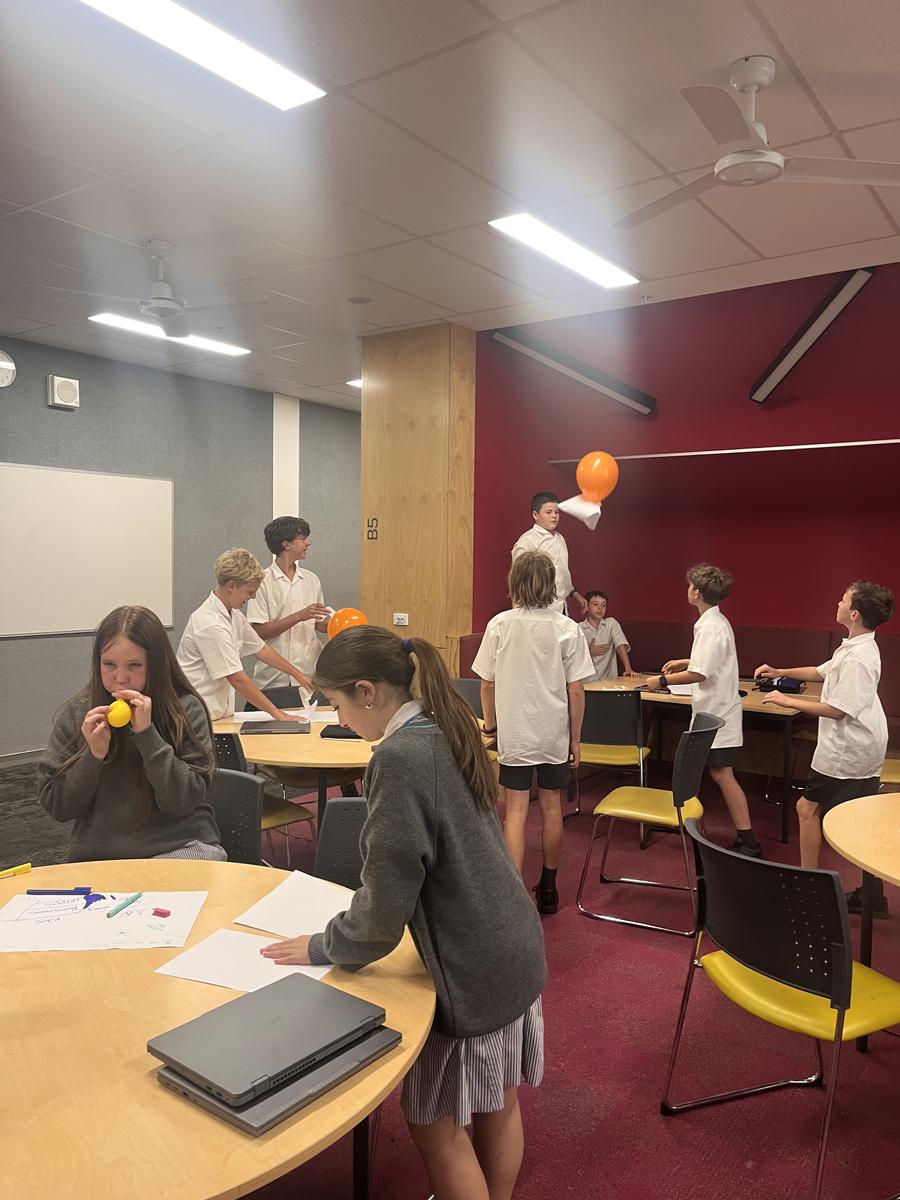
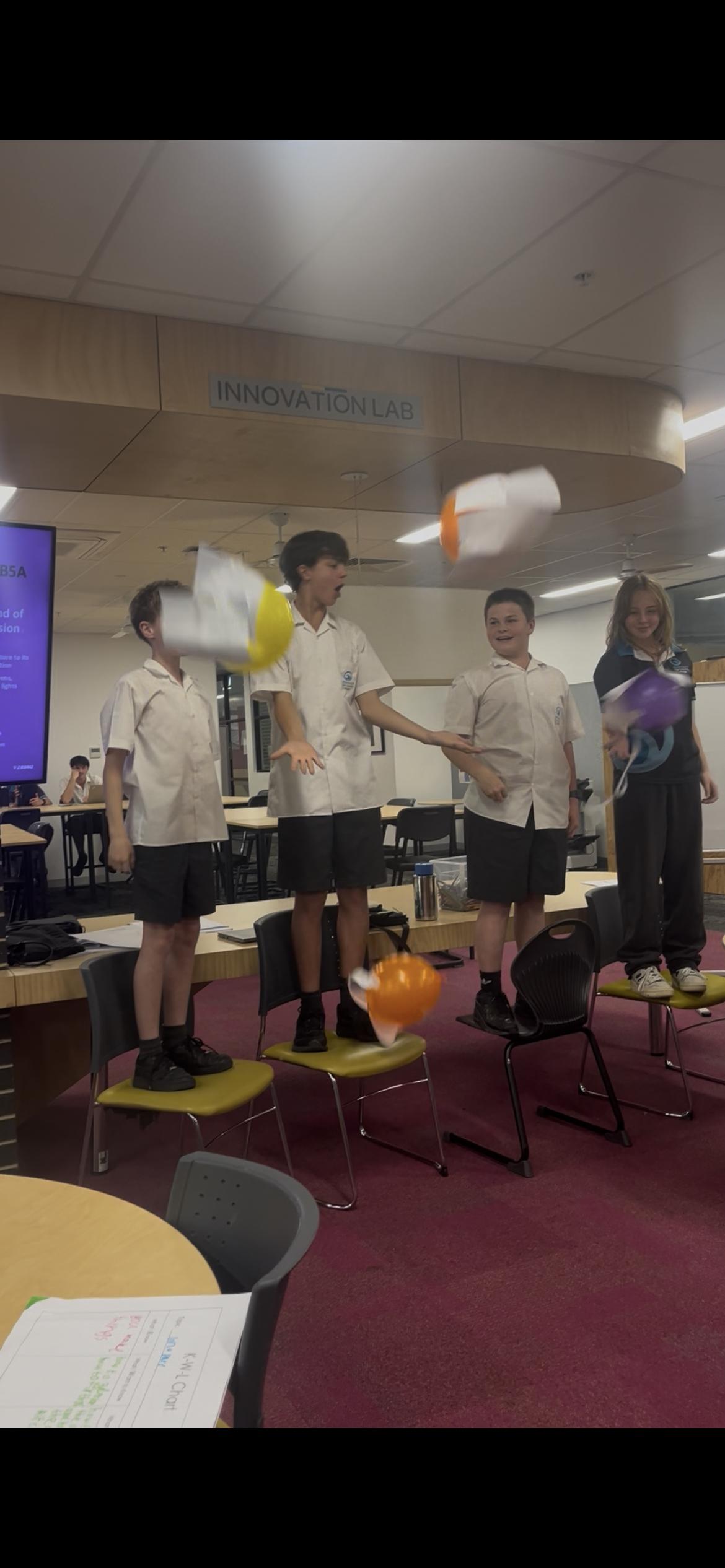
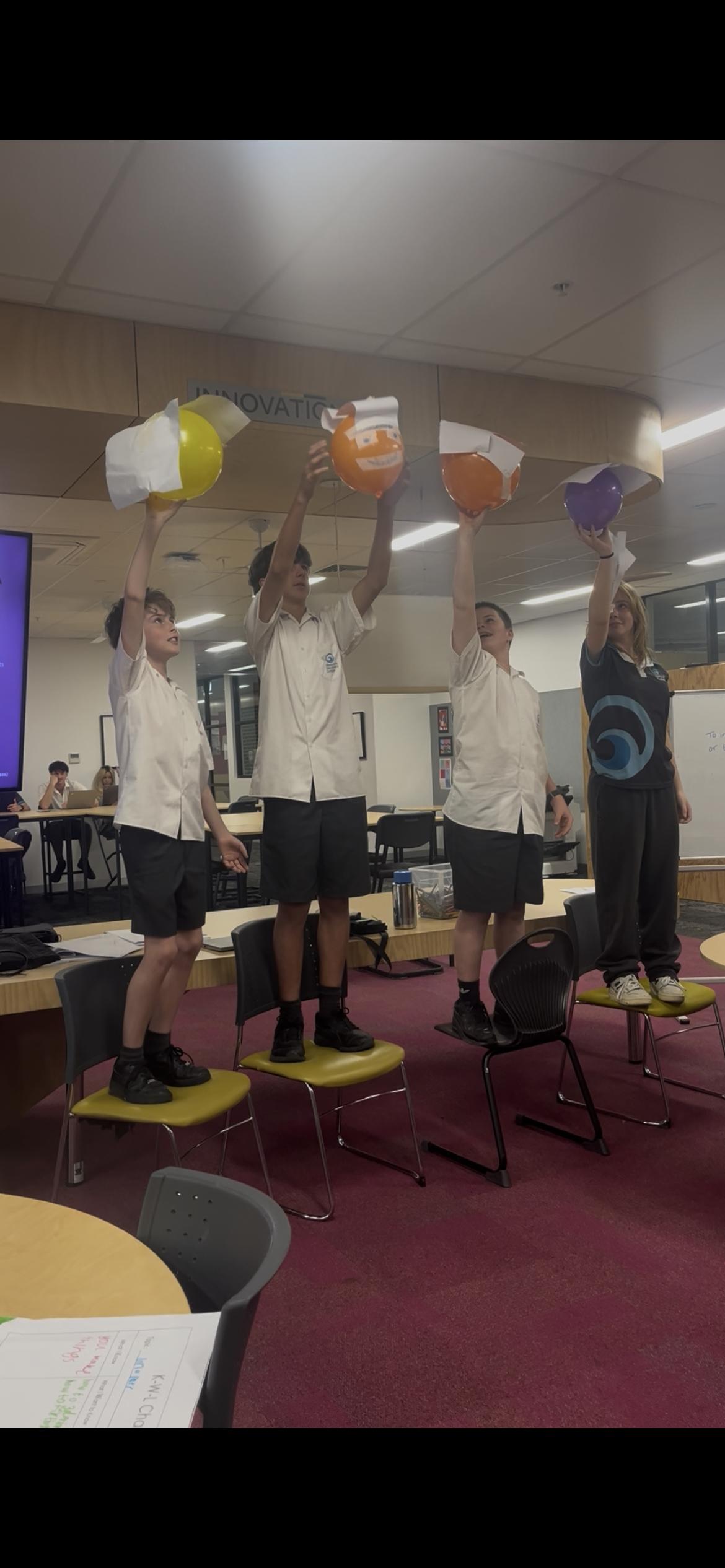
To apply our learning, we are taking part in hands-on design challenges that strengthen our creativity and collaboration. In one activity, we are given balloons, masking tape, and paper, and challenged to design a structure that falls as slowly as possible. This requires us to think about air resistance, balance, and surface area while testing and refining our ideas. In another task, we are working in groups to create a two-dimensional boat design and then transform it into a three-dimensional prototype, carefully selecting materials and considering how our design will function in practice.
Throughout the unit, we are following the design thinking process by generating ideas, testing materials, and evaluating our solutions against criteria such as functionality, safety, comfort, and sustainability. We are also developing practical textile skills, including sewing, shaping, and reinforcing materials. By the end, we are creating a functional prototype that demonstrates how design can support human survival and comfort in extreme environments, highlighting the importance of creativity, problem-solving, and thoughtful decision-making.
Ms Samantha Trewin
Teacher