Inclusion & Engagement

Interoception
Last term, our staff participated in professional learning to deepen their understanding of interoception.
They were fortunate to have Brianna and Ella from OT Dynamics Ballarat facilitate an engaging and purposeful session to help them understand the link between interoception and self-regulation and explore practical strategies to support children in the classroom.
Please see below some of the key takeaways from the session.
What is Interoception?
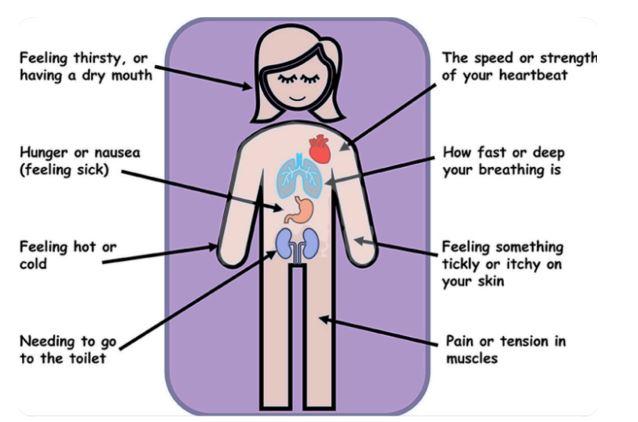
Interoception is our “body awareness” sense.
It’s the ability to notice and understand what’s happening inside our bodies— like feeling hungry, needing the toilet, having a fast heartbeat, or noticing when we’re tired. For students, interoceptive signals help them recognise how they’re feeling
physically and emotionally, which is an important foundation for self-regulation and learning.
Functional Implications
Poor interoceptive awareness can have significant functional impacts for students across the school day. When a student has difficulty noticing or interpreting internal body signals, they may:
- Struggle with self-regulation – They might not recognise early signs of stress, frustration, or fatigue, leading to sudden emotional outbursts or shutdowns. They may be able to memorise coping strategies but can’t implement them in the moment.
- Have difficulty identifying emotions – If they can’t connect body sensations (e.g., tight chest, hot face) to feelings, they may find it hard to label or communicate emotions.
- Miss basic body cues – They may not notice hunger, thirst, tiredness, or the need to use the toilet until it becomes urgent.
- Appear inattentive or oppositional – Behaviour may reflect discomfort (e.g. needing movement, feeling unwell, overwhelmed) rather than defiance.
- Have challenges with anxiety – Physical signs of anxiety may feel confusing or overwhelming if they don’t understand what is happening in their body.
Classroom focus
Following recent professional learning, our Junior PLC (Foundation–Year 1) has begun introducing simple, practical strategies to support students’ wellbeing and self-regulation.
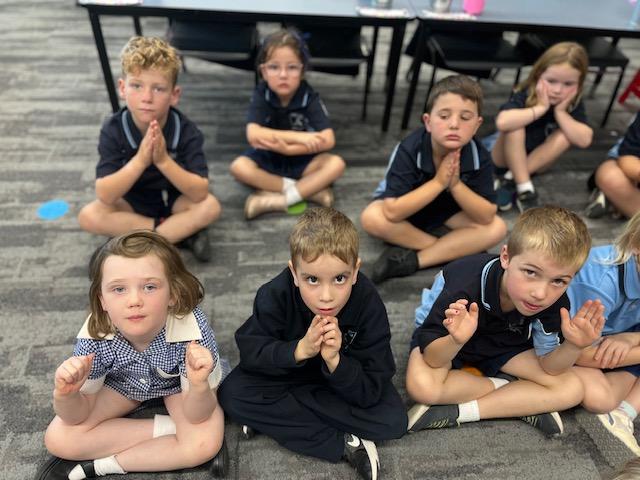
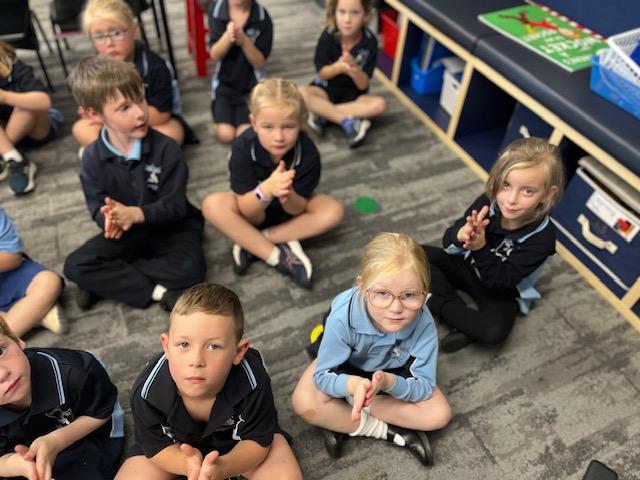
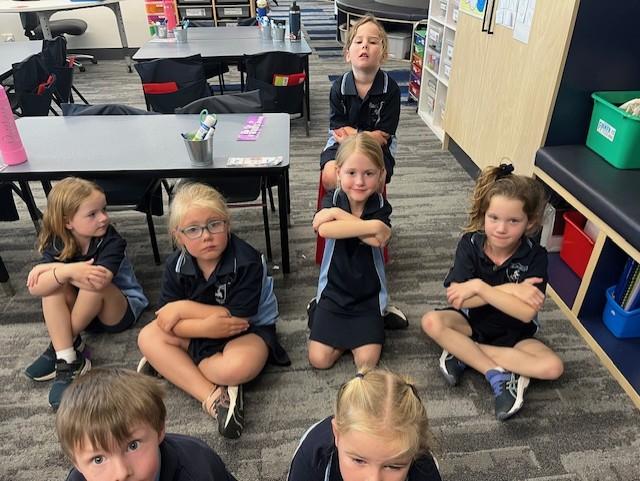
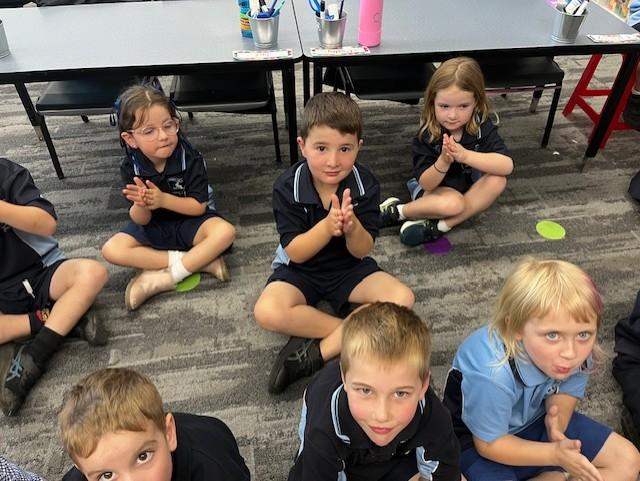
In our Foundation and Year 1 classrooms, children are learning to tune into their bodies through short “check-in” activities across the day. These whole-body check-ins and body scans help students notice how their body is feeling and begin to develop the language to describe those feelings.
Three times a day, students take part in a brief, teacher-led activity. These moments are intentionally short and guided, helping children learn and practise strategies they can use to feel calm, focused, and ready to learn.
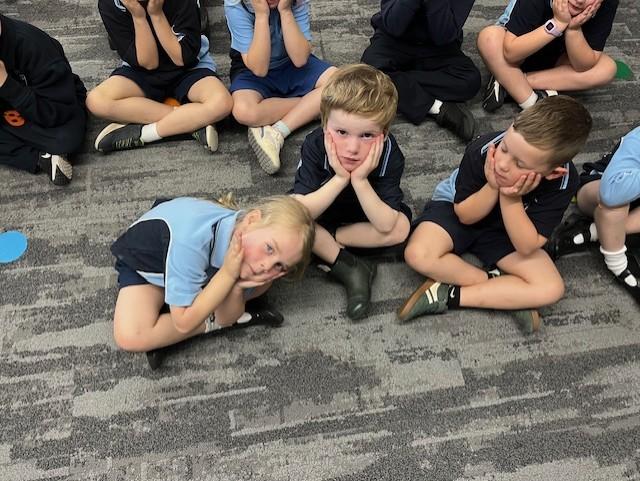
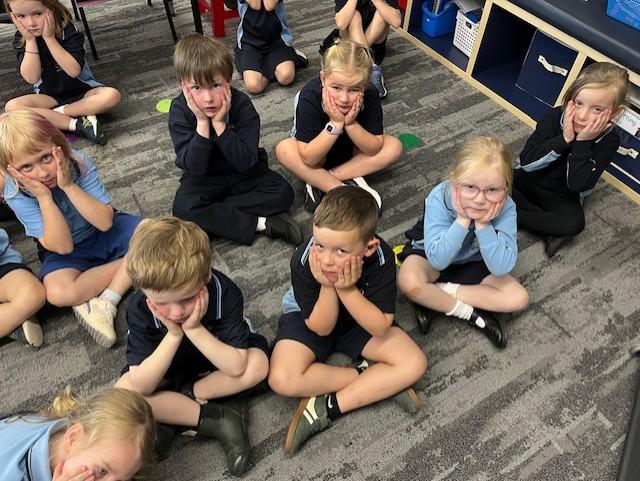
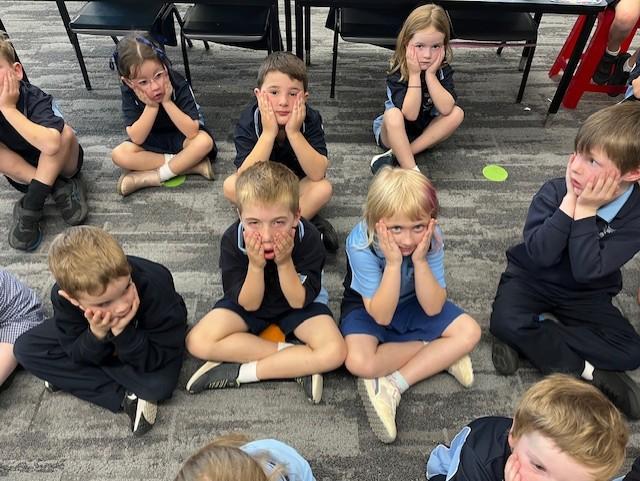
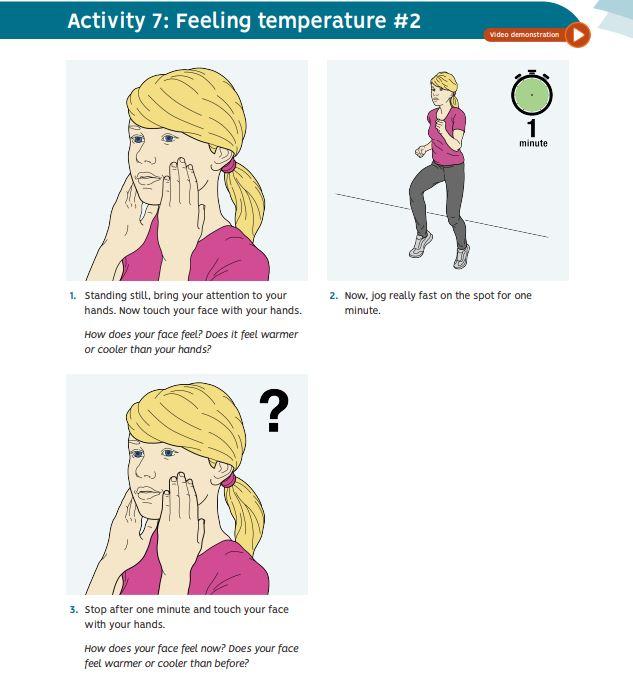
One example is our “Feeling Temperature” activity. In this activity, students focus on their hands and face to notice changes in temperature in their body. Through experiences like this, children are learning to recognise signals such as warmth, breathing, muscle tension, or a faster heartbeat—important steps in understanding and managing their emotions.
Developing this awareness is a key part of helping children build independence, confidence, and positive learning habits.