
Wellbeing News
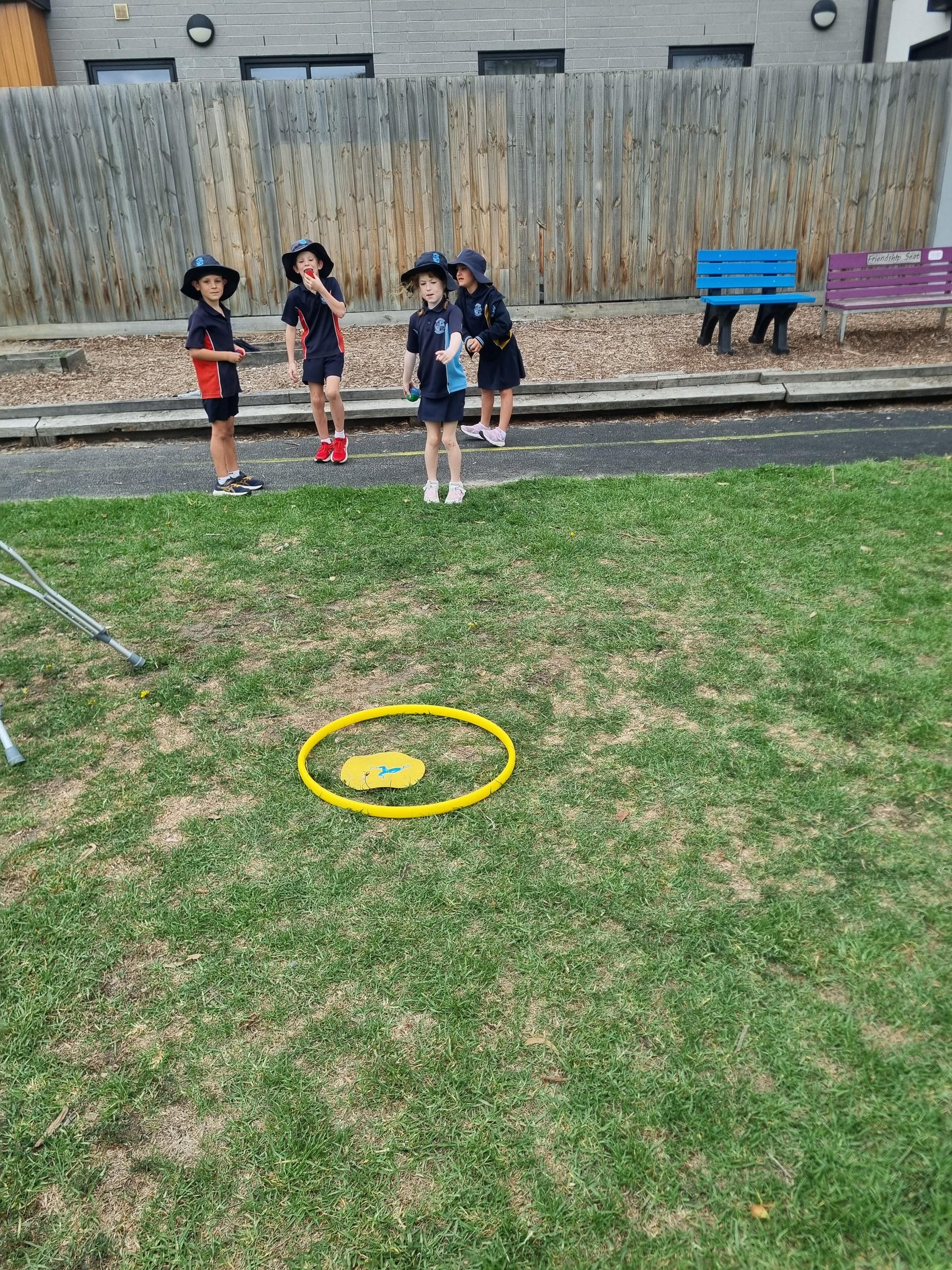
Friendship and Solving Problems Together
Friendship is an important part of school life. Friends learn together, play together and support each other each day. Positive friendships help make our school a happy and welcoming place.
A good friend is kind, respectful and caring. Friends share, listen to each other and include others in games and activities. Even small actions, such as inviting someone to play or helping a classmate with their work, can make someone feel valued and included.
Sometimes friends may disagree or experience conflict. This is a normal part of friendships and an opportunity to learn positive problem-solving skills.
Tips for solving friendship problems:
Stay calm and listen to the other person
Use kind words to explain how you feel
Try to understand the other person’s point of view
Work together to find a solution
Ask a teacher or trusted adult for help if needed
At St Brigid’s we encourage students to show kindness, include others and work through problems respectfully so that everyone feels they belong.
Trusted Adults at School
When students have concerns, it is helpful for them to speak with a trusted adult.
At home, this is often a parent or caregiver. At school, we encourage students to identify three trusted adults they feel comfortable speaking to. This may be any teacher or staff member.
Having several trusted adults ensures students always have someone they can turn to if they need support. Speaking up early allows us to address concerns and provide positive support.
If any concerns require further attention, the school will always contact parents or caregivers so that we can work together to support the student.
Intervention and Enhancement Programs
At St Brigid’s, we are fortunate to provide both intervention and enhancement learning opportunities.
Through these programs, students work in small groups and participate in targeted learning experiences designed to support their individual needs.
Students are selected based on assessment data and teacher observations. This approach allows students to receive additional support where needed, or extend their learning in areas of strength, helping every student continue to grow in confidence and ability.
If you have any questions about our program, please don’t hesitate to contact us.
With thanks
Christine Thredgold
Wellbeing and Learning Diversity Leader