
Resource Centre
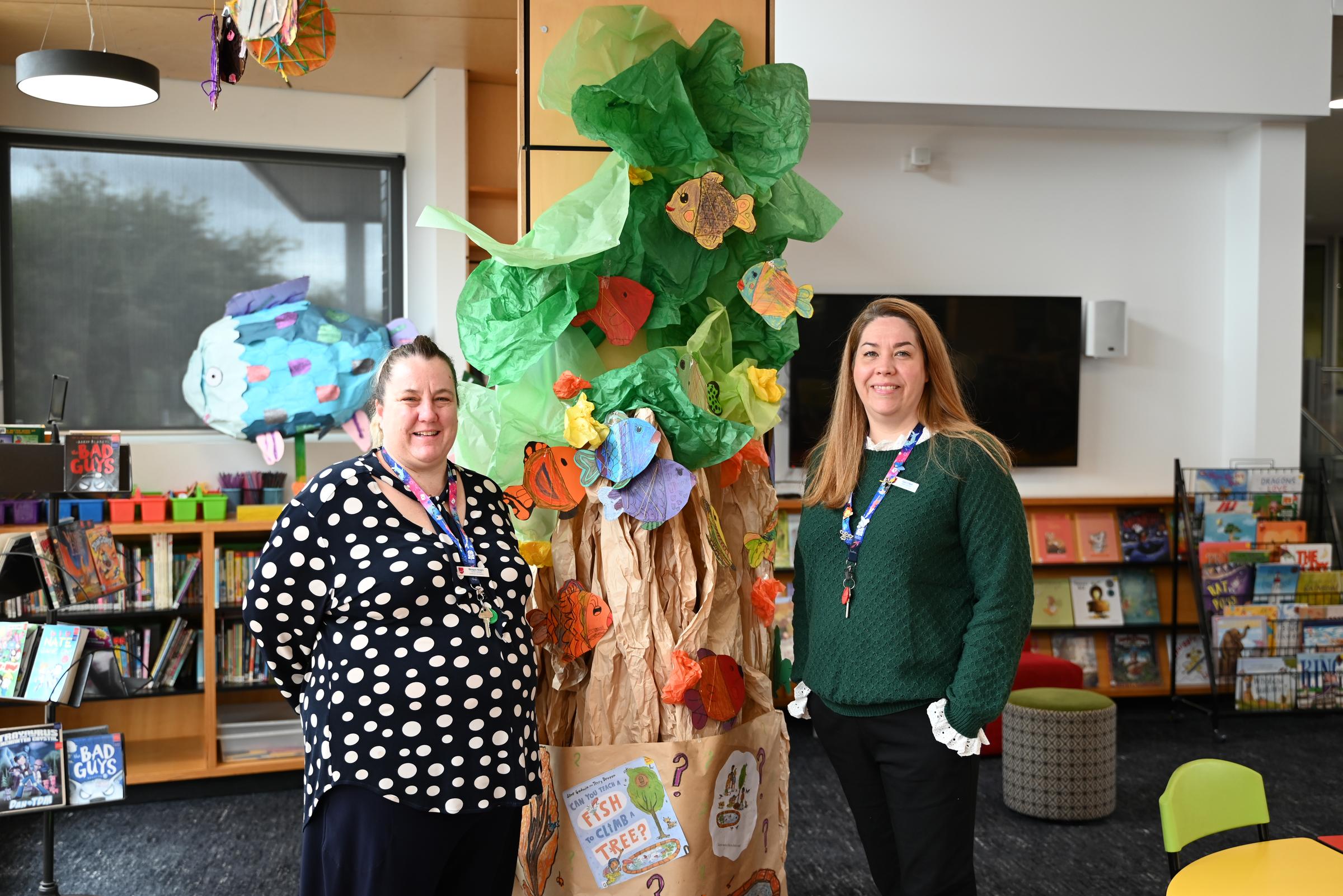
The Resource Centre is always a Buzz with many Busy Bees
I’ve loved seeing how students use the Resource Centre during recess and lunch. Whether they are studying for a test, finishing homework, working on assessment tasks in the main area, or, when space allows, using the classrooms and study rooms to stay focused and productive.
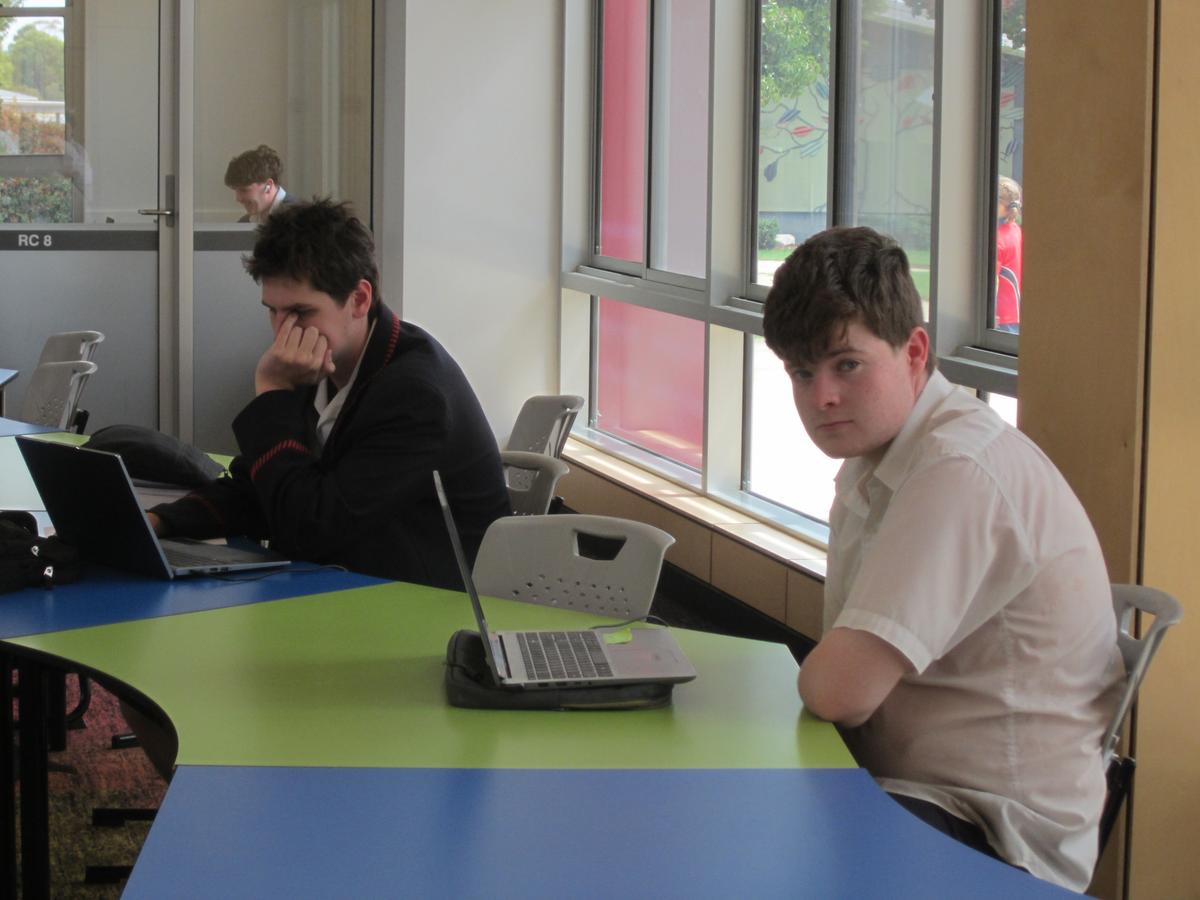
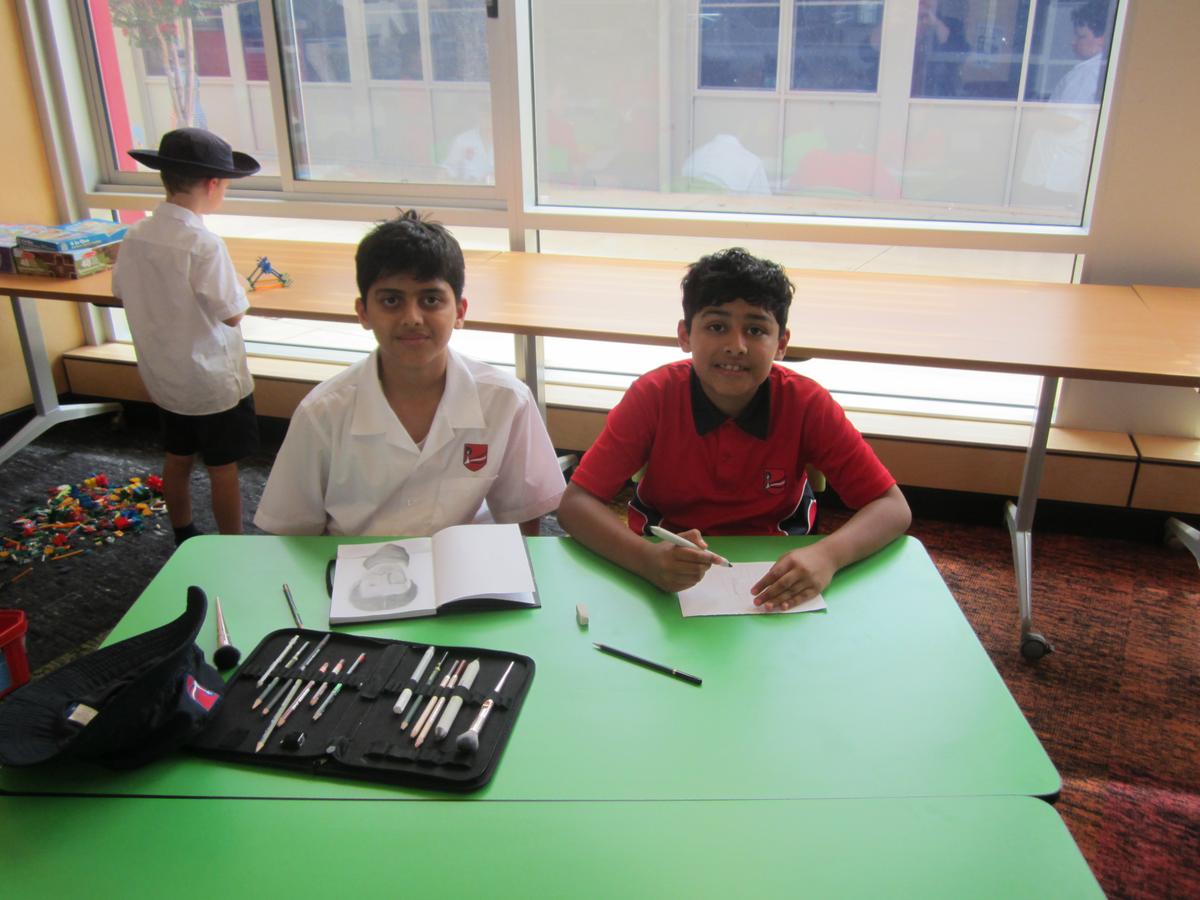
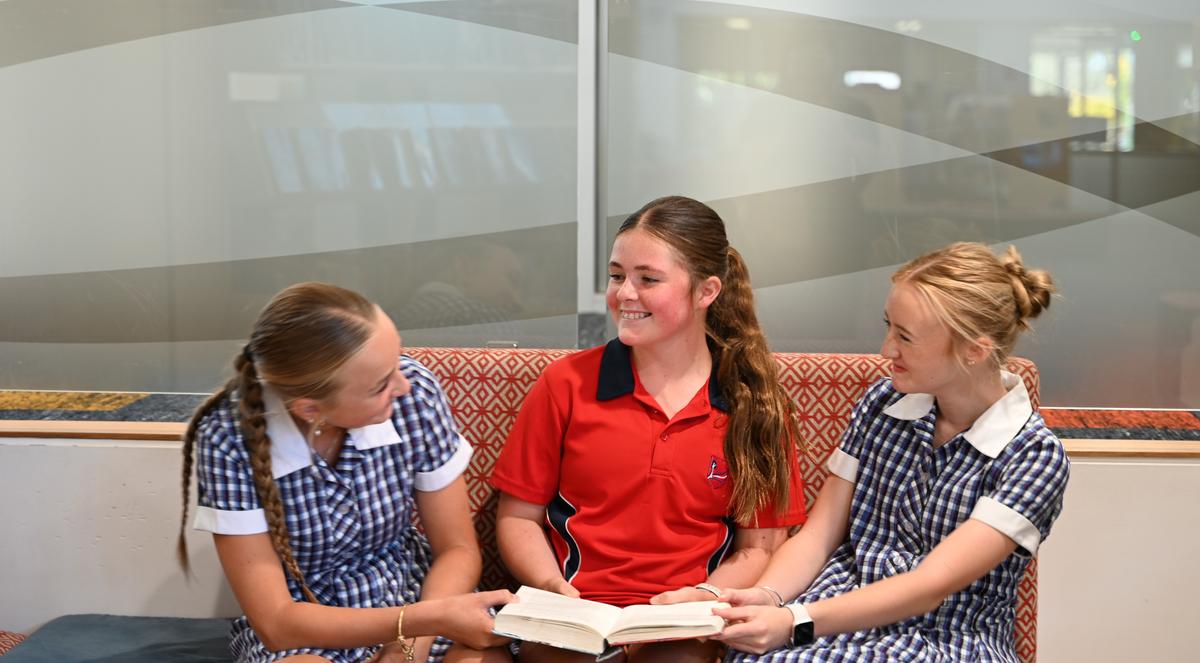
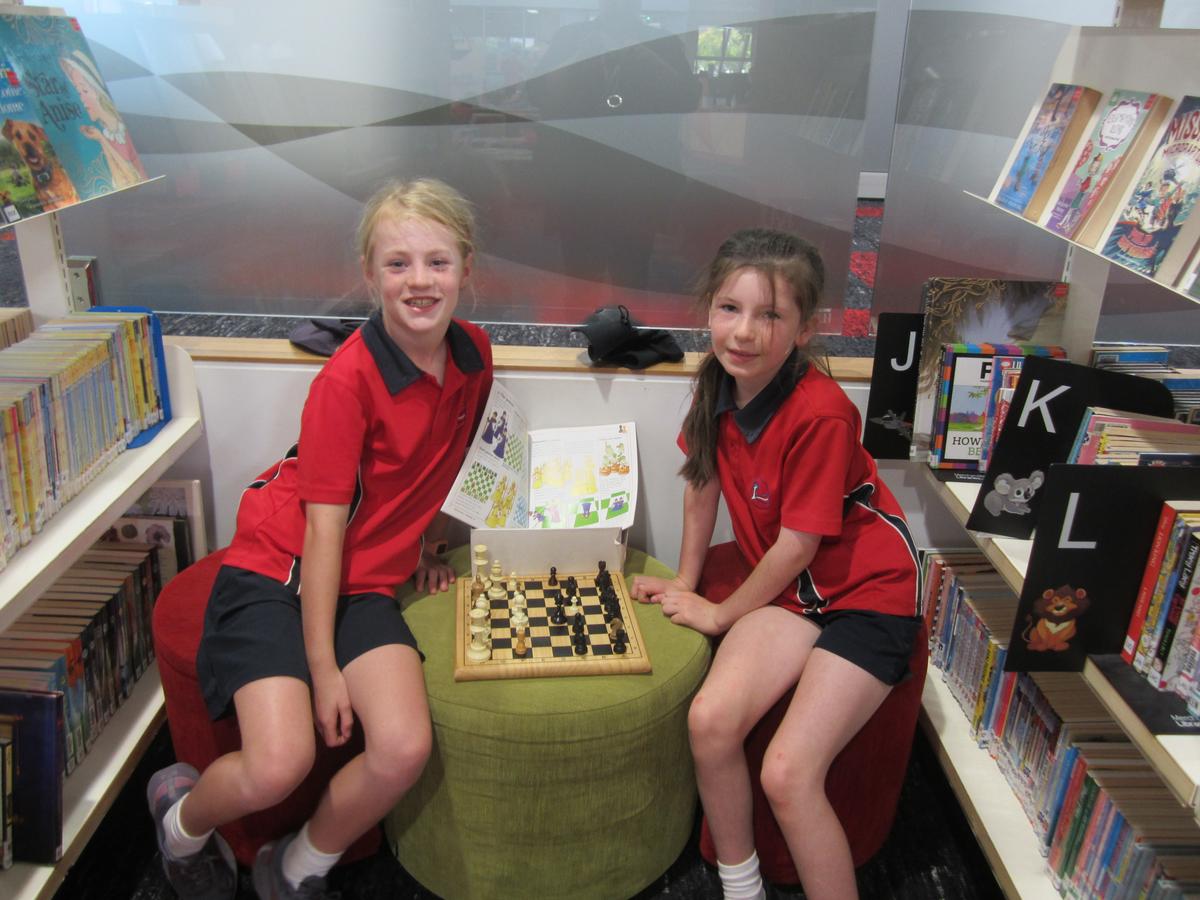
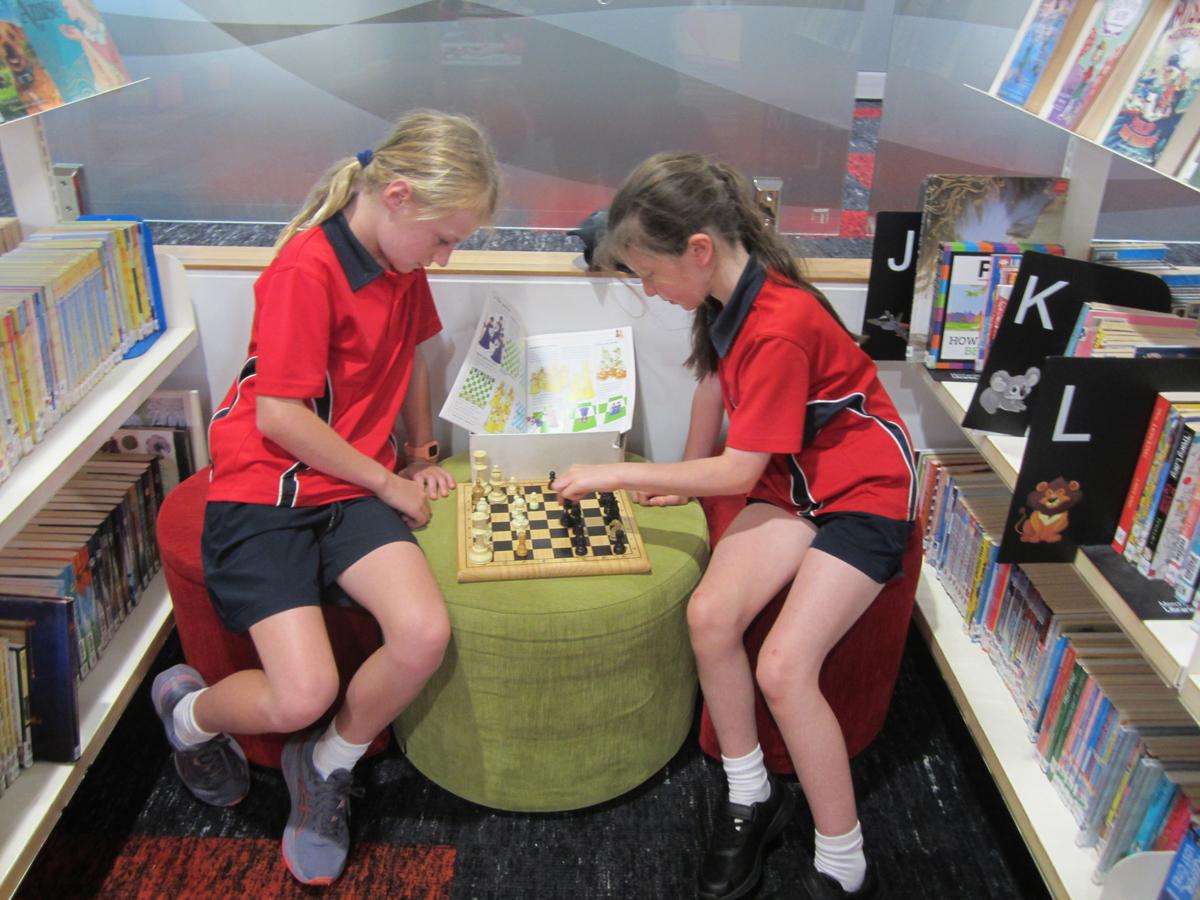
I have seen students locating books about how to play chess and teaching themselves how to play strategic games.
Every Monday, our Resource Centre Committee hosts a vibrant Lego Club for K–4 students in RC2. The space comes alive with chatter, creativity and an impressive array of student‑designed masterpieces taking shape.
On Thursdays, our Resource Centre Committee comes together to develop and refine their club ideas, bringing plenty of enthusiasm and creativity to the table. Over the coming weeks, we will also begin planning for National Simultaneous Storytime in May, exploring ways to make this year’s event engaging, memorable and full of fun for our students.
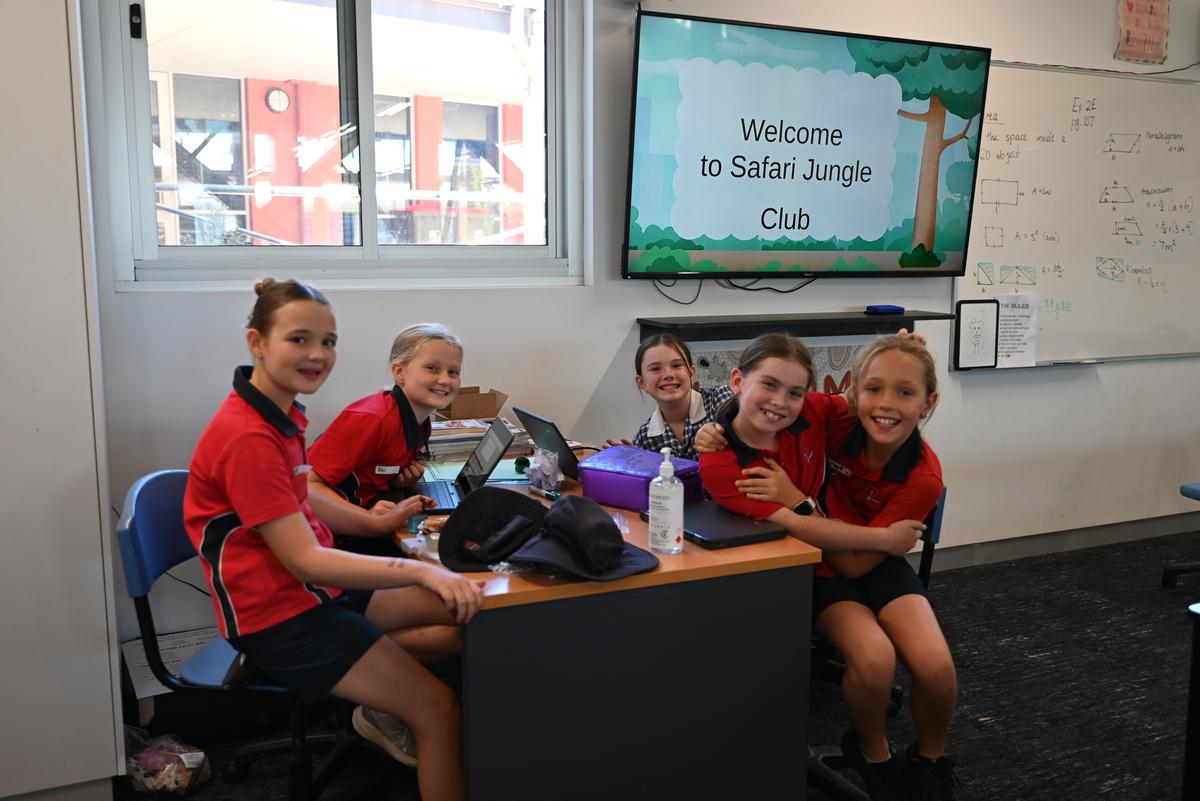
Fridays bring a wonderful burst of energy to the Resource Centre as some of our newest members — our enthusiastic Year 4 students — step into leadership through their very own Jungle Animals Club. Each week, they prepare one of five engaging activities for students in Years 1–4, transforming the space into a lively hub of creativity and collaboration. Last week’s colouring sheets were a particular hit, drawing in many eager young artists who were delighted to take part. There are plenty more exciting activities planned, and we look forward to seeing the club continue to grow.
Maths Help Sessions
The library’s RC2 space is buzzing on Monday afternoons (3:15–4:15 pm) and Tuesday lunchtimes with our popular Maths Help sessions. These targeted drop‑in sessions provide focused support for students seeking assistance with understanding classwork, preparing for assessments or revising key Mathematics concepts. With attendance reaching up to 25 students in some sessions, it’s clear there’s strong demand for this extra help. Importantly, the sessions are dedicated solely to Mathematics support — not for completing homework from other subjects or general study — ensuring the time remains effective and purposeful for everyone attending. A huge thanks to the library for providing such a welcoming and productive space!
Supporting Student learning
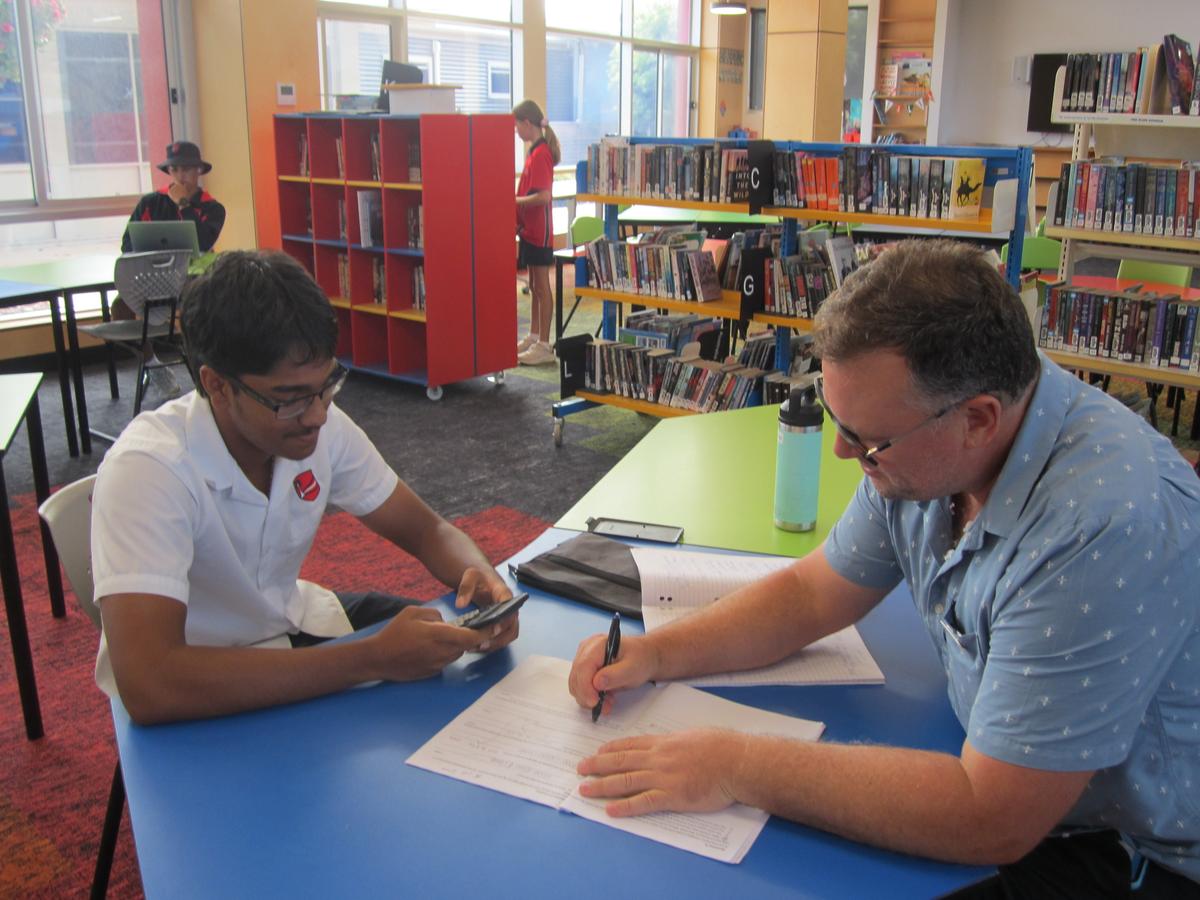
It is always encouraging to see many teachers with students during recess and lunch. It is great to see that students are asking teachers for support when they need more clarification on a topic or want to make sure they are heading in the correct direction for upcoming assessment tasks.
Let’s talk about reading
Our Focus on Reading in 2026
This year, we will be exploring the importance of reading from the perspective of the Resource Centre, with a particular emphasis on reading for pleasure and how we, as a community, can nurture a strong culture of readers.
This week, our focus is on the difference between Take‑Home Readers and Library Books. Take‑Home Readers support learning to read through structured practice grounded in the Science of Reading, helping children consolidate the skills they have been taught in class. Library Books, on the other hand, support reading for pleasure, allowing children to choose books that spark curiosity, imagination and joy.
Take‑Home Readers and Library Books: Why They Are Different and Why Children Need Both
Children bring home two very different types of books from school: take‑home readers and library books chosen for pleasure. Both matter deeply, but they serve very different purposes in your child’s reading development.
Take‑home readers are levelled books designed to support the technical side of learning to read. They:
- Use controlled vocabulary and predictable sentence patterns
- reinforce phonics, decoding, fluency and comprehension
allow teachers to practise and monitor specific reading skills
These books help children learn how reading works.
Library books are chosen by children because they spark interest, excitement or curiosity. They:
- offer rich vocabulary and more complex ideas
- build imagination, empathy and background knowledge
- help children discover their reading identity
nurture motivation and enjoyment
This aligns with the message championed by Australia Reads, which highlights the transformative power of reading for pleasure.
As Children’s Laureate Sally Rippin says, “Reading has the power to transform lives one word and one page at a time.”
Author Anthony Field adds that “Reading for pleasure is one of the most important gifts you can give to a child.”
Beloved author Mem Fox reminds us that “Reading takes you to places you’ll never go, to meet people you’d never normally meet…”
And the Indigenous Literacy Foundation’s CEO Ben Bowen notes that “Reading and the art of storytelling is at the heart of human identity… it builds a shared sense of self.”
These perspectives highlight why reading for pleasure is not optional—it is foundational.
Why Both Matter
Children thrive when they experience both structured reading practice and joyful, self‑directed reading.
- Take‑home readers help children master the mechanics of reading.
Library books help children fall in love with reading.
Together, these two reading experiences build capable, confident and enthusiastic readers.
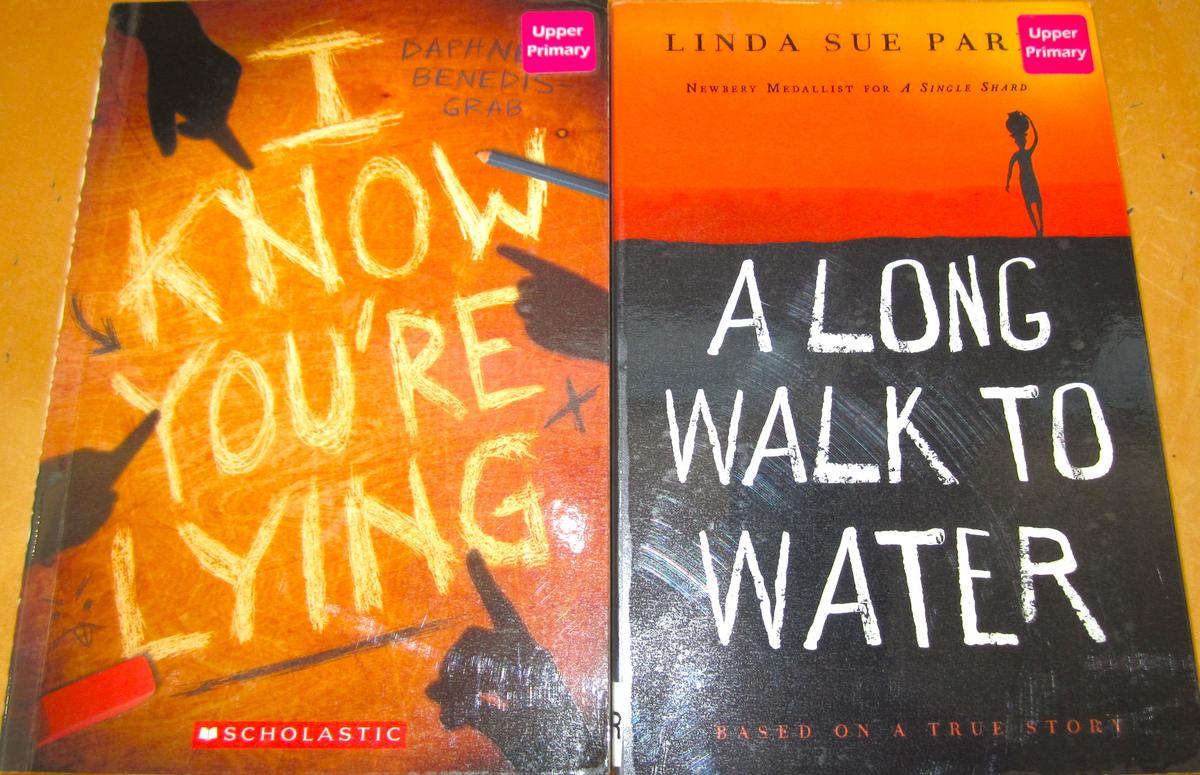
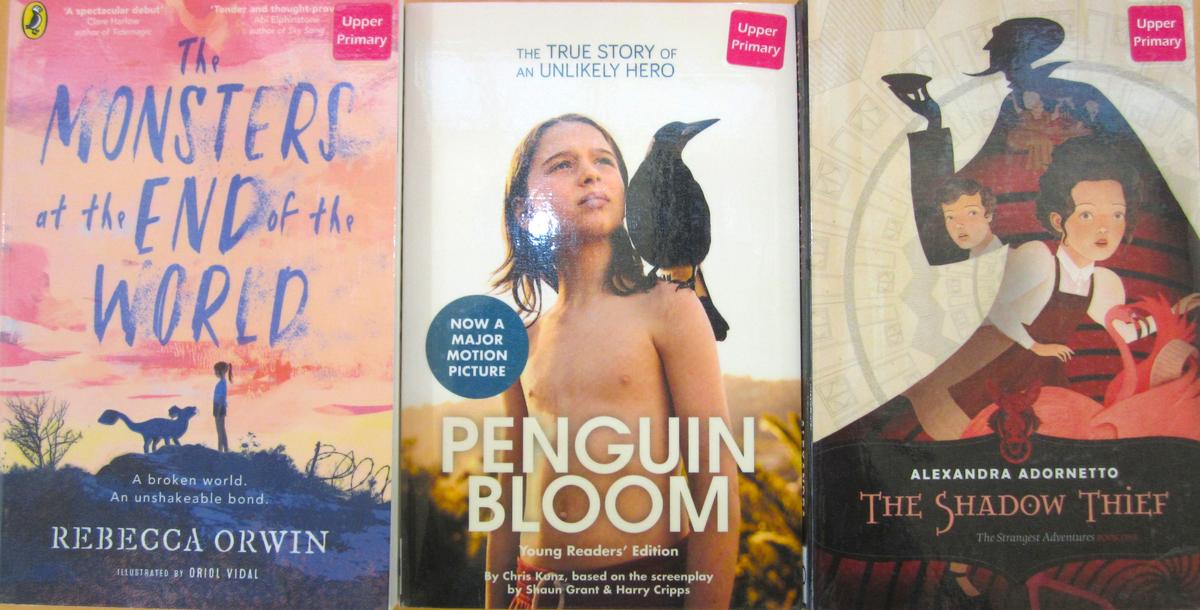
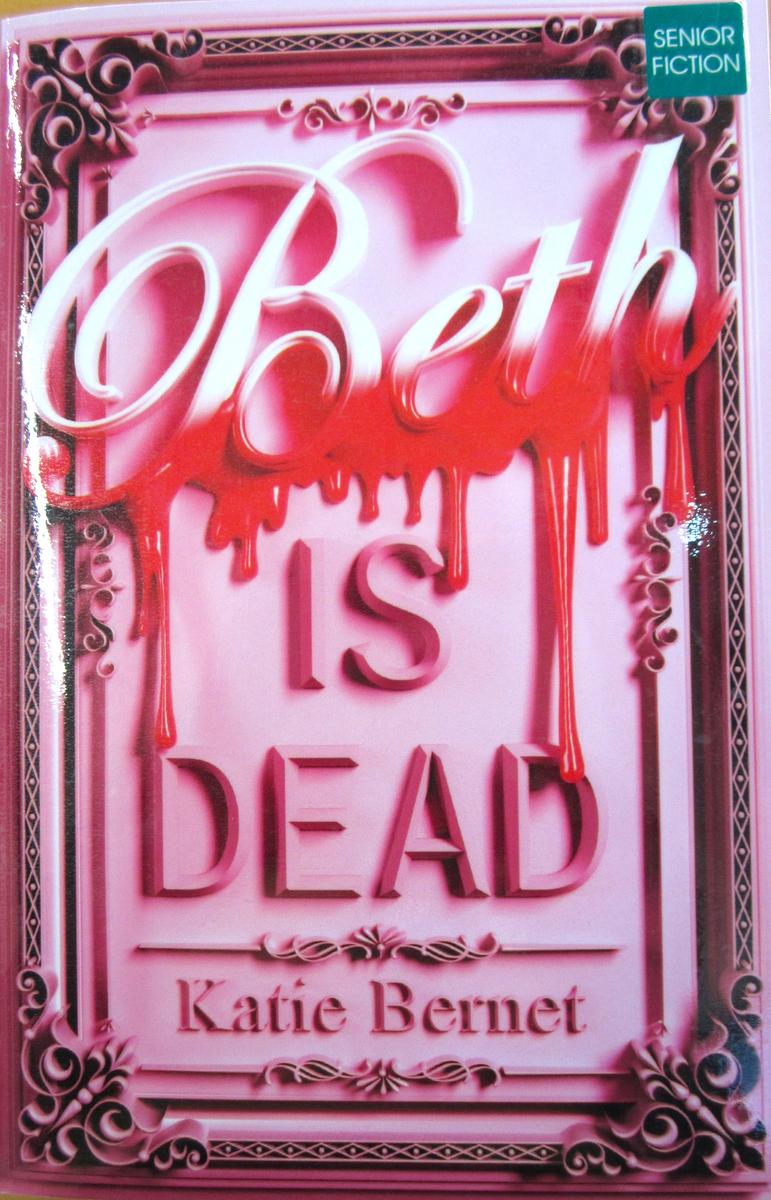
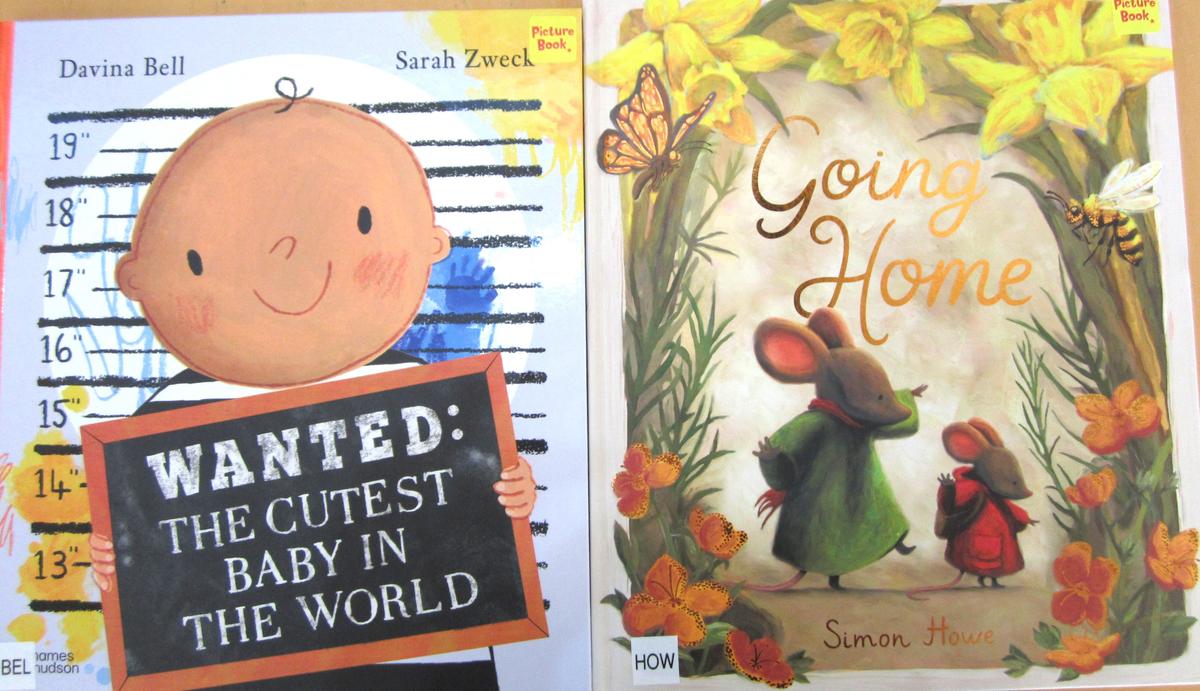
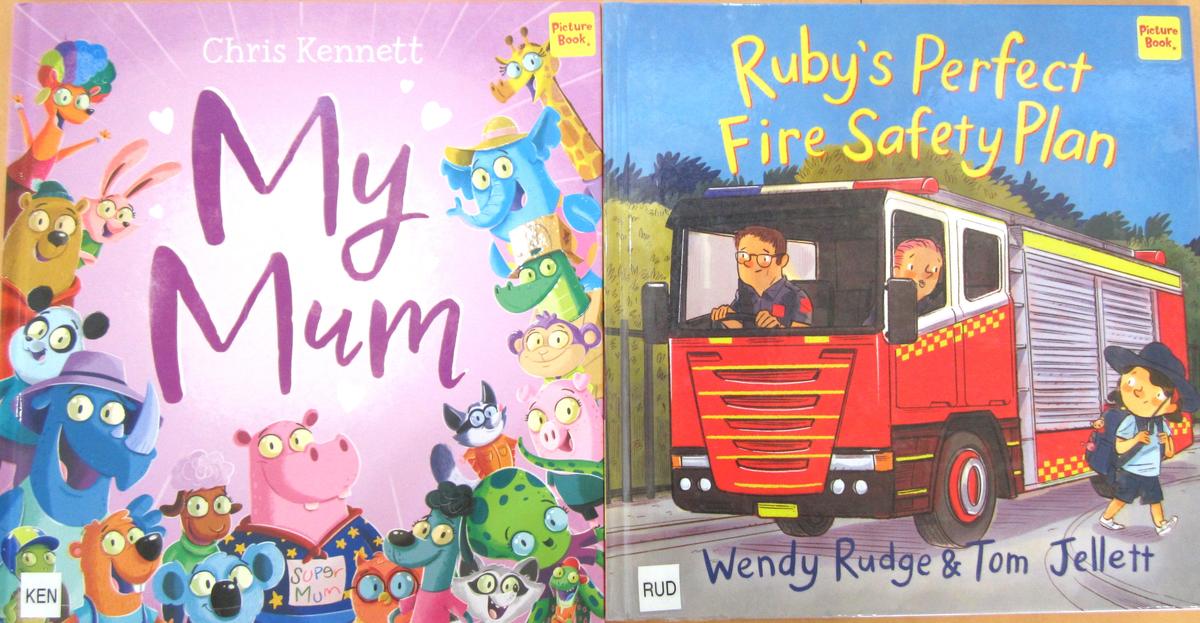
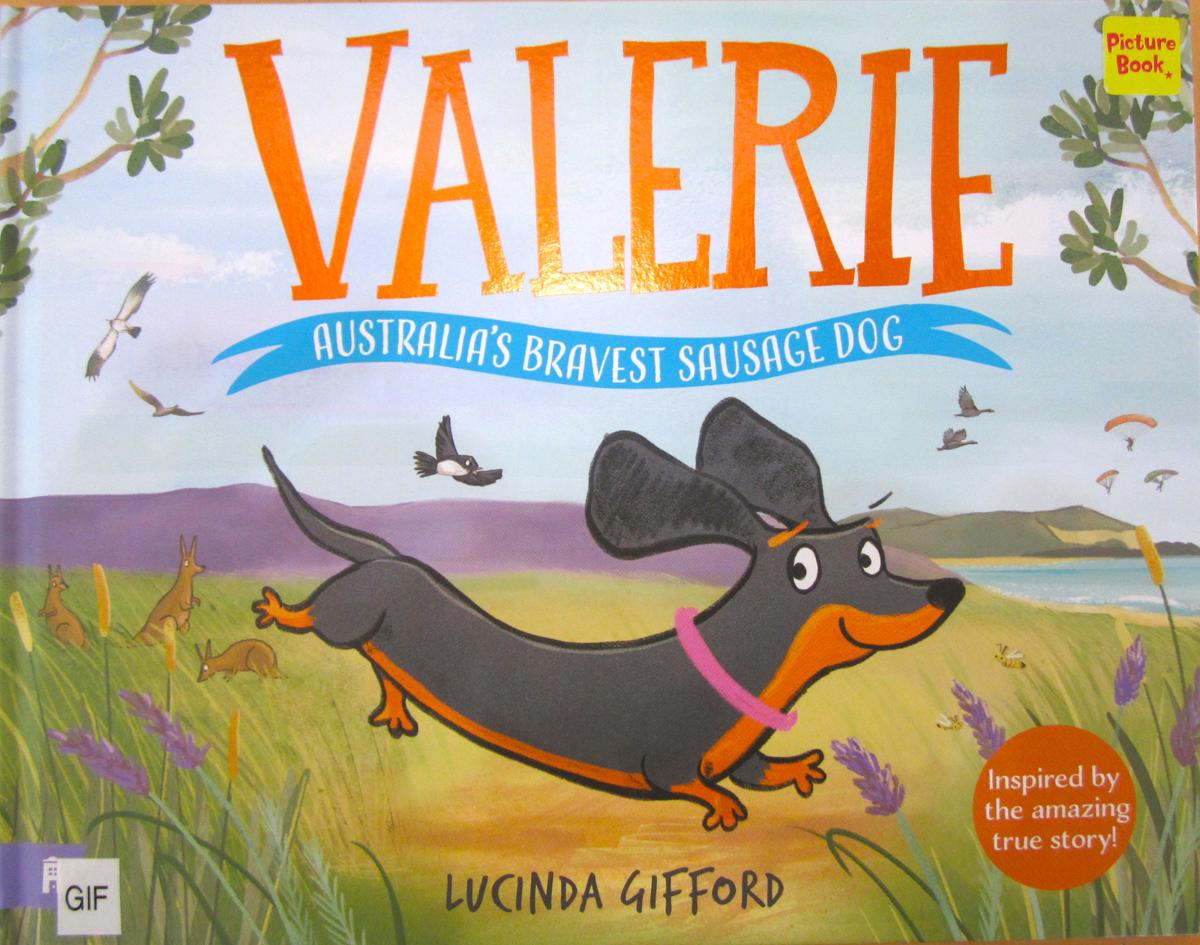
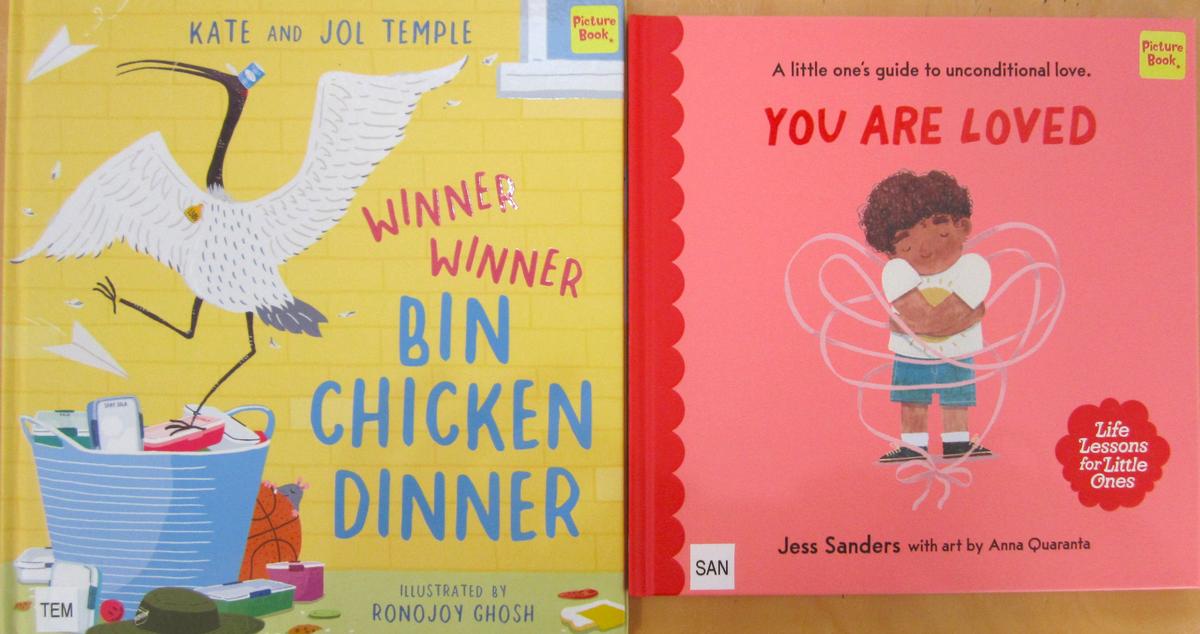
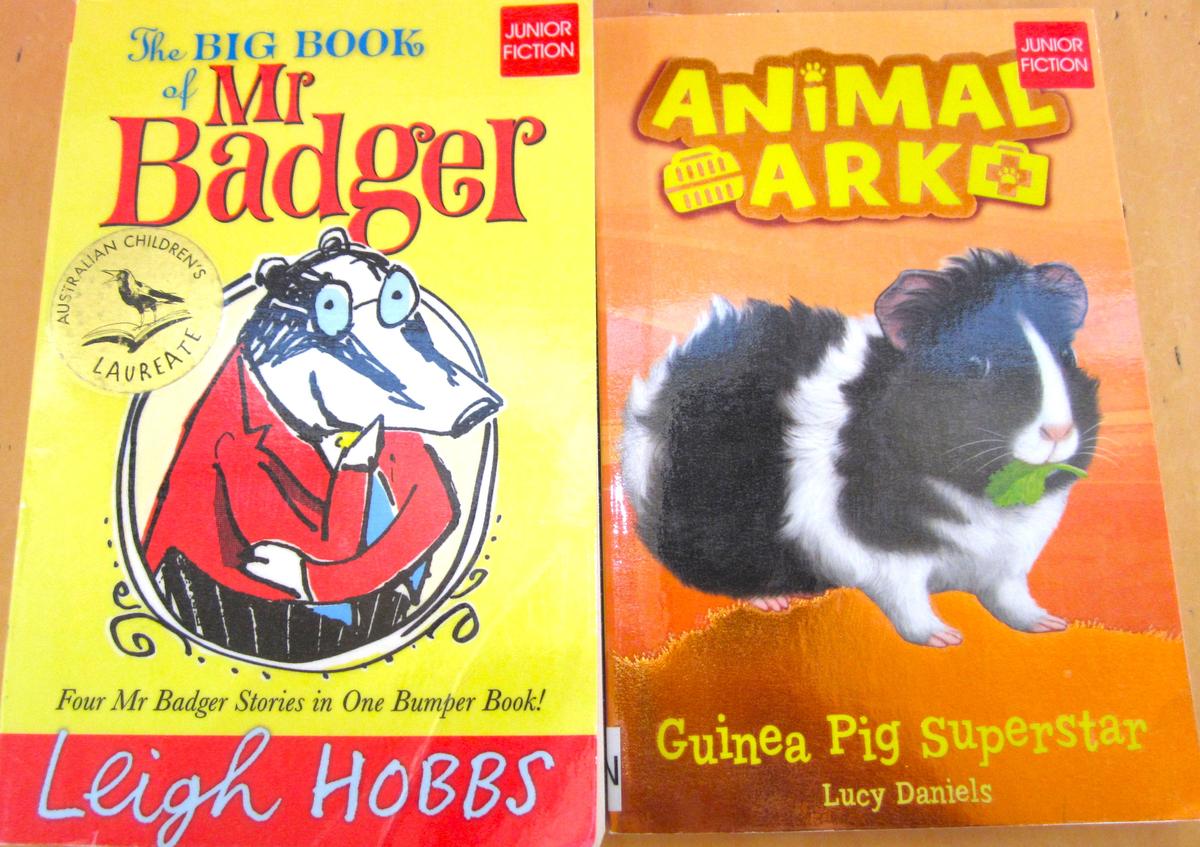
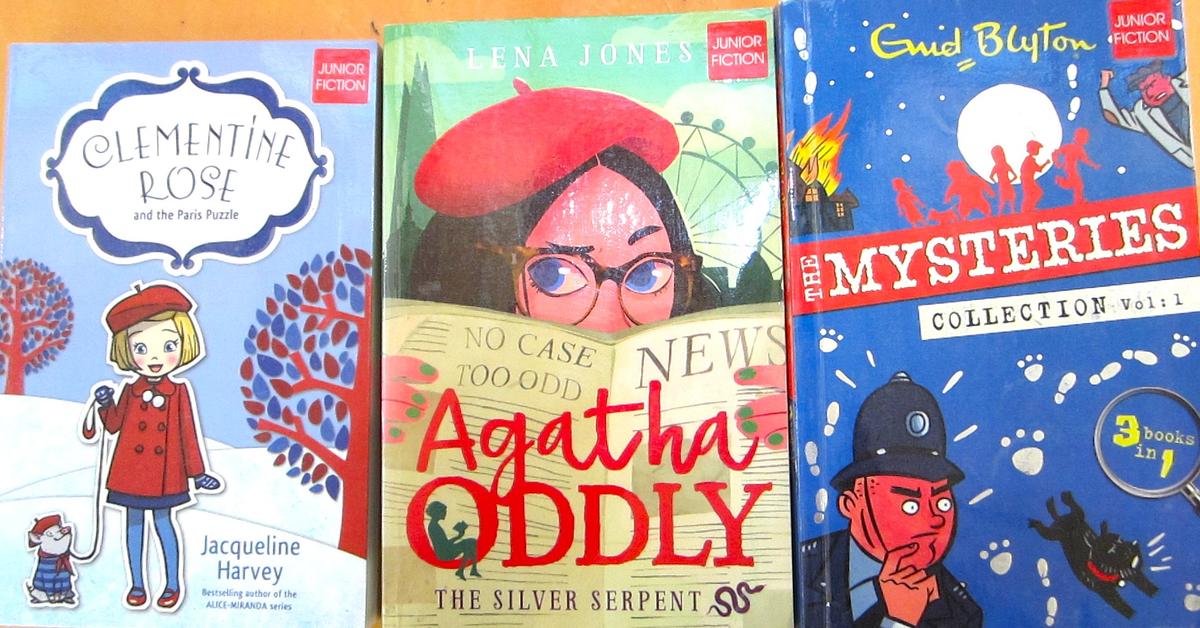
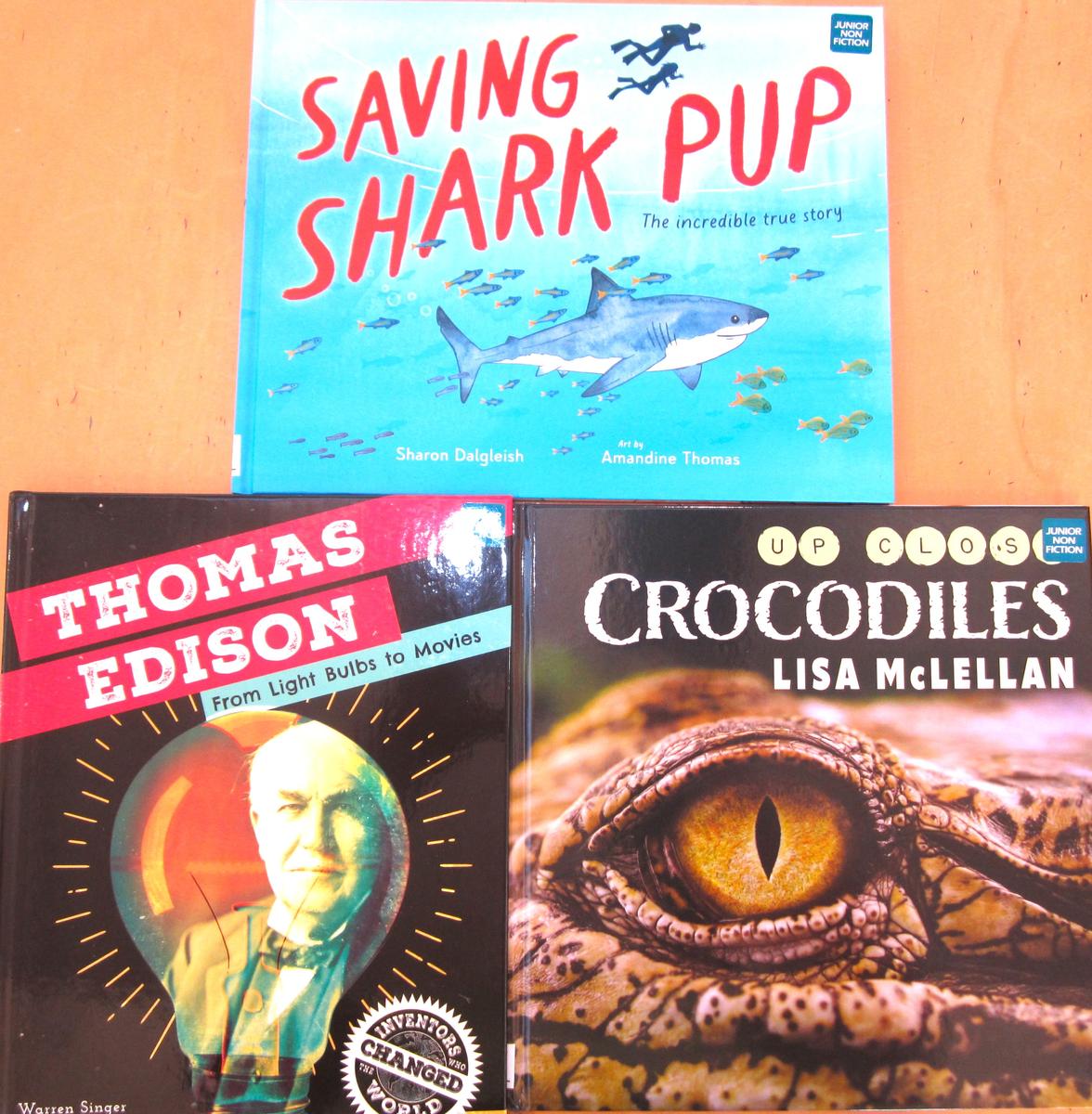
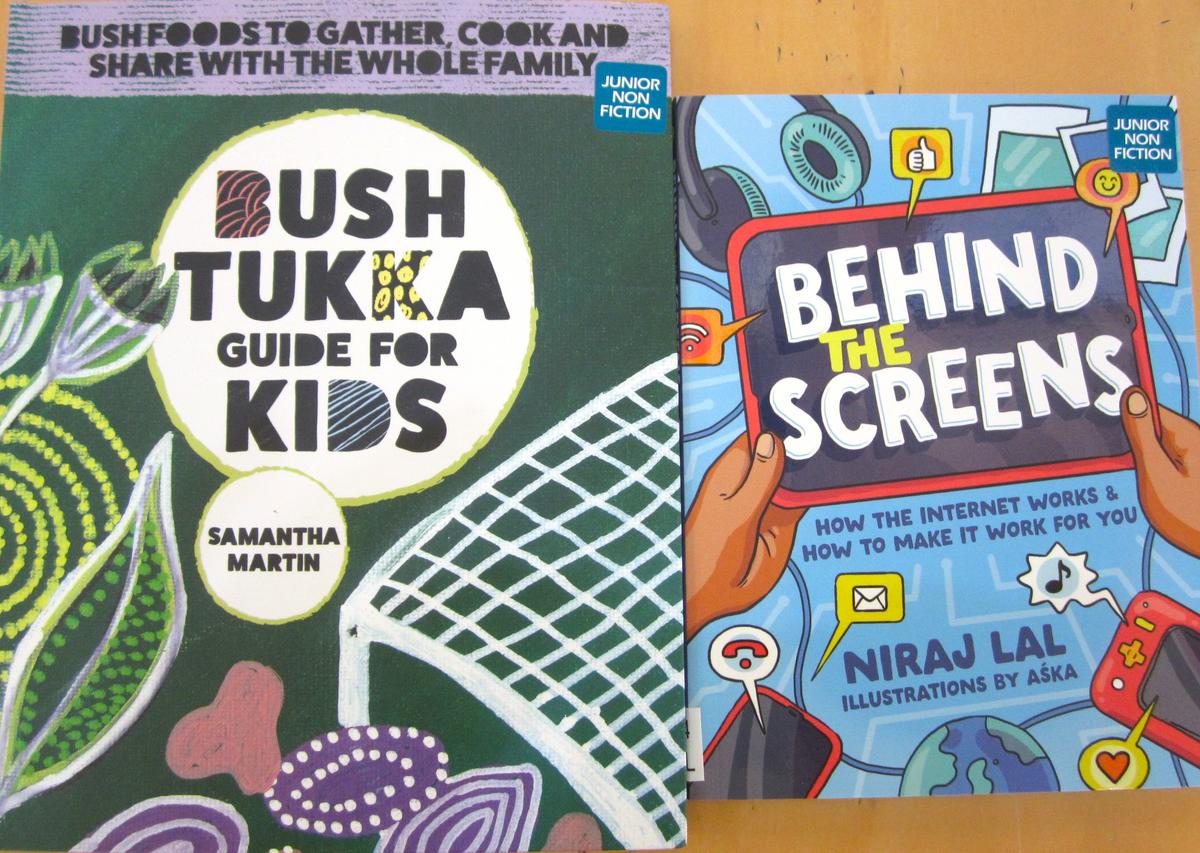
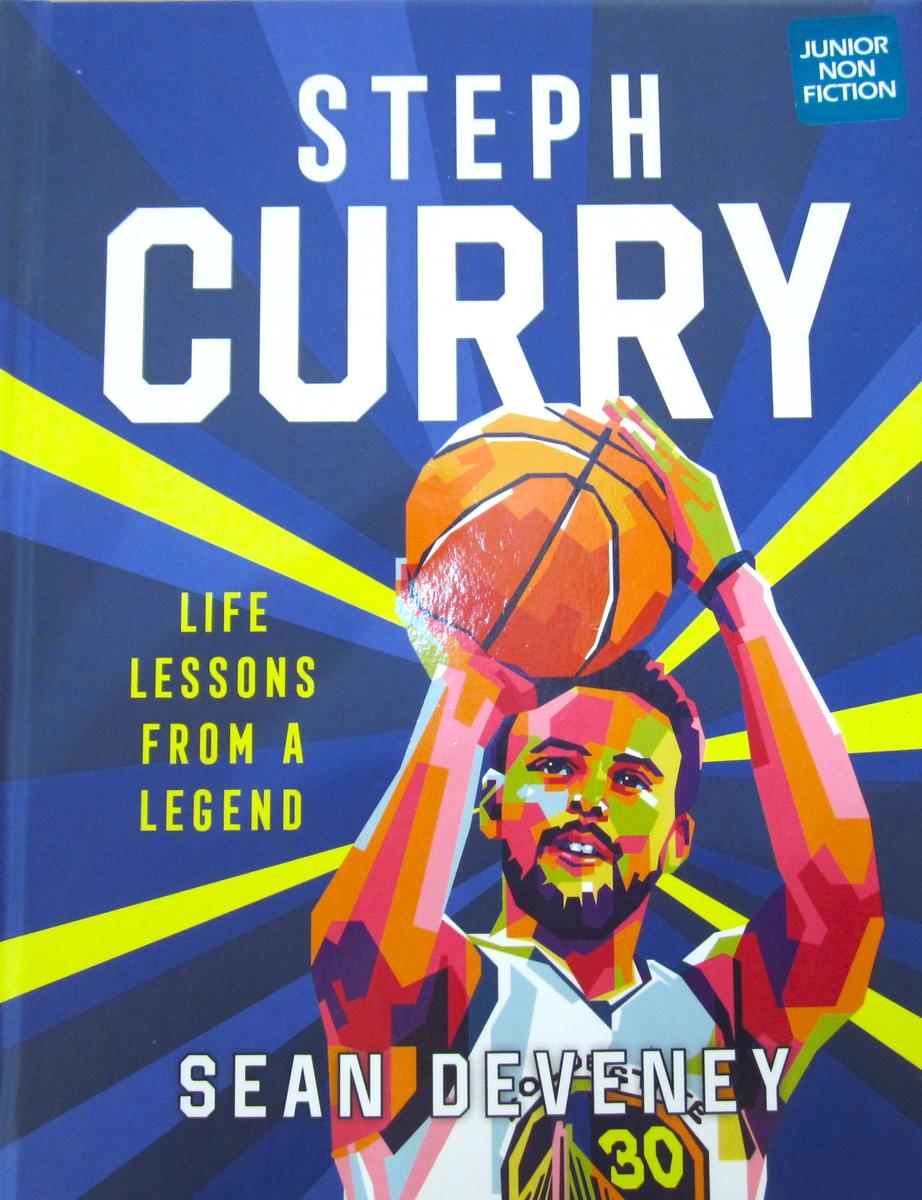
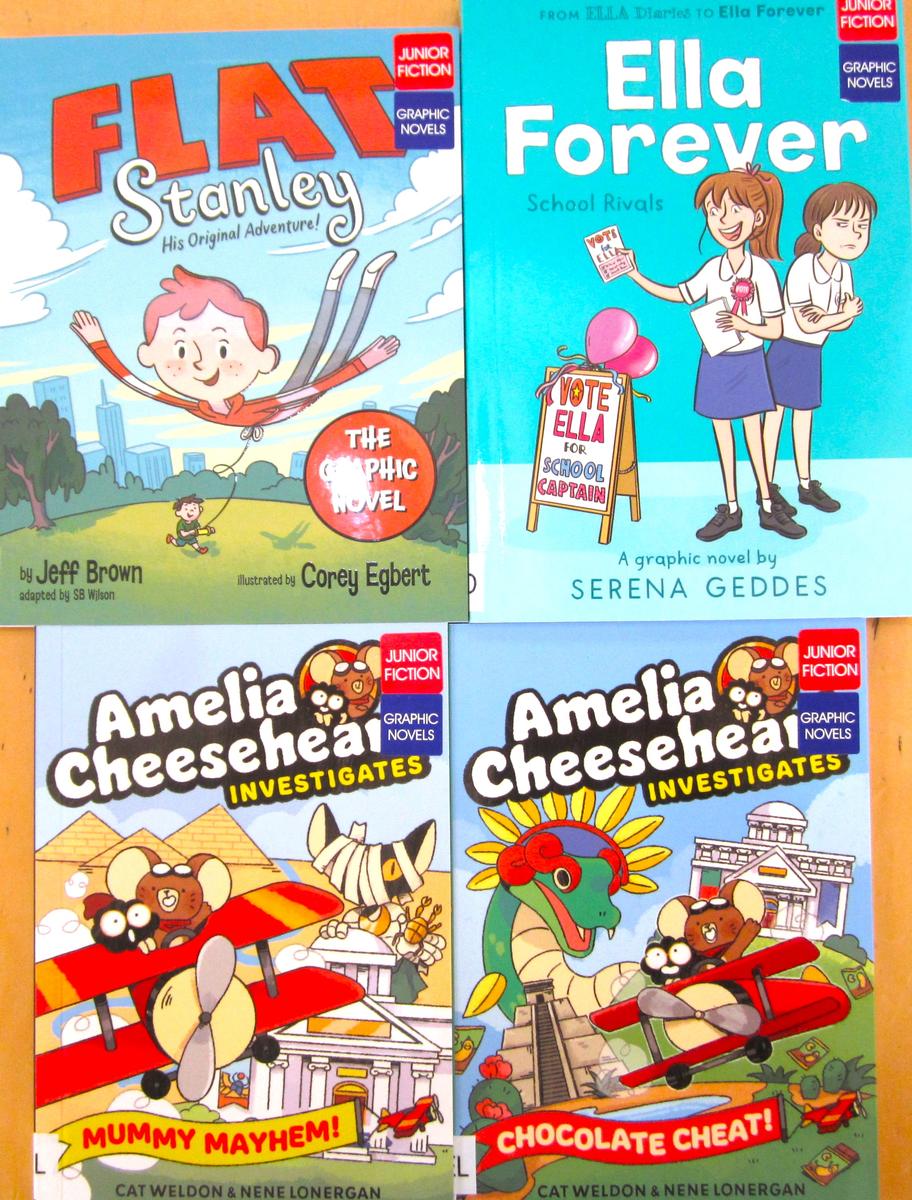
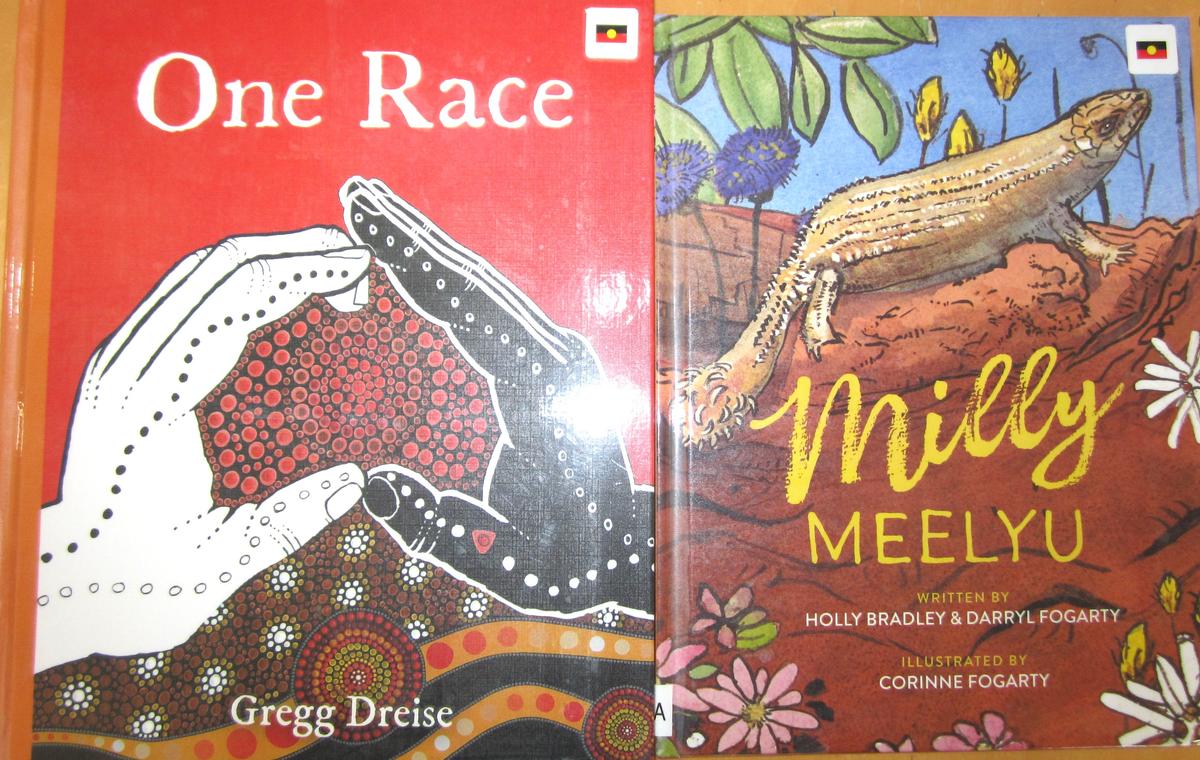
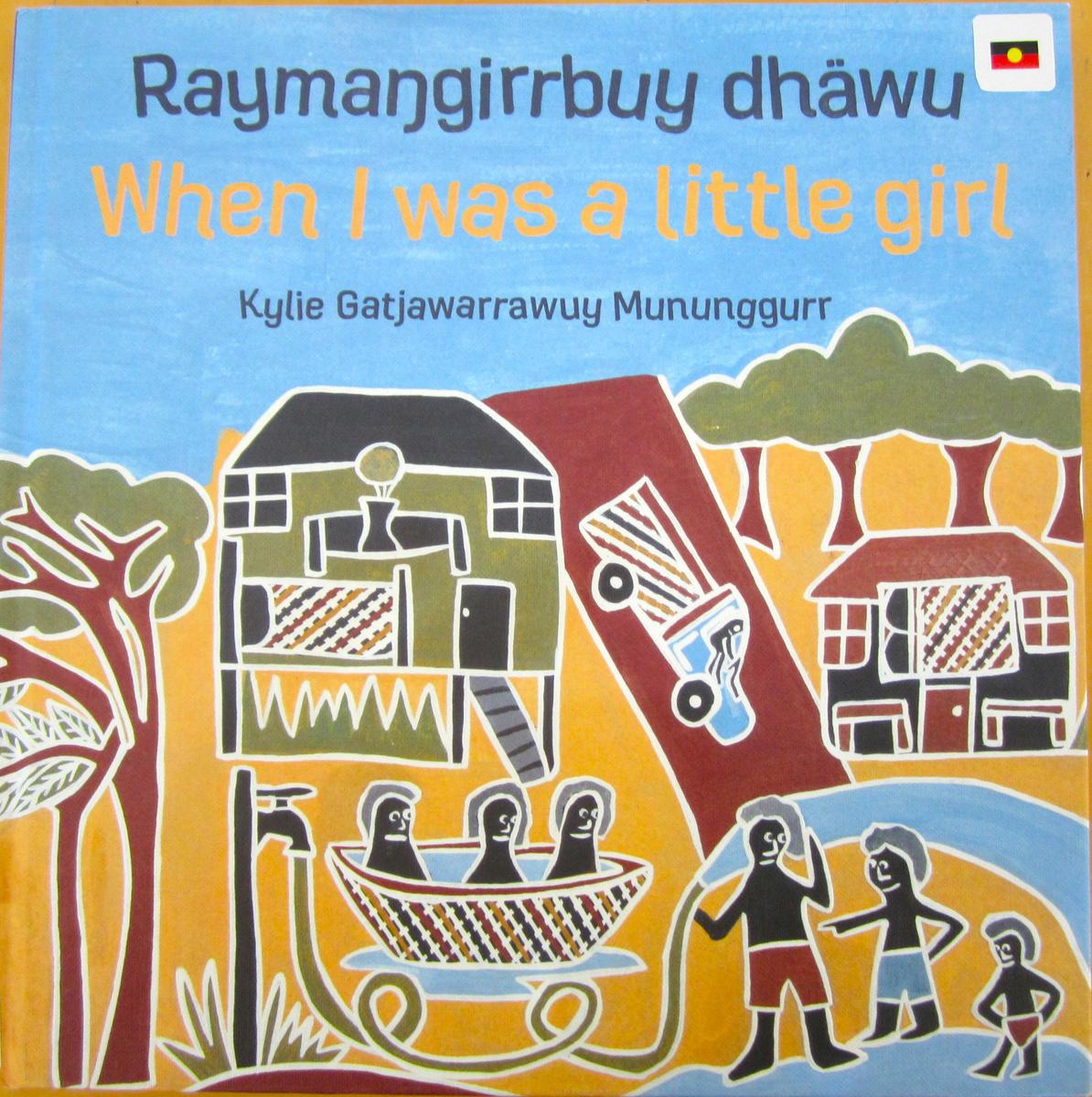
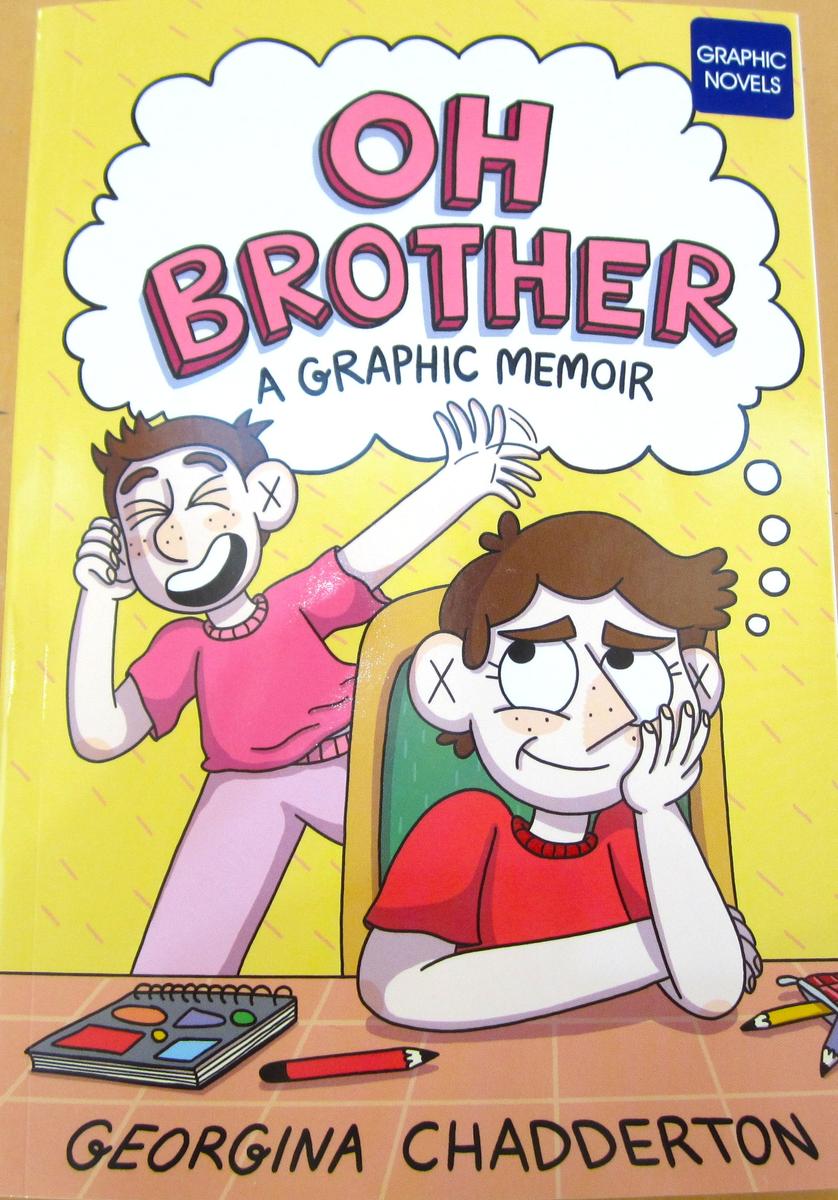
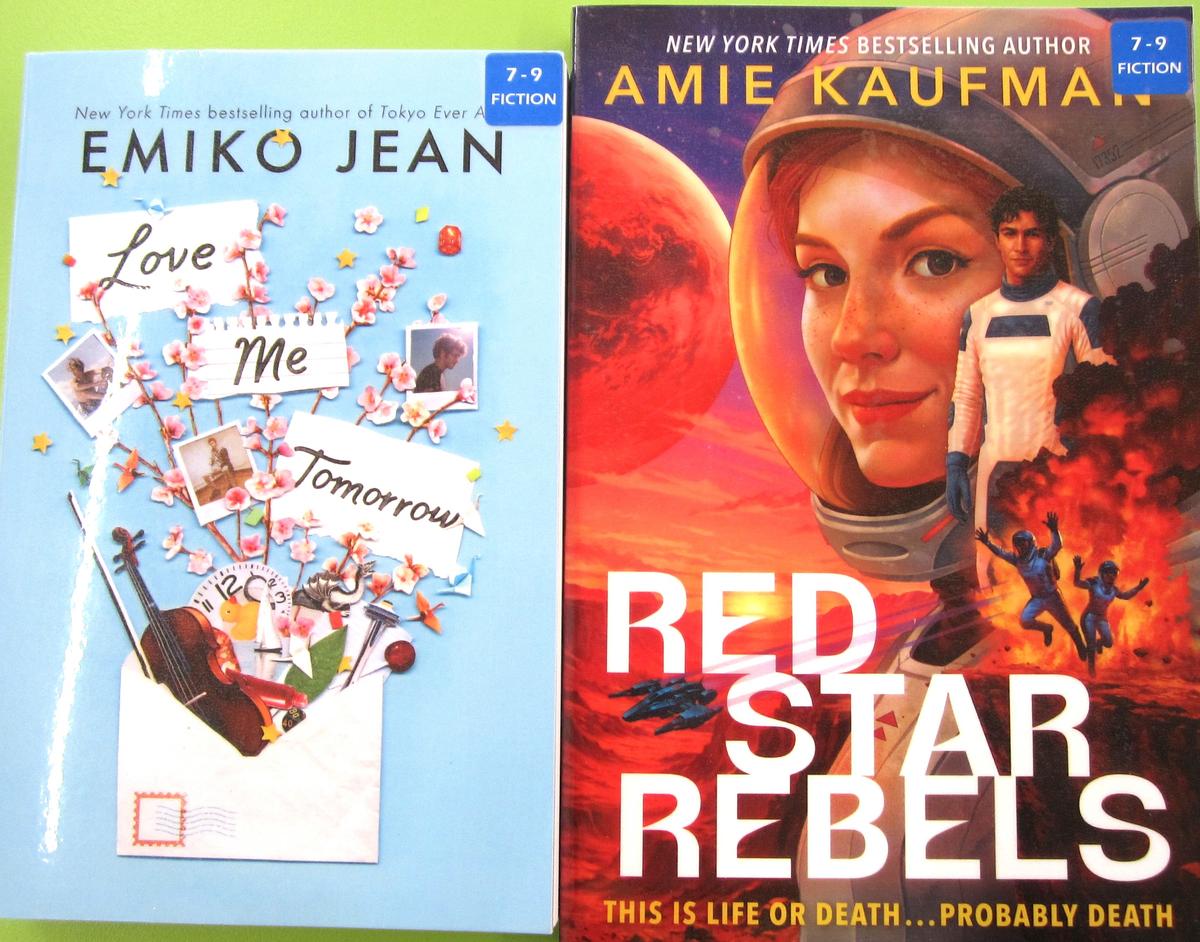
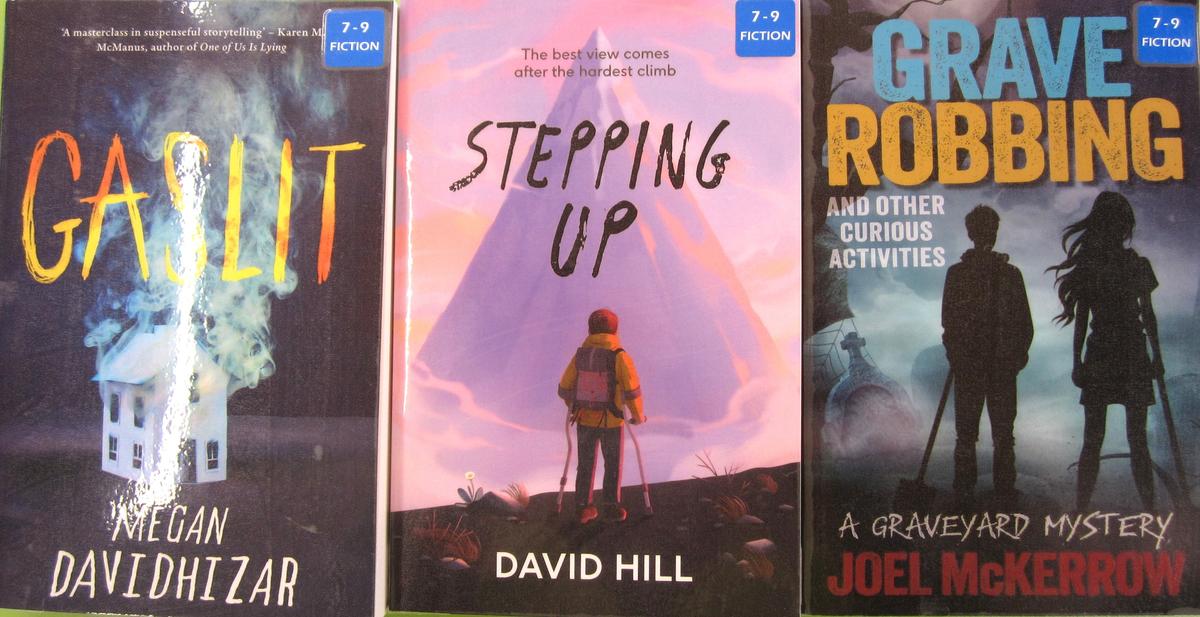
Take a look at some new books making it onto our shelves.
Volunteers
We would like to extend our thanks to everyone who has generously offered their time in the Library. Your support in covering books, whether preparing new sets of textbooks for our Secondary Science team or processing the many new readers that help develop reading skills in our Lower Primary School students, has been greatly appreciated.
We are now seeking additional volunteers in the Resource Centre to assist with a variety of tasks, including covering readers and other books, cleaning and tidying shelves, and helping with activities that enhance student experiences in the Resource Centre.
If you are interested in volunteering, please choose a time that best suits you and contact us via the Library email: Library@moamagrammar.nsw.edu.au
Book Club
Book Club – Issue 2
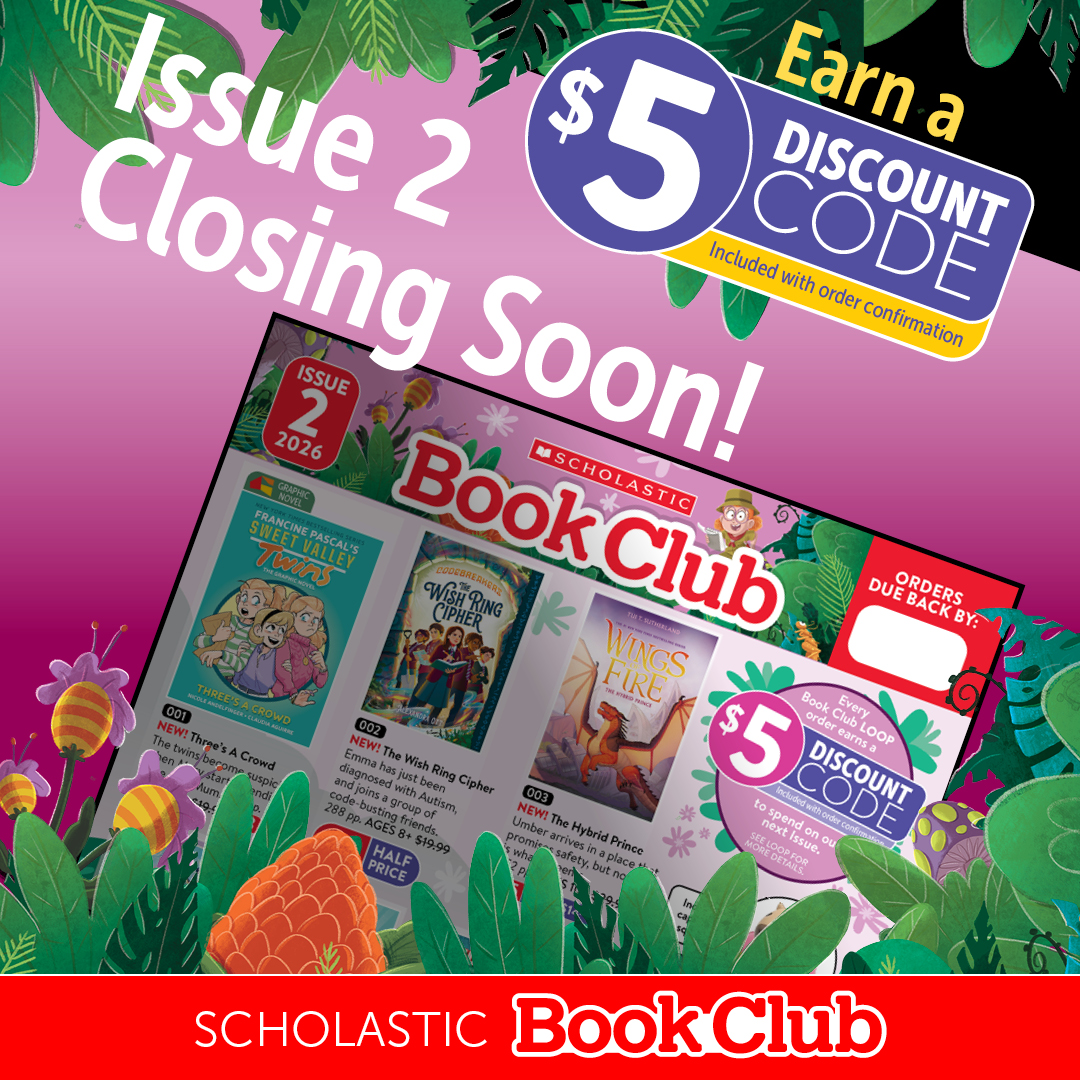
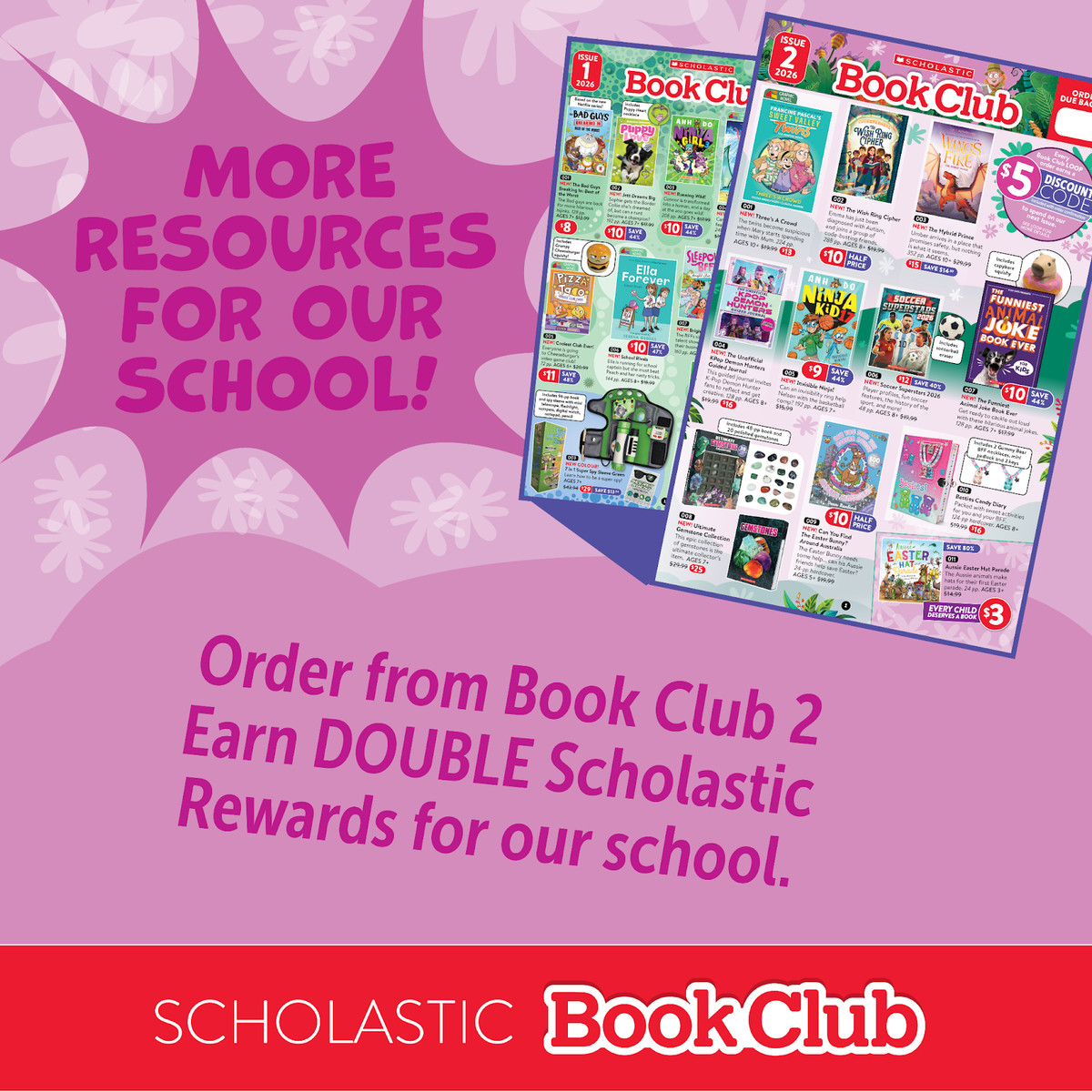
Thank you to the parents who have placed their order for Issue 2 of Book Club! There is still time to order if you haven't already, and we will be closing the ordering on Monday, March 9th, at 3 pm. By the way, every order placed for Issue 2 earns our school double reward points!
For the first time ever, Years 7 and 8 can now place orders from Book Club! If they would like to purchase from Issue 2, please follow the instructions below to place an order. All Year 7 & 8 orders will be distributed to students in the Resource Centre once they arrive.
Next term, they will receive the Issue 3 catalogue.
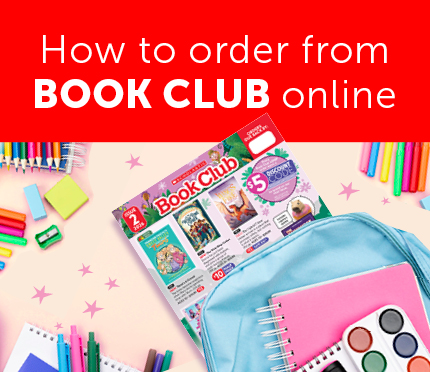
How parents order from the Book Club online
- Log in, or create a new account at LOOP
- New parents can follow the Wizard to set up a child's profile
- Click the ORDER tab, and select the child's school and the issue of the Book Club
- Select your child's name and their class
- Enter the product item number from the Book Club catalogue
- Apply promotional codes that children may have earned from previous issues
- Make a payment via credit card. Please note that a 1% surcharge applies to all card payments.
- Feel great about the Scholastic Rewards that have been earned for the school!
Library Bags – A Helpful Reminder
We are delighted to see how enthusiastic our students are about borrowing and reading books. With the increased borrowing across all year levels, last year we unfortunately saw a growing number of books returned damaged — or in some cases, not returned at all.
To help reduce the number of lost and damaged books, we are now asking that all students (Kindergarten to Year 6) use a library bag when borrowing from the Resource Centre.
Our library bags are specifically designed to accommodate the full range of book sizes we offer, and they are waterproof.
Library Bags are available for purchase through the school Uniform Shop: 🔗 Moama Grammar Uniform Shop
Premier’s Reading Challenge
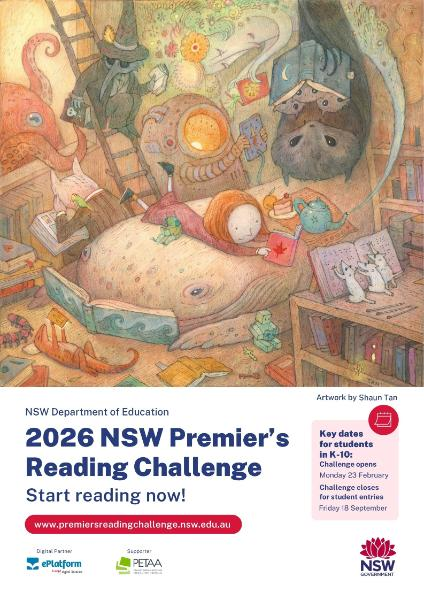
Key Dates
Challenge opens: 23 February
Challenge closes: 18 September
On Tuesday afternoon, I attended a Professional Development session run by the Premier’s Reading Team (a surprisingly mighty team of four!) to learn about recent updates and how we can best support you and your child/ren in completing this year’s Challenge.
What I discovered is that in 2025, all user passwords were reset. This means that if you still have your login details from last year, you can log in now and begin recording the books your child/ren are reading.
If you cannot locate your child’s login details, or if your child is new to the Challenge, they can join by:
- Contacting the Library staff at library@moamagrammar.nsw.edu.au
- Letting the Library staff know during their Library lesson
Asking their teacher to note it in the diary so it can be passed on to the Library staff
Once student passwords are received, we will communicate these through your child’s diary or via email.
In speaking to families who do participate in the Challenge, they are often surprised that more families are not involved, as it is, in their words, “so simple to use.” Once they log in, the student interface is very easy to use.
Finding Books for the Challenge
There are several ways you and your child can locate books on the PRC Booklist:
- When logged into your child’s account, you will find a link to the booklist for their Challenge level (K–2, 3–4, 5–6, 7–9, 10).
- You can browse the Premier’s Reading Challenge website: https://online.education.nsw.gov.au/prc/booklist/home.html
In the Library, PRC books are available in clearly labelled tubs and on display for easy access.
Challenge Rules 4–6
Adapted from the PRC website
- 4a. K–2 and 3–10 Challenges: Books may be read independently, read together, or read aloud to the student.
- 4b. 3–4, 5–6 and 7–10 Challenges: Students are expected to read independently. However, if a teacher deems it appropriate, books read aloud in class may be included. Teachers will guide and approve which texts can be counted to ensure meaningful engagement.
- 5. For an approved series on the PRC Booklist, students may count any five books as PRC books. Up to ten additional books from the same series may be counted as Personal Choice books.
- 6a. K–2 Challenge: Books may be read in English or in the student’s home language.
- 6b. 3–4, 5–6 and 7–10 Challenges: All PRC books must be read in English. Personal Choice books may be read in the student’s home language.
In a future newsletter, we will continue to share Premier’s Reading Challenge rules and share tips for supporting reading at home. In the meantime, you can explore the website for more information: https://online.education.nsw.gov.au/prc/home.html
Kids’ Lit Quiz – 2026 Newsletter Update
"Reading is to the mind what exercise is to the body." — Joseph Addison
In 2025, a new initiative saw two teams proudly represent our school in the Kids’ Lit Quiz, with one team placing in the top five in the virtual heat. This was a fantastic achievement, and in 2026, we hope to see even more teams take part and enjoy similar success. We are looking for students who enjoy reading widely and are keen to challenge themselves.
To participate in the Kids’ Lit Quiz, students must be aged between 10 and 13 (inclusive). Regular reading and exploring a broad range of texts is strongly recommended.
I am pleased to share that we already have one team registered, and we are building another one or two teams as we go to print. If anyone would like more information, Ms Height is happy to answer any questions. Feel free to visit the Resource Centre for a chat, or email your name and the team you wish to enter.
We will participate in the Virtual Heat on 28 April, held at school from 9:45 am.
The Kids’ Lit Quiz turns reading into a sport, giving students the chance to test their knowledge of all things literary. For more information, you can watch a short video about the challenge, recorded in 2006: https://www.youtube.com/watch?v=vjf4MS30qJo
You can also explore the official website: https://www.kidslitquiz.com/demo-video.php
Australian E‑Sport League (AEL) – Minecraft Building
This year marks the second time we are entering Secondary teams in the Australian E-Sports League. We have one team competing in the Year 7–9 build, Medieval Marvels, and another team in the Year 10–12 build, Structure Collapse.
Once we have held our team meeting, we will inform families of the days and times students will be meeting each week.
https://ael.org.au/minecraft/ is where you can find some information about the project they will be working on.
Important details
Opening Hours:
| Day | Time |
|---|---|
| Monday - Thursday | 8.30 am - 4.30 pm |
| Friday | 8.30 am - 4.00 pm |
Passwords
If you haven’t received your new password yet, please contact the Resource Centre at library@moamagrammar.nsw.edu.au. We’ll ensure your password is sent to you as soon as possible.
Borrowing and Returns
Students may borrow and return books before school, recess, lunchtime and after school. Primary School students also have the chance to borrow books during their fortnightly Library lessons.
Borrowing Permissions
If students are requesting to borrow books above their age level, we request parents to write a letter regarding their permission for their child to borrow and read a specific book, which will be reviewed by library staff.
Renewals
Students are able to re-borrow books for an additional two weeks by speaking to staff at the Library Circulation Desk. If further borrowing is requested after this, students are required to bring their book/s with them to allow the staff to see the book. In addition, students can renew their book/s by emailing the Library.
Requests
If your child would like to borrow a specific book and the title is not included in our current catalogue, we will add this to our purchase wishlist.
Overdue notices
If you receive an overdue notice, there is a chance that the books may have been processed through our system after the email was sent. We encourage all parents to follow up on any issues by emailing the Resource Centre at library@moamagrammar.nsw.edu.au
Reading Permissions
Due to our shared space catering for students from Kindergarten to Year 12, our library collection is organised to help students easily find books with protagonists close to their own age. For example, in the Upper Primary section, most of the characters are between 11 and 13 years old. This approach ensures that themes and content remain age-appropriate, and also supports students in reading independently and with confidence.
When deciding where books are placed within the collection, we are guided by author and publisher recommendations.
If you have any other enquiries, issues or concerns, please do not hesitate to contact us via phone by ringing the main office or via email address at library@moamagrammar.nsw.edu.au
Keep reading everyone!
Kind regards,
Ms Height and Ms O’Neill
Resource Centre Team