Assistant Principal
Jacky Guardascione

Assistant Principal
Jacky Guardascione

Over the last two weeks, the Gospel readings have focused on miracles of Jesus. The first was about the Samaritan Woman and the second was about the Man Born Blind. This week, we will listen to the miracle of Lazarus being raised from the dead. Miracles teach us of a change in perspective. They are an example of a shift from fear to love, from separation to oneness. In these miracle stories Jesus is asked for help and granted it. For Jesus, there is no order of difficulty in his miracles, teaching us that anything is possible if we have faith and ask for help.
With only three weeks left of Lent until Easter, how can we ‘slow’ down, have faith and seek a shift in our perspective.
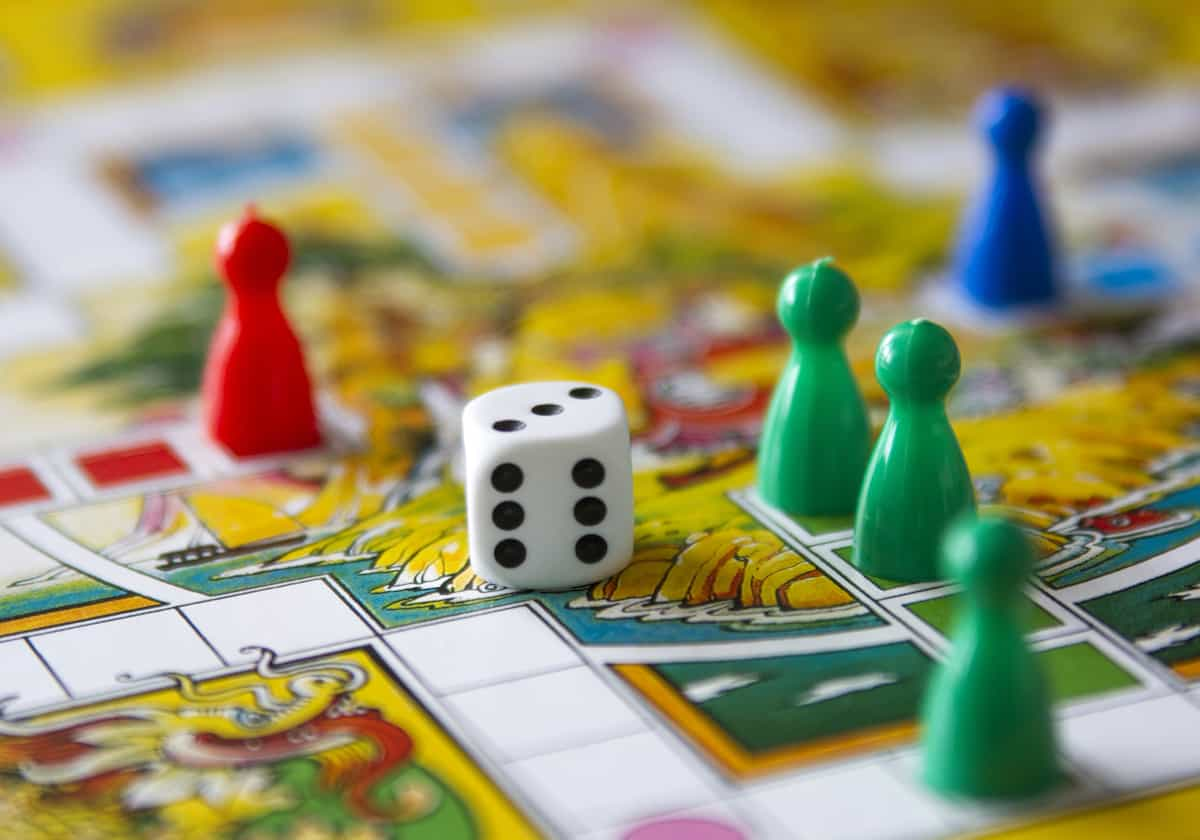
As we approach the school holidays, many families begin thinking about how to relax, reconnect and keep children entertained. What activities will fill the days? How can we keep kids engaged without relying on screens?
One simple solution is board games.
Family interaction plays a crucial role in children’s cognitive, social, and emotional development and board games offer a timeless, enjoyable way to nurture these connections. Beyond the fun, they provide a wide range of developmental benefits.
Board games strengthen social skills by encouraging cooperation, turn‑taking and positive social behaviour. Both competitive and cooperative games can boost sharing, helping, and positive interactions, making them a great tool for building social confidence.
They also support cognitive development. Many games help develop number sense, arithmetic skills and abstract thinking. Games that involve reading, speaking, or even writing reinforce language development, while strategic games activate important brain functions such as planning, problem solving, decision‑making and impulse control.
Another major benefit is that board games naturally reduce screen time. Swapping digital entertainment for shared, screen‑free activities can improve children’s mood, sleep quality and sense of connection within the family—an important balance in a world filled with devices.
With so many advantages, why not dust off a favourite childhood game or pick up a new one you’ve never tried before? It’s a simple way to create meaningful family time and lasting memories—and you’ll be supporting your child’s learning and development at the same time.