
MACS Flourishing Learners - Vision for Instruction

Sunday Morning With My Daughter: What Shared Reading Can Really Teach Kids
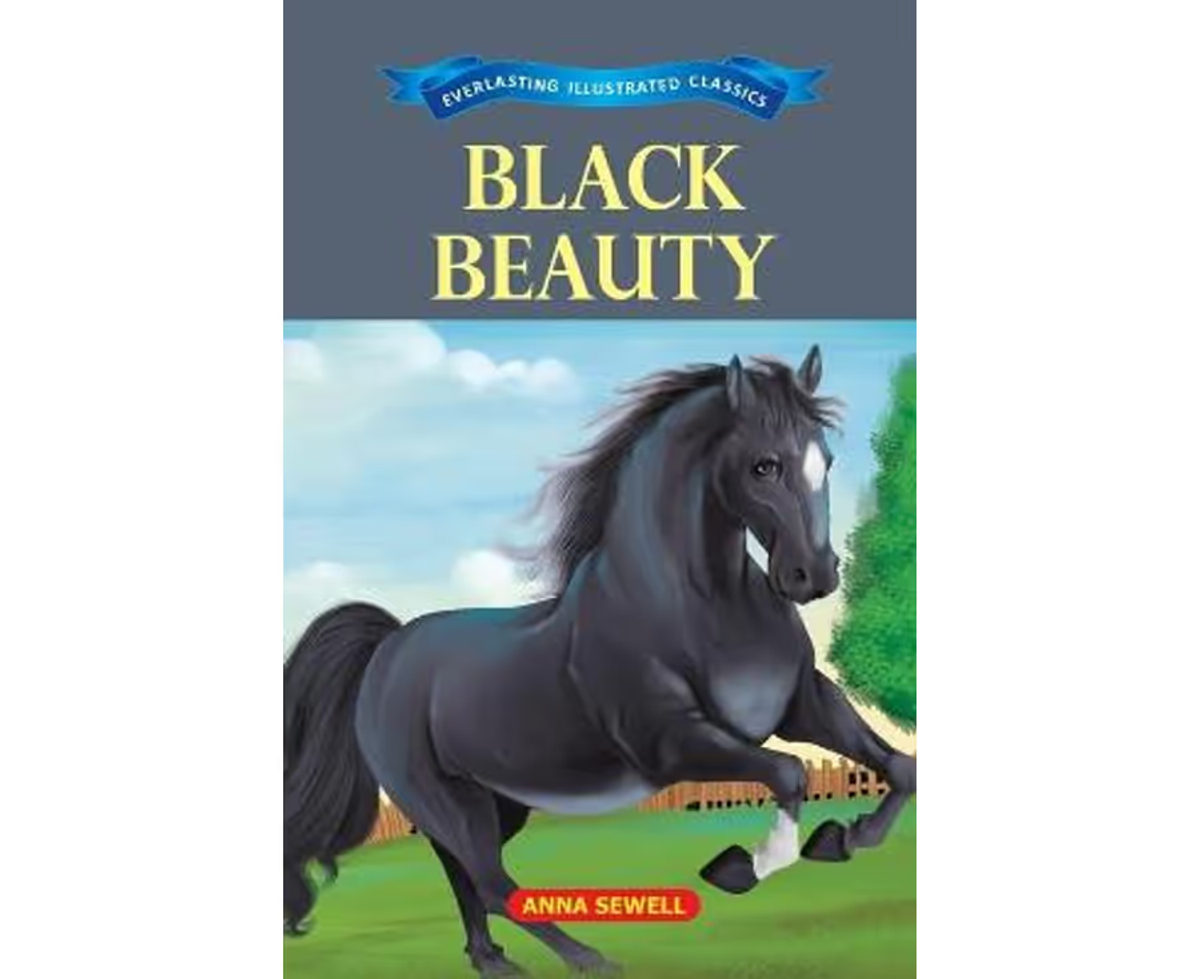
This past Sunday morning, one of my daughters and I camped out in front of the fire with Black Beauty—the classic “horsiest” book of all time. We’ve been reading it aloud together for about a week now, and she’s fallen in love with the story.
But what’s been even more powerful is noticing how much she’s learning by tackling a book that’s both old and complex.
1. When the Narrator Is… a Horse
One of the first things that struck her—after some careful listening—is that the narrator isn’t a person at all. The book begins with gentle descriptions of a meadow and talk of a “master’s house,” which sounds like a human narrator. Only after a few clues (“I lived upon my mother’s milk, as I could not eat grass…”) did she stop me to say, “Daddy… I think a horse is telling this story!”
Watching her sort through those clues was amazing. She began reflecting on why an author would choose a non-human narrator and how that changes what we notice and care about as readers. She even observed that Anna Sewell uses this point of view to help readers feel compassion for horses.
Moments like this—when kids puzzle through why a story is told the way it is—lay groundwork for the more complex reading they’ll do in high school and college. Some future titles on her horizon: As I Lay Dying, The Good Soldier, and Poe’s “The Tell-Tale Heart”—stories where narrators are tricky, unreliable, or competing with one another. Mastering begins right here.
2. Old-Fashioned Language Is a Feature, Not a Bug
The second challenge is the book’s 19th-century language. Kids don’t naturally speak “Victorian,” and Black Beauty doesn’t simplify anything for them. Consider a sentence like:
“There was no oppressed or ill-used creature that had not a friend in them…”
Phrases like “ill-used” or “beloved by all who knew them” aren’t typical in a 10-year-old’s world. But learning to decode them gives kids a powerful advantage: confidence with words and structures that appear in classic literature, historical texts, and even scientific writing.
It’s the same reason we love reading The Secret Garden, Robin Hood, and Peter Pan together. These books stretch her vocabulary and her comprehension. They break the myth that kids can only understand “modern” language. And, I’ll be honest, reading them in a few dramatic accents doesn’t hurt either.
3. Why This Matters for All Kids
Watching my daughter thrive with a challenging book makes me think about how we choose what students read. The Curriculum’s push toward “complex texts” is a gift—but complexity isn’t only about test scores or year levels. Some texts are challenging because of:
- Archaic language
- Narrative complexity
- Unusual or shifting timelines
- Symbolism or poetic structure
- Deliberate ambiguity or resistance to easy interpretation
Kids need all of these experiences—not just “just-right books.” Too often, we feel pressure to keep texts “accessible,” but there’s tremendous value in letting children wrestle (supportively!) with something that asks more of them.
4. The Big Takeaway for Parents
Your child doesn’t need to wait until high school—or a certain test score—to tackle rich, challenging, or old-fashioned stories. Shared reading at home is a perfect place to stretch them. Sit with them. Let them puzzle through. Enjoy the moments when they stop you mid-sentence to announce some big realisation.
Those moments build not just skill, but a love for stories that demand a little work.
And the reward? A reader who approaches difficult books not with fear, but with curiosity—and maybe even delight.