
Mental Health and Wellbeing

Supporting Your Child Through Transition to a New Year Level
Why change can feel BIG — and how you can help
As we approach the end of the school year, many children begin thinking about what next year will look like — a new classroom, a new teacher, new routines, and sometimes even new friends. For some children, especially those on the autism spectrum, these changes can feel overwhelming.
Transition is not just about moving from preschool to primary school or primary to high school. Every shift — big or small — can feel like stepping into a completely new world. A new teacher may use different language (“pack away” vs “clean up”), the room may smell or look different, and classmates may behave in new and unpredictable ways. All of these subtle changes can create stress and anxiety for children who thrive on predictability.
The good news? With thoughtful preparation and support, children can transition with confidence.
Upcoming Transition Visits
In the coming weeks, students will have the opportunity to visit their new classrooms and briefly meet their new teachers. This is a valuable part of the transition process, helping children begin to build familiarity with their new learning environment.
Some students who benefit from extra support will also be guided at school to create their own Transition Booklet, including photos and information about their 2026 classroom. This booklet can be used over the summer break to help children feel more confident, prepared, and settled.
Why Transitions Can Feel Like Moving to a Foreign Country
For a child with autism or high anxiety, transitioning to a new classroom can feel like being dropped into a foreign place with unfamiliar:
- Language
- Rules and routines
- Facial expressions and social expectations
- Sensory environments
- Materials, equipment, and learning tools
This “foreign country” feeling can cause worry, stress, and sometimes behaviour.But managing change starts with managing anxiety, and parents play a crucial role.
Top 10 Things Teachers Wish Parents Knew at the Start of the Year
- Routines matter — even the little ones. Predictability builds confidence.
- Children take time to adjust — often longer than adults expect.
- We welcome communication early and often. You don’t need to wait for a problem.
- Behaviour is communication. It often signals stress, not defiance.
- A calm start to the day sets the tone for learning.
- Visual supports are powerful for all children, not just some.
- Sleep, nutrition, and downtime after school make a huge difference.
- Your child doesn’t need to be perfect — they just need to feel safe.
- Friendships may take time. Social confidence grows slowly and naturally.
- You and the teacher are a team. Working together means the child wins.
How Parents Can Support a Smooth Transition
🏫 1. Visit the New Classroom (if possible)
Chat positively about the upcoming visit and ask questions like:
- “What did you notice in your new classroom?”
- “What are you looking forward to?”
📚 2. Look Through the Transition Booklet Together
For students who receive one, spend a few minutes every few days exploring it.Rereading builds comfort.
🗣️ 3. Use Consistent Language at Home
If you know the teacher says “clean up” instead of “pack away,” try using the same terms.
📆 4. Re-Establish Predictable Routines
Slowly bring back structure to mornings, evenings, and school preparation.
😊 5. Stay Calm and Positive
Your reassurance helps your child feel safe and confident.
🧩 6. Support Sensory Needs
Think ahead about what might help your child feel calm in a new classroom.
🤝 7. Build a Connection With the New Teacher Early
A short introductory email can go a long way in helping your child feel supported.
🧠 8. Prepare for After-School Exhaustion
Transitions are tiring — plan for extra rest and simple afternoons.
💬 9. Talk Openly About the Change
Acknowledge your child’s feelings and reassure them that new things get easier with time.
🌱 10. Celebrate the Progress
Every small step forward strengthens your child’s confidence.
Together, We Can Make Next Year a Positive Start
With clear communication, gentle preparation, and supportive routines at home and school, your child can begin their new year level feeling ready, confident, and cared for.If your child needs extra support during this transition period, please reach out — we’re here to help.
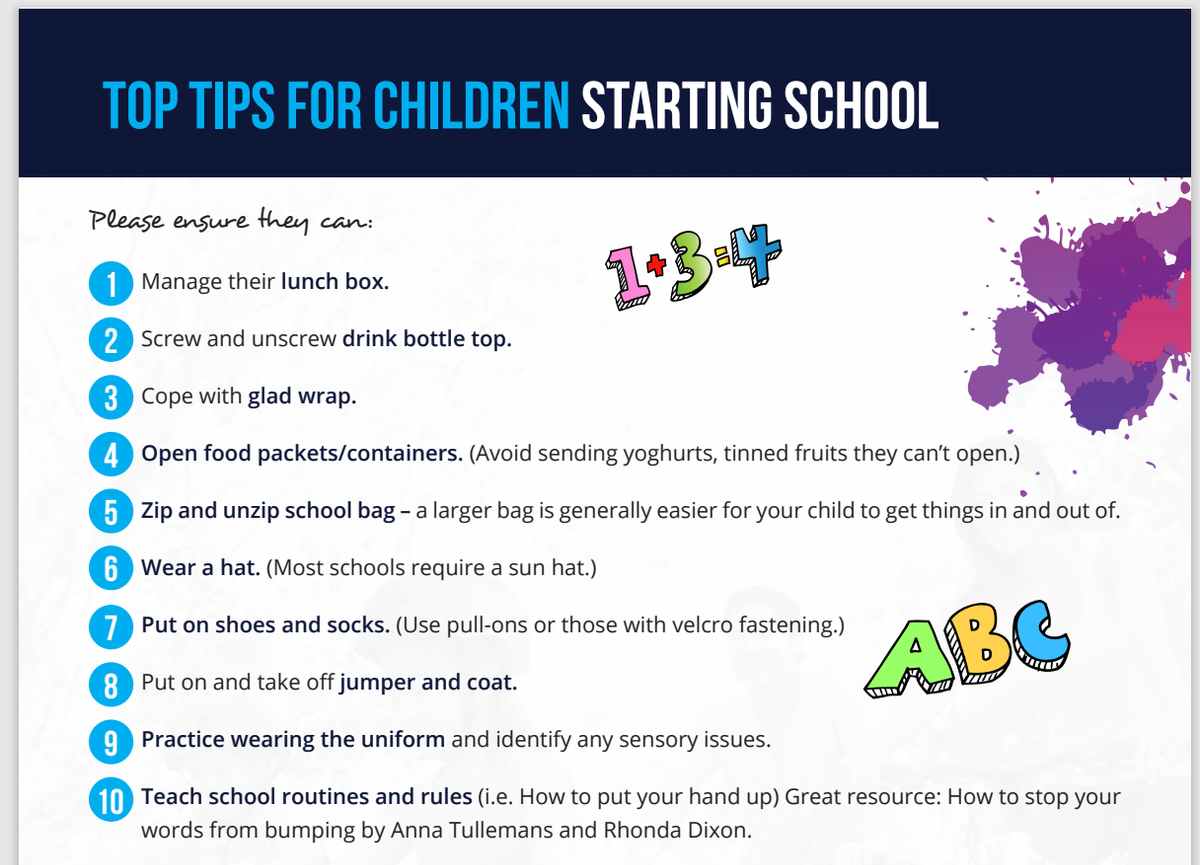
Tips for Starting the 2026 School Year
Want to know how to give your child the best possible start to their 2026 school year? Here are my top tips!
1. Ease Back Into School Sleep Routines
Start shifting bedtimes and wake-up times two weeks before school starts. Move sleep times 15 minutes earlier every couple of days until your child is back to a school-ready schedule. Aim to have the routine established one week before school begins.
2. Re-establish a Consistent Bedtime Routine
A predictable bedtime routine helps children wind down. This could include:
- A warm bath
- Reading books together
- Quiet bedroom play
Older children may enjoy reading independently for 20–30 minutes before lights out.
3. Avoid Screens Before Bed
No screens (TV, tablets, phones, computers) for at least one hour before bedtime. Blue light affects sleep, and emotional content can delay calmness. Keeping technology out of the bedroom supports healthier sleep habits.
4. Create “Getting Ready for School” Charts
Use a visual checklist to practise the morning school routine. This might include:
- Getting dressed
- Brushing teeth
- Packing school bag
- Eating breakfast
- Putting on shoes
Older children may prefer discussing expectations rather than using a chart.
5. Model School Preparedness
Talk with your child about:
- Why earlier bedtimes are important
- How they can help prepare for school
- Responsibilities like packing bags, choosing clothes, or organising lunches
When children understand the reasons behind routines, they are more likely to cooperate.
Wishing every family a calm, confident and positive start to the 2026 school year!
Click to access past resources