11 Visual Communication Design: Unit 1 Wrap Up!
This semester, Unit 1 Visual Communication Design students have been exploring how designers investigate, reframe and resolve design problems through research, drawing and the purposeful use of visual language.
In Outcome 1, students focused on human-centred research methods, using research to better understand audiences, users and stakeholders. They practised convergent thinking by analysing and synthesising information to identify key insights, clarify communication needs and make more informed design decisions.
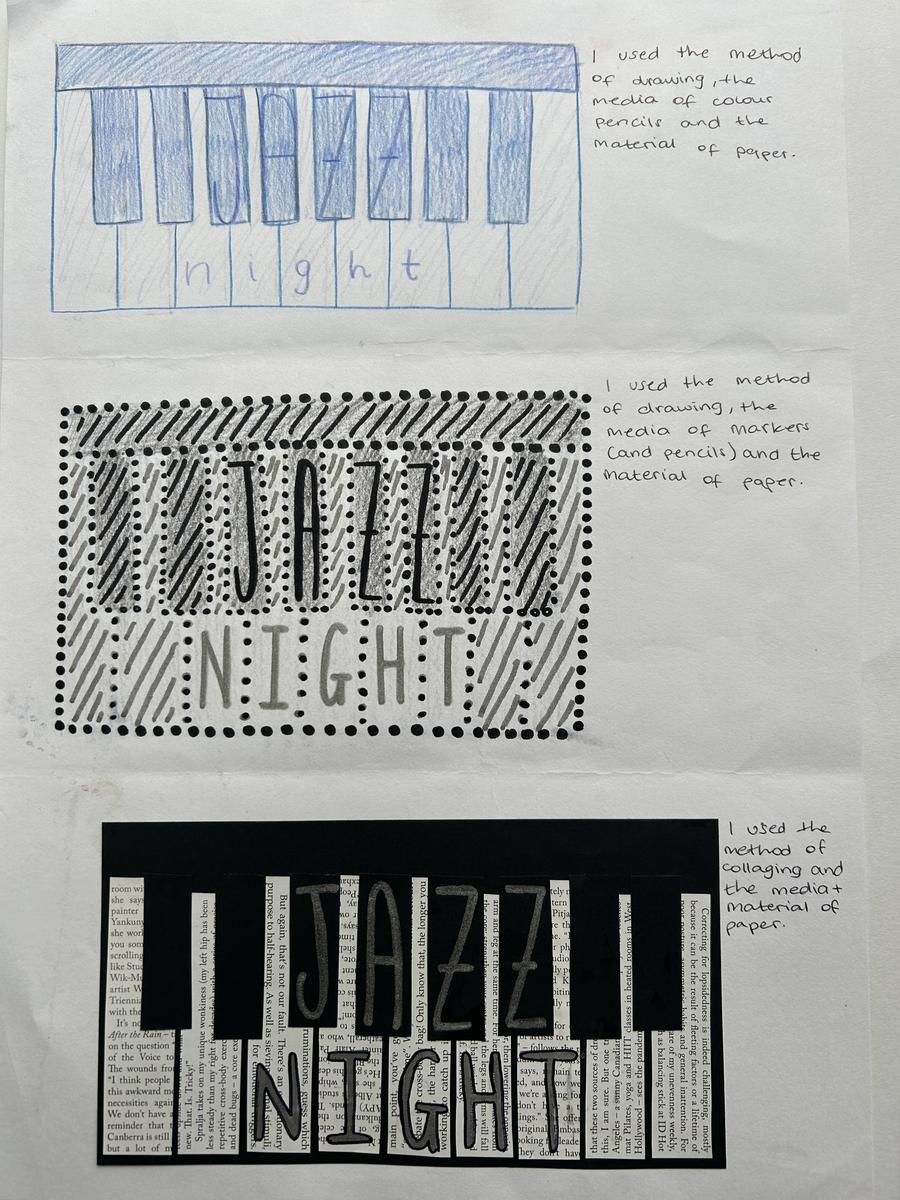
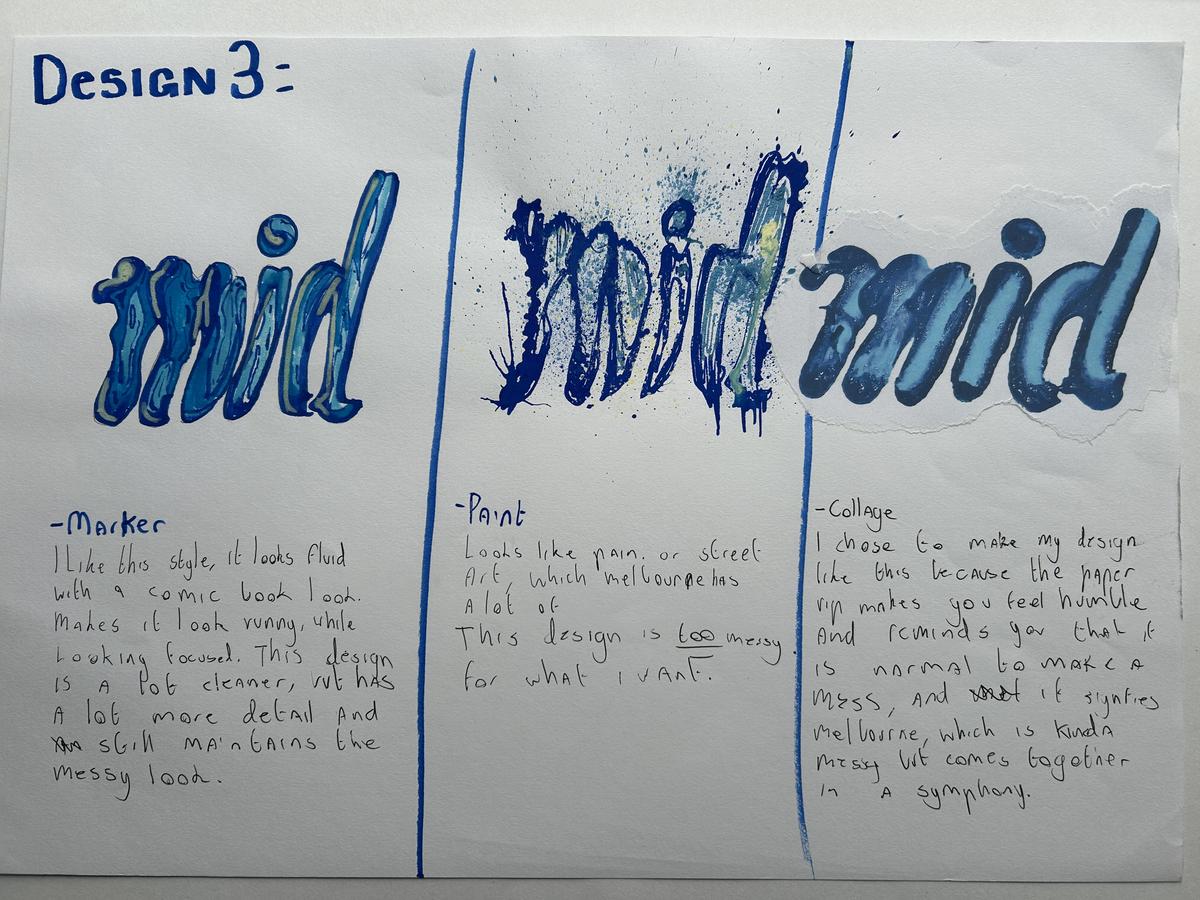
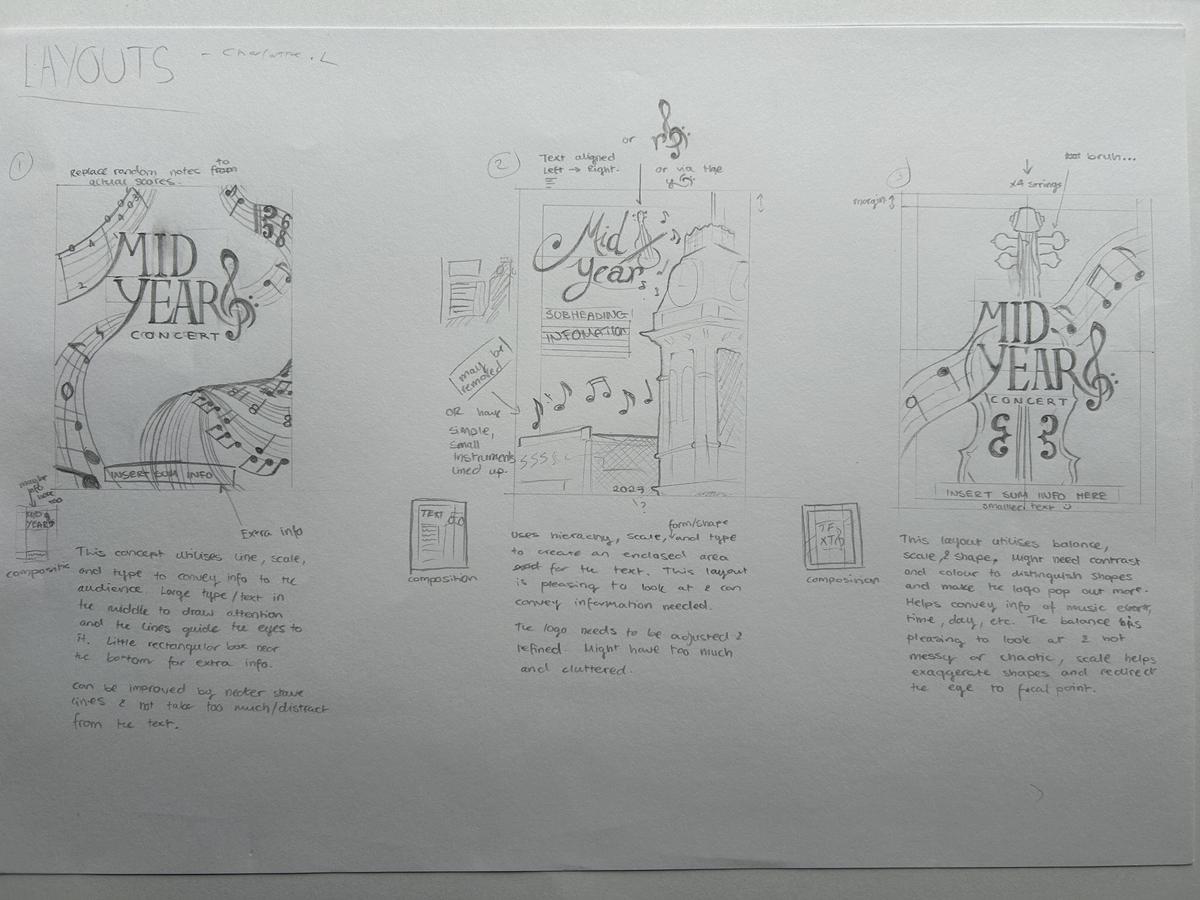
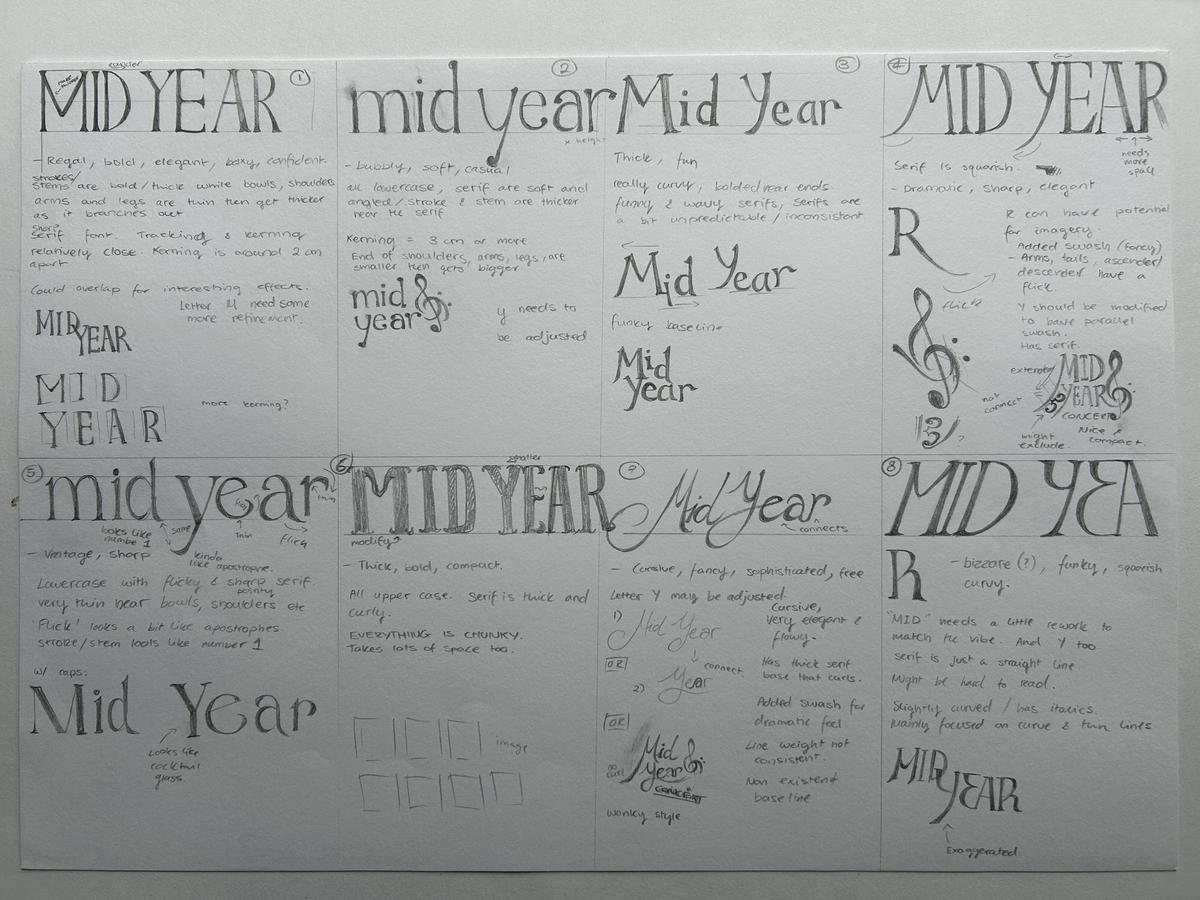
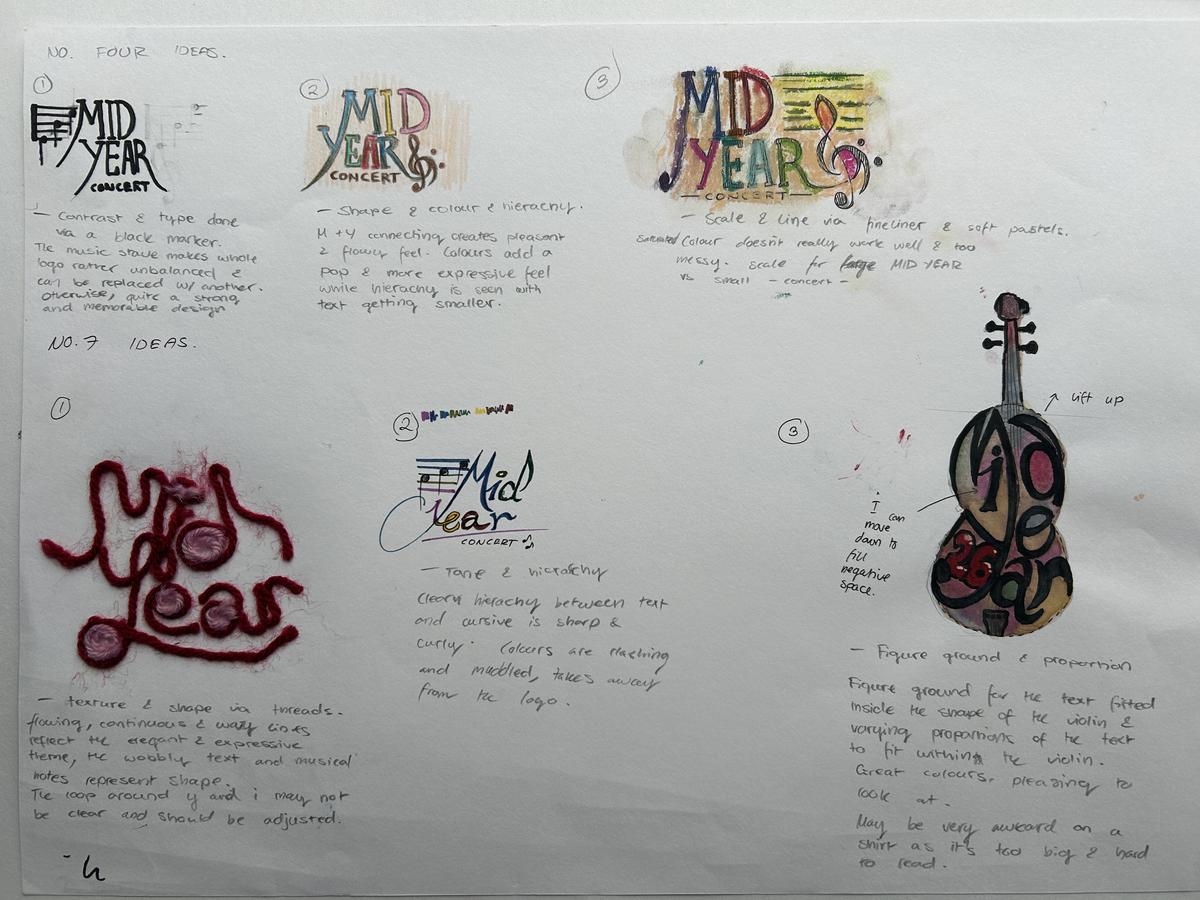
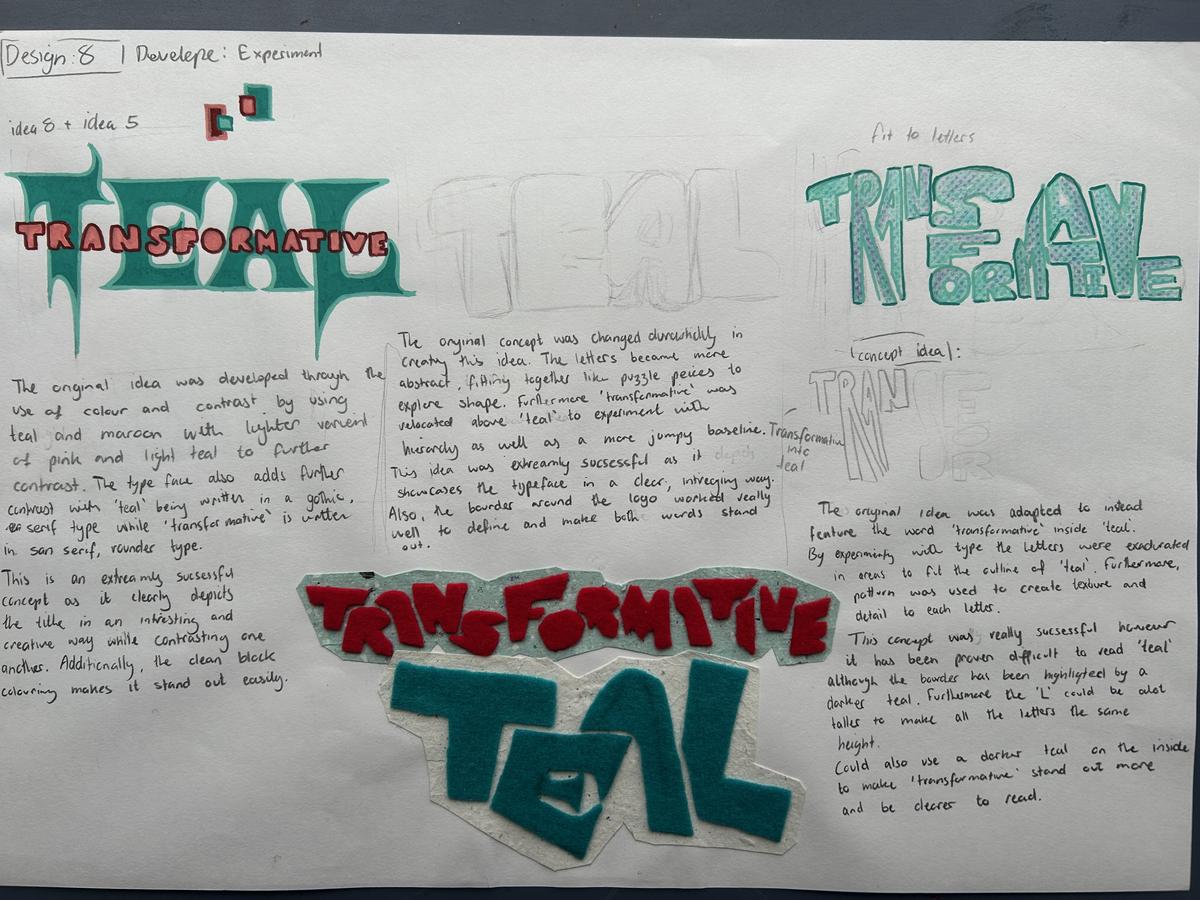
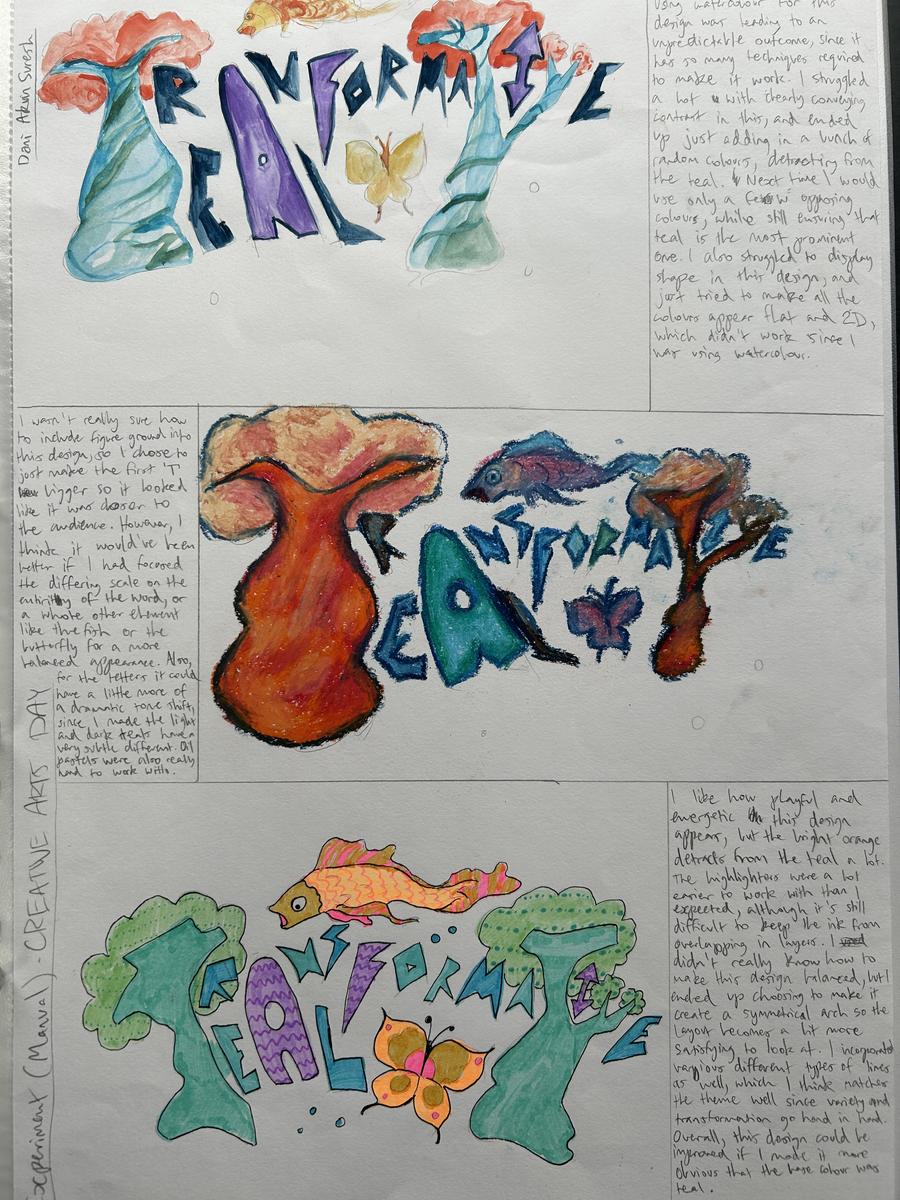
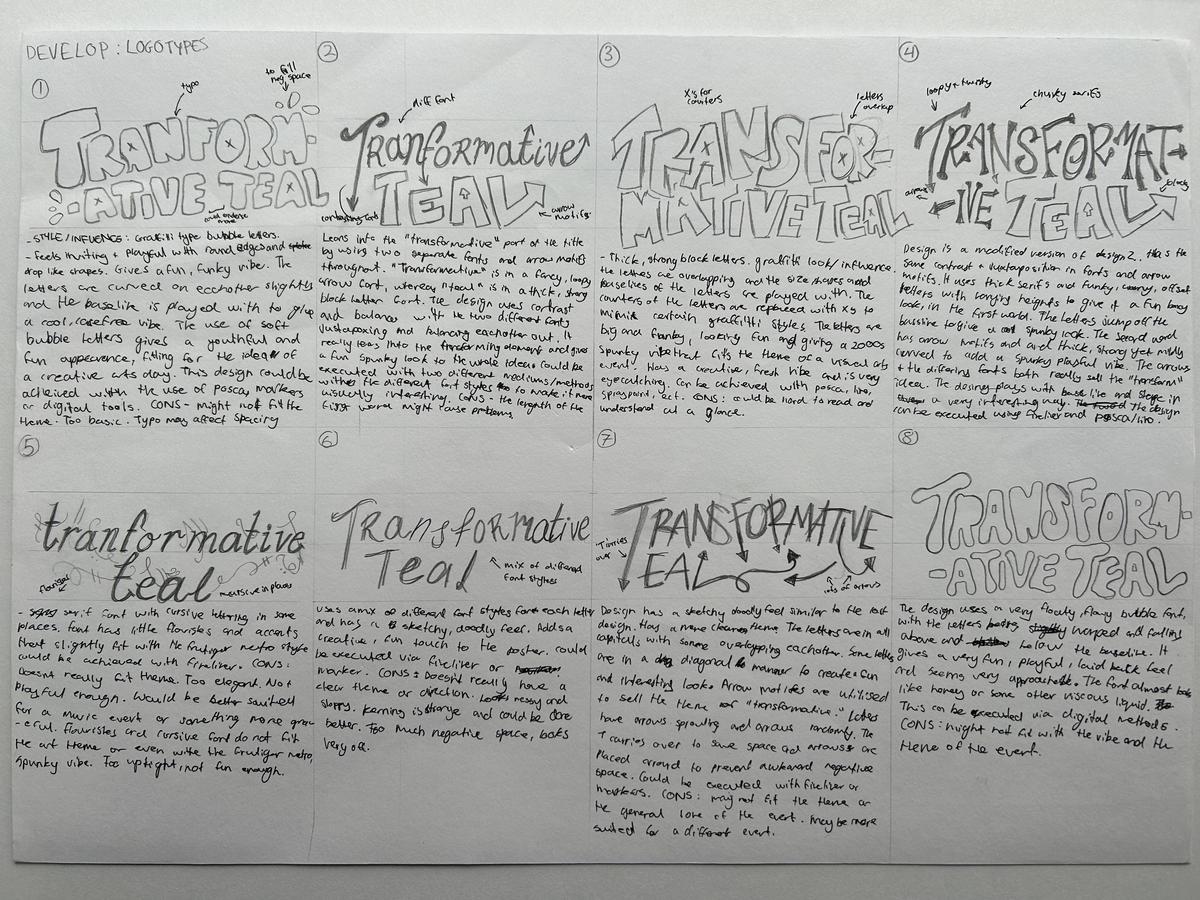
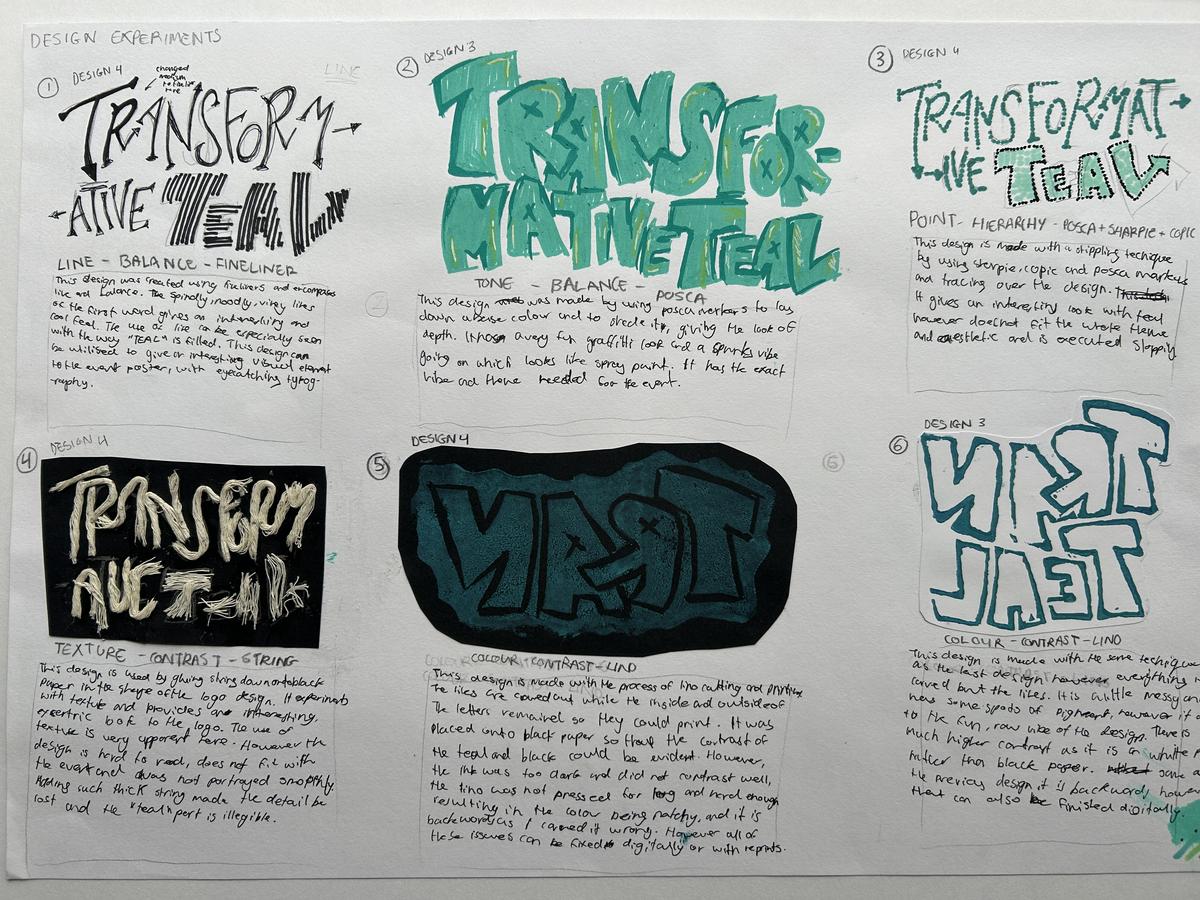
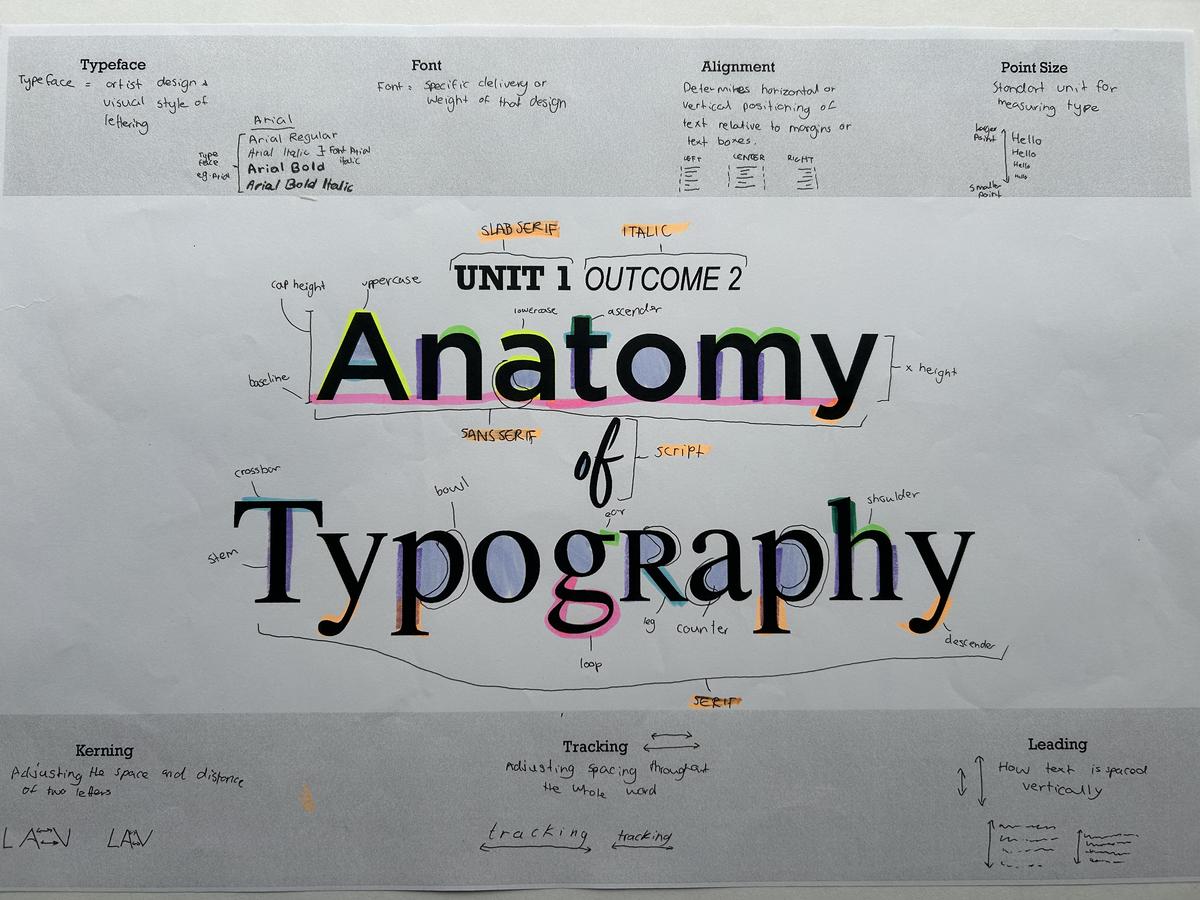
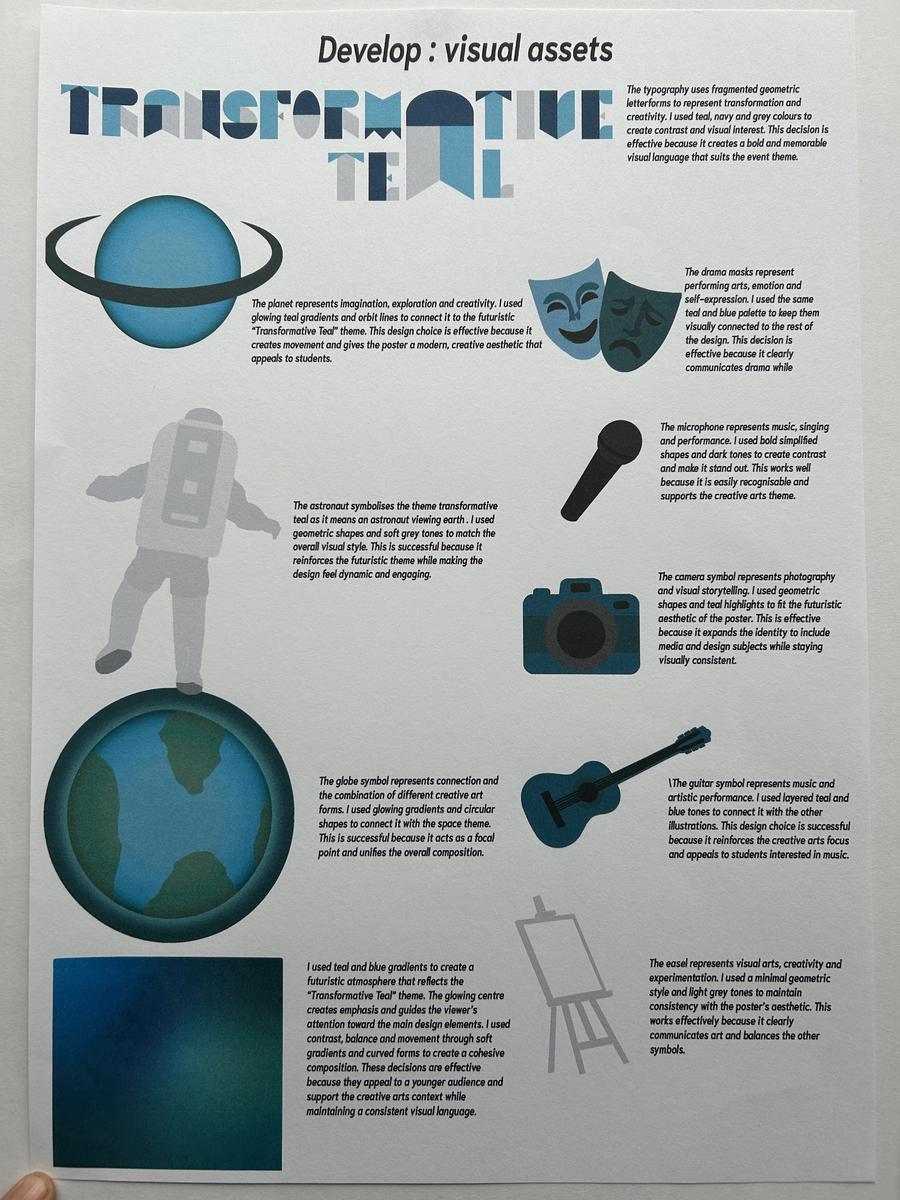
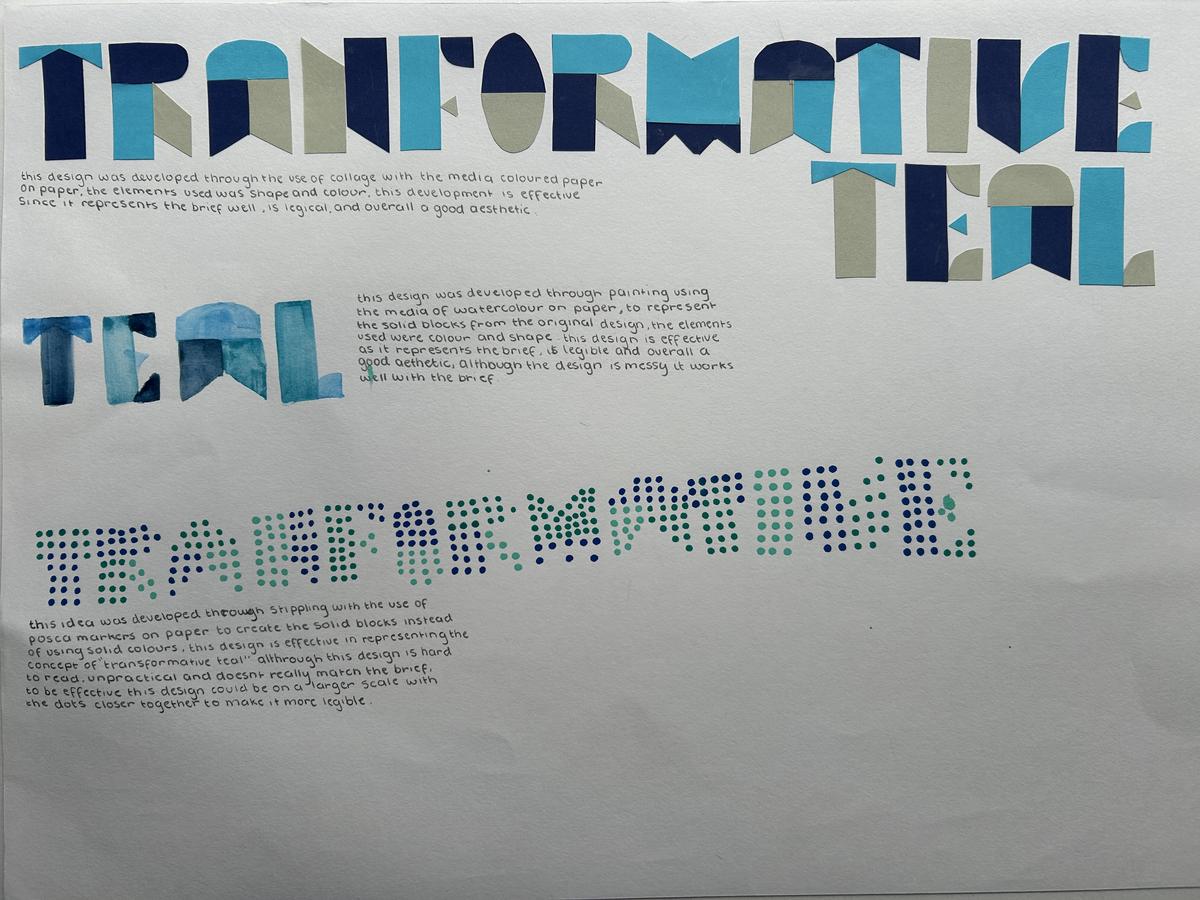
For Outcome 2, students designed a visual language for a range of school events. They explored how colour, type, imagery, layout and style can be used consistently to communicate the mood, purpose and identity of each event. Students considered how visual communications can be adapted across different formats, such as posters, digital graphics and promotional material, while still maintaining a coherent and recognisable visual identity.
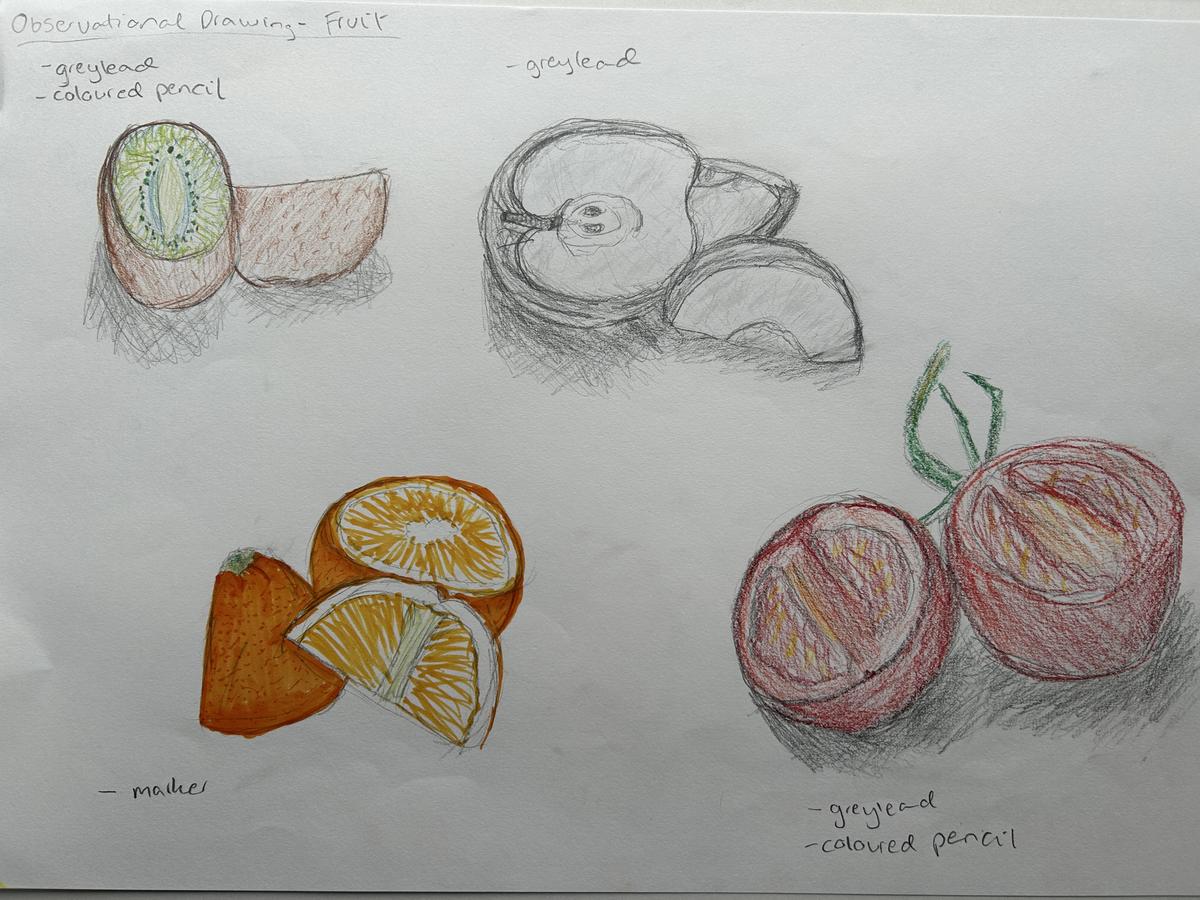
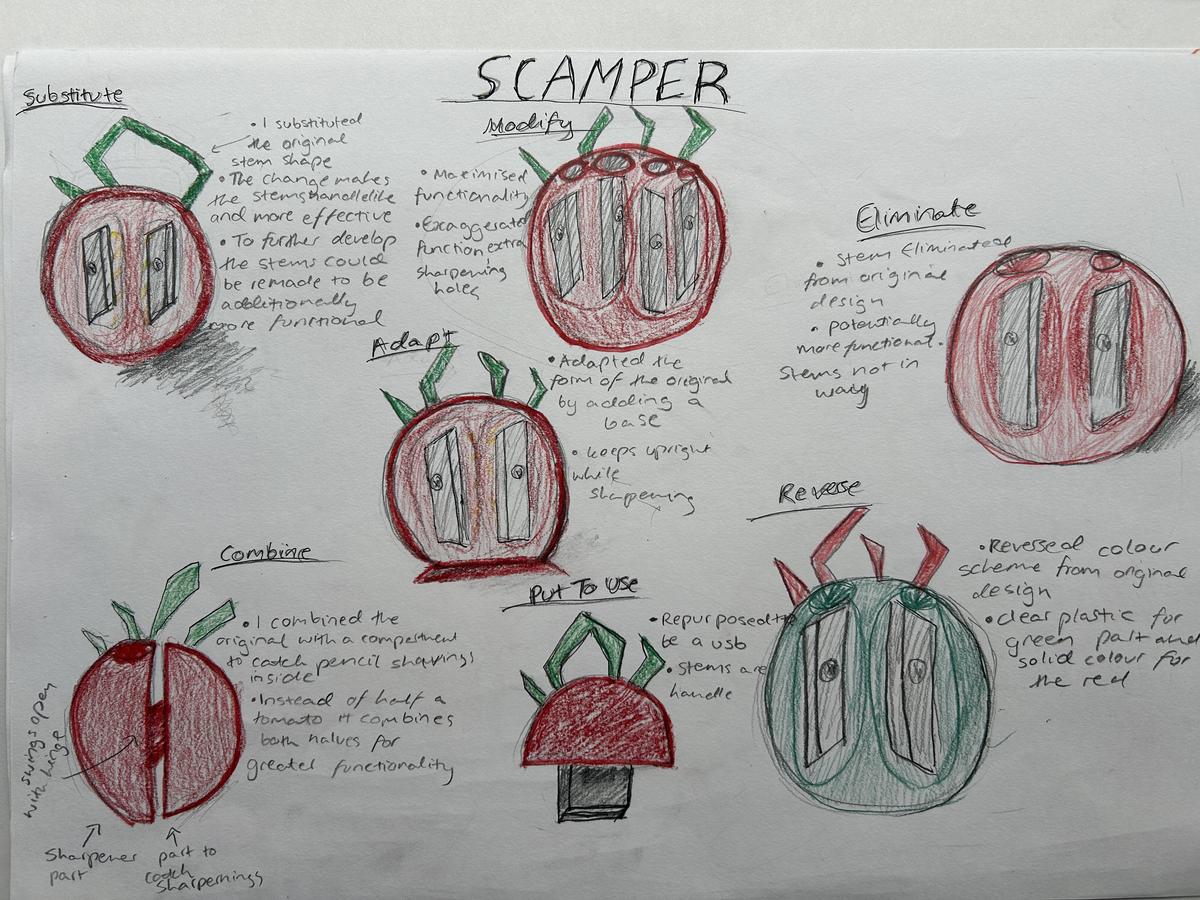
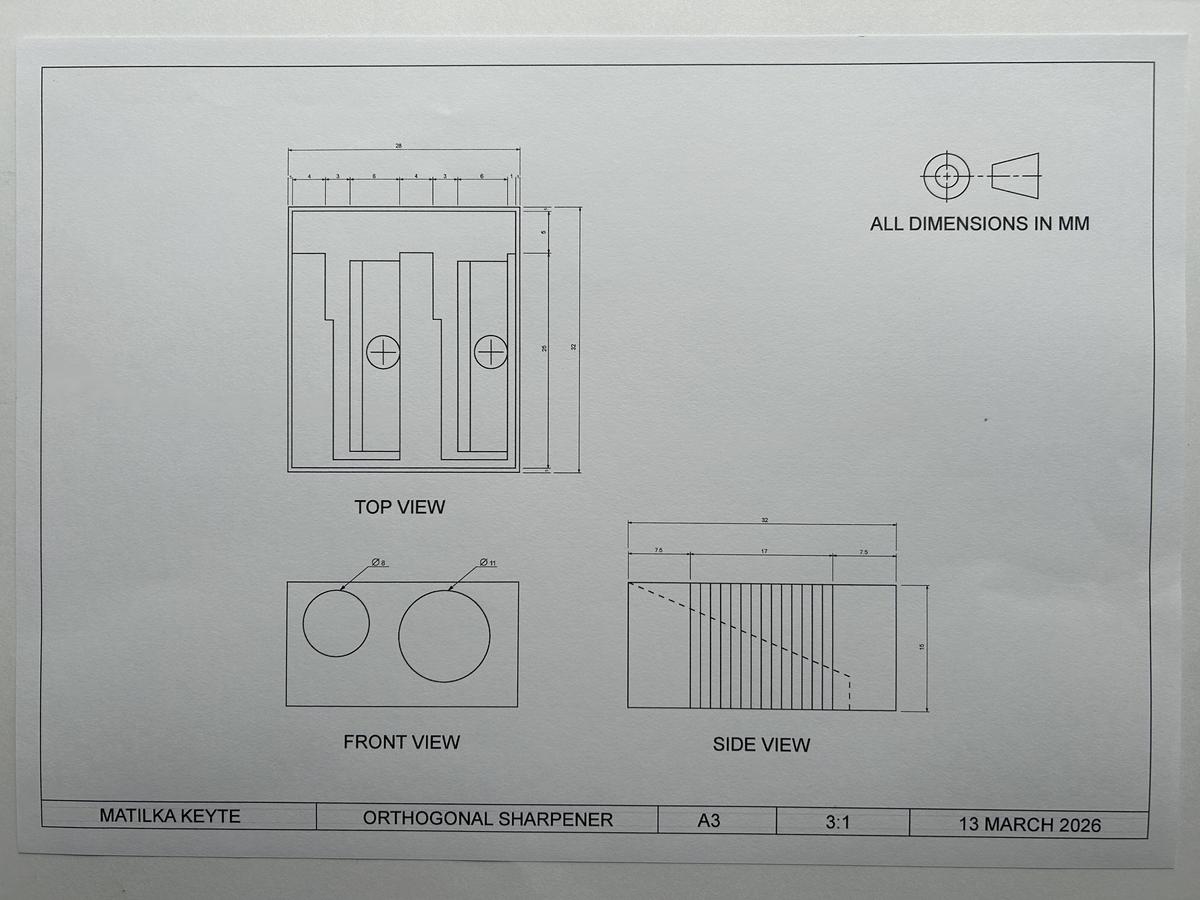
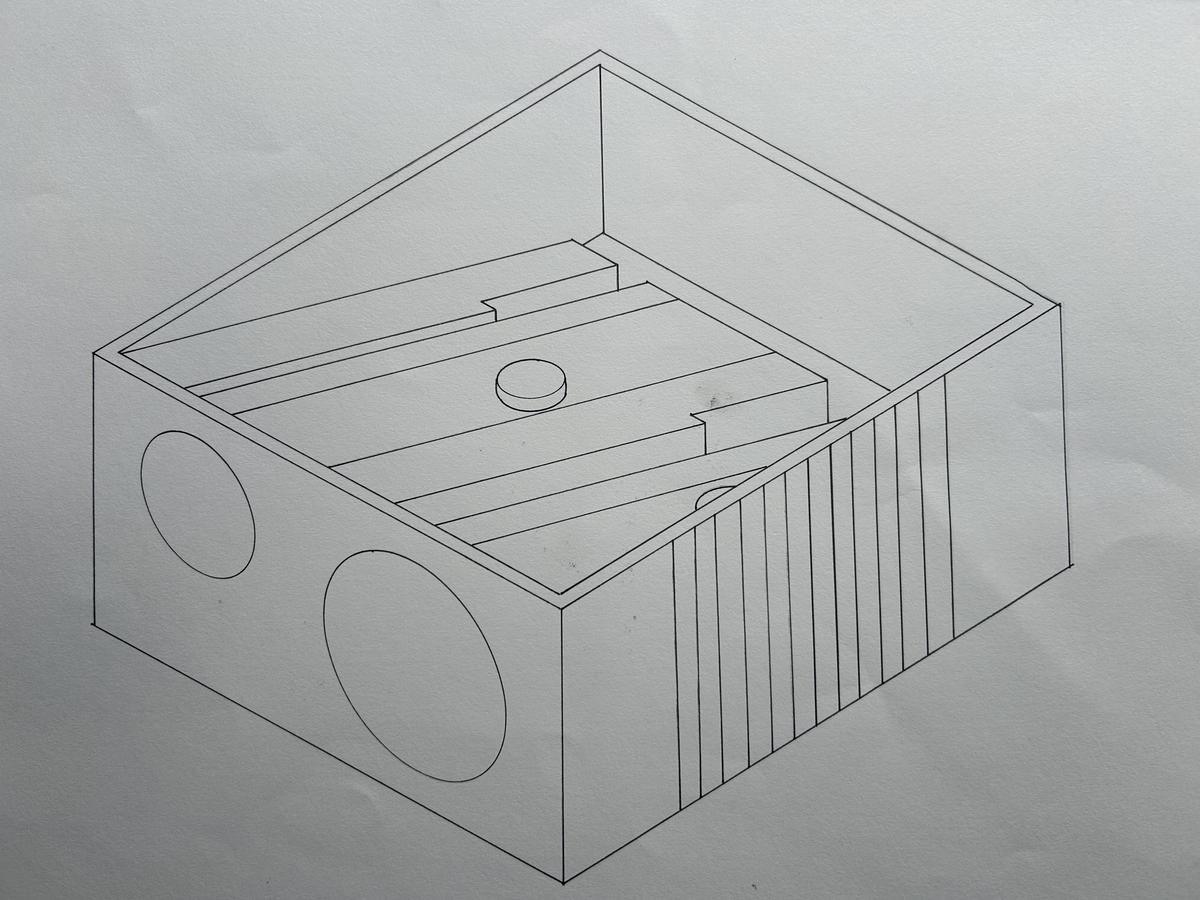
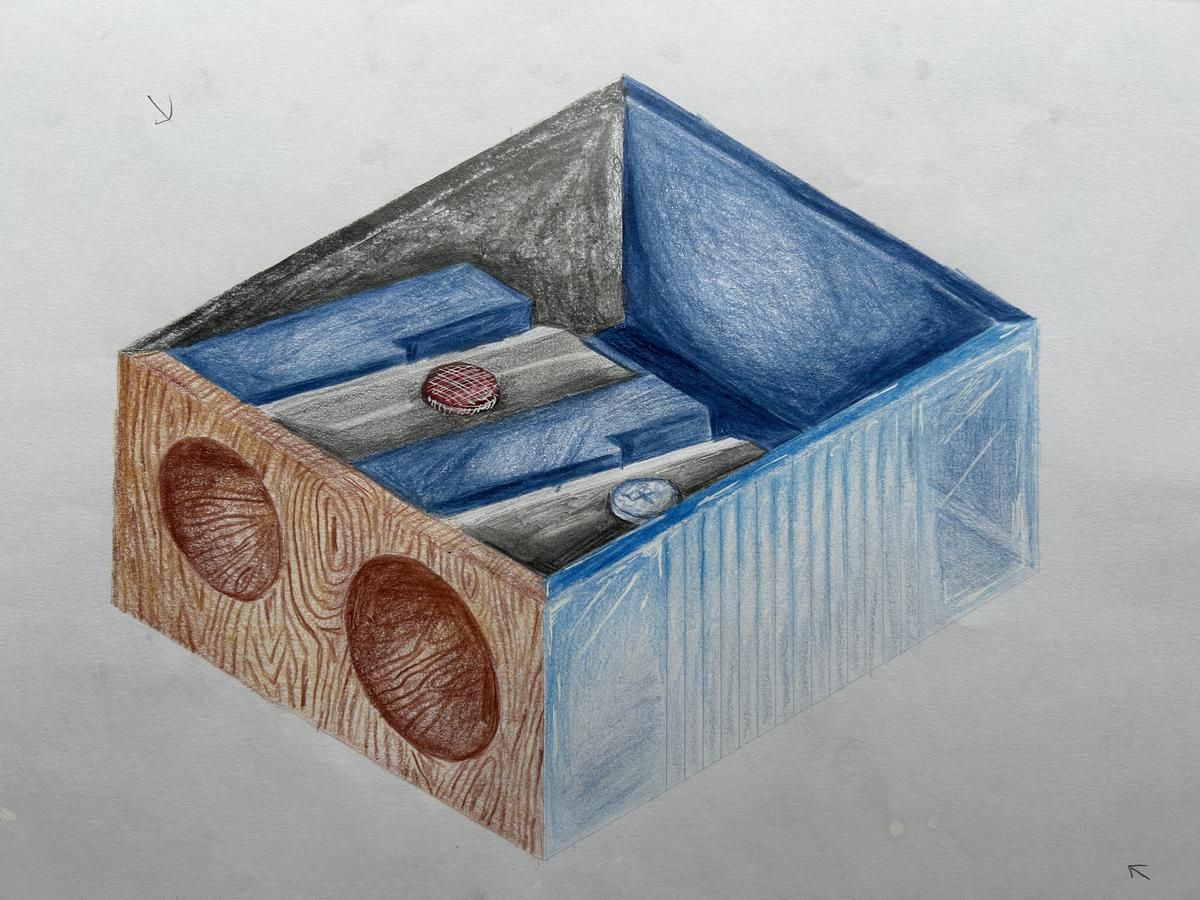
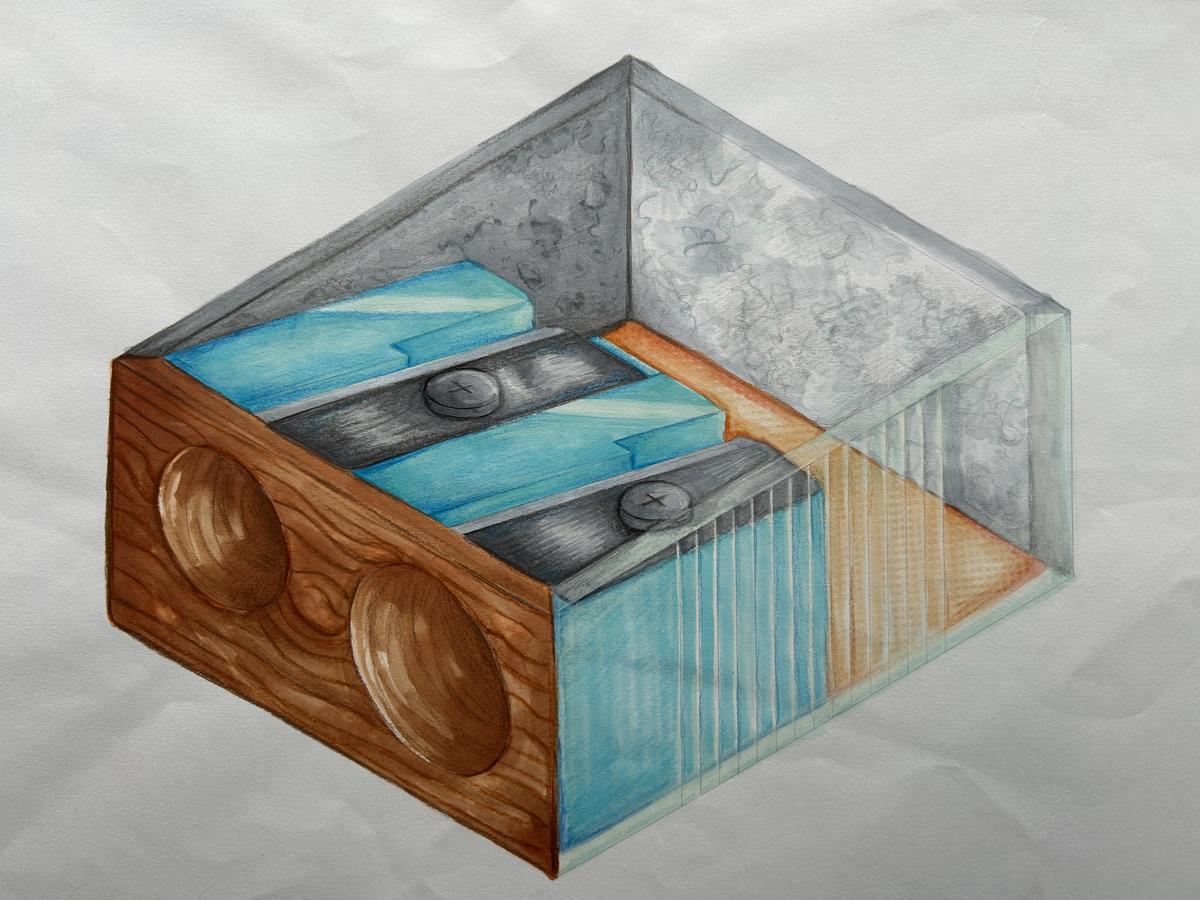
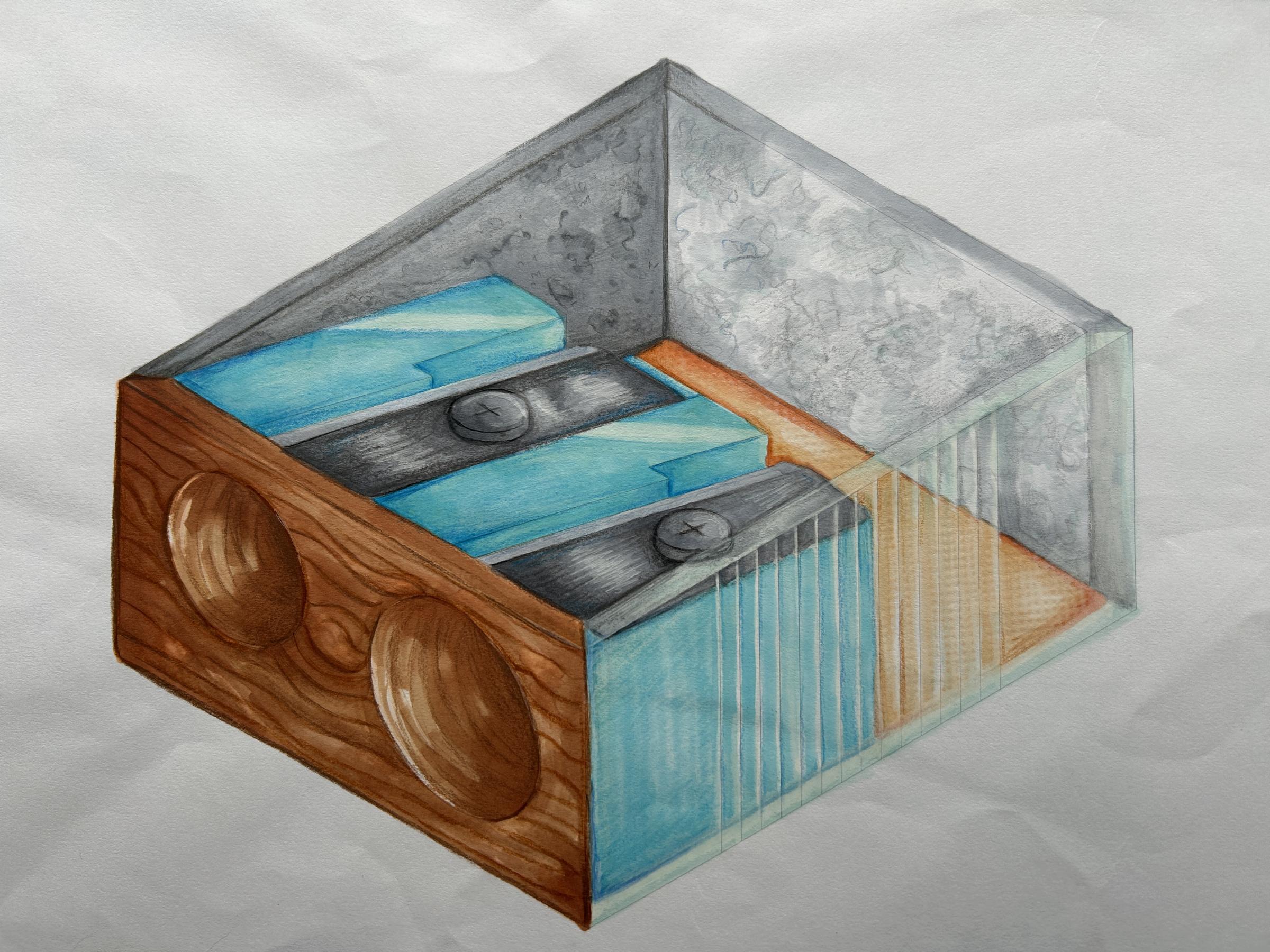
In Outcome 3, students developed their technical drawing skills by drawing shapes and forms using isometric and orthogonal drawing conventions. They learnt how to render their drawings to communicate form, surface and light more effectively, while also applying divergent thinking to generate multiple design possibilities and explore creative solutions.
To further inspire their design practice, students are also looking forward to attending the Top Designs 2026 Excursion at the start of Term 3, where they will view work from VCE students across Design and Technology subjects. This will provide valuable insight into high-quality folio development, presentation methods and the creative possibilities within Visual Communication Design.
It has been wonderful to see students’ creativity, problem-solving and technical skills grow throughout Unit 1. We are INCREDIBLY PROUD of their progress and cannot wait to see what Unit 2 brings from our young designers.
In Unit 2, students will develop their architectural drawing skills and understanding of environmental design, while also exploring the creation of a cohesive set of personalised icons. These outcomes provide further opportunities for students to apply visual language, refine their design thinking and communicate their ideas with purpose and confidence.
Well Done + Keep up the great work!
Nicholas Mastrippolito + James Borrelli.