
Nurse's Notes

Hi, this newsletter I’m talking about 2 very common medical conditions that we are seeing at school in the sick bay in both boys and girls. Happy reading, and please reach out and email if you have any questions: nurse@icom.vic.edu.au
Lois Foster Senior College Nurse (I’ve been at ICOM 10 years)
Did you know?
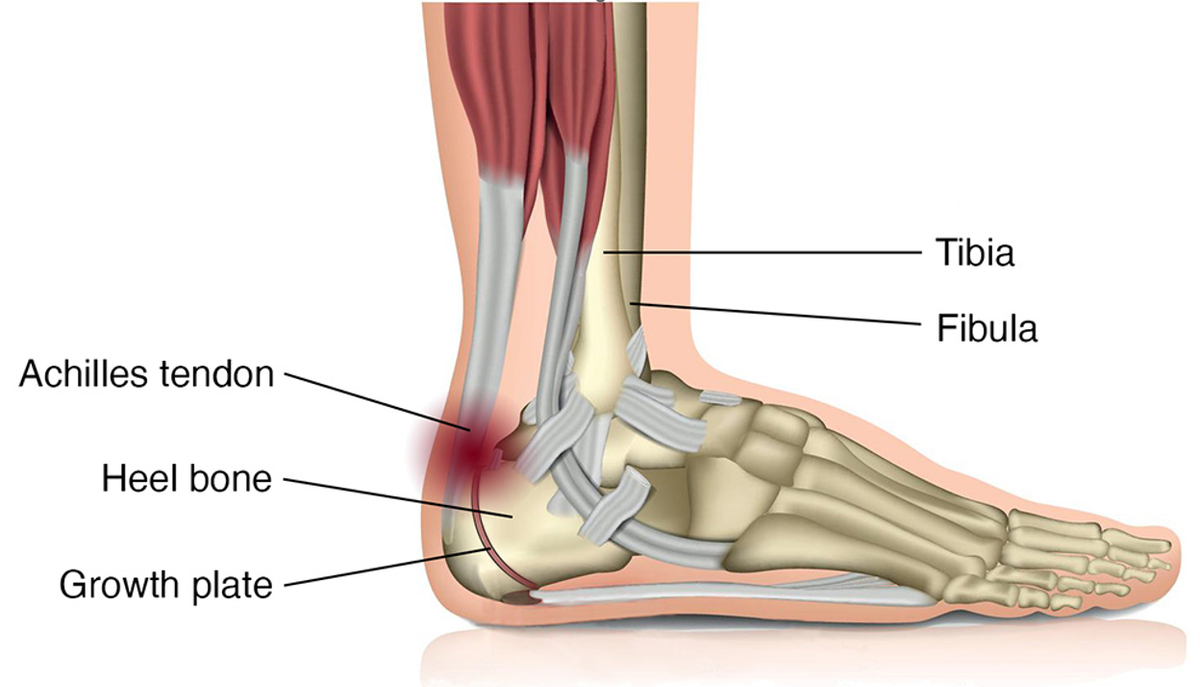
Students can get Plantar Fasciitis, except it’s called Severs disease. It affects children between the ages of 8-14years.
What is Sever’s disease?
It’s pain in the heel or calf/Achilles that doesn’t go away.
What causes it?
Growth Spurts: Rapid growth occurs in children aged 8–15, making their bones grow faster than their muscles and tendons, which leads to tightness and increased stress on the heel.
Physical Activity: Sports involving running and jumping, such as basketball, soccer, and gymnastics, are common causes of Sever's disease.
Tight Muscles: Tight calf muscles and the Achilles tendon can pull on the heel's growth plate, increasing pressure and strain on the area.
Footwear: Ill-fitting shoes, or shoes that lack proper support, can contribute to the condition by not providing enough padding and support for the feet.
- Biomechanics: Issues like flat feet or over pronation (foot rolls inwards/forwards) can cause excessive strain on the Achilles tendon and the growth plate.
How do you treat it?
Rest from the activities that cause it: running, sports.
Ice.
Exercises targeting the Achilles and calf, a podiatrist can guide you with these.
- Not all conditions need specialist insoles or shoes.
How long does it last?
From several months to several years.
Did you know?
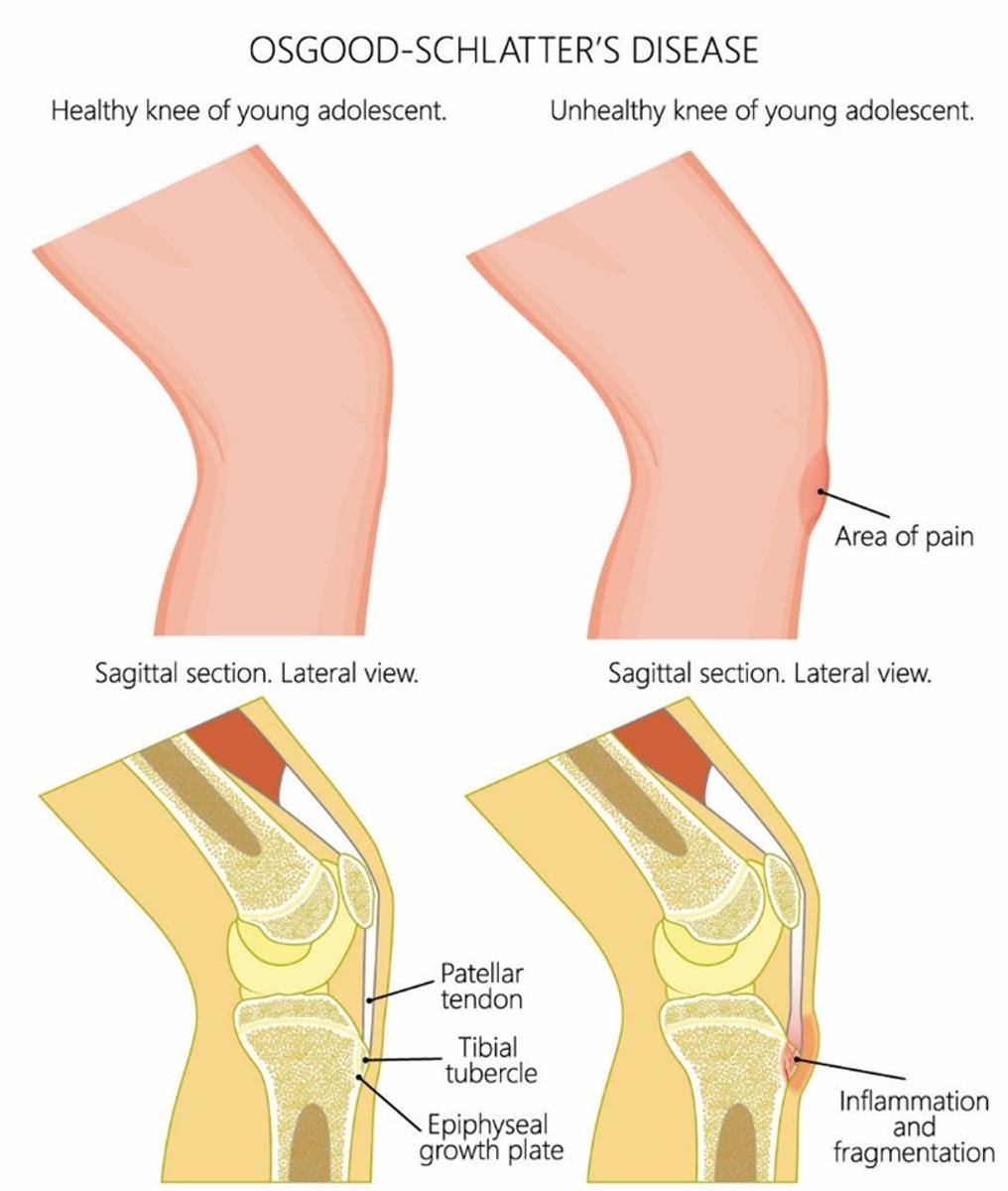
Knee pains that don’t go away could be Osgood Sclatters.
Girls: Generally affected between the ages of 8 and 12 years.
Boys: Typically affected between the ages of 12 and 15 years.
What causes it?
- Growth spurts: The condition occurs during periods of rapid growth, which makes the growth plate in the shinbone more vulnerable.
- Overuse and activity: Osgood-Schlatter disease is often an overuse injury caused by repetitive strain on the patella tendon, which attaches the kneecap to the shinbone.
- Sports: Sports involving a lot of running, jumping, and quick changes of direction, such as soccer, basketball, and netball, increase the risk.
How do you treat it?
Activity modification: Reducing or modifying activities that involve jumping or kicking can help.
Ice and anti-inflammatories: Applying ice and using anti-inflammatory medication can alleviate pain.
Stretching: Quadriceps stretching can help reduce muscle tightness and the load on the patella tendon. A physiotherapist can help with this.
- Physiotherapy: A physiotherapist can provide a tailored treatment plan that may include soft tissue massage, taping, stretching, and strengthening exercises.
How long does it last?
Once the growth plate has closed which can take several years.
Ms. Lois Foster, Senior College Nurse