
Wellbeing

Building Independence: Small Habits, Big Confidence
One of the most powerful ways we support children’s wellbeing is by helping them grow in independence. Simple, everyday routines—like carrying their own bag, bringing the right materials, and unpacking their belongings—play an important role in building confidence, responsibility, and resilience.
When children bring their own bag and materials to school, they begin to understand ownership and accountability. Remembering their hat, water bottle, lunches helps them develop executive functioning skills such as planning, organisation, and time management. These small responsibilities send a powerful message: “I am capable.”
Unpacking their bag each morning is another meaningful step. It encourages children to transition calmly into the school day, check what they need, and take responsibility for their learning environment. Over time, these routines reduce anxiety, as students feel prepared and in control.
How families can support independence at home:
- 👜 Encourage your child to pack their own school bag (with supervision as needed).
- 📋 Use a simple checklist to help them remember key items.
- ⏰ Build packing into the evening routine to avoid morning stress.
- 🌟 Praise effort rather than perfection—mistakes are part of learning responsibility.
Healthy Eating: School Lunch Boxes
Healthy lunches and snacks help children concentrate and play throughout the day.
Encourage your child to be involved in their own lunch preparation and discuss choices with them. Try to include a variety of foods from each of the 5 food groups.
Here are some tips that might help.

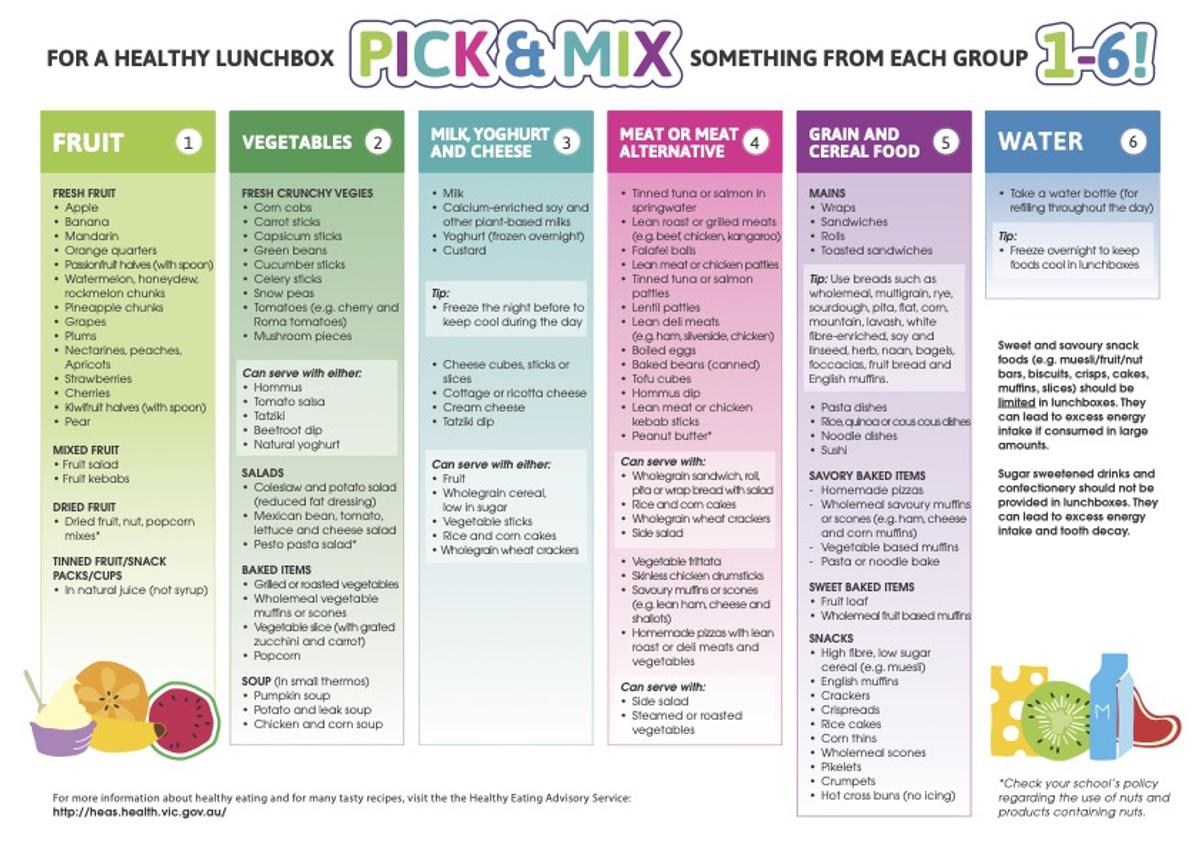
Brain Food
As you are aware our school timetable has two solid 2hr teaching blocks when the students are more alert & a shorter afternoon block.
We suggest all students bring some 'brain' food to school each day. Brain food helps to sustain energy and focus for learning.
Brain food is usually brought to school in a small container & is a VERY healthy snack that the students can graze on whilst working.
Some examples of brain food include:
- Blueberries
- Strawberries
- Bananas
- Apple cut into bite sized pieces
- Carrot, cucumber or celery sticks
- Sultanas
- Dried fruit
If you have any questions please contact your child's learning group teacher.
Feel free to email Sandy or Kiah or call the school office if you have any concerns or need help at any time.
Sandy: shenderson@olscwyn.catholic.edu.au Kiah: kmiles@olscwyn.catholic.edu.au
Cheers
Sandy & Kiah