
Junior School News

From the Head of Junior School

Mrs Ainslie Breckenridge
Mrs Ainslie Breckenridge
Celebrating Mothers and Mother Figures in the Junior School
Mother’s Day is a lovely moment to pause, smile, and say a very big thank you to all the mums and mother figures who do so much for our children, often before their first cup of coffee! From comforting hugs and words of encouragement to the magic of getting everyone out the door on busy mornings and squeezing in bedtime chats, these everyday superheroes help children feel safe, loved, and ready to learn.
At school, we’re also incredibly thankful for the many mother figures in our community, including caregivers, grandparents, and staff who nurture, support, and care for our students with endless patience (and impressive multitasking skills) each day. Mother’s Day is a simple but meaningful way to celebrate the love, laughter, and dedication that help our children grow and thrive and who manage the messes, mismatched socks, and all.
The Junior School truly pulled out all the stops this week as we celebrated the amazing mums and mother figures in our students’ lives and what a fun‑filled lead‑up it has been! On Tuesday, our students enthusiastically trekked up to the Senior School to carefully (and very seriously) select the perfect gift for mum at the Bazaar. Wednesday brought sweet smiles all round as our Entrepreneurial Club proudly handed out their pre‑ordered Sweet Tooth marshmallow gifts which were so thoughtfully imagined, created, and advertised especially for Mother’s Day.
This morning, our classrooms buzzed with excitement as mums joined us to share special moments and plenty of love, and now the anticipation is reaching new heights as we count down to tomorrow's luncheon. What a wonderful, joy filled week it’s been! I truly hope all our mums and mother figures are feeling thoroughly spoiled, deeply appreciated, and very well celebrated.
Reading is the Buzz Word!
This term, my message to students has been about rediscovering and appreciating the joy of reading and sharing that enjoyment with others. I have absolutely loved hearing about the wide range of books being read across the school. During Morning Huddle, students are eager to talk about what they’re currently reading, and it has been lovely to witness such genuine enthusiasm for books. In Year 4, Mrs Sommer has even turned reading into a fun, friendly challenge, with students motivating one another to see how many books they can enjoy throughout the term.
Mr Roberts reports that library borrowing is booming and is currently working with Mrs Paton to reimagine what the role of the traditional Library Monitor could look like in our evolving library space. Over time, Junior School libraries have grown into vibrant hubs for reading and inquiry, places where curiosity truly comes alive! Watch this space as we continue to shape what’s next for our library.
I also love walking past classrooms and seeing DEAR (Drop Everything and Read) firmly embedded in everyday school life. Books come out, a sense of calm settles across the room, and students disappear into their imaginations. It is wonderful to see and even better to hear students tell me how much they enjoy opening a book instead of opening a laptop lid! Let’s continue to celebrate and nurture this love of reading together, both at school and at home.
World Asthma Day – May 5 2026
On Tuesday, we recognised World Asthma Day during Morning Huddle. Given how many of our students and staff are affected by asthma, we discussed common triggers, how to support a friend experiencing symptoms, and the ways students manage their own asthma. Observing this day reflects our commitment to student health, safety and wellbeing, and to fostering an informed, caring and inclusive school community.
We would also like to share a valuable resource developed by our very own Mr John Bachmann, in collaboration with the respiratory team at Sydney Children’s Hospital. Maya the Breath Detective is a five‑episode animated, musical series for children aged 4–10, designed to teach essential asthma management skills and support participation at school.
The series covers:
- Correct inhaler technique
- Understanding medications (controller vs rescue)
- Recognising asthma emergencies
- Identifying personal triggers
- Building strong school support teams
The program aims to reduce emergencies, decrease asthma‑related absenteeism, empower students to self‑advocate, and educate staff and peers. Episode 5 focuses specifically on communicating with teachers, working with school nurses, and staying active in Physical Education.
Important information to share about asthma management in our Junior School
Following a review with the School Nurse, we would like to remind and inform families about how we manage and support students with asthma in the Junior School.
Please also find a reminder below outlining the procedures for sending asthma medications to school, whether they are sent in with students or provided via staff members.
We ask that families read the following information carefully to ensure the safety and wellbeing of all students.
Pre-K to Year 2 Students
- If your child has an asthma diagnosis, an updated Asthma Action Plan must be provided to the school.
- Ventolin and spacer equipment must be sent to school in a clearly labelled plastic bag with the child’s name.
- All asthma medication must be handed directly to one of the following:
- the School Nurse
- the class teacher, or
- Junior School Reception
- If your child requires Ventolin during the school day, a staff member will assist with administration.
- Ventolin or related asthma medication must not be kept in students’ school bags at any time.
Years 3 to 6
- An updated Asthma Action Plan must be provided to the school.
- Students are encouraged to manage their own Ventolin needs with staff assistance.
- Ventolin may be kept in students’ school bags.
- Families are asked to regularly review and update Action Plans and check asthma‑related medications.
- The School Nurse also monitors Action Plans and medications and will contact families if updates are required.
Other medications at Junior School
- All medications must be handed to and administered by the School Nurse.
- Medications must be sent to school in their original container, placed in a named plastic bag.
- Parents are asked to notify the class teacher or Health Centre directly about what the medication is and when it needs to be administered.
- Students with ADHD or other ongoing medication needs will continue to access their medication through the Health Centre.
Thank you for supporting these procedures. Please contact the school if you have any questions or concerns. These processes help ensure the safety, wellbeing and happiness of all students and staff.
Kindergarten – Exploring and Learning!
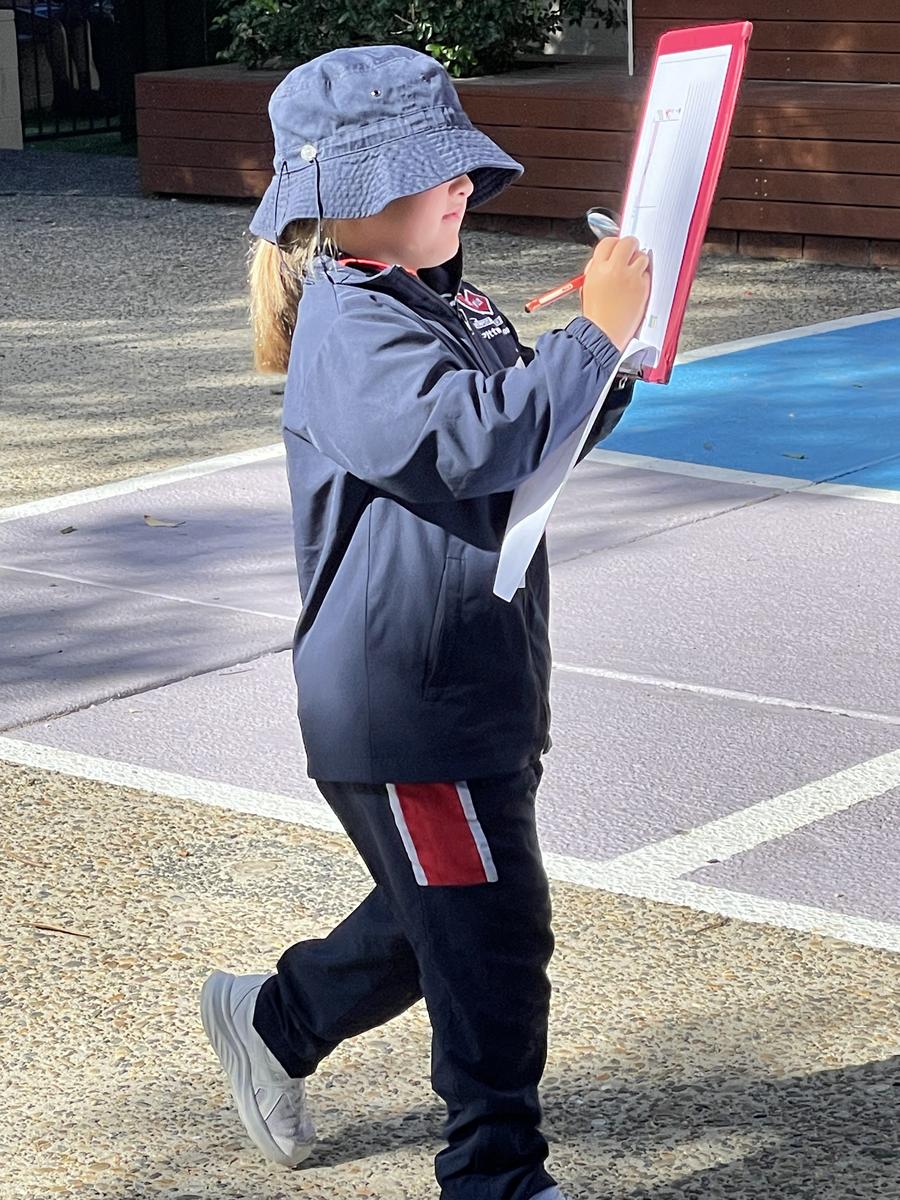
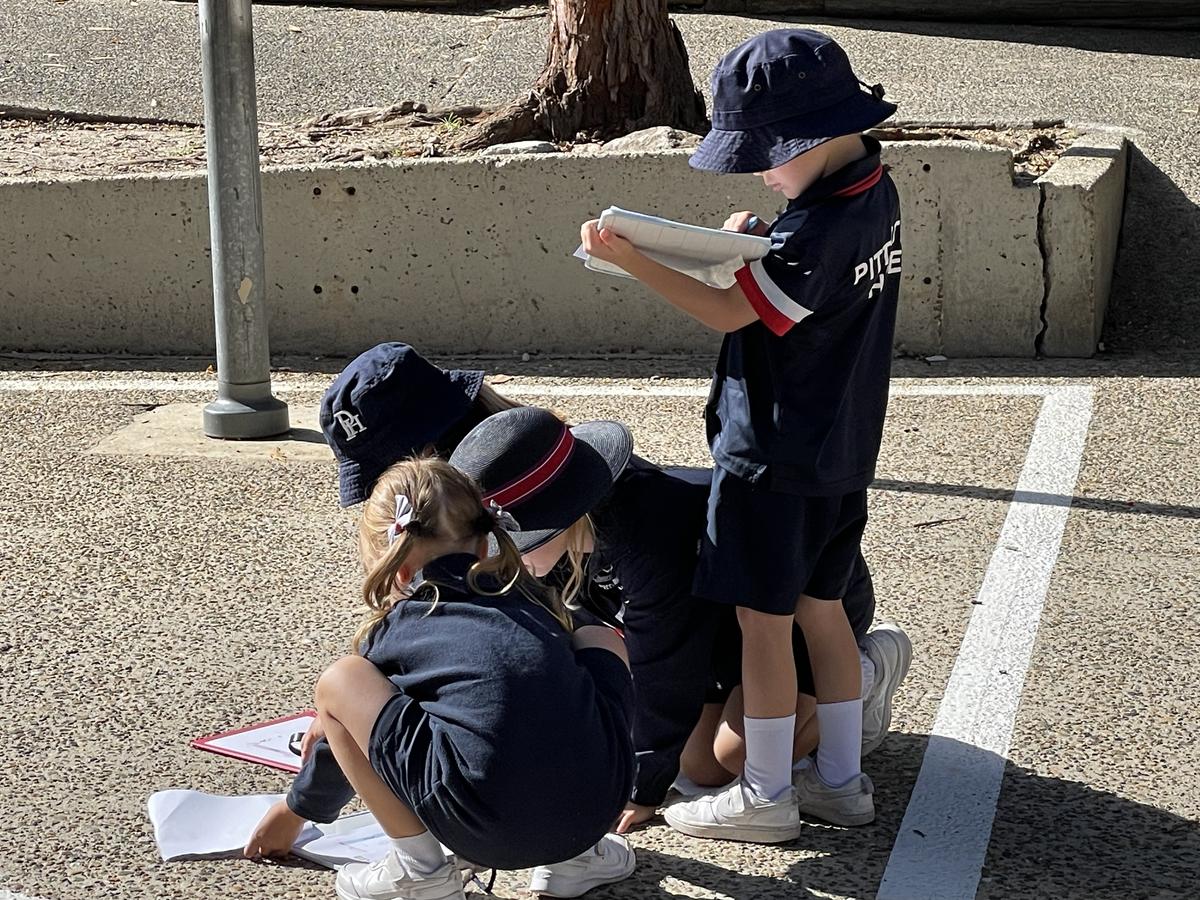
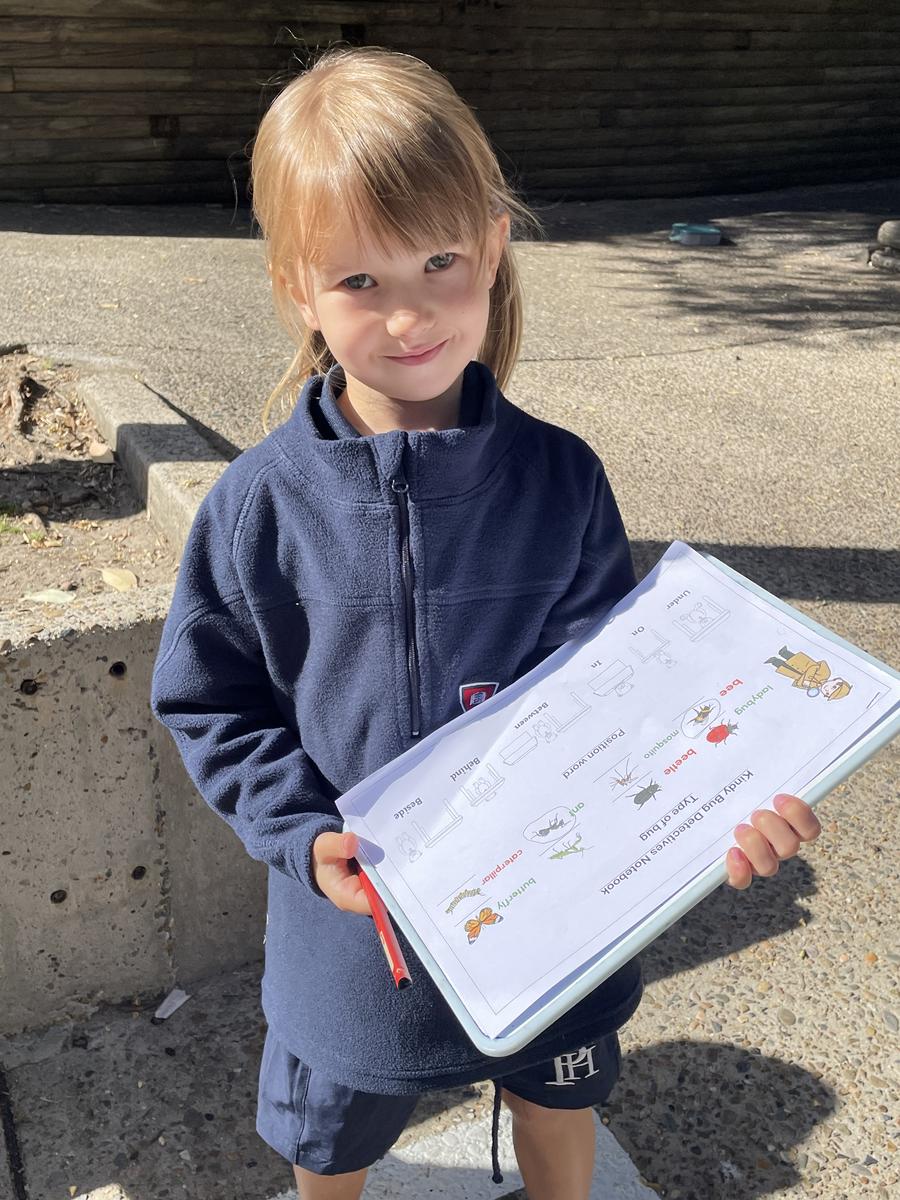
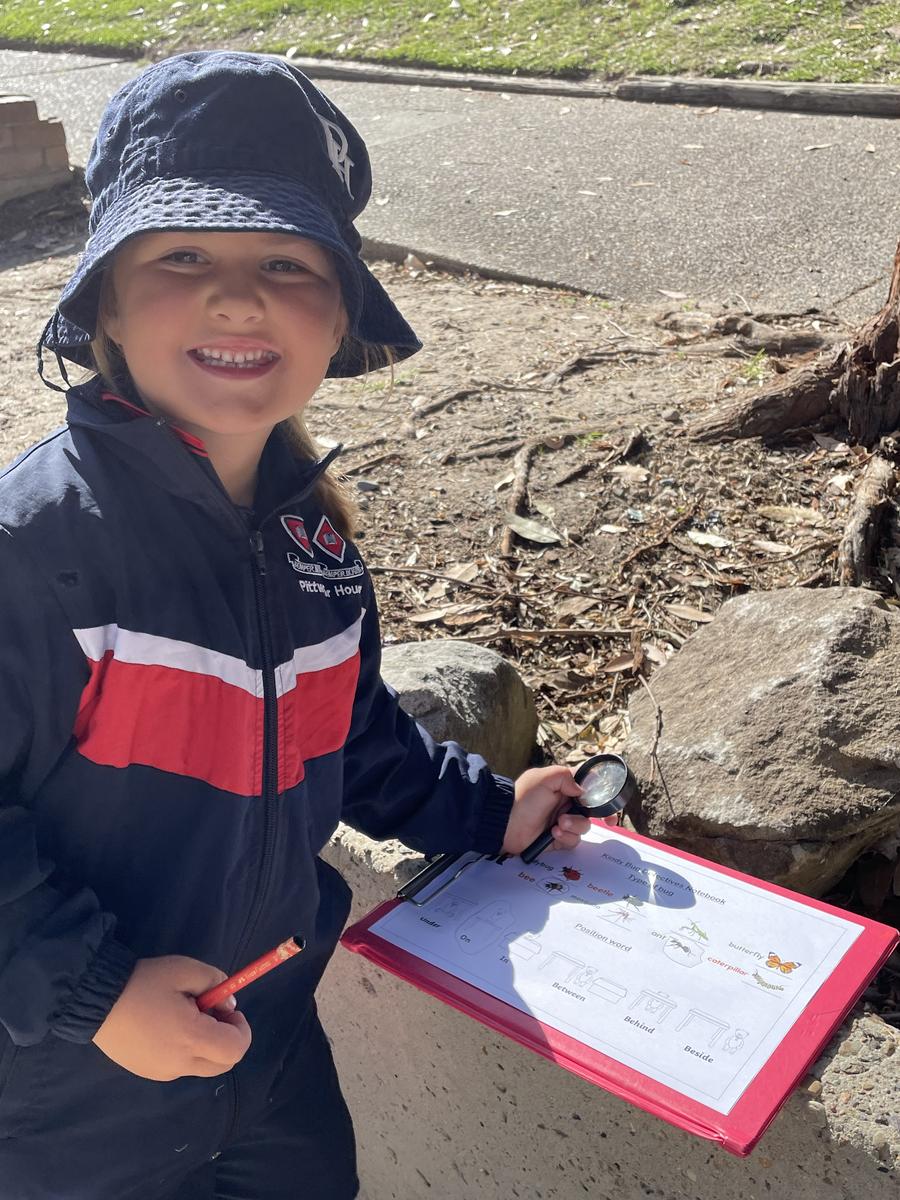
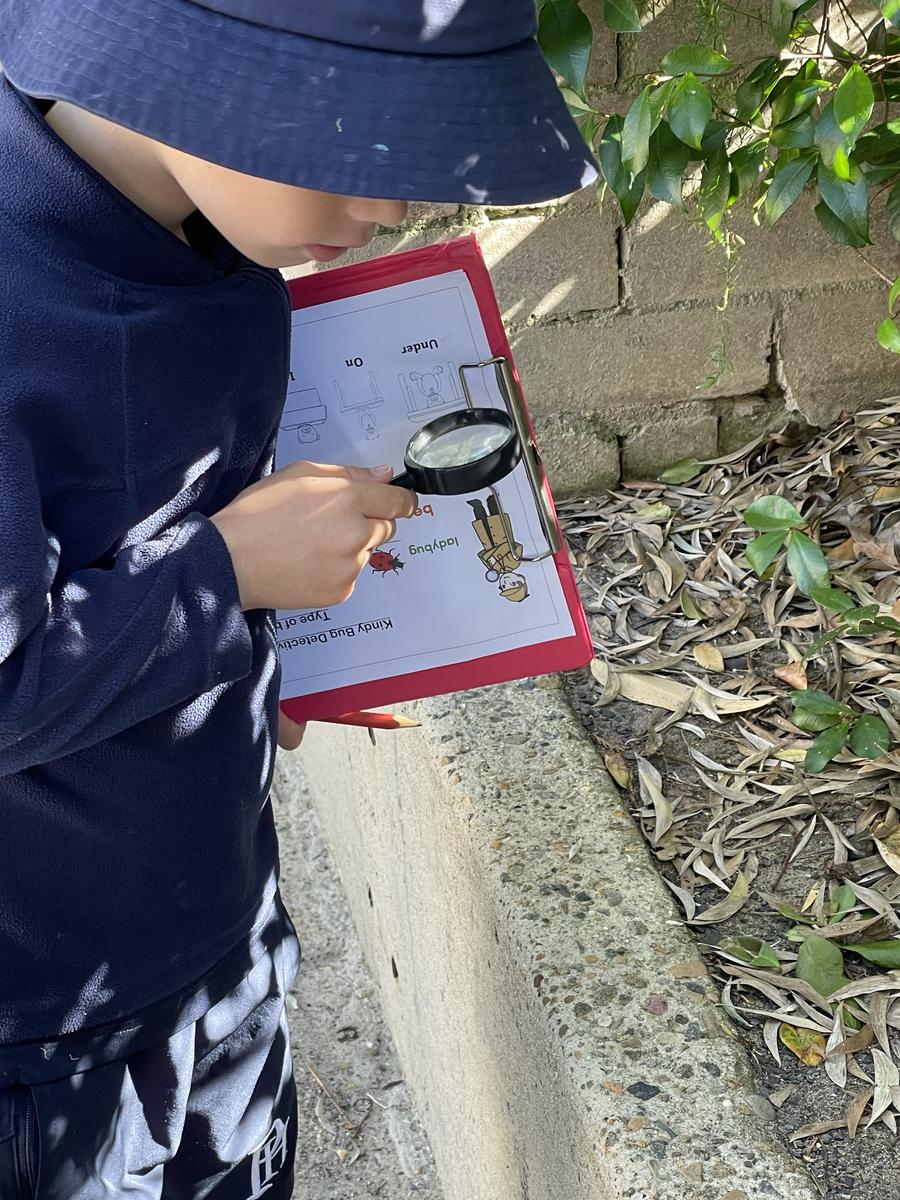
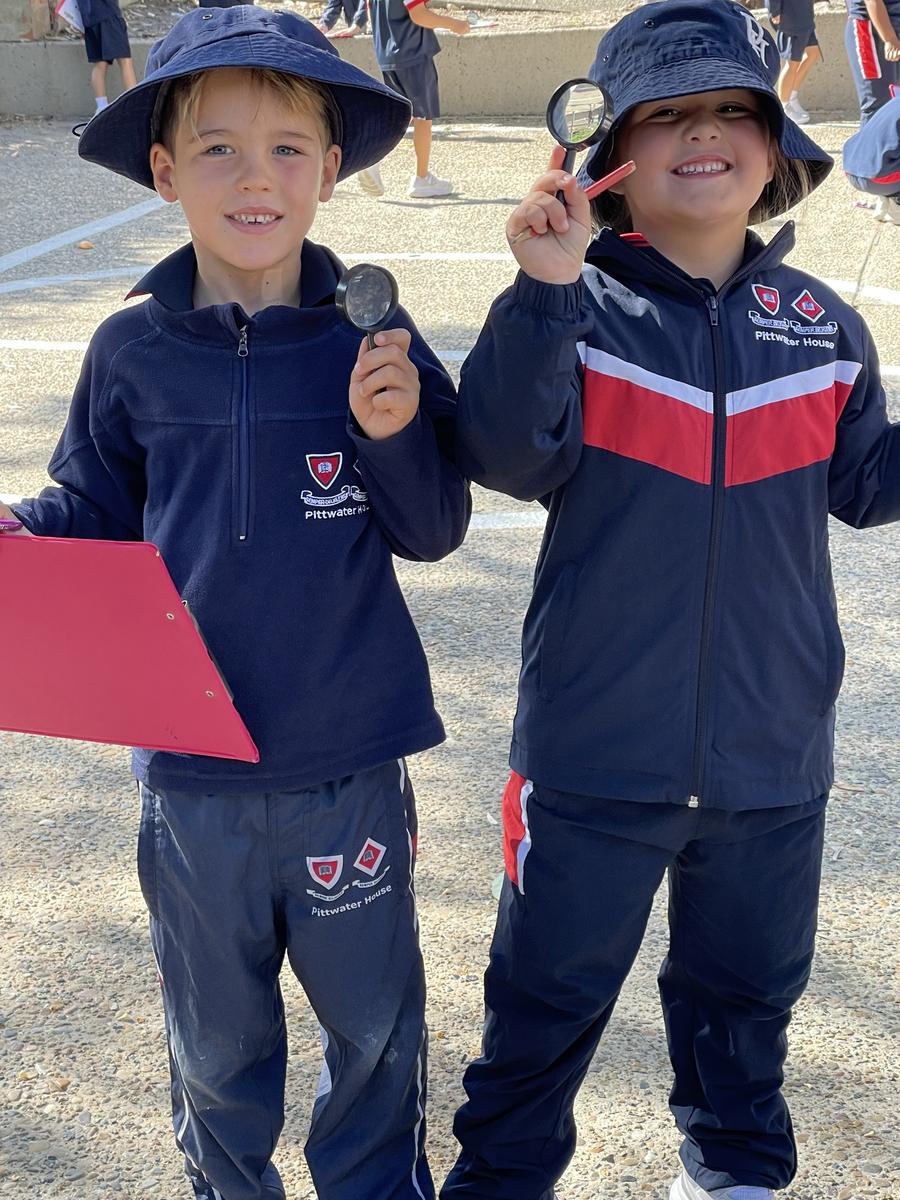
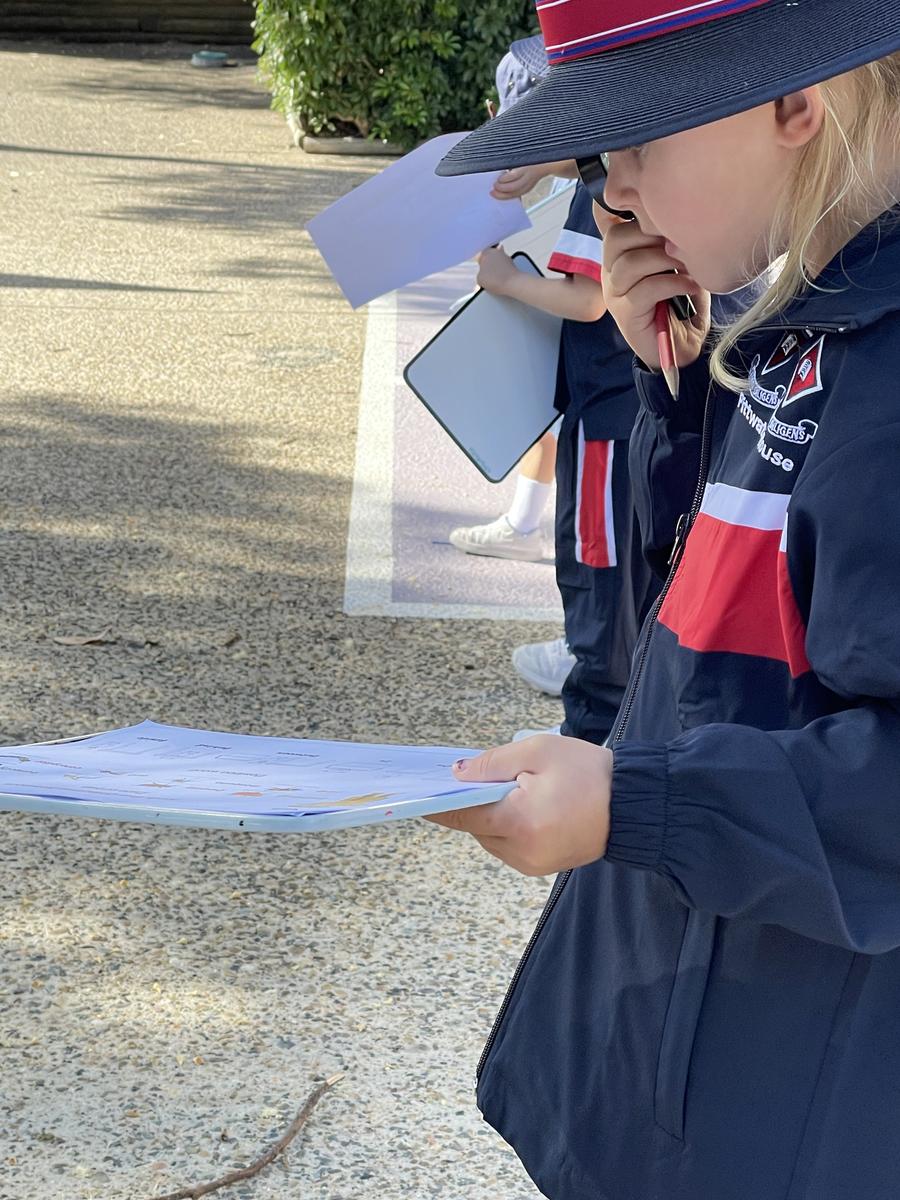
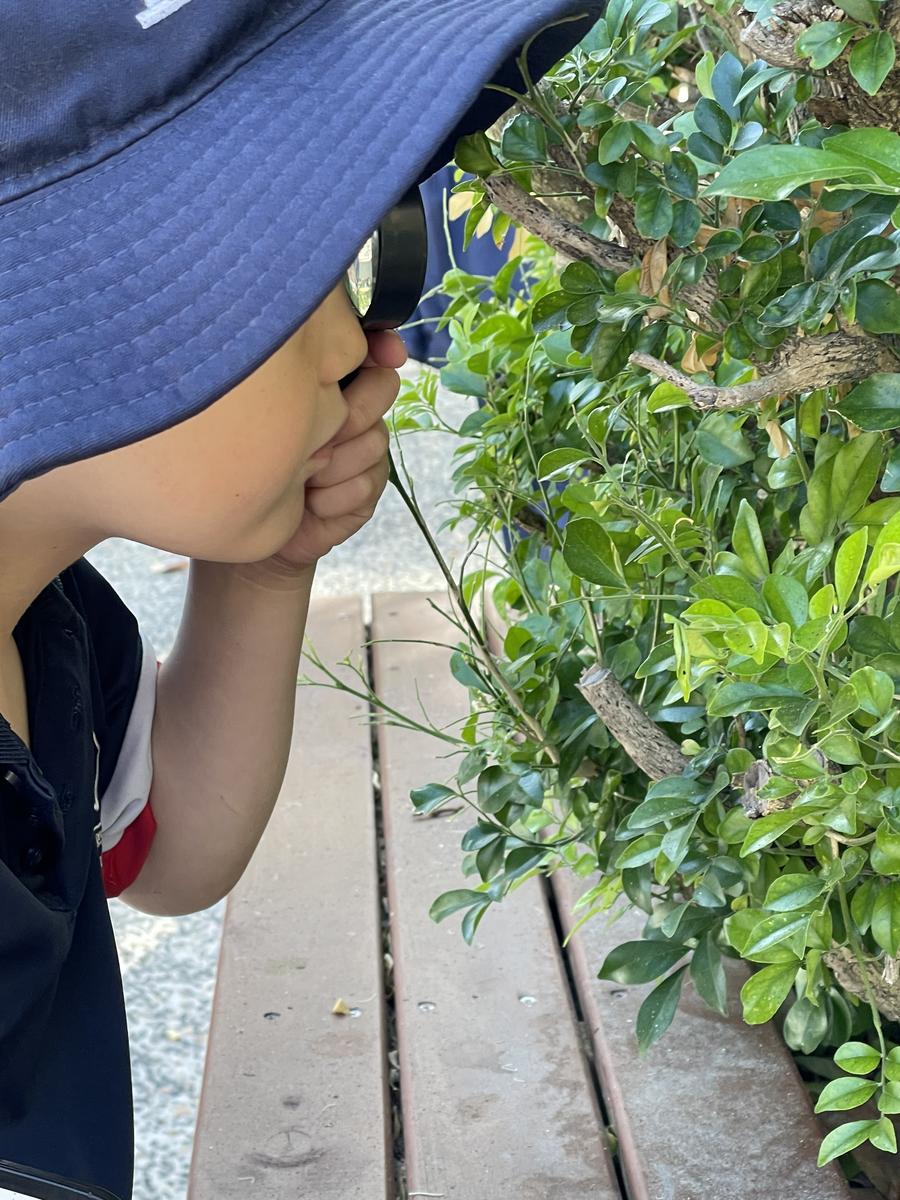
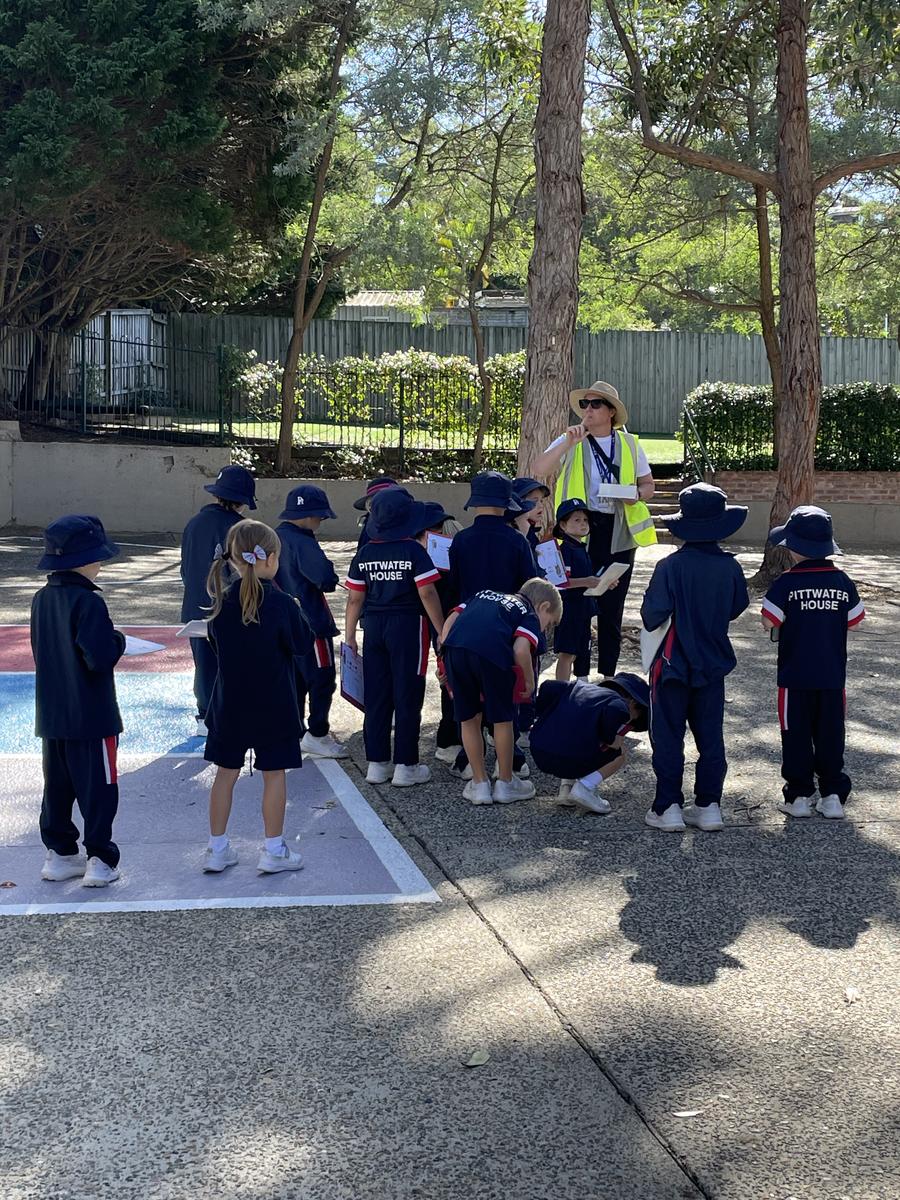
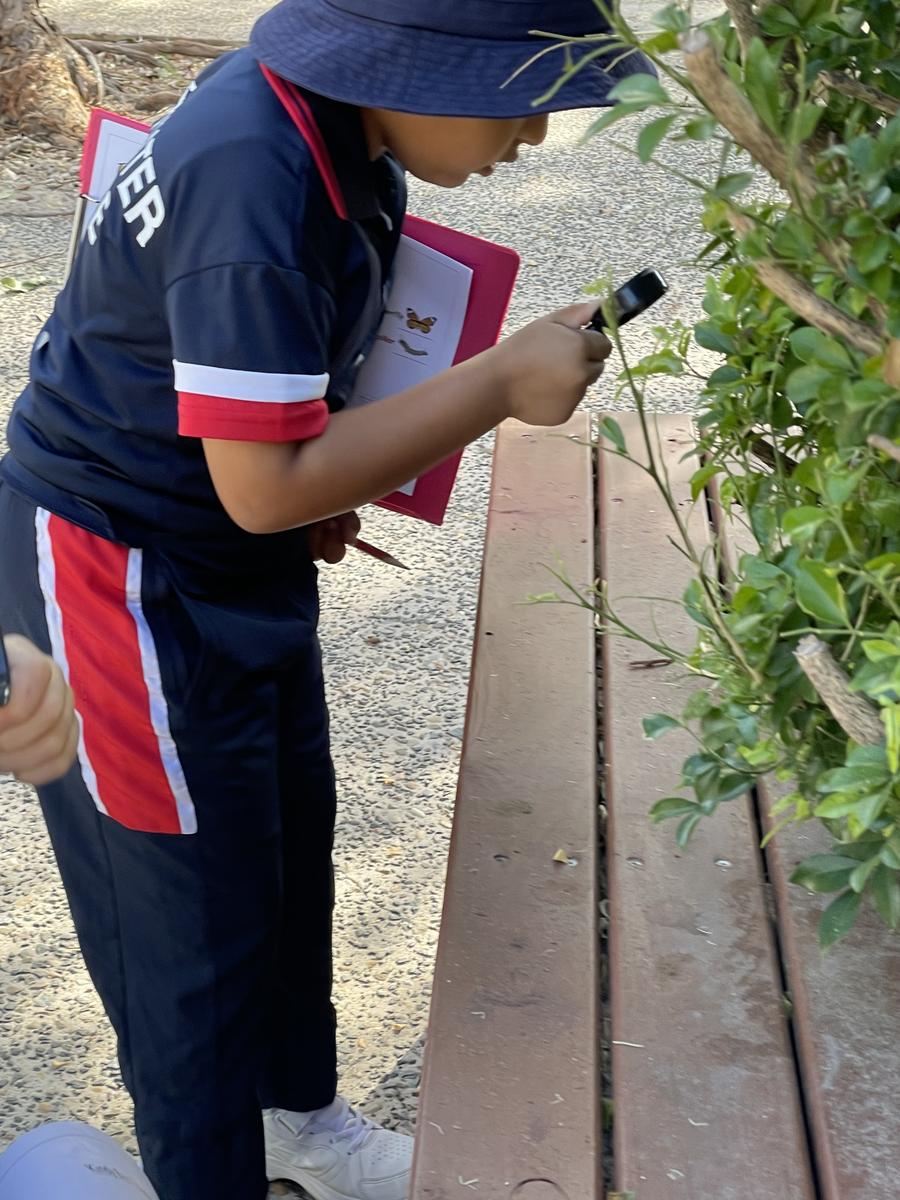
We loved seeing our Kindergarten students out and about exploring the playground as part of their learning. Our students were asked to use their magnifying glasses to find living creatures in the playground and then identify where they were on their work sheet.
Lunch Time Clubs
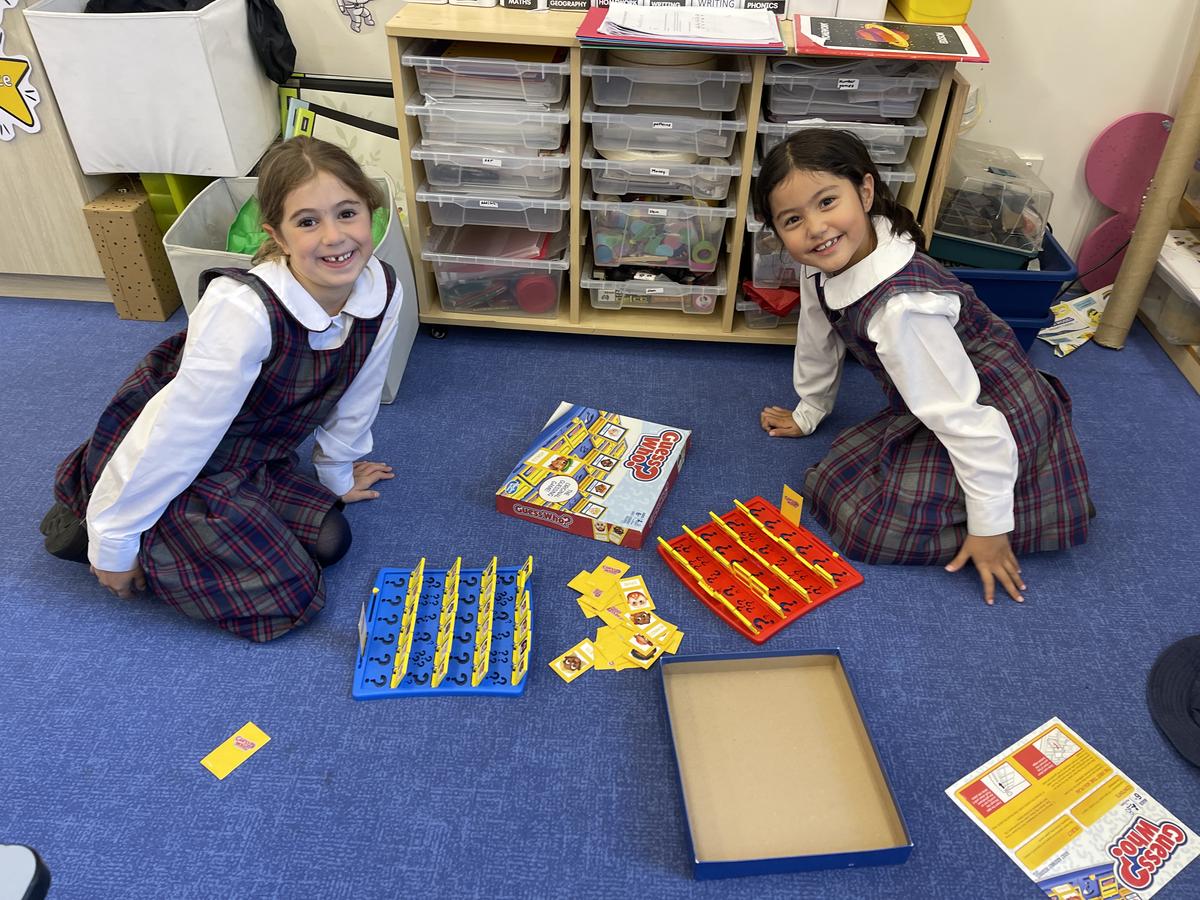
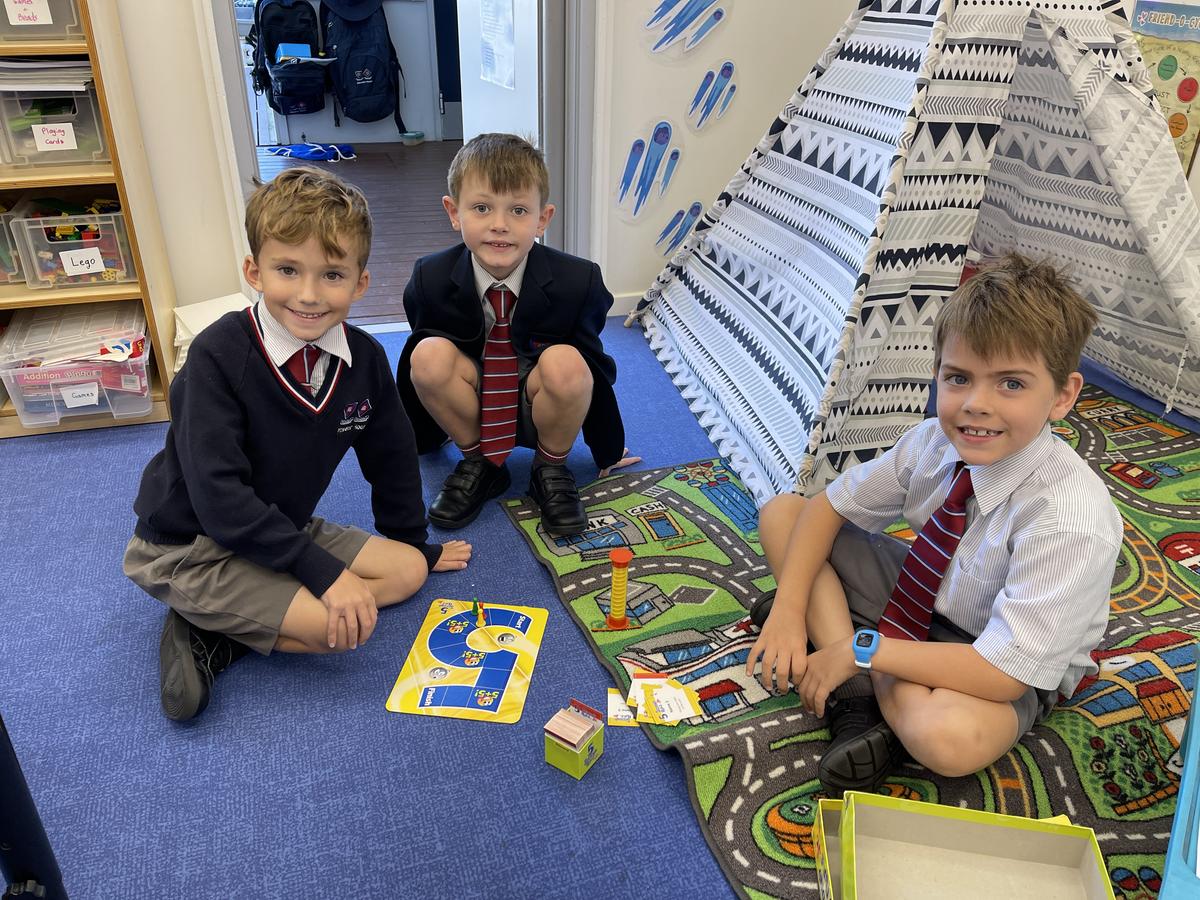
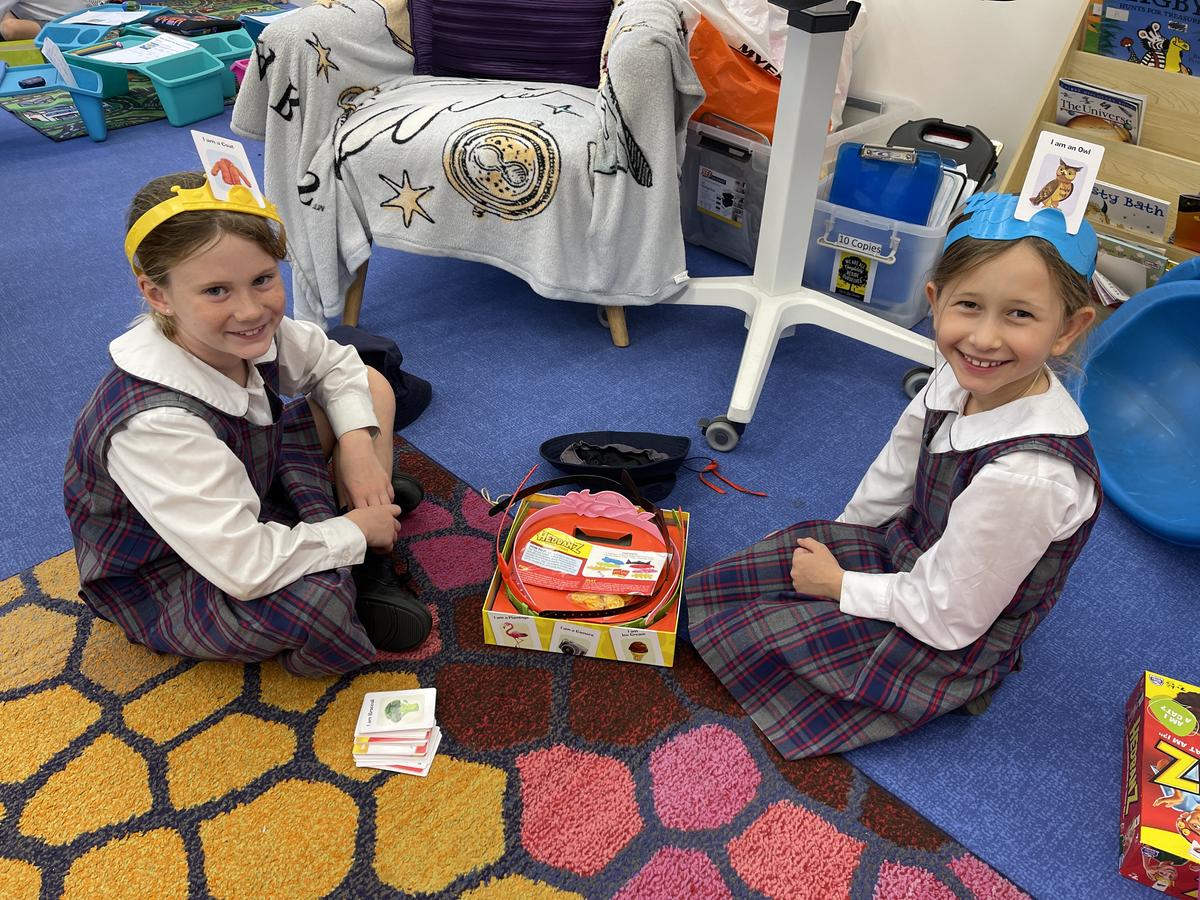
Our Junior School lunchtime clubs are in full swing, offering students a vibrant mix of activities to explore, enjoy, and connect with friends. From creative pursuits to hands‑on challenges, there’s something for every curious mind. Please see a selection of recent photos from our ever‑popular Board Game Club with Mrs Layton, where our K – 2 students not only have fun and share lots of laughs, but learn important social skills including resilience and turn taking, as well as exercise their fine motor and cognitive function skills.
Below please find the schedule of Term 2 Lunch Time Clubs:
| Day | Club | For |
| Monday | Photography with Mrs Richards | Years 1 – 2 |
| Tuesday | Chill Out Club with Mrs James | Years 3 – 6 |
| Tuesday | Board Game Club with Mrs Layton | Years K – 2 |
| Tuesday | French Club with Madame Guery | Years K – 6 |
| Wednesday | Art Club with Mrs Morrison | Years K – 2 |
| Thursday | Construction Club with Miss Saxby | Years K – 2 |
From the Junior School Curriculum Co-ordinator

Mrs Ciara Loughland
Mrs Ciara Loughland
It has been wonderful to see the students settle back into the school routine after the holiday break and engage so positively with the many learning opportunities offered here at Pittwater House during Term 2.
Next week marks an exciting milestone for our Kindergarten students, who will begin their Home Reading journey in alignment with our InitiaLit‑K reading program. The Kindergarten home reading program intentionally begins in Term 2 to ensure students have developed the foundational skills needed for reading success. In Kindergarten, learning to read is much more than learning a book by heart. Before children begin home reading, they need time to develop strong foundations in early reading skills, particularly listening to sounds and recognising how sounds are made.
The Term 1 InitiaLit‑K program is specifically designed to build these essential foundations for successful and confident home reading. During the first 10 weeks of the program, the focus is on:
- Sound awareness, where children learn to listen carefully to sounds in spoken words and identify beginning, middle and ending sounds
- Letter-sound knowledge, with students explicitly taught the most common sounds that letters make, enabling them to recognise letters and confidently say their sounds
- Blending and segmenting, where children practise blending sounds together to read simple words and breaking words into sounds for spelling, helping them read unfamiliar words independently
- Early decoding skills, including learning that words can be sounded out from left to right, an essential understanding for reading books successfully
At Pittwater House, home reading is carefully matched to what children are learning in class. The DRA decodable readers used for home reading are directly linked to the InitiaLit program, ensuring a consistent and supportive approach to early reading. Decodable readers are carefully designed books that help children practise early reading skills in a structured and supportive way. The words in these books can be sounded out using the letter–sound knowledge children have already been explicitly taught at school. This means children read by blending sounds together, rather than guessing from pictures or memorising text.
Decodable readers:
- Contain only the letter sounds that have been taught so far
- Include a small number of high‑frequency words that students have already learned
- Follow a clear and predictable structure to support early success
Encourage children to look closely at letters and sounds in words
Additionally, decodable readers support the development of:
- Accurate reading
- Confidence and independence
- Strong phonics skills that transfer to all reading
We are fortunate to have an outstanding library at Pittwater House, offering a wide range of texts to suit varied reading levels, interests and passions. Students participate in weekly Library lessons, where they have opportunities to borrow new texts, explore different authors and genres and develop positive reading habits. This regular access to quality literature supports students in broadening their reading choices, deepening comprehension and fostering a genuine enjoyment of reading.
From the Junior School PDHPE Co-ordinator

Mrs Amy Maloney
Mrs Amy Maloney
The IPSHA Cross Country Carnival was held in the final week of last term at The King’s School, where Pittwater House was represented by a team of 35 runners. Students competed with determination as they tackled a challenging course, demonstrating strong effort, resilience and sportsmanship throughout the event.
Congratulations to Monroe (J6), on her 5th place finish and to Jack (P5), on his 2nd place. Both students will now go on to represent Pittwater House and IPSHA at the upcoming CIS Cross Country Championships at Eastern Creek.
We are proud of all students who represented the school and the way they approached the day with a positive attitude and willingness to challenge themselves.
The NSWPSSA Swimming and Diving Carnival was held on 28 April, where Monroe (J6), and Elliot (P5) both achieved outstanding results in the Diving event, qualifying for the School Sport Australia Championships. They will now represent NSW in Term 3 at the Melbourne Sports and Aquatic Centre.
Save the Dates:
| Date | Event |
| Friday 8 May | K – 6 Assembly |
| Friday 8 May | PHPA Mother’s Day Lunch |
| Monday 8 June | King’s Birthday Public Holiday |
| Thursday 11 June | Junior School Performing Arts Evening |
| Monday 15 June | Years 2 – 6 Athletics Carnival |
| Thursday 11 June | Junior School Performing Arts Evening |
| Monday 15 June | Years 2 – 6 Athletics Carnival |
| Friday 26 June | Last Day of Term 2 |
| Tuesday 21 July | Students Return Term 3 |
| Tuesday 21 July | Foundation Day Assembly / Relay |
| Friday 18 September | Last Day of Term 3 |
| Tuesday 13 October | Students Return Term 4 |
| Tuesday 8 December | Last Day of Term 4 |