
Technology News
Year 7 Students Use Robotics to Solve Real-World Challenges
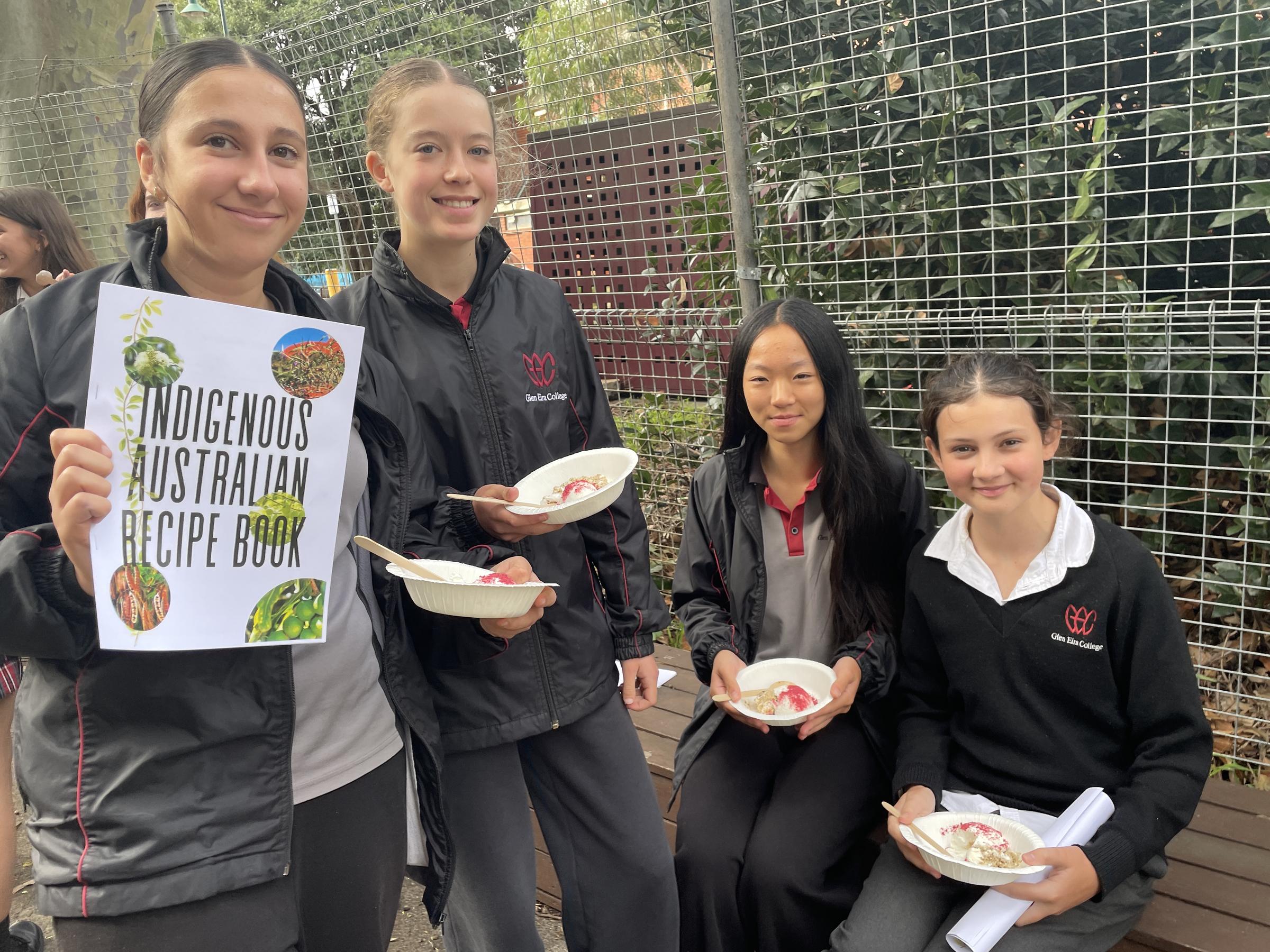
Our Year 7 Robotic Systems students have been busy developing their programming and problem-solving skills by designing and coding robots to tackle virtual real-world scenarios.
Throughout the term, students worked in teams to program their robots to complete a variety of important missions. Some students programmed ambulances to safely navigate through obstacles and collect injured people, while others developed rescue robots capable of locating earthquake victims trapped in disaster zones. Another group designed police vehicles that could respond to emergency situations.
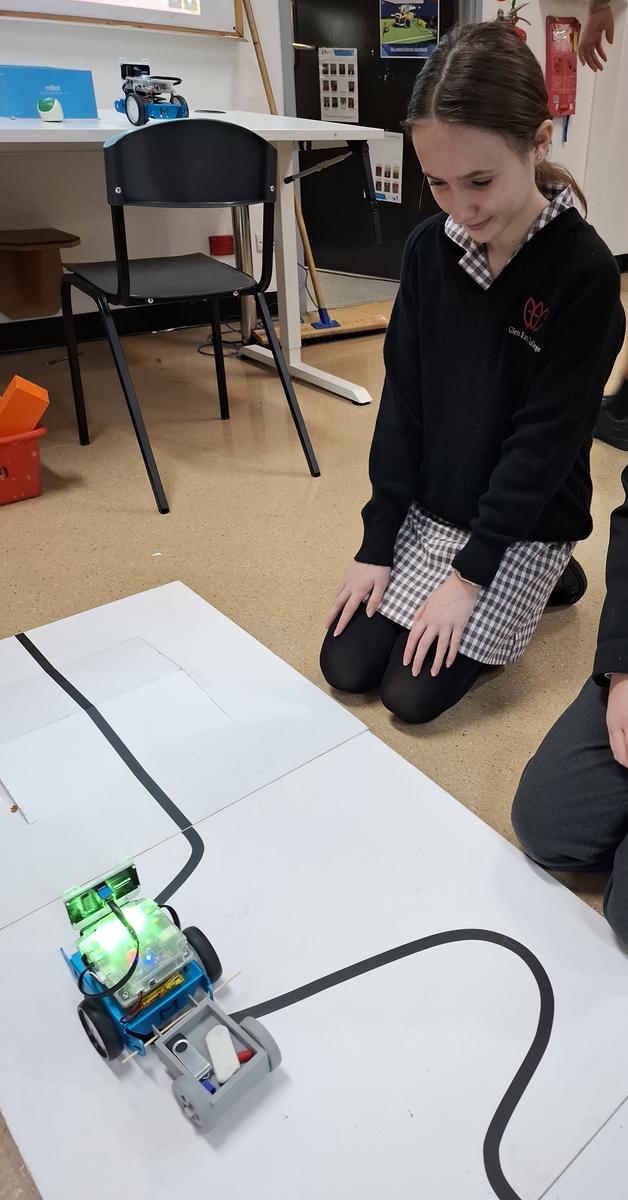
After creating and testing their programs in a virtual environment, students transferred their code to robots and tested them on specially designed floor mats that resembled real-world environments. These challenge courses included roads, buildings, obstacles, and rescue zones that required careful planning, accurate programming, and effective teamwork.
Students demonstrated excellent perseverance as they refined their code, identified errors, and improved their robots' performance through multiple rounds of testing. They learned the importance of computational thinking, engineering design, and collaboration while applying their knowledge to meaningful real-world problems.
Ounsane Siriamphone
Technology Leader
Reconciliation Week Celebration: Indigenous Taste Testing
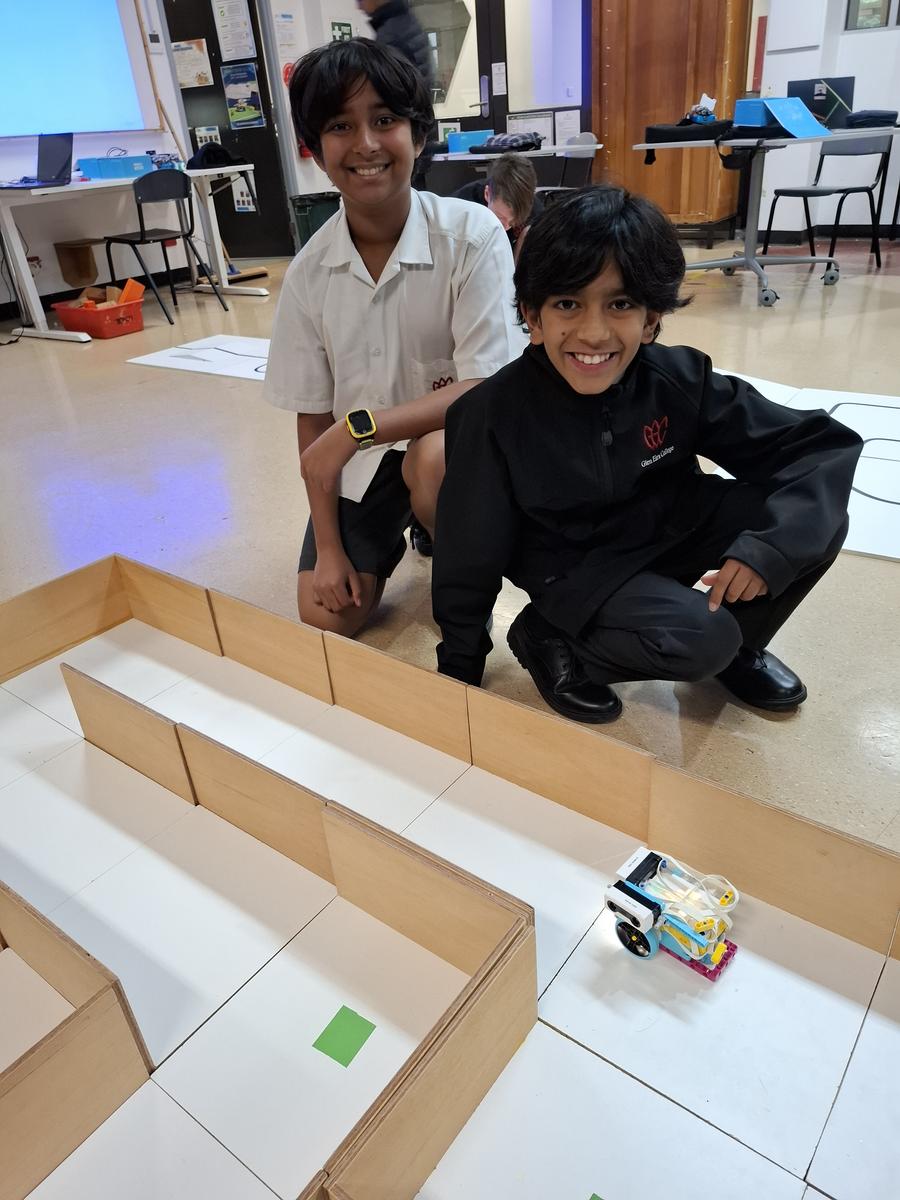
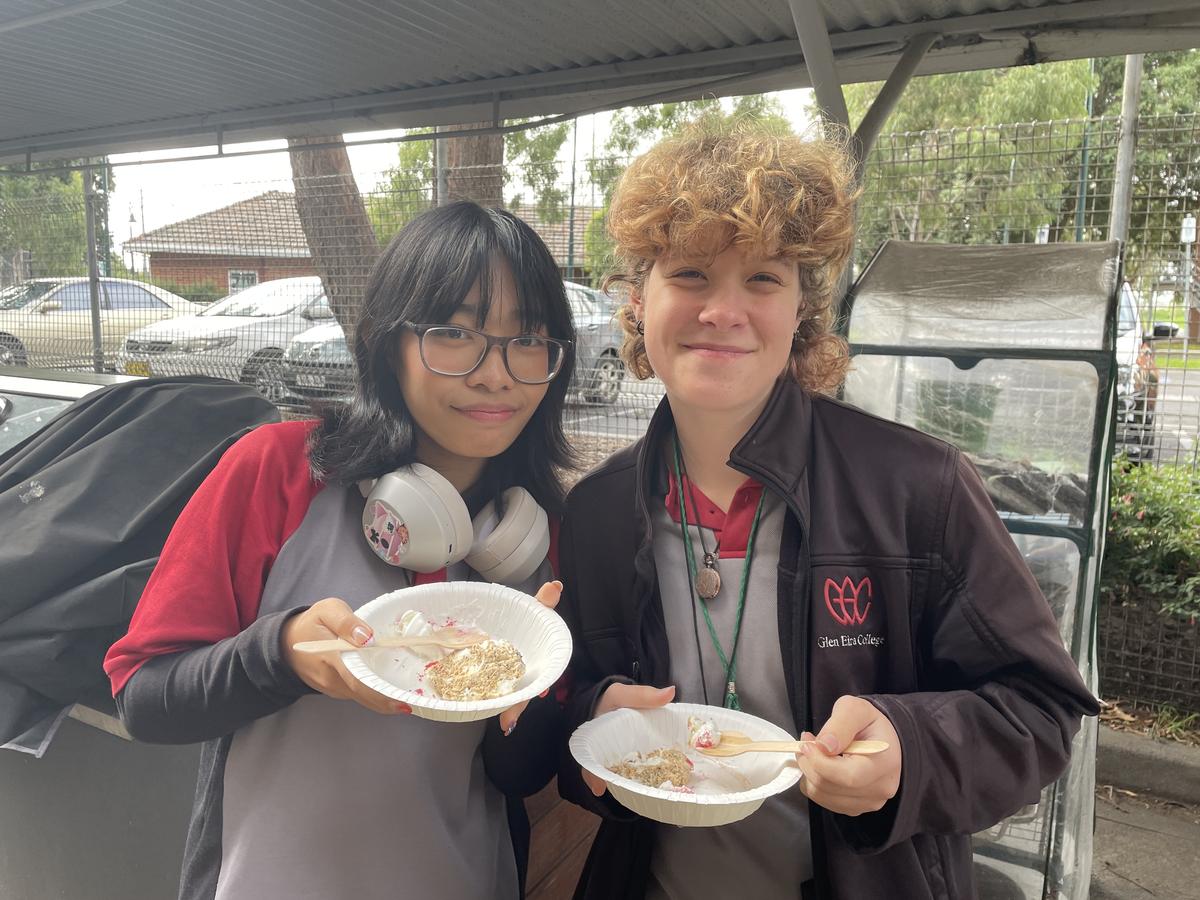
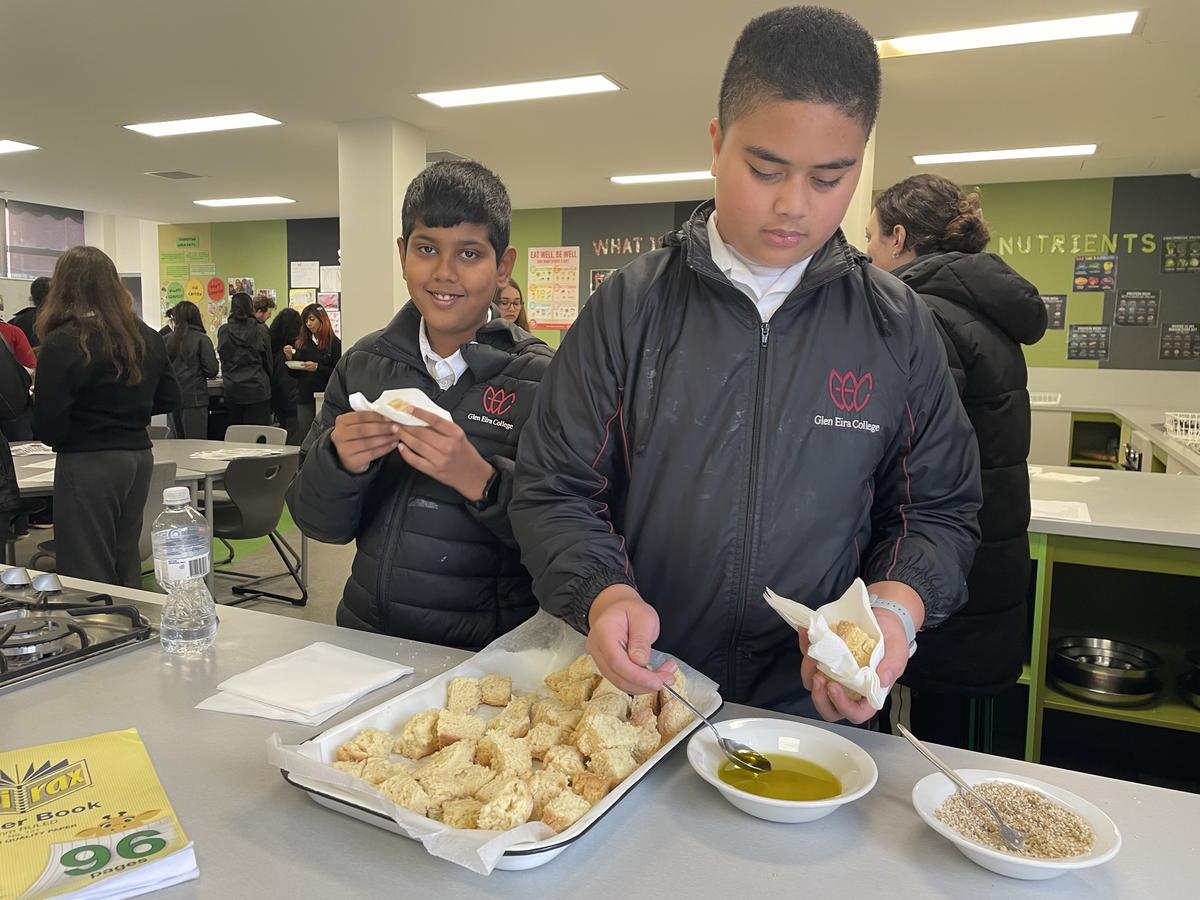
During Reconciliation week on Tuesday 2nd June students were give the opportunity to try some Indigenous ingredients. Australian indigenous ingredients are known for their nutritional benefits, environmental sustainability, and by purchasing these items you are potentially supporting First Nations communities. On the day students were able to experience Wattle seed ice cream, Davidson’s Plum with vanilla ice cream and a native dukkha served with damper and olive oil.
Some of the comments from students after trying the indigenous ingredients were:
“I have never tried indigenous ingredients and they were yummy.”
“I enjoyed the Wattle seed ice cream as I did not know it tasted a bit like coffee.”
"Delicious and yum" – Eva Sherman
"Amazing, 10/10" – Lyan Yau
"Davidson’s plum with the icecream was really good" – Alexander and Cole Rathgen
"Really good!!! Davidson’s plum with the icecream was my favourite" – Shenuki Udage
"Really nice" – Mili Bajawa
It was great to see the students enjoying all of the food items provided.
As well as tasting the ingredients students were provided with an Indigenous recipe book that outlined recipes as well as the Aboriginal uses of the native ingredient plus nutritional benefits.
Here is information about two of the ingredients used on the day:
Lemon Myrtle
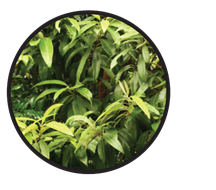
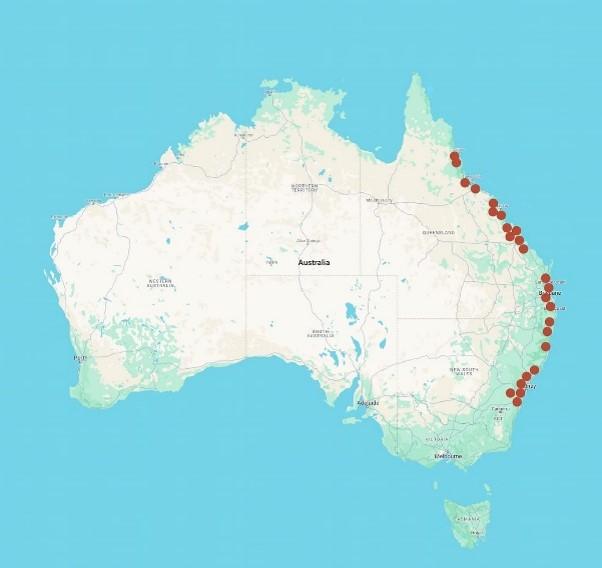
Traditional uses by some Aboriginal tribes:
Medicinal Antiseptic: Leaves were crushed into a paste to treat infections, wounds, and skin conditions.
Respiratory Care: Crushed leaves were inhaled or brewed to treat colds, headaches, and sore throats.
Insect Repellent: Leaves were burned on campfires to deter insects.
Flavouring: Used in traditional cooking as a versatile bush herb.
Nutritional benefits: It contains antioxidants and is non-acidic. It is also anti-fungal and anti-microbial which may inhibit the growth of pathogens and organisms which cause diseases like ulcers. The tea can be used as an inhalant to receive colds and other congestive disorders.
Davidson Plum
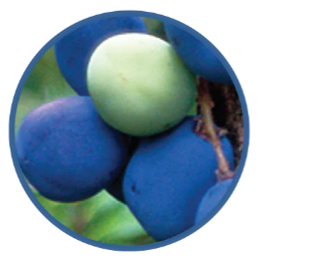
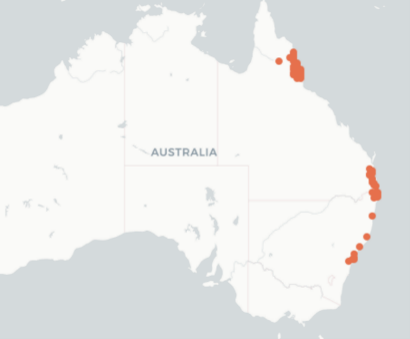
Traditional uses:
Fresh Consumption: Despite its intense sourness, the fruit was eaten raw. It served as a valuable source of hydration and nutrition while moving through the rainforest.
Digestive Aid: The fruit was traditionally used in remedies to help with digestion.
Utilitarian Uses: The Davidson Plum tree was valued for more than just its fruit. The physical characteristics of the tree were utilized for hunting and crafting.
Nutritional benefits: Davidson Plums are a good source of vitamin C. Davidson Plum fruit contains a powerful antioxidant called anthocyanin, a type of flavonoid and pigment which gives the plum a rich red colour. Anthocyanins can offer some protection from damage to our body cells which can help prevent common diseases. They contain vitamin E, lutein, folate, zinc, magnesium, potassium and calcium as well.
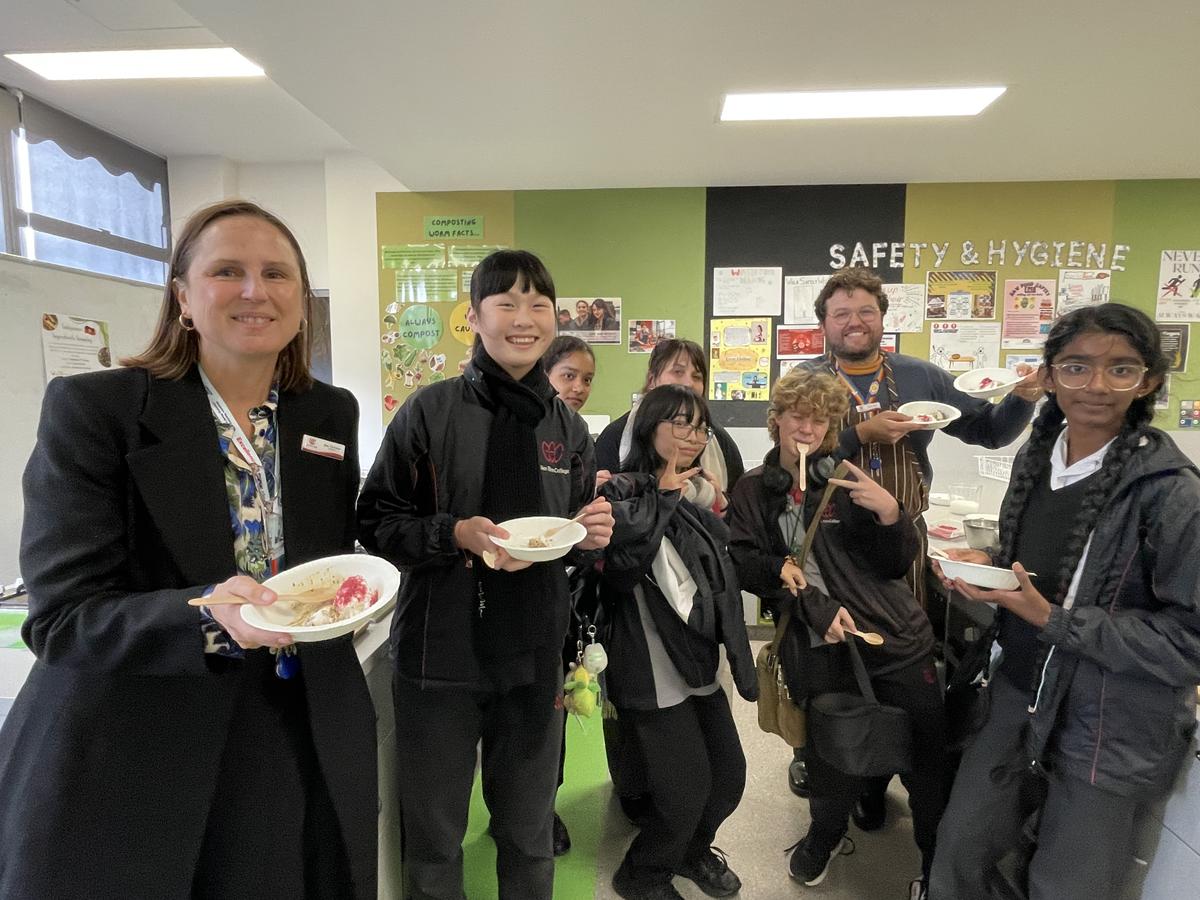
During the event Wattleseed was very popular. You might like to try at home the recipe below:
Wattleseed Shake
INGREDIENTS
1 cup of Milk (your choice of dairy or nut milks)
20ml of Roasted Wattleseed strong brew (see below how to do it) on how to do it)
1 tsp of cocoa
1 Banana
1 pitted date
METHOD:
Step 1:
Wattleseed brew:
In a coffee plunger, brew 5-10g of NATIF Roasted Wattleseed into 1 cup of boiling water, wait 5 minutes
Step 2:
Blend all ingredients until smooth. Pour into a glass cup.
Step 3:
Sprinkle with a pinch of chocolate powder or Wattle seed grind.
If you would like to try more indigenous recipes then go to the NATIF website at www.natif.com.au I would like to acknowledge Natif for their ideas and recipes on the website on how to prepare and utilise indigenous ingredients when cooking. If you would like to order your own indigenous ingredients Natif is based in Moorabbin for pickup of ingredients or you can order online and have them sent in the post to your home.
Lastly, I would like to take the opportunity to thank Ms Eap Madame Narayanen, Ms Schmidtke, Ms Mattson, Mr White, Ms Chen, Mrs Lawson, Mrs Darvell and Mrs Thorton for their support and help in making this an enjoyable event for all students.
Elizabeth Allan
Food Technology Teacher