
Learning & Teaching
Josy Reeder
Learning & Teaching
Josy Reeder
Preparation for the 2026 Australian Mathematics Competition (AMC) is well under way. The AMC is an engaging 30 problem competition that demonstrates the importance and relevance of Mathematics in students’ everyday lives; it is open to students in Grades 3 to 12. Students are given 60 minutes to complete the mathematical assessment.

Students have been invited to participate by the classroom teacher, Mathematics Leader and Principal using assessment data to determine which students might benefit from the opportunity.
If you have not been contacted and would like your child to participate, please contact Nicole Collins on 03 9584 9488 or collinsn@olacheltenham.catholic.edu.au for more information.
Nicole Collins
Mathematics Leader
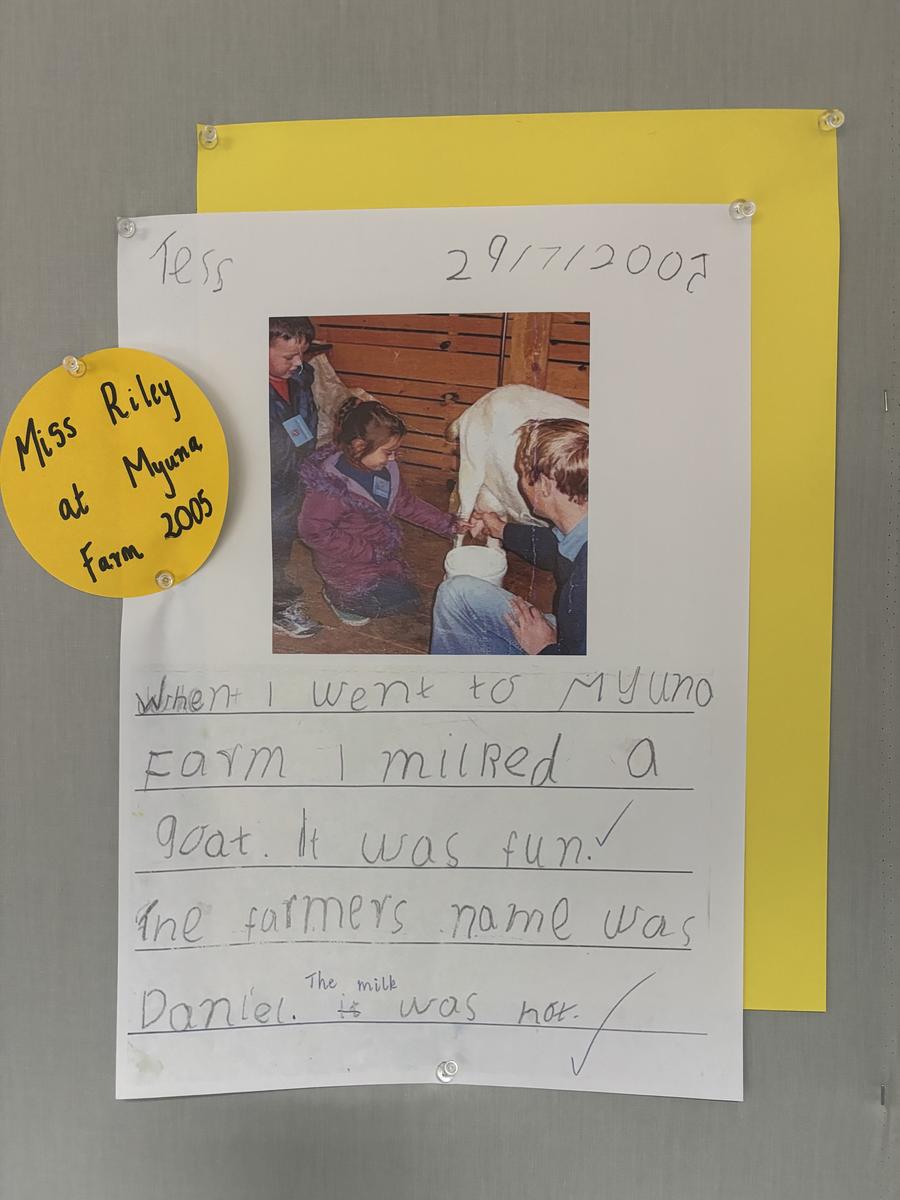
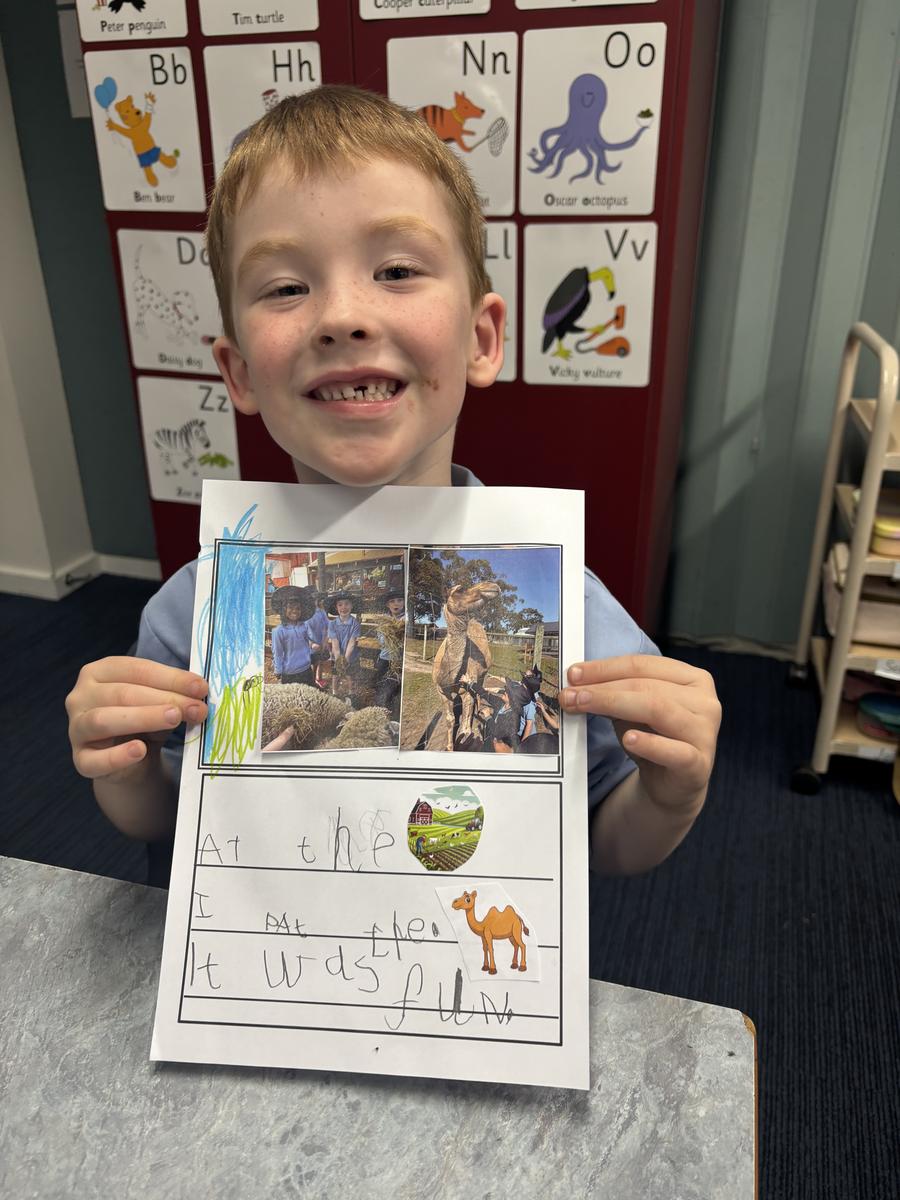
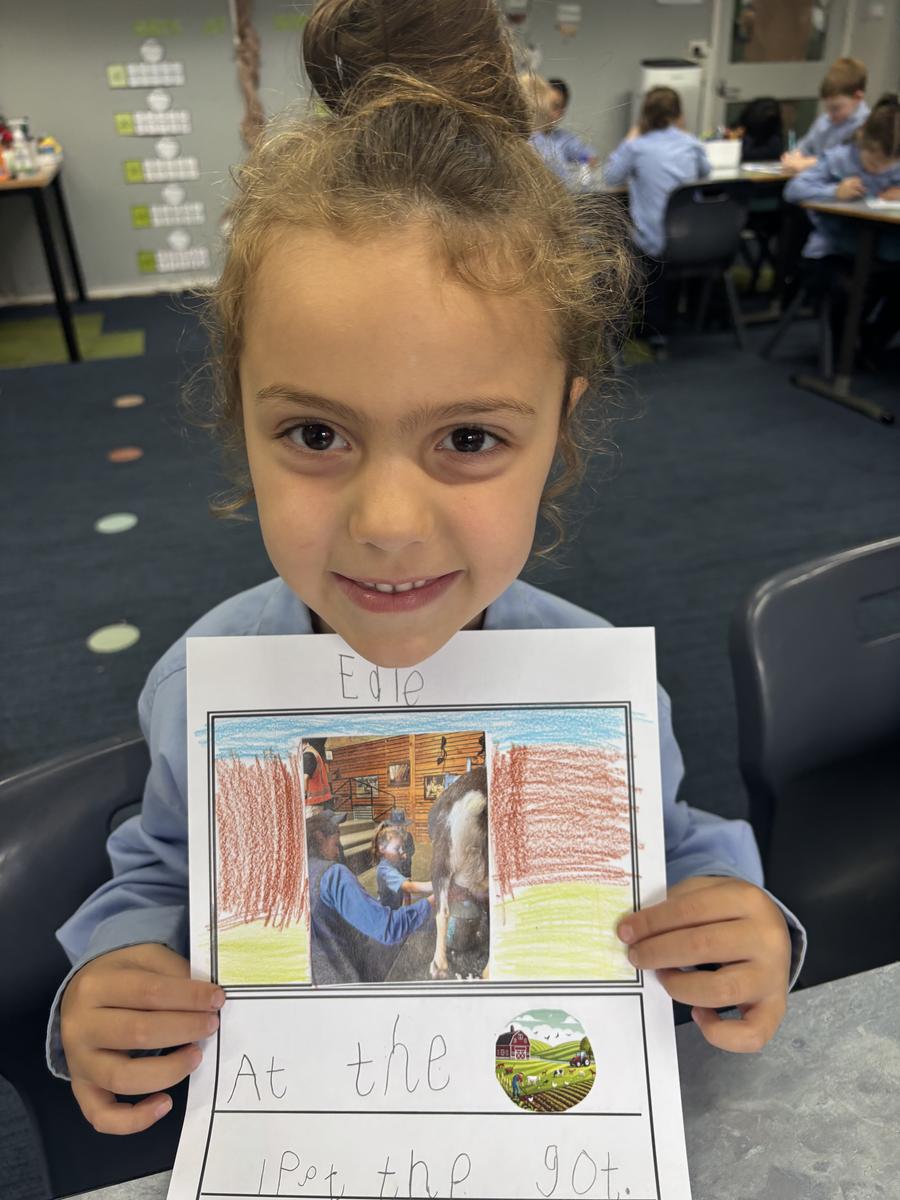
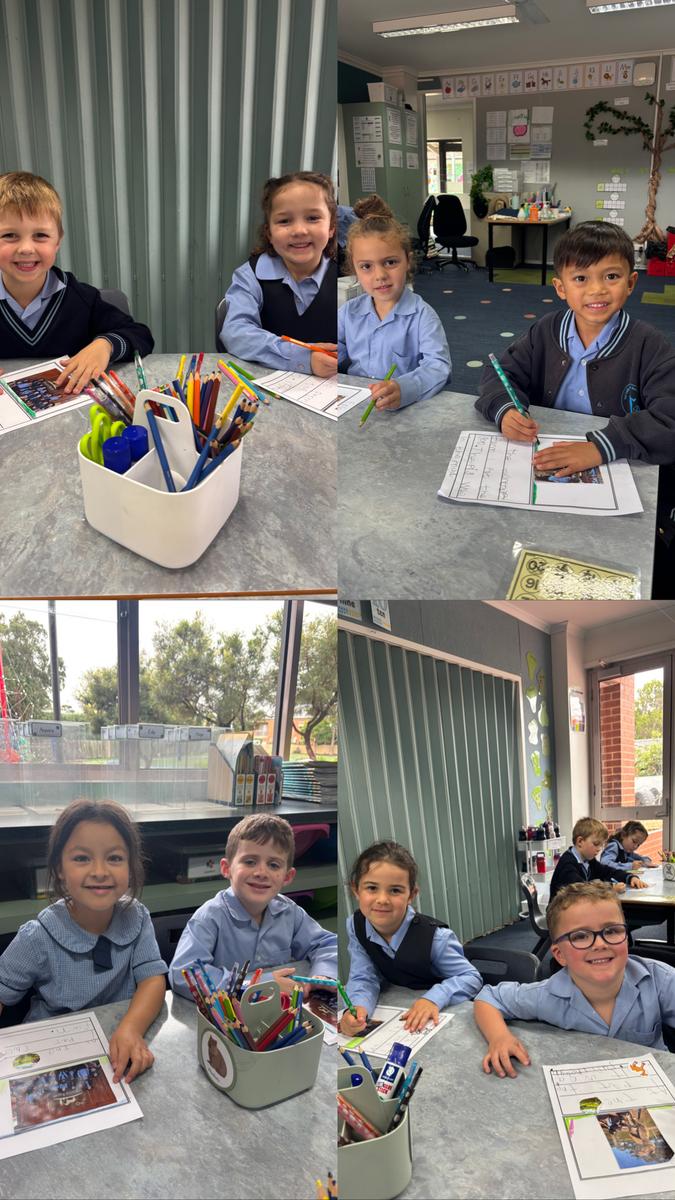
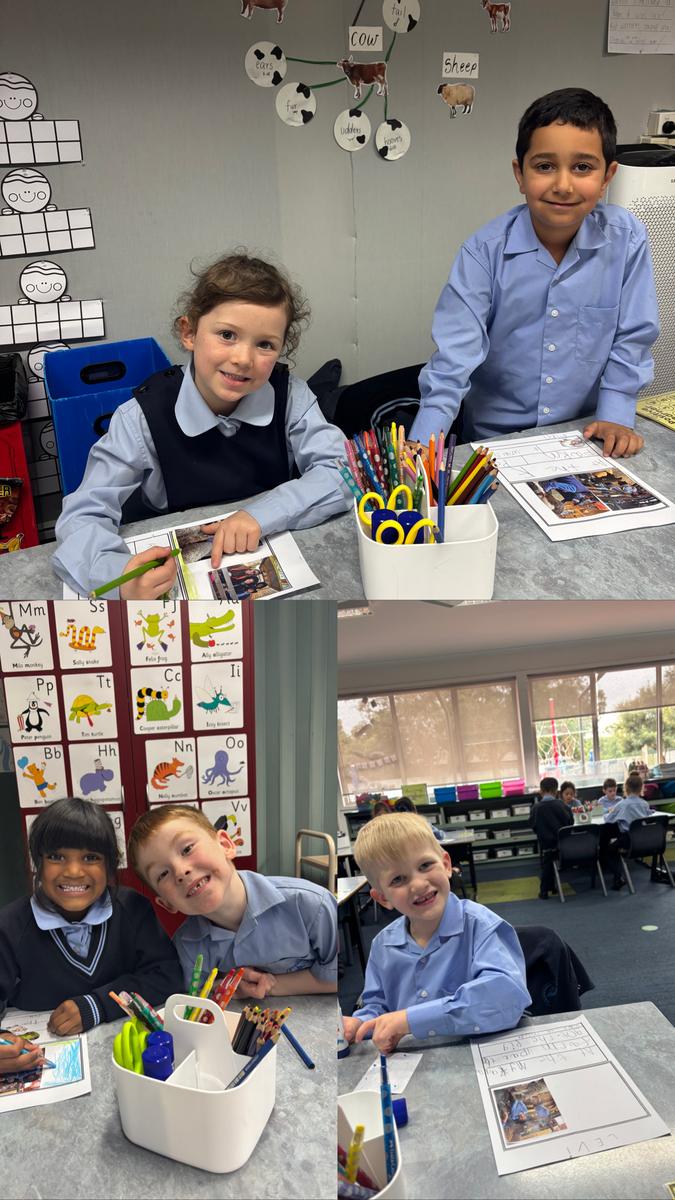
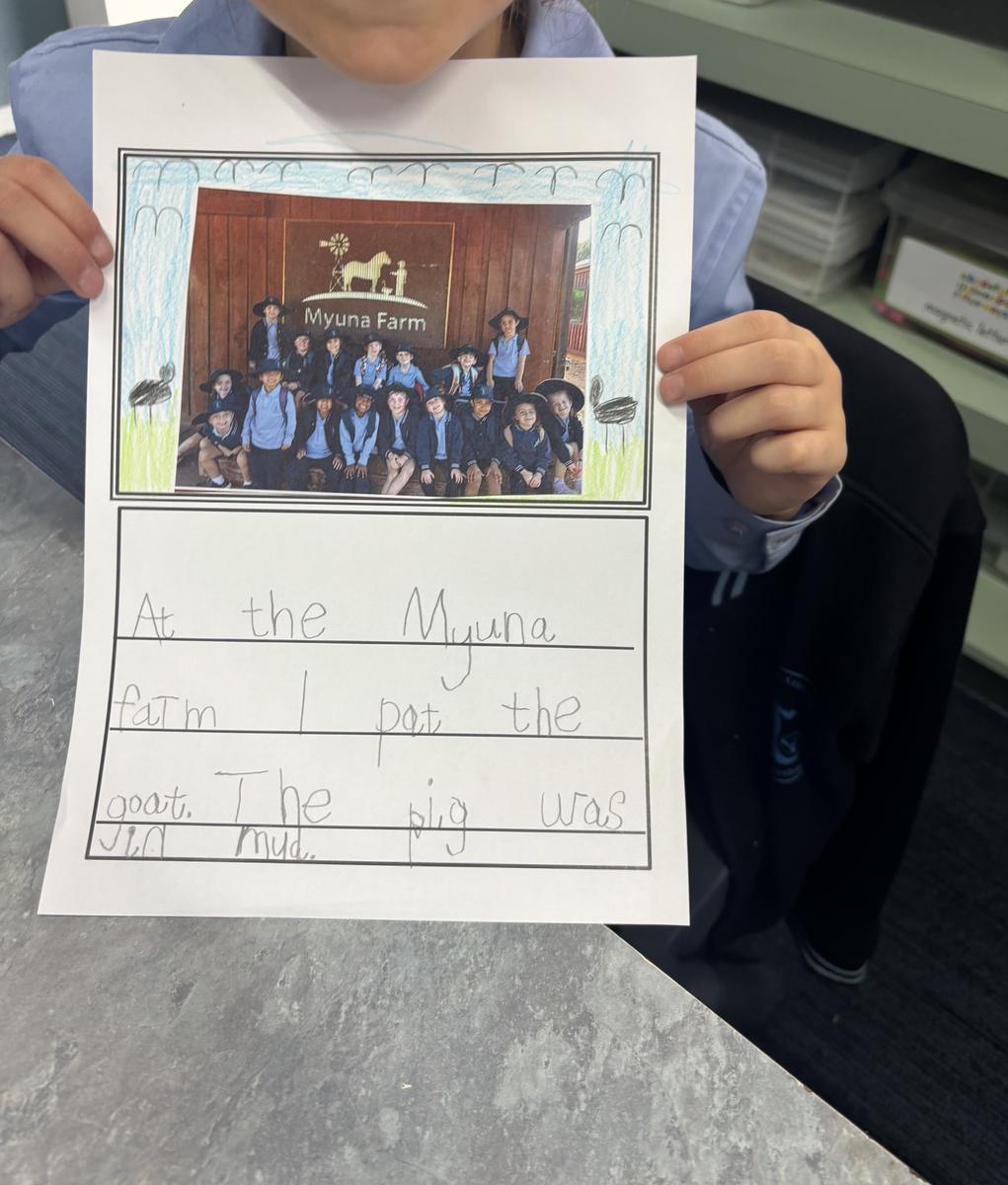
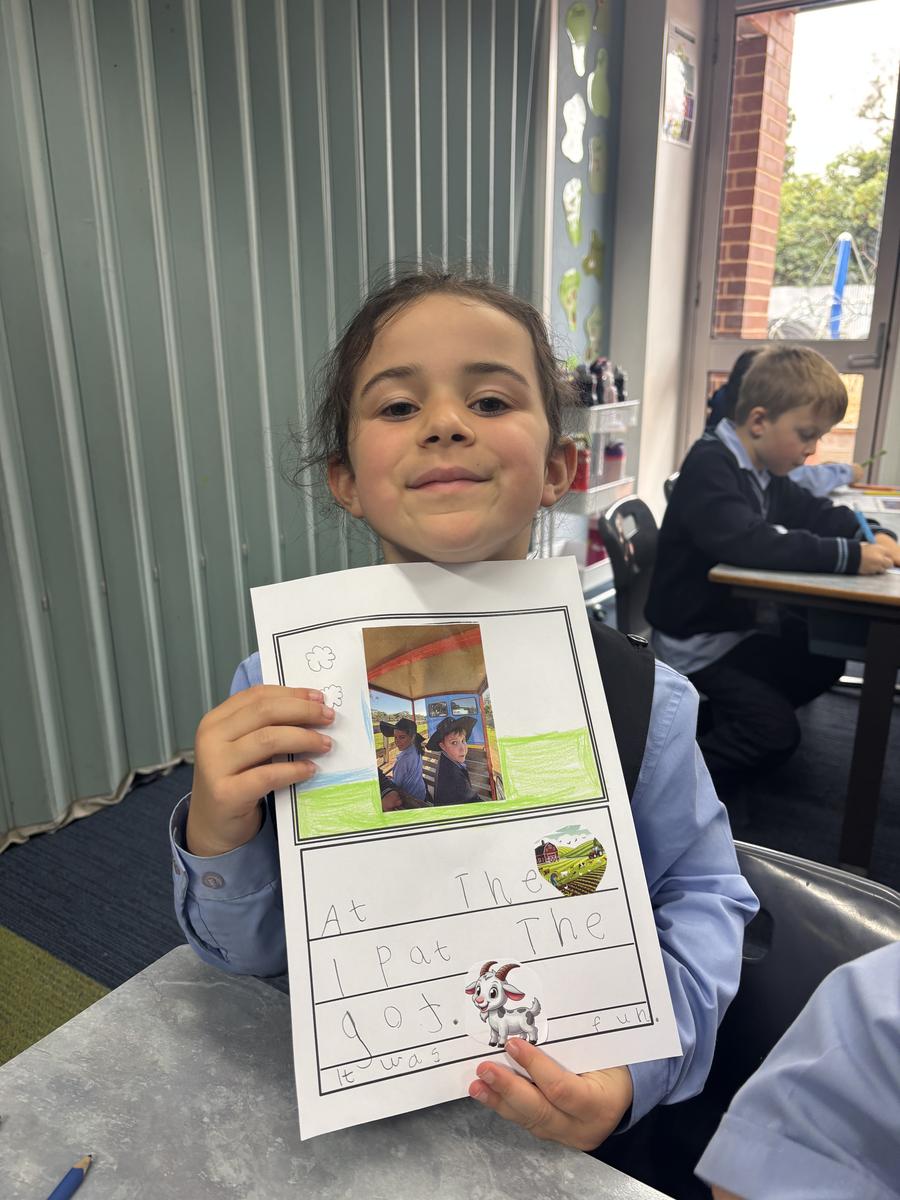
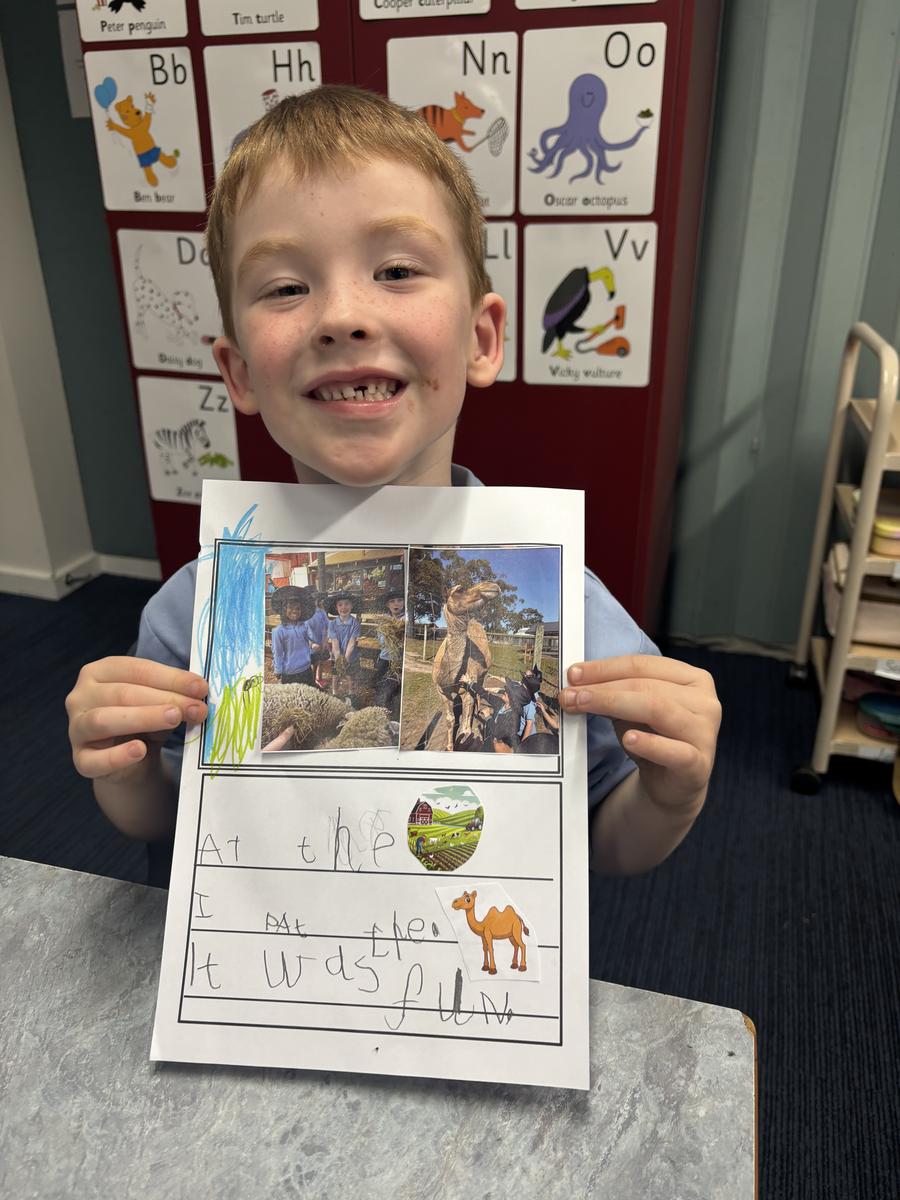
Our Preps are still buzzing from their excursion to Myuna Farm
Today in Inquiry, we reflected on all that we saw and learnt, using pictures to scaffold unfamiliar words and sounds. We loved seeing Miss Riley's own reflection from her visit to Myuna Farm many years ago!
Vision for Instruction promotes a unified and consistent approach, and continuous improvement to meet the changing needs of our students. It provides MACS teachers with the training and resources they need to ensure excellence and equity in all our schools.
Explicit instruction involves teachers introducing complex skills in small steps, with clear explanations and demonstrations of what students are expected to learn. Students then practise what they learned and receive feedback from their teacher until the skill is mastered.
Cognitive science research shows that most students need formal instruction to learn what’s called ‘biologically secondary knowledge’, such as reading, writing and maths. Because students can only process a limited amount of new information at once, cognitive overload can occur when they try to process too many new concepts without prior instruction or scaffolding. Explicit instruction breaks new information into manageable parts. Effective teachers design lessons that begin with teacher-guided instruction and gradually shift responsibility to students through modelling and guided practice. This approach ensures that students achieve independent practice only after foundational knowledge is firmly established. Knowledge is like mental Velcro – new knowledge ‘sticks’ to prior knowledge, building understanding from one year level to the next.
Our vision for reading instruction involves:
• phonemic awareness – understanding that speech is made up of words and sounds
• phonics – knowledge of the letter–sound relationships and the ability to use these relationships to decode words
• fluency – ability to read accurately and quickly to derive meaning from text
• vocabulary – understanding word meanings in isolation and in context
• comprehension – ability to understand and derive meaning from text.
At OLA, we are continually developing our professional learning on Rosenshine's 10 Principles of Instruction. Rosenshine’s 10 Principles of Instruction are research based strategies that support effective teaching and learning. They emphasise clear, structured teaching, starting with daily review and introducing new material in small steps. Teachers ask lots of questions, check for understanding frequently, and provide guided practice. Scaffolding helps support students as they learn, with gradual release to independent work. These principles aim to build strong foundational knowledge and help all students succeed.
One way our teachers support effective learning is by using full participation strategies to check for understanding that engages every student. Techniques like think-pair-share, whiteboard responses, and quick checks for understanding help keep all students involved and engaged. These regular check-ins allow teachers to adjust lessons on the spot, clear up confusion, and strengthen learning. This approach ensures all students are supported and builds a solid foundation for success.
"The more effective teachers frequently checked to see if all the students were learning the new material. These checks provided some of the processing needed to move new learning into long term memory. These checks also let teachers know if students were developing misconceptions."
— Barak Rosenshine, 2012
Josy Reeder
Learning and Teaching Leader