
Wellbeing

School Holiday Reset
School holidays are a wonderful time for children to pause, unwind, and enjoy a slower pace of life. After a busy term filled with learning, routines and expectations, children really benefit from having time to simply rest, play, and be themselves.
While it’s natural to want to keep children busy with activities and outings, it’s just as important to make space for quiet moments and downtime. These periods of rest help children recharge both physically and emotionally.
Dr Daniel Siegel’s Healthy Mind Platter highlights the importance of balance in our daily lives. One of the key elements is downtime—time when the brain can relax and wander. This is especially valuable during school holidays, when children have the chance to reset and recover from the demands of the school term.
Rest and relaxation support your child’s overall wellbeing. They allow the mind and body to recover, helping children feel calmer, happier, and more ready to learn when school resumes. Research also shows that downtime can support emotional regulation, lower stress, and improve memory and thinking skills.
By including rest and relaxation in your holiday routine, you’re giving your child the opportunity to recharge and return to school feeling refreshed and confident.
Some key benefits of rest and relaxation include:
1. Reduced stress levels A little stress is a normal part of life, but too much can impact a child’s wellbeing. Quiet time during the holidays helps children feel calmer and more settled, reducing feelings of overwhelm or anxiety.
2. Improved sleep When children have time to slow down, it’s easier for them to settle into healthy sleep patterns. Good rest supports better sleep, helping them wake up feeling refreshed and ready for the day.
3. Boosted creativity and imagination Some of the best ideas come when children have time to daydream. Unstructured, relaxed time allows their creativity to flourish as they explore their own interests and ideas.
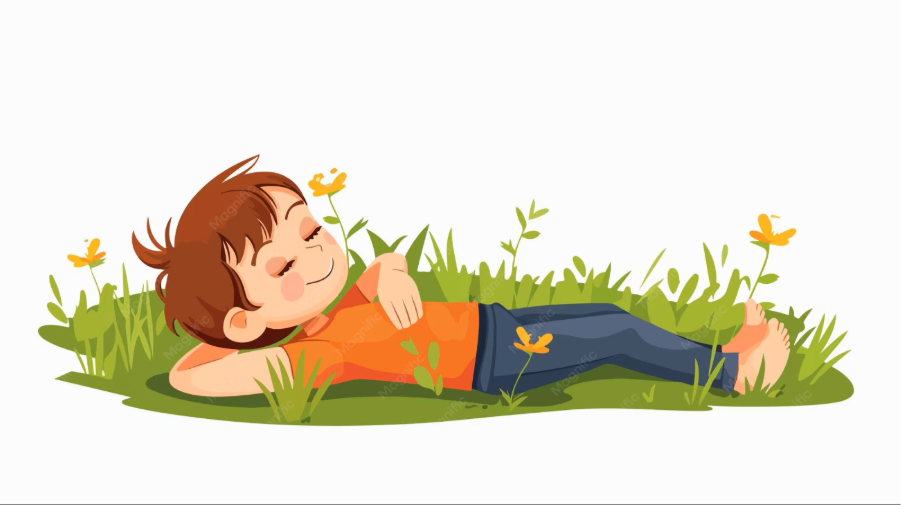
Simple Downtime Ideas for Your Child
Downtime doesn’t need to be complicated or carefully planned. In fact, the simpler it is, the more beneficial it can be. Here are some easy, low-pressure ideas you might like to try:
- Reading a book or listening to an audiobook
- Drawing, colouring, or doing a simple craft
- Playing quietly with toys (e.g. Lego, puzzles, dolls, cars)
- Listening to music or lying down with a favourite story
- Daydreaming or “doing nothing” (this is more valuable than it sounds!)
- Spending time outdoors - sitting in the garden, cloud watching, or gentle walks
- Building cubbies or quiet play spaces
- Journalling or doodling
- Mindfulness or breathing activities
- Gentle, unstructured play with siblings or pets

These activities give children the chance to slow down without pressure, helping their minds and bodies find a natural balance.
While fun activities and outings are important, a balanced holiday includes opportunities for rest as well. This helps children manage their emotions, sleep better, and build creativity—important foundations for both learning and overall wellbeing.
If you’d like to explore this further, the Healthy Mind Platter is a helpful tool for thinking about how to create balance in your child’s day. Many families find it a simple and practical way to plan a mix of activity, connection, and rest.
I encourage you to take a look and see how it might support your family in creating a more balanced and enjoyable holiday.
Wishing you and your family a restful and relaxing break.
Donna
Safety and Wellbeing