
Garden Club
Mr Jorgen Choong

Garden Club
Mr Jorgen Choong
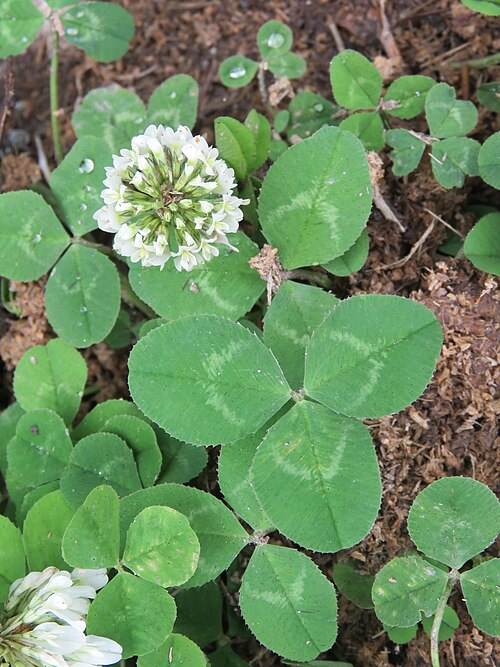
For decades, clover has been unfairly labelled a "weed." It’s time to rediscover this lucky legume as a powerhouse of garden health and sustainability.
The Ultimate Natural Fertilizer
Clover is a master of nitrogen fixation. It works with soil bacteria to pull nitrogen from the air and convert it into a form that plants can use. When clover is mowed or naturally decomposes, it releases this "green gold" back into the earth, providing a free, constant supply of nutrients for your lawn and surrounding plants.
Pollinator Paradise
If you’re looking to boost your garden’s biodiversity, let your clover bloom! Its nectar-rich flowers are a five-star buffet for honeybees and butterflies. By embracing clover, you’re creating a vital sanctuary for the insects that keep our entire ecosystem running.
Drought Resistance and Soil Health
Clover acts as a "living mulch." Its dense growth shades the soil to retain moisture during summer heat, while its deep root systems help break up compacted clay. Best of all? It stays vibrant and green long after traditional turf grass has turned brown.
This season let’s stop fighting the clover and start enjoying the benefits of a lush, low-maintenance, and eco-friendly garden.
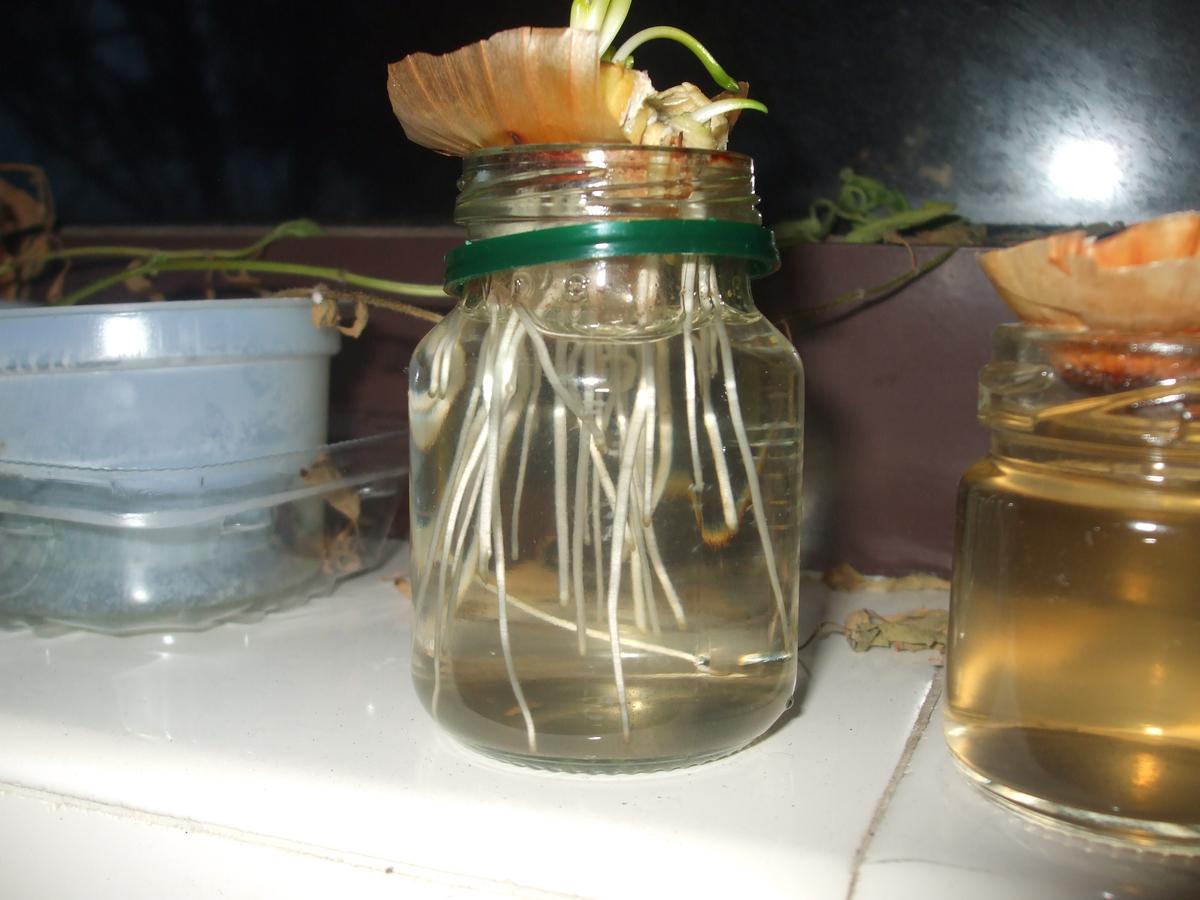
This is a brown onion bottom which I kept in some water. The roots have grown and their green tops. This will eventually be added into the school garden.
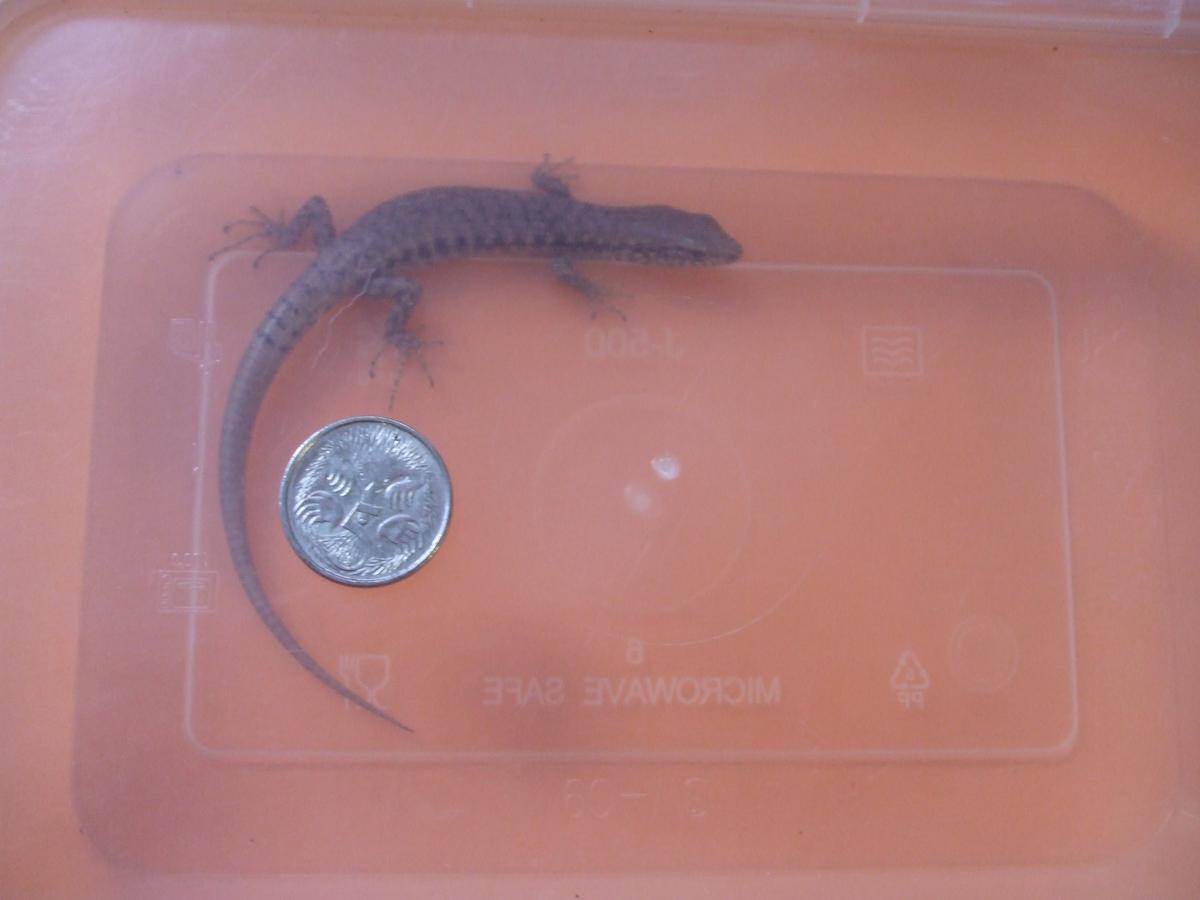
If you are very quiet during the school’s stillest moments, you might catch a glimpse of a "Hidden Garden" secret: the Eastern Water Skink (Eulamprus quoyii). While these sleek reptiles are notoriously shy around the hustle and bustle of school life, they have found a perfect sanctuary in our stormwater drains and damp garden corners.
A Striking, Stealthy Resident
Reaching up to 30 cm in length, the Eastern Water Skink is easily identified by its glossy, coppery-brown scales and a distinct, pale-yellow stripe running from its eye down its flank. Because they are ectothermic, they rely on "solar charging." On quiet mornings, you might see them basking on the concrete edges of the drains or nearby rocks. Once they reach their optimal temperature of roughly 25°C, they become incredibly agile, ready to dart back into the safety of the pipes at the slightest sound.
The Great Snail Shortage
For our Garden Club, the skink is a dream silent partner. They are opportunistic carnivores that help maintain the balance of our school's ecosystem by snacking on beetles, cockroaches, and ants. Most importantly, they are experts at hunting the snails and slugs hiding in our garden beds.
In fact, our skinks have been too good at their jobs lately! We haven’t been able to donate any snails to our sister school, St. Anne’s. St. Anne’s have six egg-laying chickens who absolutely love snails as a high-protein treat. While the hens might be missing out, our "Hidden Garden" is looking better than ever thanks to our resident lizards.
Protecting Our Skinks
While we don't have a traditional pond, our storm water system acts as a vital "urban creek" for these reptiles. We can support these shy residents by keeping the "Hidden Garden" free of litter and maintaining "safe zones" like rock piles and dense groundcovers.
By respecting their space and keeping our voices low, we can ensure the Eastern Water Skink remains a golden part of our school’s natural heritage.
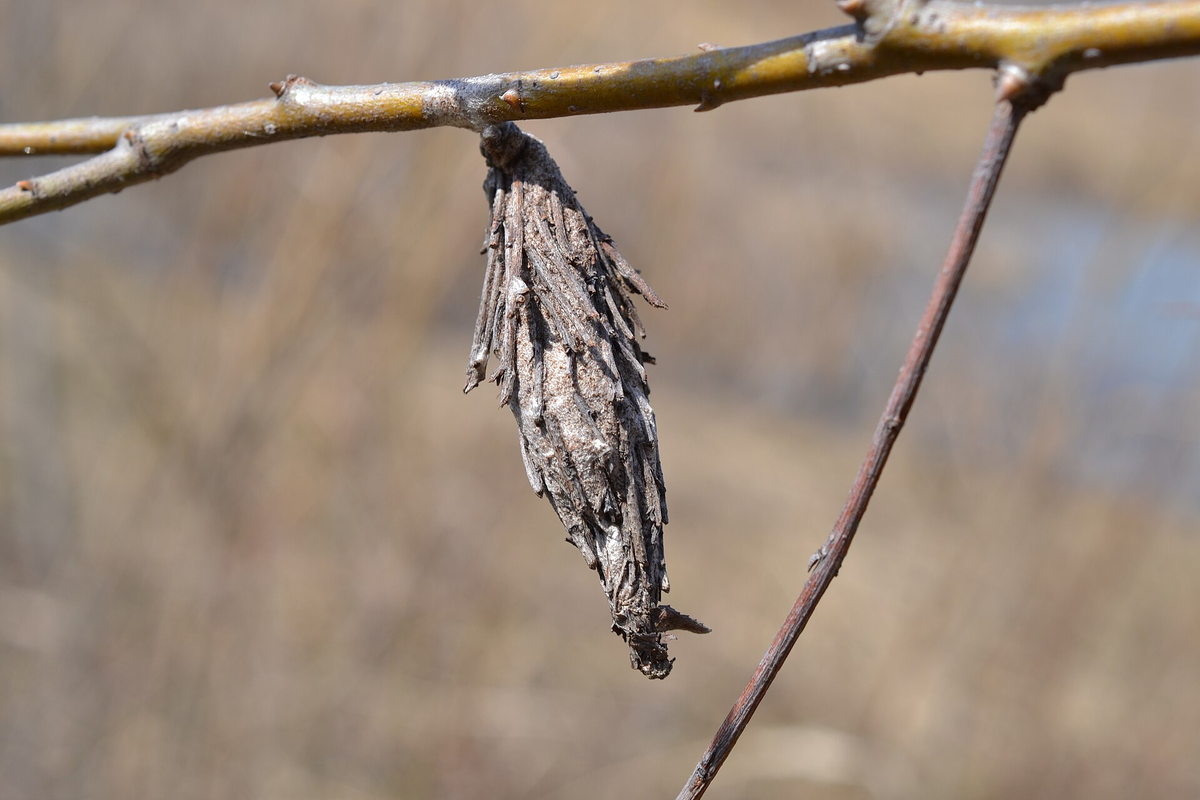
Our Gardeners recently made an exciting discovery in the Greenhouse Garden: a Case Moth cocoon. These fascinating insects are true locals; they are native to Australia, with many species such as the Saunders’ Case Moth calling Sydney and New South Wales home.
The Ultimate Mobile Home
What makes the Case Moth unique is its "case." As a caterpillar (larva), it constructs a mobile silk home, intricately decorating it with small sticks, leaves, or lichens from the plants it inhabits. This provides incredible camouflage from birds and predatory wasps. If you see a small bundle of sticks seemingly "walking" up a wall or along a branch, you’ve found a Case Moth on the move!
Friend or Foe?
It is true that Case Moth larvae are hungry caterpillars. In a greenhouse, they might nibble on your prize leafy greens or ornamentals. However, before you consider them a "pest," it is important to look at their contribution to the garden’s cycle:
In our Greenhouse Garden, the presence of Case Moths and much like our shy Eastern Water Skinks in the Hidden Garden shows that we are successfully creating a space where nature can thrive. While we might lose a few leaves to these master architects, the trade-off is a front-row seat to one of Australia’s most unique life cycles.
Garden Club happens on Tuesday and Thursday mornings, right after the gates open. We meet at the bubblers on the Churchill Avenue side of the school.
Garden Club is completely FREE to join! It's a great opportunity to learn to be a lateral thinker with limited resources, get first pick after a harvest, and see some fascinating creatures.
The information shared here is based on our experiences and knowledge, but we are not gardening experts. Think of it as friendly advice from one garden lover to another. Please remember that all gardening activities should be done with adult supervision and that you're responsible for your own safety and decisions.