Literacy

Building Strong Vocabulary: Helping Your Child Become a Confident Communicator
At Holy Family we place a strong focus on developing children’s vocabulary, as vocabulary plays a crucial role in reading, writing, comprehension, and overall learning success. The more words children understand and use, the better they are able to express their ideas, understand texts and engage with the world around them.
One important way we support this is through the use of Tier 2 vocabulary. These are words that are not used in everyday basic conversation, but appear often in books, learning, and mature conversations. Words such as enormous instead of big, exhausted instead of tired, or fortunate instead of lucky help children develop more precise and powerful language.
Talk, Talk, Talk!
The most powerful way to build vocabulary is through conversation. Talking with your child regularly helps them hear new words, practise using them, and build confidence.

You can support your child by:
- Having regular conversations about their day
- Asking open-ended questions such as “Why did that happen?” or “How did that make you feel?”
- Encouraging your child to explain their thinking
- Listening and responding with interest
Use Rich and Meaningful Words
Children learn best when they hear adults using more advanced vocabulary in natural conversation. It is important to trust that children are capable of learning and using more sophisticated words.

For example, instead of saying:
- “That movie was good,” you might say, “That movie was fantastic.”
“That was a big dog,” you might say, “That was a huge dog.”
Even if your child does not use the word straight away, hearing it regularly helps build their understanding.
Explain and Explore New Words
When your child hears a word they do not understand, take a moment to explain it in simple language.
For example:
- “Exhausted means extremely tired.”
“Delighted means very happy.”
This helps children make connections between new words and words they already know.
Make Connections Using Synonyms
Using synonyms (words with similar meanings) helps children deepen their understanding.
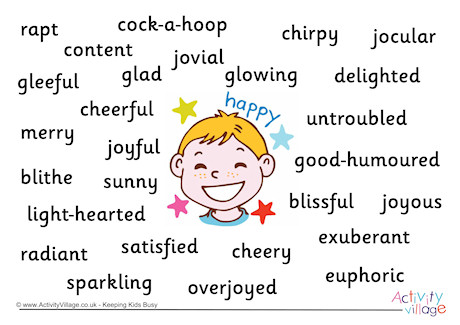
For example:
- Angry → frustrated, upset, furious
- Big → enormous, massive, gigantic
- Happy → joyful, cheerful, delighted
This helps children understand that there are many ways to express the same idea.
Make Vocabulary Part of Everyday Life
You can build vocabulary during everyday activities such as:
- Reading books together
- Talking during car rides
- Cooking, shopping, or walking together
- Watching and discussing movies or shows
Our Goal
By building strong vocabulary, we are helping your children become confident readers, writers, and communicators. Your support at home through simple conversations makes a powerful difference.
Remember: Talk, Talk, Talk! Every conversation helps your child learn and grow.
Thank you for your ongoing support,
Julianne Kelly
Literacy Leader
Learning & Teaching Leader