
Positive Behaviours for Learning (PBL)
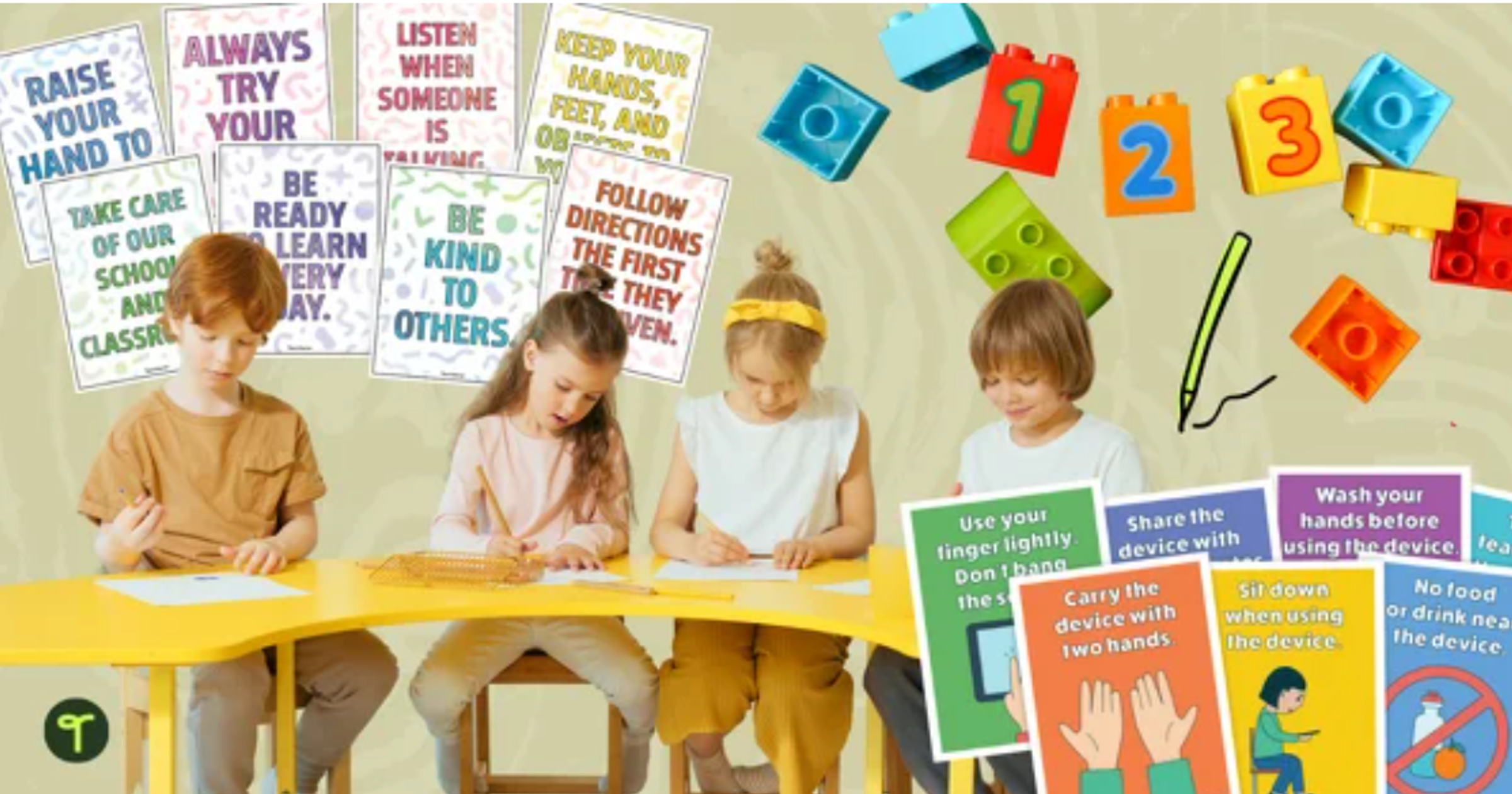
This year our staff are undertaking Professional Learning in implementing Positive Behaviours for Leaning (PBL). At times during this process, we will be asking for parental input and feedback. Please keep reading to find out more- your first opportunity for feedback will be within the next week.
What is PBL?
PBL is an evidence-based framework aimed at promoting positive behaviour and creating a safe and supportive learning environment. PBL involves the implementation of proactive strategies to teach and reinforce co-constructed behaviours while reducing challenging behaviours among students.
Key components of PBL include:
Preventative strategies: Implementation of evidence informed classroom management and instructional practices. Research has demonstrated that establishing effective classroom systems is integral to the fidelity and sustainability of School-Wide Positive Behaviour Interventions and Supports implementation (Barker, Poed & Whitefield 2022).
Clear expectations: Establishing clear and consistent behaviour expectations for students across various settings within the school.
Teaching and reinforcement: Actively teaching the school’s agreed behaviour expectations to students, in a similar manner to academic subjects, and reinforcing them through a system of acknowledgement.
Data collection: Collecting data to monitor and assess student behaviour, which helps identify trends and areas, or students that may need additional support.
Tiered support: Providing a tiered system of support, ranging from universal interventions for all students to targeted interventions for those who need additional help.
Family and community involvement: Engaging families and the broader community in promoting positive behaviour.
The aim of PBL is to create a positive and inclusive school culture where students feel safe, respected, and supported in their learning journey. It encourages a proactive approach to behaviour management and focuses on prevention rather than solely reacting to disciplinary issues.
Multi-tiered systems of support
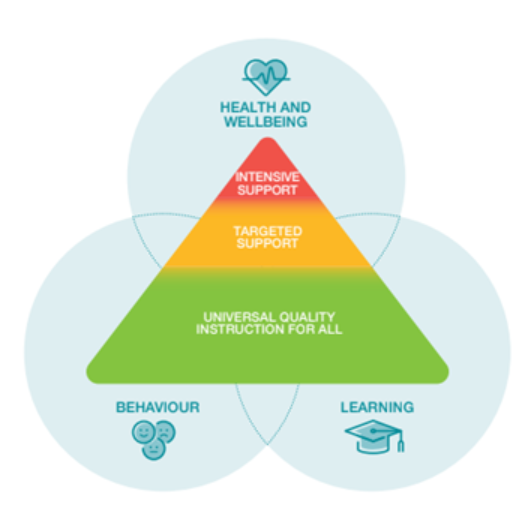
PBL schools adopt a multi-tiered system of support to explicitly teach, acknowledge and provide corrective feedback on school-wide expectations. Similar to academic learning, we cannot assume that:
- students know the expectations and appropriate ways to behave in different settings
- students will learn appropriate behaviours quickly and effectively without consistent practice and modelling.
Therefore, we need to explicitly teach expectations and appropriate behaviours as explicitly as we teach academic skills.
The following staff are forming our PBL team, along with student leaders and our School Advisory Committee.
Miss Eithne King

Ms Juliette Hancke

Mrs Julie David

Mrs Katrina Davis

Mrs Danielle Littlejohn

Mrs Verity Curtain
Miss Eithne King
Ms Juliette Hancke
Mrs Julie David
Mrs Katrina Davis
Mrs Danielle Littlejohn
Mrs Verity Curtain
Parents, how do we need your input?
One of the first tasks of the staff, students, parents and PBL team, is to collaboratively develop school-wide values and a behaviour matrix. Over the past two afternoons our staff have been identifying and discussing some of the behaviours that are currently occuring in our school, and short listing what values we see as pertinent to our school.
We have asked the question-
"What values would you like to see your Year Six students take with them when they leave Holy Family?"
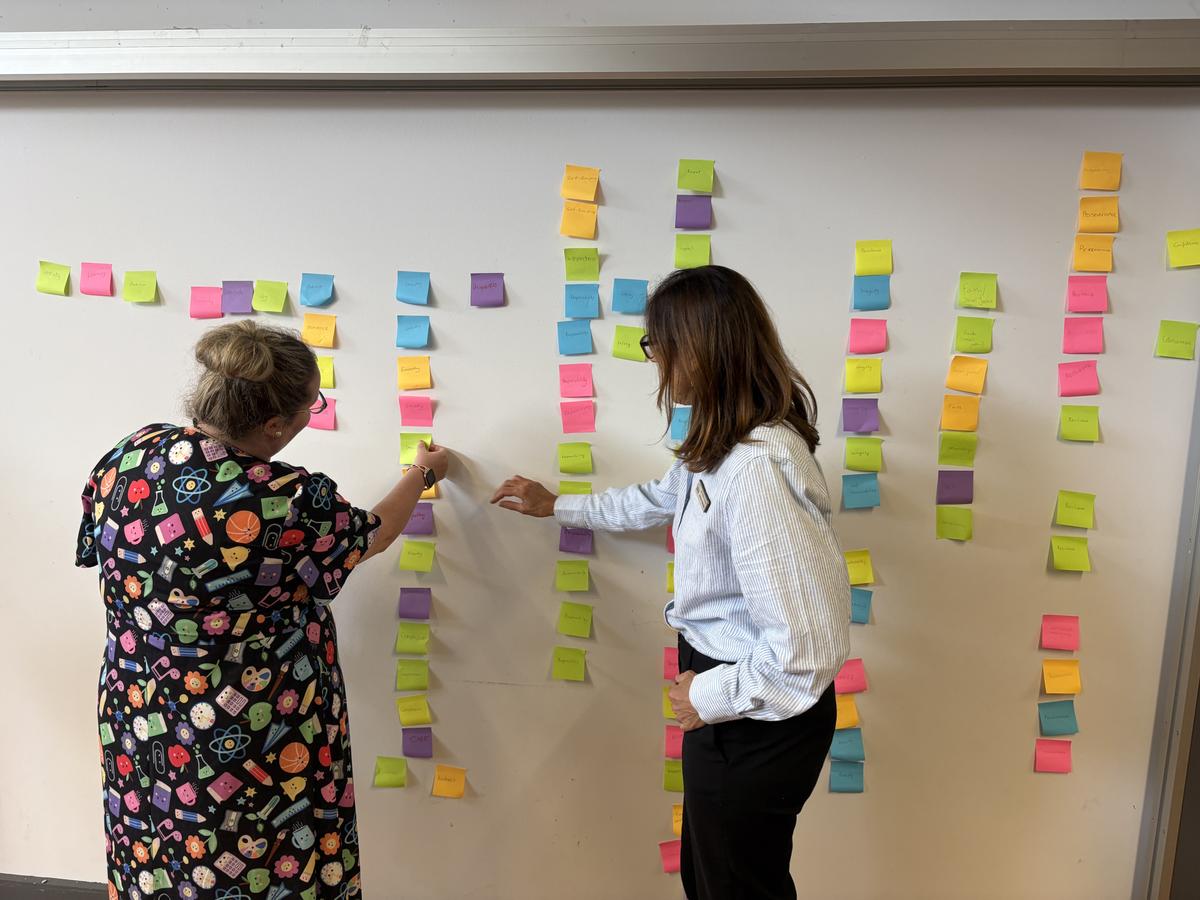
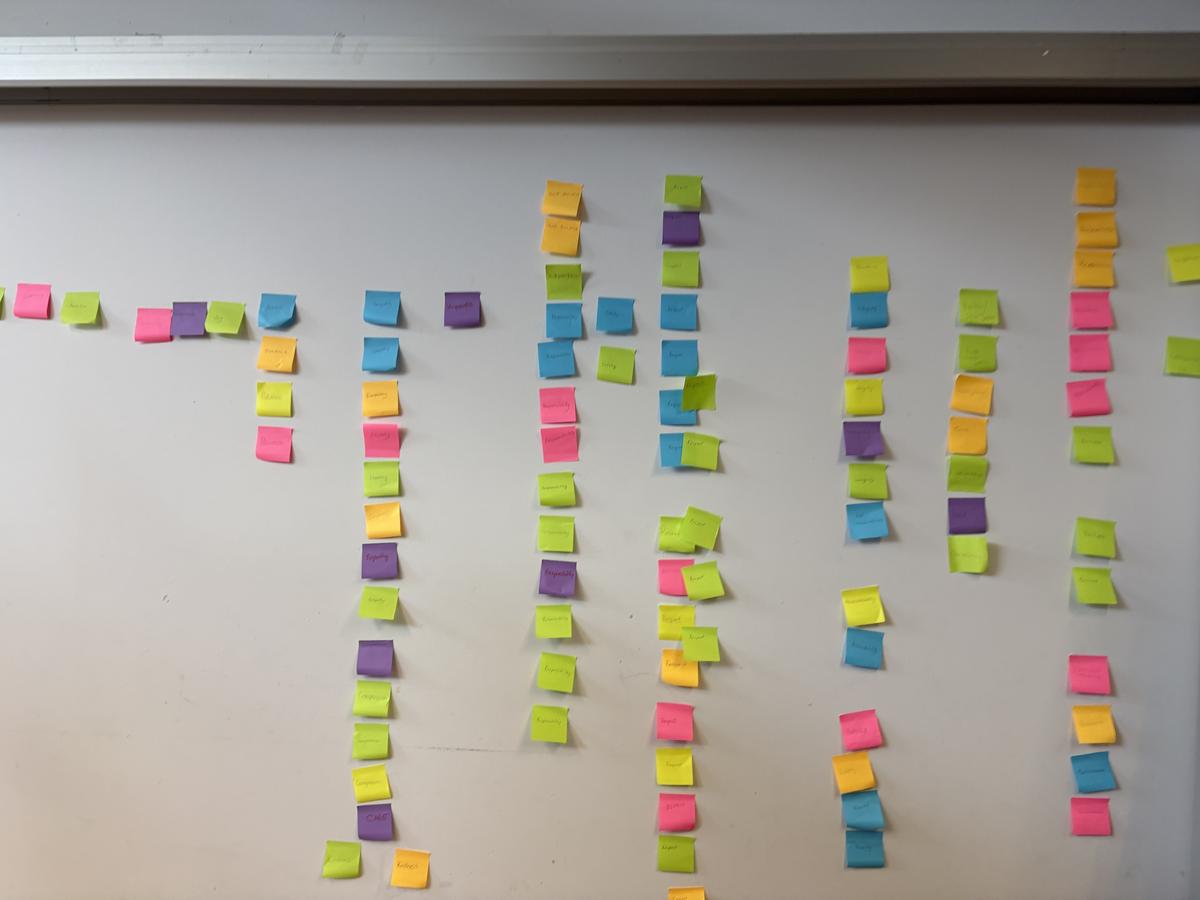
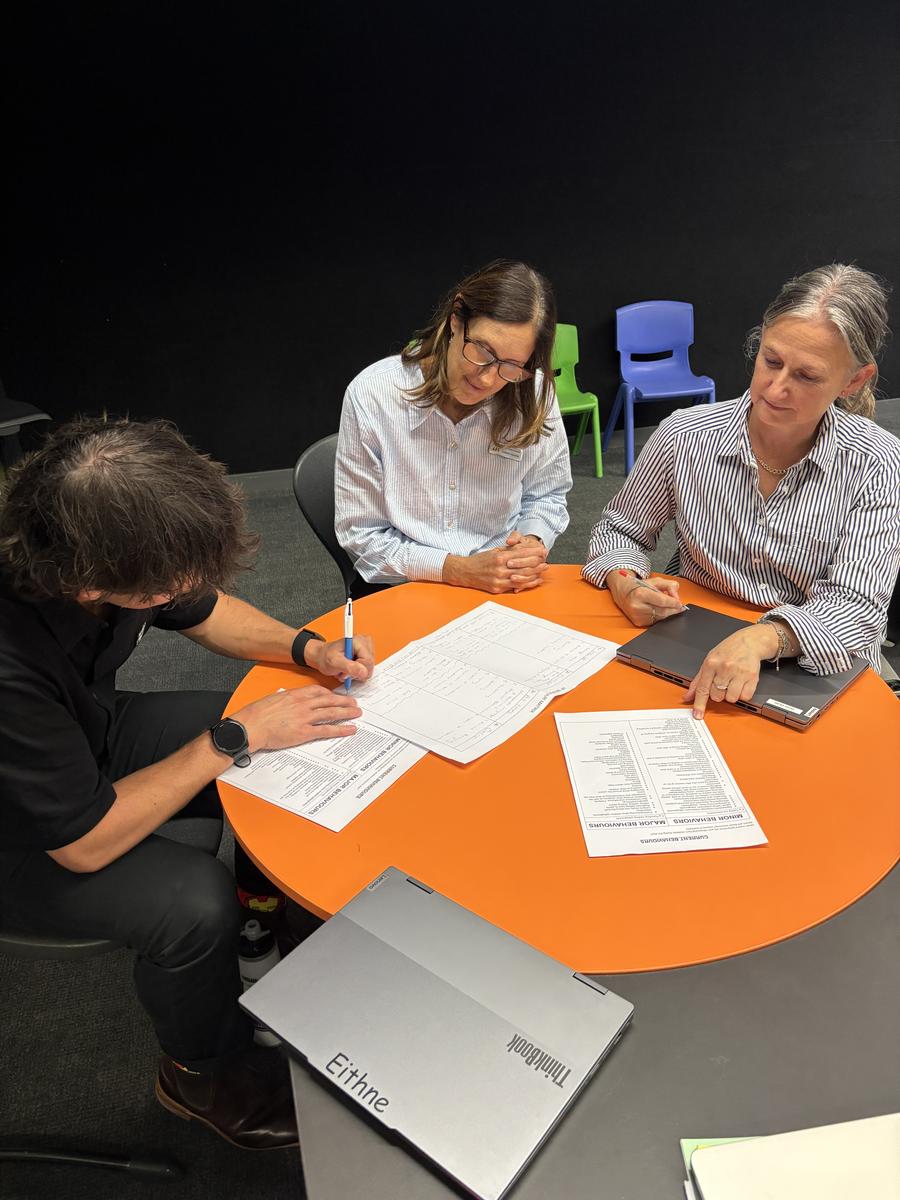
We have shortlisted the extensive list of values down to five-
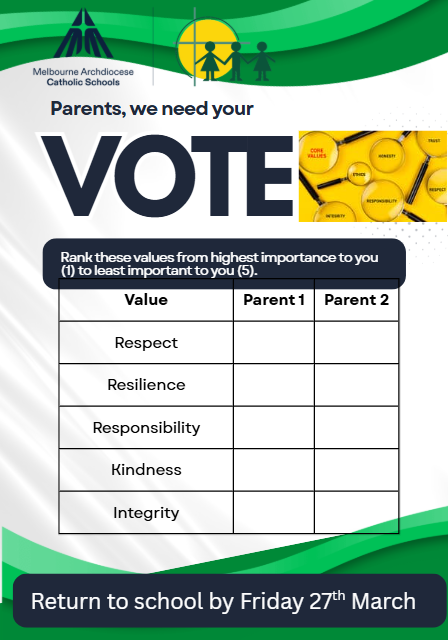
Respect, Integrity, Kindness, Responsibility, and Resilience
Parents, this is where we would like your input. Staff and students will be voting to narrow these down to 3 values, which will eventually be included in our behaviour matrix. We would also like your input into these values. In the next few days, you will receive a voting slip for you to rank these values from most important to you (1) to least important to you (5) for your child/ren. Ideally we would like feedback from as many parents as possible (both mums and dads!).
We ask you to complete and return to school by Friday 27th March.
These forms will be sent via the eldest child in each family.
We value and appreciate your input in this important task.
Eithne King