
More College News
AusAlert Communications
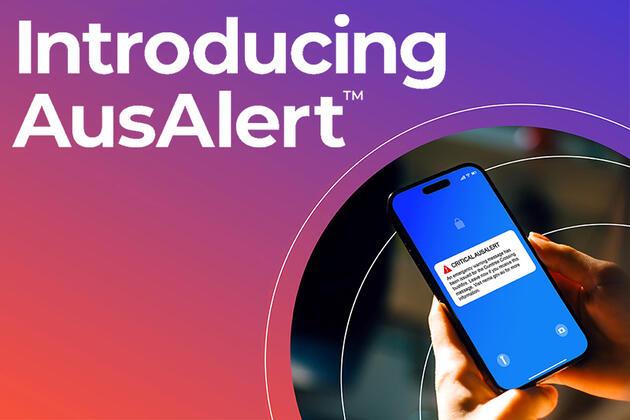
The Australian Government is introducing a new emergency warning system later this year called AusAlert. We are making you aware early so you can be prepared.
AusAlert uses the latest technology to send emergency messages to compatible mobile devices during local and national disasters. These messages aim to keep communities informed so they can take action, saving lives and property.
In the lead up to AusAlert being used, there will be some testing of the system during June and July. This will involve compatible mobile devices receiving a loud, unique alarm and a test alert message.
Devices may include:
Mobile phones
Smart watches
Children’s safety watches
Tablets
Don’t be alarmed when you receive these alerts. You don’t need to do anything.
There are two upcoming tests to be aware of:
Monday 15 June 2026 at 11am - a regional test of the Priority Alert in the greater Launceston area only
Monday 27 July at 2pm - a national test of the Critical Alert
A Priority Alert
Is used when there is a high level of threat
Means conditions are changing and you should ‘watch and act’
When receiving a Priority Alert, your mobile device will vibrate and make a loud siren-like warning sound that lasts around 10 seconds. You can switch your phone to ‘silent’ or ‘do not disturb’ or turn off the sound and vibration in your device settings, when receiving this Alert. If you’d prefer not to receive this Alert, you may also choose to turn off your device.
A Critical Alert
Is the highest level of warning
Means you may be in danger and should act immediately
During a Critical Alert, your mobile device will vibrate and make a loud siren-like earning sound for about 10 seconds before stopping. This will happen, even if your device is on ‘silent’ or ‘do not disturb’. You can’t turn off Critical Alerts but if you’d prefer not to receive it, you may like to consider turning off your device.
You can find out more about how to control the alerts you receive at: Turning AusAlert messages off | AusAlert
We understand that some people may find these alerts distressing or confronting.
For further information and useful resources, including advice about how to support children and young people, visit www.ausalert.gov.au