
From the Deputy Principal
Lyndal Tewes
From the Deputy Principal
Lyndal Tewes
OUR COMMUNITY, YOUR SAFETY
A message to every student in our community
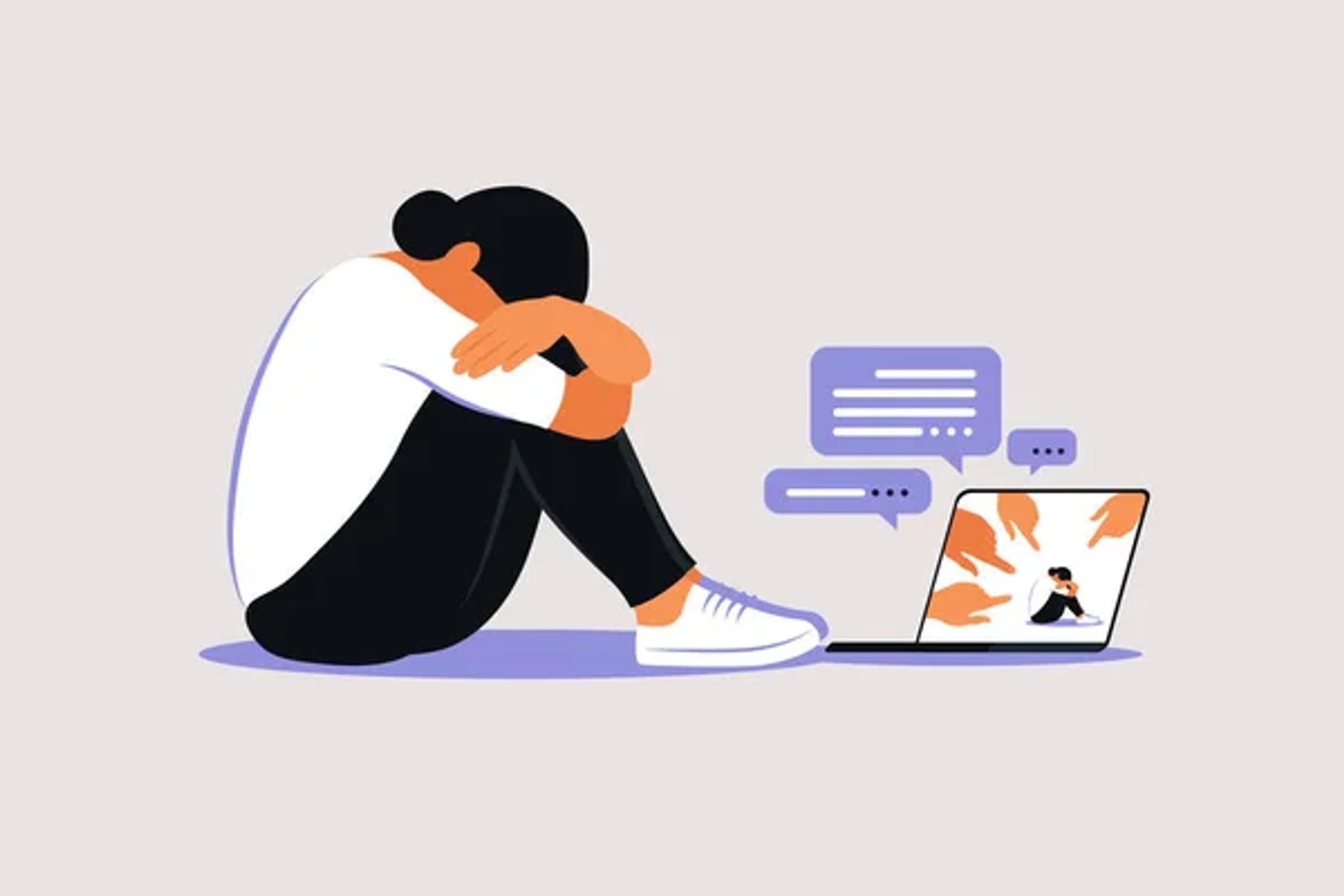
In a recent, Year 7-10 assembly I discussed with students that safety isn't just about locked doors and fire drills. It's about how we treat each other, in locker areas, the toilet block, in the classroom, and especially online. This article is dedicated entirely to you, because you deserve to know exactly where the line is, what to do when someone crosses it, and that you will always be taken seriously.
Acceptable vs. Unacceptable: Knowing the Difference
Sometimes the line can feel blurry, especially online where things move fast and screenshots disappear. Here's a clear breakdown:
✅ Acceptable behaviours include:
Friendly banter and jokes that everyone involved finds funny
Disagreements handled respectfully, in person or online
Sharing content that is kind and accurate
Calling someone out constructively, not humiliate
❌ Unacceptable behaviours include:
Bullying, name-calling, or deliberately excluding someone
Sending threatening or degrading messages
Sharing someone's photos or personal information without their permission
Pressuring someone to do something they're uncomfortable with
Creating fake profiles or impersonating someone online
Leaving hateful comments, whether publicly or anonymously
If you're unsure whether something crosses the line, ask yourself: "Would I be comfortable if a trusted adult saw this?" If the answer is no — that's your answer.
Online Safety: A Few Things Worth Knowing
The internet can feel private, but it rarely is. A few reminders:
Screenshots are forever: even on apps with disappearing messages, anyone can screenshot before it vanishes.
Private accounts aren't fully private: friends of friends, data breaches, and screenshots mean your content can travel further than you intend.
You never truly know who's on the other side: if someone online is asking personal questions, pushing boundaries, or making you feel uncomfortable then trust that feeling. You don't owe anyone access to you.
It's okay to block, mute, and report: these aren't dramatic moves. They're tools designed exactly for situations like yours.
How Do I Report Something?
Reporting can feel daunting, but it doesn't have to be complicated. Here are your options:
In school:
Speak to your Clan/class teacher, Head of House, Head of Primary, our counsellor, or any teacher you trust
Email a member of the Wellbeing Team.
Online platforms:
Every major platform (Social media age restrictions: Get-ready guide for under-16s | eSafety Commissioner) such as Instagram, Snapchat, TikTok, WhatsApp, has a Report button. Use it. These reports are investigated.
You can report content even if it was sent to someone else, not just to you.
Outside of school:
Kids Helpline (Australia): 1800 55 1800 — free, confidential, 24/7
eSafety Commissioner (Australia): Young People | eSafety Commissioner — you can report cyberbullying and image-based abuse directly
Police: If you believe you or someone else is in immediate danger, call 000
Parents:
Parents don't have to face the challenges of keeping children safe online alone — the eSafety Commissioner is a valuable resource designed to help. Their website offers easy-to-follow guides, reporting tools, and expert advice to support families in having confident, informed conversations about online safety.
Reporting:
You Will Be Believed.
We want to say this clearly, because it matters:
If you come forward, you will be taken seriously.
We understand it can feel scary and you may worry about not being believed, or fear of making things worse, or concern about being seen as a "dobber." Those feelings are real and valid, however, they should never stop you from getting support.
When you report something, our commitment to you is this:
You will be listened to without judgment
Your privacy will be respected
Action will be taken appropriately and sensitively
You will not be left to deal with this alone
As we move forward together, the safety of every student remains our highest priority. By staying informed, communicating openly, and supporting one another, we can create an environment where every young person and child feels protected, valued, and ready to learn. Thank you for being an active and caring part of our College community.