A Word from the Principal
Megan Richardson
A Word from the Principal
Megan Richardson
Artificial Intelligence and the Human Heart
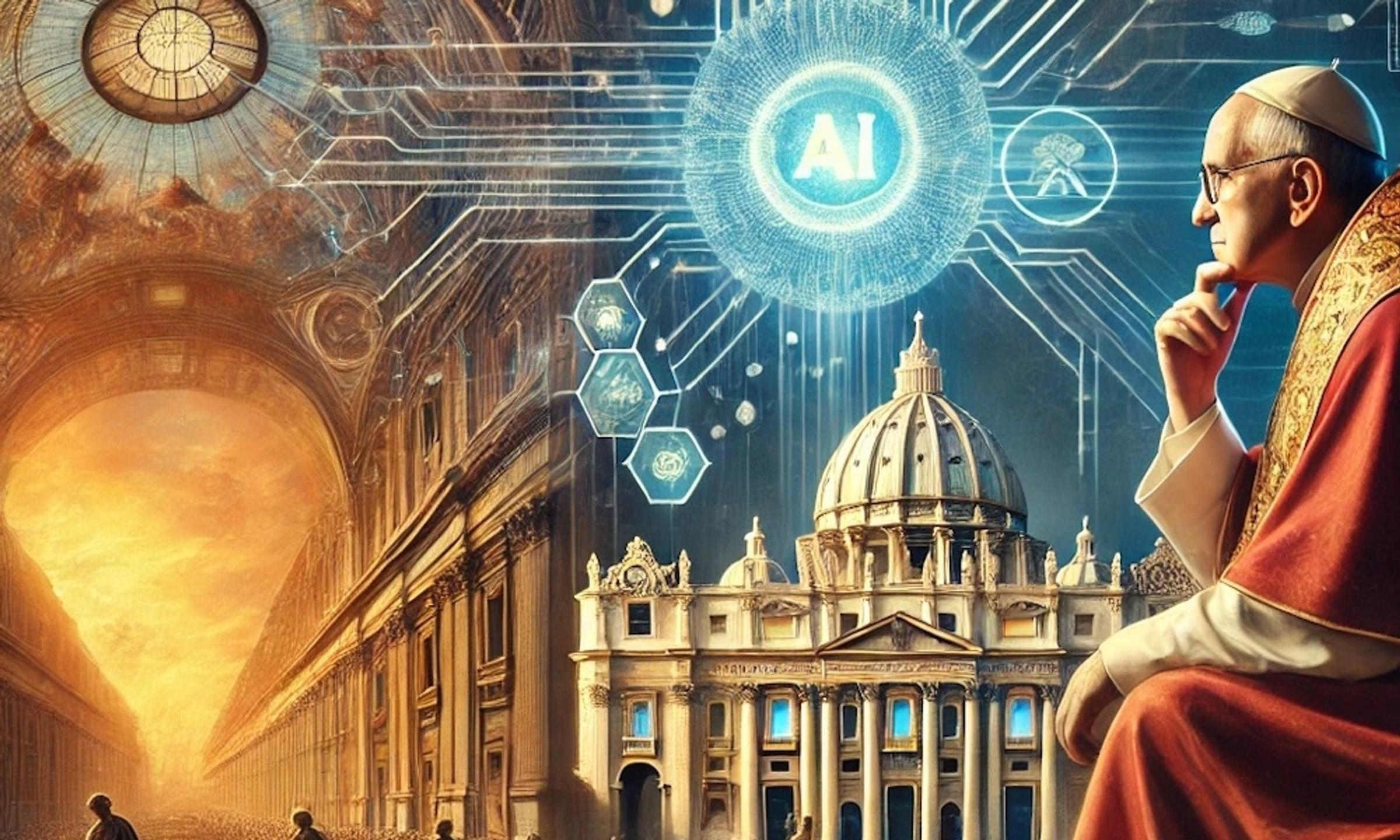
As technology continues to evolve at a remarkable pace, Artificial Intelligence (AI) is becoming an increasingly common part of our daily lives. From education and healthcare to communication and creativity, AI offers significant opportunities to enhance the way we live and work. Yet, as Pope Francis reminds us, every technological advancement must ultimately serve the dignity of the human person and the common good.
In his reflections on Artificial Intelligence, Pope Leo XIV released his first encyclical, "Magnifica Humanitas" (Magnificent Humanity), a theological document that establishes a strict moral baseline for artificial intelligence. The Holy Father acknowledges the immense potential of these tools to support learning, solve complex problems, and improve people's lives. However, he also cautions against allowing technology to replace the uniquely human qualities that define us: wisdom, compassion, discernment, and our capacity for authentic relationships. While AI can process information, it cannot love, forgive, hope, or act with moral conscience.
As a Catholic learning community, we are called to embrace innovation while remaining grounded in our Gospel values. The challenge before us is not simply learning how to use AI, but learning how to use it wisely and ethically. We must continue to ask important questions: Does this technology promote human flourishing? Does it respect the dignity of every person? Does it help us build a more just and compassionate world?
At Mount Carmel, we are committed to helping our students become thoughtful and responsible users of AI. We are teaching them that AI is a tool to support learning, not a substitute for learning. Students are encouraged to question information, evaluate sources, identify bias, and think critically about the responses AI generates. Just because an answer is produced quickly does not mean it is accurate or appropriate. Learning to exercise judgement and discernment remains essential.
Equally important is helping our students understand that deep learning still requires effort, practice, and engagement. Our brains grow stronger when we read, write, solve problems, discuss ideas, and wrestle with challenging concepts. While AI can assist with research, organisation, and creativity, it cannot replace the cognitive processes that help students develop knowledge, understanding, and wisdom. We want our young people to use AI to enhance their thinking, not to do their thinking for them.
As educators, we have a responsibility to prepare students for a future in which AI will be increasingly present in workplaces and society. This means developing not only technological competence but also ethical awareness, critical thinking, creativity, and a strong sense of personal responsibility. These human capabilities will remain invaluable regardless of how advanced technology becomes.
Pope Francis reminds us that true wisdom comes not from information alone but from the human heart. As we continue to explore the possibilities of AI, may we ensure that technology remains a tool in service of humanity, guided by faith, compassion, and a commitment to the common good. In doing so, we can help our students become not only capable users of technology but also thoughtful, ethical leaders who use their gifts to make a positive difference in the world.
Supporting our students’ Mental Health
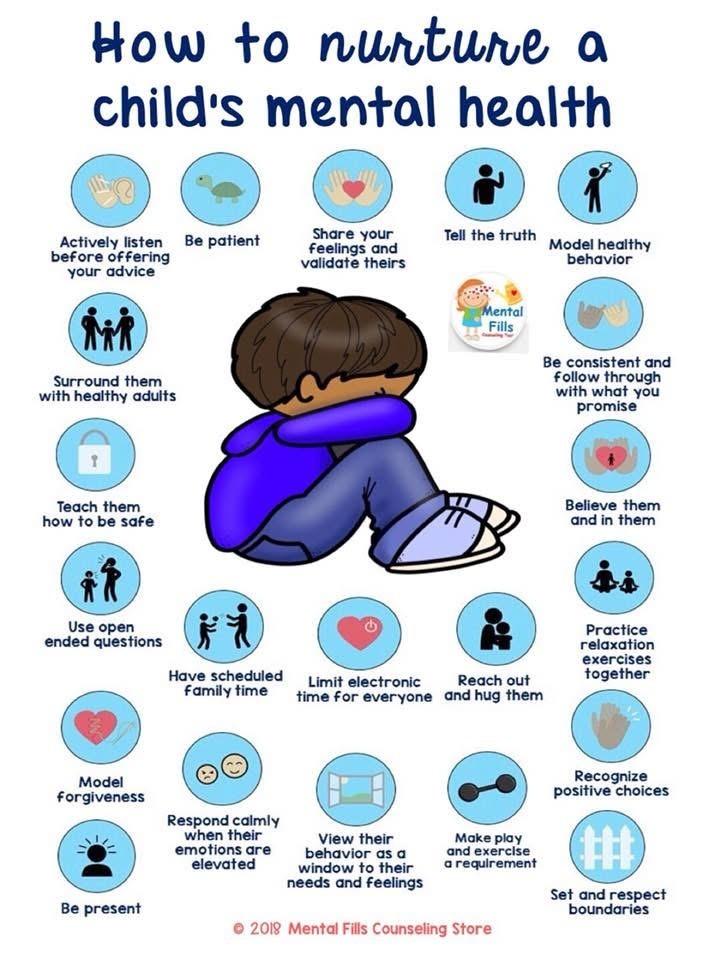
Supporting children's mental health is a shared responsibility between families, schools and the wider community. Children thrive when they feel safe, valued and connected to the people around them. Simple actions such as spending quality time together, listening without judgment, encouraging open conversations and maintaining healthy routines can have a significant impact on a child's wellbeing. These positive relationships help children build confidence, resilience and the ability to navigate challenges when they arise.
At Mount Carmel, we are committed to creating an environment where every child feels a sense of belonging and support. Through positive relationships, wellbeing programs and opportunities for students to develop social and emotional skills, we help young people understand and manage their emotions, build healthy friendships and seek help when needed. Please reach out to us if you have any concerns about your daughter’s wellbeing, need resources or would like to know more about what we do. Attached below are some strategies you may like to put in place at home.
Every Day Matters: The Importance of School Attendance
At Mount Carmel Catholic College, we know that regular attendance is one of the strongest predictors of student success. Every day at school provides valuable opportunities for learning, social connection, personal growth, and participation in the life of our community. While occasional absences are sometimes unavoidable, frequent absences can quickly lead to gaps in learning, reduced confidence, and increased challenges in maintaining friendships and routines.
We encourage families to make school attendance a priority and to reach out to the College as early as possible if attendance concerns begin to emerge. Small patterns can quickly become habits, and early intervention allows us to work together to identify barriers and provide support before they become more significant challenges. Whether the concerns relate to wellbeing, health, friendships, learning, or family circumstances, our staff are committed to partnering with families to help every student feel connected, supported, and successful.
Every day matters. Every lesson matters. Every student matters. By working together and maintaining open communication, we can ensure our young people are present, engaged, and able to make the most of the opportunities available to them each day.