Junior School
Head of Junior School - Ms Nicola Treacey
Junior School
Head of Junior School - Ms Nicola Treacey

Article by Priti Vadher - Head of Learning (Prep to 4)
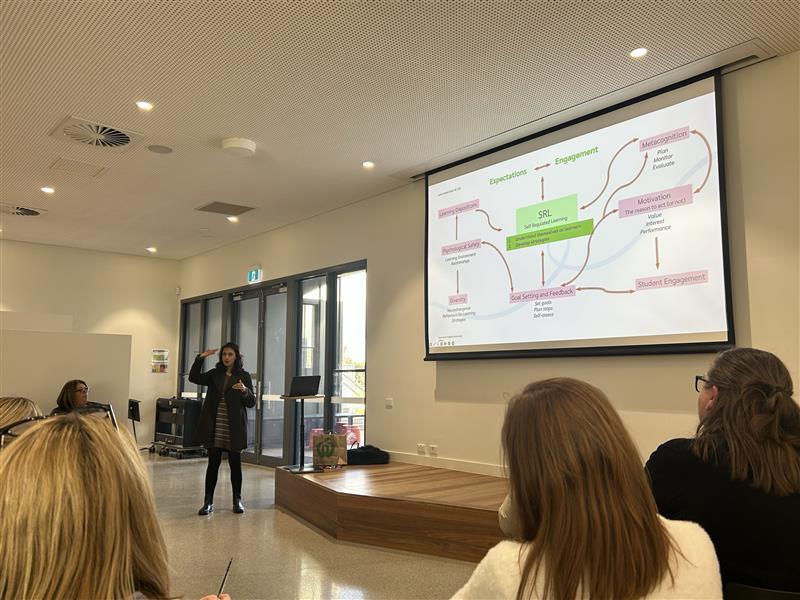
The ability for students to manage their own learning is becoming increasingly recognised as a vital skill for success, not only within school but in life beyond the classroom. The World Economic Forum identifies self-regulation, problem solving, and adaptability as essential future focused skills that prepare learners to thrive in an ever-changing world. In alignment with this, the Junior School has begun to place Self-Regulated Learning (SRL) and the College Learning Dispositions at the forefront of teaching and learning practices.
According to Dr. Shyam Barr, SRL is not a singular skill but rather a dynamic process involving cognitive, emotional, and behavioural strategies that enable learners to plan, monitor, and reflect on their own learning. Barr highlights that SRL can and should be explicitly taught and scaffolded, particularly in the early years, where habits of learning are formed. By giving young learners opportunities to practise SRL, we help them develop independence, resilience, and greater metacognitive awareness.
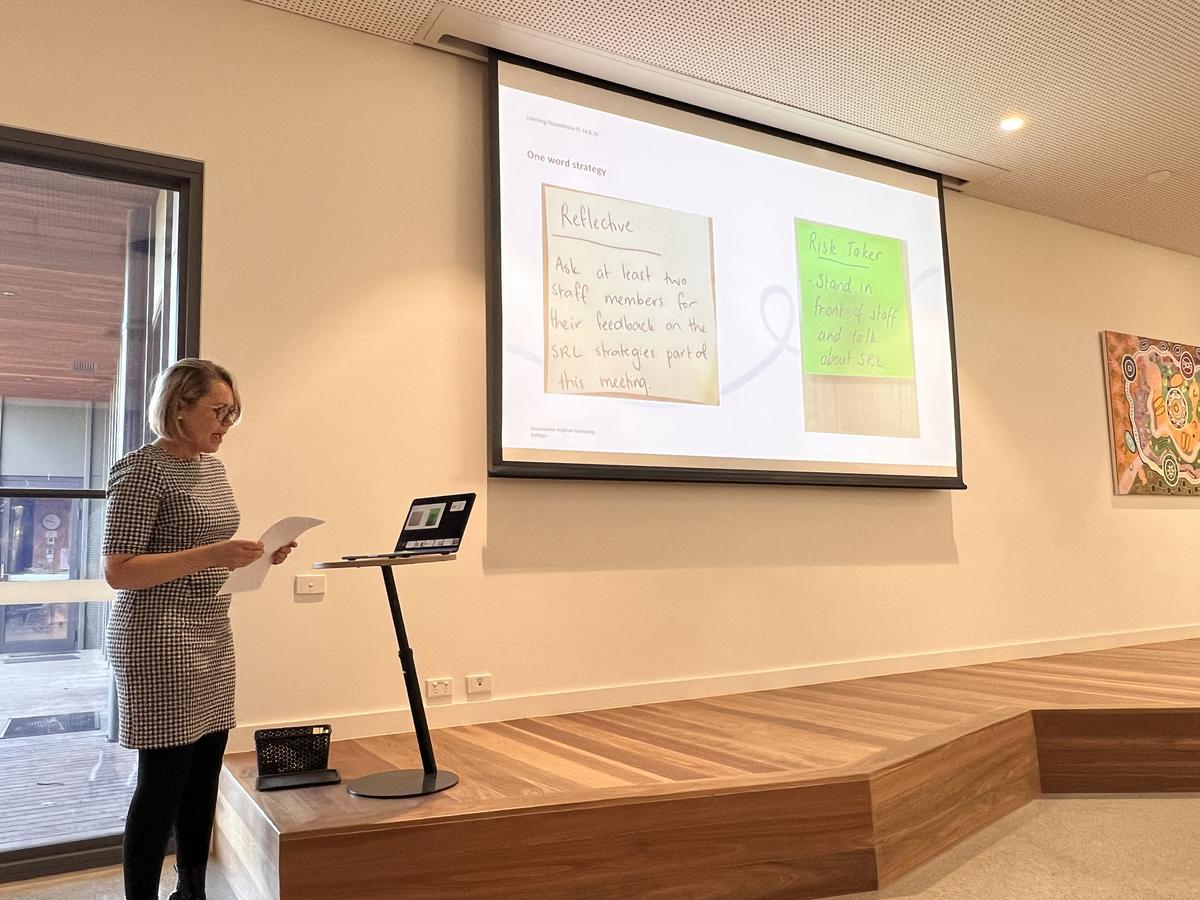
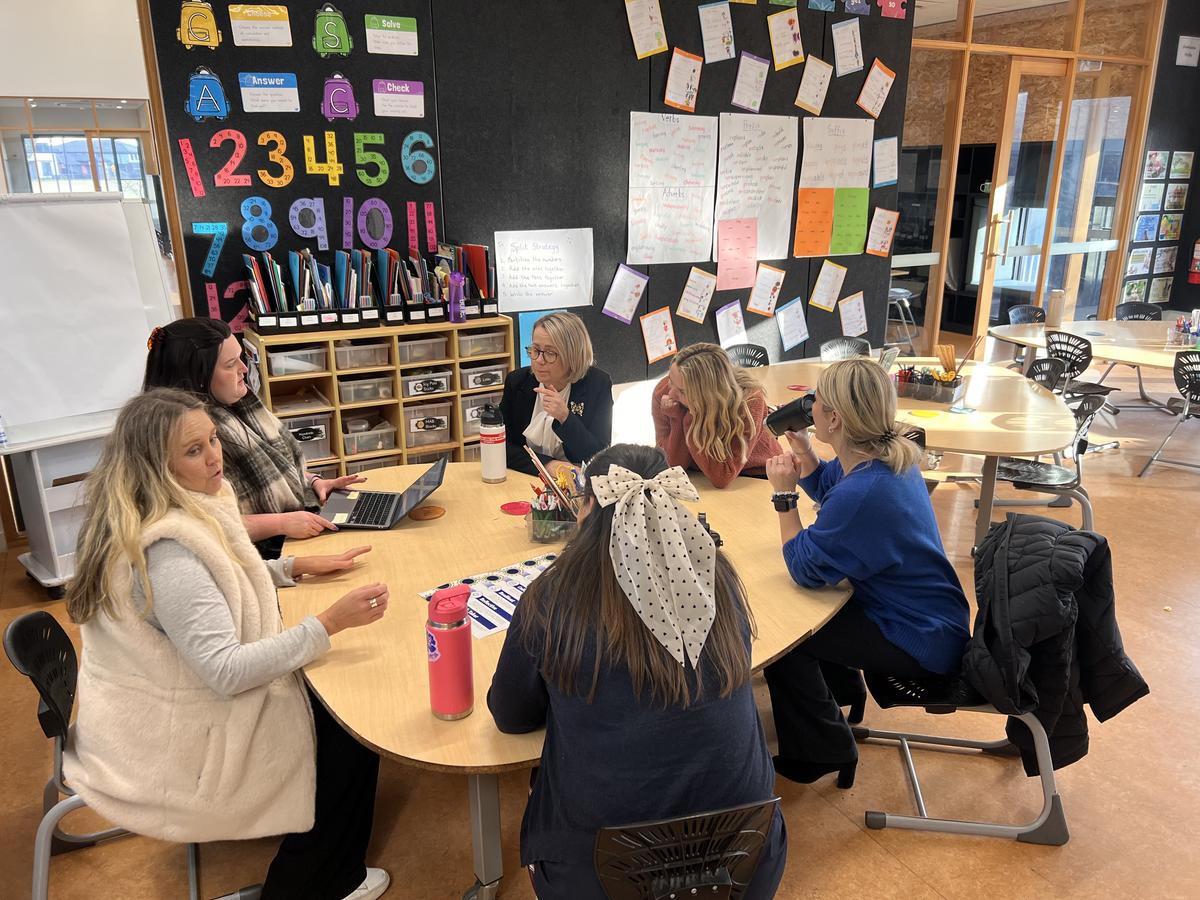
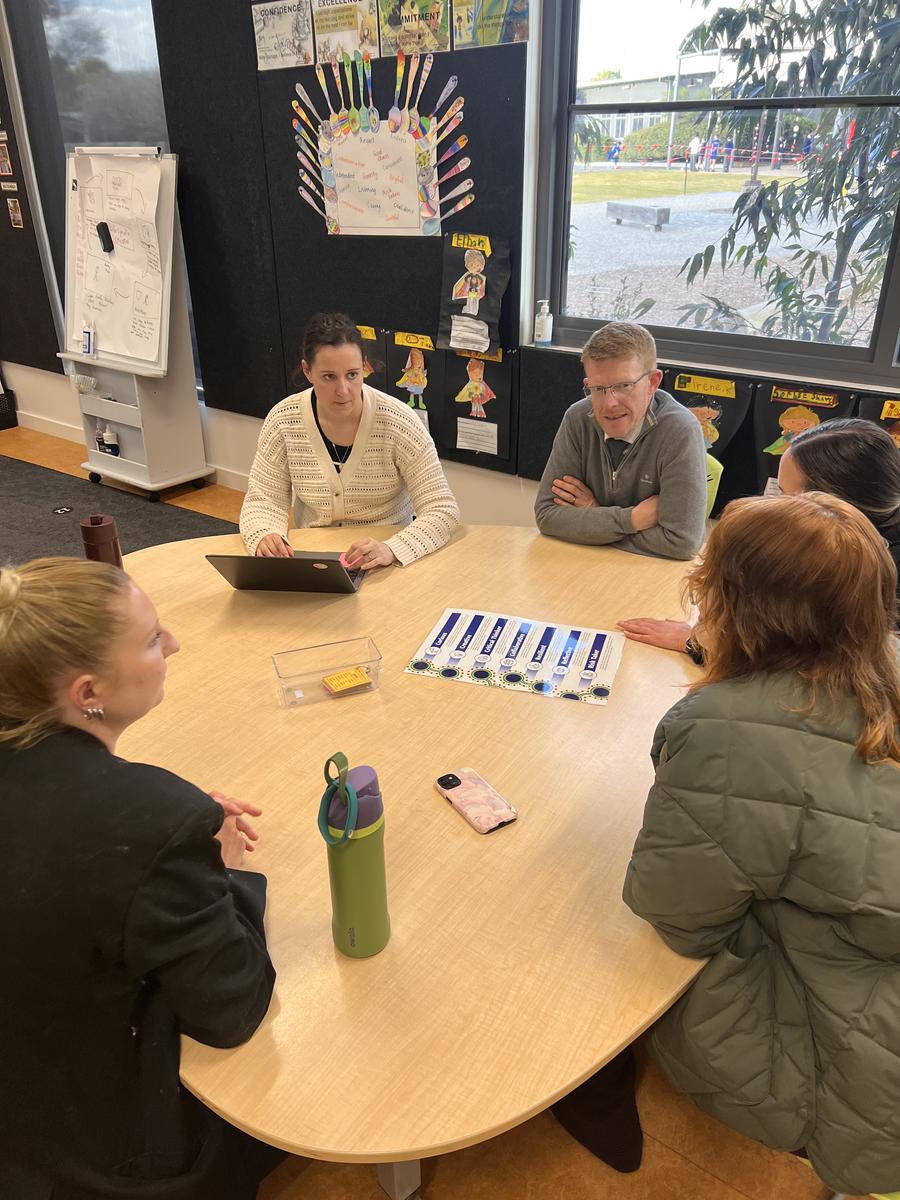
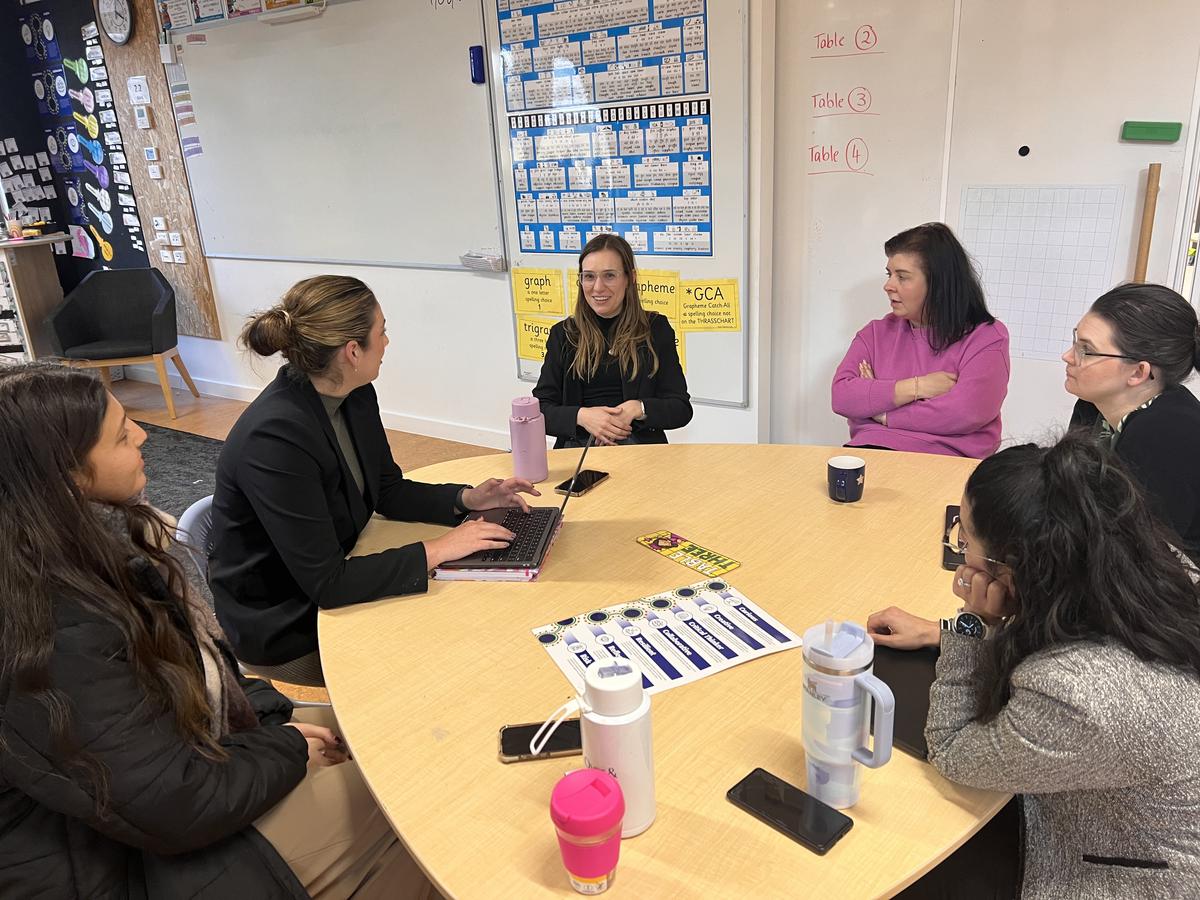
To build teacher knowledge, staff professional learning sessions have been run with a strong focus on SRL. These sessions included watching informative videos, engaging in reflective questioning, and considering the significance of SRL in student development. The PL provoked deep thinking, collaboration, and curiosity, encouraging our staff to explore how SRL can be embedded authentically in classrooms across the Junior School.
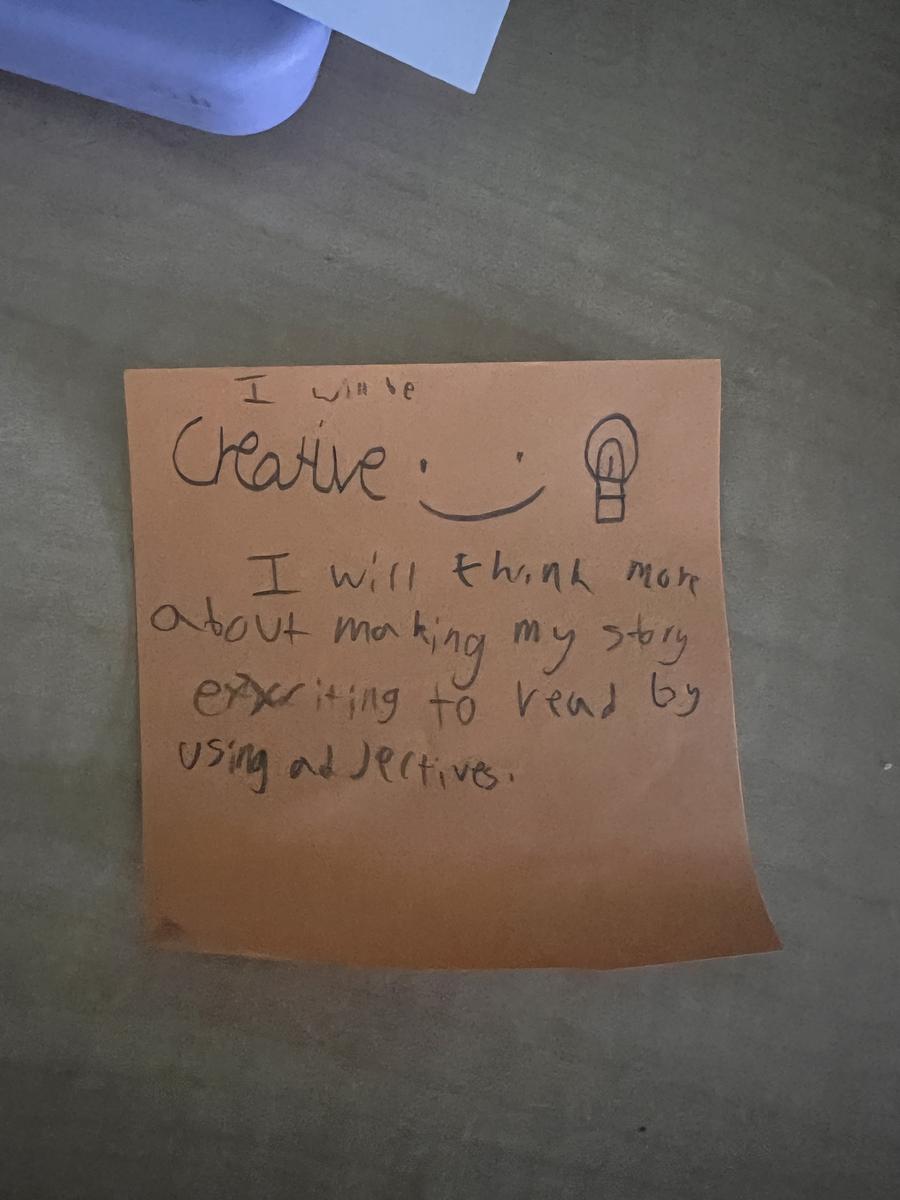
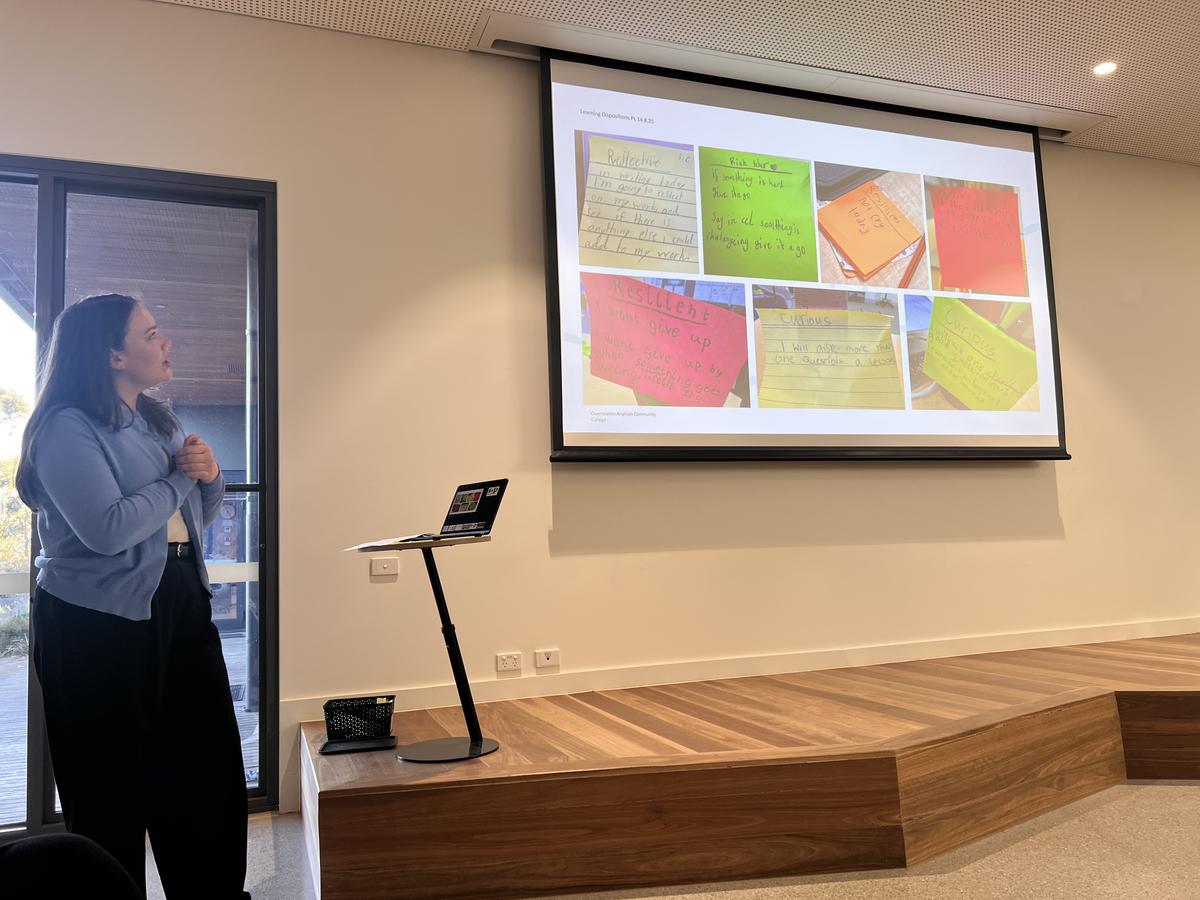
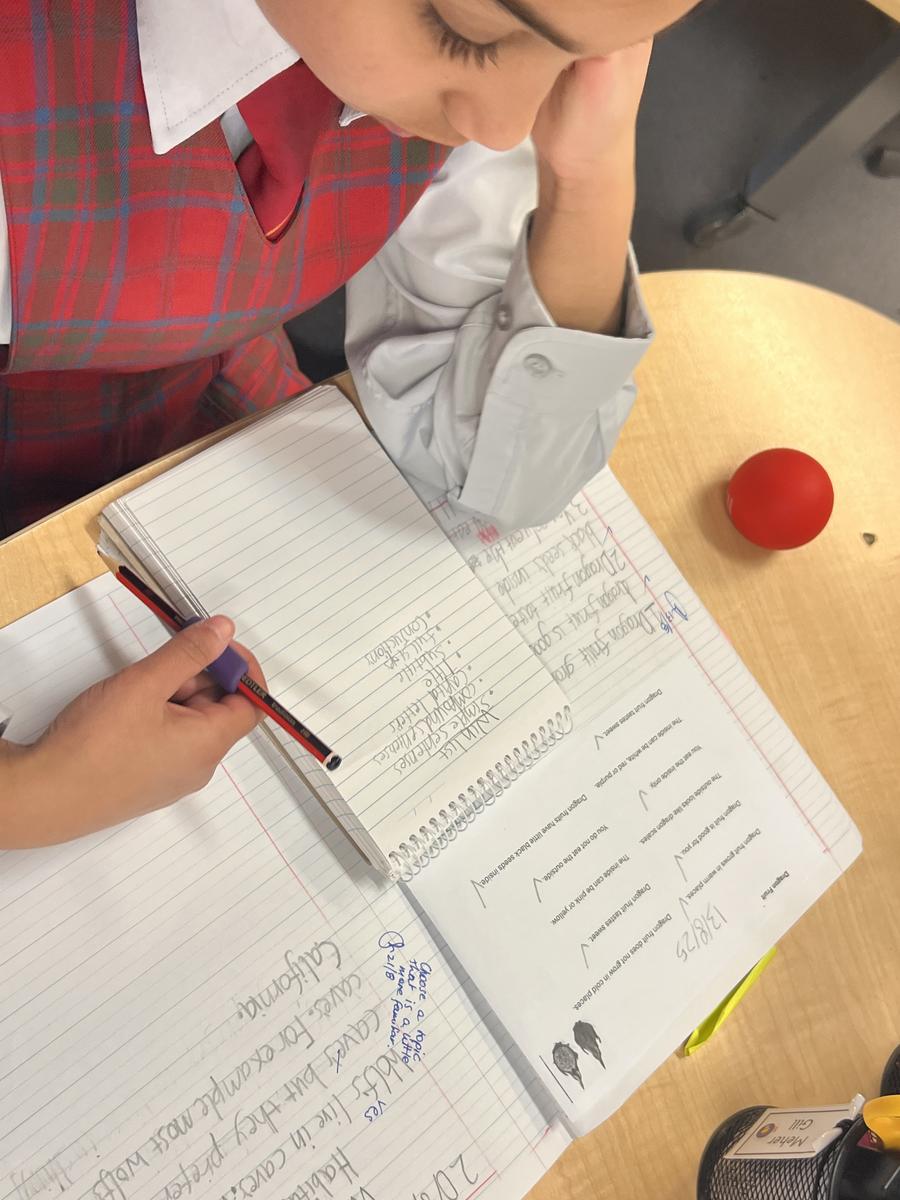
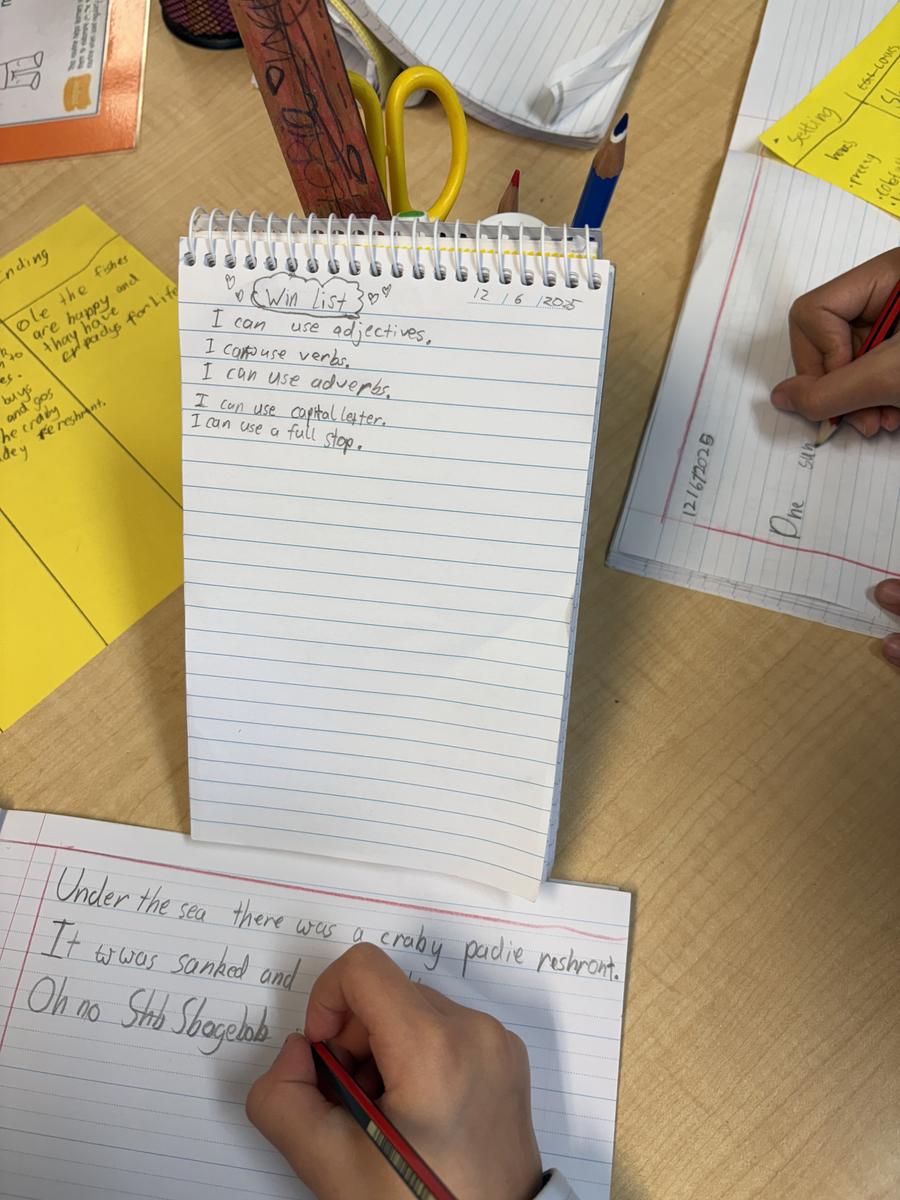
During these sessions, Victoria (Vicky) Pickworth and Julie Regan shared their expertise and classroom experiences in implementing SRL strategies. Julie discussed the use of the Tally strategy during assessments, where students built self-awareness by noticing their focus and distractions. Using a tally allowed them to track progress and reflect on their learning habits, which supported their growth. Vicky introduced the One Word strategy, which has been particularly powerful for students with high anxiety, giving them a calm, manageable way to anchor their focus. This strategy also enables students to develop a personal goal, share how they plan to action it, and then receive feedback from their teacher. In this way, students are actively engaging in metacognitive thinking, learning to set intentions, monitor their progress, and reflect on outcomes. Both strategies demonstrated practical ways to embed SRL, beginning to make the concepts more accessible and impactful for students.
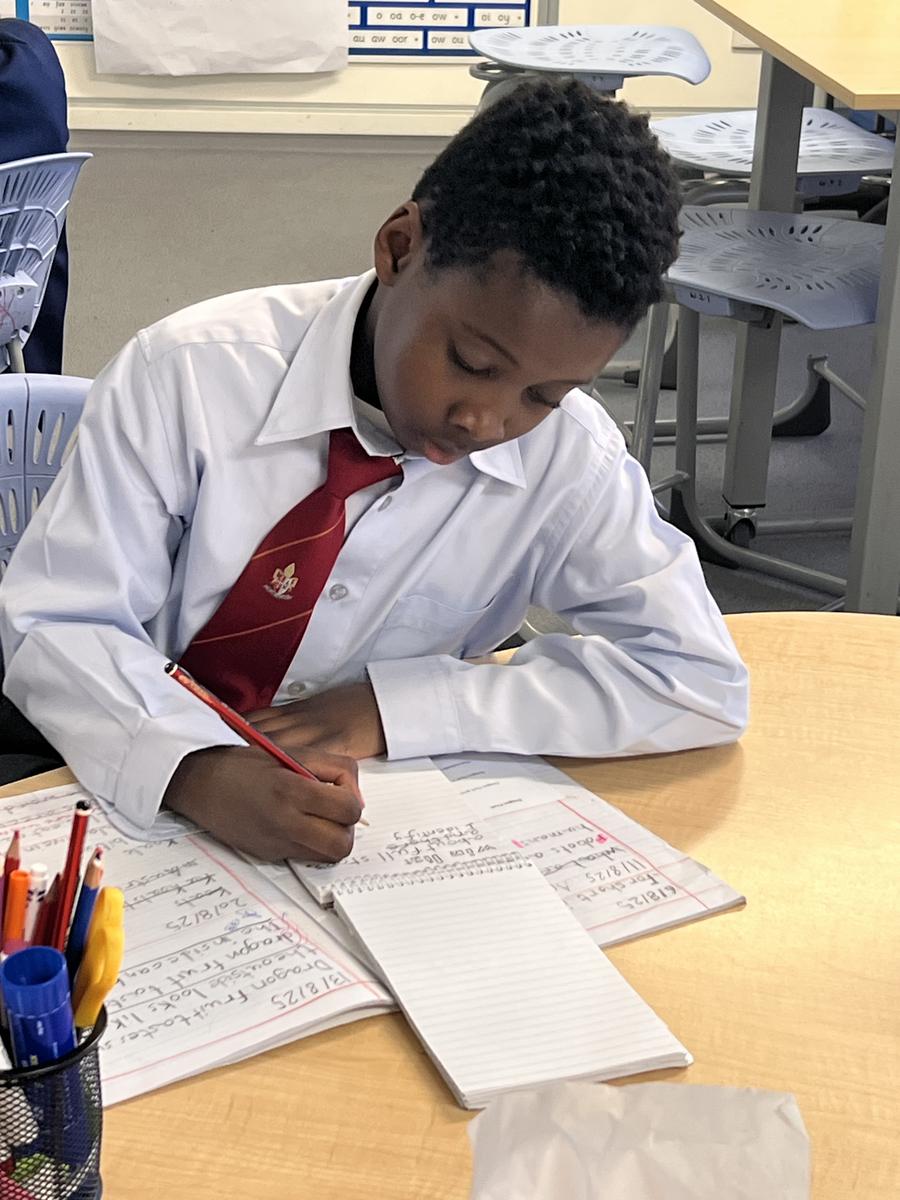
Teachers across the Junior School are now starting to trial different strategies in their classrooms. While this process will take time, the early signs are promising. Already, students are beginning to articulate how they learn, set goals with greater clarity, and reflect more meaningfully on feedback. As this work continues, the impact on student metacognition is expected to be significant. This shift aligns seamlessly with the Junior Schools emphasis on the College Learning Dispositions, particularly as we work to strengthen student goal setting and feedback practices.
We know that the skills students need are changing, and so it is vital that they develop a skill set that enables them to be lifelong learners and to build resilience. As we continue this journey, the focus on SRL in the Junior School not only equips students with the tools to become independent learners but also prepares them with the future-ready skills identified as crucial by global education leaders. Through shared expertise, collaborative professional learning, and classroom implementation, we are building a culture where self-regulation is increasingly valued and nurtured, with the potential for a huge impact on empowering our youngest learners to take ownership of their learning.