School Wide Positive Behaviour Supports
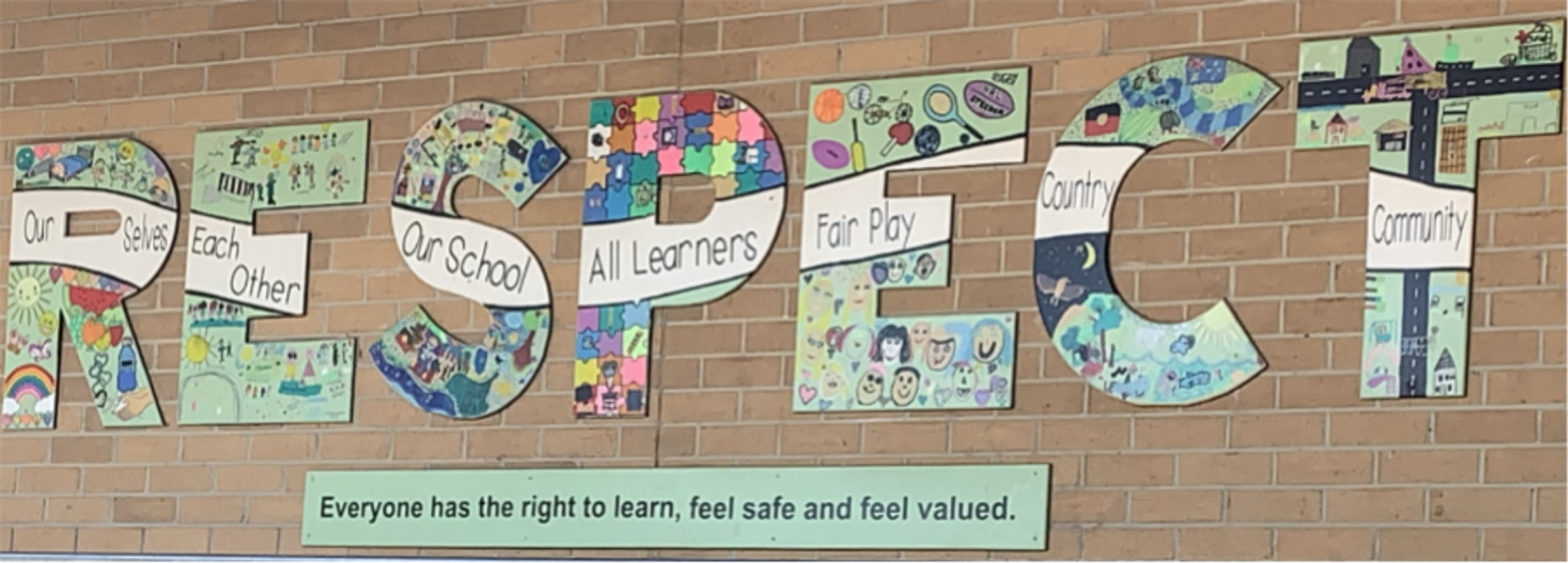
Building Student Motivation Through SWPBS and Challenge Based Learning
We believe every student wants to succeed. When students appear disengaged or unmotivated, it can be easy to assume the reasons sit outside of school, such as home life, health or personal circumstances. While these factors can influence motivation, research shows that school-related factors also play a powerful role in shaping student engagement and behaviour.
Through our School Wide Positive Behaviour Support (SWPBS) framework and Challenge Based Learning, we focus on creating the right conditions for students to feel motivated, capable and connected at school.
Understanding Motivation
Educational research, including the work of Richard M. Ryan and Edward L. Deci, highlights two main types of motivation:
Extrinsic (External) Motivation
This is when students are motivated by an external reward, praise, certificates, house points, grades or special privileges. These motivators can be effective in the short term, particularly for establishing routines, reinforcing expected behaviours or helping students reset quickly.
Intrinsic (Internal) Motivation
This occurs when students are motivated because they are genuinely interested, feel capable, or see value in what they are learning. Intrinsic motivation supports long-term engagement and fosters life-long learners.
Research shows that intrinsic motivation grows when four key needs are supported:
- Autonomy - Students feel they have voice and choice.
- Competence - Students experience success and feel capable.
- Relatedness - Students feel connected and respected.
- Relevance - Students understand why their learning matters.
Research continues to show that both intrinsic and extrinsic motivation contribute to student success, with intrinsic motivation particularly linked to sustained engagement over time (Al Shuaili, 2025).
How SWPBS Supports Motivation
Our SWPBS framework aligns strongly with these principles.
Clear expectations build competence:
When behaviour expectations are explicitly taught and consistently reinforced, students know what success looks like. This clarity reduces uncertainty and increases confidence.
Positive acknowledgement strengthens engagement:
We provide specific, strengths-based feedback such as:“Thank you for showing persistence during that challenging task.”This builds a student’s belief in their ability rather than focusing only on compliance.
Strong relationships drive motivation:
Students are more motivated when they feel known and valued. Predictable routines, respectful interactions and consistent adult support foster belonging.
How Challenge Based Learning Builds Intrinsic Motivation
Our use of Challenge Based Learning further strengthens engagement by increasing relevance and autonomy.
Challenge Based Learning invites students to explore real-world problems, ask meaningful questions and work collaboratively to develop solutions. Rather than simply completing tasks, students are challenged to apply their learning in authentic contexts.
This approach:
- Increases relevance by connecting learning to real issues and community contexts
- Builds competence through inquiry, problem solving and reflection
- Strengthens relatedness as students collaborate and learn from one another
- Promotes autonomy by allowing student voice, choice and ownership
When students understand why their learning matters and can see the impact of their thinking, motivation deepens.
Balancing Short-Term Supports with Long-Term Growth
External rewards can be helpful for building routines and reinforcing expectations. However, our long-term goal is to nurture intrinsic motivation. Through SWPBS and Challenge Based Learning, students experience:
- Clear expectations
- Positive acknowledgement
- Meaningful challenge
- Opportunities for voice and choice
- Strong relationships
Together, these approaches create optimal conditions for students to feel capable, connected and motivated, not just to achieve, but to grow.
If you would like to know more about how motivation, positive behaviour support and challenge-based learning are embedded in your child’s classroom, please speak with your child’s teacher.
References:
Al Shuaili, A.S.T. (2025) Intrinsic and extrinsic motivation as predictors of academic achievement and learning attitudes: Evidence from Omani schools, Educational Research and Reviews, 20(6), pp. 86–100. doi:10.5897/ERR2025.4474.
Ryan, R.M. and Deci, E.L. (2000) ‘Intrinsic and extrinsic motivations: Classic definitions and new directions’, Contemporary Educational Psychology, 25(1), pp. 54–67. https://doi.org/10.1006/ceps.1999.1020