
Visual Arts & Technologies
Head of Visual Arts - Michael Kapadia
Head of Technologies - Peter Steele
Visual Arts & Technologies
Head of Visual Arts - Michael Kapadia
Head of Technologies - Peter Steele
Article by Lesley Hutchison, Digital Technologies Teacher
"I was taught that the way of progress was neither swift nor easy.” - Marie Curie
Digital Technologies in Year 6 at Overnewton is about beginning a journey to understand how the devices around us are programmed to do the things they do. Students explored thought-provoking questions such as: “Is a washing machine a computer?” and “Is your family’s car a computer?” These discussions helped highlight just how many computers are working all around us.
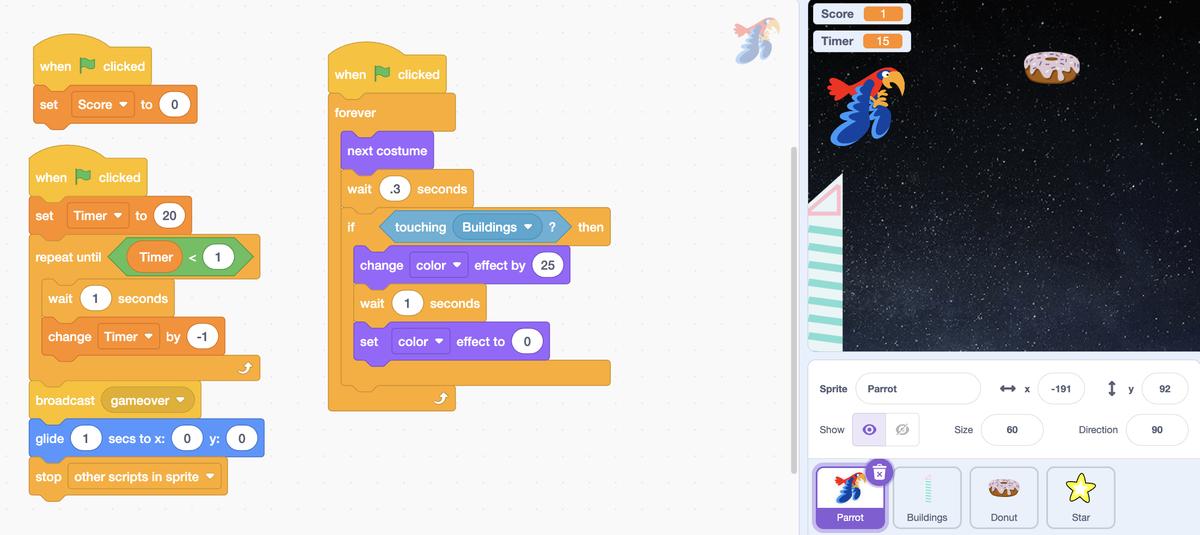
One of the greatest strengths of a computer is its ability to perform tasks repeatedly and reliably. During our Scratch programming unit, students learned fundamental programming concepts and discovered that programming is not always easy. They were challenged to break problems down into smaller, manageable steps in order to design effective solutions. This process encouraged curiosity, resilience, and persistence in their learning.
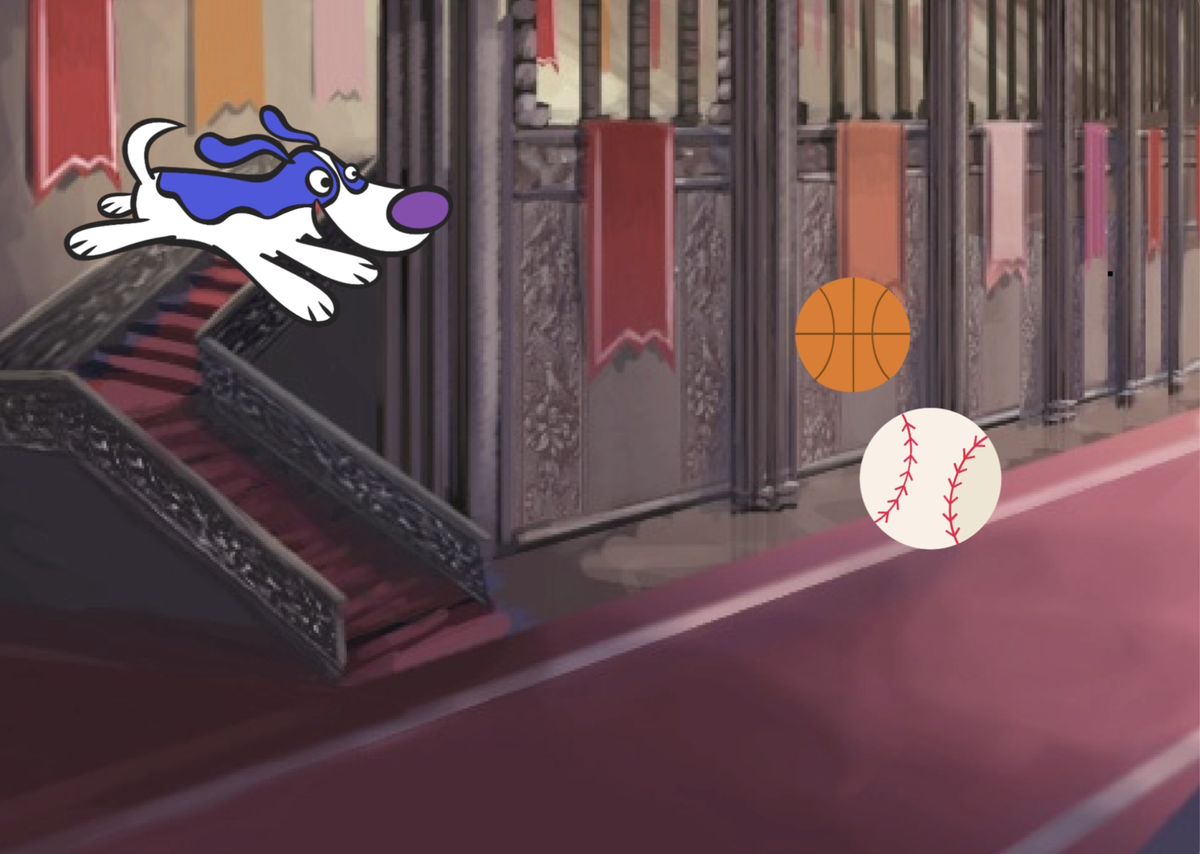
Students were also introduced to conditional statements, a powerful concept that allows programs to make decisions.
For example: “If it is hot today, I don’t need my blazer; otherwise, I do.” In their projects, students used conditional statements to test variables such as colour, size, and location.
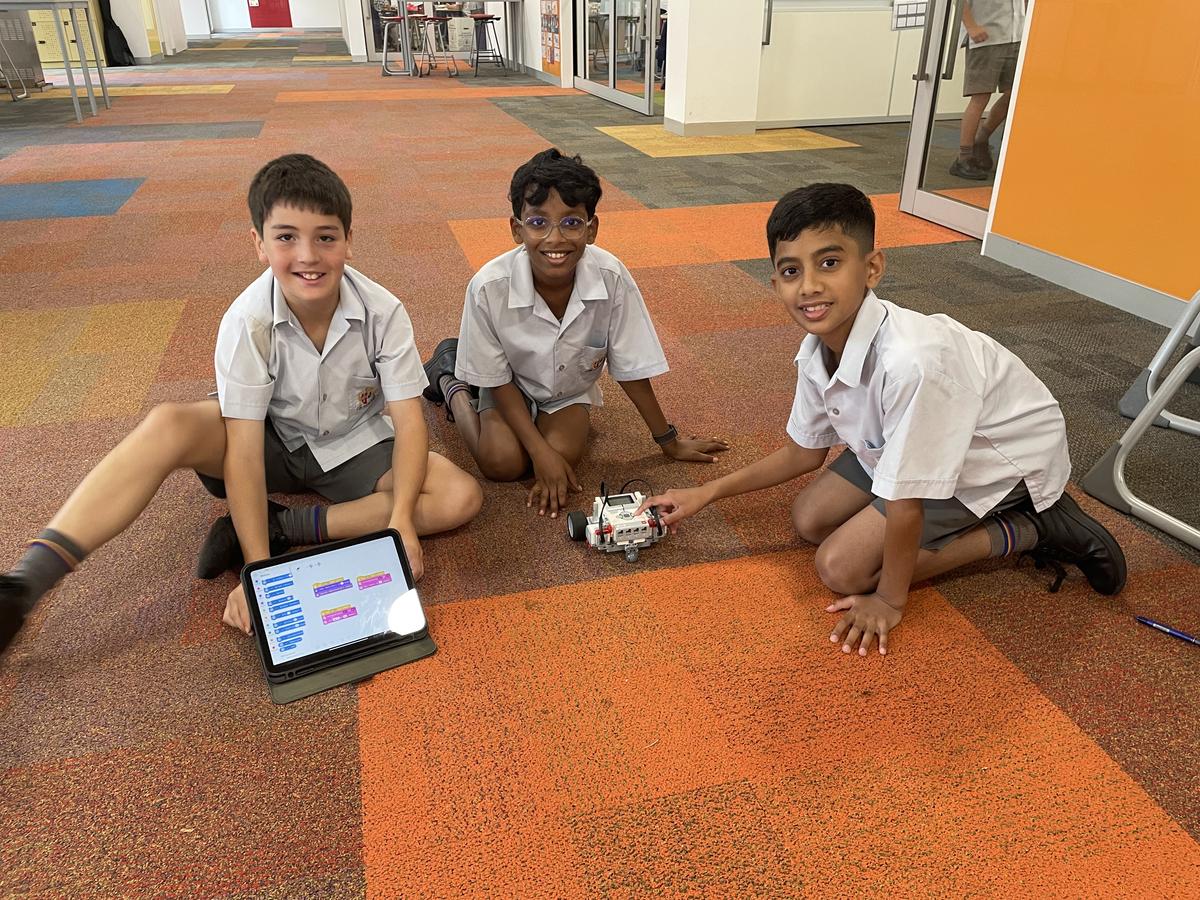
The culmination of the term’s learning was building and programming a LEGO robot to complete a series of turning challenges.
This task required collaboration and effective teamwork, as students worked in small groups to solve programming problems. Testing and debugging their programs was not always straightforward, but the final result was incredibly rewarding to see in action.