Critical Thinking is Critical:
Why Critical Thinking Matters More Than Ever:
- Critical thinking is a safety skill: it helps us avoid “confident nonsense” and make better decisions under pressure.
- Our brains are wired for shortcuts, such as going with the group and relying on what we already believe, so we need simple habits to slow down and check.
- At WHS, we practise “pause, question, check” in age-appropriate ways across reading, inquiry, and digital learning.
- At home, the biggest win is modelling: a 10-second pause, asking a few “boring questions,” and looking for the original source together.
- It’s not about being suspicious of everything; it’s about being calmly curious and willing to change our minds when the evidence changes.
Why Critical Thinking Matters Right Now
We are all swimming in information: headlines, screenshots, reels, forwarded messages, and now AI-generated summaries that can sound certain even when they’re wrong. As humans, we often “swallow first and think later,” even though the stakes can be high.
We can learn a lot from applying the “rat test”: city rats survive by hesitating around unfamiliar food because some of it is poison. In a modern sense, hesitation is a smart protective move for humans, too.
This is not just a “school skill.” It is a life skill that helps children (and adults) navigate:
- Health claims - so-called remedies and information that can genuinely harm.
- Online content designed to provoke outrage or fear, which makes us easier to influence.
- Research - don’t just collect facts, test ideas against evidence.
- Netsafe has a helpful overview on ways to check for misinformation and disinformation before sharing.)
Our Brains Make This Harder Than It Looks
Two big “human defaults” get in the way:
- We like to agree with the group. Disagreeing feels uncomfortable, even when we have a good reason.
- Confirmation bias. We naturally favour information that fits what we already believe.
Add in a third curveball: repeated claims start to feel true just because they’re familiar (the “illusory truth effect”).
So if we want our tamariki to think well, we have to teach a small set of habits that work even when brains are tired, busy, or emotional.
Critical Thinking Is Not A Single Lesson. It’s Woven Through How We Learn And How We Live Our Values (Aroha, Ako, Arataki).
Here are some practical ways we apply it:
- In reading and inquiry: children learn to ask “How do we know?” and “What is the evidence?” before they accept a claim. Our emphasis is on testing ideas against evidence.
- In digital spaces, we teach learners to look past the headline and check where something came from. The "One Simple Rule” is gold: whenever possible, check the original source (the actual study, data, or primary document).
- In classroom culture: we normalise being wrong as part of learning. We use the phrase, Nau mai ngā hapa. This translates as welcome the mistakes. Mistakes are good; they are an important part of learning. Strong learners update their thinking.
A whakataukī that fits nicely here is: Ka Mua Ka Muri - we walk backwards into the future. In other words, we move forward wisely by checking what’s behind us: evidence, sources, and patterns.
What Parents Can Do At Home
You Don’t Need To Be An Expert. You Just Need A Repeatable Family Routine.
1) The 10-Second Pause (Especially When Emotions Spike)
Try pausing when something makes us angry, thrilled, or smug. That emotional rush is often the warning light.
Try saying: “Let’s pause. This might be trying to hook our feelings.”
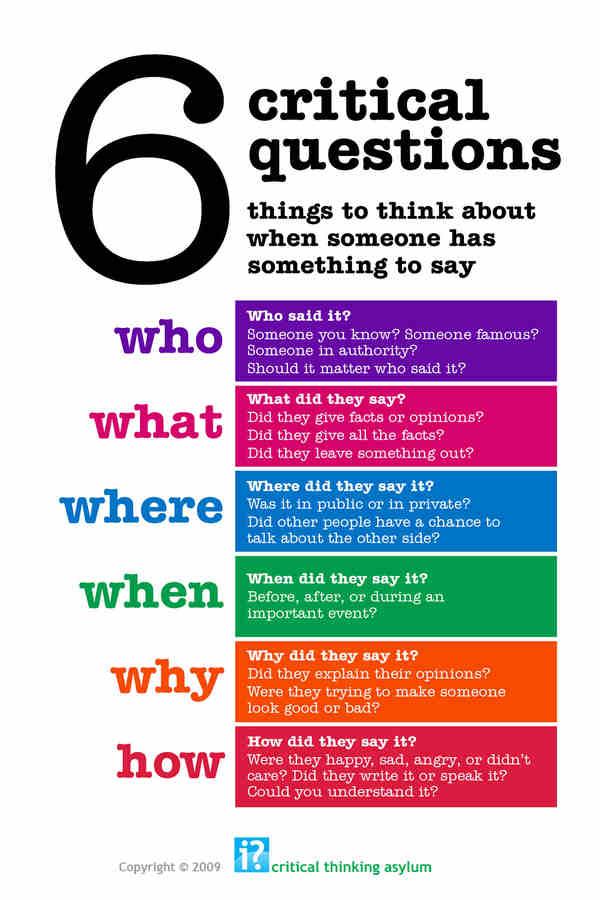
2) Ask three “boring questions”
Try dull questions like:
- Who is making this claim?
- What do they gain?
- What would change my mind?
OR
- “Who made this?”
- “How do they know?”
- “Where could we check it?”
3) Practise “lateral reading” together
Professional fact-checkers often open new tabs and quickly check what other trusted sources say about the topic or the organisation in focus.
In NZ, Keep It Real Online also encourages checking reputation, bias, and evidence when researching online.
4) “Don’t Just Share It, Check It”
This one protects whānau and community. Netsafe explicitly recommends practices such as verifying information and thinking critically about the source and intent before sharing.
A Suggestion For Parents
This week, pick one moment (a headline, a TikTok claim, a group chat message) and run through our family version of critical thinking with your child:
Pause, ask the three questions, and check the original source if possible.
If you’d like, send us the kinds of claims your child is encountering online, and we can use them to identify effective topics to reinforce at school.

A shorter, simpler chart to use could be