
Teaching & Learning Page:

Web Pages:
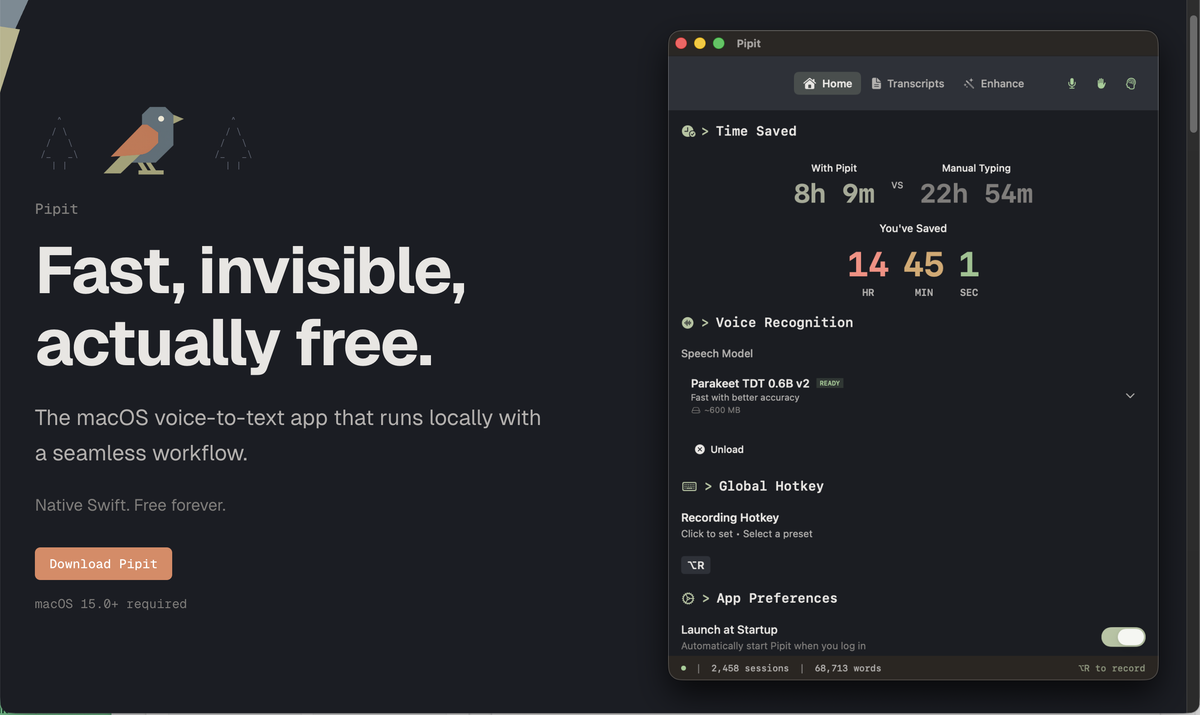
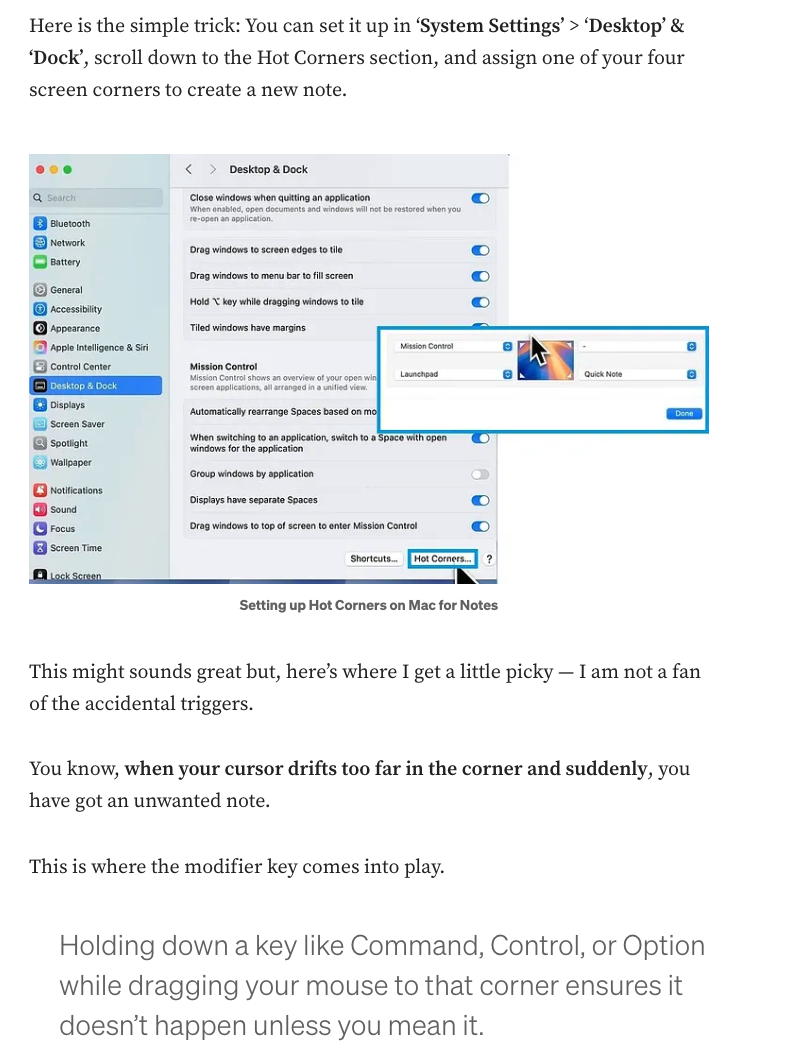
A free MacOS Voice to Text app.
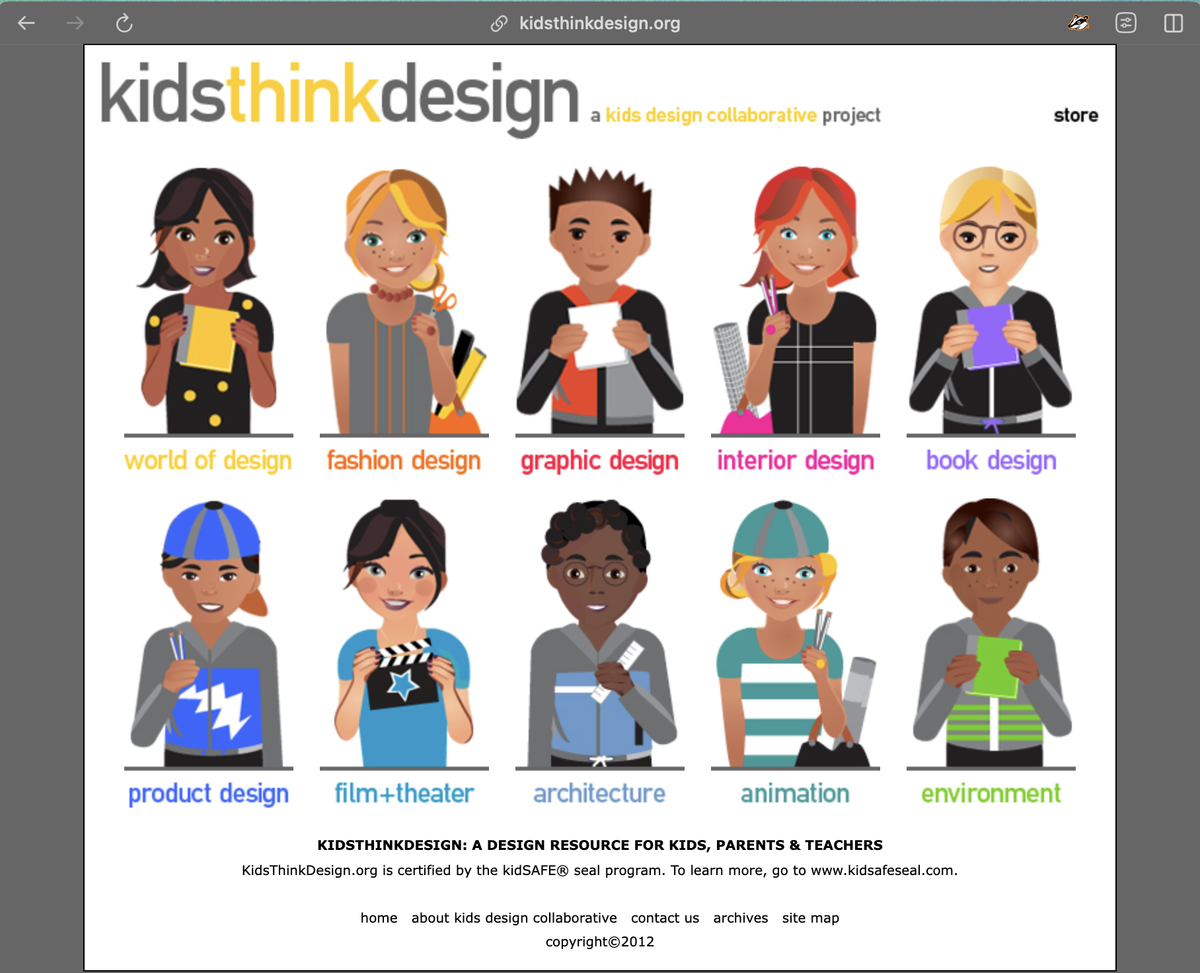
https://www.kidsthinkdesign.org
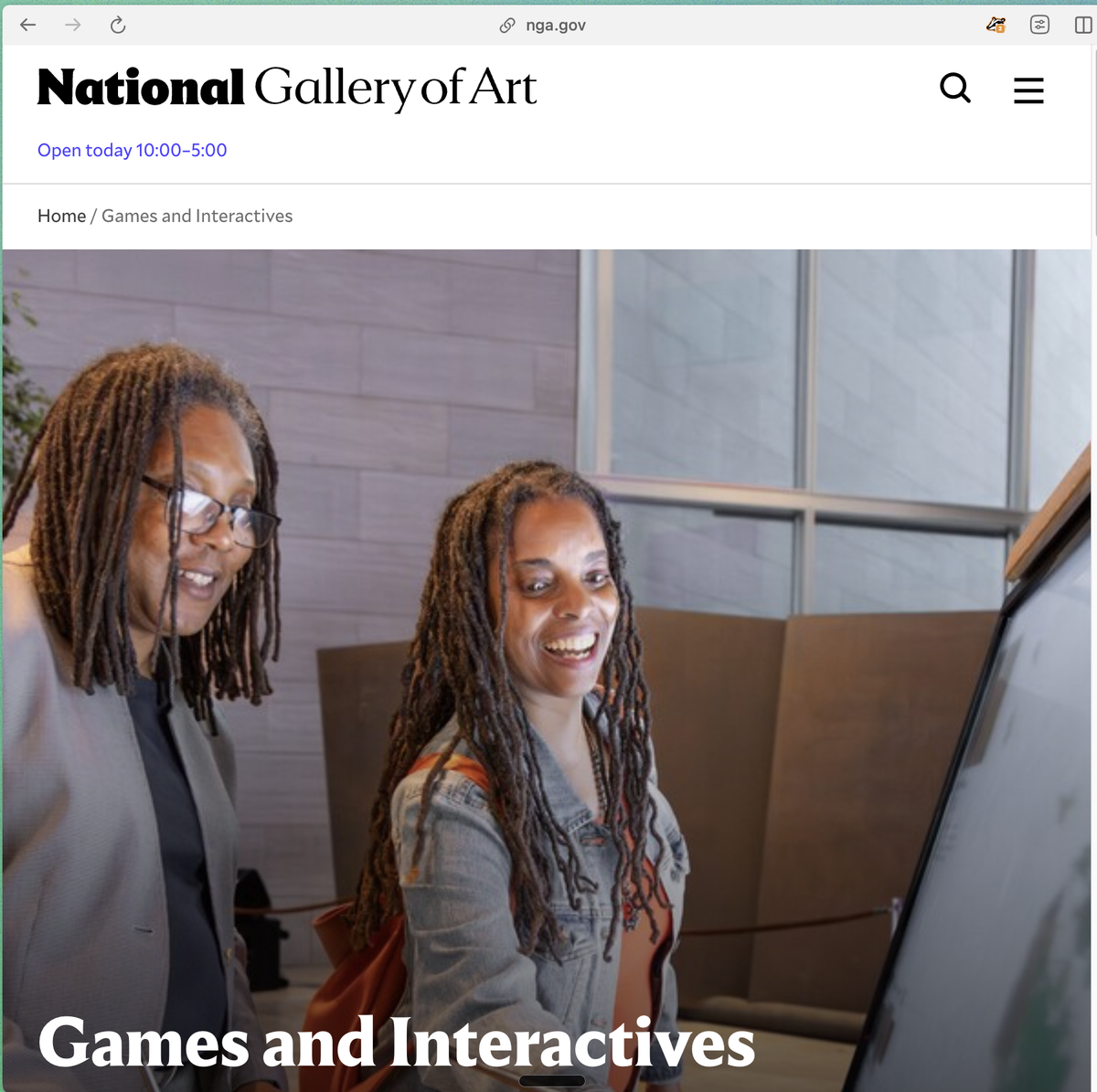
https://www.nga.govgames-and-interactives
Techie Tips:
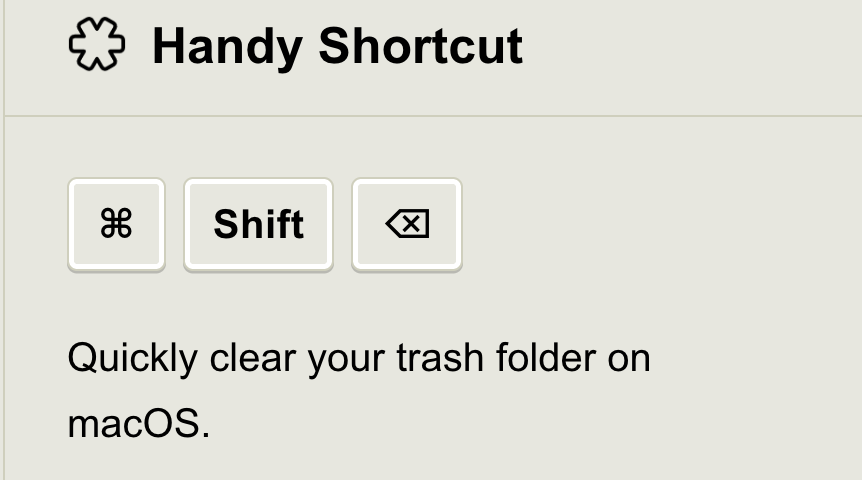
Why You Want AI to Betray You
You use AI every day.
But have you ever asked it to betray you?
See, the problem with AI is that it is a sycophant—it will agree with pretty much anything you say, validating every emotion you have.
If you say, “I think I’m a misunderstood genius, and everyone hates me,” it will say, “You’re right! You are! You deserve so much better!”
If you say, “I think the CIA is following me. I think I know too much.” It will say, “Here are three helpful ways to hide from the CIA. Want me to put that into a spreadsheet for you?”
If you say, “My mother-in-law is an alien, and I’m the Queen of England, " it will say, “Should I help you design your crown?”
So I decided to approach AI differently. I got thorough. I got demanding. I put together a 400-word prompt that started out with:
“Your goal is to help me deeply understand a recent challenge or failure and extract the most valuable lessons from it. You will guide me one question at a time, asking only what is essential to uncover key insights.”
So we chatted back and forth—this black box at some server farm in Narnia and me at my
laptop. It asked me practical questions, and I gave it practical answers.
And at the end?
It explained to me exactly why I had failed. It ripped into me for all of my inconsistencies and mistakes. It showed me exactly what I’d been avoiding.
A pattern I’d justified for months, dismantled in under two minutes.
That’s what I mean by betrayal.
If you want to use AI for growth, stop asking it to help you. Instead, ask it to challenge you.
You might not like the answers. But you’ll be better for them.
Sketches:
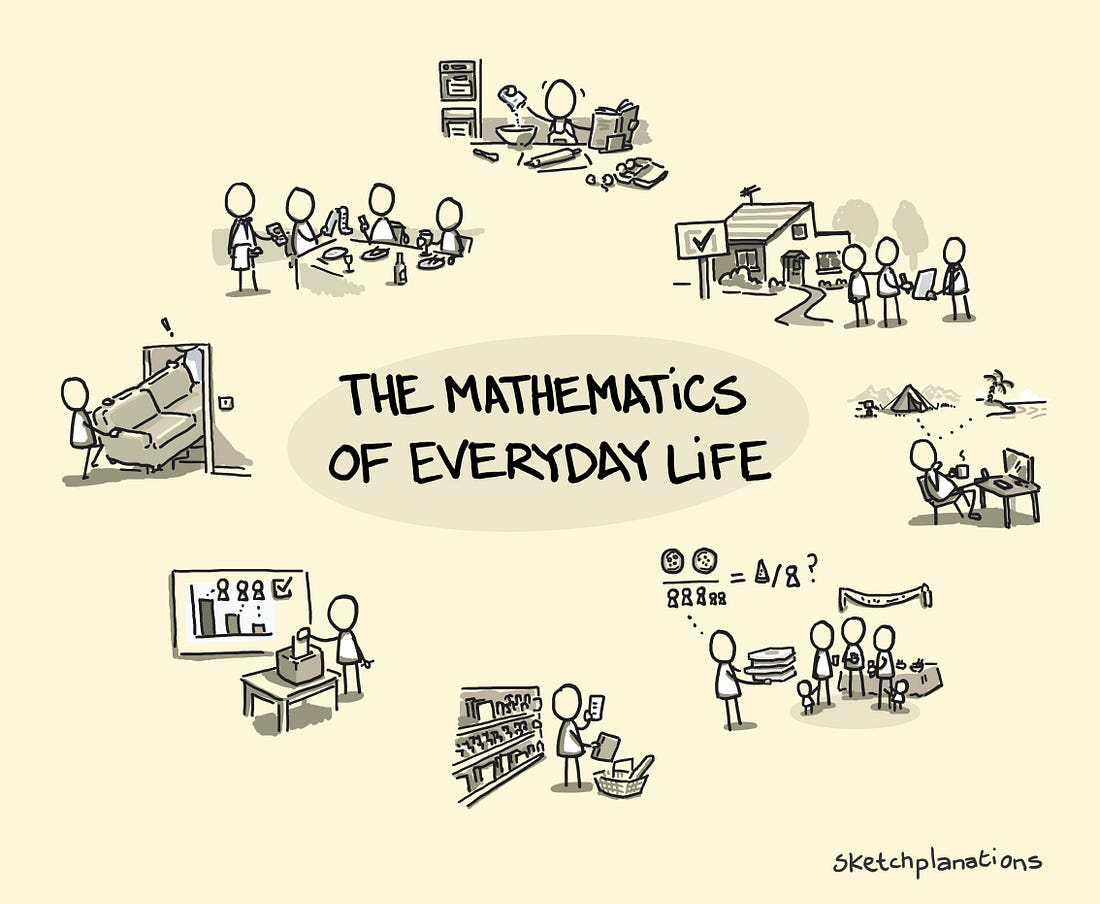
At school, it’s easy to think that mathematics is a somewhat arcane and abstract subject and that we don’t need to learn it. But I was surprised when I thought about all the times that knowing maths helps us in our everyday lives.
Examples of everyday mathematics.
Here are some scenarios I noted over a few weeks, both where I personally ran into everyday maths challenges and where I noticed how much it matters:
Travel and time
Comparing the relative costs of holidays
Deciding the cheapest or best way to get somewhere, balancing journey time, ease, cost, and comfort
Estimating travel times to know when you can meet someone
Converting between units when travelling (for example, miles and kilometres)
Manipulating dates and shifting between time zones
Homes and DIY
Fitting furniture in a room, or checking whether a sofa will go up the stairs
Estimating how many tiles you need for a bathroom
Working out how much paint you need for a fence or wall
Food and sharing
Estimating the cost of your shopping and comparing value (this one’s buy one, get one half-price, but that one’s cheaper per 100g…)
Splitting a bill at a restaurant
Adapting recipes for different numbers of people
Estimating food quantities for a party or a camping trip
Converting weights and measures
Money and finances
Understanding interest and return rates for savings and investments
Comparing insurance policies
Working out interest rates and monthly payments for a mortgage
Financing a car and comparing deals
Calculating tips
Media and society
Interpreting statistics in headlines, advertising claims, or medicines
Understanding the maths behind political claims, arguments, and elections
I’m sure you could add to the list—I didn’t even start on the sorts of metrics and measurements you might need at work.
Thinking about these everyday moments matters. Difficulty with basic, practical maths doesn’t just affect school performance—it affects independence, confidence, and daily life.
You might not need a Fourier transform or integration by parts for most of these. But facility with numbers, fractions and ratios, plus a little algebra and geometry, will go a long way toward making your life easier.
In the case of big financial decisions, like buying a house and deciding on your mortgage, just a little maths could make the difference of ten years of saving.
And a little understanding of statistics can help temper wild advertising claims and misleading headlines. (Refer to my article on critical thinking.)
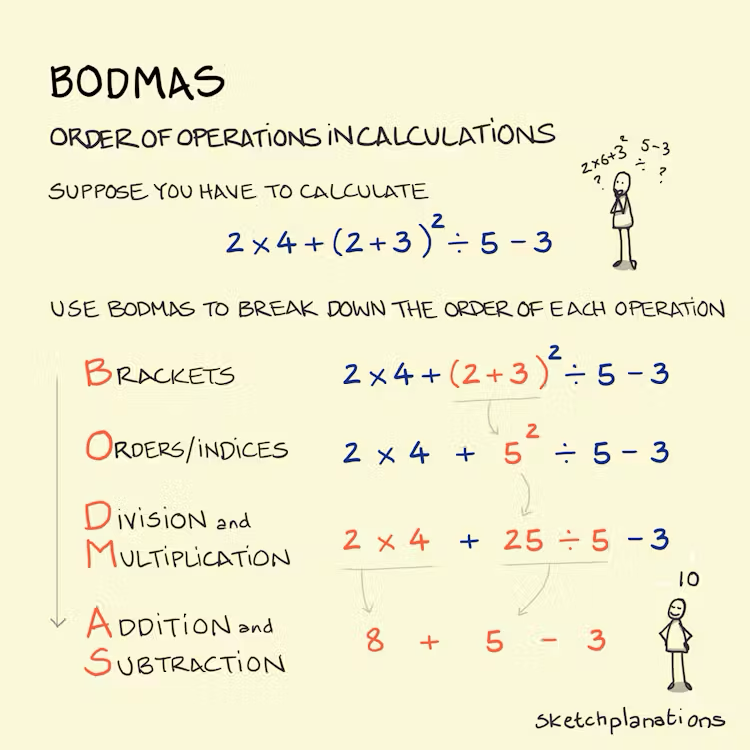
School mathematics refresher: When faced with a calculation that could be tackled in multiple ways, use BODMAS to clear it up (See PEMDAS at the end).
BODMAS is an acronym (as opposed to an initialism) that tells you the order of operations to tackle in a calculation.
BODMAS stands for Brackets, Order/Indices, Division, Multiplication, Addition, and Subtraction. So in 2 + 4 x 2 you don't end up with 6 x 2 = 12 but instead, 2 + 8 = 10
BODMAS is generally built into calculators (you can search 2 + 4 x 2 in Google to see). If you need additions or subtractions to be carried out first, you can surround them in brackets, e.g., (2 + 4) x 2
I always learned it as BODMAS, but many people told me they learned it as PEMDAS. The idea is the same just the words are different, and the ordering of Division and Multiplication, which are interchangeable:
PEMDAS: Parentheses, Exponents, Multiplication, Division, Addition, and Subtraction
Article:
Russian Startup Hacks Pigeon Brains, Turns Them Into Living Drones
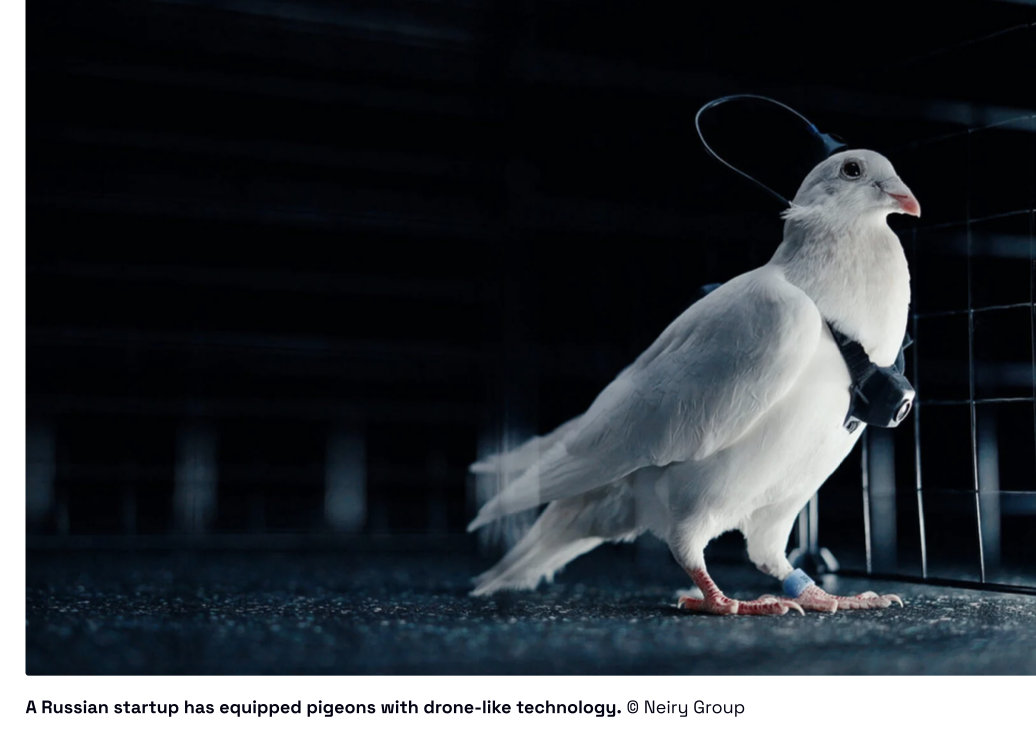
Pigeons have historically served as messengers for humans, but a Russian startup claims to take this to a new level—effectively “hacking” pigeon brains to turn them into biological drones.
In a recent statement, Russian startup Neiry announced it had completed test flights of pigeons fitted with neural implants developed by the company. According to Neiry, the interface delivers “mild stimulation” to parts of the pigeon’s brain, prompting it to prefer certain flight paths—similar to how standard drones follow pre-
loaded flight tasks—while the bird “otherwise behaves naturally.”
During the test flights, the pigeons carried a small controller, solar panels, and a camera for users, which allowed the company to assess the effectiveness of the so-called “bio-drones” in collecting data.
The drone is alive
To turn the pigeons into living drones, company technicians insert tiny electrodes through the birds’ skulls and connect them to a stimulator mounted on the pigeons’ heads. The pigeons can be deployed almost immediately after surgery, which the company claims poses a low risk to the birds’ survivability.
Pigeons, as naturally skilled fliers, may outperform mechanical drones in navigating complex terrains, accessing small spaces, and withstanding harsh weather. What’s more, the birds can fly up to 500 kilometres a day without needing to charge batteries, the company explained.
This makes the “bio-drones” efficient vessels for surveillance, inspecting infrastructure or the environment, and supporting search-and-rescue operations, Neiry CEO Alexander Panov told Bloomberg.
Are the cyborg pigeons safe?
Neiry noted in its statement that, when not engaged in test flights, the birds continued their normal routines and received care from company operators. The company also claims to consult in-house bioethicists for their experiments.
However, Neiry has yet to provide independent reviews from third-party sources, leading some experts to question the ethical implications of their technology.
“Any time we’re using neural implants to try to control and puppeteer any species, it feels icky,” Nita Farahany, a bioethicist at Duke University, told Bloomberg. There are clear ethical concerns when the purpose is to “subjugate animals and deploy them as if they’re
products rather than living creatures,” she added.
Neiry has also firmly insisted that PJN-1 is strictly restricted to civilian use. In a statement to The Telegraph, a spokesperson for Neiry said it makes “every effort to ensure that our bio-drones are used As for the involvement of Russian government-related investors, the
Neiry spokesperson added that “government support is a common and widely accepted worldwide practice: in all major countries, breakthrough technologies are supported by the state.”
Just the start?
All that said, the company seems intent on proceeding with the project, as it confirmed in its press release that the technology is ready for practical use in “utilities, logistics, agriculture, and emergency response.”
Panov, in particular, anticipates that the technology could be applied to various species for specialised tasks in the near future. But should the firm pivot to international sales, it’ll likely be subjected to serious reckoning from stakeholders—and only time will tell how or
whether the company plans to address such concerns.
Book Recommendation:
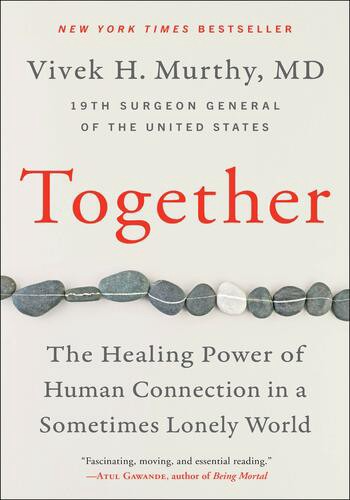
This book explores loneliness as an underrecognised public health epidemic impacting physical and mental health. Murthy argues that human connection is an evolutionary necessity and offers solutions to combat isolation by nurturing relationships, community, and service, ultimately advocating for a more connected, compassionate society.
Summary of Key Ideas
- The Loneliness Epidemic: Loneliness is linked to depression, anxiety, addiction, and physical illnesses like cardiovascular disease and dementia.
- Three Dimensions of Connection: Murthy defines 3 types of connection needed: Intimate (close confidants), Relational (friendships/support), and Collective (community/group belonging).
- Causes of Isolation: Modern individualism, technology, and high mobility have disrupted traditional social structures, leaving us feeling more isolated.
- The Four Strategies for Connection:
- Spend time daily: Dedicate at least 15 minutes to loved ones.
- Focus on each other: Give full attention without distractions.
- Embrace solitude: Build a stronger, more comfortable connection with yourself.
- Help and be helped: Service to others fosters a deep connection.