Specialists

FRENCH
With Christmas fast approaching, let me tell you more about some French traditions and celebrations:
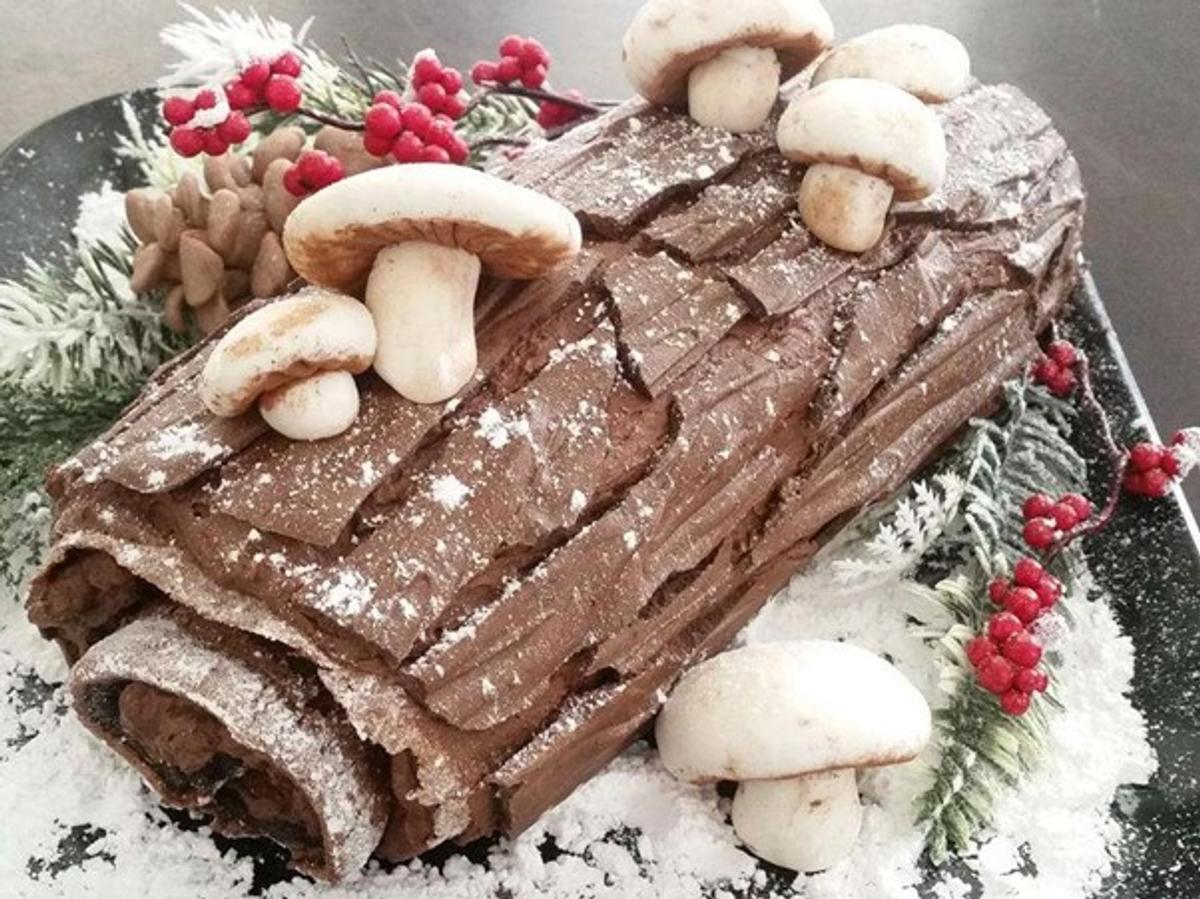
- Le Réveillon is the big Christmas meal French people sit down to enjoy on the 24th of December. Some maintain the tradition of serving it after midnight mass, but others decide to have it earlier during the evening. As the French are food lovers, the Réveillon is almost as sacred as the day itself! Lasting up to six hours on occasion, it’s a chance to sit down with family members and tuck into sumptuous food, over many courses. The menus tend to vary depending on the region in France. In Paris, seafood and oysters are common starters, followed by caviar, foie gras, a main meal (often goose or turkey) and the traditional Christmas Yule Log, La Bûche de Noël.
- Le sapin de Noël (the Christmas pine tree): This familiar Christmas symbol first appeared in the French region of Alsace in 1521. The trees were originally covered in red apples and candles. Like most Westernised countries, the French put their tree up at the beginning of the season and lay the gifts from Père Noël under the tree. They leave out their shoes or slippers by the fireplace for presents, not stockings.
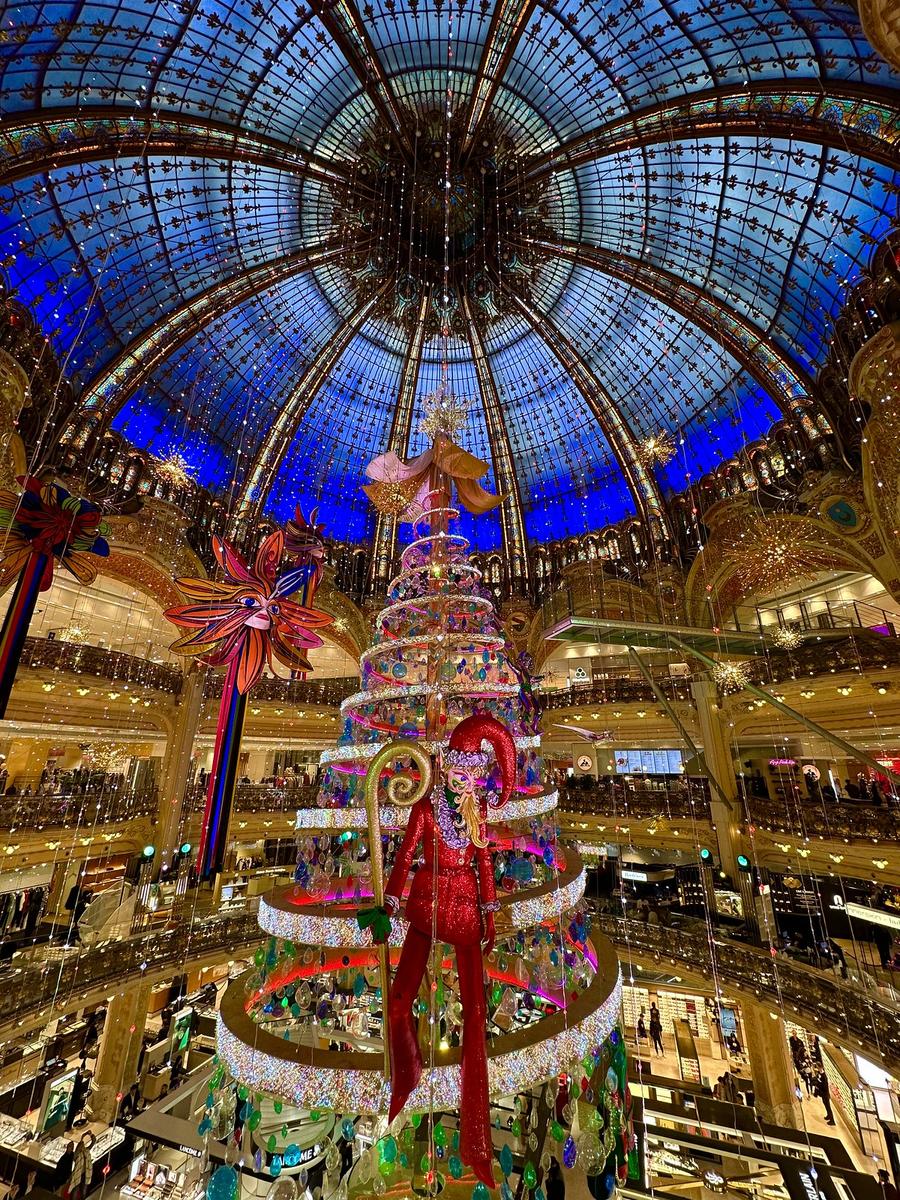
Christmas tree in the Galeries Lafayettes mall in Paris
Christmas tree in the Galeries Lafayettes mall in Paris
Le Père Noël et le Pere Fouettard: French children write letters to le Père Noël (Father Christmas). The familiar white-bearded character is not of French origins initially. Sinterklaas was a Dutch/German inspiration whose name gradually morphed into Saint Nicholas over time.
Saint Nicholas is the historical and religious figure who inspired the modern Père Noël, with some differences remaining between the two figures in certain regions of France. While the modern Père Noël is the primary gift-giver at Christmas, traditions vary: Saint Nicholas is celebrated on December 6th with his donkey and gift-giving, whereas the historical Père Noël figure is associated with Christmas Eve and may be accompanied by his sidekick, Le Père Fouettard. If children are good, the tradition is that Saint Nicholas will reward them with gifts (or simply an orange, up until the 1960s); if children are bad they will be visited by Le Père Fouettard instead (or as the Americans call him, the Bogeyman). This evil character, dressed in black and smeared with coal, was to be feared as he was believed to whip children who had misbehaved. Now this character doesn’t punish children anymore. Phew!
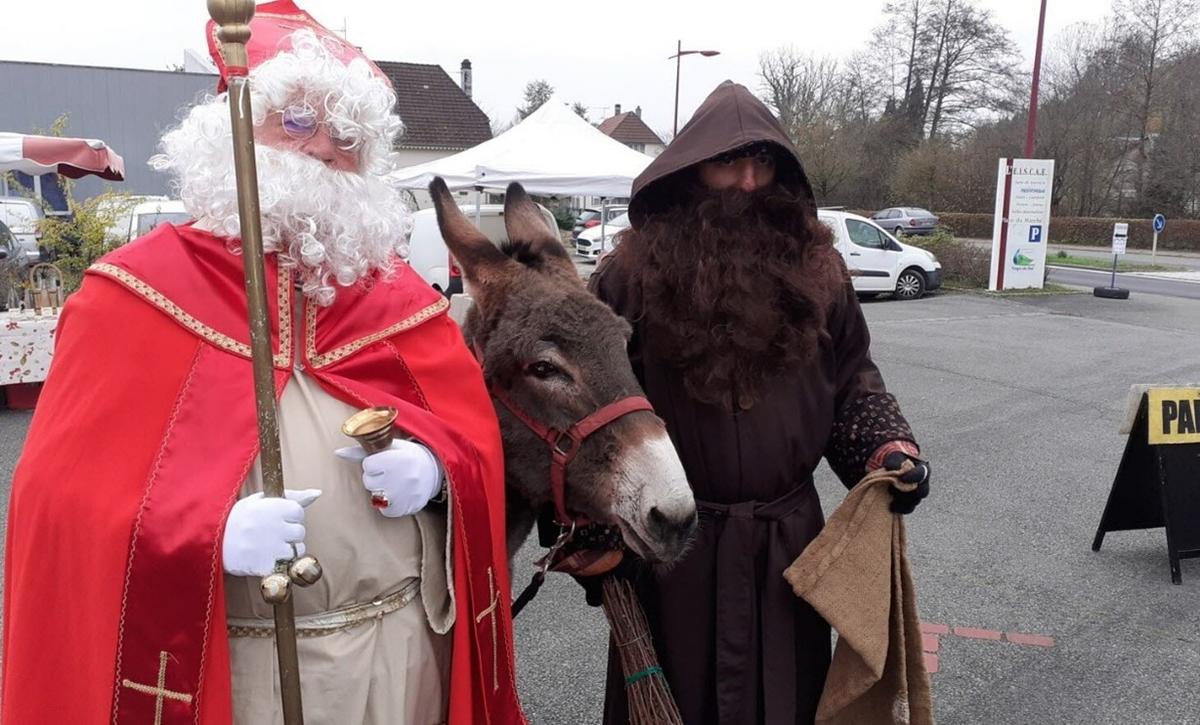
Le Père Noël et le Père Fouettard
Le Père Noël et le Père Fouettard
Midnight Mass is a traditional Christmas Eve church service that occurs around midnight or slightly earlier, marking the celebration of Jesus' birth.
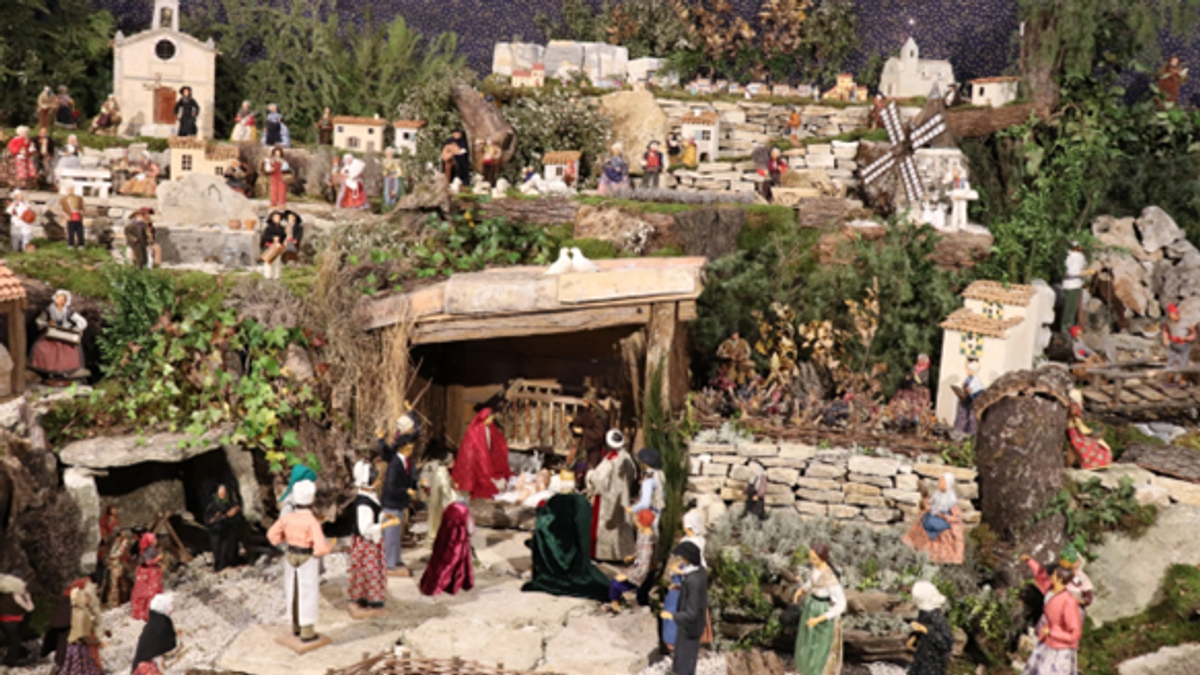
Nativity scenes: Cities and towns become festive with lights and Christmas trees appearing in late November and early December. Nativity scenes are a common and significant part of decorating homes and churches in France. Midnight mass and street Nativities were banned during the French Revolution.
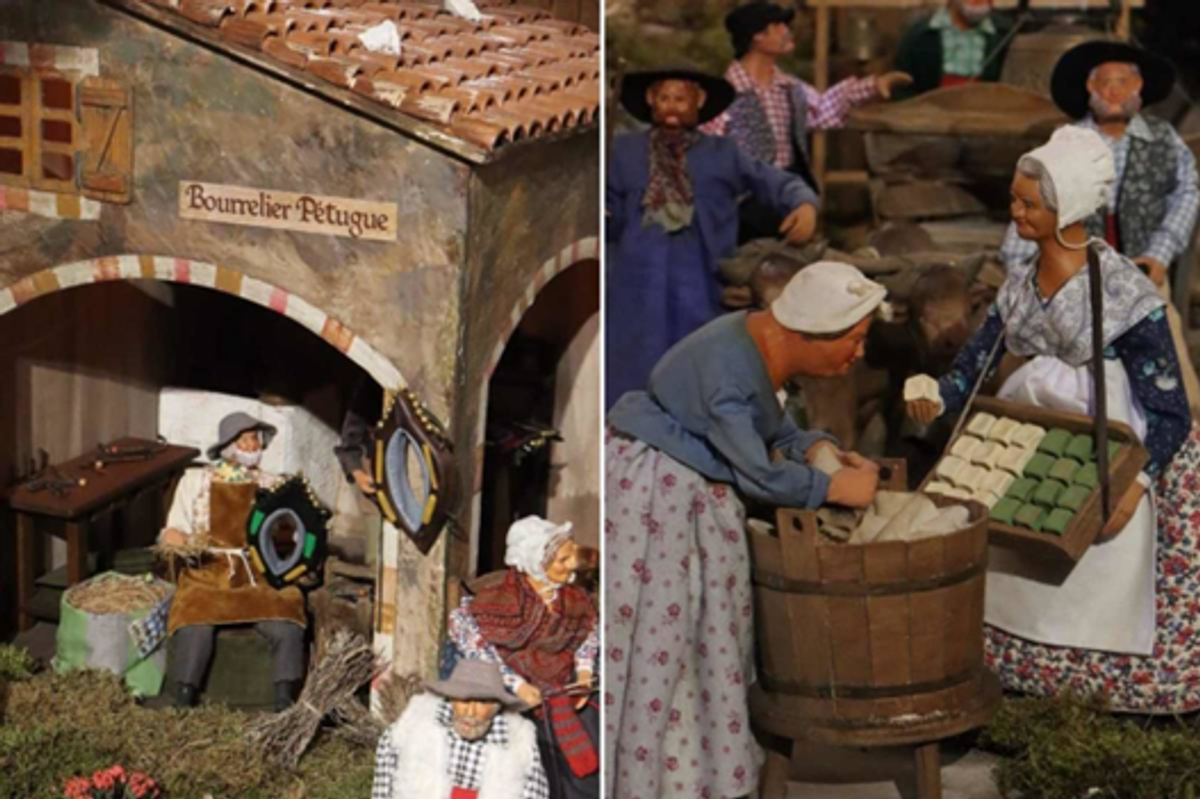
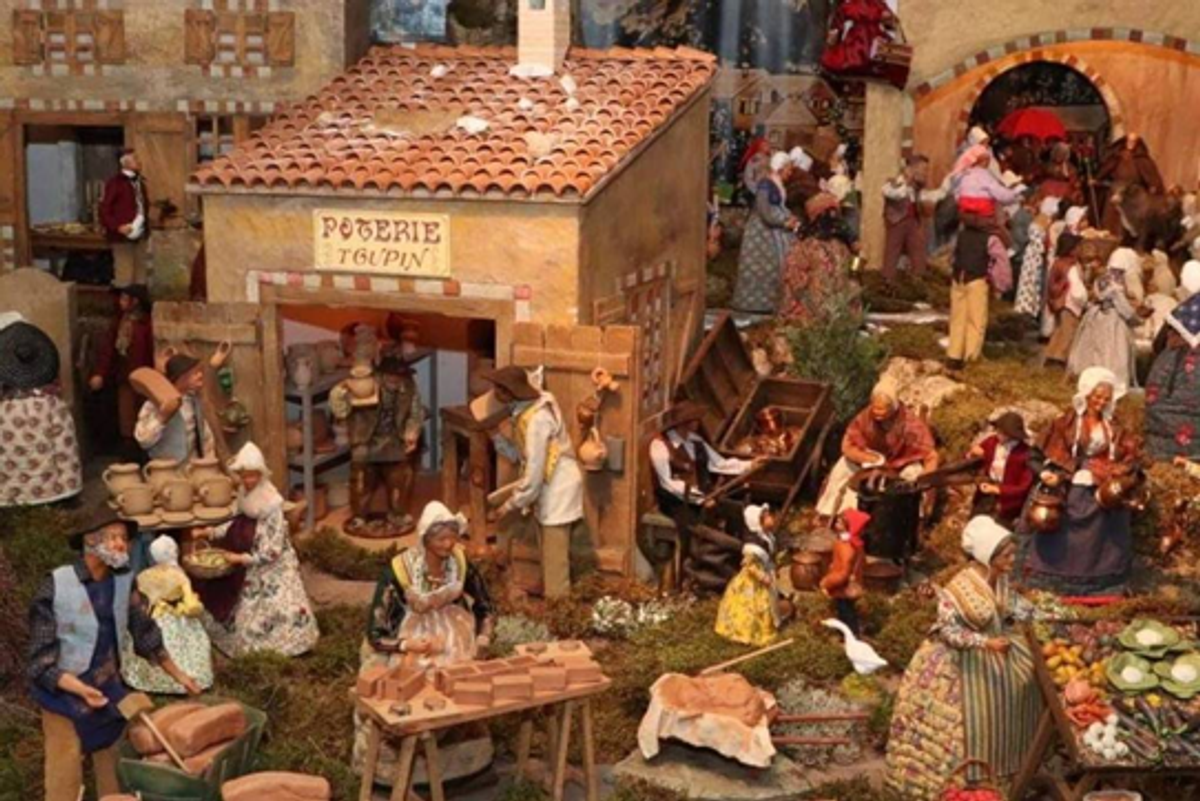
This year, Allauch, a small town near Marseille, is home to France’s largest animated Nativity scene. A blend of tradition and authenticity, it transports young and old into a world where the magic of Christmas meets Provencal craftsmanship. Since its creation in 1978, this Provencal crib, where 50 of the 800 clay santons are animated, has become a huge tourist attraction over the years. Provence santons are small, hand-painted terracotta figurines that are a central part of the traditional Christmas nativity scene (crèche) in the Provence region of southeastern France. The word "santon" comes from the Provençal word "santoun," meaning "little saint".

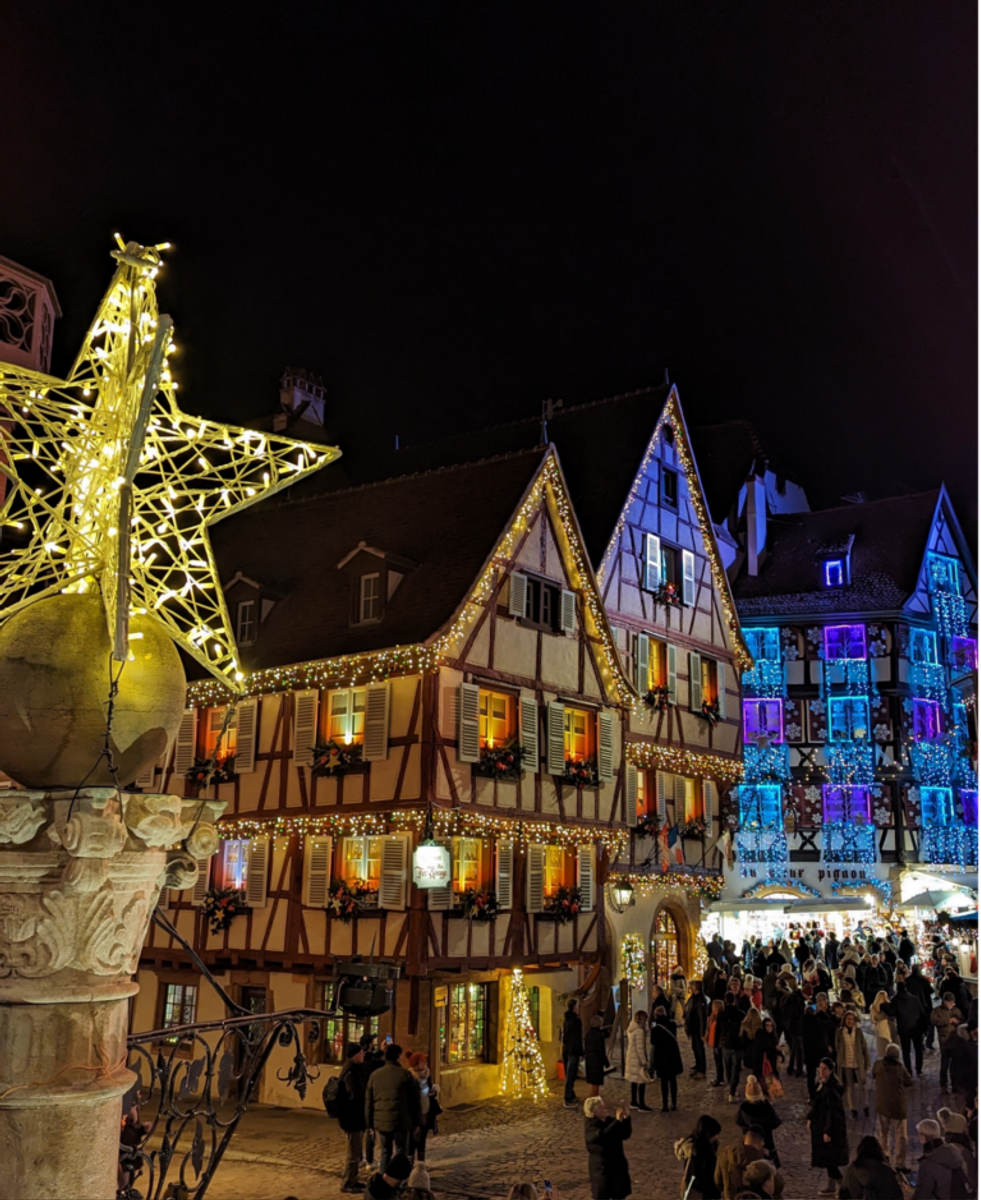
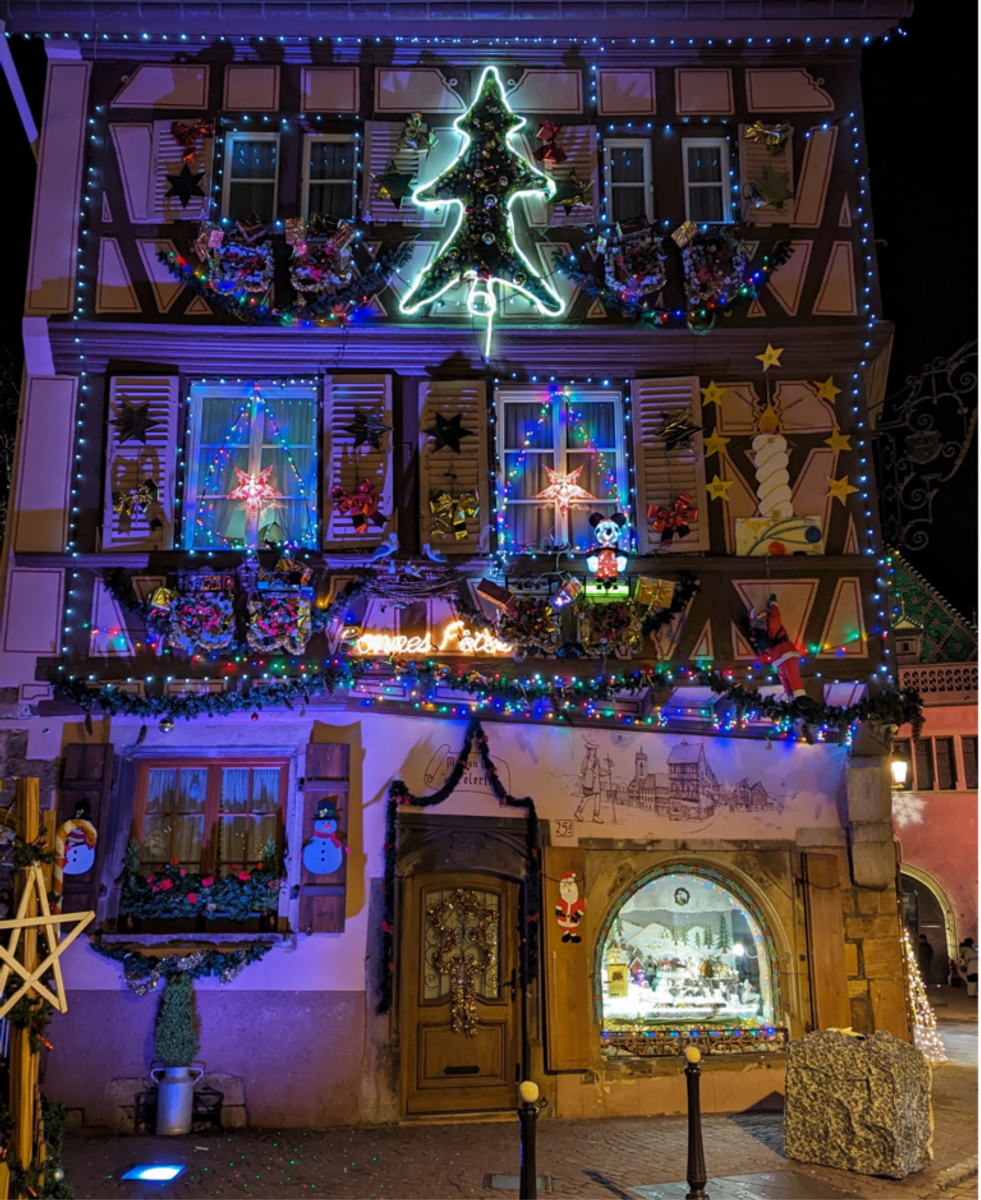
- The city of Strasbourg, in Alsace, is known as the "World Capital of Christmas" for hosting one of the largest and oldest Christmas market in Europe, with over 300 stalls and a giant Christmas tree.
Physical Education
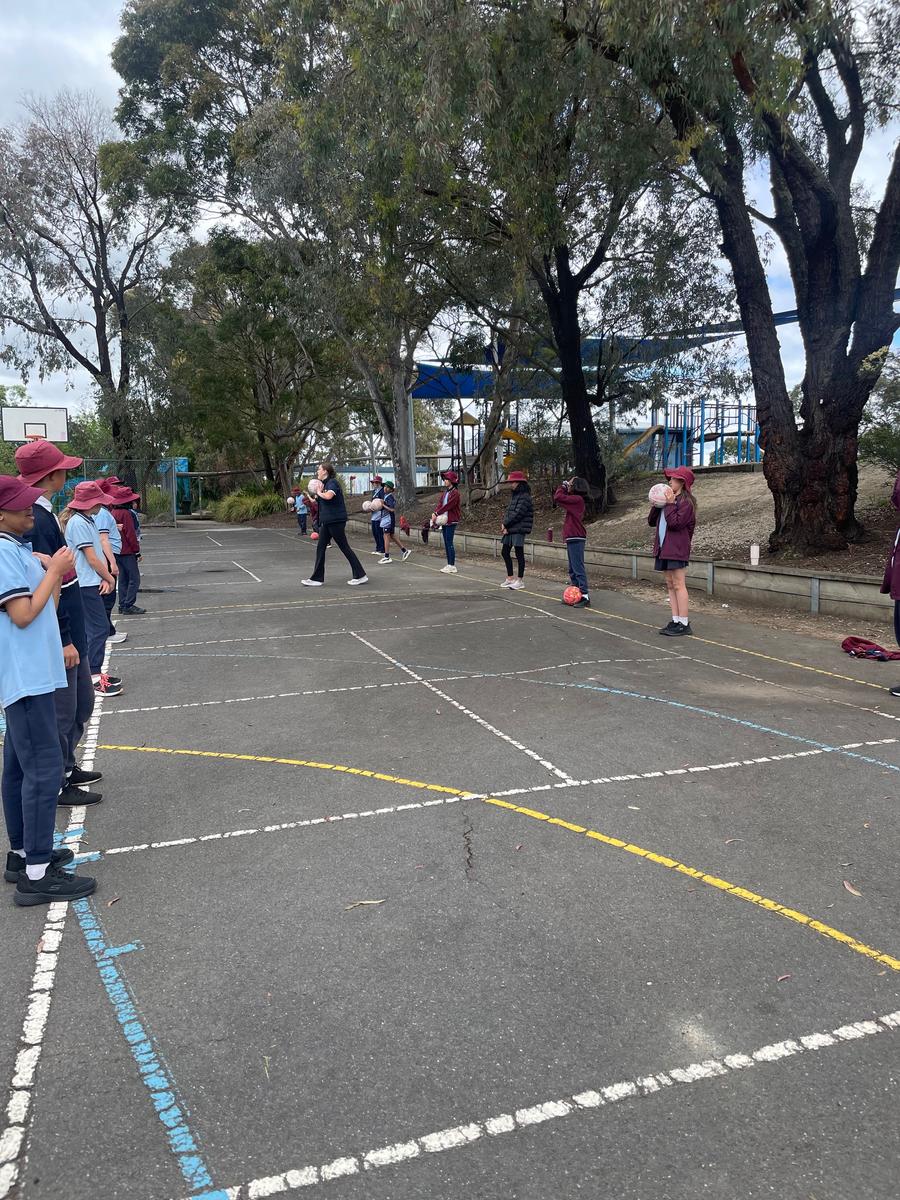
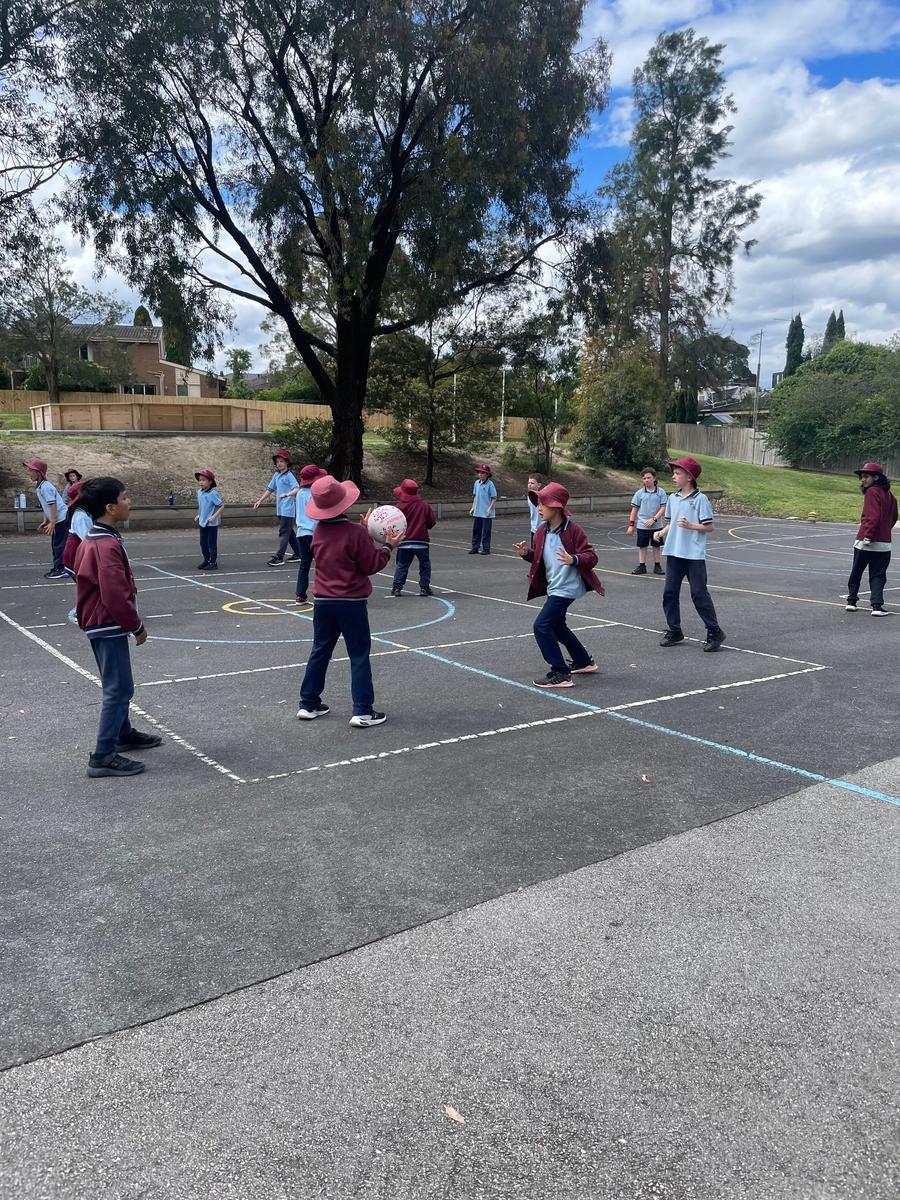
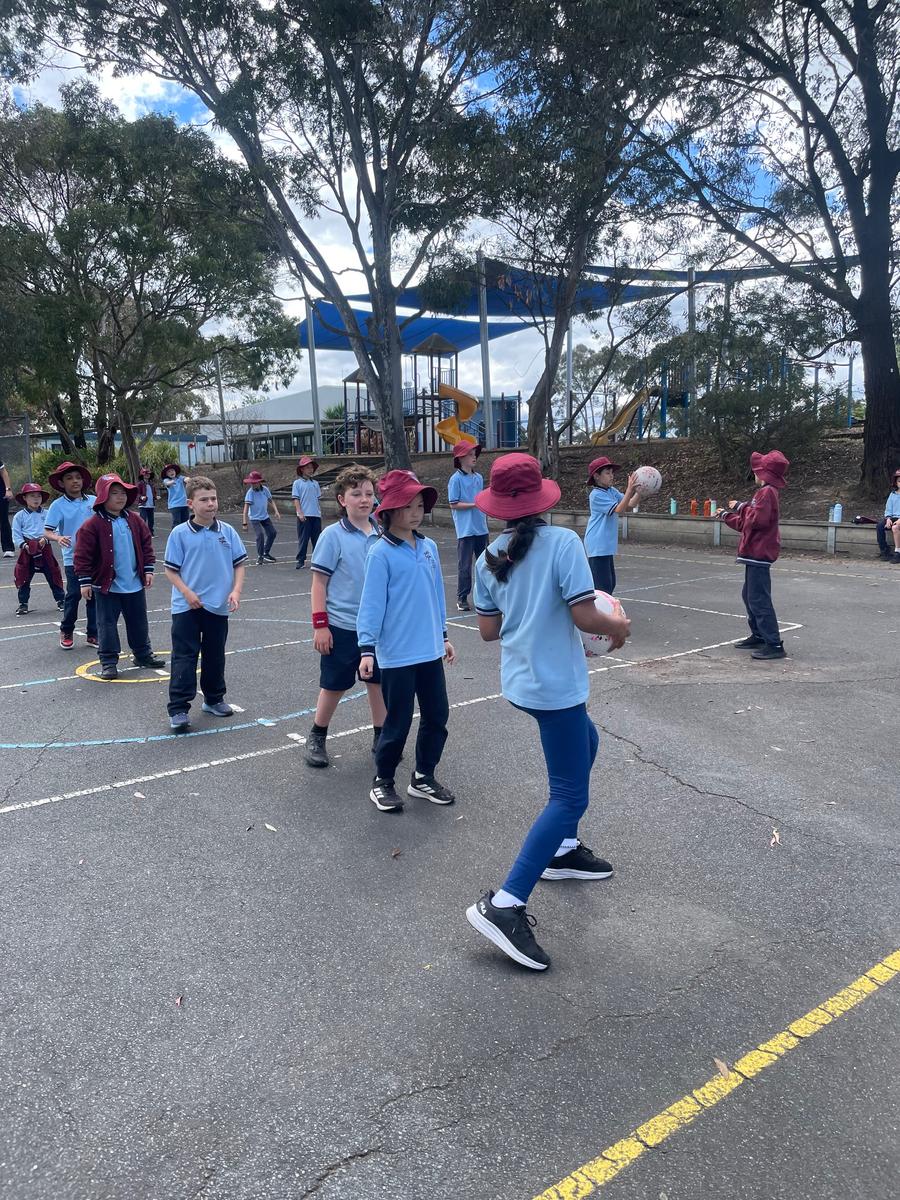
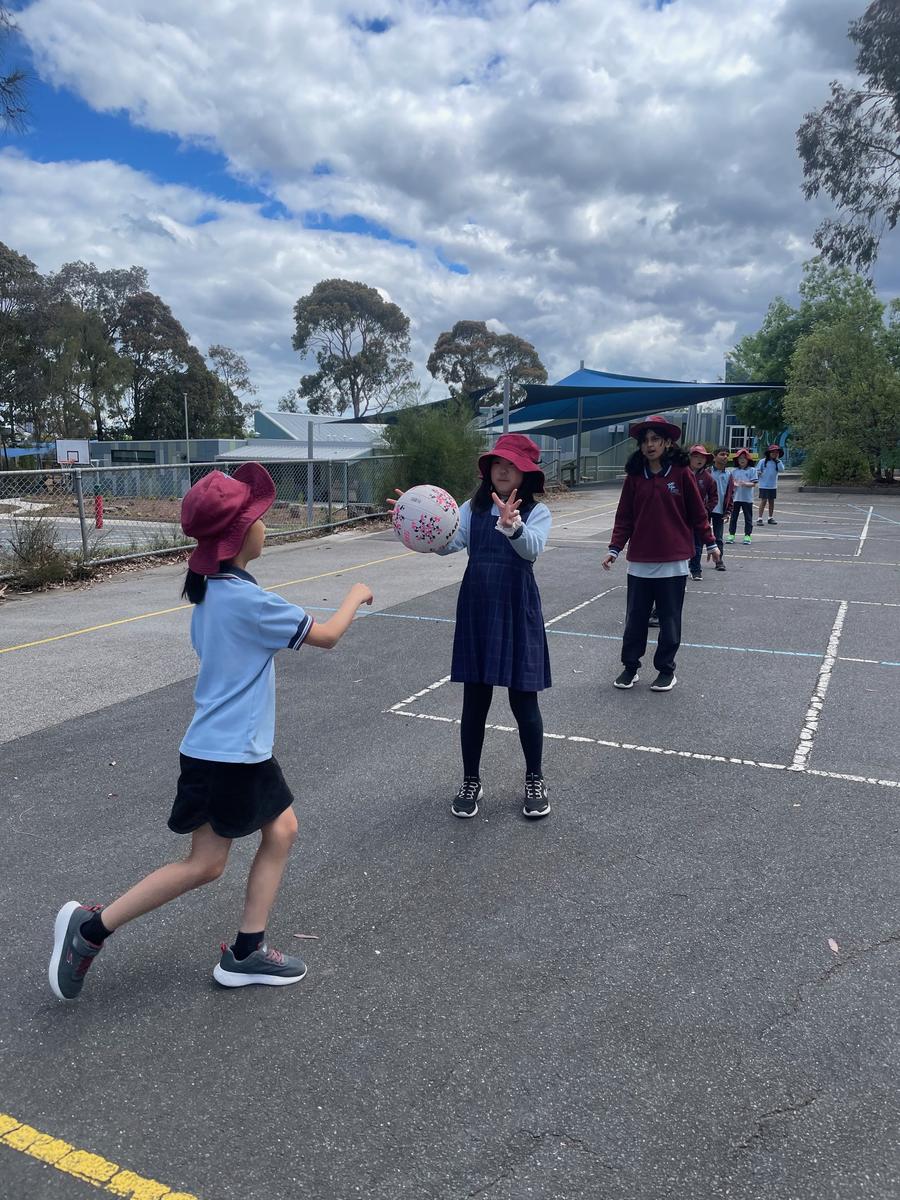
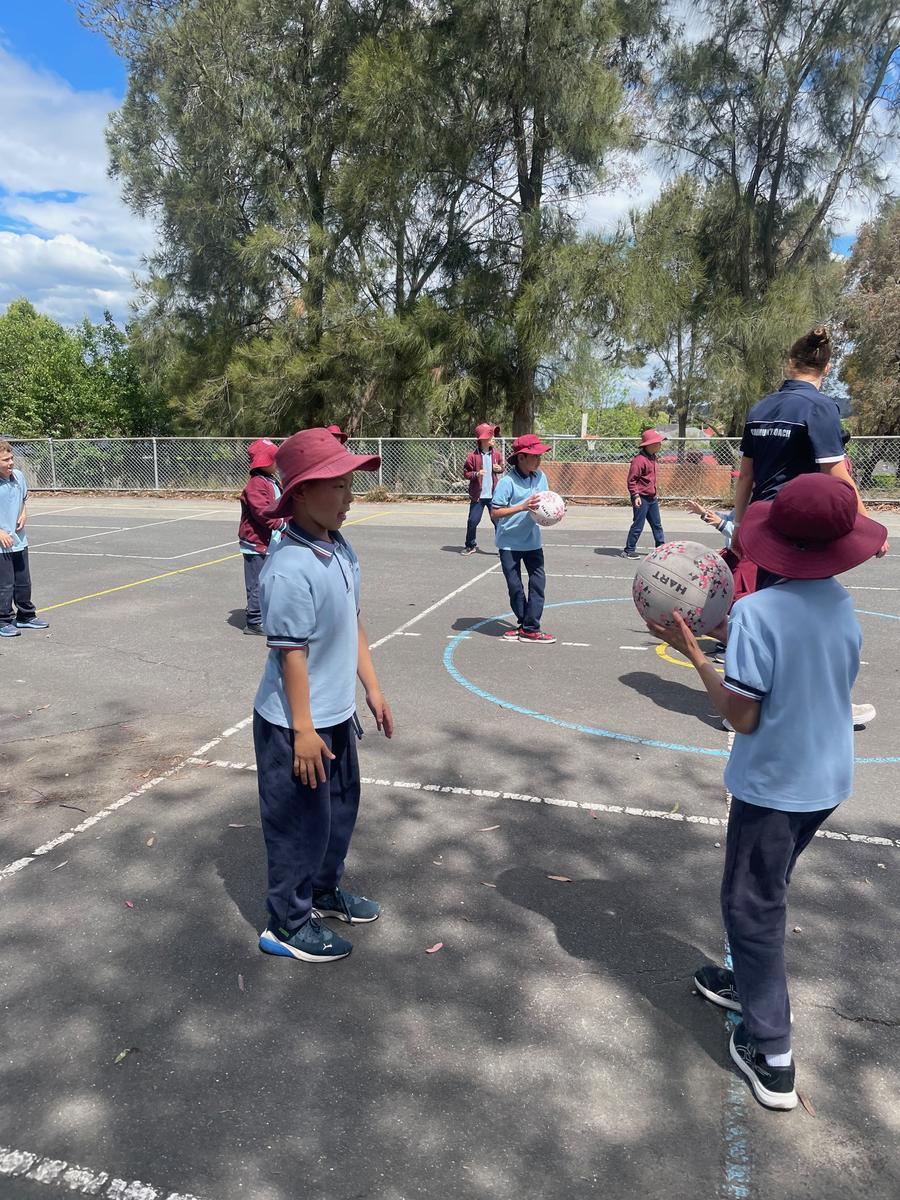
We were very lucky to have a coach from Netball Victoria come to our school and work with all students from prep to grade 6. For some it was difficult to switch off 'basketball brain' but the students had fun learning how to pass, pivot and shoot.