Level 5 & 6
Settling Into Term Two
It has been wonderful to see students settling back into school routines so positively and engaging enthusiastically in their learning. As we move further into Term Two, students are building on their skills, strengthening connections with peers and continuing to develop confidence across all areas of the curriculum. We are looking forward to another productive and engaging week ahead.
Literacy
This week in Literacy, students will deepen their understanding of sentence structure by exploring simple, compound and complex sentences. Building on their knowledge of complete sentences, students will learn how to combine ideas, use conjunctions effectively and vary sentence types to improve the flow and sophistication of their writing.
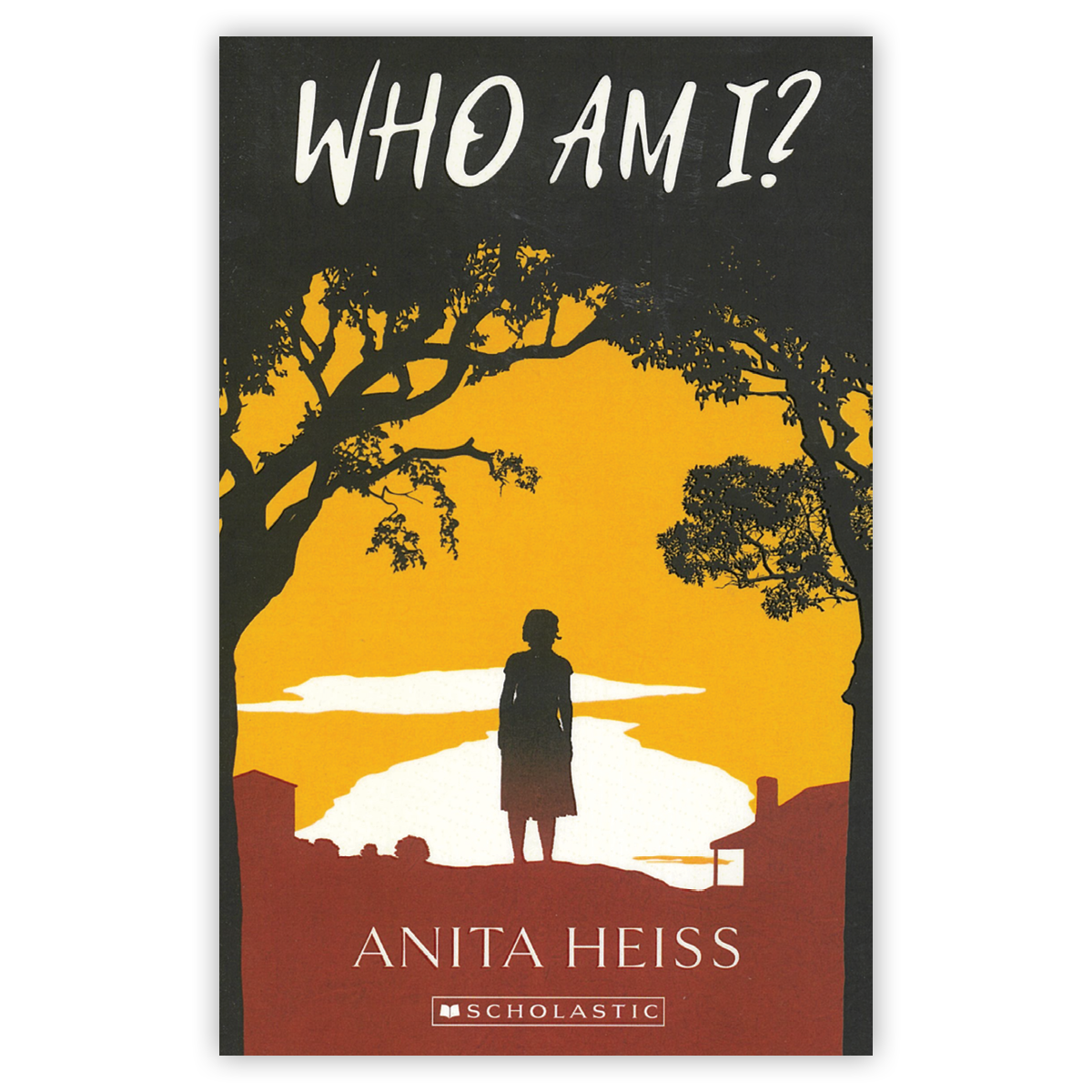
Students will also begin our class novel, Who Am I? by Anita Heiss. This powerful text follows the story of a young Aboriginal girl navigating questions of identity, belonging and culture as she reflects on her past and her place in the world. Through this novel, students will explore important themes such as identity, resilience and connection to Country.
In addition, students will begin learning through the PhOrMes spelling program. PhOrMes (Phonology, Orthography and Morphology) is a structured, evidence-based approach that supports students to understand how words work by exploring sounds, spelling patterns and word origins. Students will investigate how words are built, helping them to develop stronger spelling, vocabulary and reading skills.
As part of this learning this week, students will explore the history of the English language and begin examining word origins, including Latin roots such as “port”, to better understand how meaning is carried across different words.
On our recent Curriculum Day at the end of last term, all staff participated in professional learning on the PhOrMes program, led by its creator. This has provided a consistent, whole-school approach to spelling and language instruction. We are very excited to begin introducing this program to students and look forward to seeing the growth in their confidence and understanding of language over time.
What you can do at home:
- Encourage your child to combine sentences using conjunctions (e.g. and, but, because) to make their writing more detailed.
- Ask your child to explain the difference between simple, compound and complex sentences.
- Discuss unfamiliar words and explore their meanings, particularly words with common roots (e.g. transport, portable).
- Read regularly together and talk about characters, themes and key ideas in the texts they are reading.
Numeracy
In Numeracy, students will continue their work on fractions, developing a deeper understanding of how fractions can be represented, compared and applied in a range of contexts. Students will be working on comparing and ordering fractions with both related and unrelated denominators, using a variety of strategies such as finding common denominators, using benchmark fractions and visual models.
They will also explore improper fractions and mixed numerals, learning how to convert between the two forms and explain their thinking. This work will be supported through engaging games and rich mathematical tasks, allowing students to apply their knowledge in meaningful and collaborative ways.
Throughout these lessons, there will be a strong focus on reasoning and problem-solving, with students encouraged to explain their thinking using appropriate mathematical language.
What you can do at home:
- Ask your child to compare two fractions and explain how they know which is larger or smaller.
- Practise converting between improper fractions and mixed numbers in everyday contexts.
- Use visual models (e.g. drawing fraction bars or circles) to support understanding.
- Encourage your child to explain their thinking aloud to build confidence and clarity
CBL (Challenge Based Learning)
Our CBL unit continues to explore the Big Idea of Country. This week, students will engage with the text We Are Australians by Duncan Smith and Nicole Godwin to support their understanding.
Students will begin investigating our first guiding question: What does it mean to have a connection to Country?
Through discussion, reflection and collaborative learning, students will explore different perspectives and develop a deeper appreciation of the cultural, historical and environmental significance of Country for Aboriginal and Torres Strait Islander peoples.
What you can do at home:
- Talk with your child about what “connection” means and how people feel connected to places.
- Explore local environments together and discuss why caring for these places is important.
- Encourage respectful conversations about different cultures and perspectives.
Wellbeing
Cyber Safety
This week, students will focus on “Getting help and support” when using digital technologies. They will learn to identify trusted adults and understand how to seek help if they encounter challenges online.
SWPBS (School-Wide Positive Behaviour Support)
Our SWPBS focus will continue to reinforce positive behaviours across all areas of the school. Students will revisit expectations and be recognised for demonstrating our school values in their daily interactions.
Term Two Important Dates
April
- 27th – ANZAC Day Assembly
- 29th – Parent Teacher Interviews
May
- 1st – Cross Country
- 8th – Mother’s Day Morning
- 15th – Clifford Park Excursion (more details to come)
- 19th – District Cross Country
- 26th – National Sorry Day
- 27th – National Reconciliation Week
- 29th – Clifford Park Excursion (more details to come)
June
- 1st – Curriculum Day
- 2nd – Division Cross Country
- 3rd – Mabo Day
- 4th – Gala Sports Day 1
- 9th–17th – Somers Camp (selected students)
- 19th – Gala Sports Day 2