Wellbeing

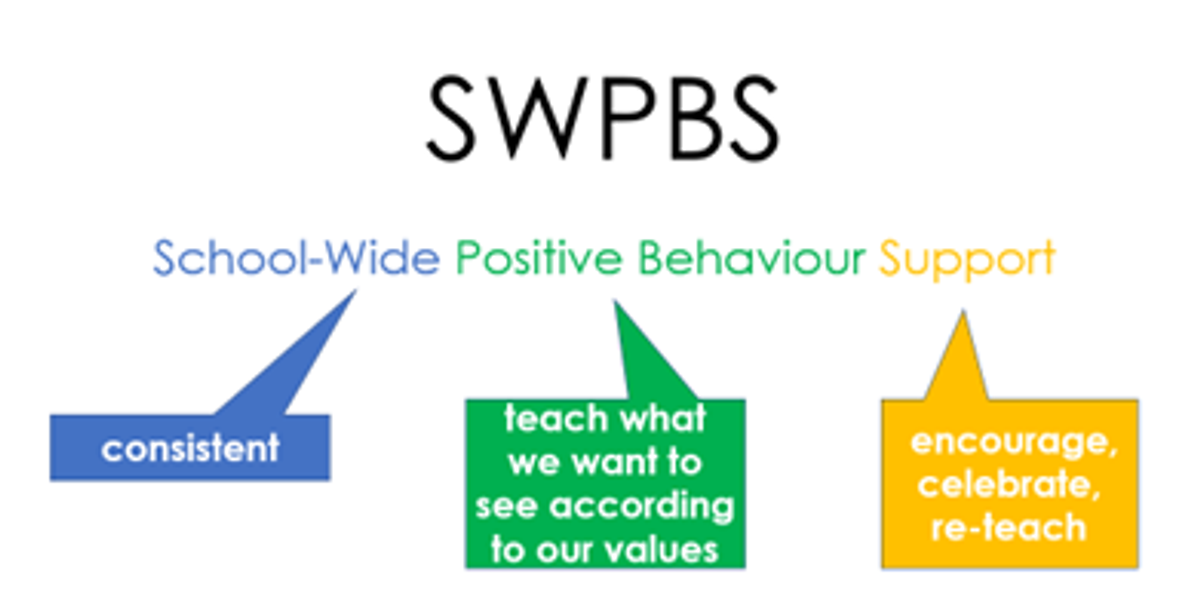
SWPBS Update
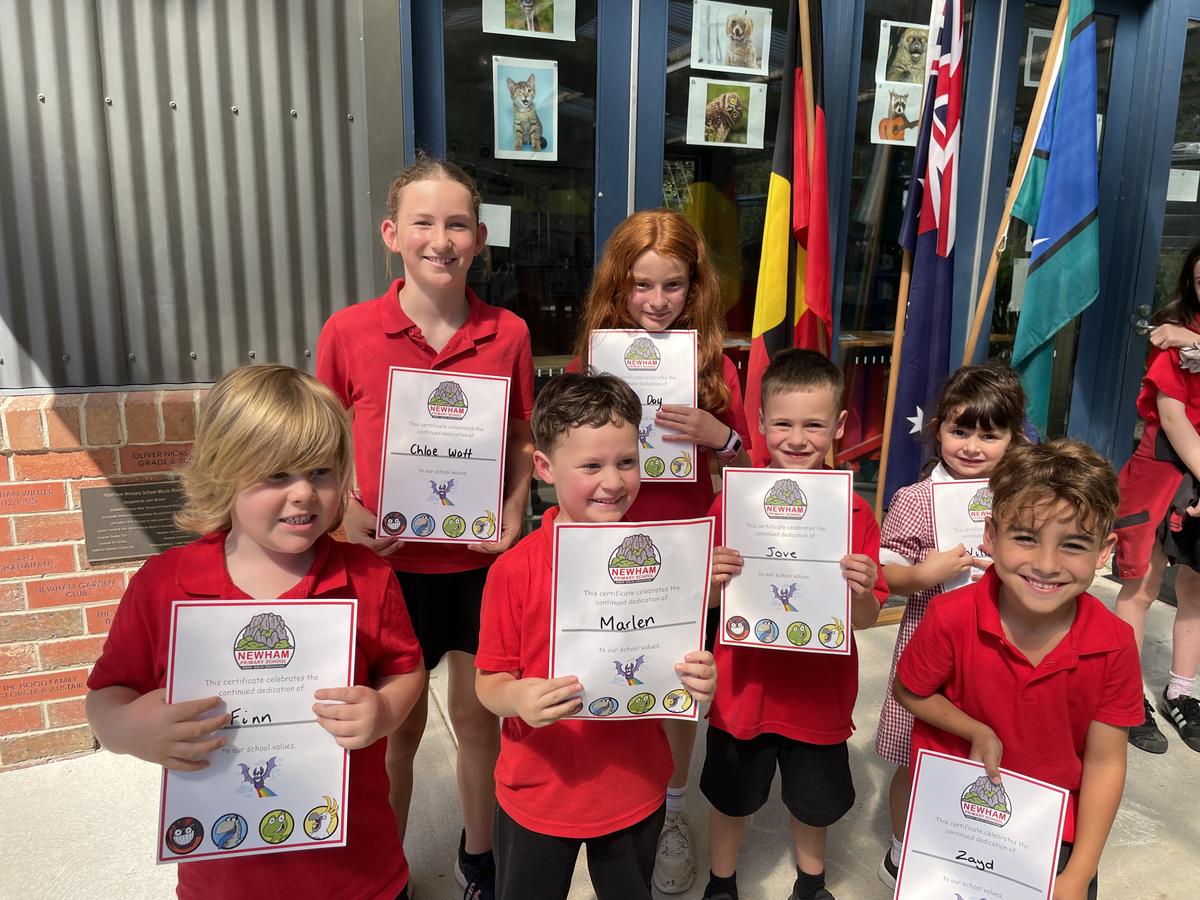
Well done to the students who received a certificate last week! Fantastic efforts showing our values during playtimes.
Focus on: Unity
Each newsletter this term, we'll zoom in on the expectations for one of our values. In class, students are clearly taught and given opportunities to practise these expectations. Teachers aim to use this language to praise and reinforce students following expectations, and to remind and reteach when students aren't.
This week, we're looking at the expectations for students demonstrating Unity.
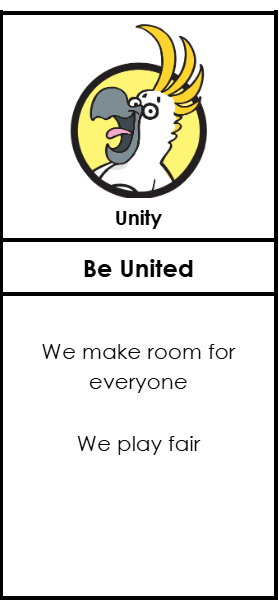
We make room for everyonecan mean...
- Using friendly signals
- Inviting people to play
- Saying yes
- Using our imaginations to stretch a game so everyone’s included
Letting someone know if there’s a problem and we need a play break
We play faircan mean...
- Taking turns
- Giving everyone a go
- Following the rules
- Being honest
- Accepting umpire decisions that don’t go your way
- Assume the best.
- Kindly explaining (and re-explain) the rules
- Praising and encouraging teammates (and the opposition)
Child Development & Wellbeing Information
Each week I try to share some info and resource recommendations in the newsletter.
Seeing as Harmony Week and Neurodiversity Celebration Week are coming up, this time it's: Inclusion
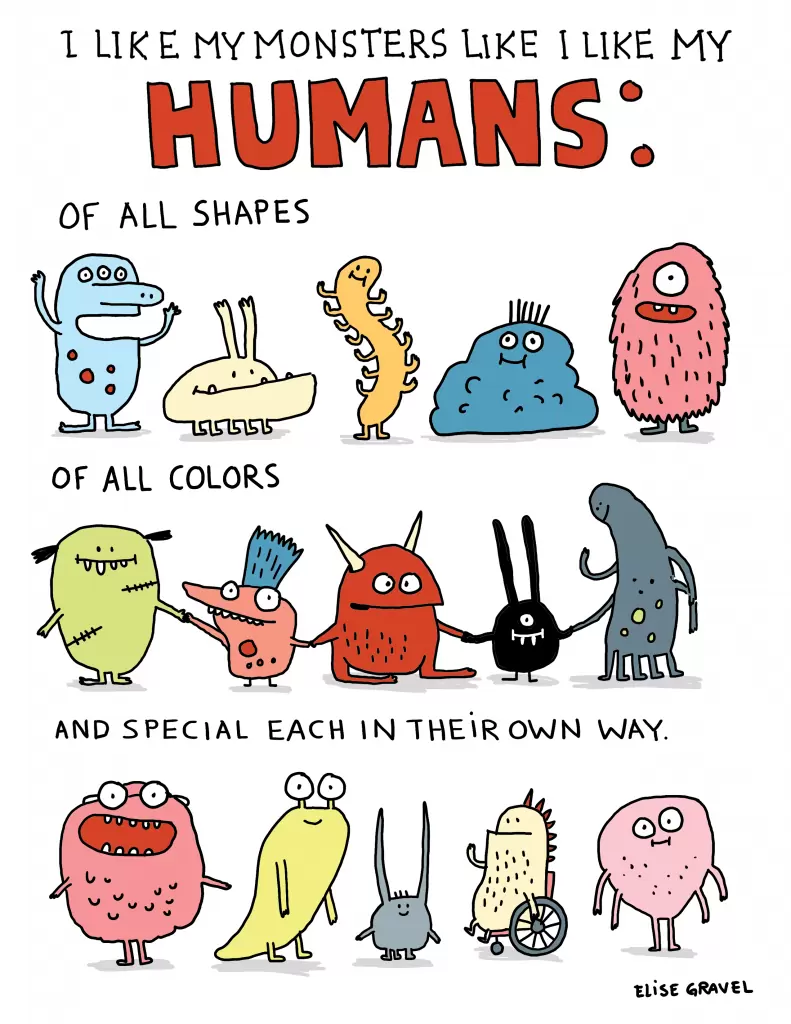
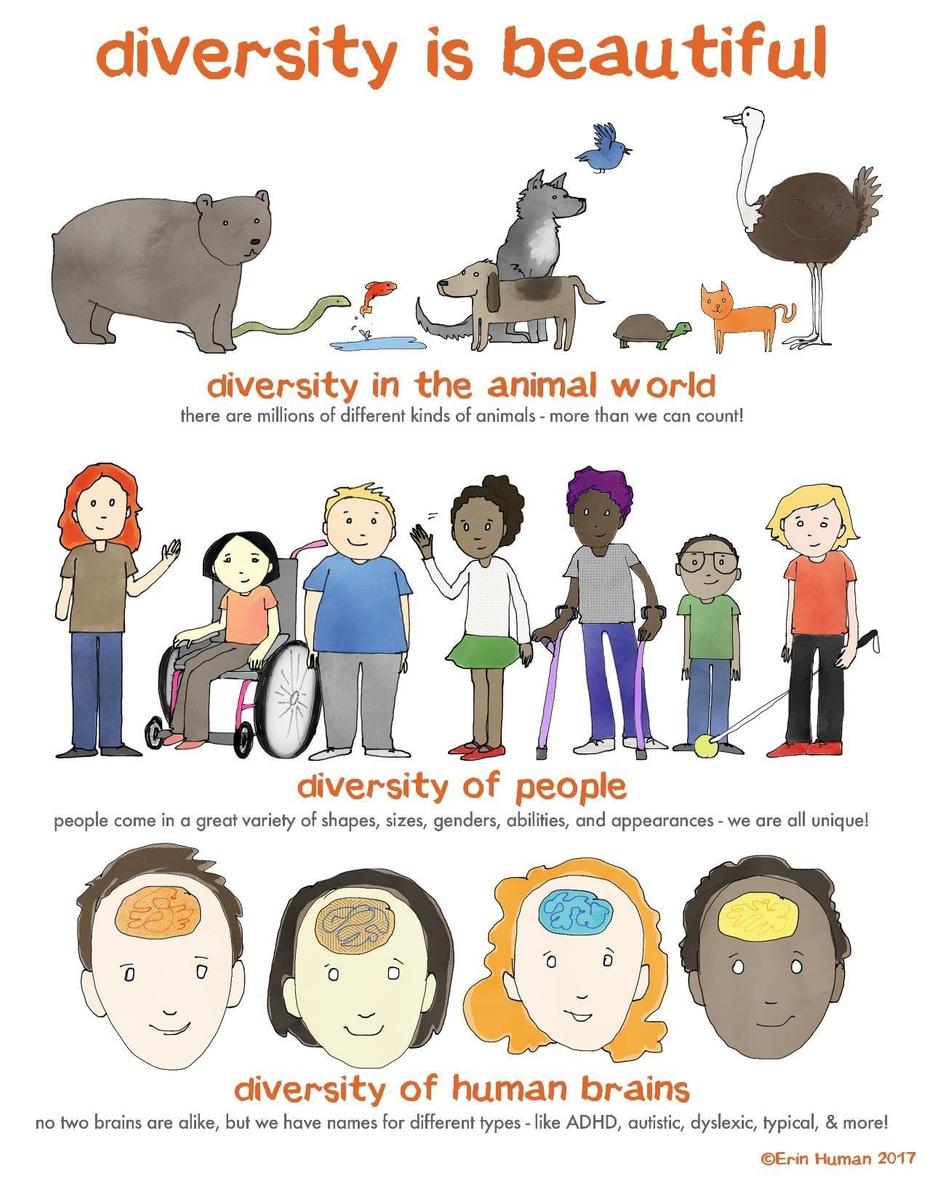
From LearningLinks.org.au ...
Supporting Inclusive Play
Learning to play inclusively is crucial to your child’s physical, social, and emotional development. Playing with others can help your child to build social skills, confidence, independence, and resilience. It also exposes your child to people of difference cultures, religions, economic backgrounds, family structures, genders, and abilities, so it’s important to teach them about diversity and inclusion from a young age. Teaching your child to play inclusively can help them to become more tolerant, accepting and empathetic individuals.
What is inclusion in the context of play?
Inclusive play isn’t just about asking your child to be nice to everyone, it’s about helping your child to understand that all individuals are different, should be valued and given the same opportunities regardless of their background or ability.
In play, inclusion is when children:
- Feel invited and welcomed to participate in play,
- Feel valued for their contribution to play activities,
- Are empowered to choose and make decisions during play,
- Are given the same opportunities to participate in play.
When children feel invited, accepted, appreciated, and included in play they are more likely to have higher self-esteem, engage in more meaningful relationships, and perform well at school.
Teaching them the importance of inclusion from a young age can not only empower them to navigate the evolving nature of play throughout primary school, but also help them to become caring and thoughtful towards others who may be facing some form of exclusion or difficulty with social play.
Six tips for teaching inclusive play at home
Parents can support their children in becoming more understanding and empathetic towards others through simple conversation, leading by example and implementing strategies that expose them to people, cultures and experiences different from their own.
Here are some practical tips to help your child play inclusively with others:
- Discuss the positive and unique qualities of other children, particularly those they don’t normally play with.
- Discuss how some children may take longer to ‘learn’ a certain skill or behaviour. Often children are excluded when their social skills or physical abilities are at a lower level than their peers.
- Be a role model for your own child. If you would like your child to include others, then you should role model that same behaviour by talking to parents you haven’t spoken to before at school, the park or playground. Show your child that you interact with families from different backgrounds and that you welcome new families into the neighbourhood or school.
- While it is ok for children not to play with everyone all the time, parents can also show them how fun it is to include others.
- Expose your child to diversity. This could include trying foods from different cultures, interacting with a range of people, reading diverse books, attending multicultural events, volunteering at a charity, or watching educational TV programs together.
- Nurture your child’s relationships with all children, not just the ones of the parents that you like the most.
- Emphasise and embrace their own child’s unique traits. Teach them that being different is great and is what sets them apart from everyone else. This will help them to appreciate differences in others.
Further Recommendations:
Read
Article: How to Teach Your Child to be an Includer
Listen
Parental as Anything - Racism and Inclusion
Mental Health Support
If you or your child need confidential advice or someone to talk to, here are some readily available support services…
Kids Helpline
Call 1800 55 1800. Or webchat via kidshelpline.com.au
Kids Helpline is Australia’s free and confidential 24/7 online and phone counselling service for young people aged 5 to 25.
Beyond Blue
Call 1300 22 4636. Or webchat via www.beyondblue.org.au
Our free telephone and online counselling service is open 24/7 for everyone in Australia. No matter who you are, or how you're feeling, reach out to our free counselling services for support – we'll point you in the right direction so you can get the help you need.
MensLine Australia
Call 1300 78 99 78. Or webchat via mensline.org.au
MensLine Australia offers free professional 24/7 telephone counselling support for men with concerns about mental health, relationships, anger management, family violence (using and experiencing), stress, and suicidal thoughts.
Family Relationships Advice Line
Call 1800 050 321 Mon-Fri 8am to 8pm; Sat 10am- 4pm
Anyone can call the Advice Line, a national telephone service about family relationships. They help with strengthening family relationships, helping families stay together and assisting families through separation. More information here: www.familyrelationships.gov.au/talk-someone/advice-line