
From the Director of
Co-curricular
Mrs Catherine Litchfield
From the Director of
Co-curricular
Mrs Catherine Litchfield
This week, I spoke to students at assembly about the importance of developing broad experience at school and the risks associated with specialising too early.
Across every field of human endeavour, only a small proportion of individuals reach the highest levels of performance. Globally, gifted education programs and elite training institutions aim to identify high performers early and accelerate their development through intensive, specialised training. We see this locally in Orange, with students selected at a young age for cricket academies, WRAS netball, basketball teams and representative soccer squads.
While early intensive training may produce strong junior performers, the evidence suggests it does not reliably lead to long-term excellence.
Analysis of multiple studies published in New Scientist and Science in December last year indicates that individuals who pursue a wide range of activities and develop diverse skills are more likely to achieve high levels of success in adulthood. Evidence drawn from 19 datasets, encompassing 34,839 adults across fields ranging from elite sport to Nobel Prize recipients, shows that elite junior performers and elite adult performers are rarely the same individuals. In effect, they represent two largely distinct populations.
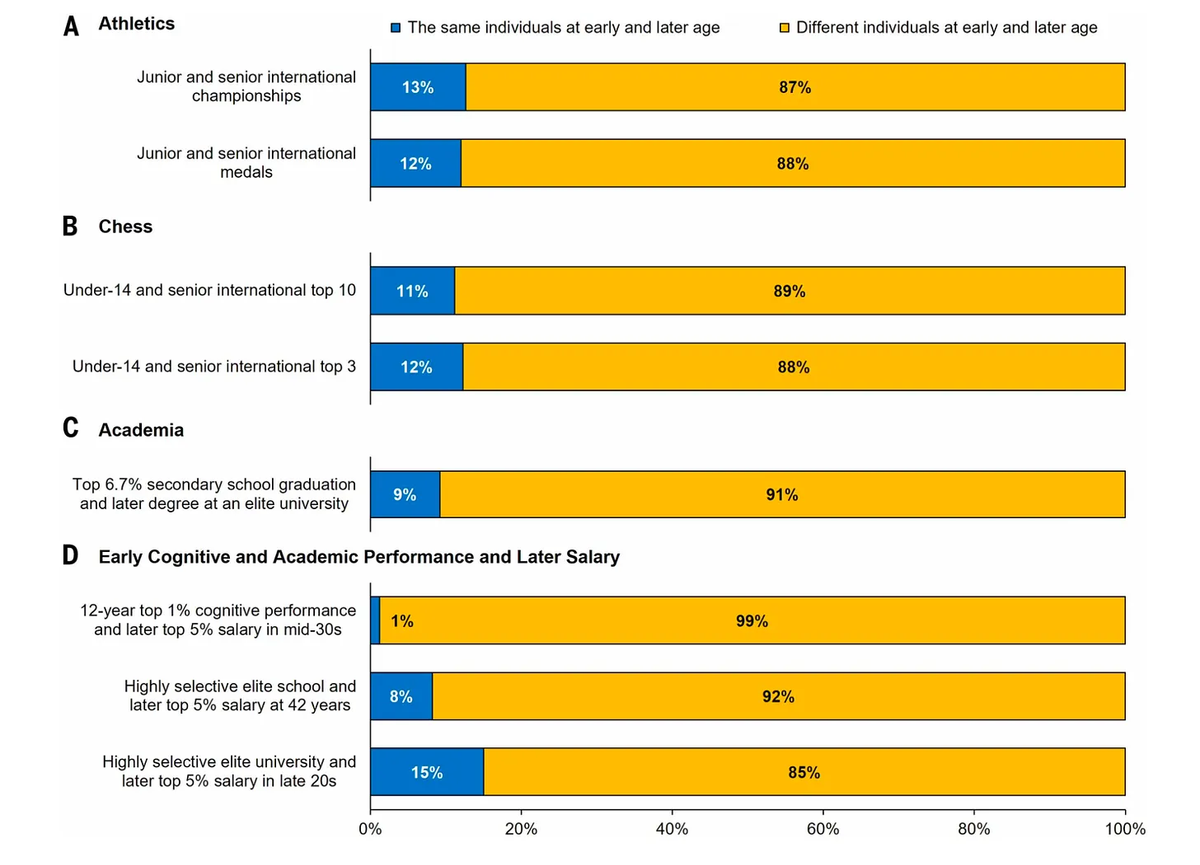
This pattern is also evident in academia and the arts. Many leading chess players, business leaders and Nobel laureates were not top-ranked students in their school years, and child prodigies rarely become the world’s leading adult musicians. Approximately 90 per cent of high achievers later in life were not high achievers at school, while only a small minority of high-performing students translate early success into sustained adult excellence.
The message is clear: early specialisation is not the pathway to long-term success. School is the time to engage broadly—across academic subjects, sports and co-curricular activities—and to focus on skill development in everything undertaken. Students cannot yet know where their greatest strengths will ultimately lie, so the opportunity to build capability across multiple domains should be embraced.
For this reason, students are encouraged to commit fully to their learning, even when its immediate relevance is not obvious. Knowledge and understanding are never wasted; they build cognitive flexibility, critical thinking and creativity, all of which are transferable well beyond the classroom.
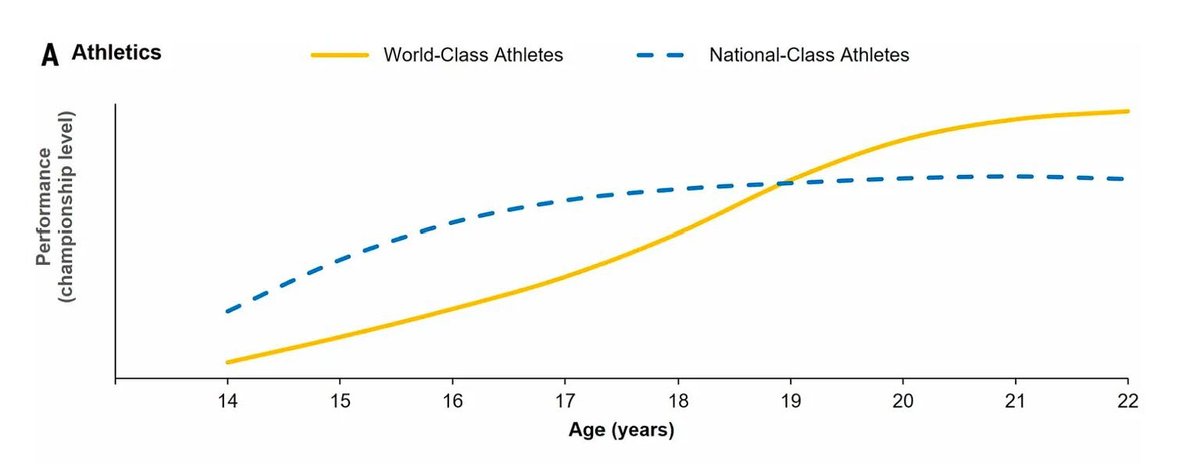
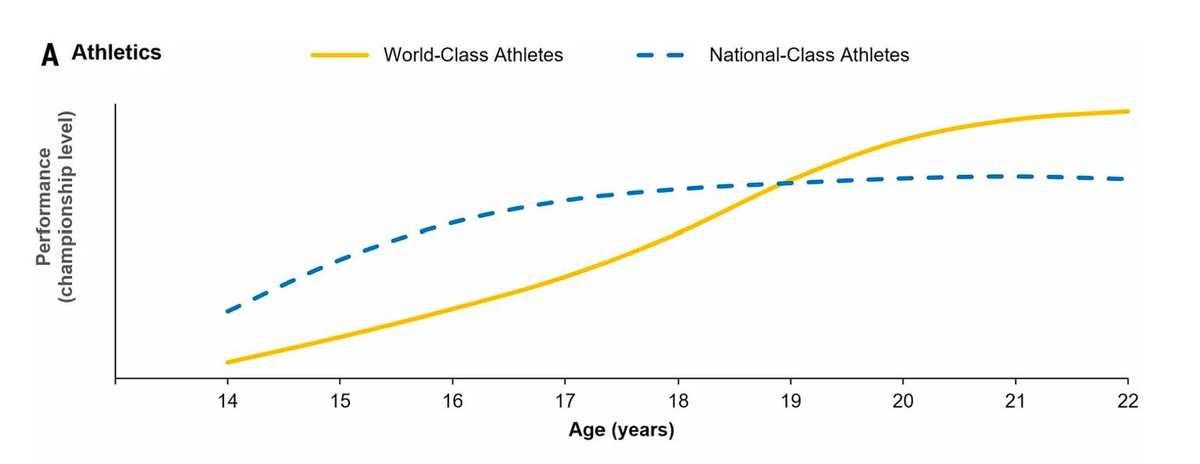
Further evidence comes from sports science research led by German researcher Arne Güllich. Across 19 international studies, he identified a consistent trend: higher-performing junior athletes accumulated more practice in their primary sport but less exposure to other sports. In contrast, senior world-class athletes typically had broader sporting backgrounds, with less early specialisation and more engagement across multiple disciplines.
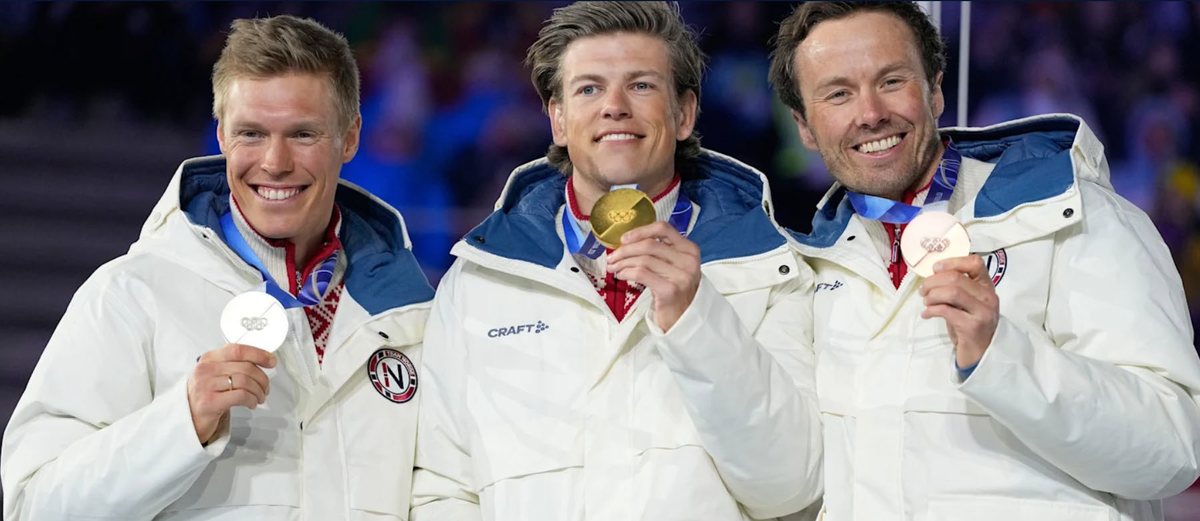
Norway provides a compelling real-world example. Despite a population of just five million, Norway topped the medal tally at the most recent Winter Olympics, securing 18 gold medals and 41 overall. Their national sporting philosophy prioritises enjoyment, collaboration and late specialisation. Children are not permitted to keep score until age 12, and there are no league tables. As a result, 93 per cent of Norwegian children and adolescents participate in sport, compared with 55 per cent in the United States and 74 per cent in Australia. At Kinross Wolaroi, our compulsory sport program ensures participation rates exceed 95 per cent.
In recent weeks, there has been a noticeable increase in applications for exemptions from winter sport and cadets. The data strongly suggests that year-round specialisation in a single activity—such as focusing exclusively on one sport—is not beneficial in the long term. Participation in cadets, a range of sports, music ensembles, debating, agricultural teams or exchange programs contributes far more effectively to students’ development beyond school.
There are many examples among our alumni that illustrate this. Grace Hamilton did not play rugby at school, instead participating in netball, rowing and athletics. It was only later, while studying in North Carolina, that she took up Rugby Sevens. On returning to Australia, she continued with the sport at Canberra University and, at just 22 years of age, captained the Wallaroos on the international stage.

Nedd Brockmann, an ultramarathon runner who famously ran across Australia and raised millions of dollars for homelessness, was recognised as the 2026 Young Australian of the Year. At school, he was a rower, played rugby, participated in athletics and completed cadets. While not academically outstanding in his early years, he understood the importance of applying himself and worked diligently. He has since become a respected public speaker, author and advocate.

Phoebe Litchfield provides another example of the benefits of a broad education. Rather than relocating to Sydney for intensive cricket training during her secondary years, she remained at Kinross Wolaroi on the advice of Cricket NSW, who recognised she was thriving. Alongside her cricket commitments, she continued to play hockey, compete in athletics, serve as a cadet under officer, participate in music and perform in school musicals. The skills developed through this wide engagement have supported her leadership, media work and athletic performance at the elite level.



These former students share a common foundation: a well-rounded education that fostered adaptability, resilience and perspective. Their experiences reinforce the importance of valuing and fully engaging with the opportunities available at school.
Students are encouraged not to rush decisions to narrow their focus too early. Cadets, in particular, provides exceptional leadership training, with many of the School’s senior leaders having progressed through the program. Likewise, students in Years 11 and 12 should not be too quick to abandon subjects, as the value of a broad academic base often becomes clear only in hindsight.
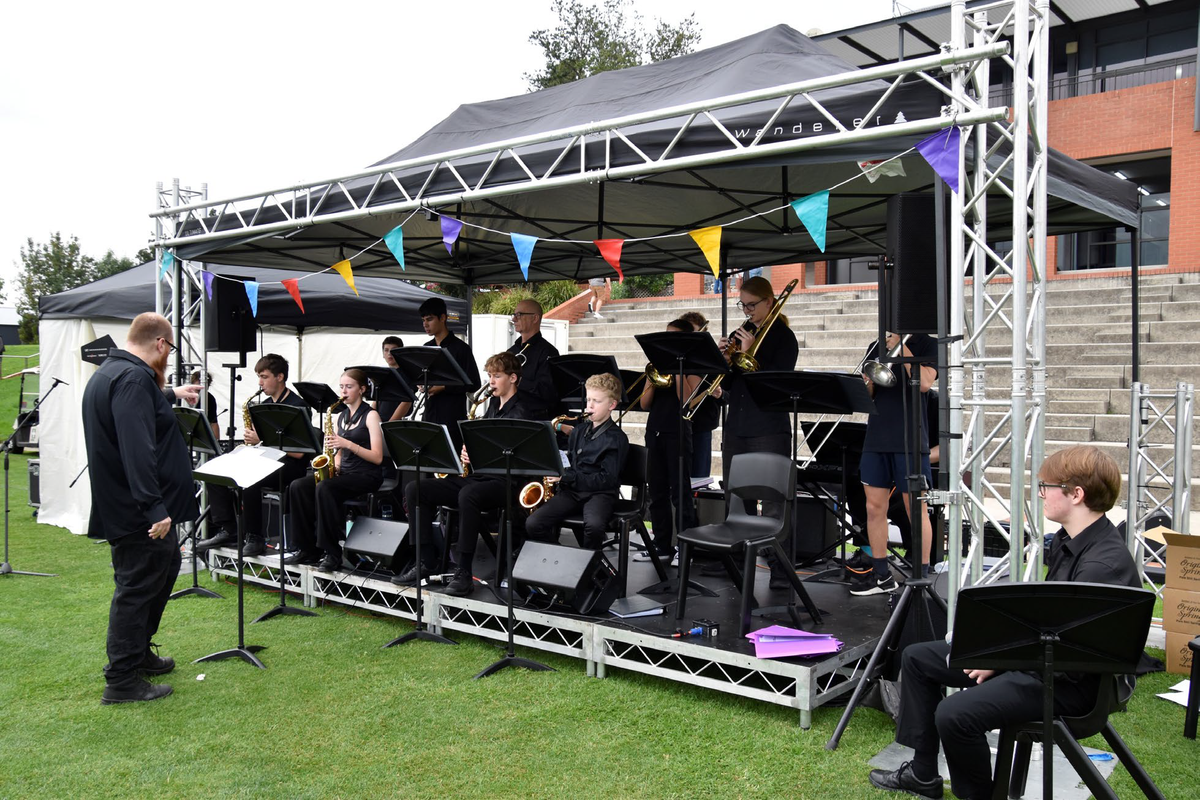
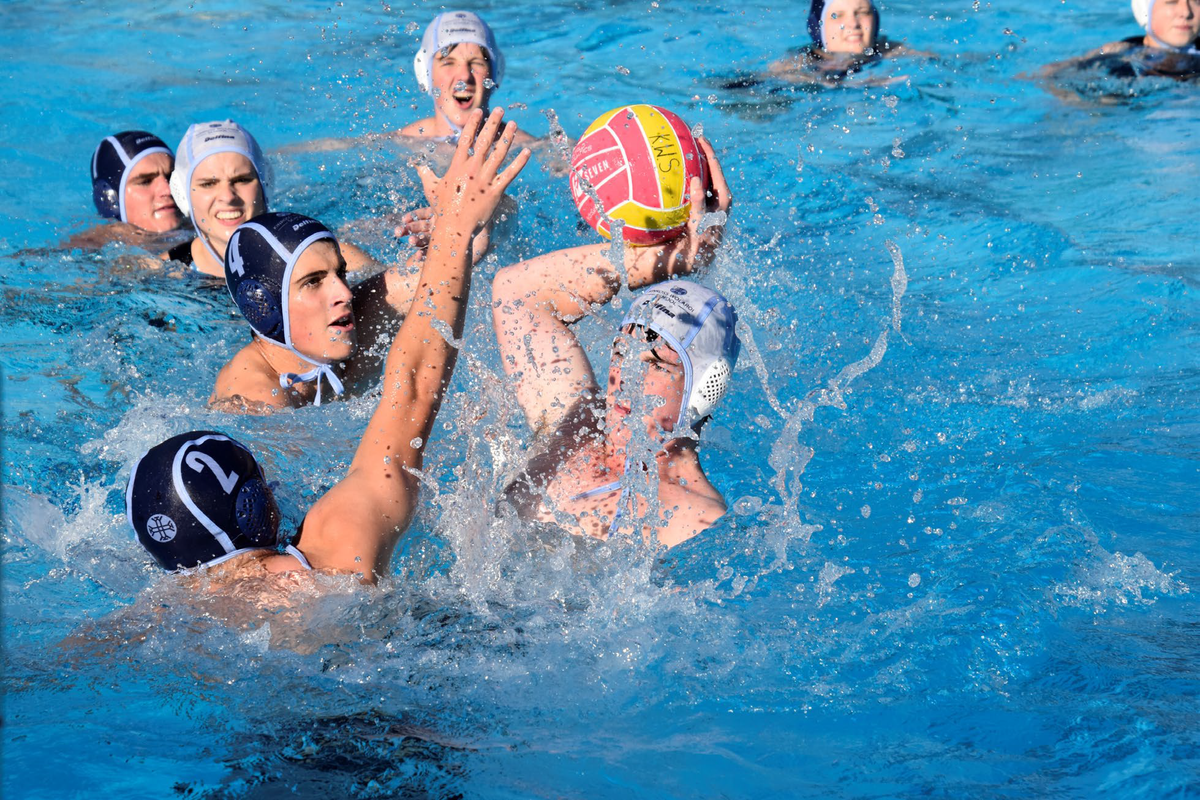
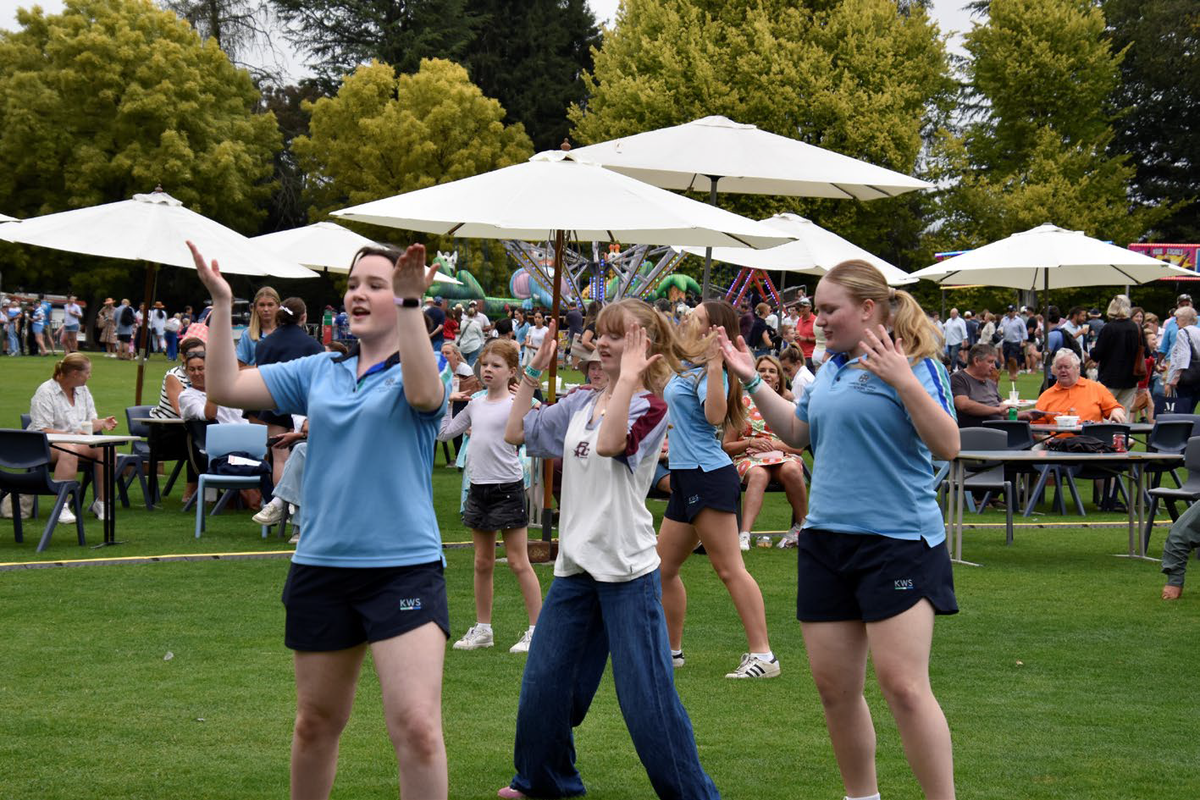
Finally, in a year where a taught wellbeing program has been introduced, this message aligns closely with its core principles. Long-term success is shaped less by early indicators of talent and more by qualities such as optimism, curiosity, passion, self-efficacy, growth mindset, self-regulation, conscientiousness and, most importantly, grit. Over time, these attributes consistently outweigh early performance advantages.
Students ultimately shape their own futures. By embracing a wide range of opportunities and committing wholeheartedly to each experience, they equip themselves with skills that will serve them in ways not yet imagined.