
COMMUNITY

Engaging Youth in Environmental Volunteering
In the face of issues like climate change, there is a higher need for engagement in volunteer work that relates to the protection, conservation and advocation of our environments. Unfortunately, the people who will experience most of the effects of our current climate’s declining trend are today’s youth. Notably, they are also our next generation of politicians, scientists and advocates, and encouraging them to participate in actions that contribute to sustainability is important.
Whether you are a young person looking for your next weekly activity, a parent looking to engage your child in volunteering or just browsing through this article, the aim is to give you access to resources and information in relation to engaging our youth communities in environmental stewardship.
What is environmental volunteering?
Environmental volunteering can be many things. There is a large list of ‘chores’ that need to be completed whether that’s in-general sustainable action, animal welfare, land care, or bush care, etc.
The most important step is to think about your major interests and passions when it comes to the environment.
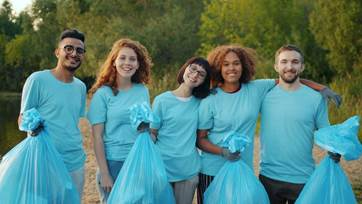
Figure 1. Photo by Vitaly Gariev on Unsplash
Would you prefer cleaning up in nature or taking care of animals in a shelter?
Are you looking to advocate in the political scene for change?
Would you be willing to travel a little further for more environmentally engaged activities like bird or insect surveys?
Or what if you started your own eco-club at your high school or university to engage other youth in participating with environmental activities?
Environmental volunteering is broad in a way that many skillsets are applicable and needed to continue responsible environmental stewardship across the world. There is always a place for you.
What are the benefits of participating?
Community: You’ll be surrounded by like-minded people who care for the conservation and needs of our environments. Just like you! Whether they are older, the same age or younger than you, the goal is the same amongst everyone, and it creates that sense of closeness that you may be struggling to get otherwise or just adds on to the friends and family you already have!
New skills: There are a lot of skills you can develop from environmental volunteering. Whether that is learning how to scientifically identify birds and insects in a reserve for a survey; how to take care of your garden; or learning the right techniques of persuasion in your writing; there are valuable opportunities around every corner.
Impact: The main thing about environmental volunteering is that you are assisting the world in becoming a happier world. Each bird you count lets scientists know how their populations are going, each weed you pluck allows a native plant to thrive, each mind you change about environmental policy will engage more people in its care. You are the change.
Where can you access these opportunities?
Below is a list of some websites and resources that can support you in finding your perfect environmental opportunity:
- Go Volunteer: https://govolunteer.com.au/environment-conservation-volunteering
- Conservation Volunteers Australia: https://conservationvolunteers.com.au/
- Environmental Justice Australia: http://envirojustice.org.au/get-involved/volunteer-with-us/
- DEECA Victoria: https://www.environment.vic.gov.au/volunteering/volunteering/getting-involved
- NSW Government: https://www.environment.nsw.gov.au/about-us/get-involved/volunteers
- DETSI Queensland: https://www.detsi.qld.gov.au/our-department/employment/volunteers/opportunities
If you don’t want an ongoing opportunity and are looking to help just for a day or so, there are options for you too! The United Nations has a large calendar of international days and weeks of significance in relation to a whole variety of subjects (human welfare, animal rights, sustainability days, etc).
For environmental volunteering, March has significant days such as World Wildlife Day on the 3rd or International Day of Zero Waste on the 30th. Searching days like these throughout the calendar year provides you a chance to explore once-a-year opportunities that may not require ongoing volunteering.
You know what else comes to mind? Citizen science! Citizen science is the act of your average everyday group of people taking on the data collection for a scientific project. This doesn’t have to be on just one day either! Perhaps you are just taking photos of birds in your backyard and want to contribute them to population counts in your area. There are plenty of apps or websites, such as ‘iNaturalist’, where you can upload these photos towards supporting scientists. Imagine getting to assist researchers and their projects just with your phone!
Are you convinced yet?
The current generation and the next generations of youth are simply the future, and what is needed for them to survive is our environment. Encouraging yourself or your young one to participate in these activities will provide them a fulfillment they may not have gained otherwise. Why not help both the environment and you transform into its healthiest and happiest version?
The aim of this article was to engage you in the ‘what, why and where’ of environmental volunteering. How much impact you would like to make is your choice, and there are plenty of opportunities out there for people like you, the youth, and many other community members you may know.
Householders’ Options to Protect the Environment (HOPE) opportunities:
If you would like to explore opportunities with HOPE, we encourage you to send an email or inquiry about volunteering as we accept a wide range of diverse skills in assisting with our work.
HOPE Inc (Australia): https://www.hopeaustralia.org.au/get-involved/volunteer-form/
Expressions of interest to complete a work experience placement at the Parliament of Victoria in terms 1 and 2, 2026 are now open. Please visit our website and lodge an expression of interest via the online link: https://www.parliament.vic.gov.au/teach-and-learn/work-experience/
Students can choose between two programs - Sitting and Services. Placements are open to students in Victorian schools who are residents of Victoria, and are aged 15 years or over at the time of the placement. We endeavour to choose students from a mixture of government, independent, and Catholic schools, from metropolitan and regional areas, and of all gender identities.