
Teaching and Learning
Ms Nicholls
Teaching and Learning
Ms Nicholls
On Wednesday March 25th, we held our annual Maths Night and were so pleased to see such a great turnout from our school community. It was a fun and relaxed evening, with lots of hands-on games and activities for students and families to enjoy together. It was wonderful to see so many people getting involved and having a go.
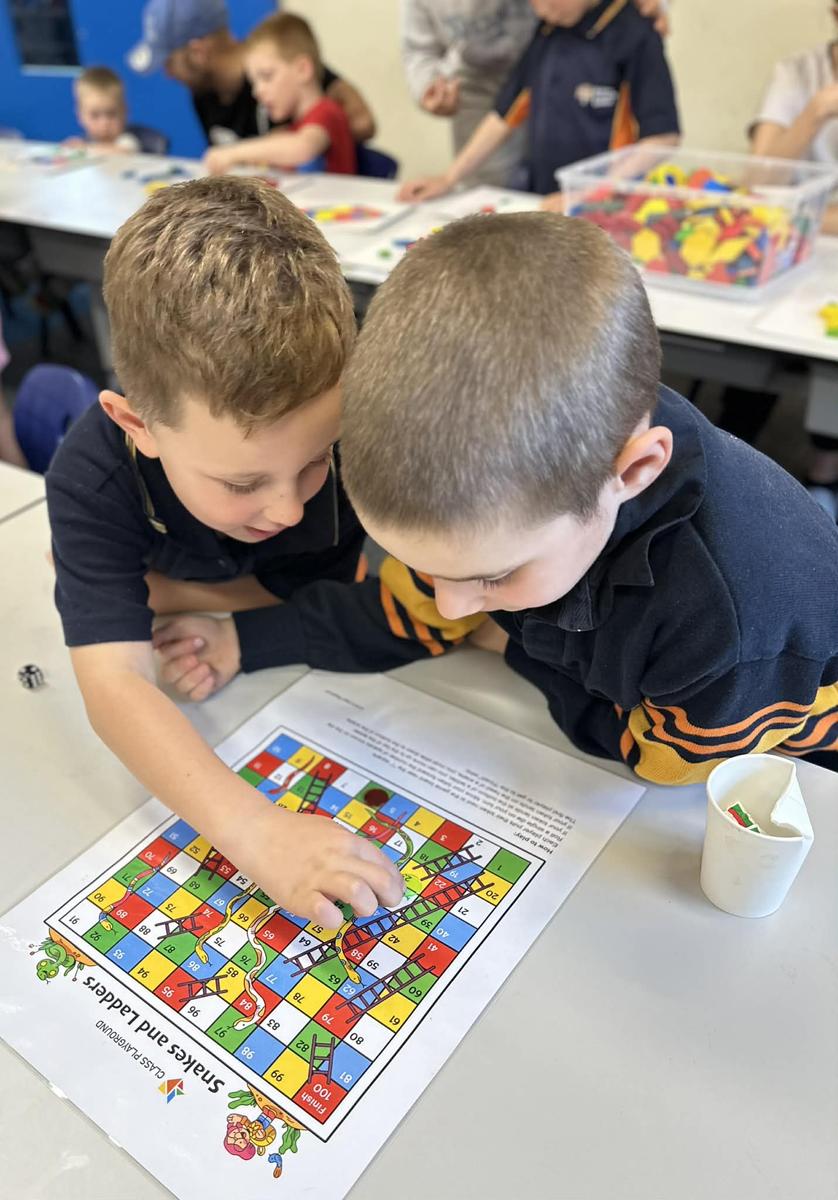
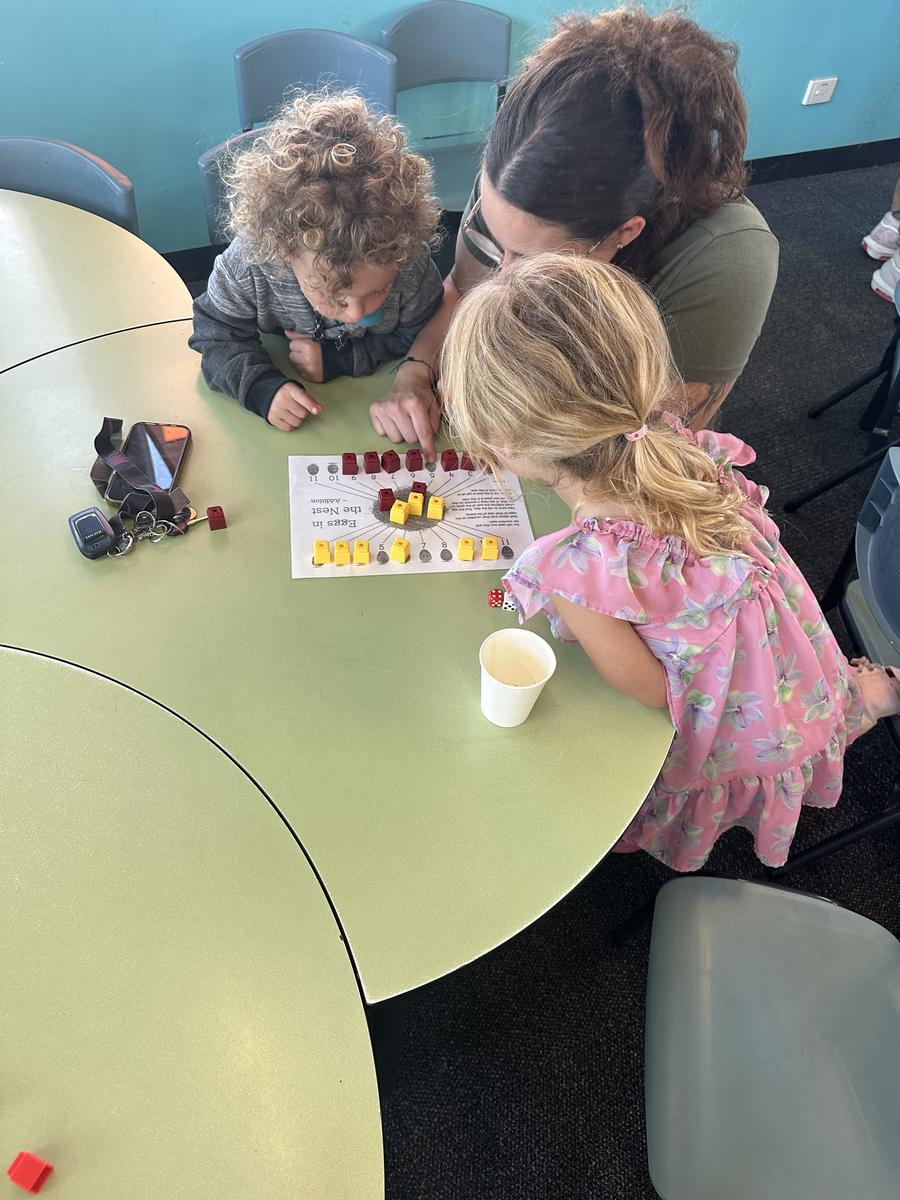
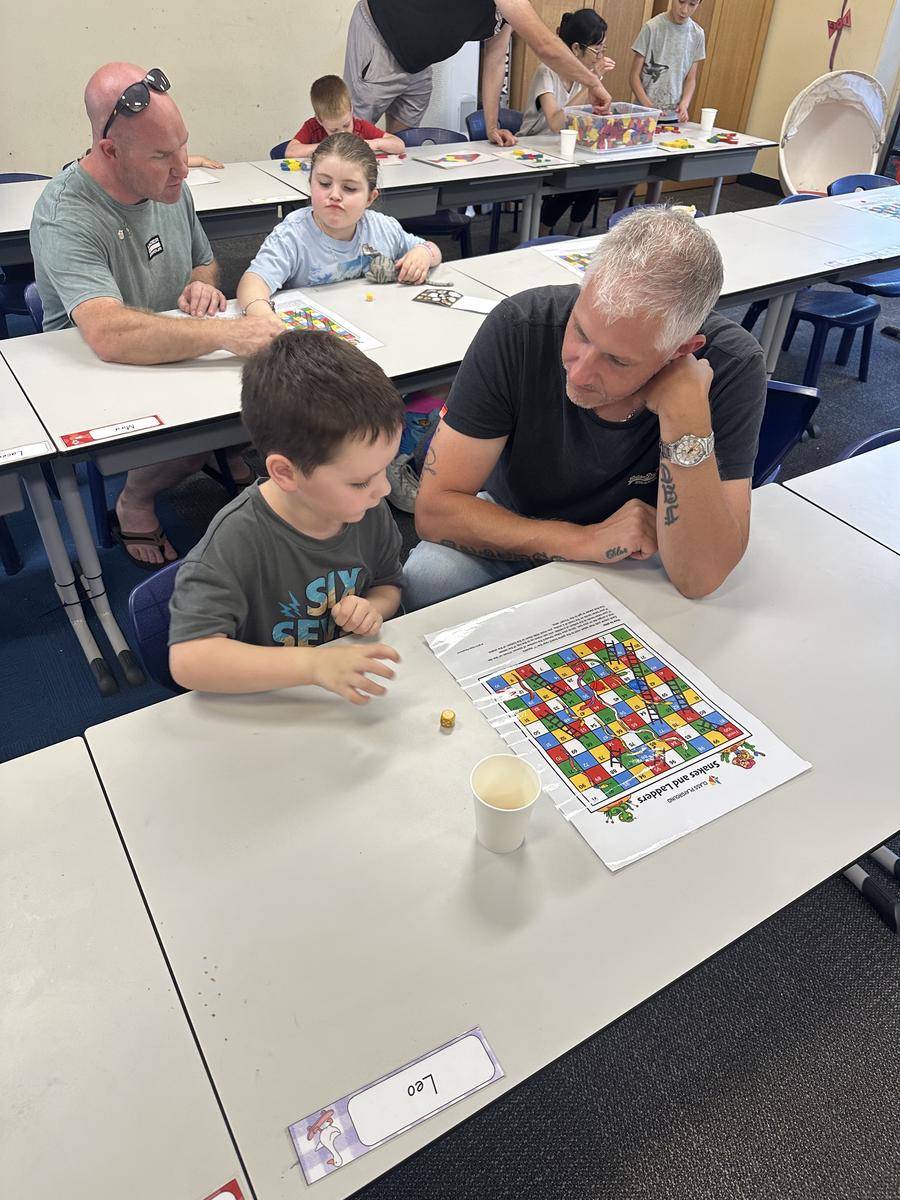
The “Guess the Lolly Jar” was a big hit again this year, with plenty of eager guesses. Well done to Ayla for her winning guess!
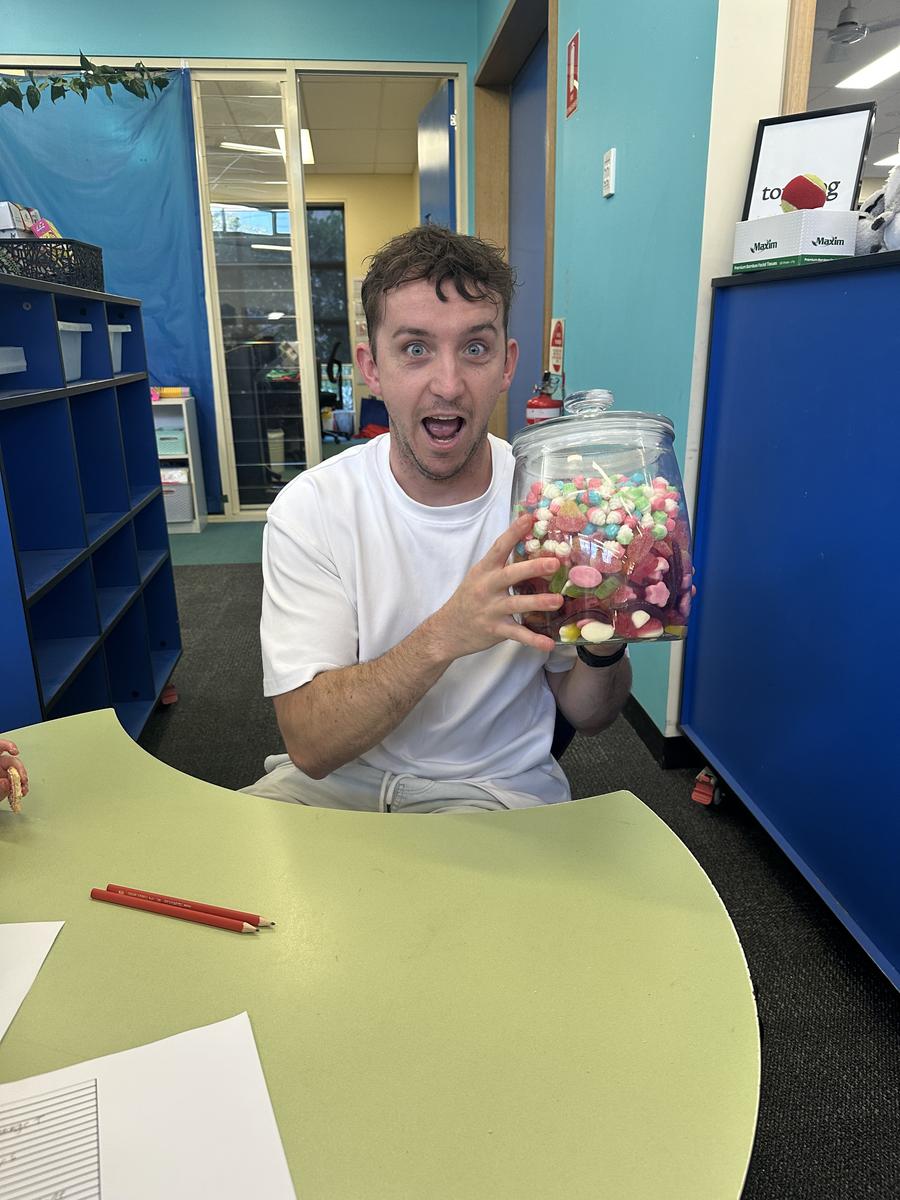
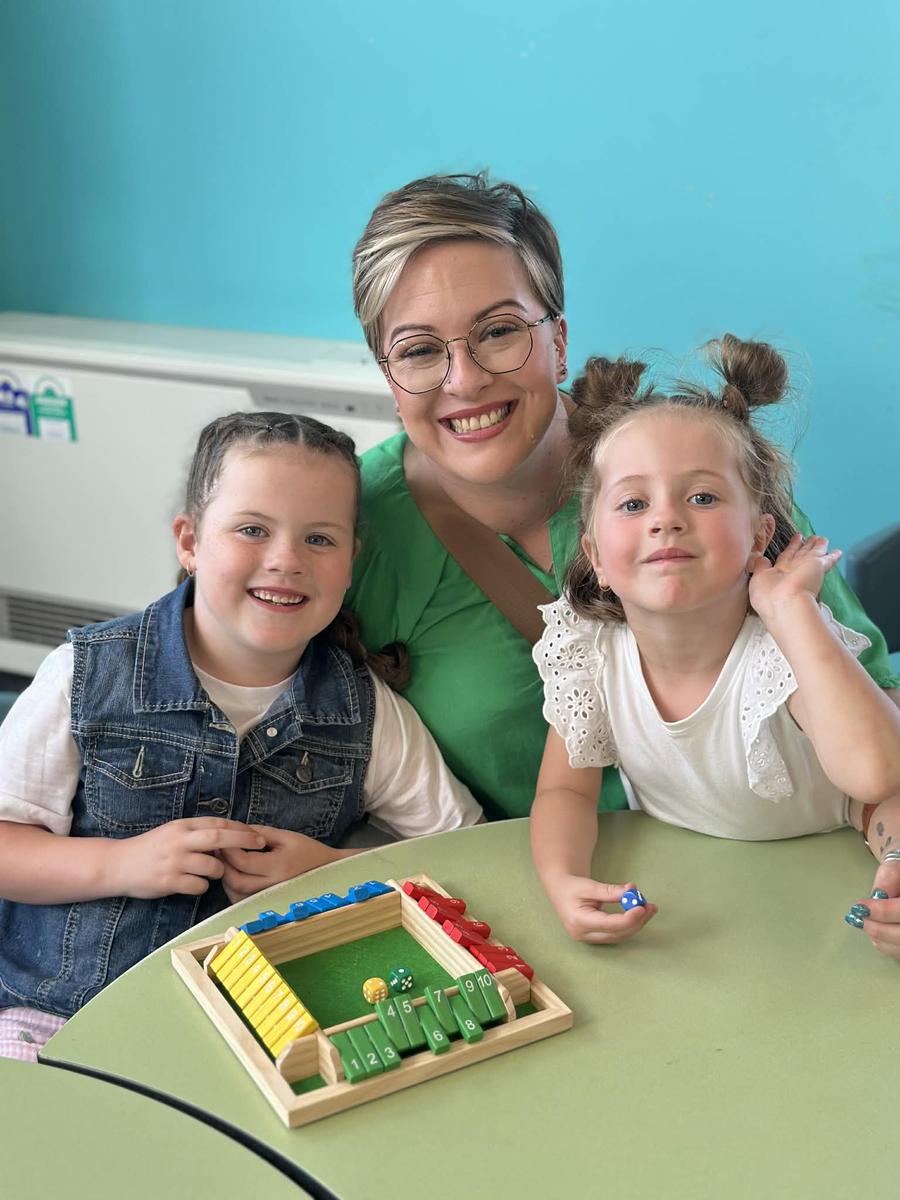
Thank you to all of our families for coming along and supporting the school—we really appreciate it and love seeing our community come together like this.
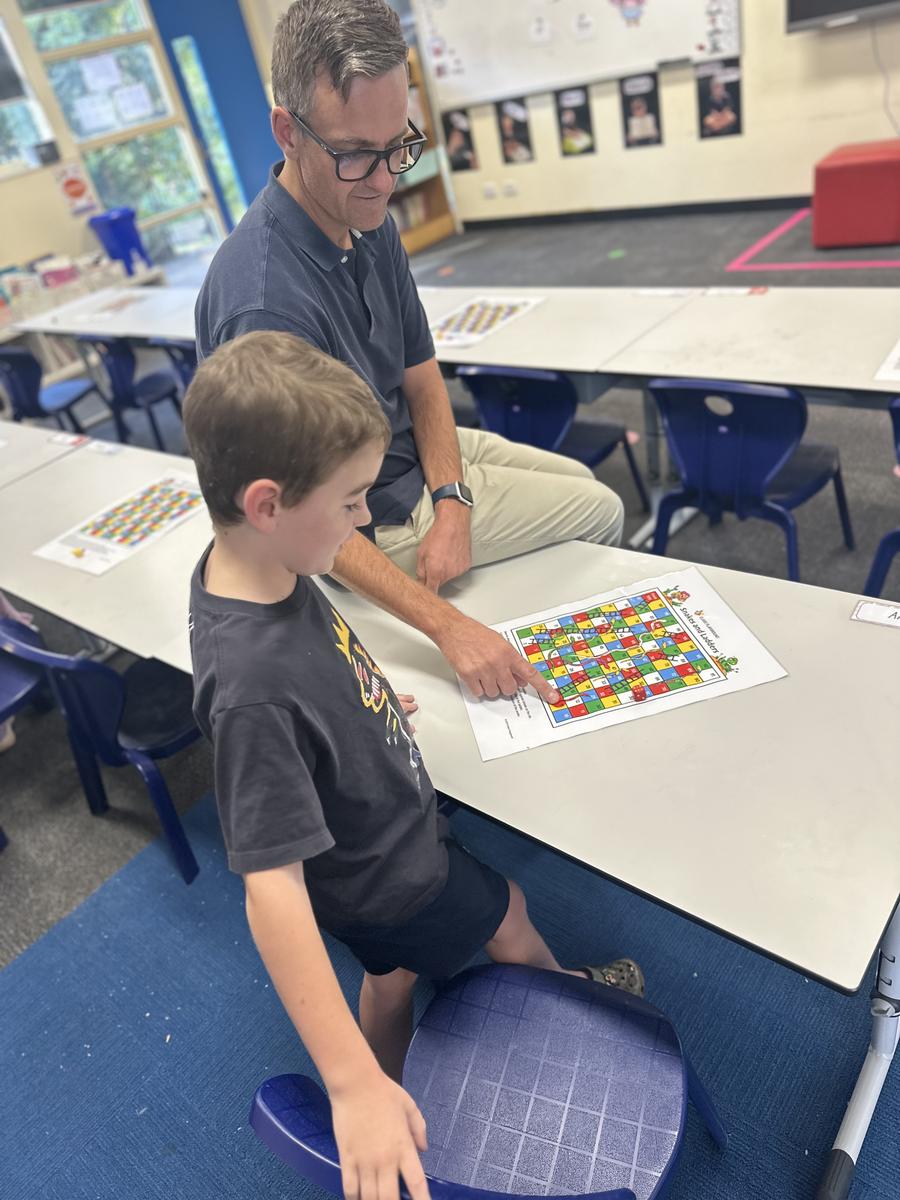
With Maths Night on March 25, here are some ways we can incorporate mathematics into our daily lives!
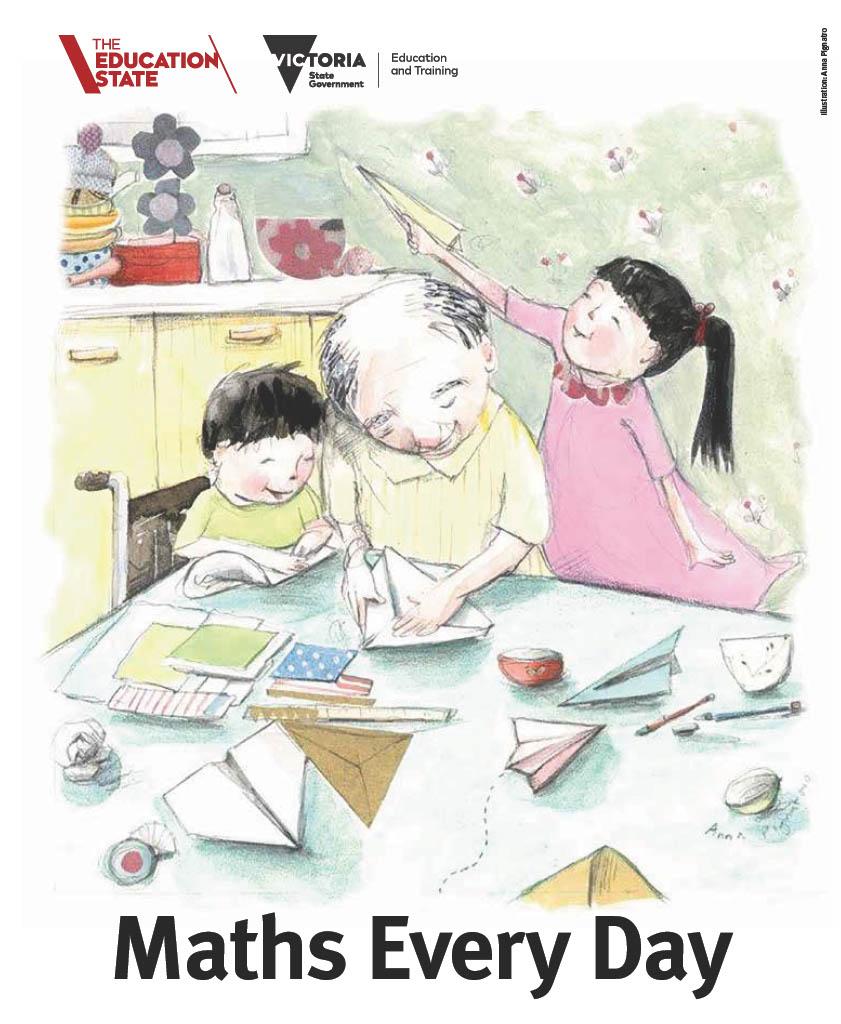
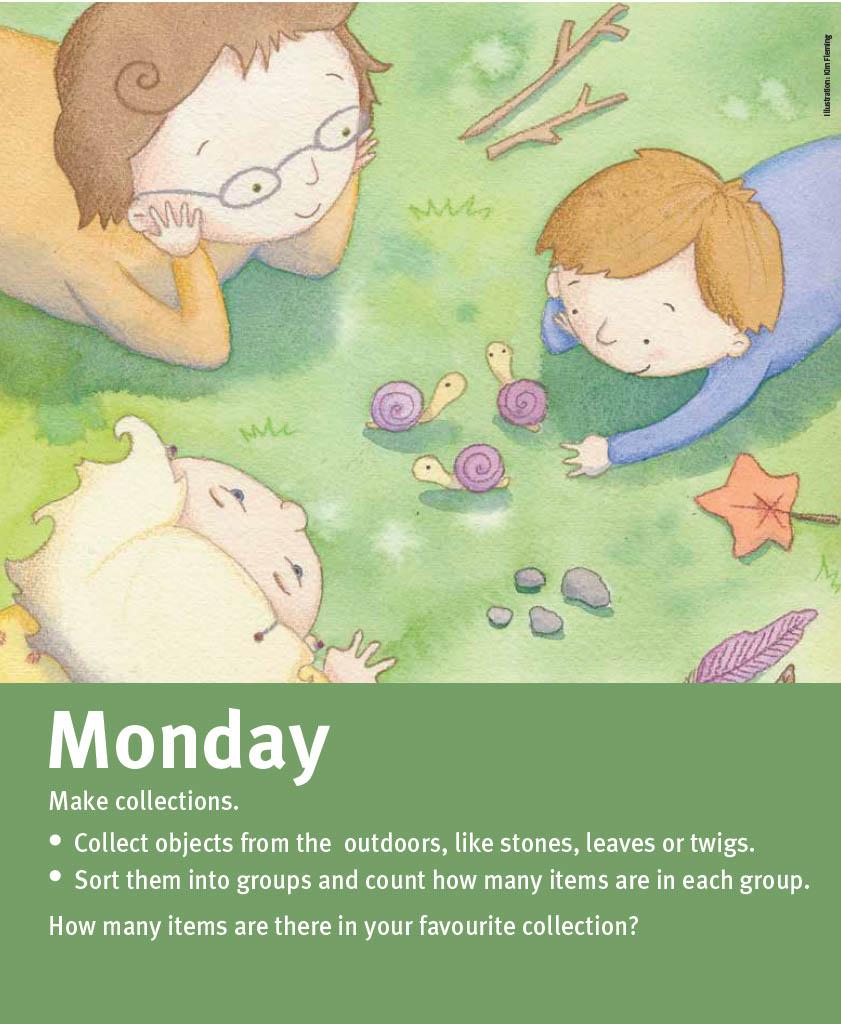
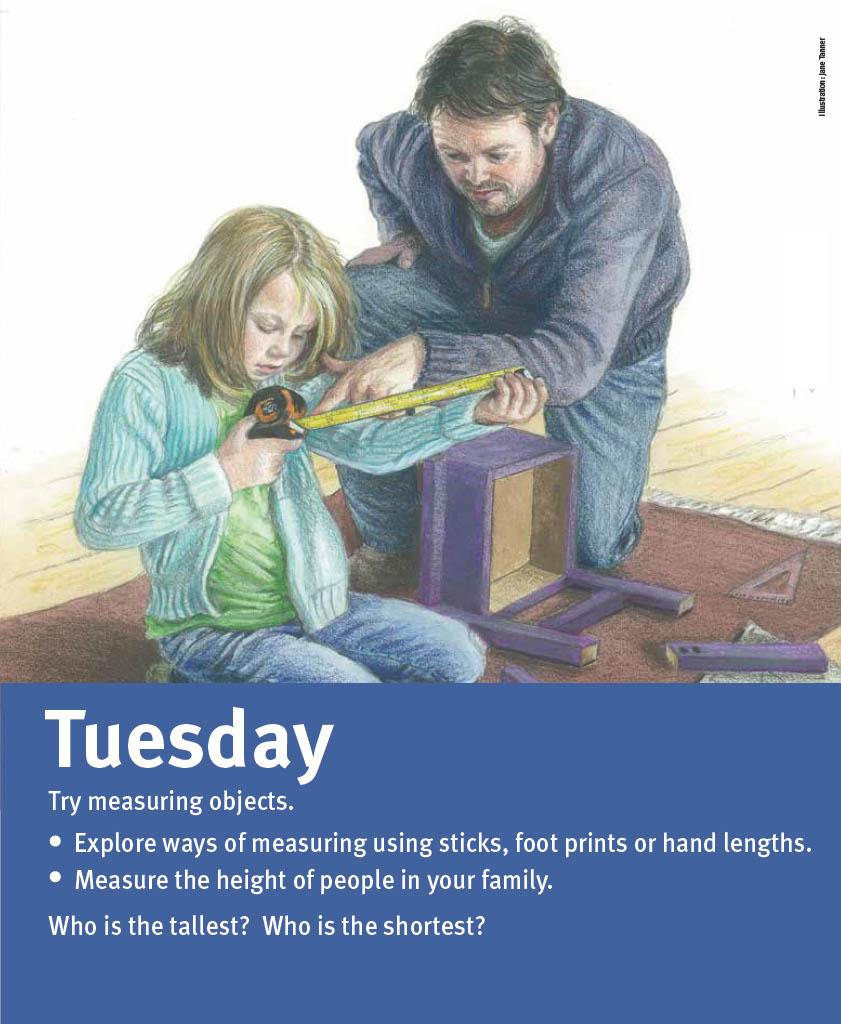
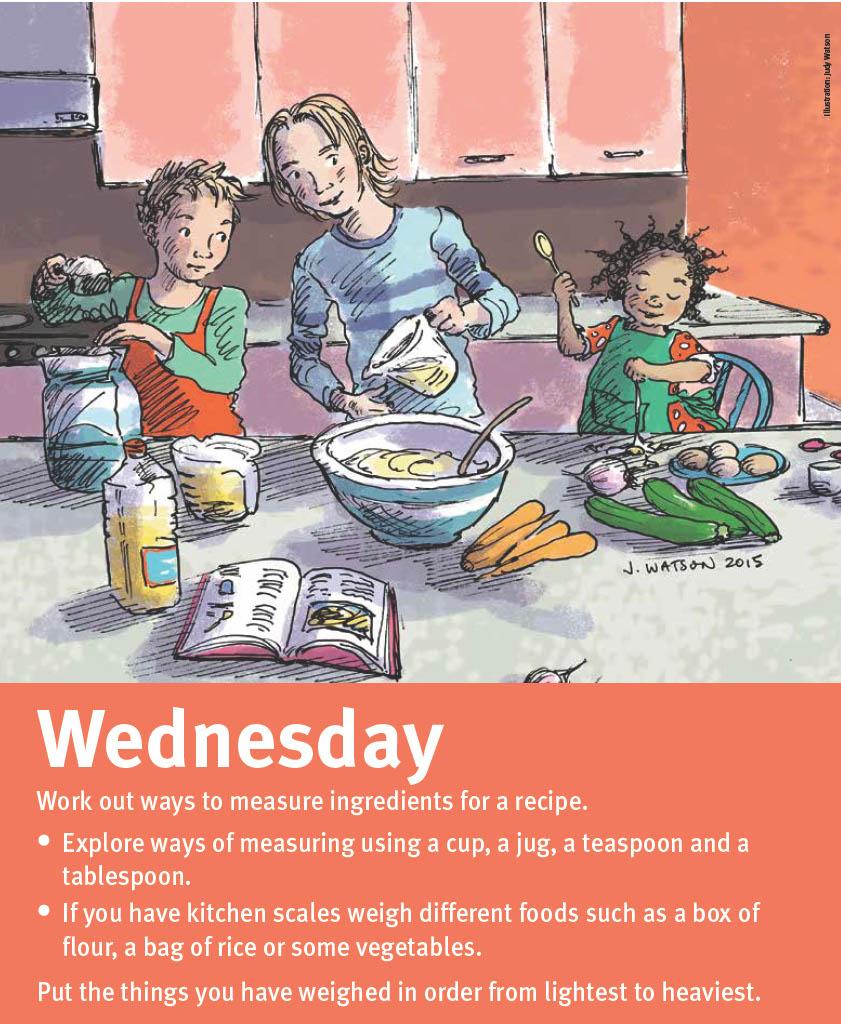
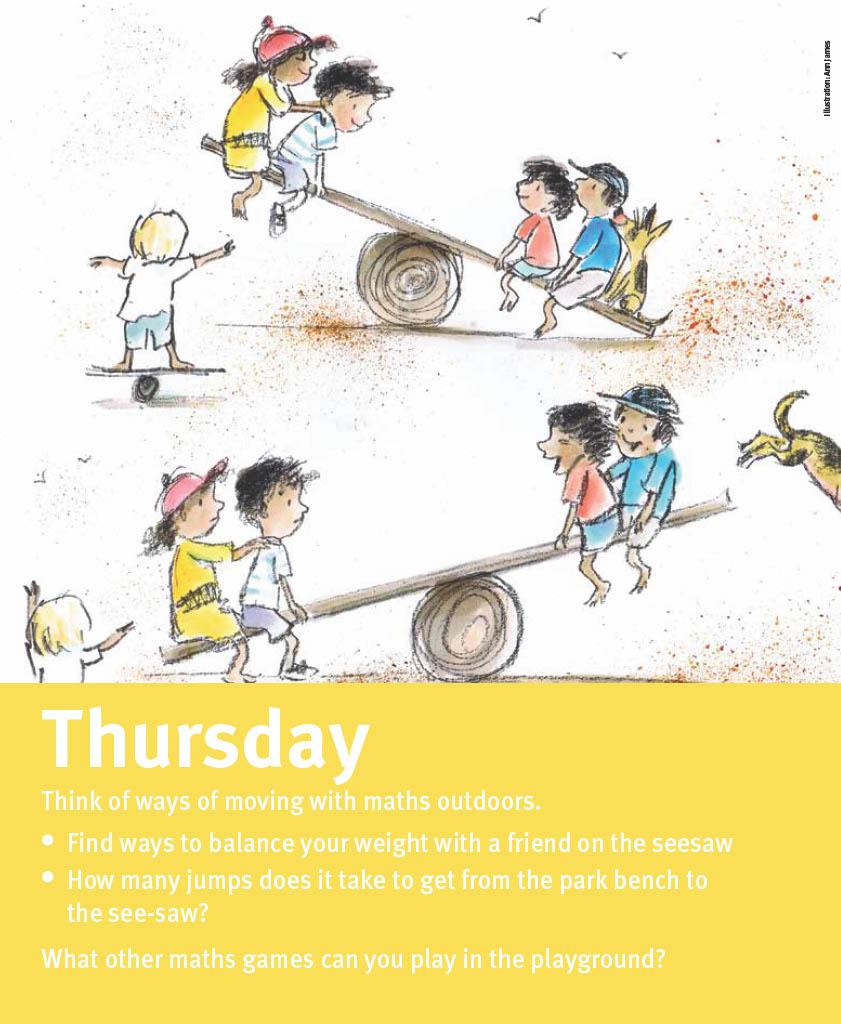
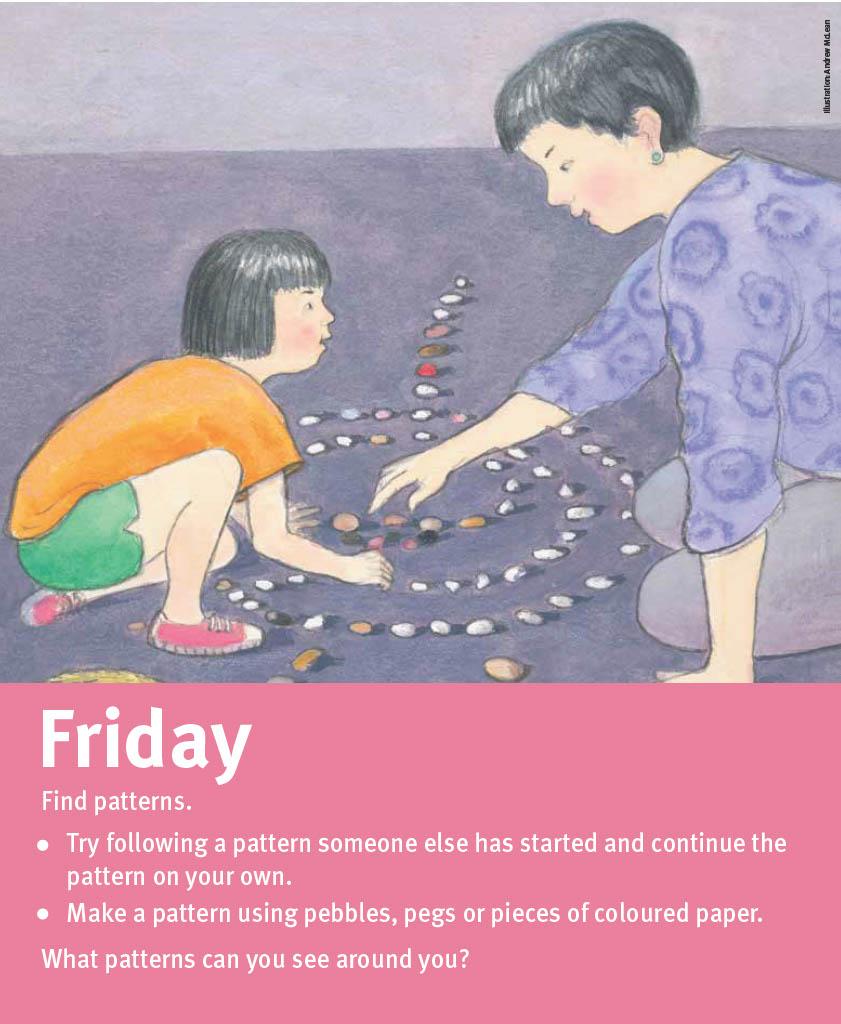
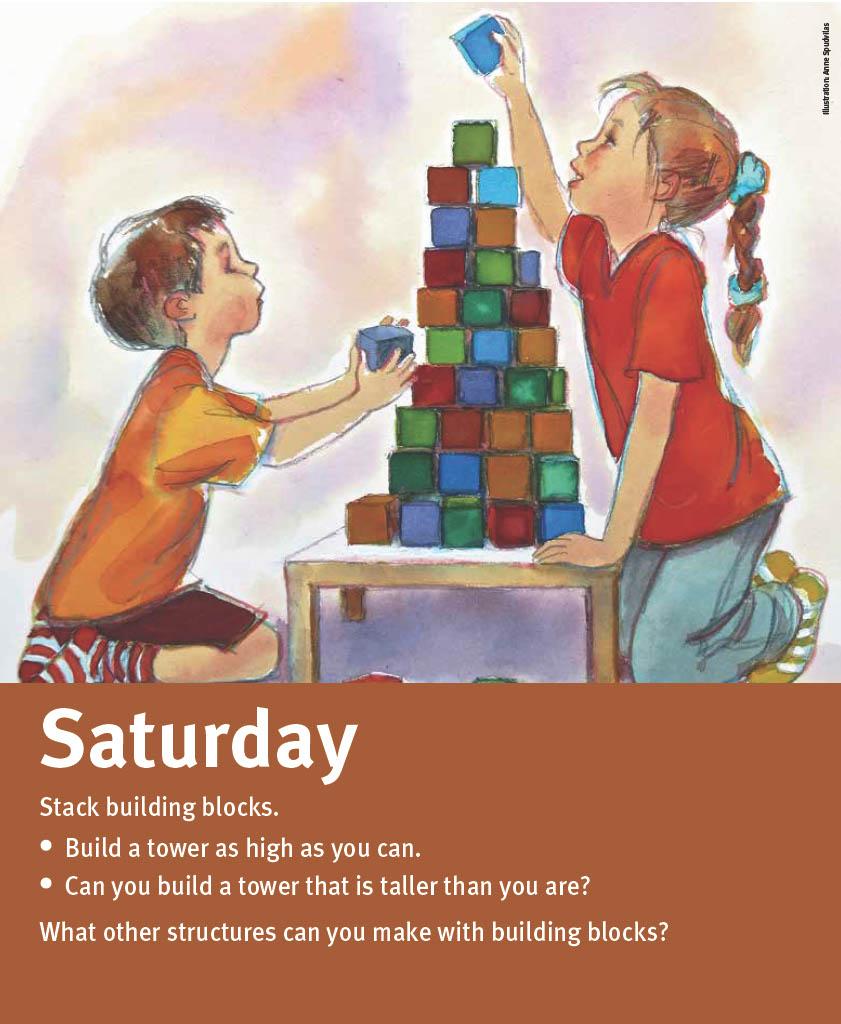
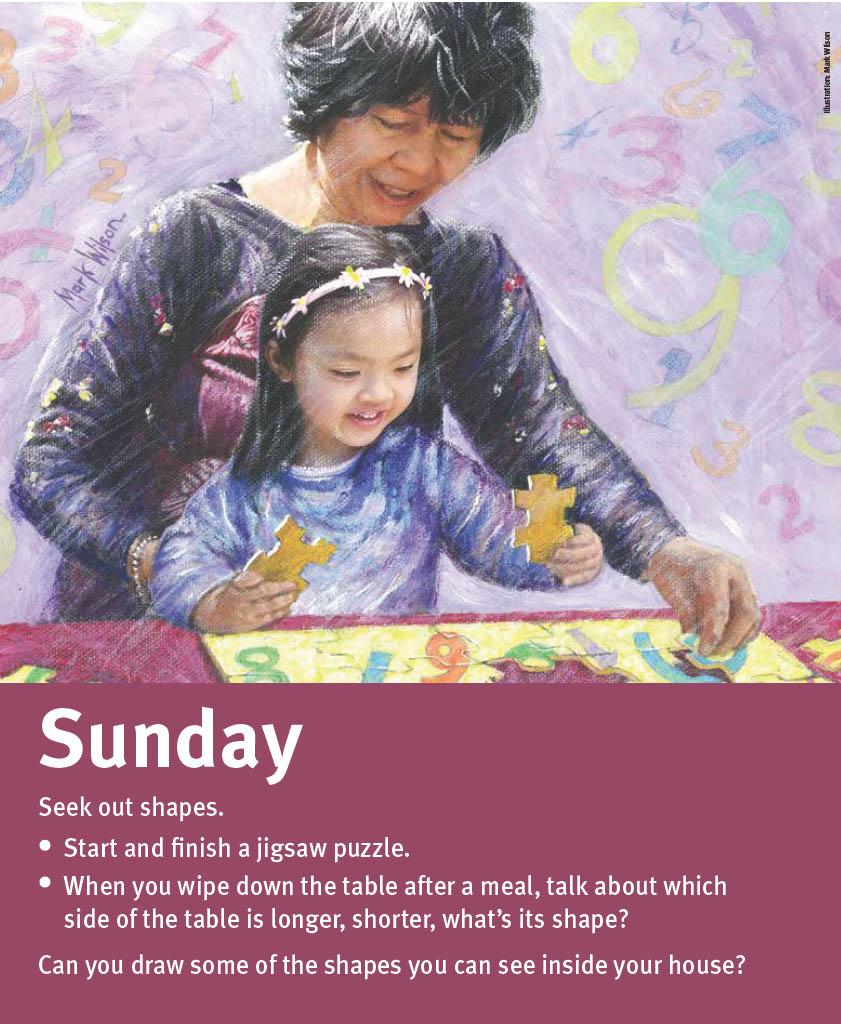
What is subitising?
Subitising is the ability to visually recognise how many objects are in a small group without counting. For example, knowing that someone is holding up 3 fingers without counting each finger.
Practising this skill at home will help your child to recognise small groups quickly without the need to count. Subitising usually works best with small numbers – up to 5, and sometimes up to 10.
At home
Dice games
Roll a dice and have your child call out the number of dots as quickly as possible. Then count together to check. Roll again.
How many fingers?
When out walking, hold up 1-5 (or up to 10) fingers and thumbs for 1-2 seconds, and ask your child to tell you how many fingers they can see.
Snack peek
Place up to 5 pieces of snack food (for example, grapes, crackers) on a plate without your child seeing. Let your child look briefly, then cover it. Ask ‘how many did you see?’ Reveal the pieces and count together to check.
Plate patterns
Place up to 10 items on a plate, using familiar patterns. For example, 8 buttons could be arranged in 2 sets of 4 that use the pattern shown on standard dice. Let your child look for 3 seconds, then cover it. Ask ‘how many did you see’, or ‘how many altogether?’ Show the items again and count together to check.
Missing eggs
As you use eggs, show the egg carton to your child and give them 2 seconds to look at the number remaining without counting. Ask them, ‘how many eggs are left’ or how many have been used?’
At the supermarket
Bunches of bananas
Hold up a bunch of bananas for a few seconds and ask your child how many there were before counting. Count together afterwards to check if they were right.
Yoghurt tubs
Show your child a packet of yoghurt tubs quickly. Is it a pack of 2, 4, 6 or 12 yoghurts? Ask them, ‘would this be enough for everyone in our family?’
At the park
It’s a handful
Hide up to 5 small objects (for example, stones) in your hand. Open your hand briefly for 1-2 seconds then close it. Ask ‘how many did you see?’ Open your hand and count together to check.
Knock them down skittles
Watch Everyday maths - around the house to see how to set up a game of skittles using empty plastic bottle.
Play your own game of skittles and have your child call out how many bottles are left standing after round. They can show the number on their fingers too.
What is partitioning?
Partitioning is breaking a whole number, for example 7, into different parts, for example 3 and 4. Breaking this ‘whole’ number into 2 ‘parts’ is called part-part-whole.
Another example would be taking the ‘whole’ number 9 and breaking into 2 ‘parts’ of 6 and 3. In this example the number 9 could also be broken into ‘parts’ of 4 and 5, or 2 and 7 or 1 and 8.
Practising this skill at home will help your child understand that any number can be broken into different parts, which supports later learning in addition and subtraction.
At home
Toy sort
Count a collection of your child’s favourite toys, such as construction blocks. This total is the whole.
Ask your child to rearrange them into 2 groups (parts) and tell you how many are in each part.
Bring both parts back into one group and then separate into 2 parts in a different way. Ask them, ‘how many ways can the toys be grouped into 2 parts?’
Petal parts
Draw a flower with 9 petals. Have your child count the petals (the whole).
Ask your child to colour in the petals of the flower using 2 different colours; for example, 4 red petals and 5 blue petals.
Draw a second flower with 9 petals. Ask your child to show you another way to colour the petals using the same 2 colours.
If you like, you can draw more flowers with 9 petals and see how many other ways your child can break 9 into 2 parts using the 2 colours.
You can also do this activity with flowers that have a different number of petals.
At the supermarket
Oranges and apples
Pick 7 pieces of your child’s 2 favourite fruits (for example, apples and oranges).
Have your child tell you the total number of fruit (the whole), as well as how many of each type of fruit (the parts) there are; for example, 3 oranges and 4 apples. Talk about what other combinations of the 2 fruit types would make 7.
Two packets
Select 2 packets of bread rolls and ask your child to count the number of rolls (the whole). How many are in each packet (the parts)?
At the park
Chalk and talk
Use chalk to draw a number (the whole) on the pavement.
Have your child draw that number of a favourite shape below the number. Ask them to circle a number smaller than the whole to make 2 parts; for example, draw 6 shapes and circle 4 shapes, leaving 2 shapes as the second part.
Nature numbers
Collect a small group of sticks, leaves, or stones from the park. Count the whole with your child and then ask them to sort into 2 parts. Count and then bring back together to separate a different way.
Jumping in parts
Ask your child to do 10 jumps in 2 parts. They might do 4 quick jumps for the first part, pause, and then do another 6 quick jumps for the second part. Ask, ‘how many jumps in each part’ or if there was another way they could jump in 2 parts.
Resources:
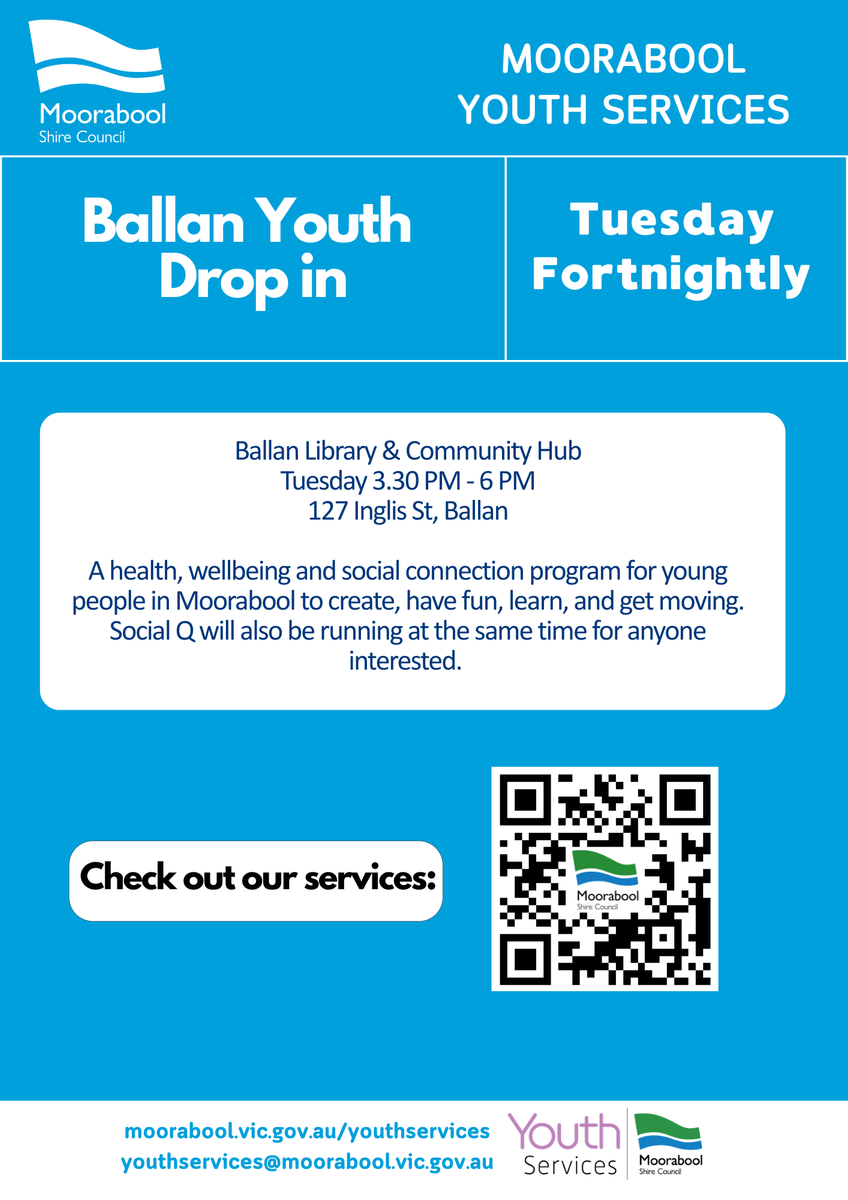
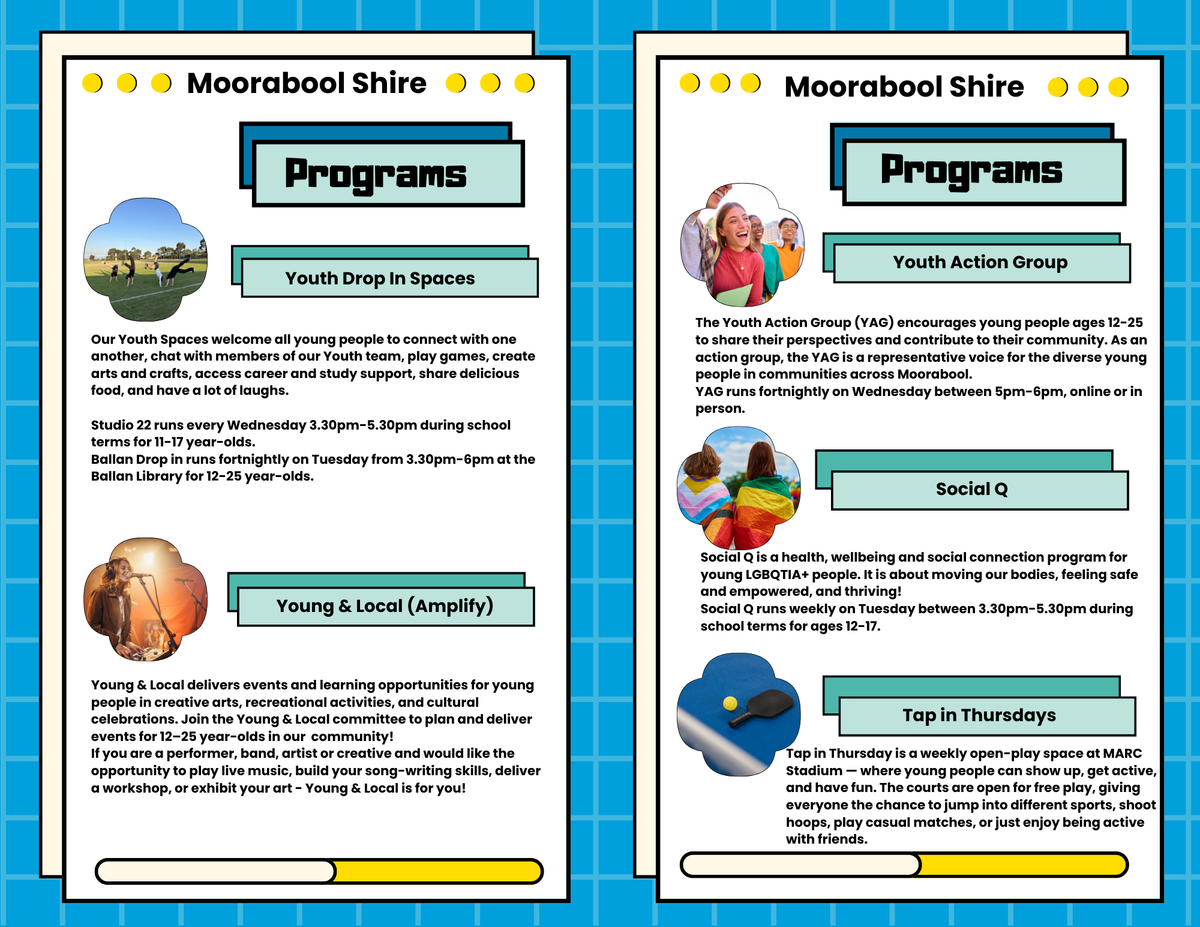
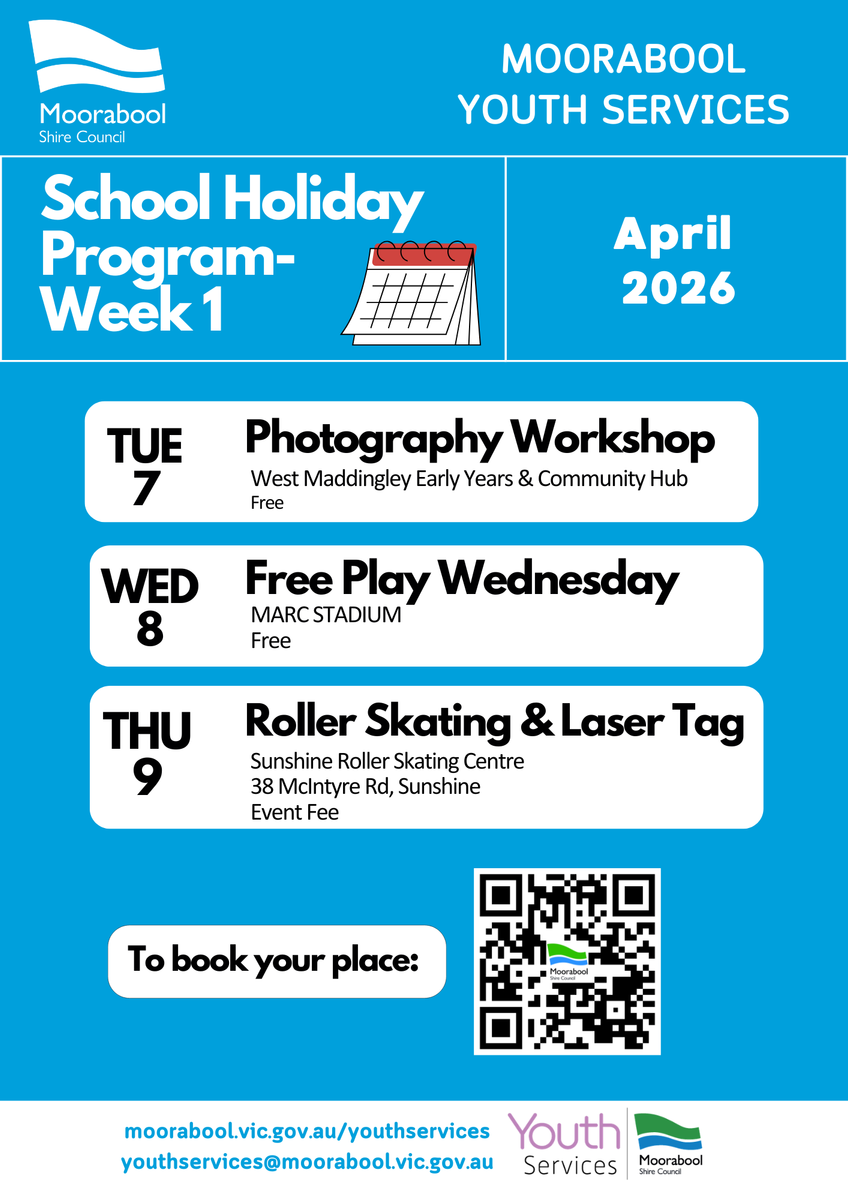
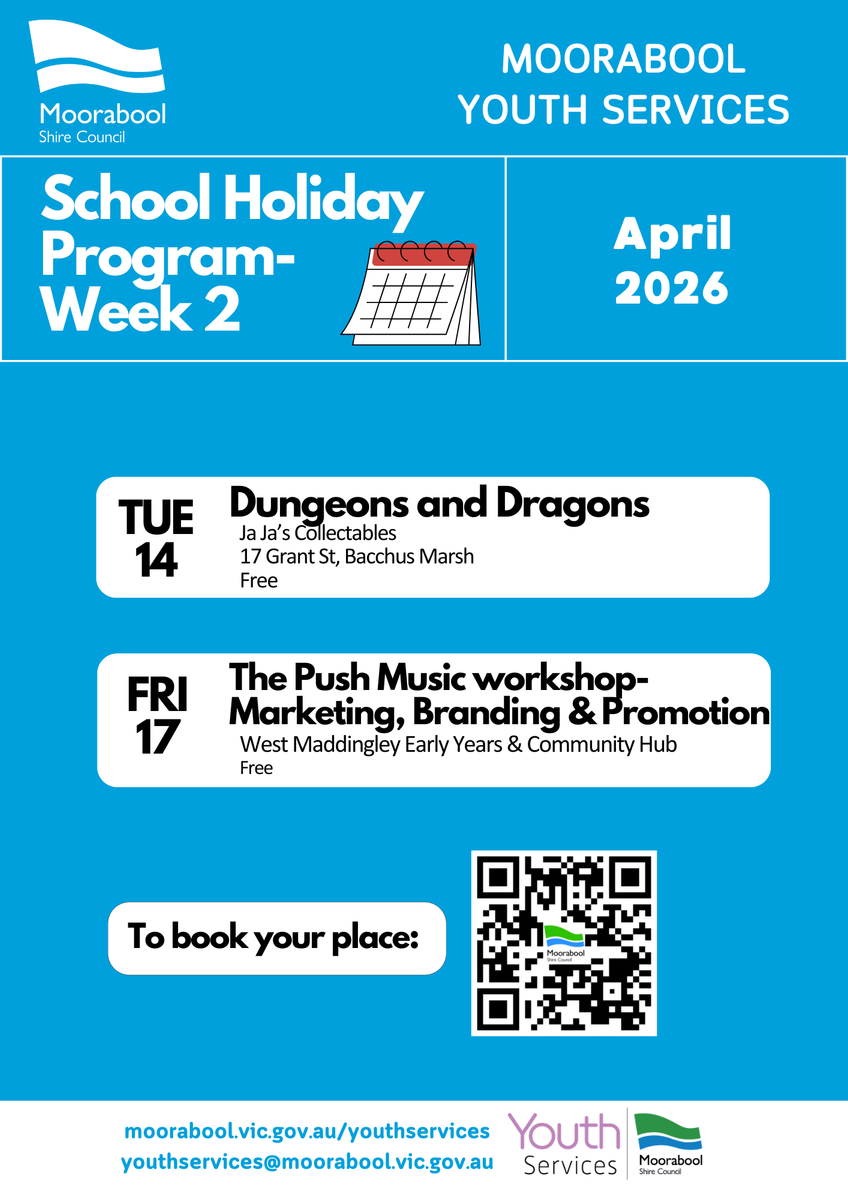
Moorabool Shire's youth services are aimed at young people who live, work, or study in Moorabool Shire. They have a range of programs, services, and events for all young people in the community - including holiday programs!
We will have a representative come for an incursion next week to discuss the programs, resources, and events that the grade 5 and 6s can attend.
Resources:
On April 2, Mathematics Progress Report Comments will be published.
How to access Progress Reports
Using the Xuno website:
https://docs.xuno.com.au/portal-how-to-view-and-download-your-reports
Using the Xuno app:
https://docs.xuno.com.au/accessing-student-academic-reports-in-the-xuno-family-app
Issue 2 orders have closed. We are currently awaiting deliveries.
Scholastic Book Club is a service offered to students, parents, and teachers. Brochures advertising a variety of books and computer software are sent home with each student, approximately twice a term.
Purchase of the books is not compulsory and there is no obligation. If you do wish to purchase any goods, simply log into the Book Club site www.scholastic.com.au/LOOP and follow the prompts. All Book Club orders must be ordered and paid for via LOOP. Do not send order forms and cash to school. When the order arrives at school, books are sent home with students.
The School earns “Bonus Points” for each order which can be used to purchase new resources for classroom libraries.
Click here for the Scholastic Book Club Parent Log in page or to register for new users.
You can have a look at the online catalogue here: https://scholastic.com.au/book-club/book-club-parents/issue-preview/.
How to order
Click on ORDER in the top menu or REGISTER first to save your details for the first time. Select Ballan PS and your child’s class. Add your child’s name and last initial. Enter the item number from the brochure.
You can order for multiple children at once. All orders are linked directly to the school.
Our school receives bonus points, which are redeemed for a variety of books for the children; therefore, we thank you for your continued support.
If parents wish to collect orders personally, please let the school know.
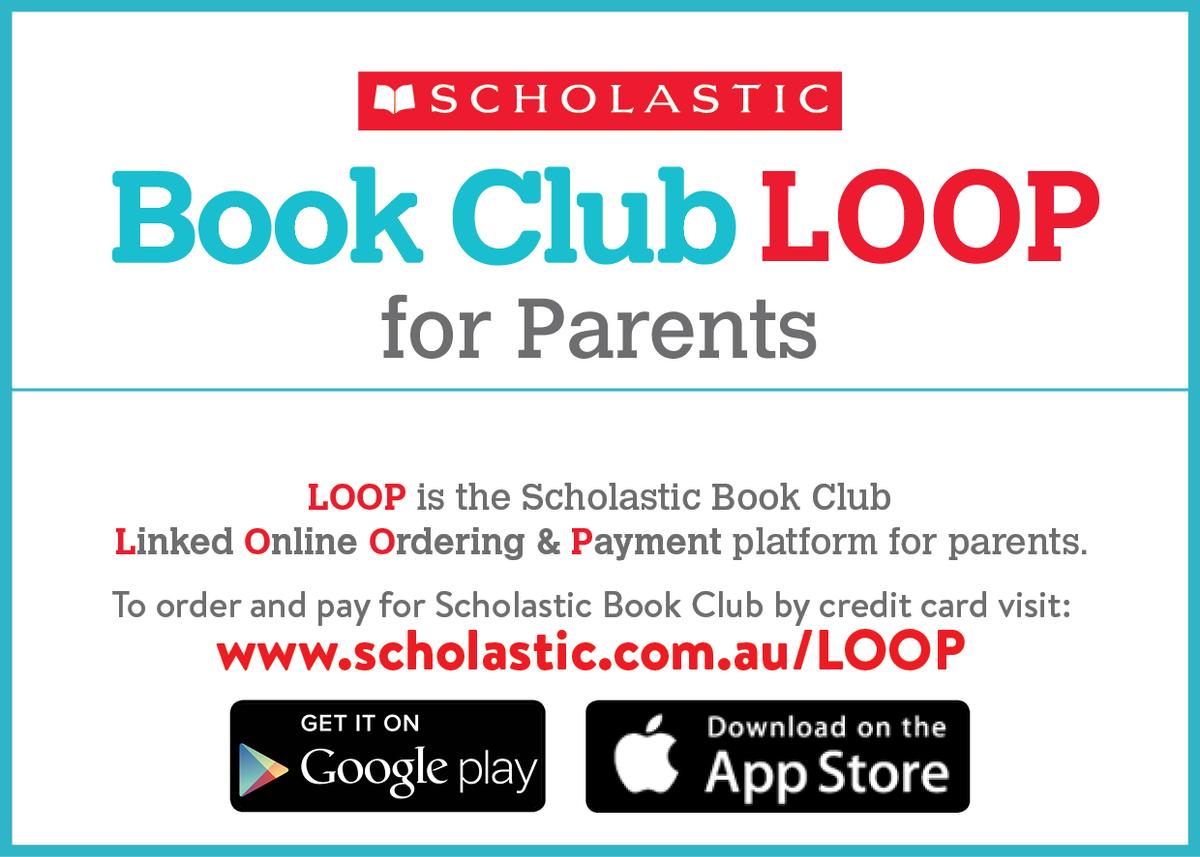
Please go to www.scholastic.com.au/LOOP and find Ballan Primary School to order or alternatively you can download the LOOP app via the App Store or Google Play.
Facebook: https://www.facebook.com/BallanPrimarySchool
Instagram: https://www.instagram.com/ballanprimaryschool/
Happy learning,
Madison Nicholls
Acting Learning Specialist
Madison.Nicholls2@education.vic.gov.au
Ph: 5368 1072