Student Agency

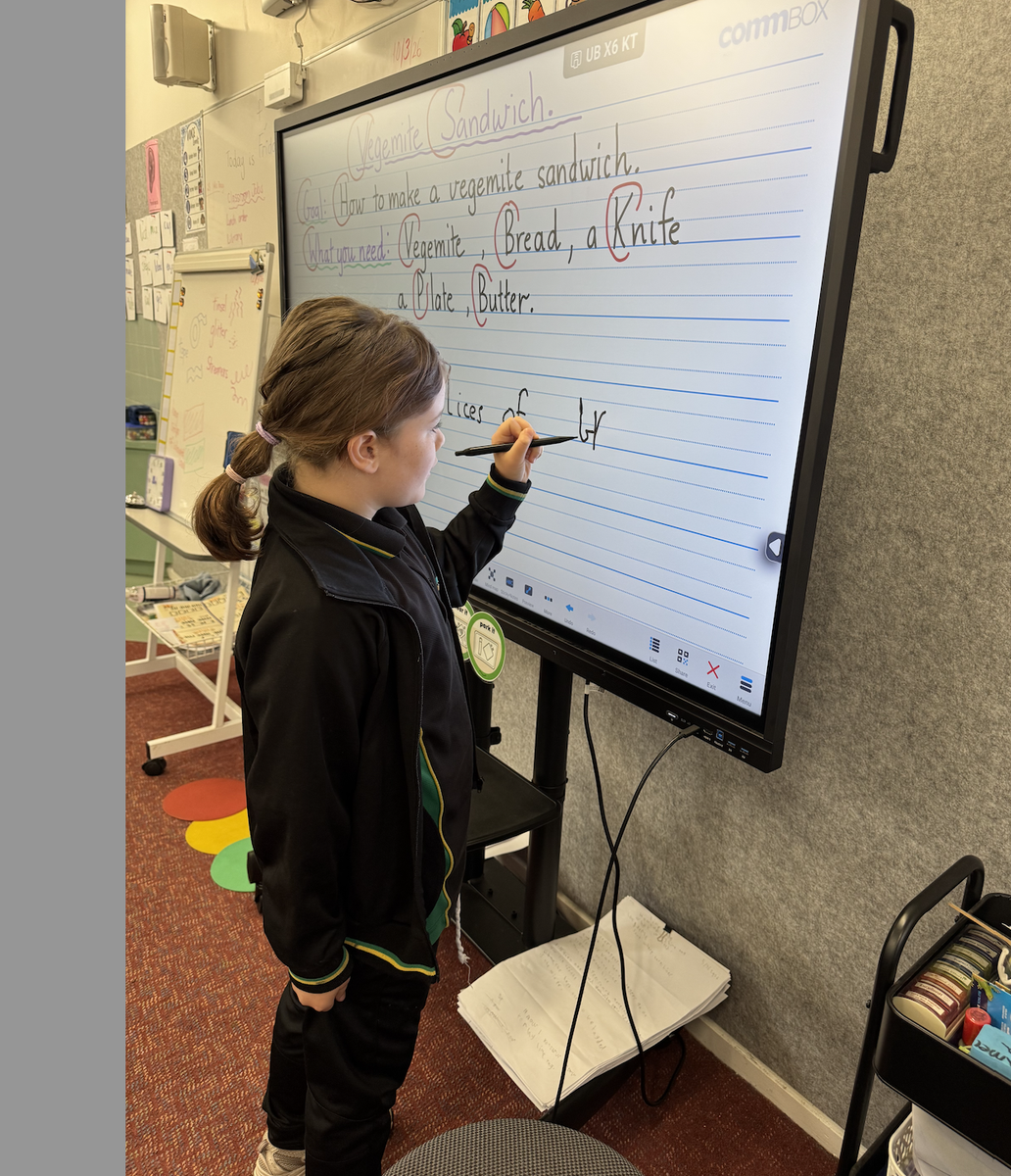
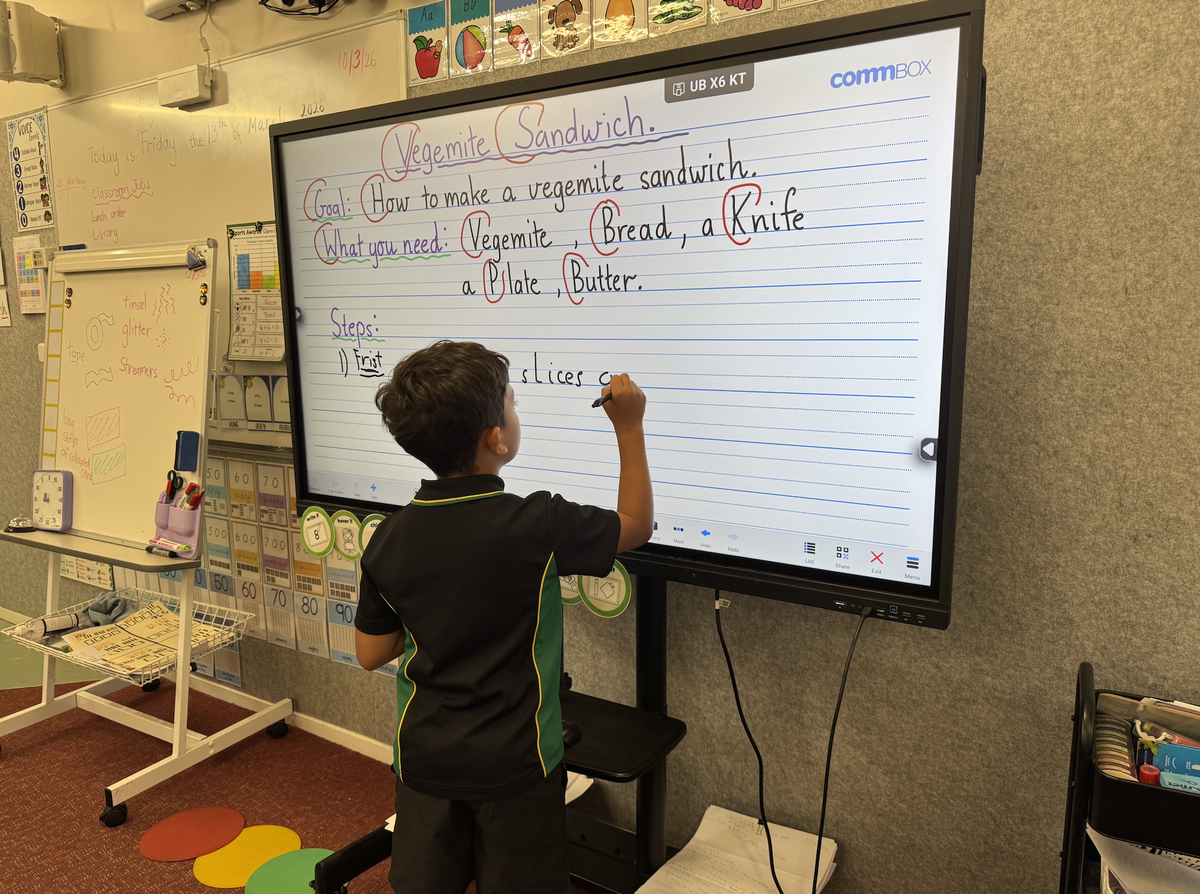
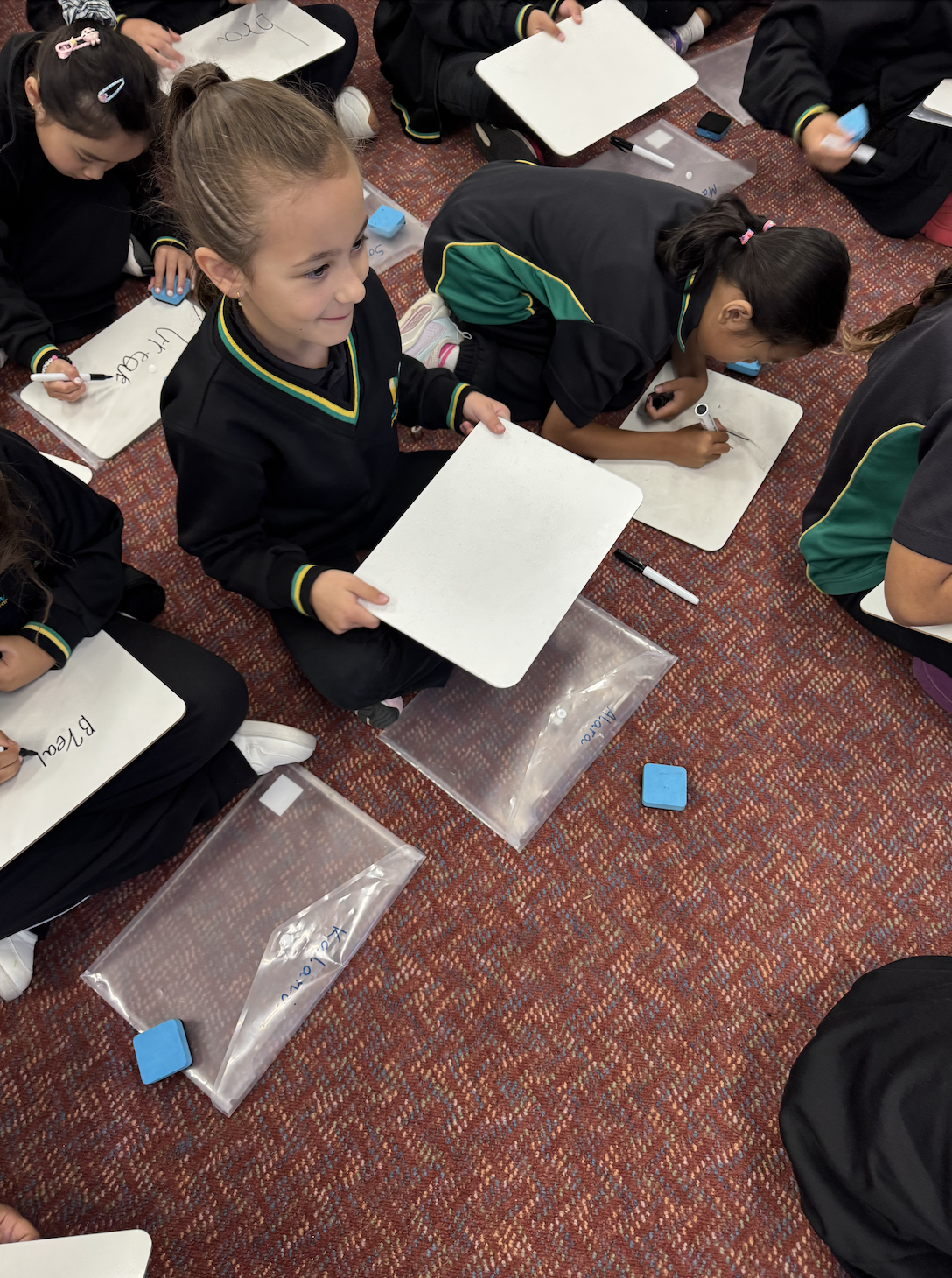
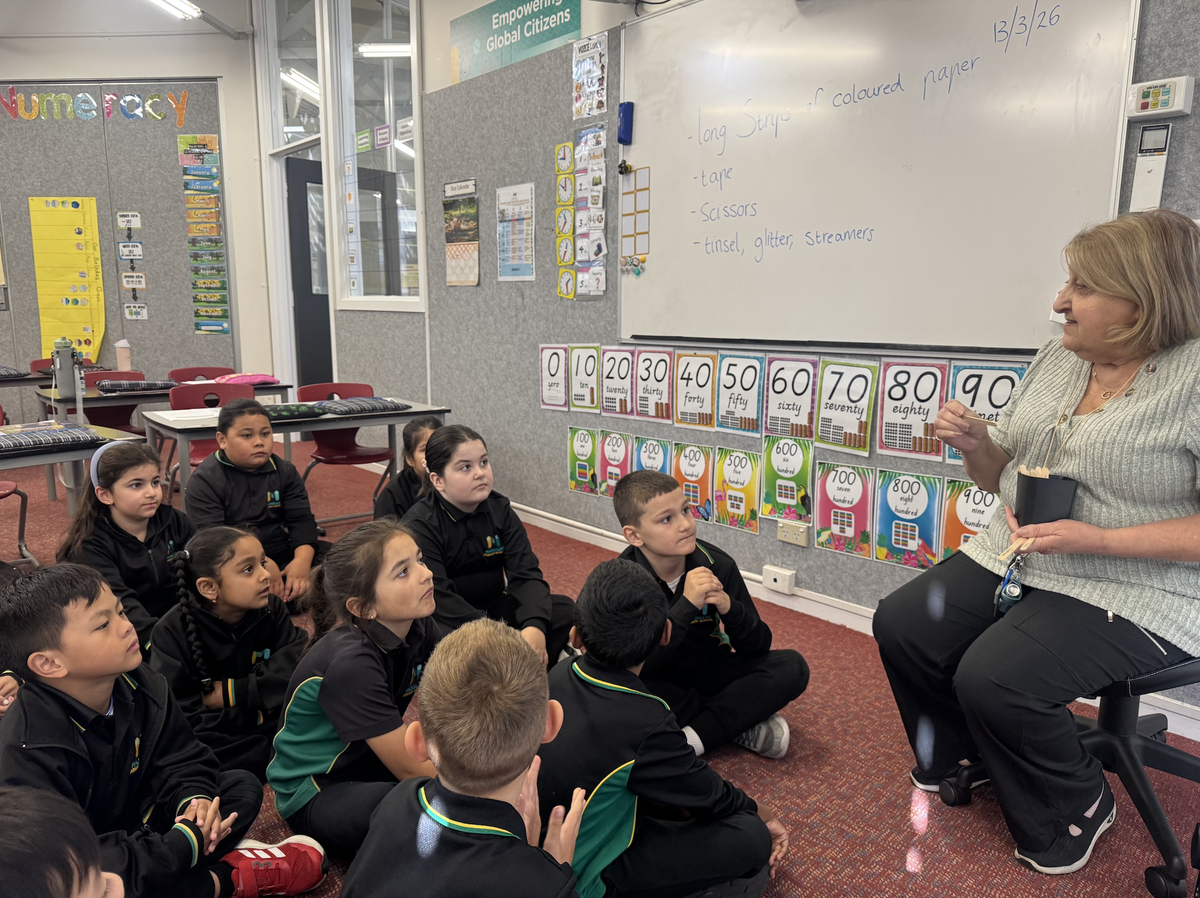
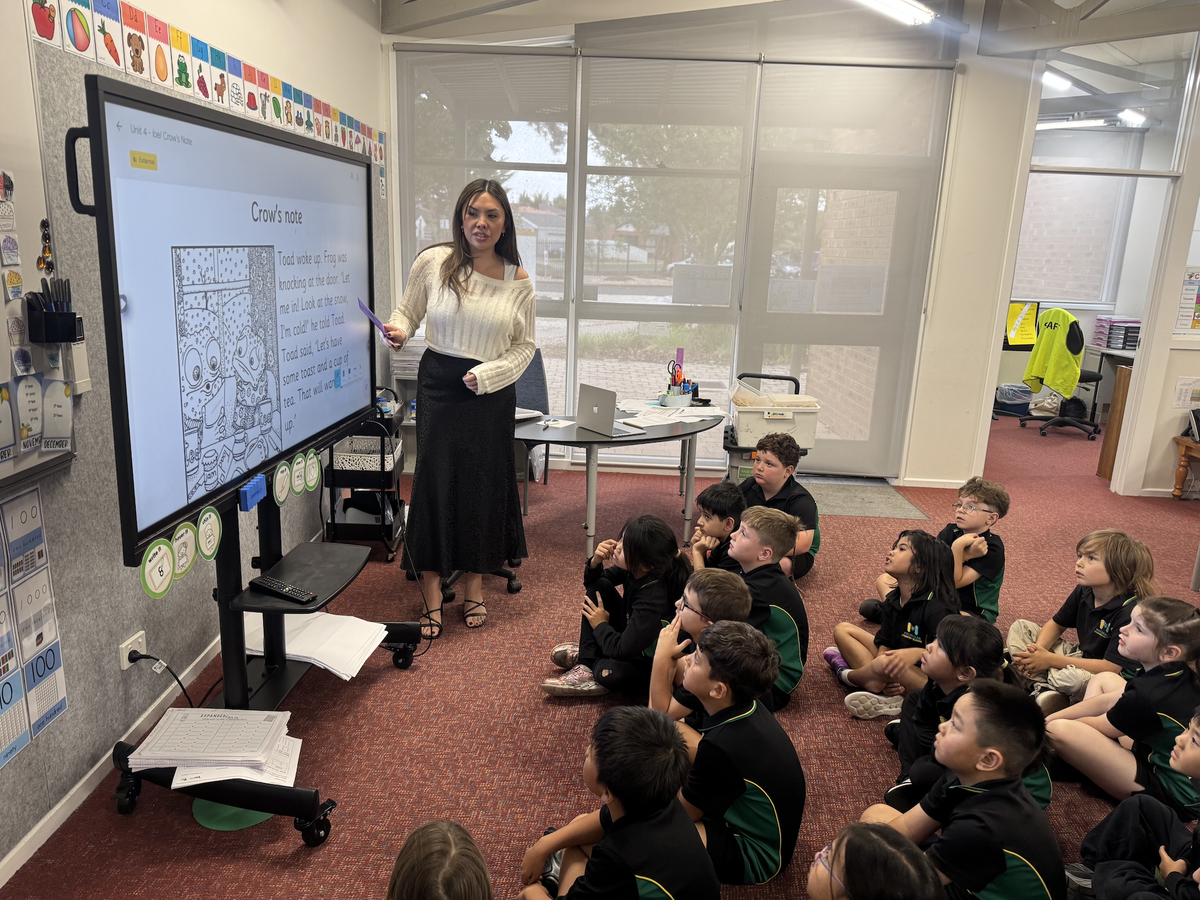
At Mackellar Primary School, we are continuing to develop student agency, which means encouraging students to take an active role in their own learning. When students have agency, they have opportunities to share their ideas, make choices, and take responsibility for their learning journey. When students feel that their voice matters, they are often more motivated and engaged in their learning.
In the classroom, this can look like students setting personal learning goals, reflecting on their progress, asking questions, and choosing different ways to display their learning. For example, students might decide whether to present their learning through writing, drawing, building a model, or creating a digital presentation.
At Mackellar Primary School, students are demonstrating agency and voice in many different settings and in a variety of ways. This year, we have focused on the use of engagement norms across all curriculum areas to actively involve students in their learning. These norms help maximise student participation, create a safe environment for sharing ideas, and support stronger learning retention. As part of this process, we are currently gathering student feedback on our engagement norms to understand whether they are helping students learn effectively and providing opportunities for genuine student voice. This feedback will help guide our next steps as we continue to strengthen student agency across the school.
In weeks 9 and 10, we will have Life Education coming to Mackellar again to provide our students with engaging and purposeful incursions on the following topics:
Prep – Grade 2
Students learn about body rights, consent, early warning signs, safe/unsafe touch, anatomical names for private parts, recognising private/public body parts and strategies for unsafe situations in both real-life and online.
Grade 3 and 4
Children will learn to recognise and express their feelings, understand when they feel unsafe, know who to report concerns to, distinguish between body parts, understand consent and boundaries, differentiate between safe and unsafe touch, and practice protective behaviours.
Grade 5
Evolving Friendships
Helps individuals identify healthy and unhealthy relationship traits, recognize emotions' impact, manage overwhelming feelings with coping strategies, and practice assertive communication and active listening.
Welcome to Puberty
Students will learn about puberty, including its significance in human development, the male and female reproductive systems, the physical, social, and emotional changes that occur during this stage, coping strategies for handling these changes and recognising and responding to unsafe situations. The session also includes a menstruation product demonstration.
Grade 6
Thriving in Puberty
Students learn about pubertys’ definition and its importance in sexual maturation, recognise both male and female reproductive systems, examine the physical, social, and emotional changes during puberty and develop coping strategies. They will also explore consent and personal boundaries and identify sources of help for handling unsafe situations. The session also includes a menstruation product demonstration.
Navigating Relationships
In this session, students will explore relationships, recognising their impact on well-being,
understanding healthy and unhealthy characteristics, and learning conflict resolution
strategies.
Lauren Wishart
Learning Specialist