
9-12 Community News
Welcome to the start of Term 3.
Students and staff in the 9-12 Community have returned with a positive attitude and enthusiasm as we commence Term 3. As always, this term promises to be jam packed, with lots to look forward to.
Our VCE Unit 3/4 Outdoor and Environmental Studies students have spent time this week in the snow fields studying the Victorian alpine region, engaged in downhill and cross-country skiing. We will include details of this trip in the next newsletter.
Kwong Lee Dow Young Scholars Program
An exciting opportunity is available for our Current Year 10 students who have the opportunity to apply for the University of Melbourne’s Kwong Lee Dow Young Scholars Program. This program is open to students from all Victorian schools, offering access to exclusive University of Melbourne events and academic enrichment activities for two years. Current Year 10 students who are considering applying for tertiary study, at any university, are invited to apply for this prestigious program.
Information about the program will be available on SIMON for students. Interested students should visit the link below and speak to Mr Downie to express their interest in applying for this program.
Kwong Lee Dow Young Scholars Program | Study at Melbourne
VCE VM: Warramunda Project
Our Year 11 VM students will visit the Warramunda Aged Care Facility on numerous occasions throughout this term. This project has several aims; firstly, for students to actively engage with the Kyabram community and the different stakeholders. Secondly, for students to demonstrate their ability to be leaders within our school and the wider community. The aim of the program is to address the gaps between generations; problem solve and develop innovative solutions, and for students to develop their interpersonal skills. Students will work with residents individually, or in small groups, to create a legacy project which involves consultation and collaboration to produce a final product that will serve as a lasting gift to the Warramunda community. We look forward to seeing the progress of these projects throughout Term 3.
Tertiary Information Service and University Open Days
Our Year 12 students attended the Tertiary Information Service (T.I.S) session this week, where they were able to explore the range of career, tertiary and post-school pathway and employment opportunities that are available to them as they look beyond the end of their secondary education.
For those who are considering tertiary study, the Tertiary Information Service excursion provided insights into the many tertiary institutions and pathways available to students. We encourage all senior students to investigate the many tertiary institutions and career pathways that are available. Across Victoria, metropolitan and regional universities will be opening their doors for prospective students to visit on campus, as well as continuing their online presentations which have been developed over the last three years. Through the next few months, many universities will be holding Open Days. The link provides the dates and times for a range of Open Days at the different institutions across Victoria.
We encourage all our students in Years 11 and 12 to consider attending these days to explore the many opportunities available to them beyond secondary school.
With the end of year beginning to come into view for our Year 12s (and Year 11s completing a Unit 3/4 subject), we would like to present the information below to students and their families. This article presents a helpful guide for parents and caregivers in the lead up to the Unit 4 SACs and for examination preparation and revision. Exams, assessment tasks and assignments can be testing times for all students and parents alike. This article contains valuable information and helpful strategies designed to assist young people during these stressful times.
Information in this article is directly connected to the work we do with students through The RRRR program, Success Integrated and Elevate.
We look forward to working in partnership with you, again, this semester and look forward to seeing you on-site for TA meetings and Subject Teacher conversations later in the term. As always, please feel free to contact your child/ren’s TA should you have any queries or concerns.
Year 10 Urban Camp Experience
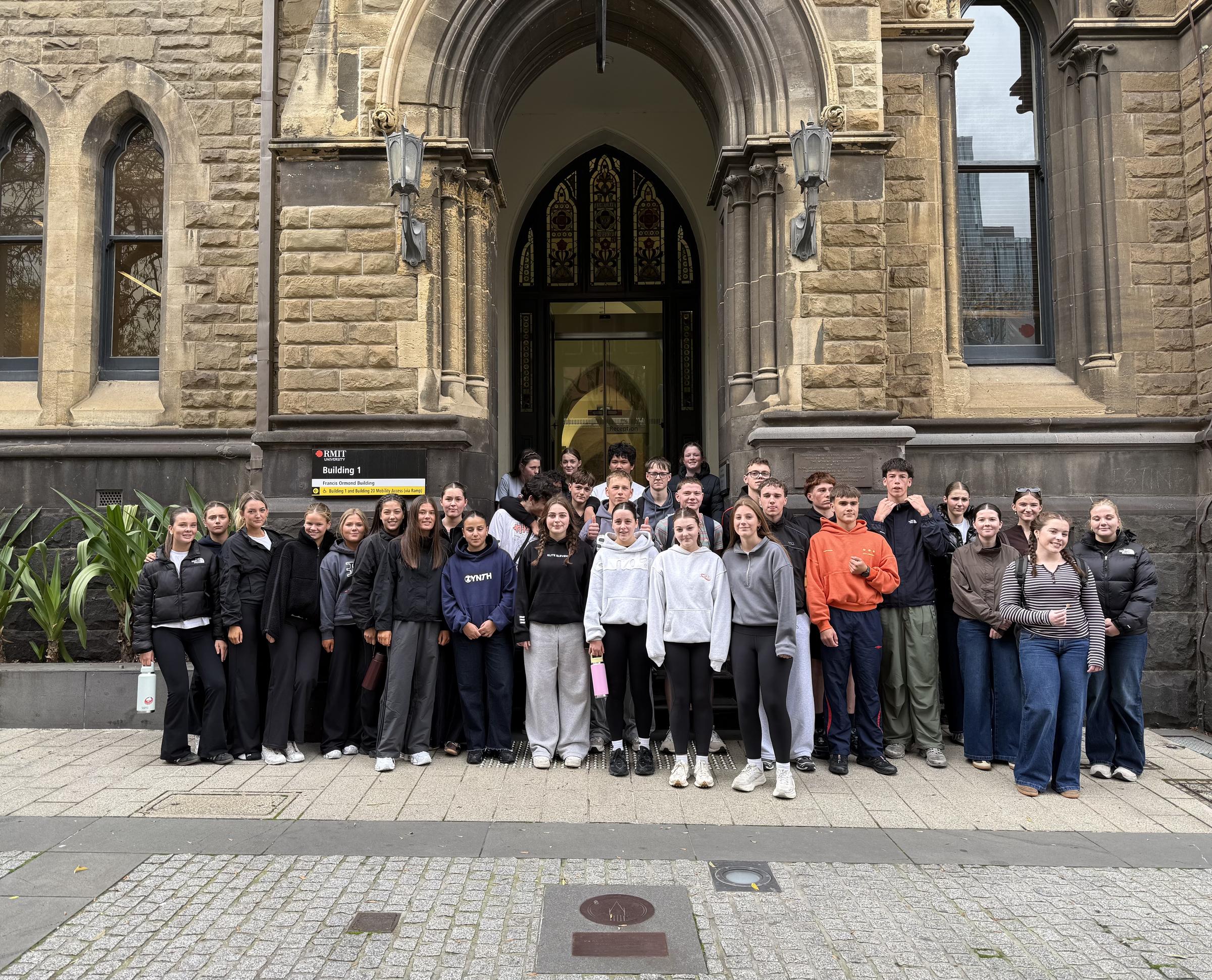
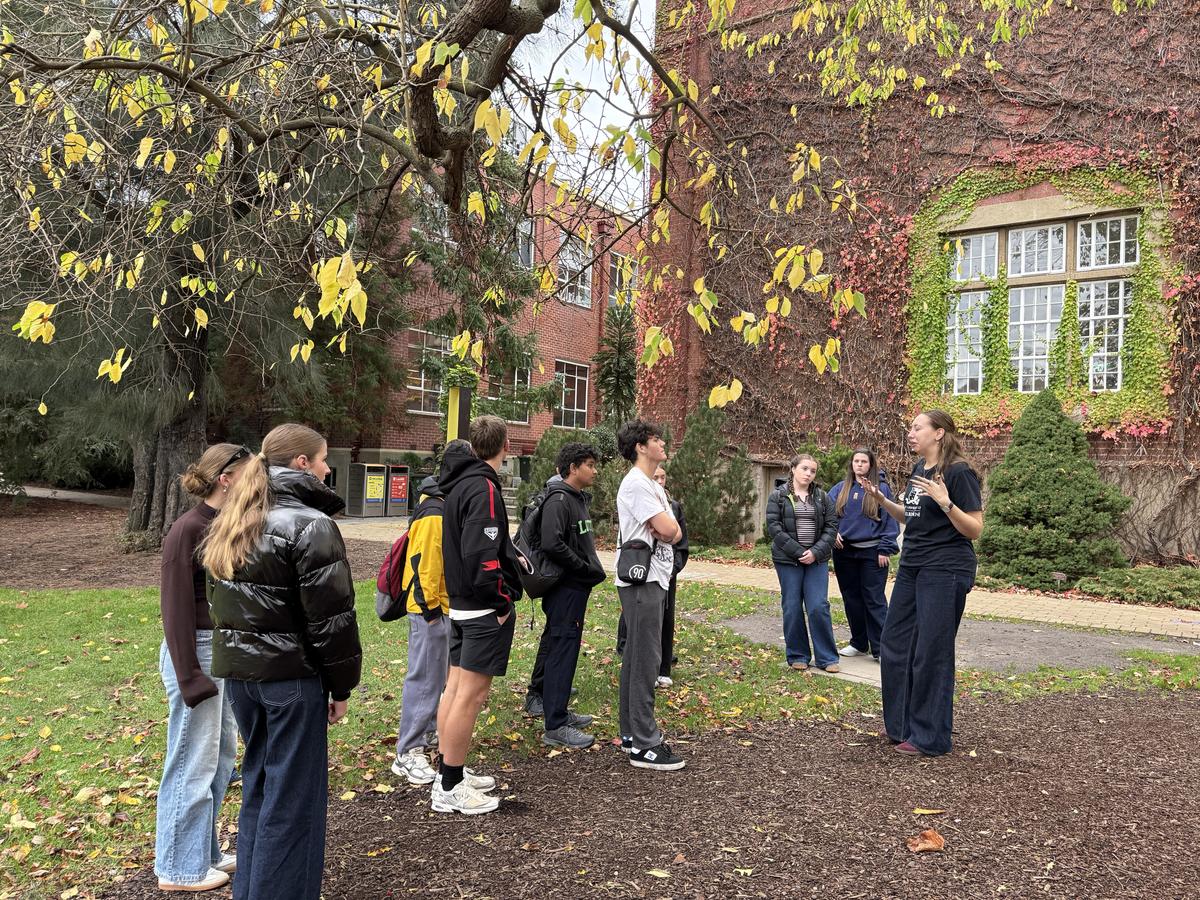
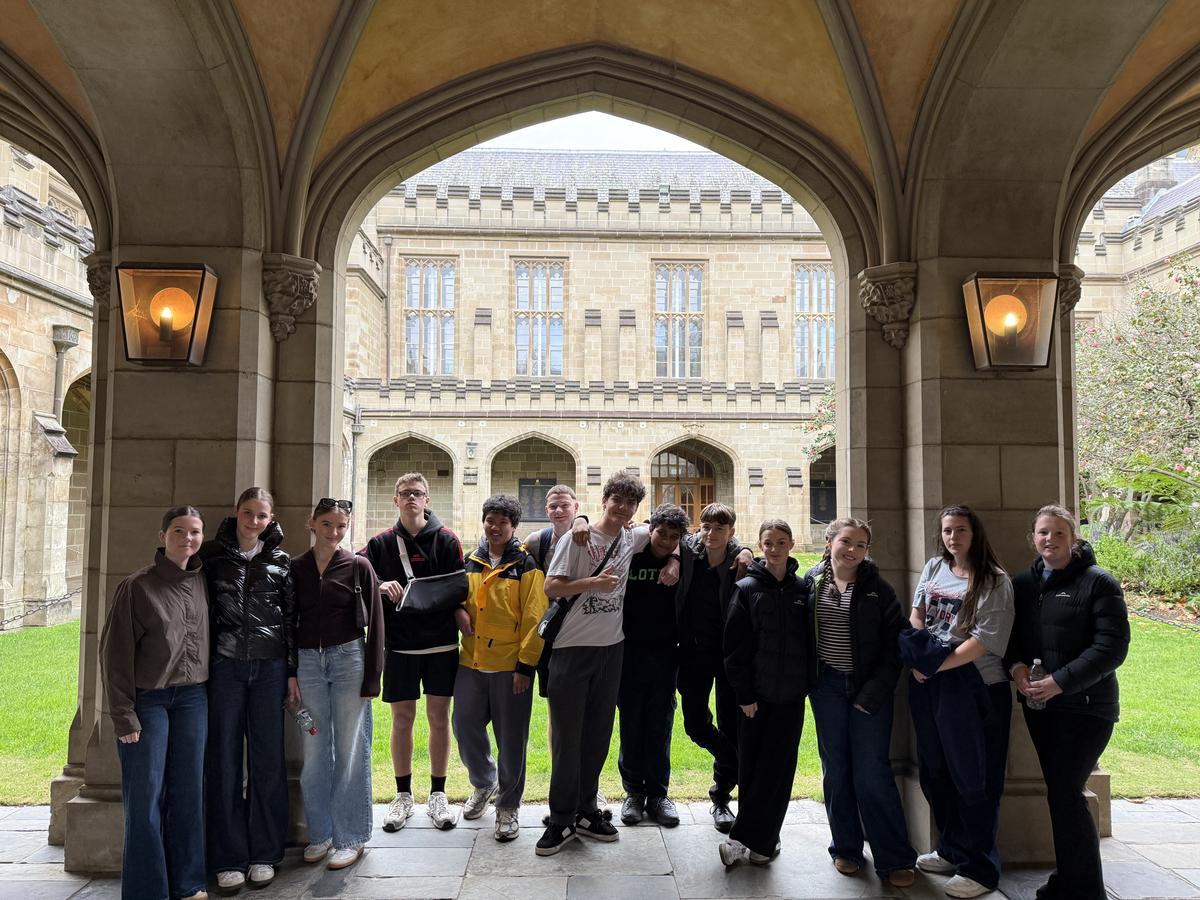
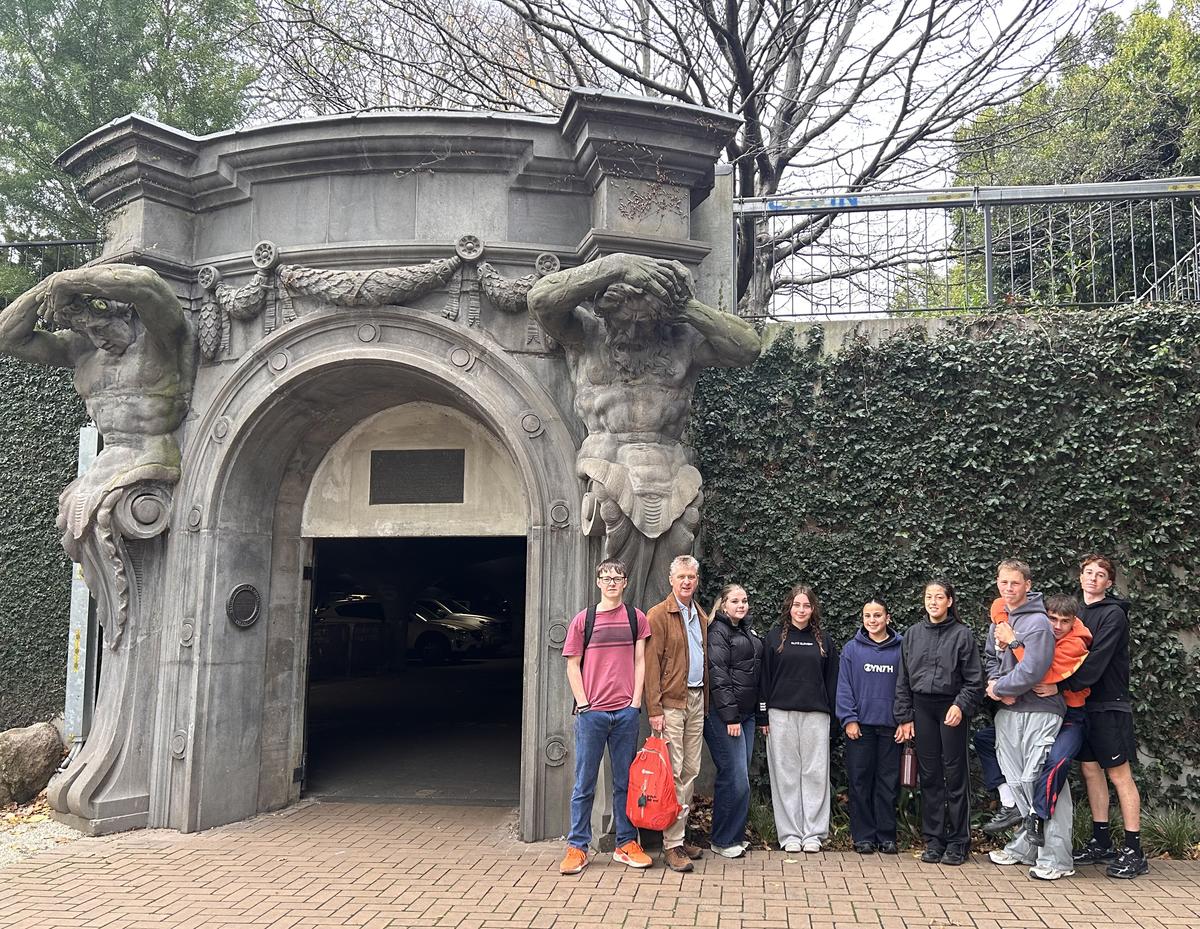
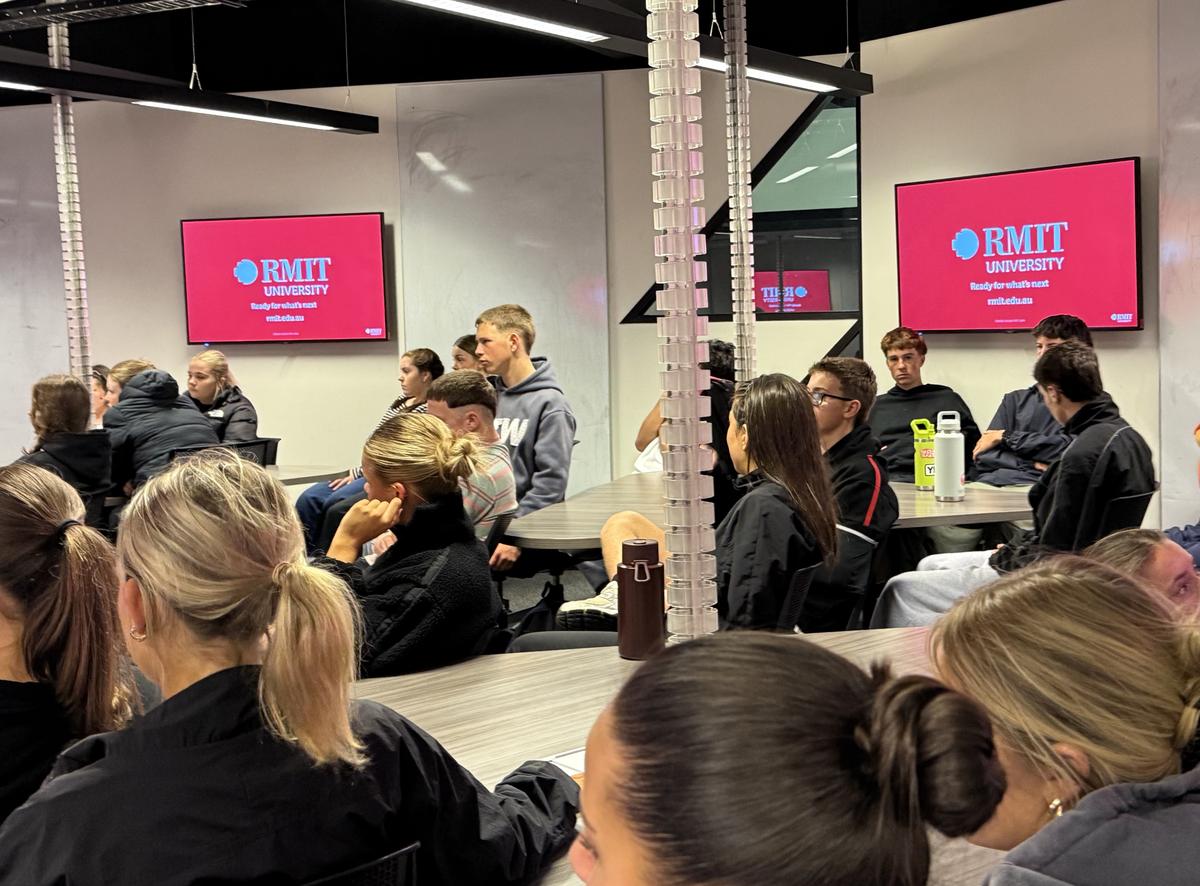
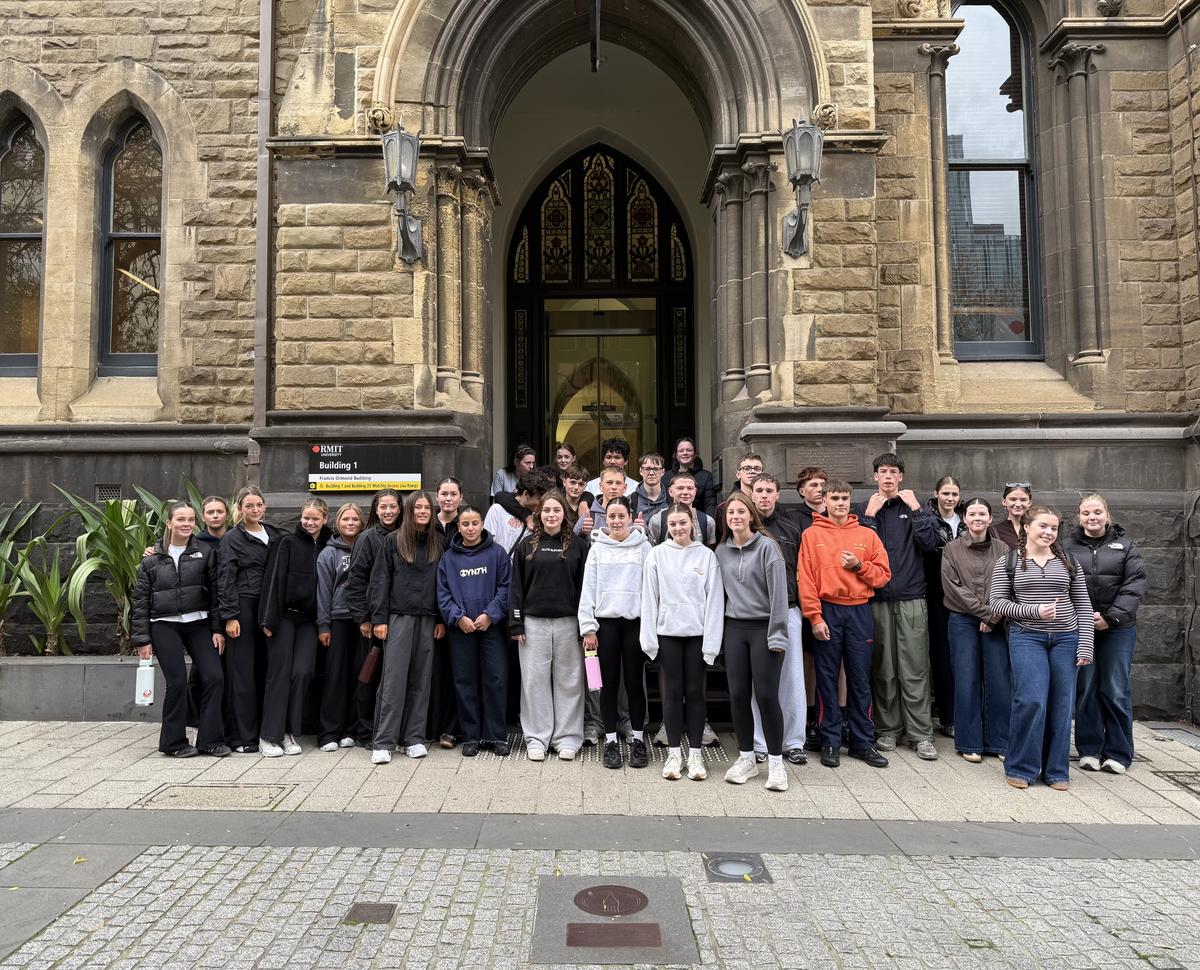
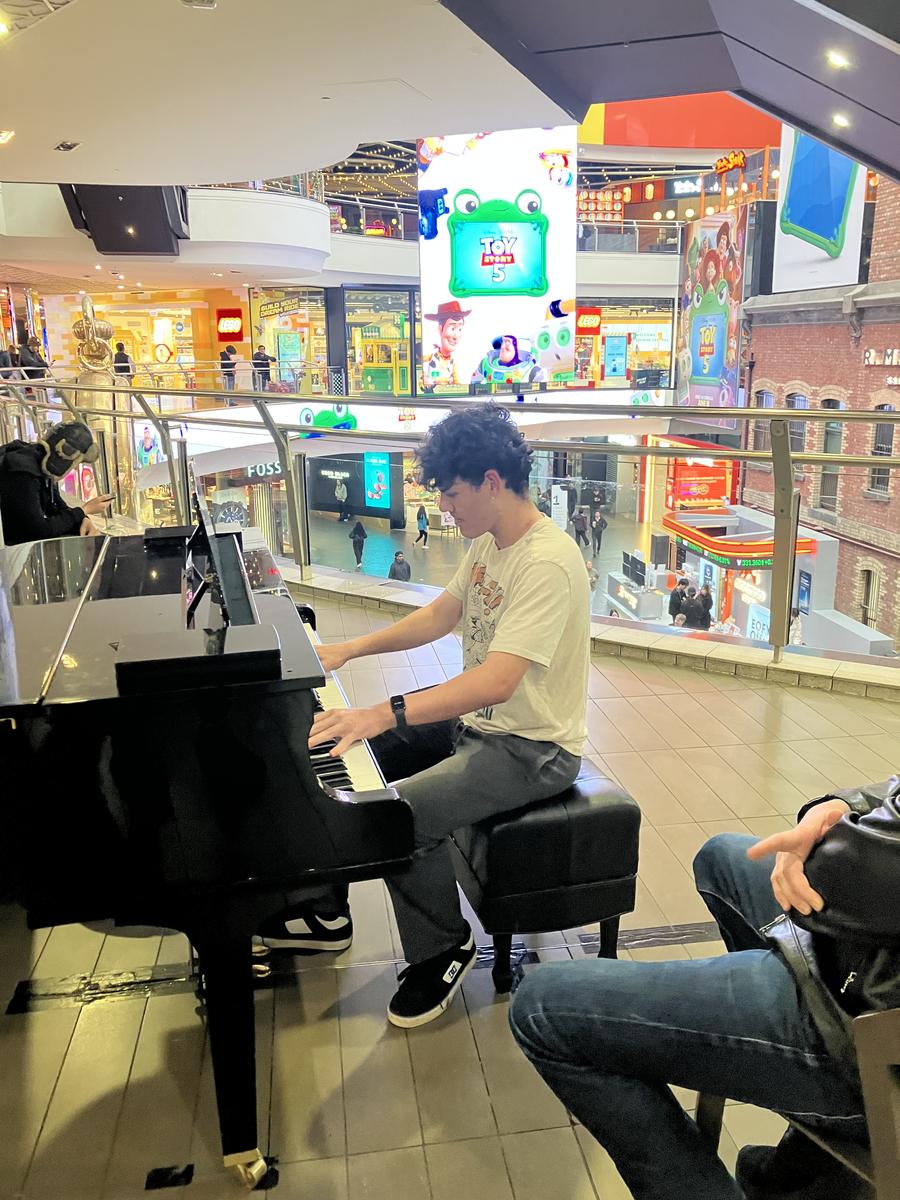
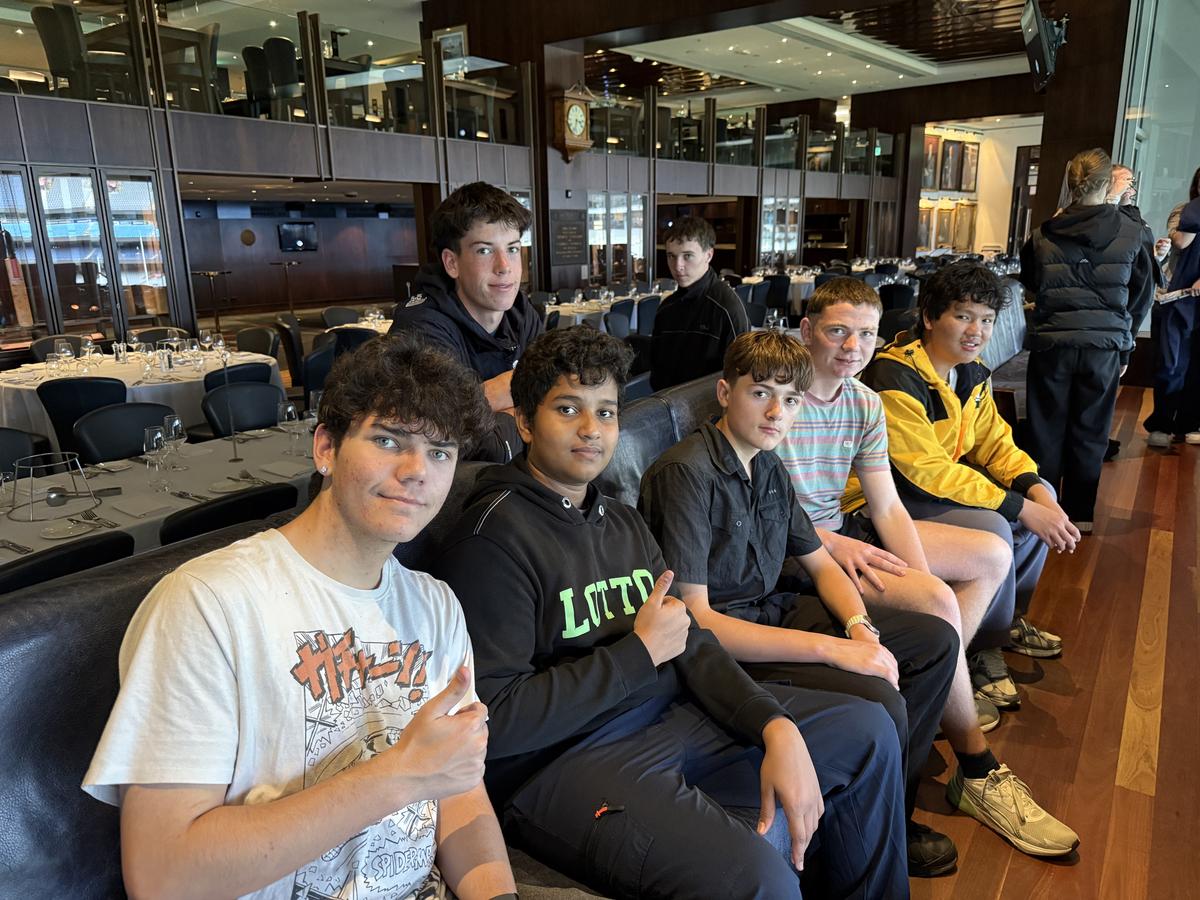
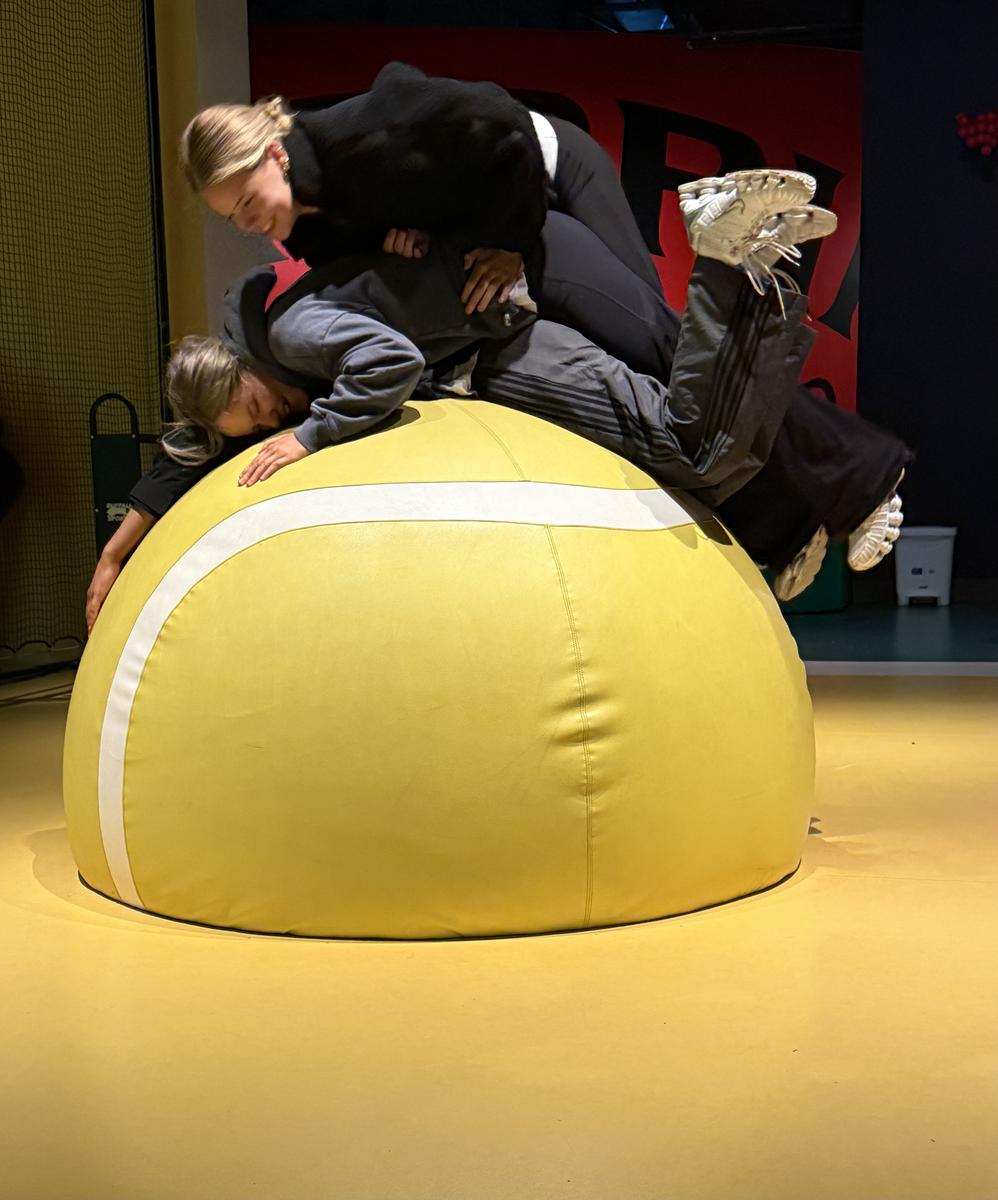
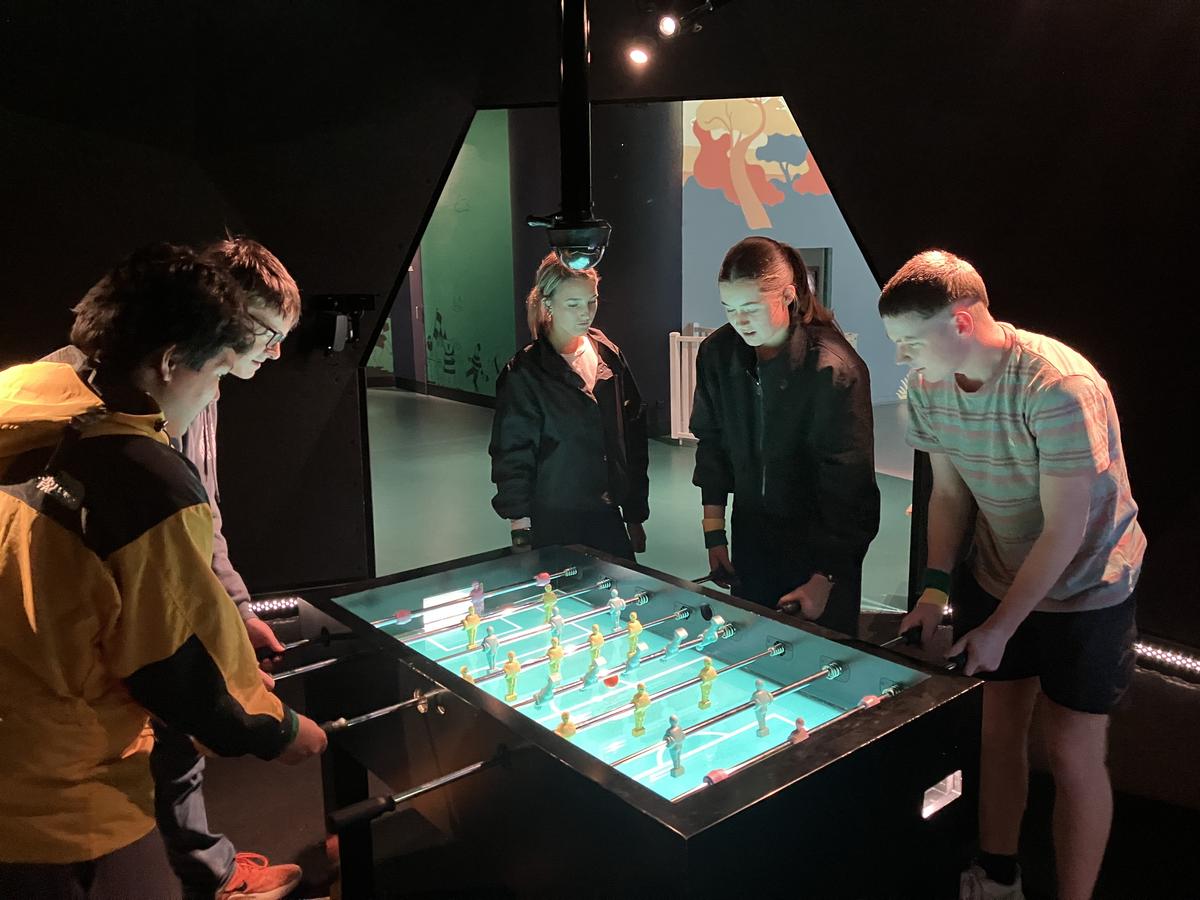
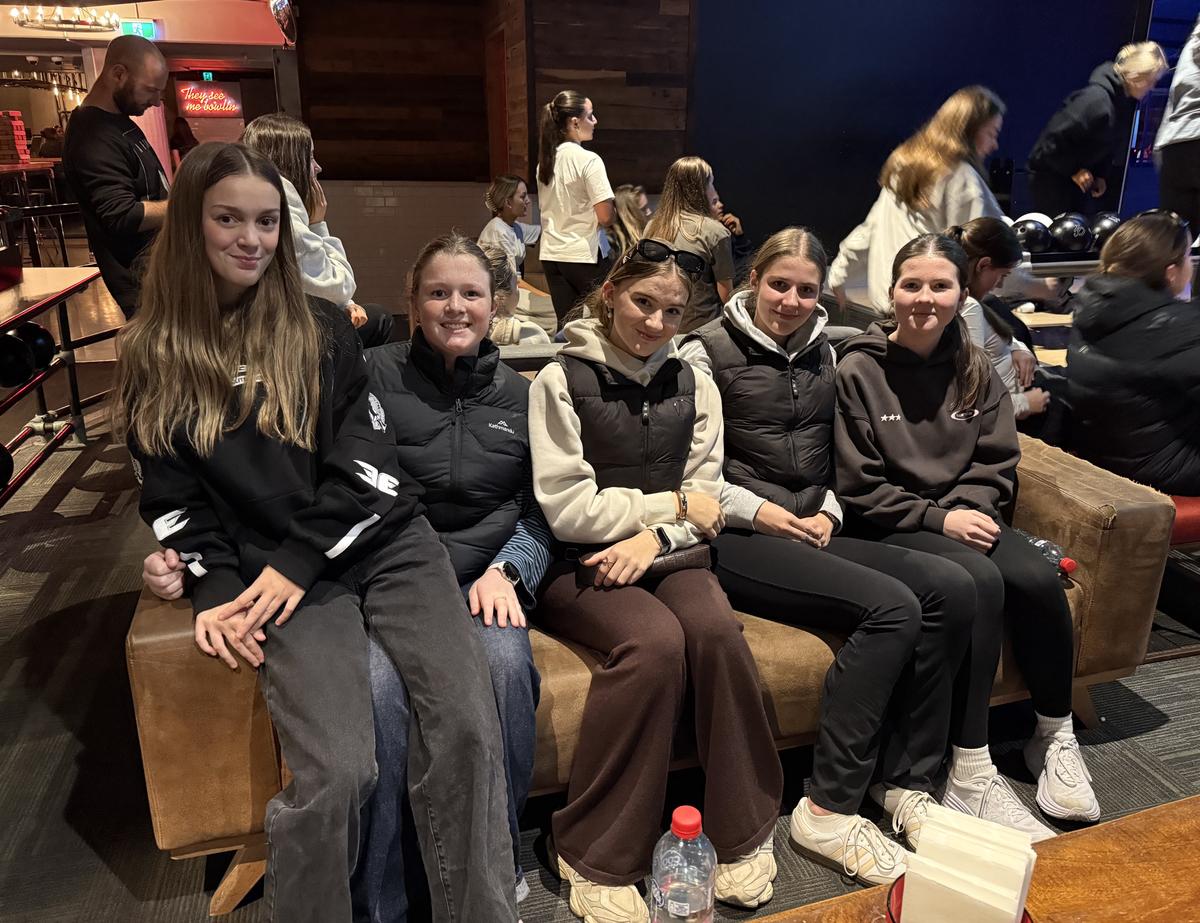
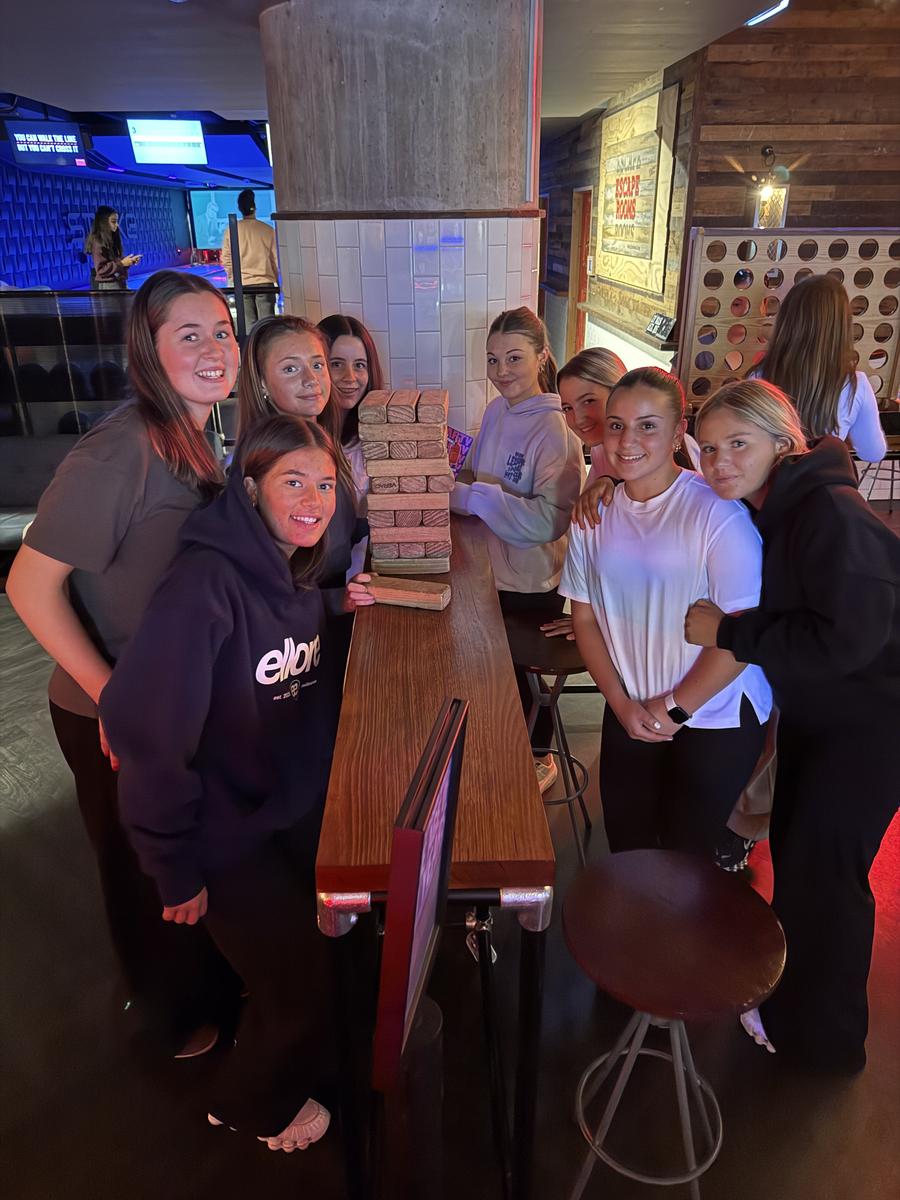
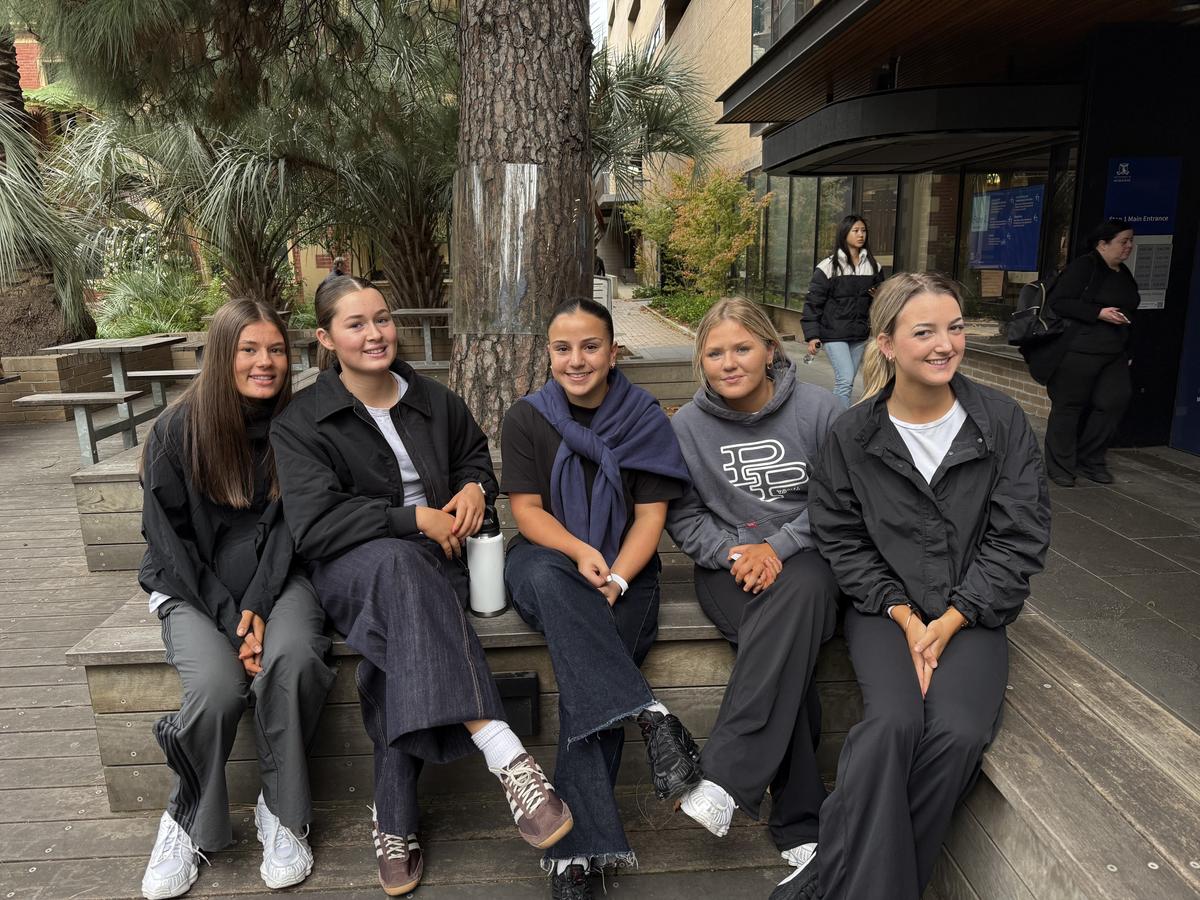
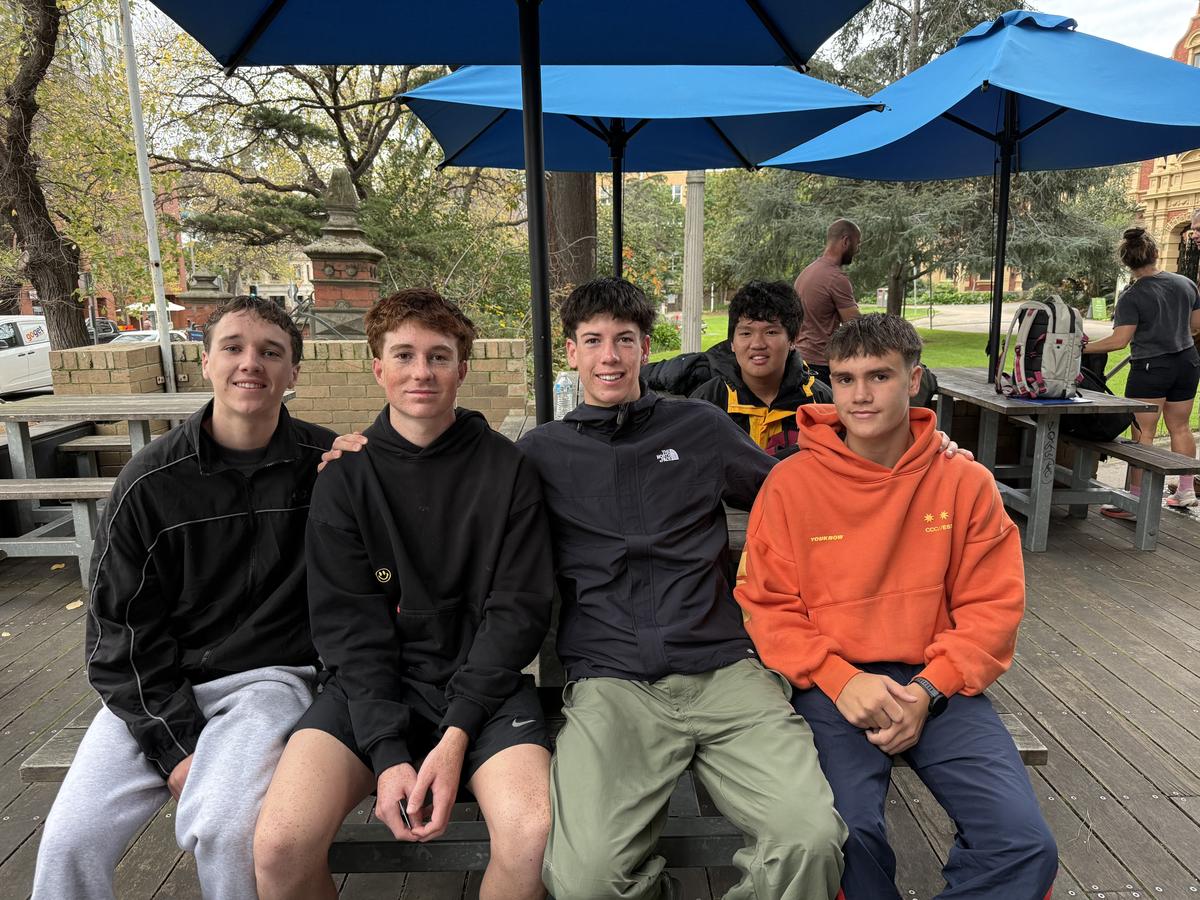
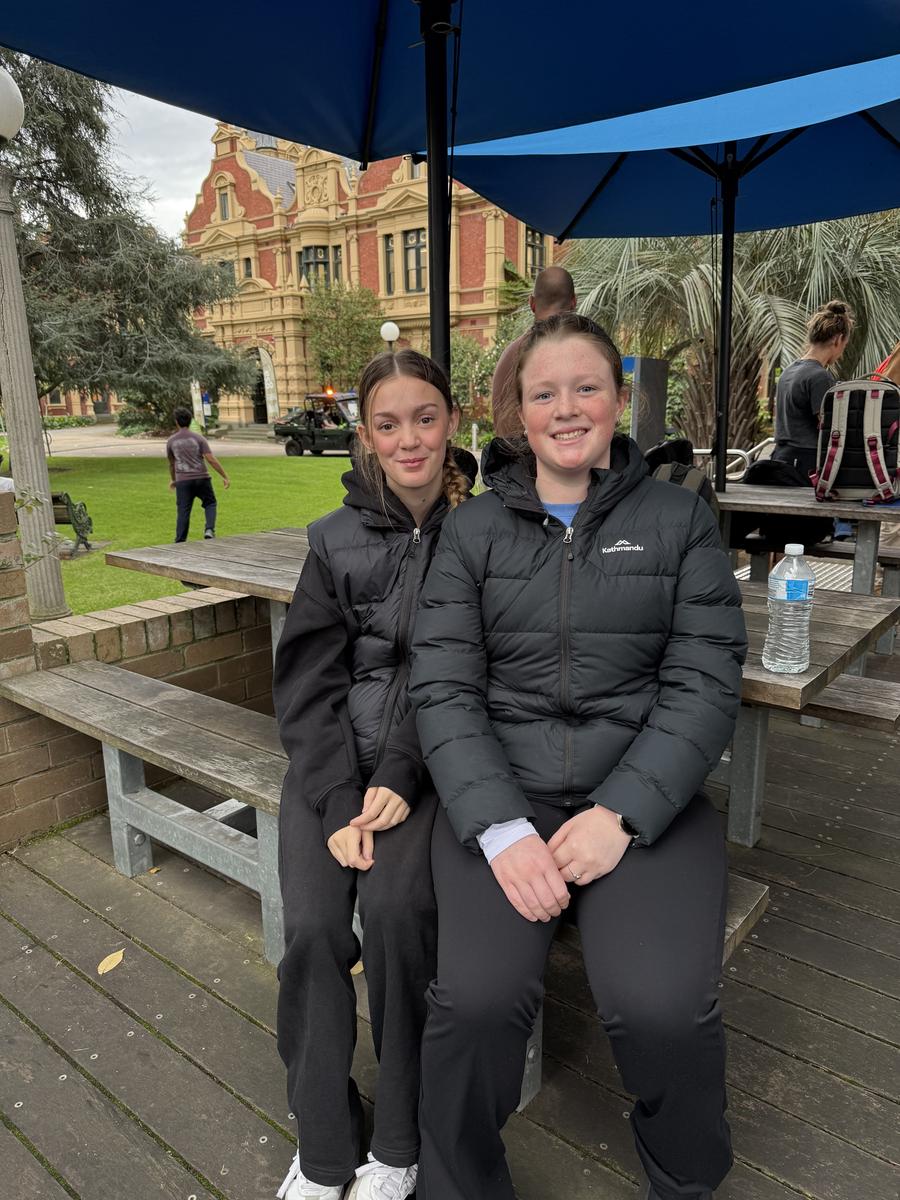
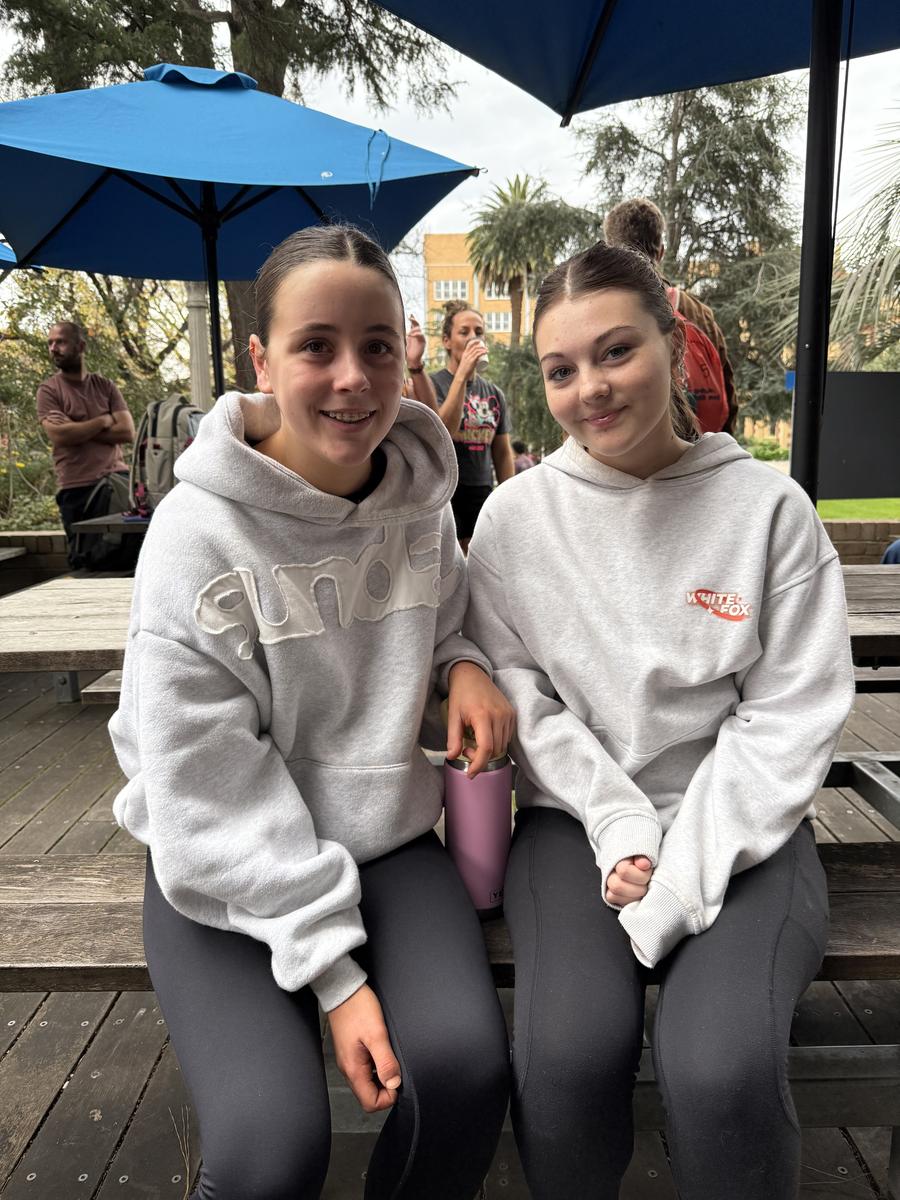
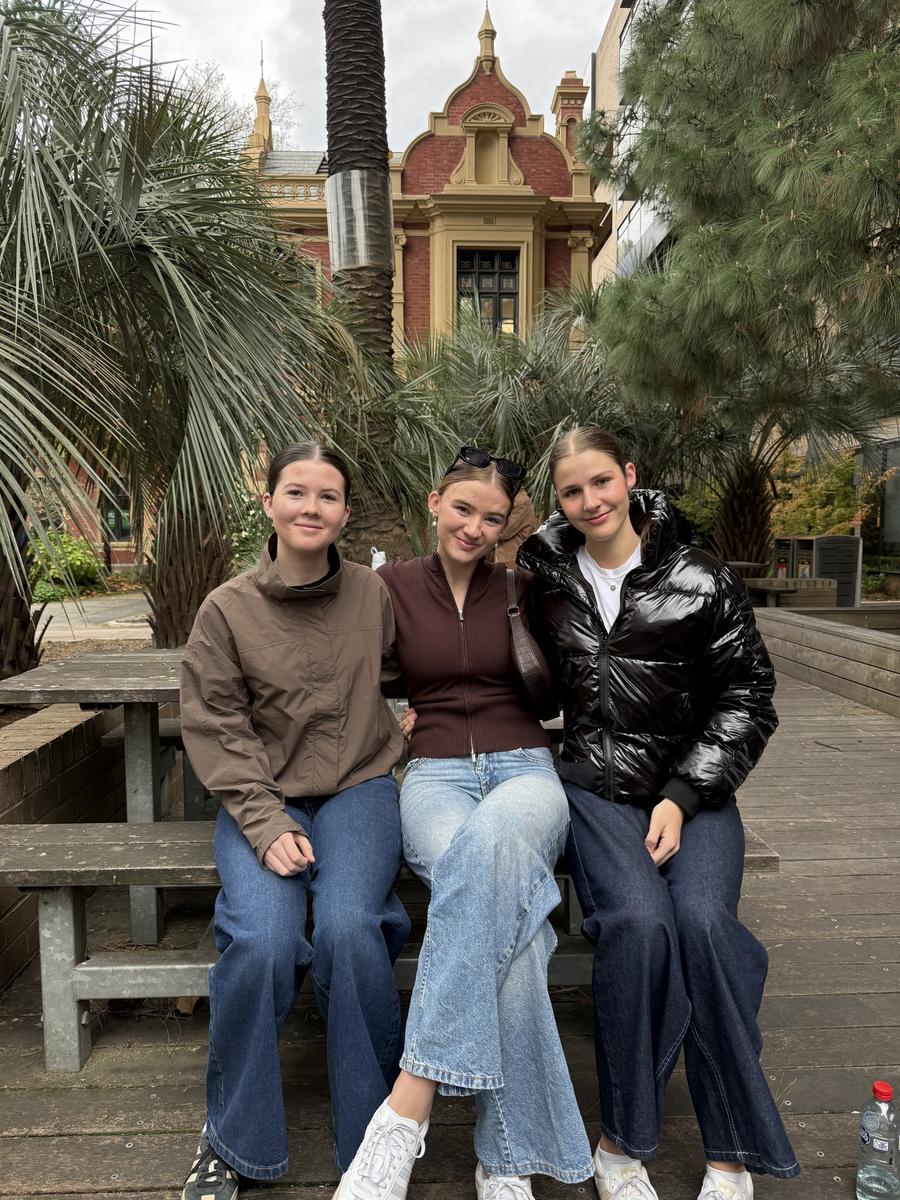
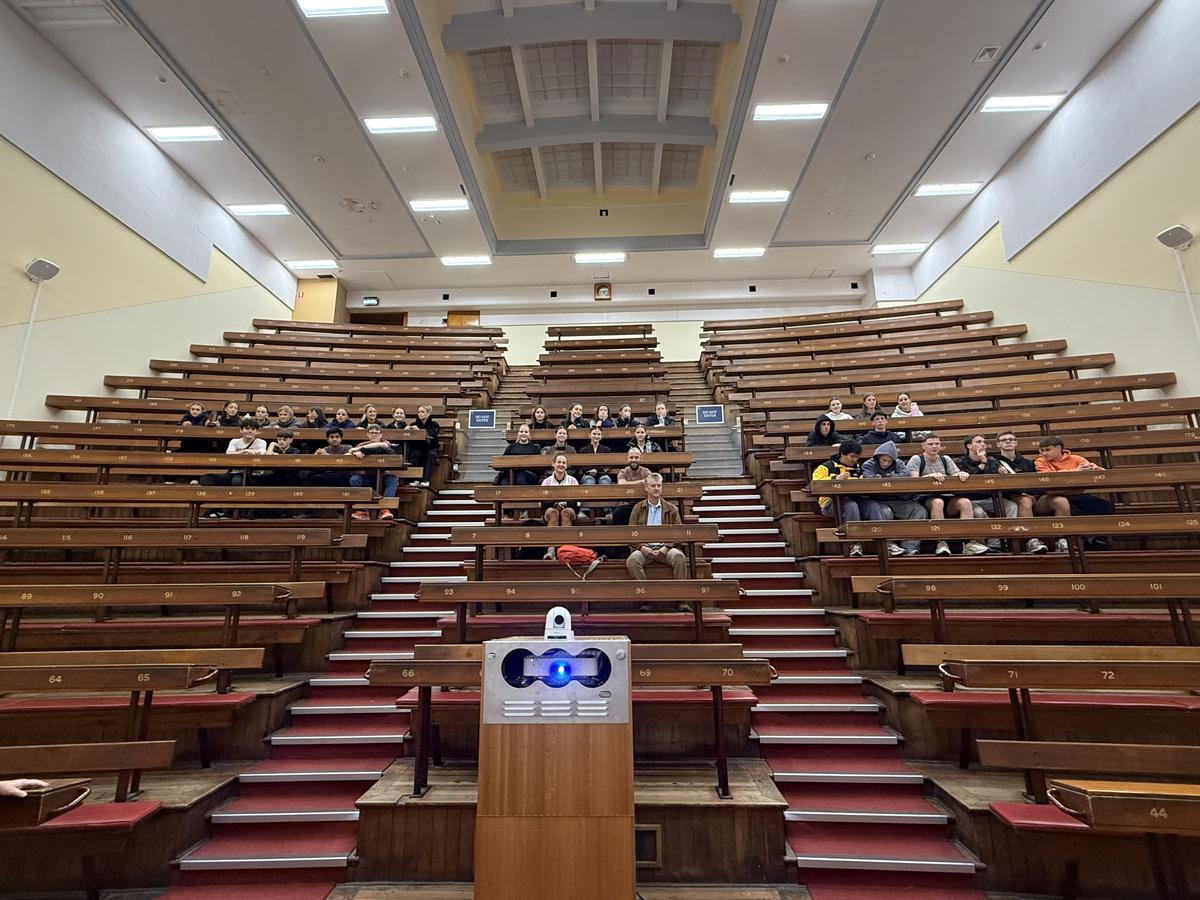
Our Year 10 students recently returned from an exciting Urban Camp experience in Melbourne, where they explored a range of post-school education and training pathways.
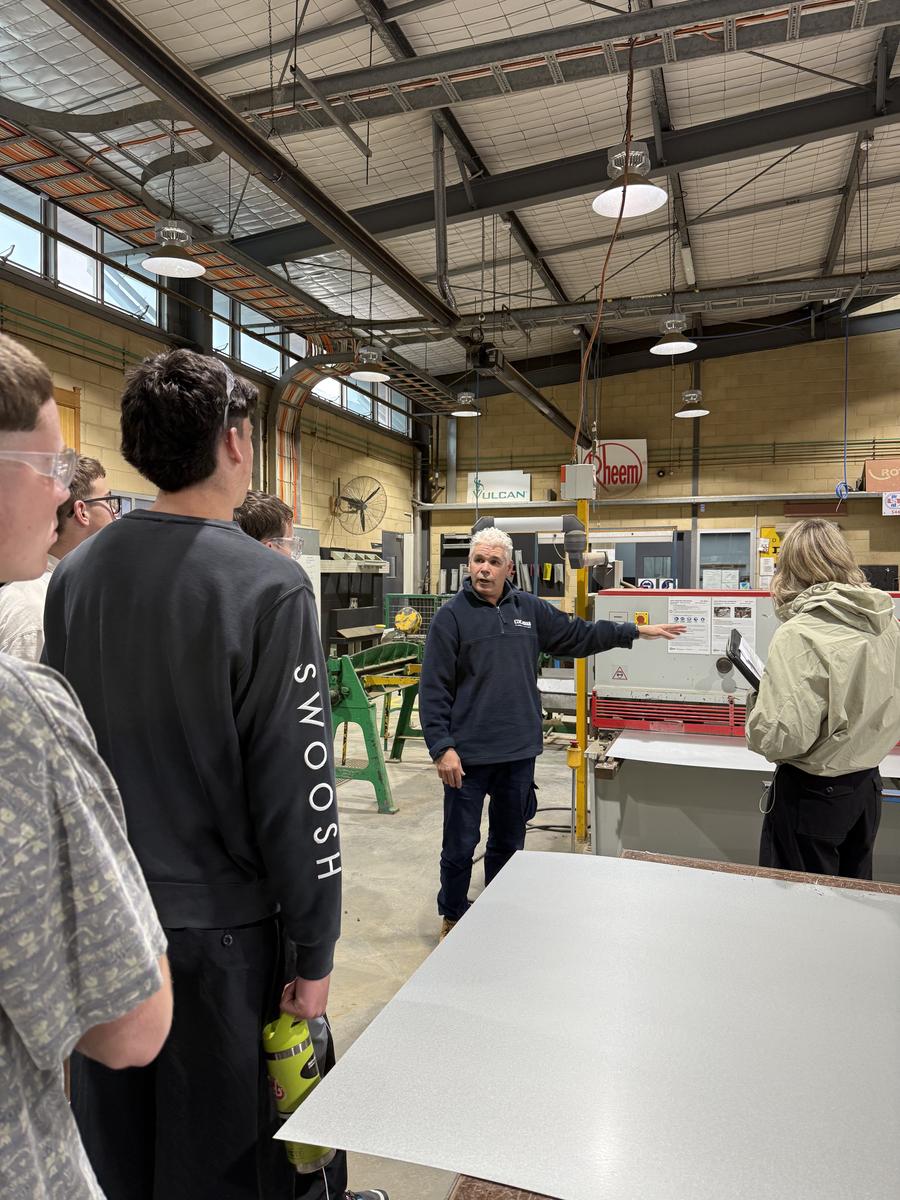
Throughout the trip, students visited RMIT University, the University of Melbourne and Deakin University (Burwood Campus). On the journey home, they also toured La Trobe University and Bendigo TAFE, gaining valuable insights into vocational education and training opportunities.
The experience provided students with firsthand exposure to university and TAFE environments, helping them connect their learning to future career aspirations. These visits strongly complemented our Year 10 Careers Education program, encouraging students to explore pathways that align with their interests, strengths and goals.
A fantastic opportunity for students to broaden their horizons, ask questions and start planning for life beyond school. Thank you to all staff and institutions involved in making this such a memorable and worthwhile experience.

Testing Times: How to deal with exam anxiety
Source: https://theparentswebsite.com.au/testing-times-how-to-deal-with-exam-anxiety/
Tests, exams, assessments – the mere mention of these to some teens can cause anxiety to escalate, writes Dr Deborah Trengove. She shares her strategies to help overcome the feeling during testing times.
From class spelling tests, to Year 12 SACs, and everything in between, tests are part of school life. In an extended format, they are known as exams: timed assessments of learning and skills.
Over the years I have worked with many young people who have found tests and exams to be anxiety-producing experiences. Some have described going blank, forgetting all their hard-earned knowledge. Others get the shakes, their heart races or they become overwhelmed by the fear of bad grades. Some become too afraid to have a go and others race through making simple mistakes.
These are all normal responses to a perceived threat, albeit a psychological one. Test anxiety can inhibit a student representing all they have learned, causing frustration and disappointment that they have not performed as well as they wanted to, creating worry for the next test or exam.
The anxiety response
It helps to understand the mechanism which is creating this anxiety response. It emanates from the amygdala, the alarm centre of our brains. The amygdala sets off a flight, fight or freeze reaction, depending on the situation, personality, beliefs and previous experiences or memories. The racing heart, going blank or sweaty palms are all normal bodily reactions activated in response to a threat. However, when in a test or exam, the threat is on a piece of paper and students cannot flee out of the room, freezing doesn’t help and starting a fight is not an option! In this heightened state, the frontal lobe cannot perform its problem-solving functions, so questions are mis-read, answers forgotten and mistakes made, increasing the cycle of stress and panic.
The fear
When probed about the perceived threat in a test, many young people describe their fear of not doing well, of making mistakes or of disappointing their parents and teachers. As they get older, this fear is exacerbated by the consequences of poor performance. I have often heard senior students explain that if they do badly on an exam, they could get a bad ATAR score. If they get a bad ATAR score, they won’t get into a good university. Then they won’t get a good job and their entire life will be on the scrap heap. No wonder they feel anxious – it feels like their whole future happiness and success is riding on every test!

Helpful strategies
There are many strategies that can help reduce test anxiety, at almost any age. I encourage parents to support their children and teenagers in building up their repertoire of test-taking skills, exploring which are most effective for each individual.
A healthy mindset
Many parents foster a ‘do your best’ approach to tests, which is a good basis to reduce excessive pressure. Others focus more on effort – and reassure their children that they are proud of them if they have tried their best, no matter the result. These mindsets help a young person to establish an internal goal, which promotes resilience under pressure. There may always be unexpected or tricky questions on a test or exam, but they have not let anyone down if they have applied themselves and tried their best.
Seeing tests as part of ongoing learning is also very powerful. The assessment – feedback – learning cycle underpins growth in skills and knowledge. If young people can see the bigger picture, it reduces a lot of anxiety about short-term performance. Learning will go on for many years, hopefully lifelong, with the satisfaction of improvement and mastery. It is important to teach young people that mistakes are part of learning, and learning is impossible without mistakes.
Breathe, breathe, breathe
If your heart is racing, the best way to slow it down is through moderating breathing. An easy technique is known as Box Breathing: breathe in, to the count of four, hold for the count of four, breathe out to the count of four, hold for the count of four. The four-count may be adapted to three, depending on what works best for the individual. Simply slowing down breathing works for some students, perhaps counting in to seven and out to 11.
A mindful approach
Mindfulness promotes focusing on what is happening in the present time, not getting caught up worrying about the future or ruminating about the past. I have found this approach to be very beneficial for many students – it encourages them to take one question at a time, to fully engage in the task and not to become overwhelmed by ideas such as ‘what if I make a mistake’. It helps to accept that the result cannot be controlled at the time of the test. What they can try to control is where their mind is… on the content of each question. If worrying thoughts arise, young people can learn to notice them without dwelling on them and return their attention to the task at hand. Doing regular mindfulness practice can support this approach – apps such as Smiling Mind, Buddhify, Calm Insight Timer and others are readily available.
Practical strategies
More formal study skills should be developed over time. Teachers are a fabulous resource and will often have the best advice for their students. A few basic strategies include:
Be prepared and know what is involved in the test or exam
Practice similar questions, to time, if appropriate to the age and subject
Progressively develop test-taking techniques such as:
– Effective time allocation
– Overview of test sections
– Identifying key words
– Starting on a question in which they feel confident
A useful site with research-based tips and techniques can be found at www.learningscientists.org.
About the author: Dr Deborah Trengove is a former school psychologist and school wellbeing leader.
Deborah’s previous articles for The Parents Website include 10 tips to help your teen out of the procrastination trap, How parents can help kids make good friends and Lessons from lockdown: The good things we’ve discovered.
VCE Unit 4 Begins – Preparing for Success
As students commence Unit 4 of their VCE studies, they enter an important phase of the academic year. Unit 4 builds on the knowledge and skills developed throughout Unit 3 and focuses on applying understanding to increasingly complex questions and examination-style tasks.
Students are encouraged to approach this semester with consistent study habits, strong attendance, and a commitment to completing all coursework and assessment tasks on time. The learning that occurs in Unit 4 is critical preparation for the VCE external examinations later in the year.
To support their preparation, students should:
Review Unit 3 content regularly to maintain understanding of key concepts.
Complete practice questions and past examination tasks.
Seek assistance from teachers when clarification is needed.
Develop a revision timetable that balances schoolwork, study and personal commitments.
Make effective use of resources such as class notes, textbooks, Edrolo, and teacher-provided revision materials.
As the year progresses, students will receive additional guidance on examination techniques, time management and strategies for responding to different question types. Regular practice under timed conditions is one of the most effective ways to build confidence and improve performance.
Parents and caregivers can assist by encouraging regular study routines, ensuring students have a suitable learning environment and maintaining open communication about upcoming assessment and examination dates.
We look forward to supporting all VCE students through Unit 4 and helping them prepare thoroughly for their final examinations. With consistent effort and effective preparation, students will place themselves in the strongest possible position to achieve their personal best.
| Meredith Lia | Brad Downie | Sharon Darling | |||
| 9-12 Community Leader | 9-12 Community Leader | VCE Co-ordinator | |||
| Community & Wellbeing | Student Learning & | ||||
| Professional Practice |