German
Term 4 2025
German
Term 4 2025
“Herzlich willkommen zurück!" (Welcome back) for Term 4
Please find below a brief reflection on our learning in Term 3 followed by an overview of the topics that we are learning about and exploring this term, by year level.
Foundation
Our Foundation classes had another fun and successful term learning more about German language and culture in Term 3. We continued to practise common greetings such as ‘Good morning/day', 'Hello' and 'Bye' each week and had lots of fun practising our numbers and colours through games and songs. We learnt the German names for our classroom, the people and some of the objects in it and used a range of activities including actions and poses made up by the children to help remember these.
This term, the children will learn vocabulary for toys while practising their knowledge of colours, numbers and basic adjectives to describe them using simple language structures. We will be using a range of activities, games, worksheets, songs and videos to help the children to acquire new sounds and words and support their learning. We will also be exploring German Christmas traditions and comparing them with both Australian and our own traditions.
While we focus on oral language development in Foundation, our learning activities support broader literacy and numeracy skills as well as children's social capabilities and intercultural understanding. We hope that they are sharing some of their knowledge with you at home.
Year 1 and 2
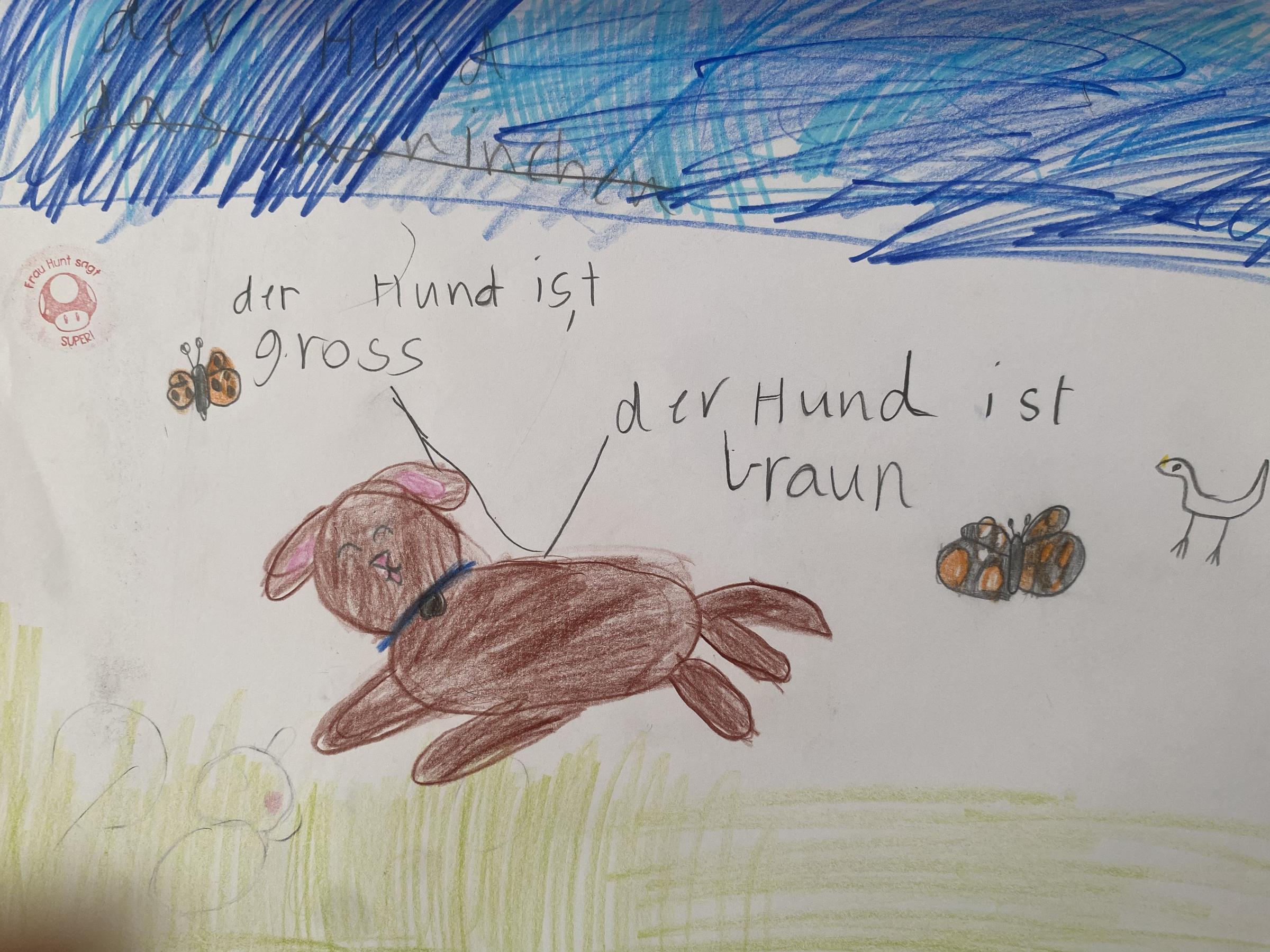
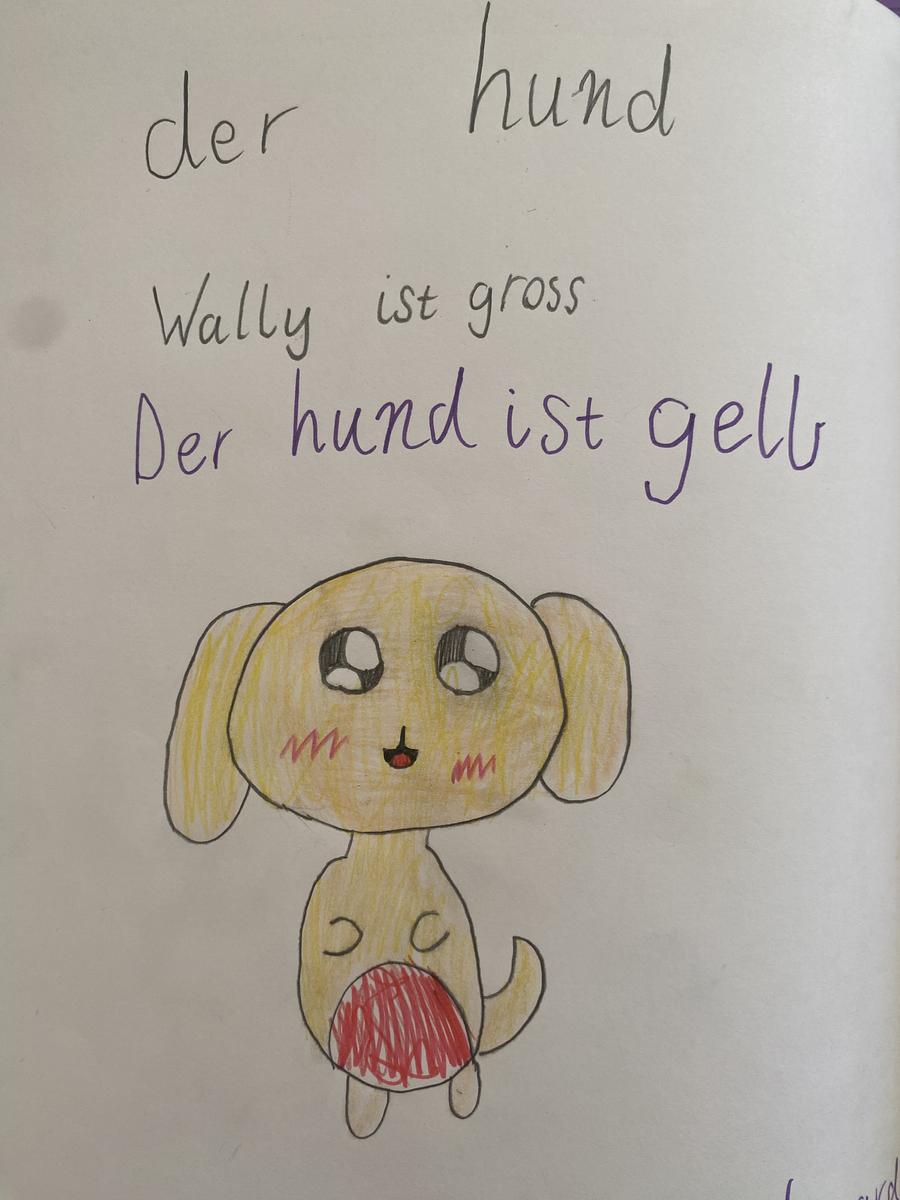
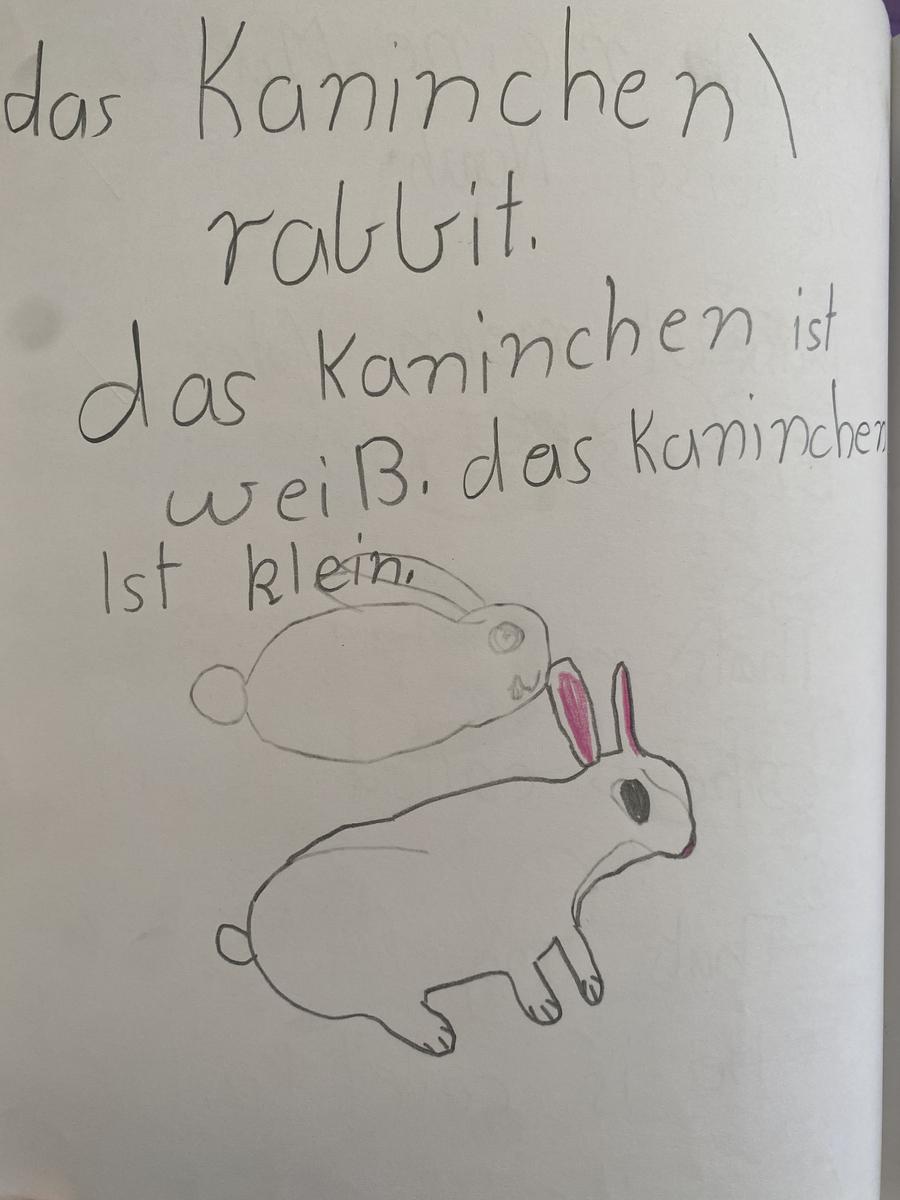
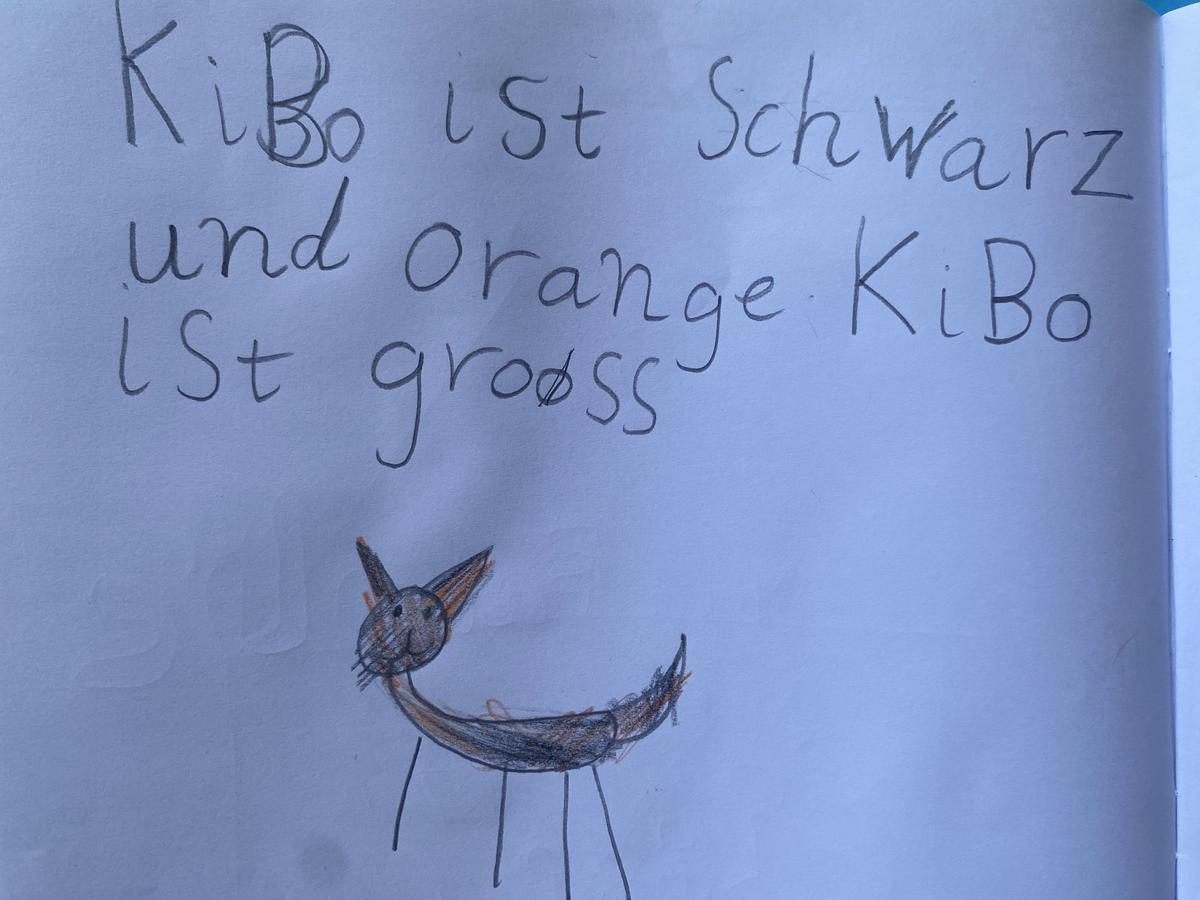
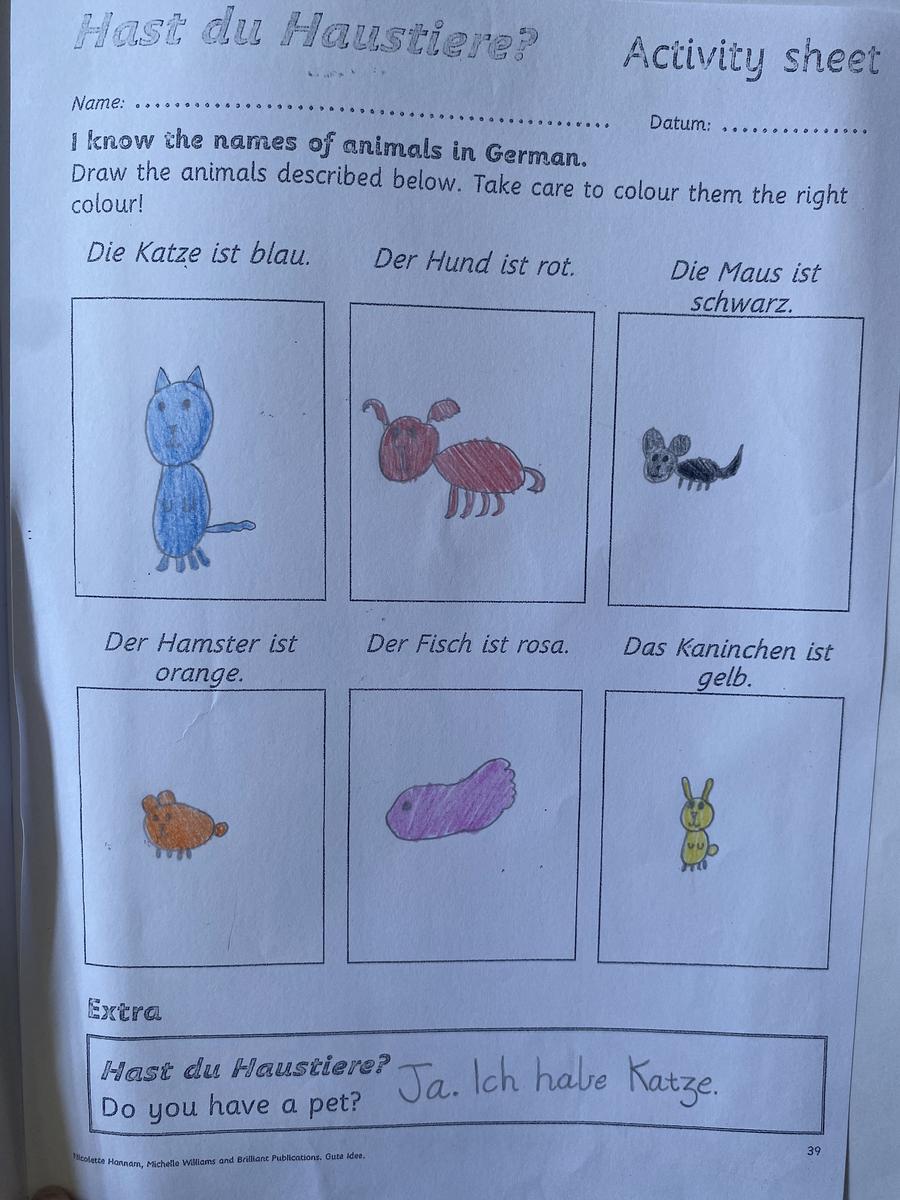
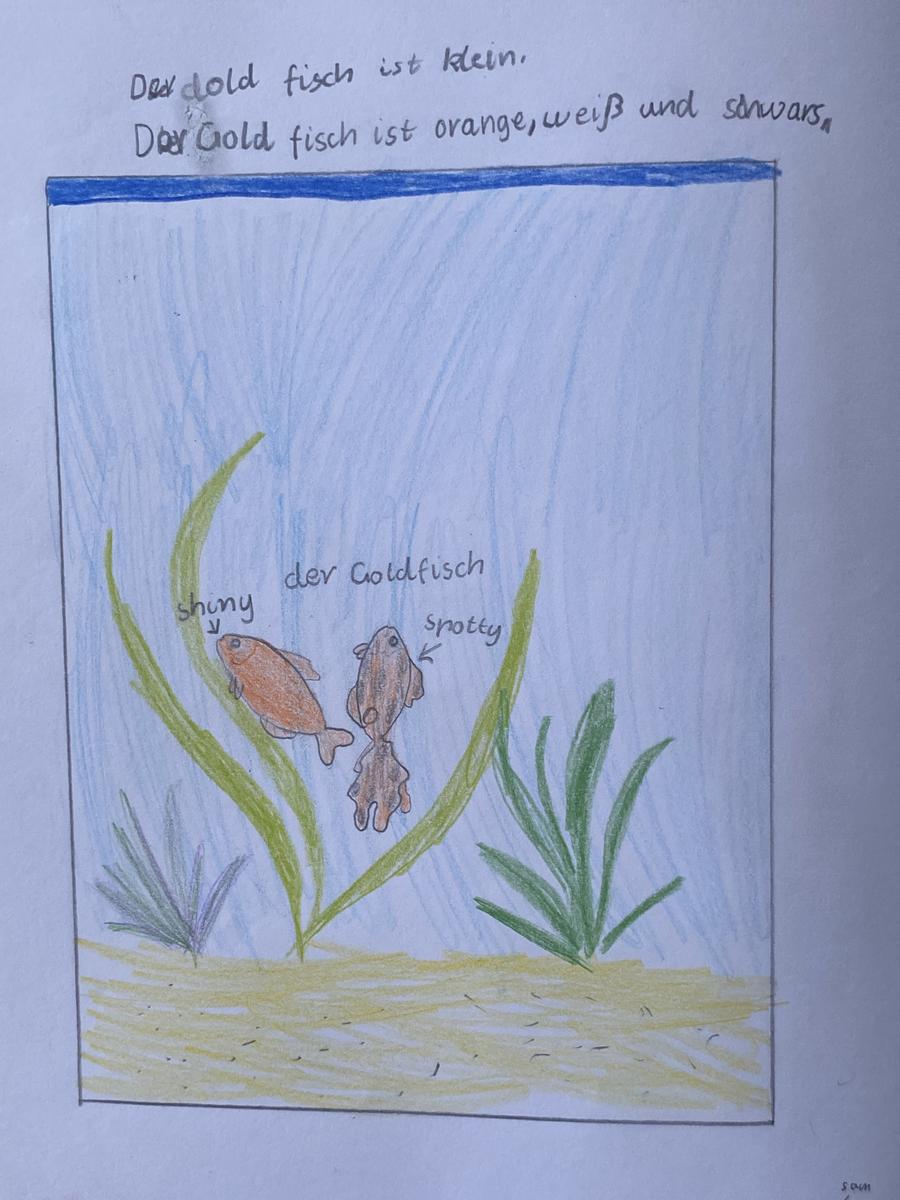
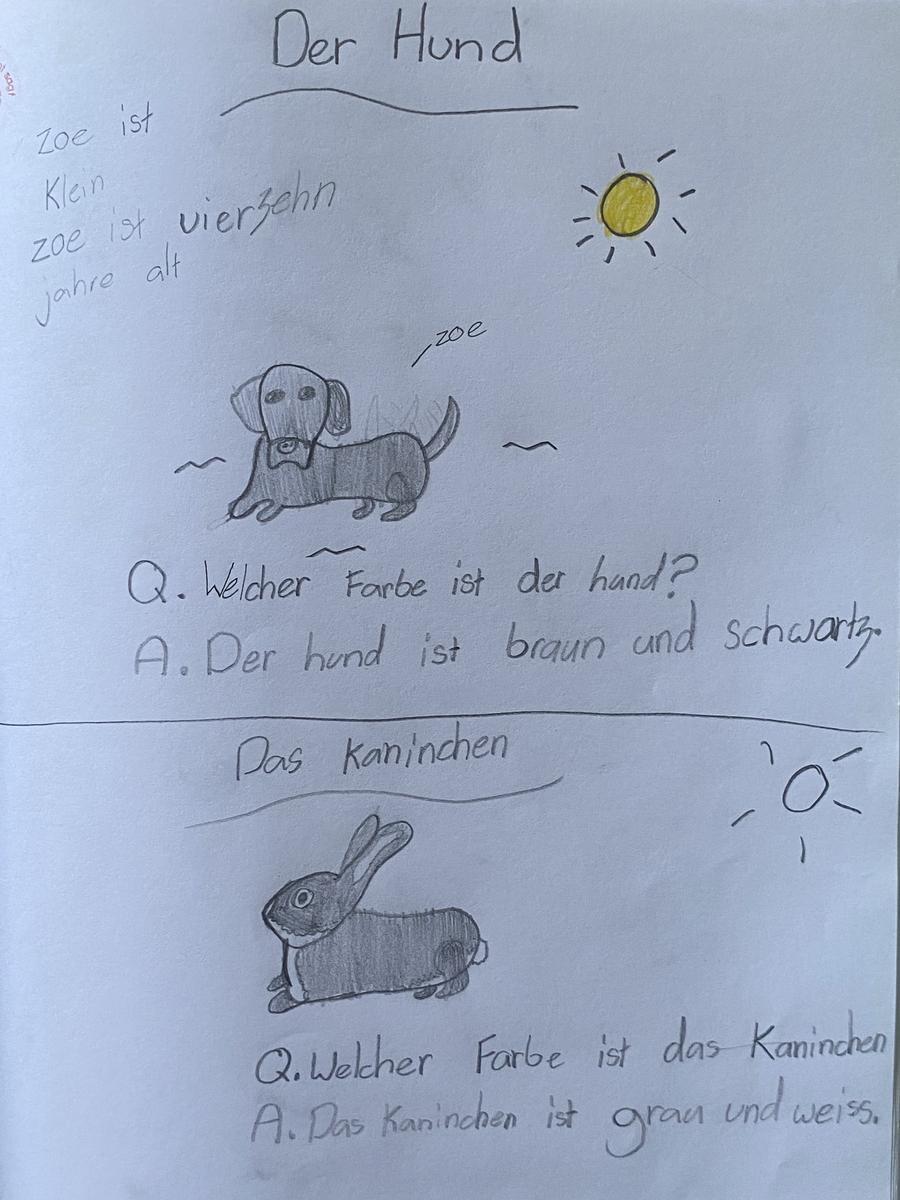
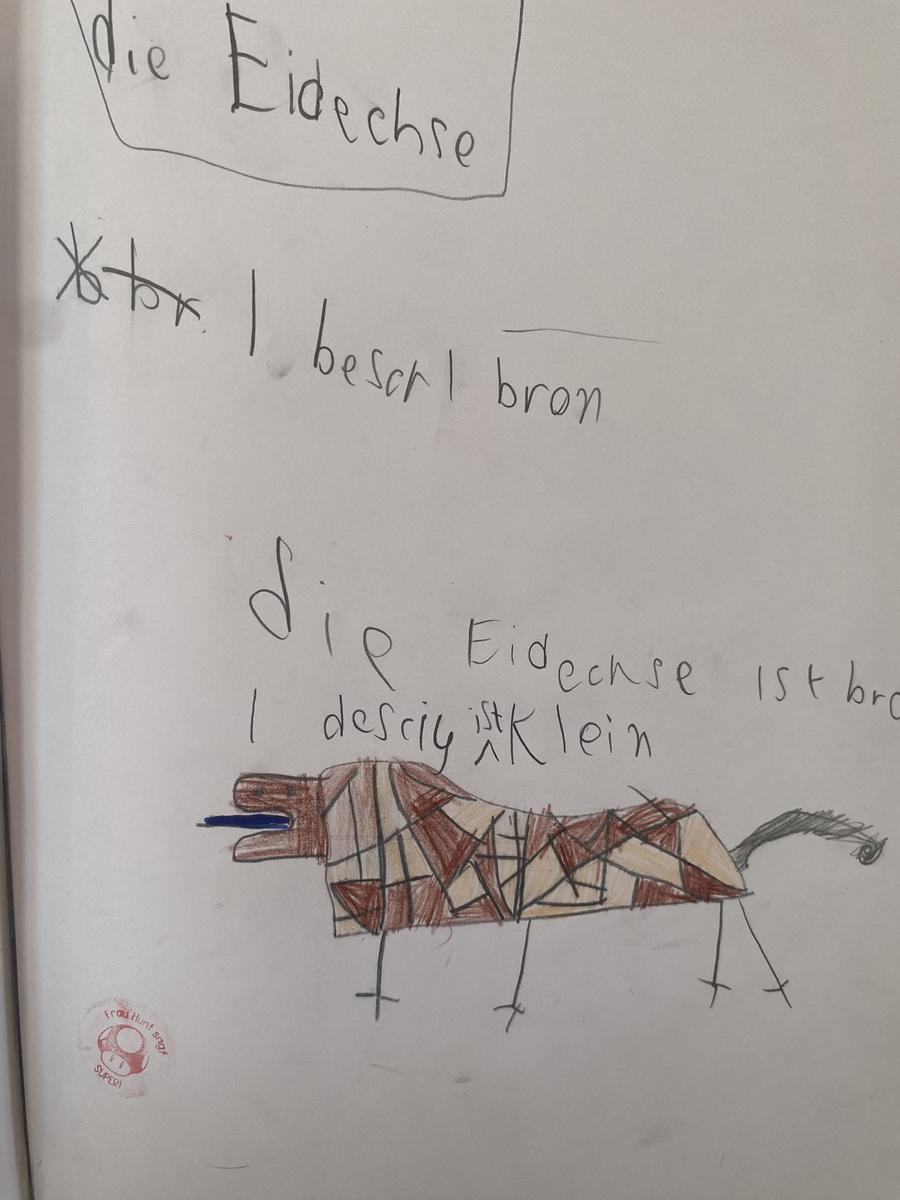
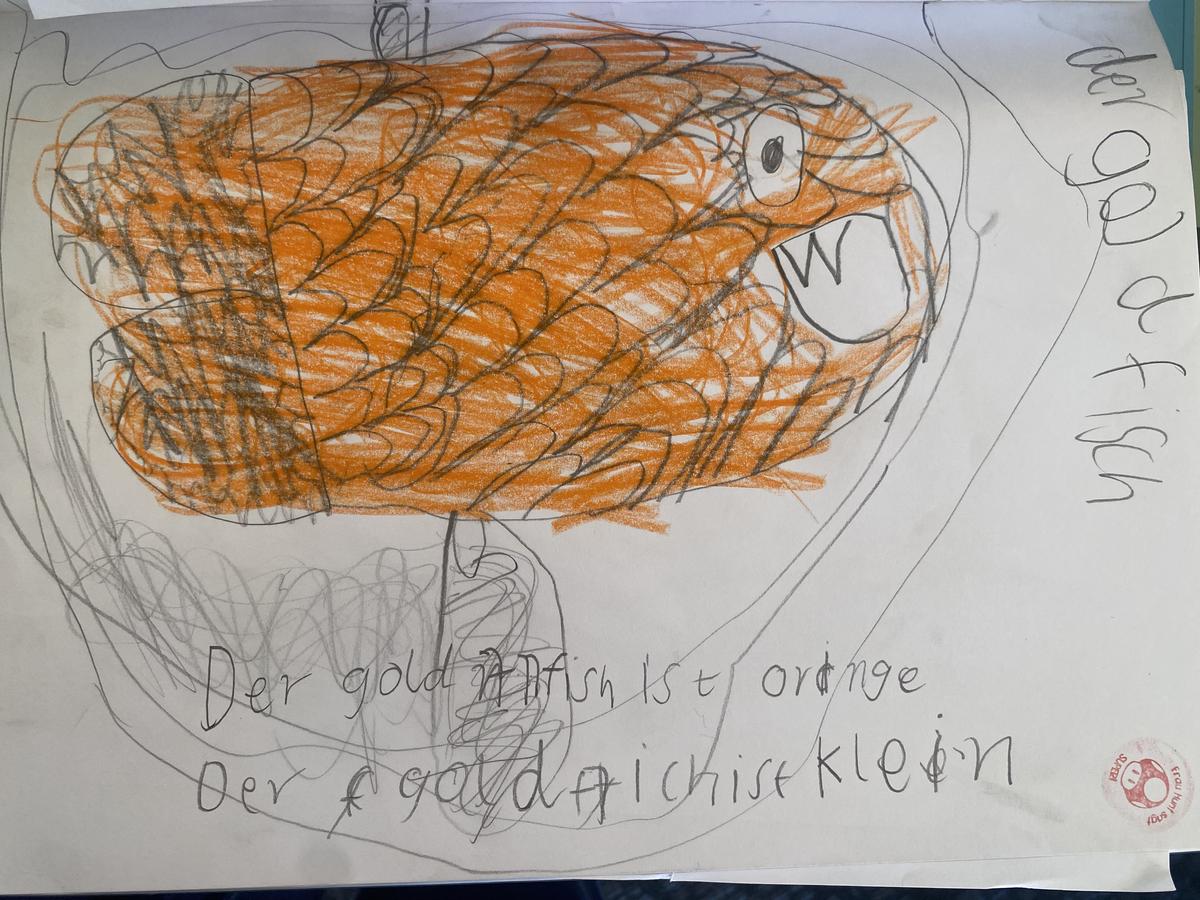
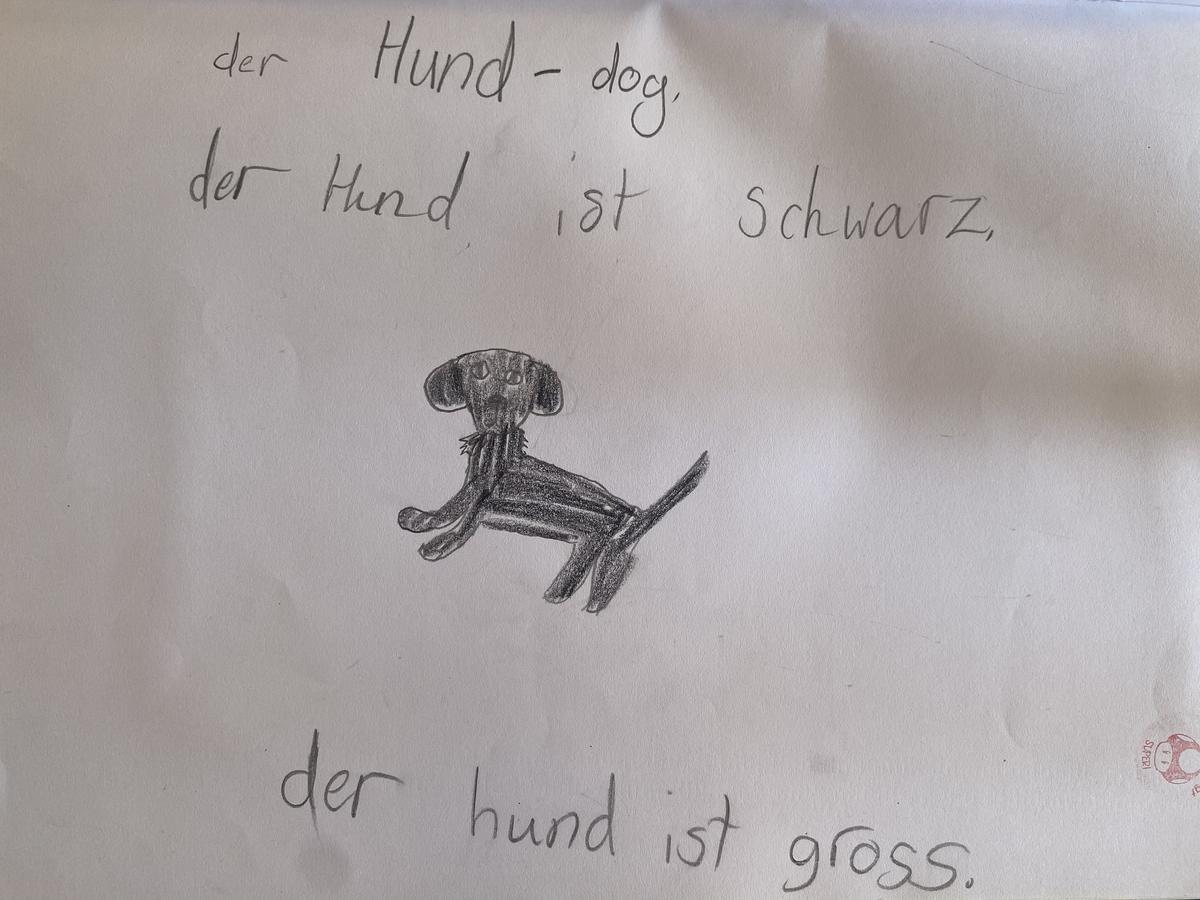
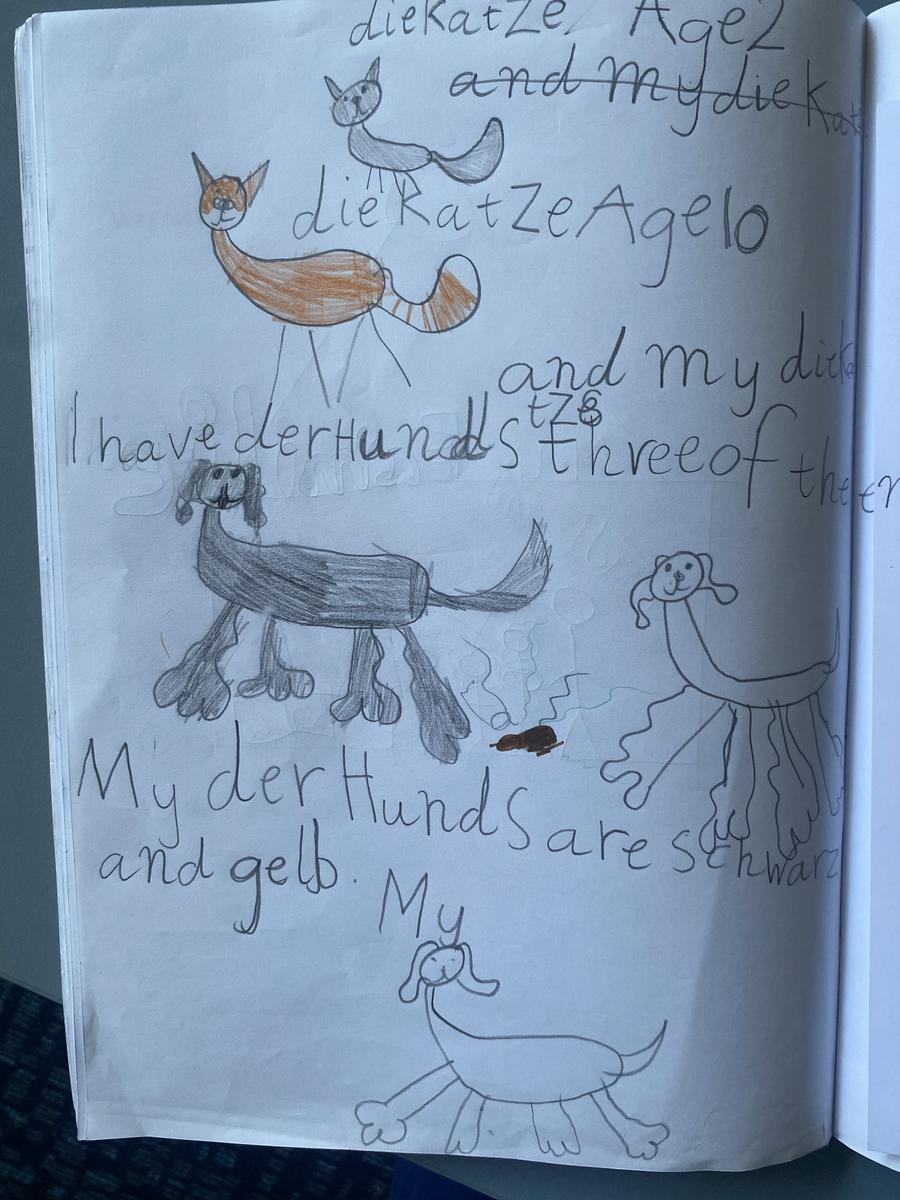
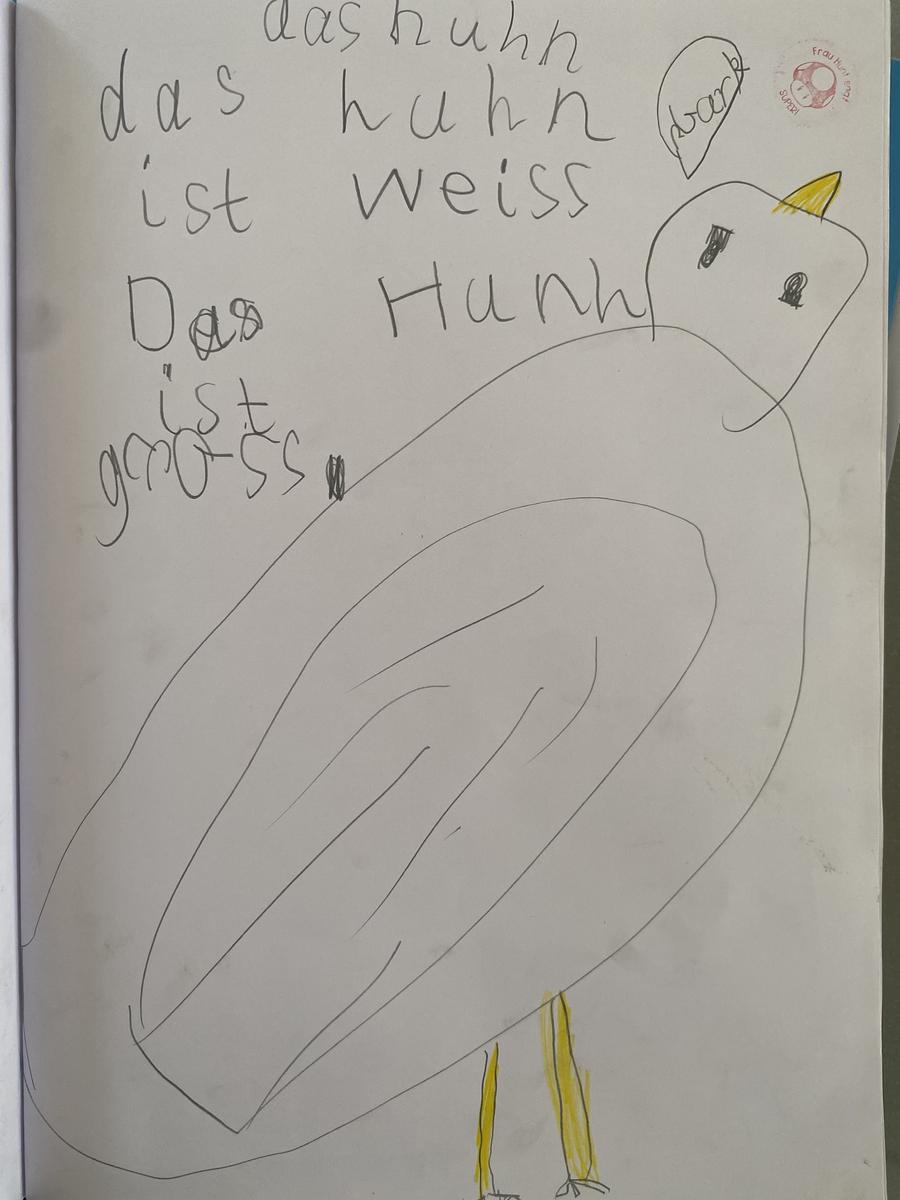
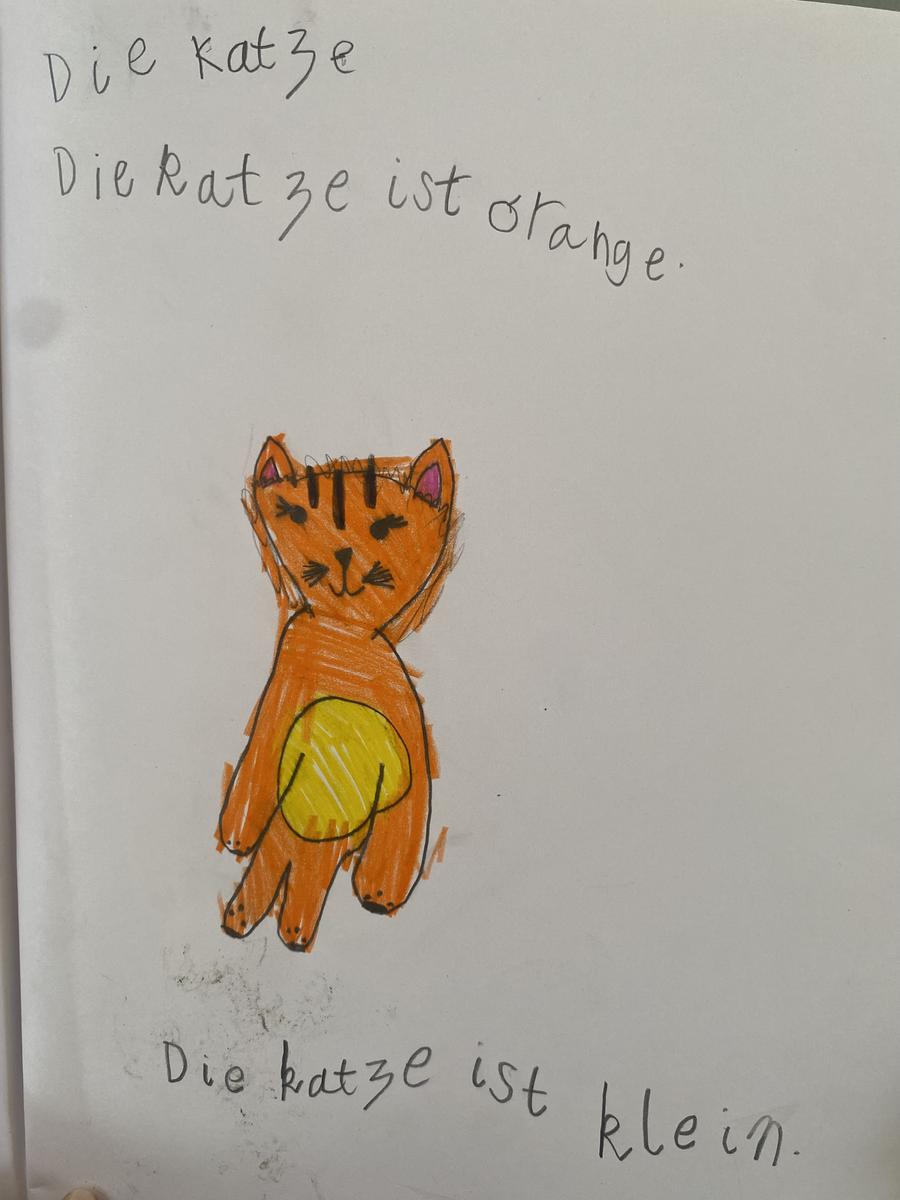
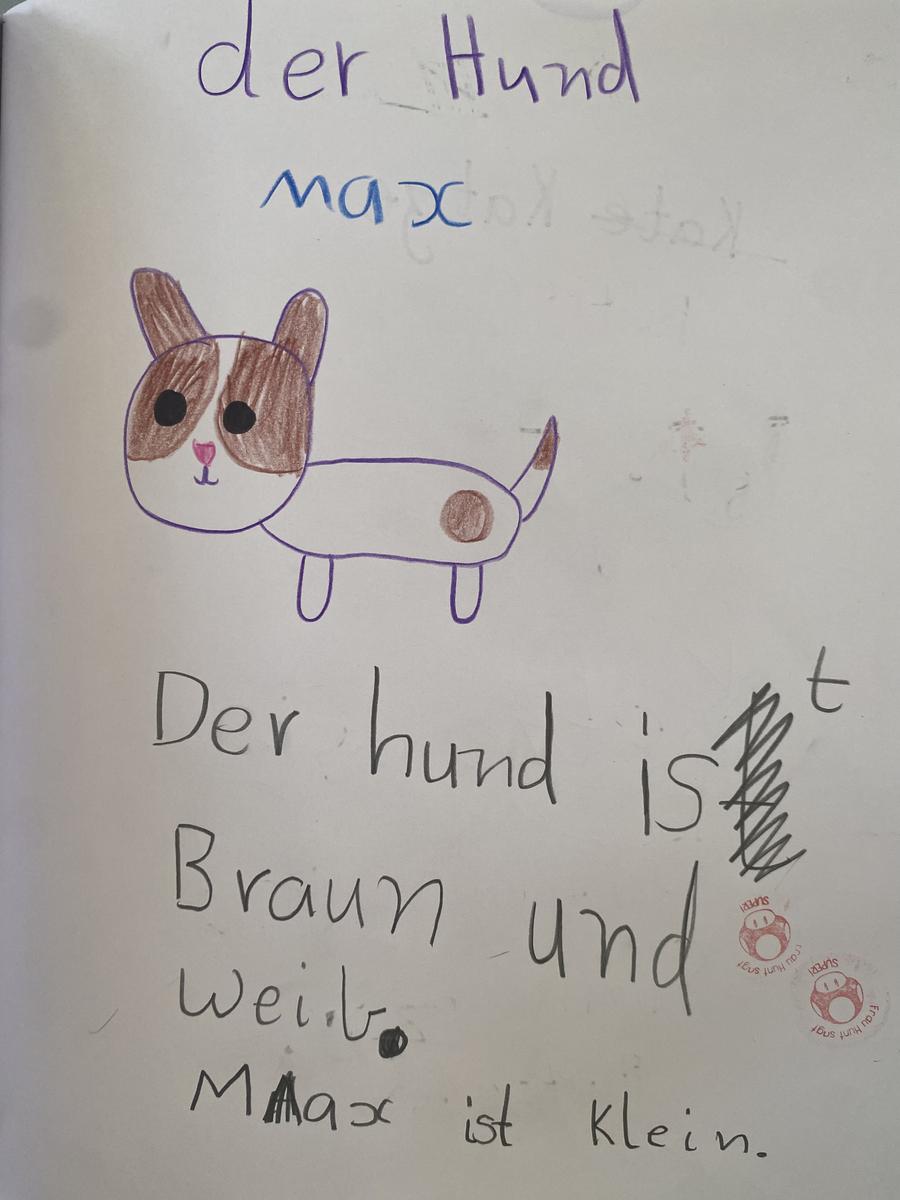
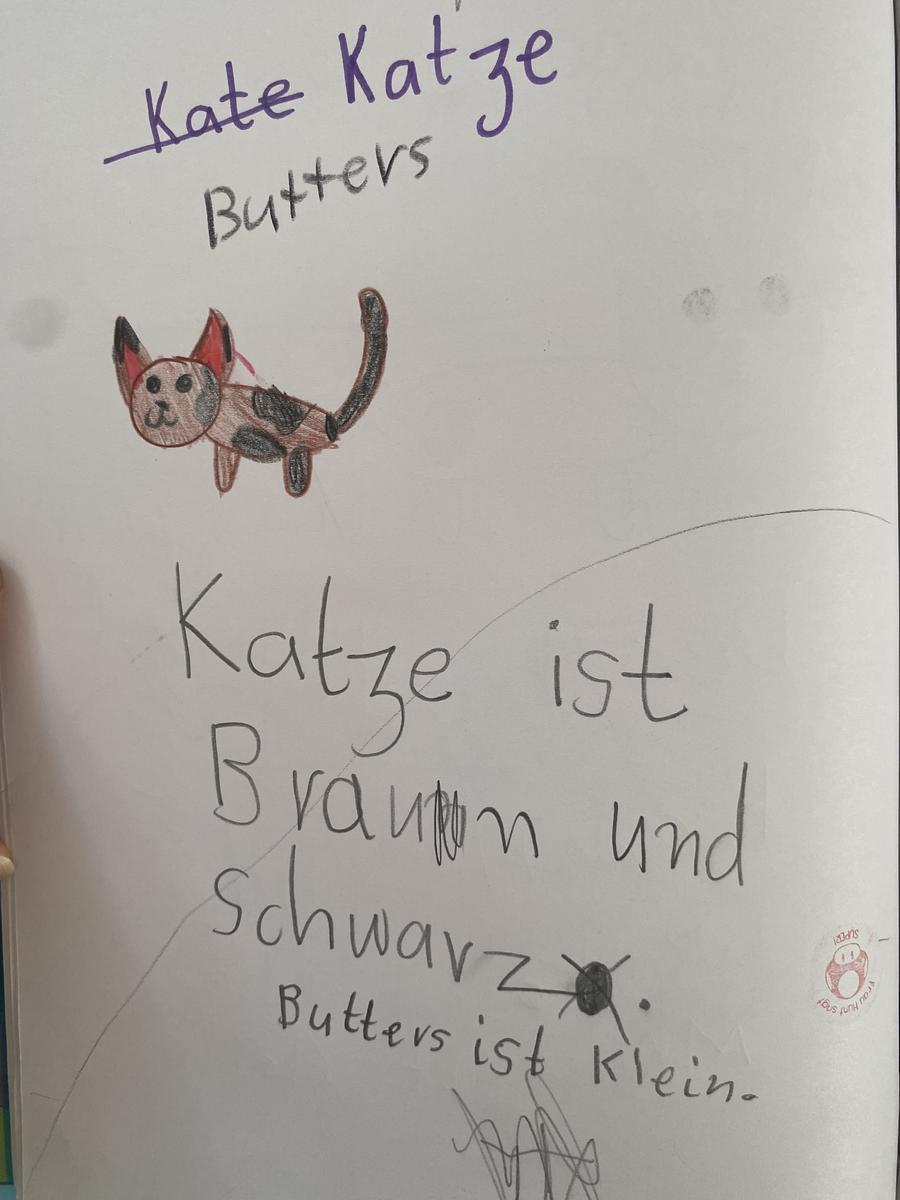
In Term 3, our junior school students were introduced to the German names for common pets and practised language patterns for 'What is that?/That is…’. They extended on their prior knowledge of colours to be able to describe pets by both colour and size in German. The students shared photos of different pets and created some wonderful pet pictures which they labelled and described to practise both their written and verbal language skills. See if you can spot your pet (or the pets some of the children would like to have) in our photo gallery.
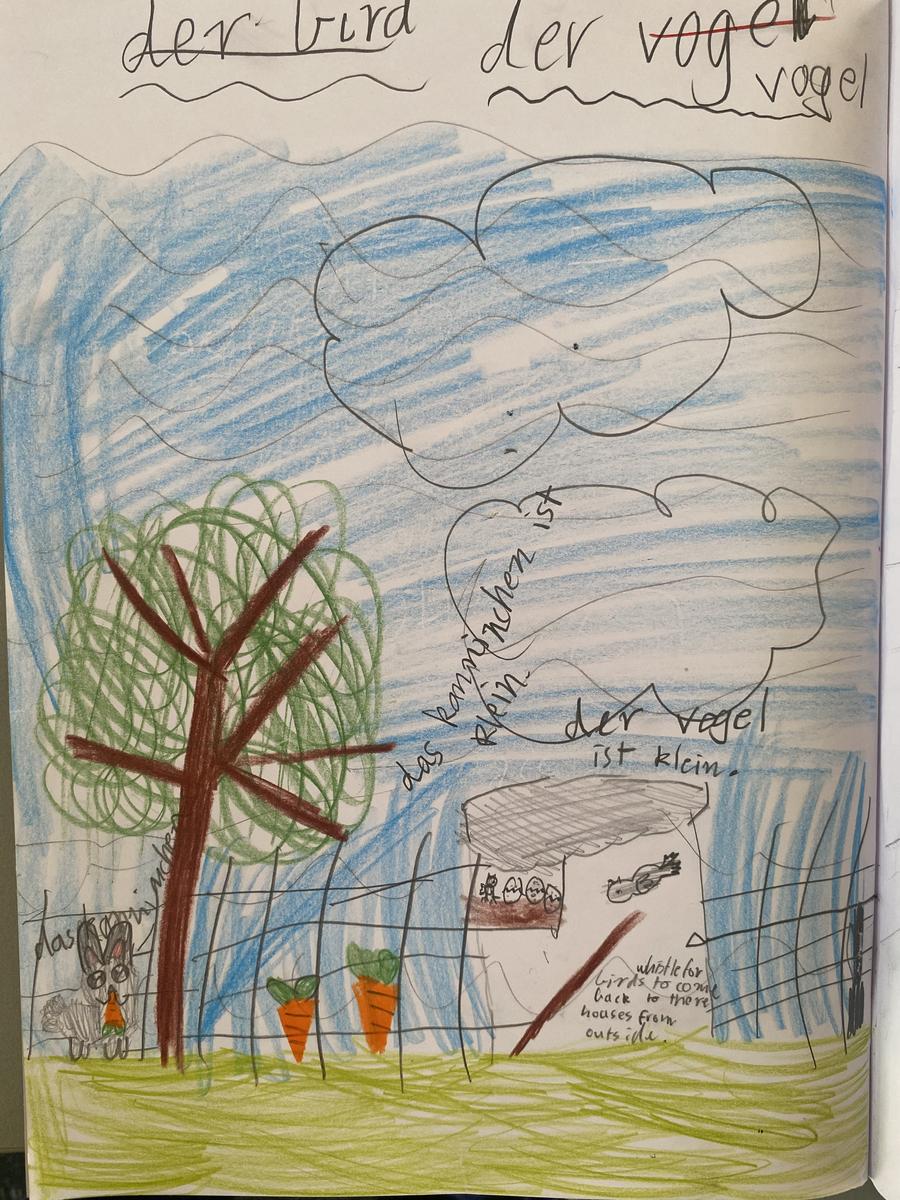
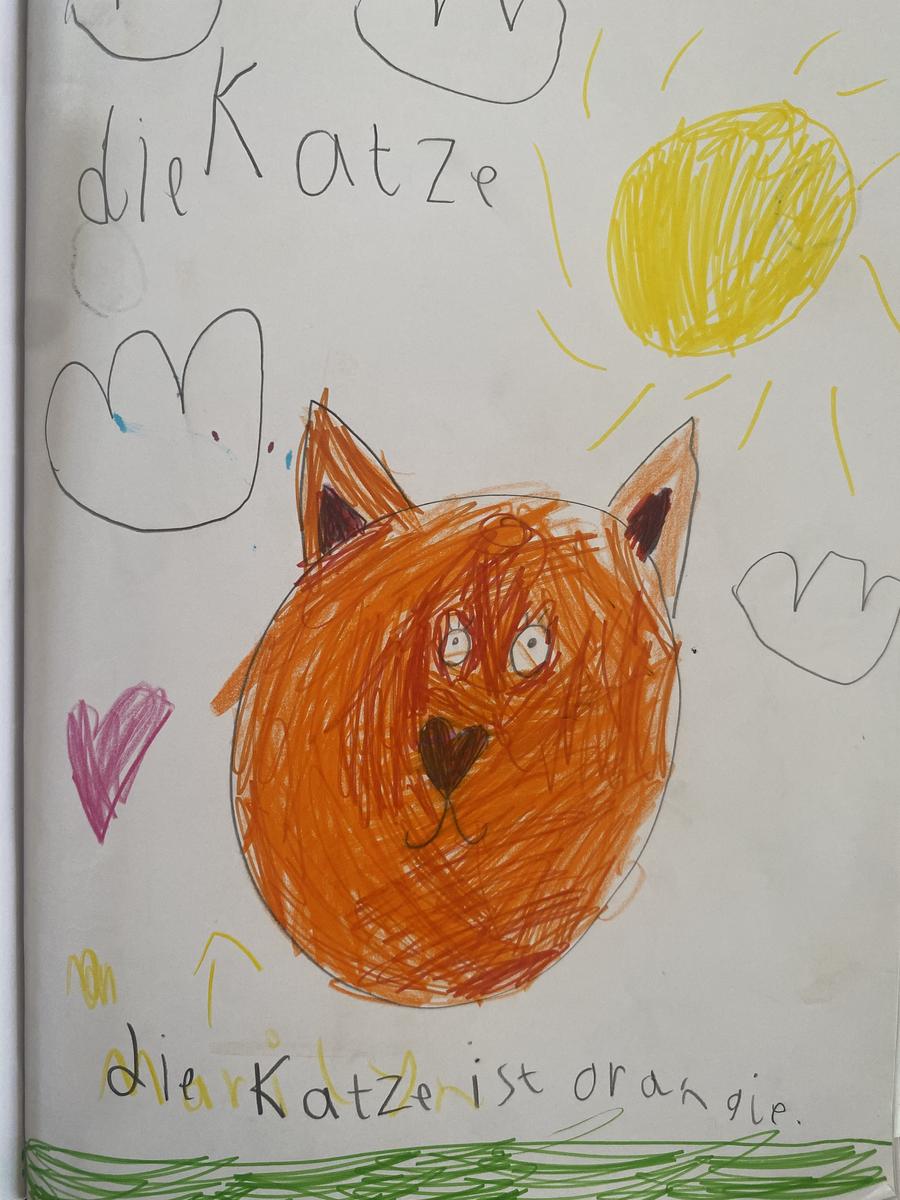
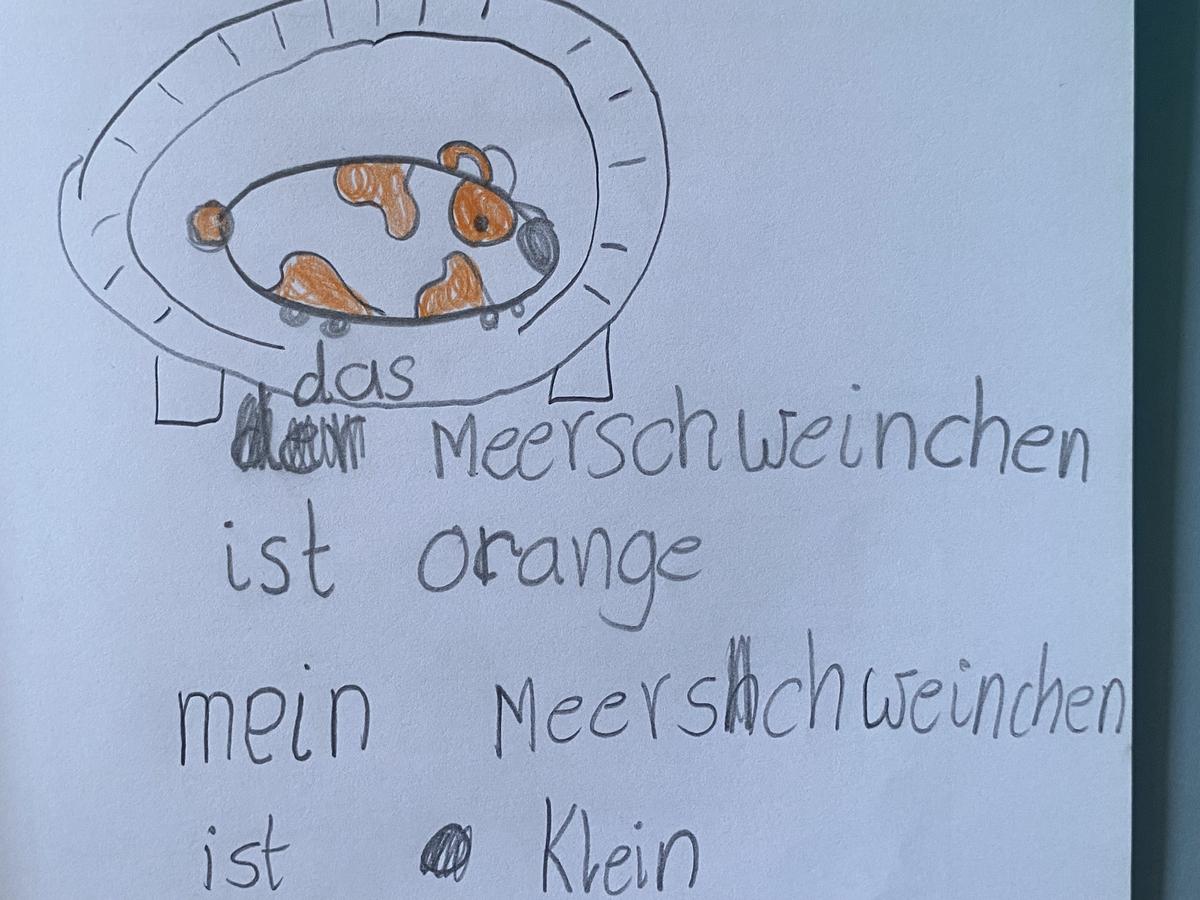
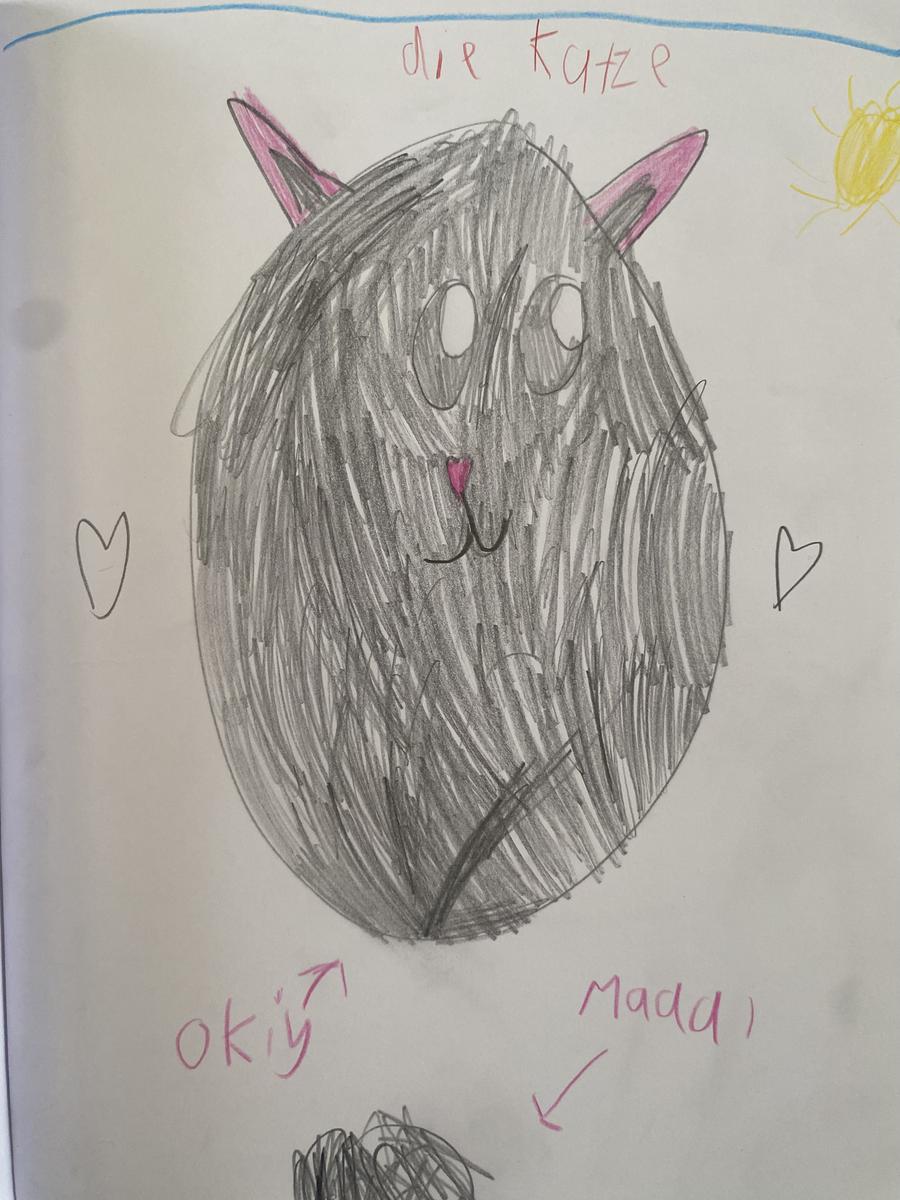
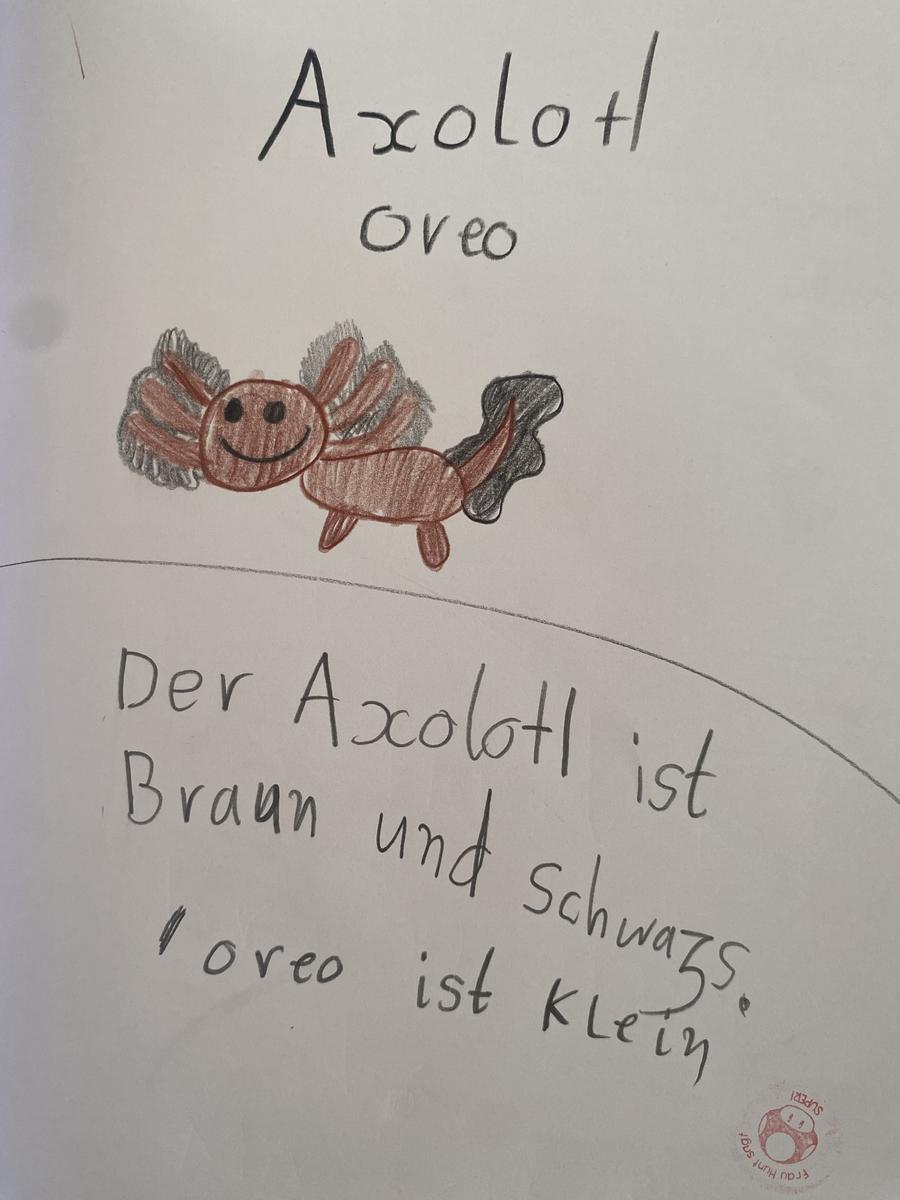
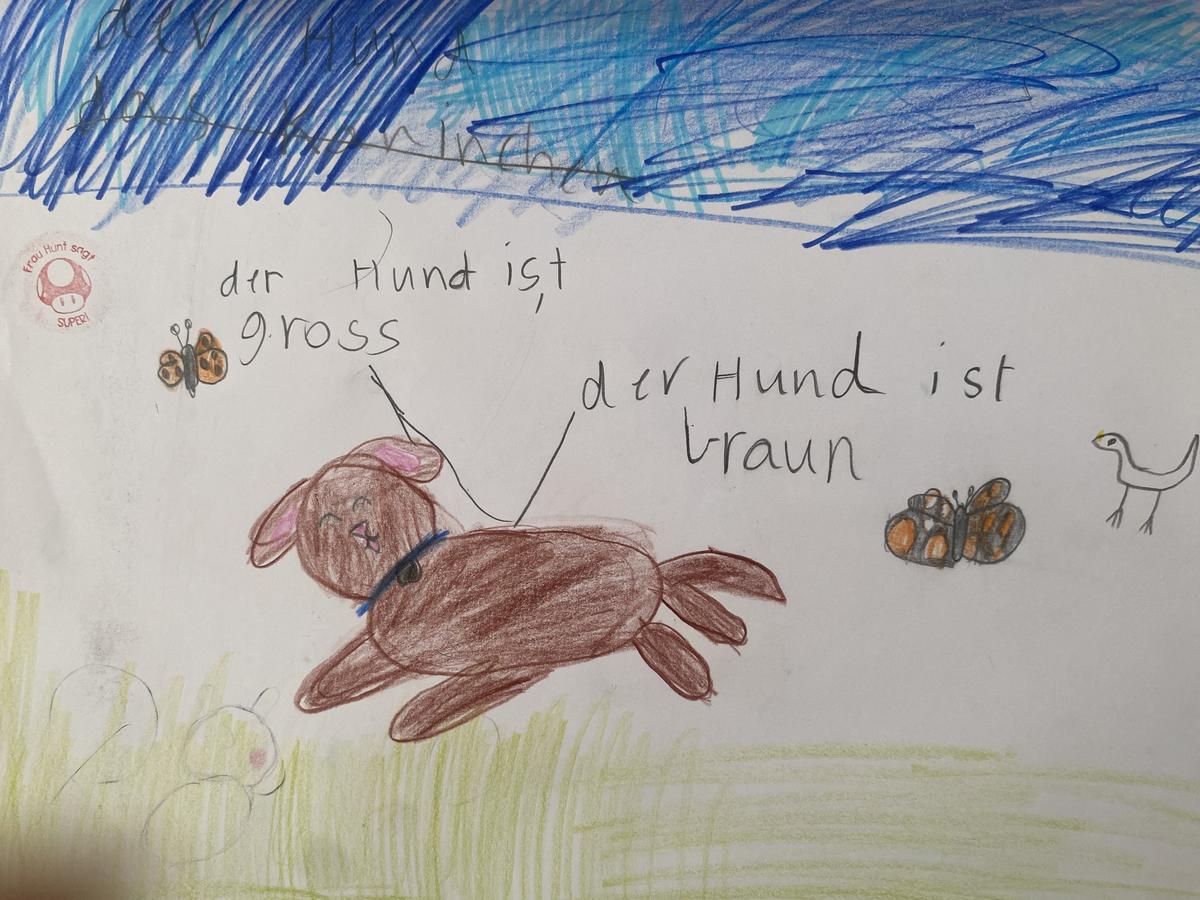
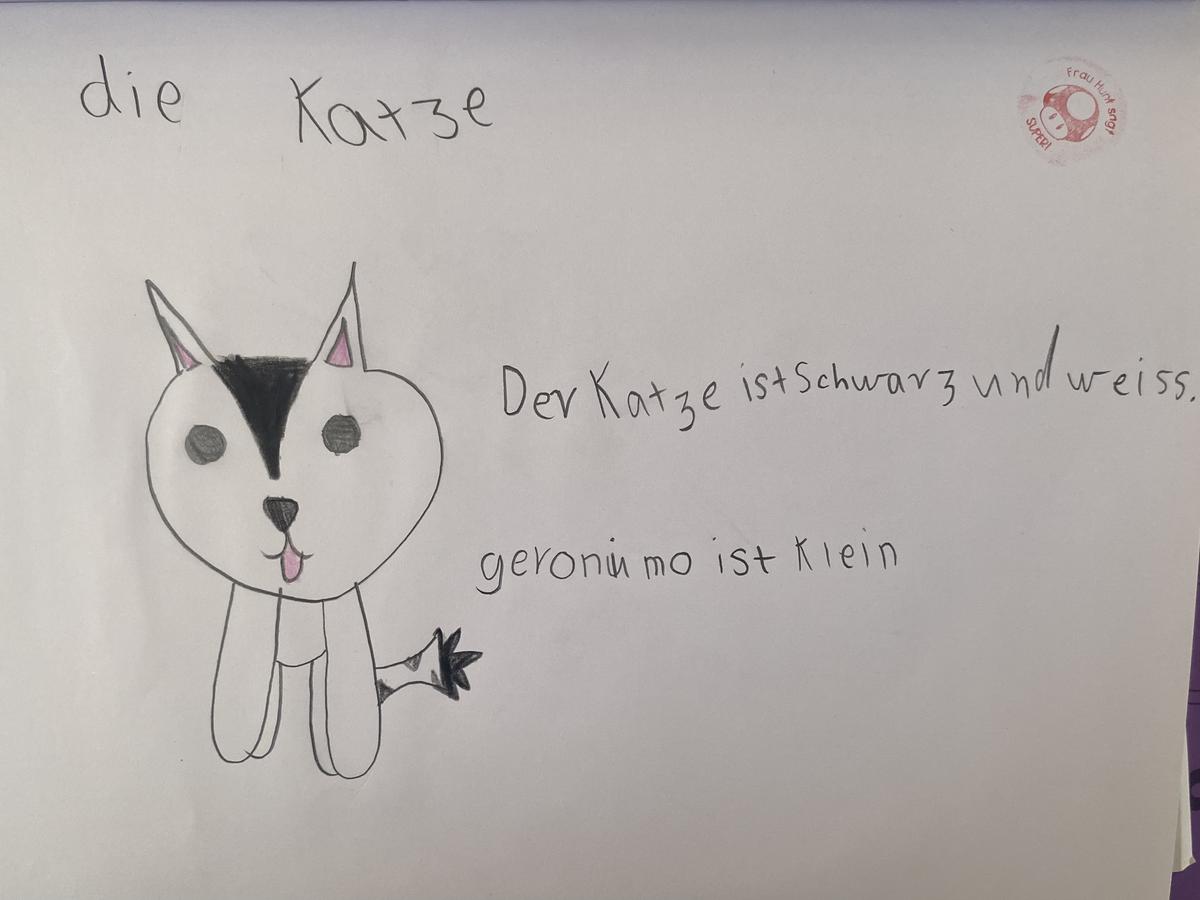
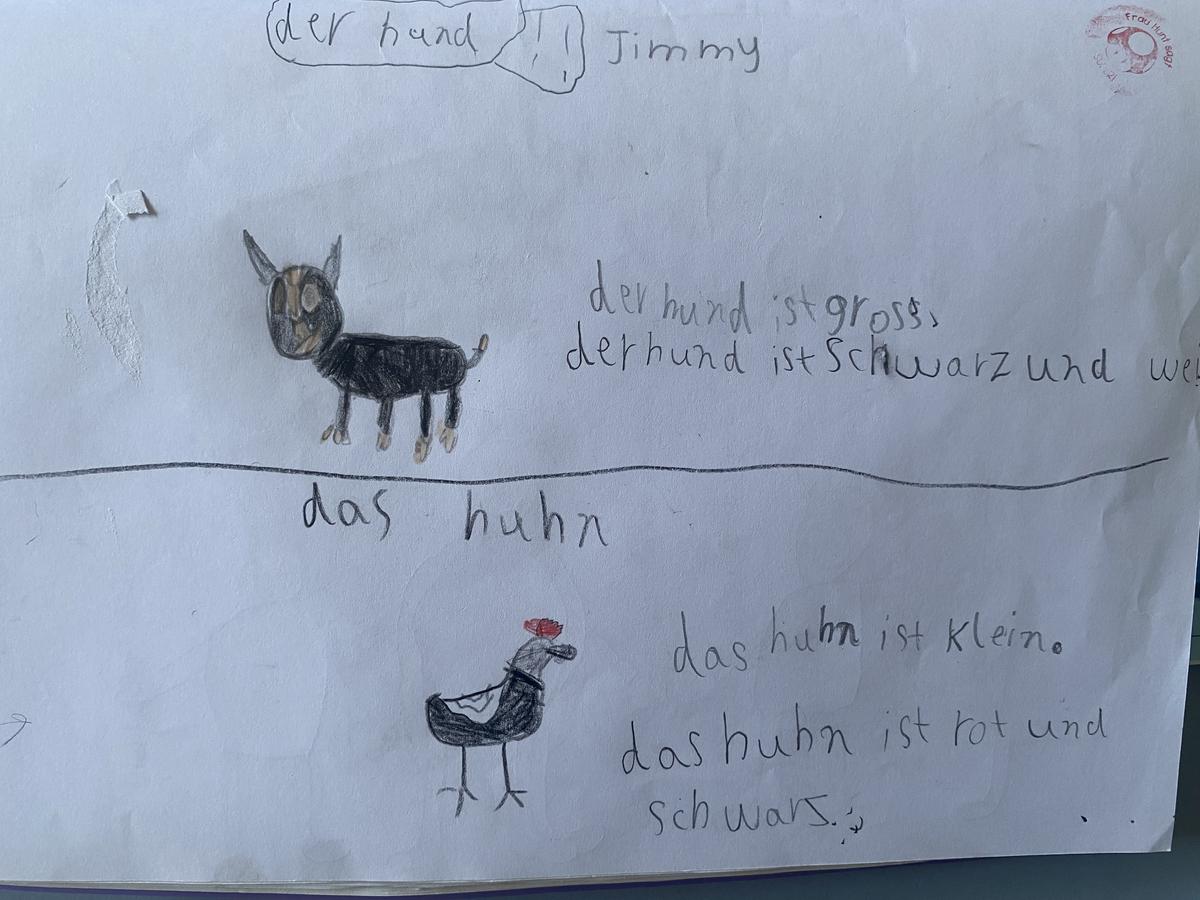
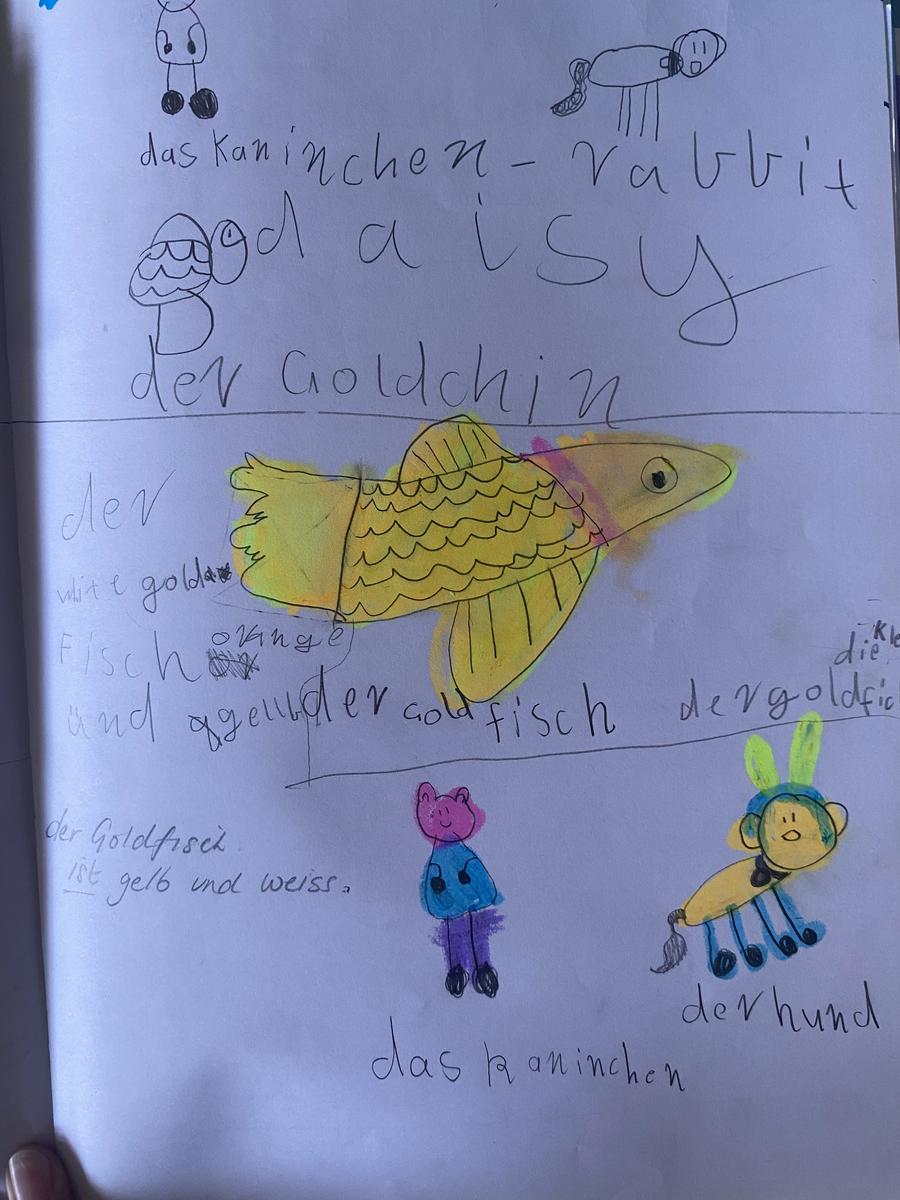
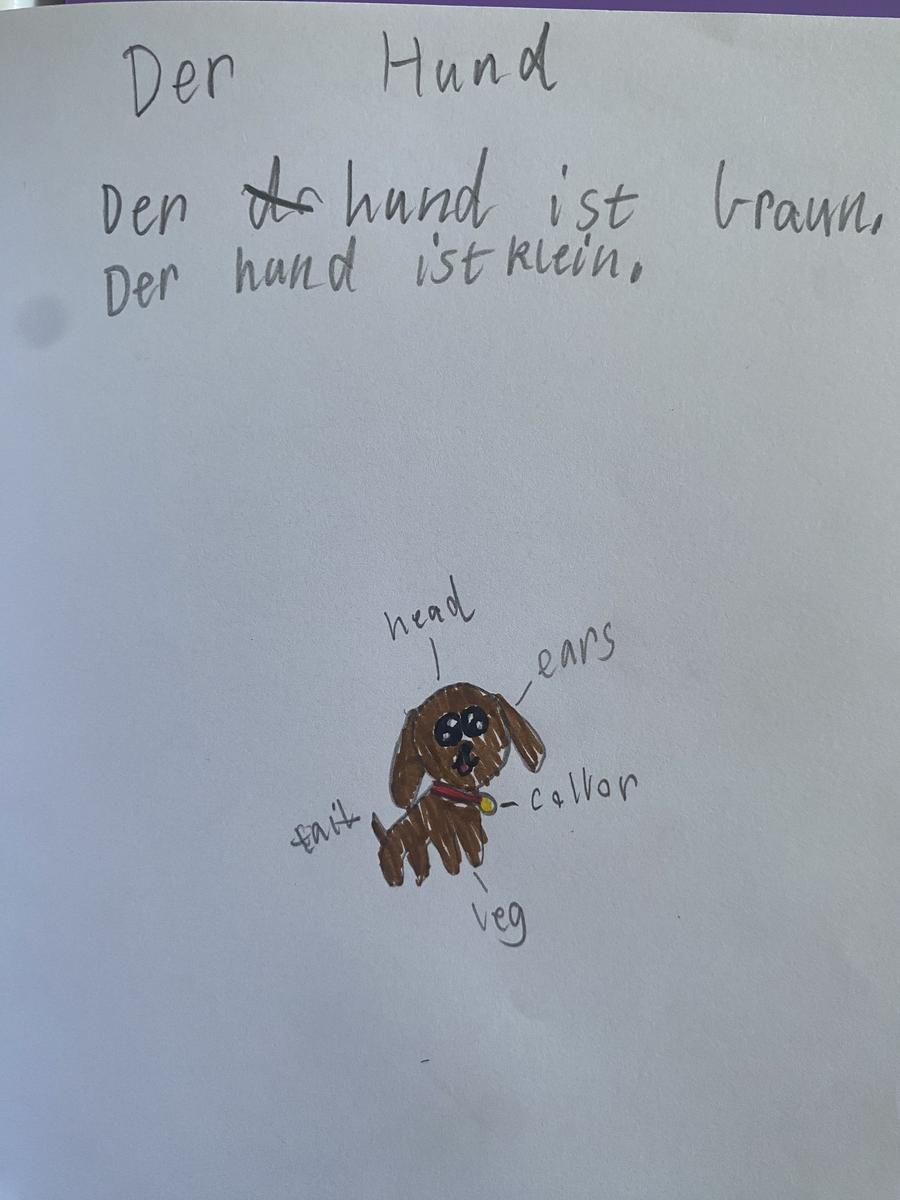
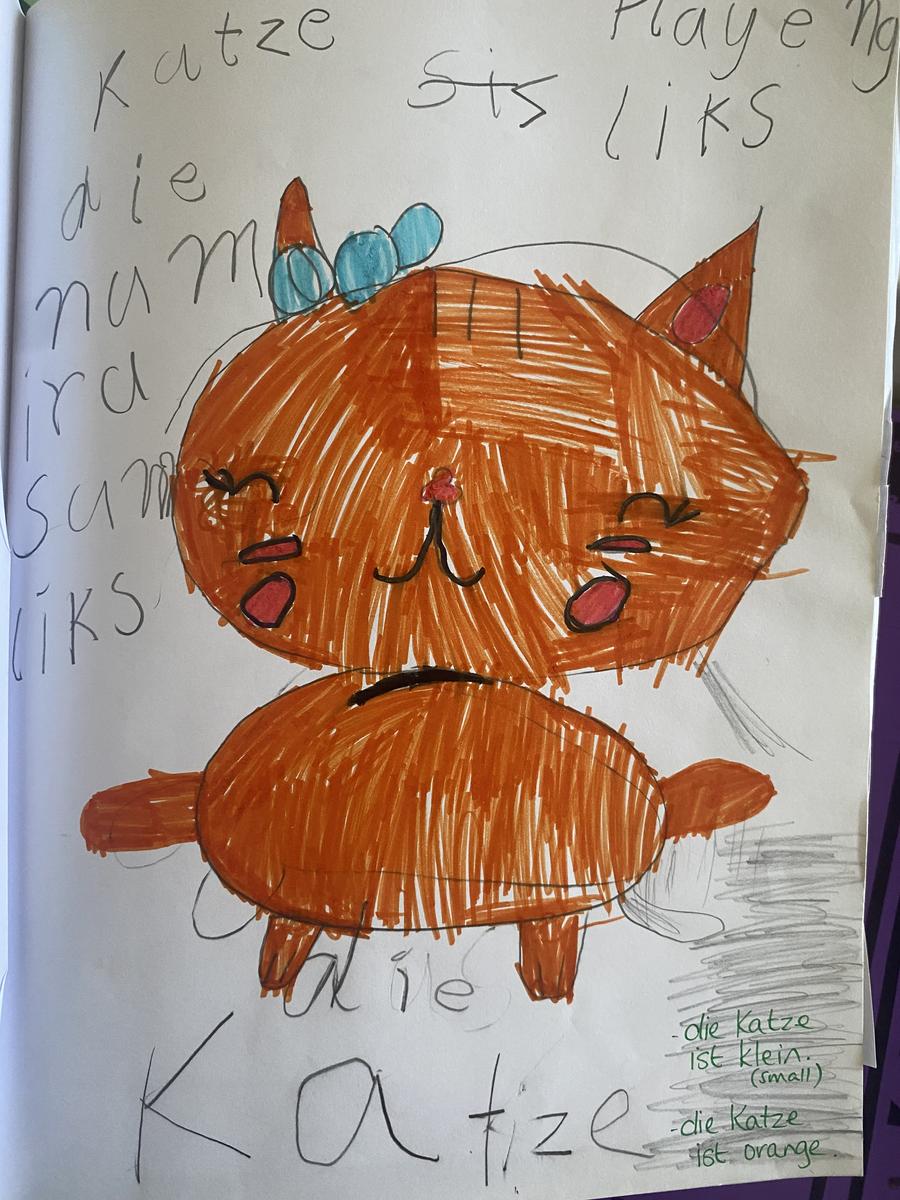
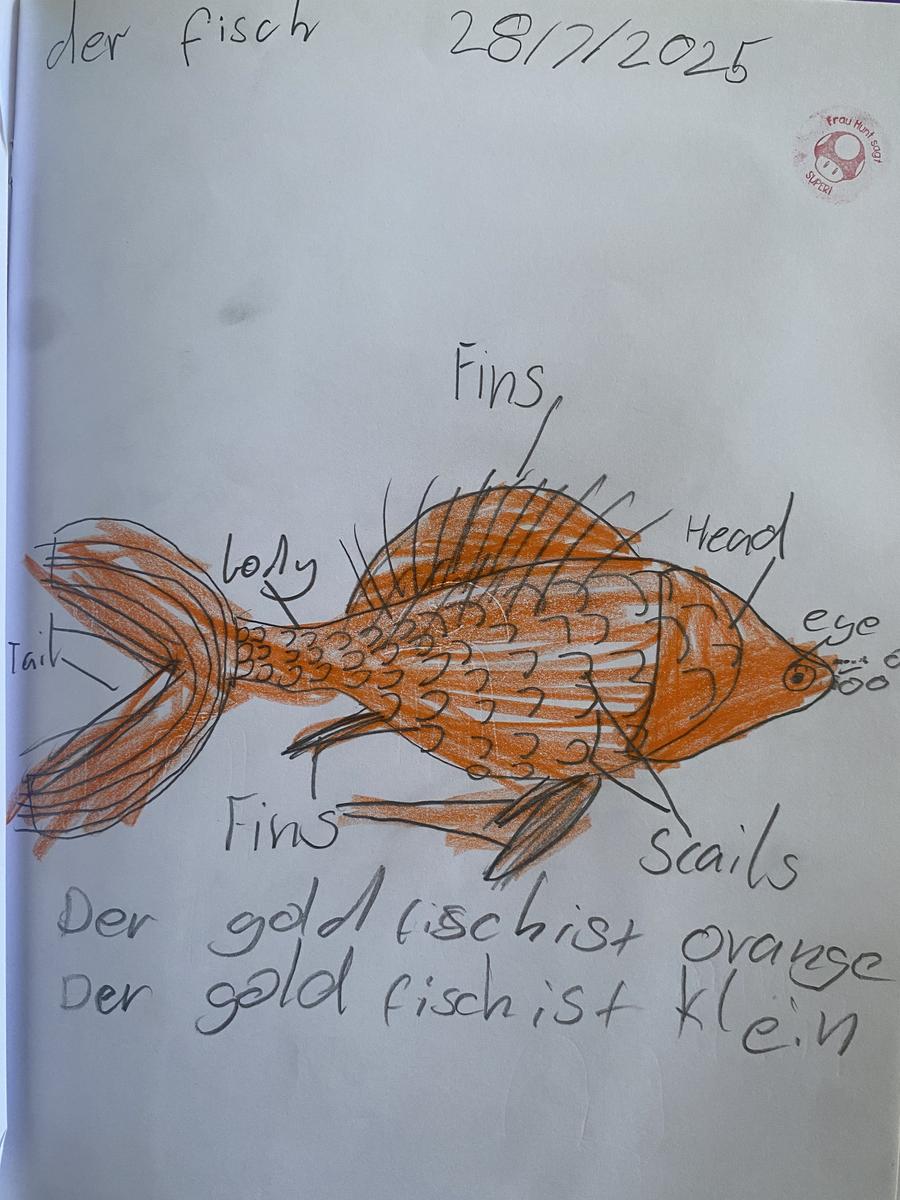
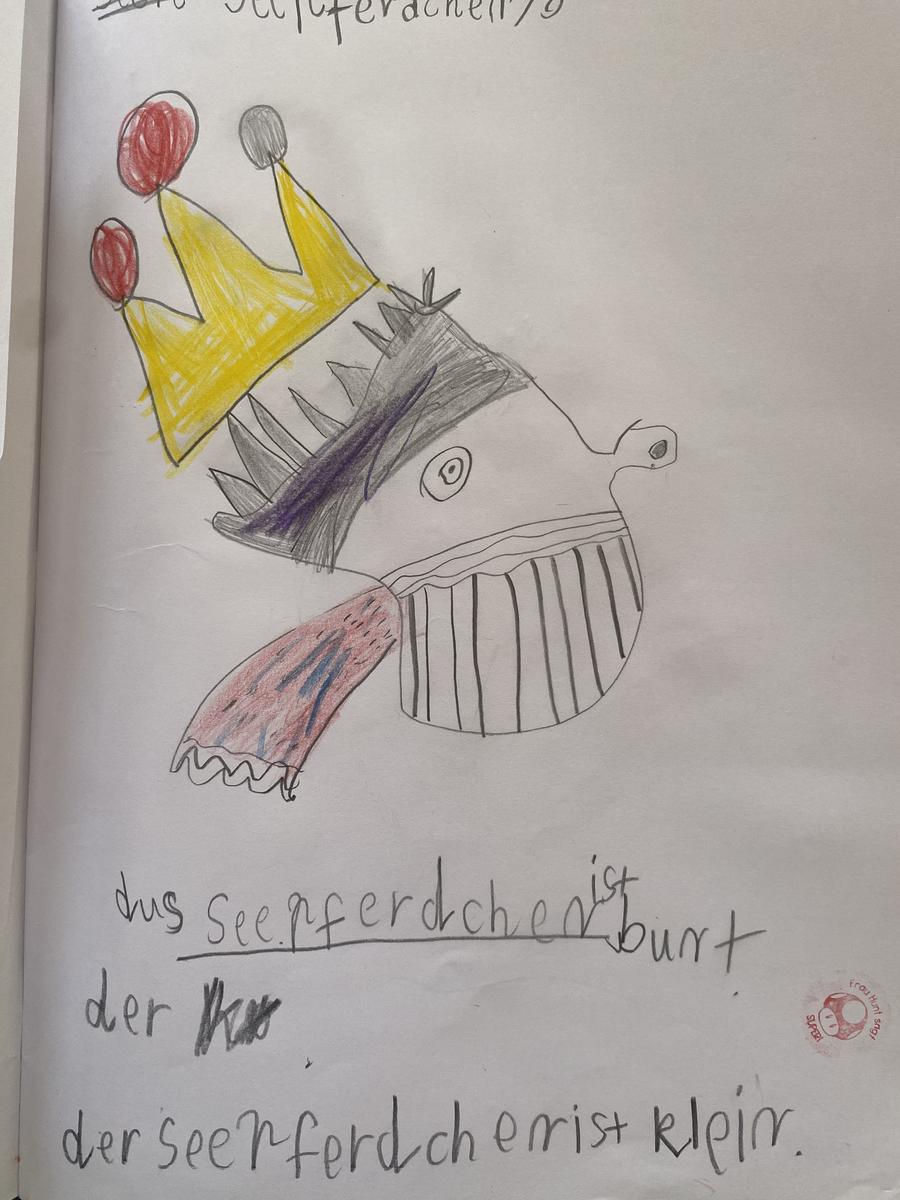
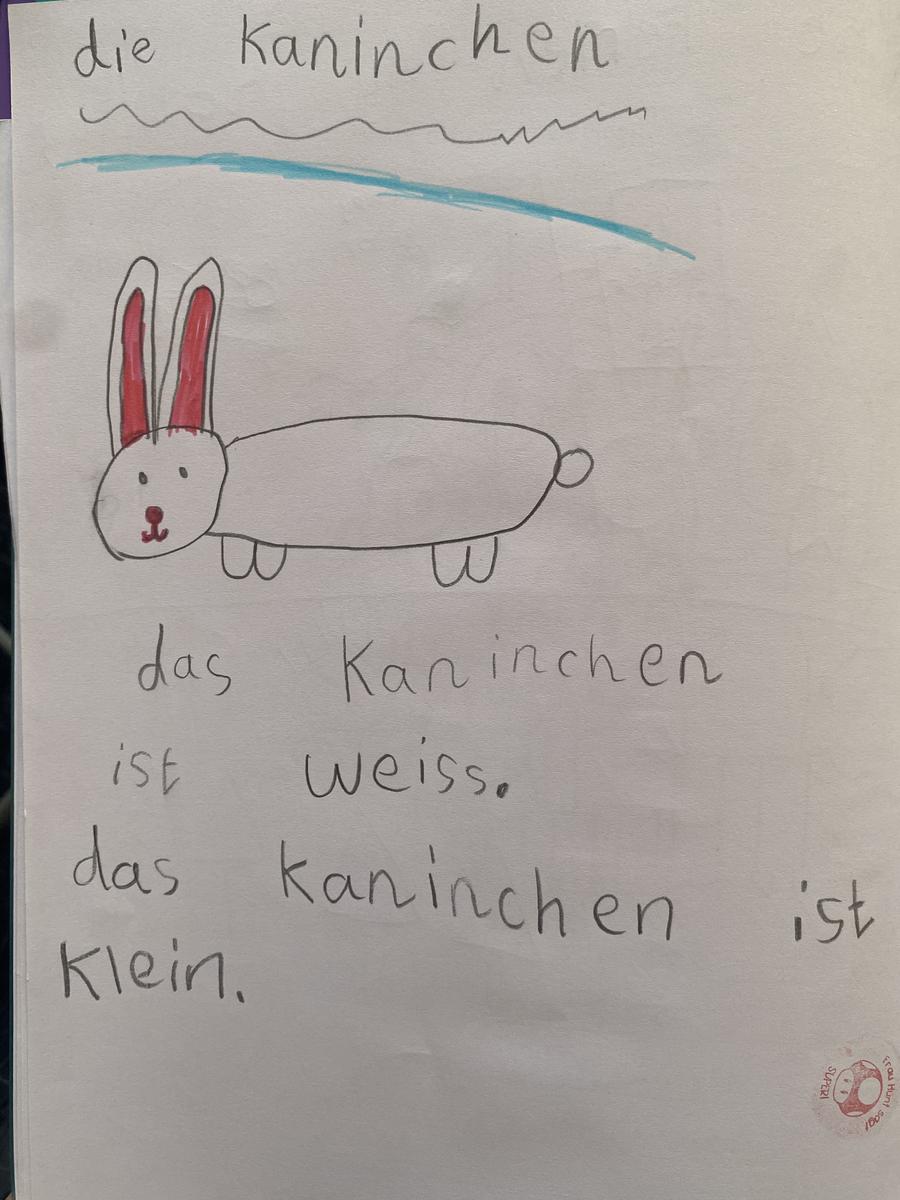
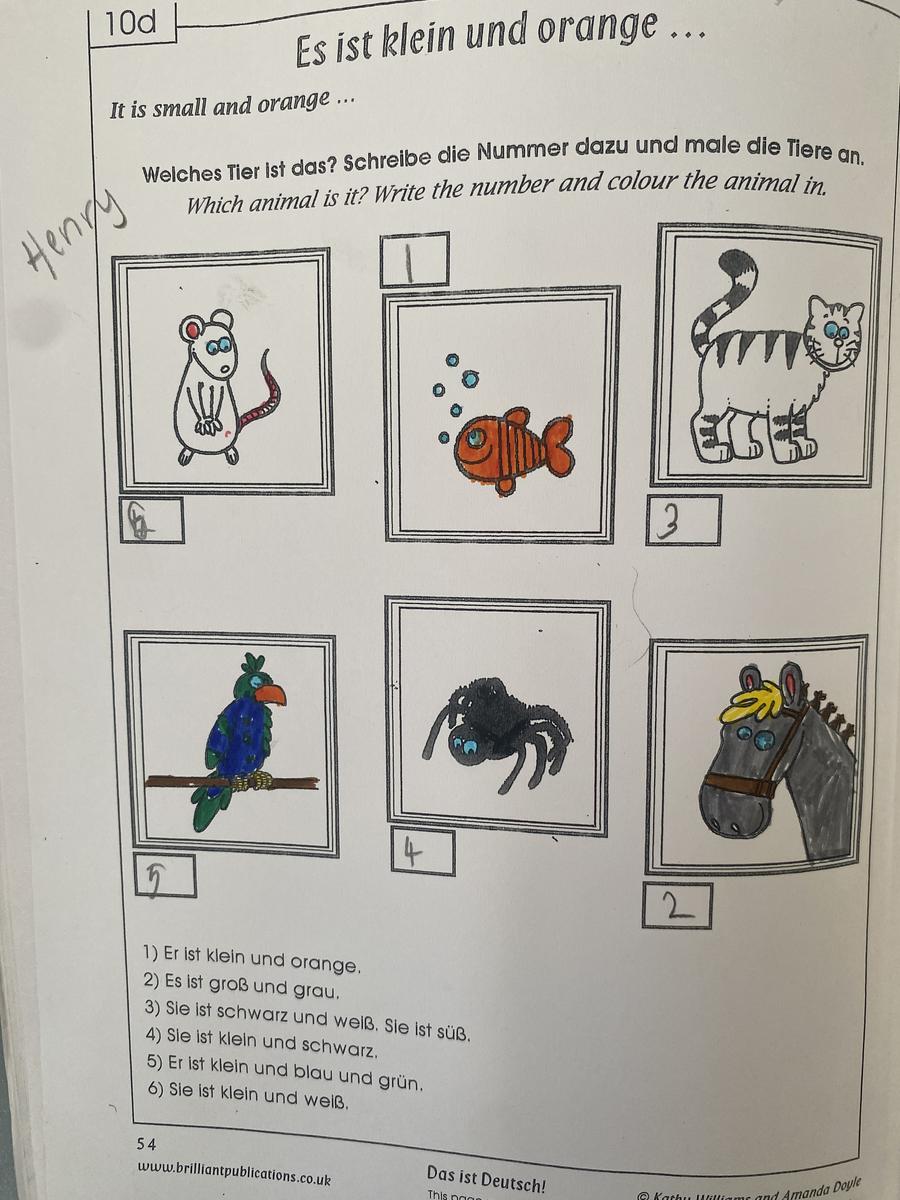
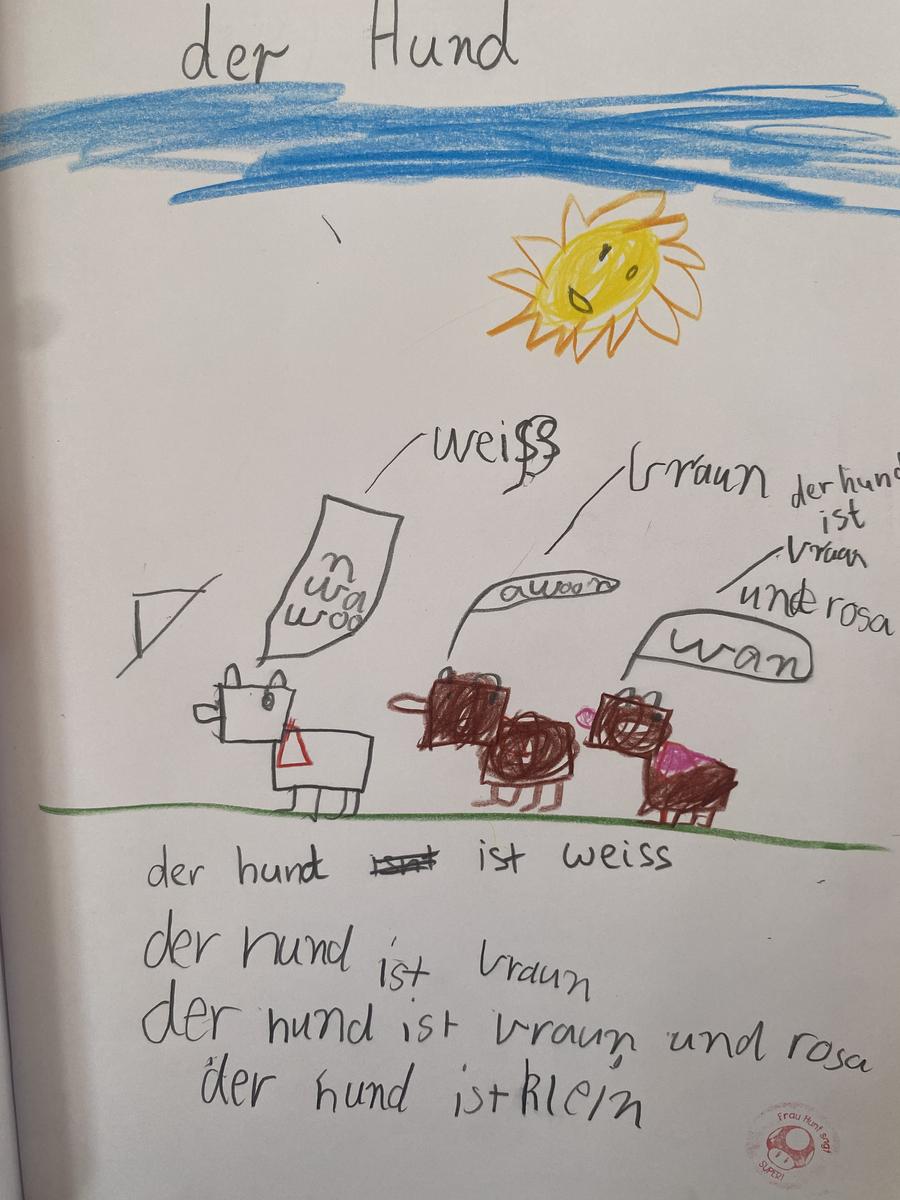
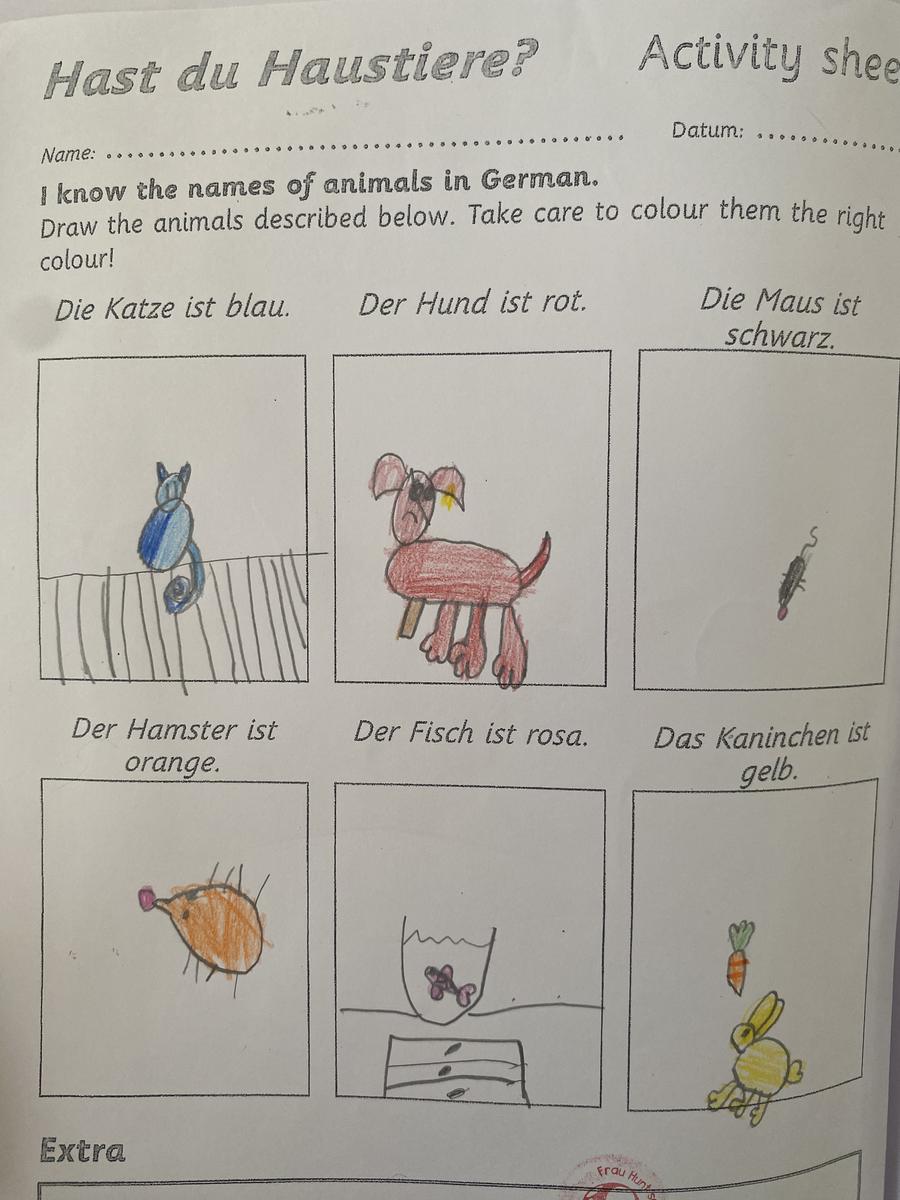
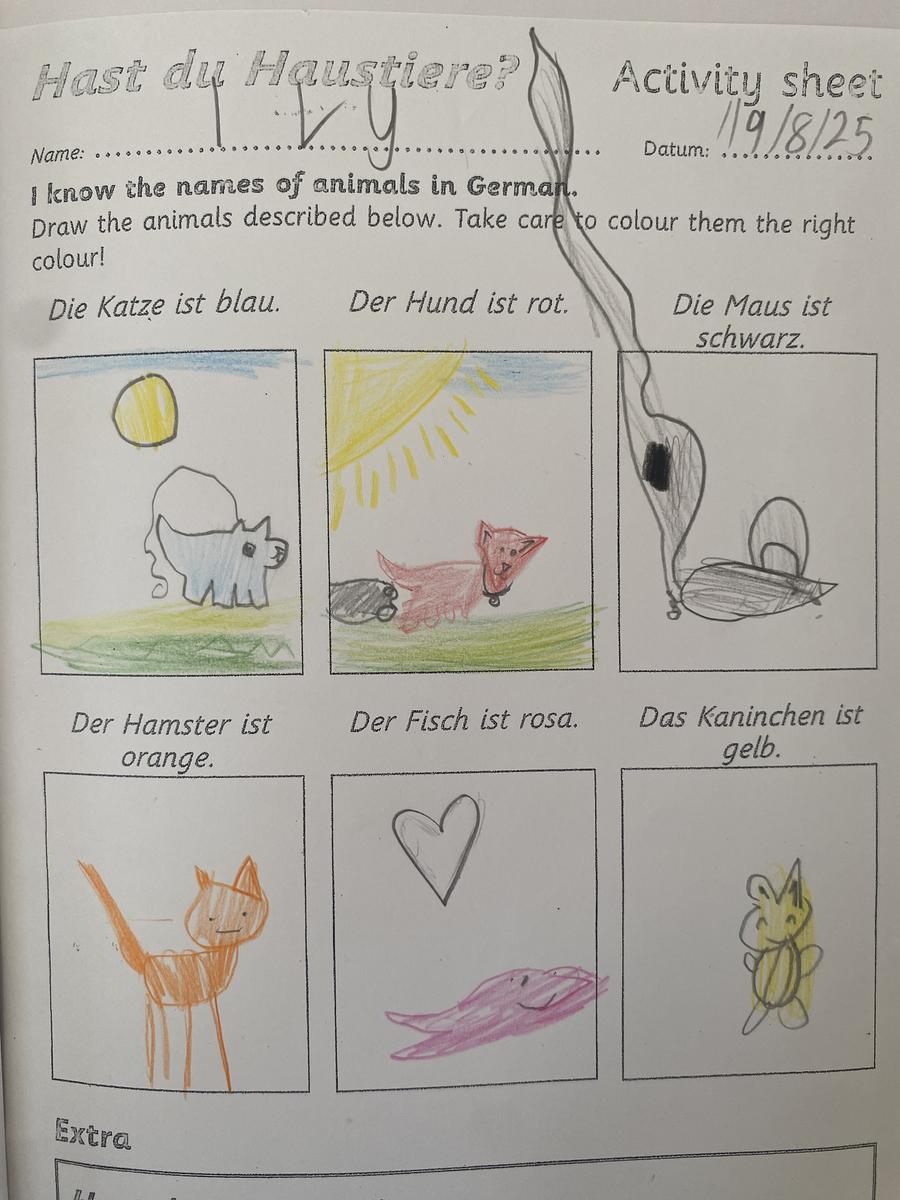
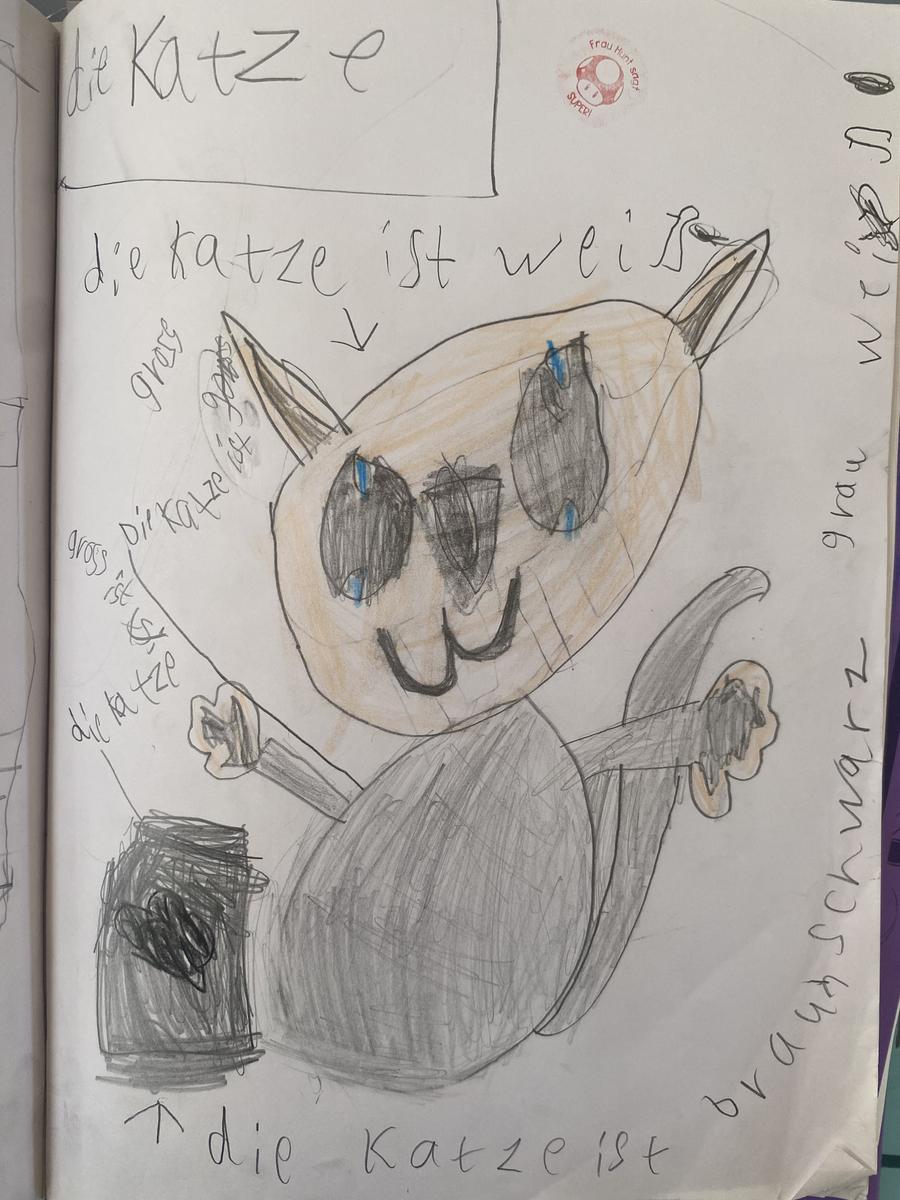
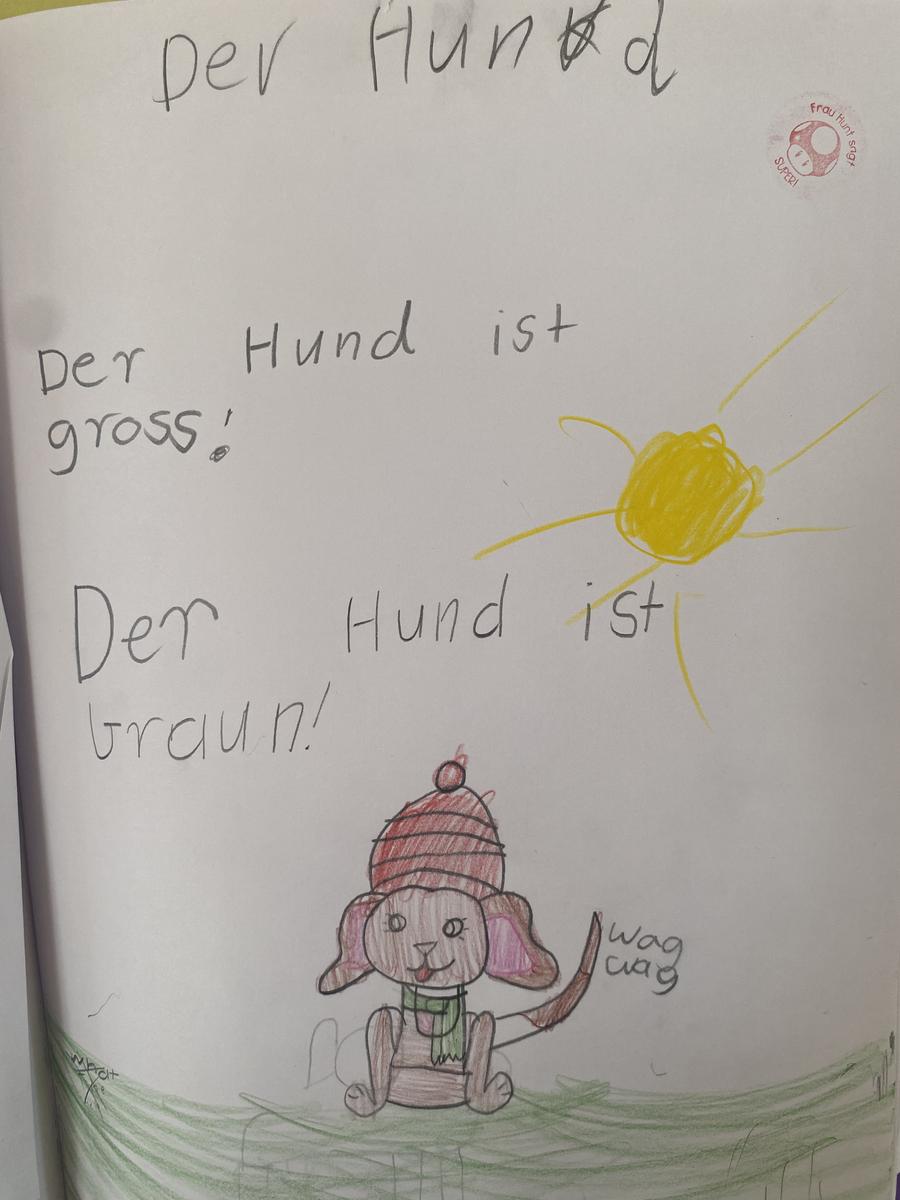
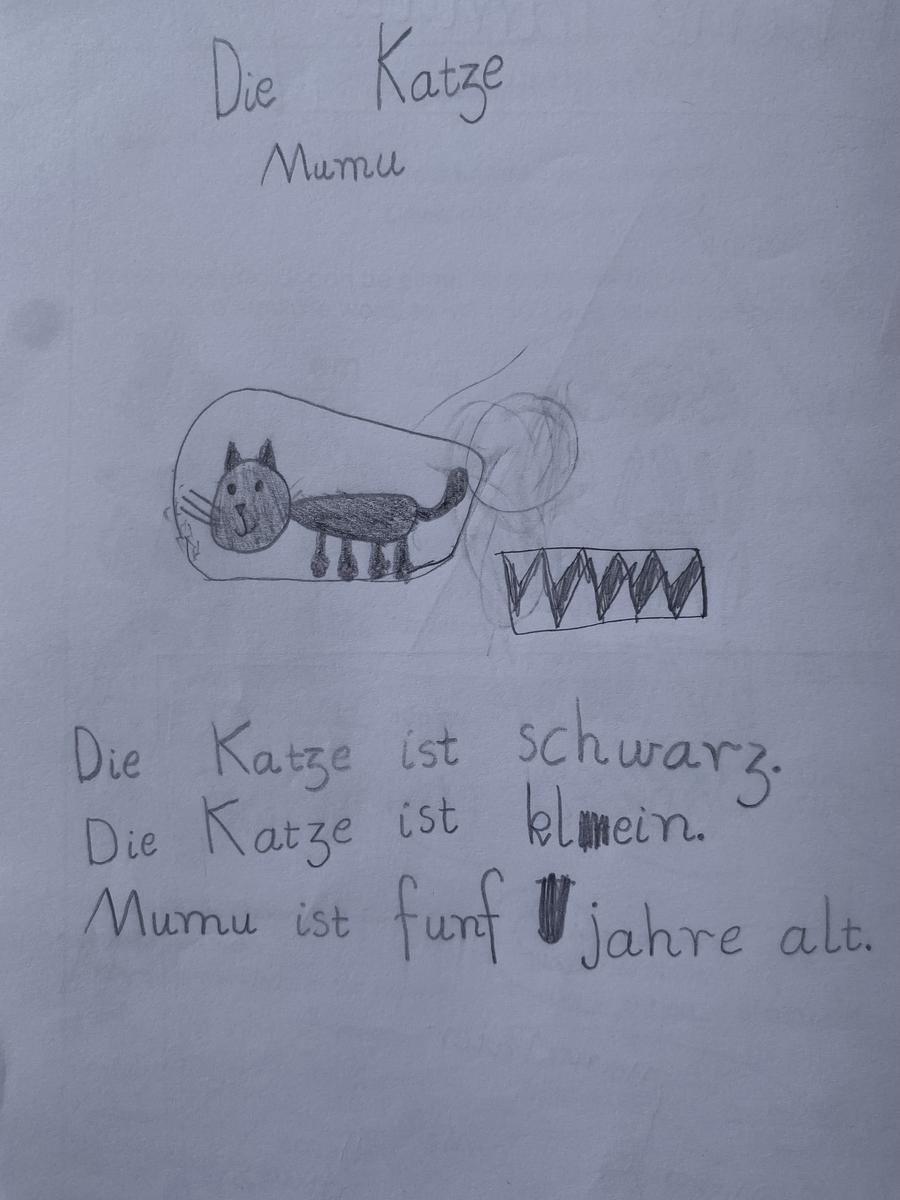
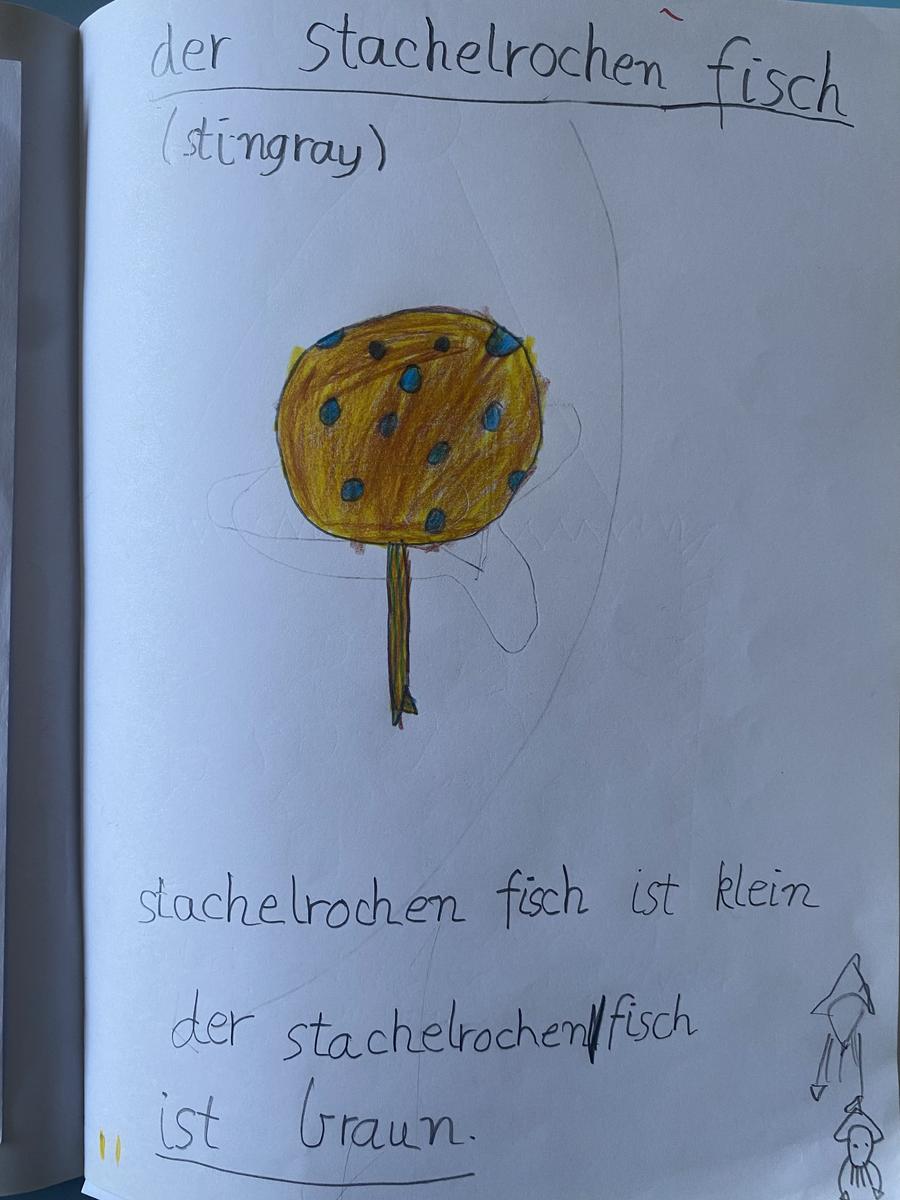
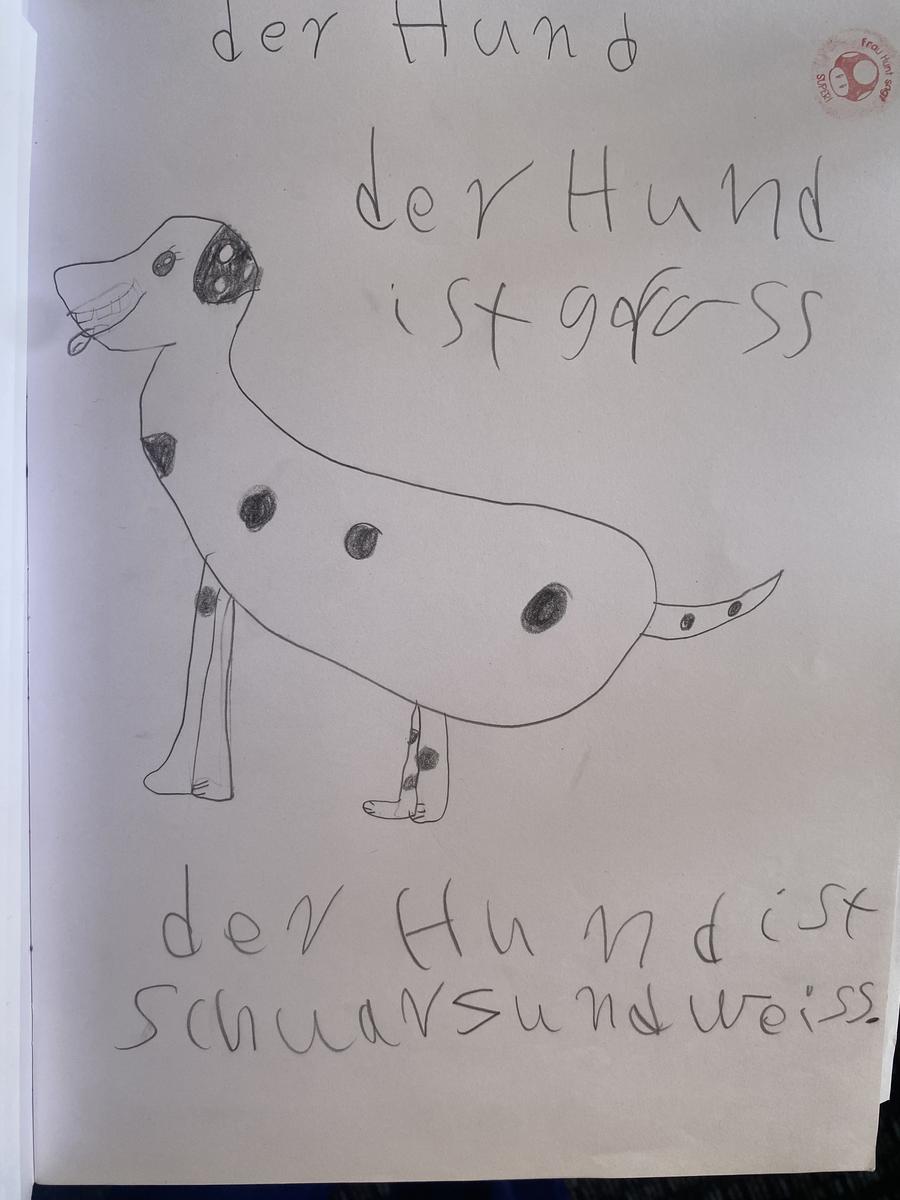
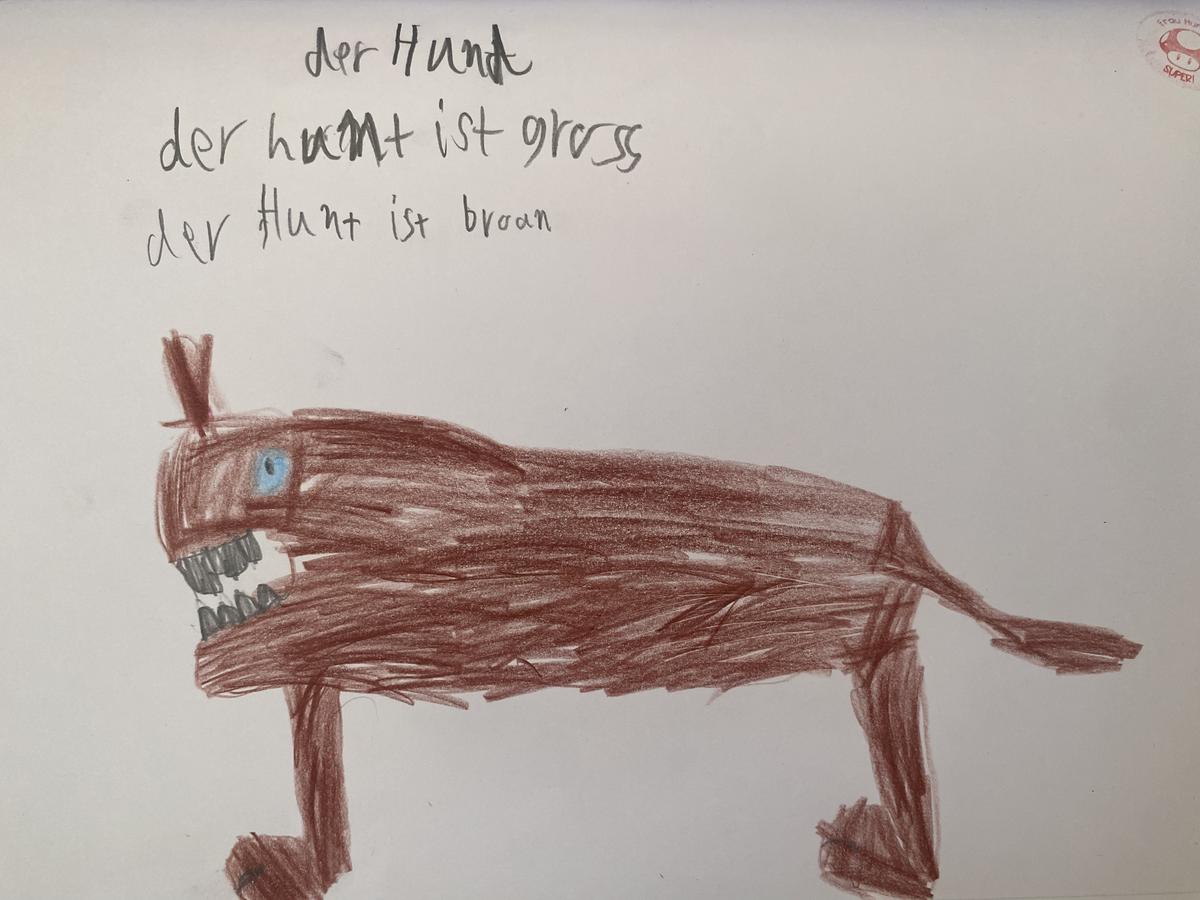
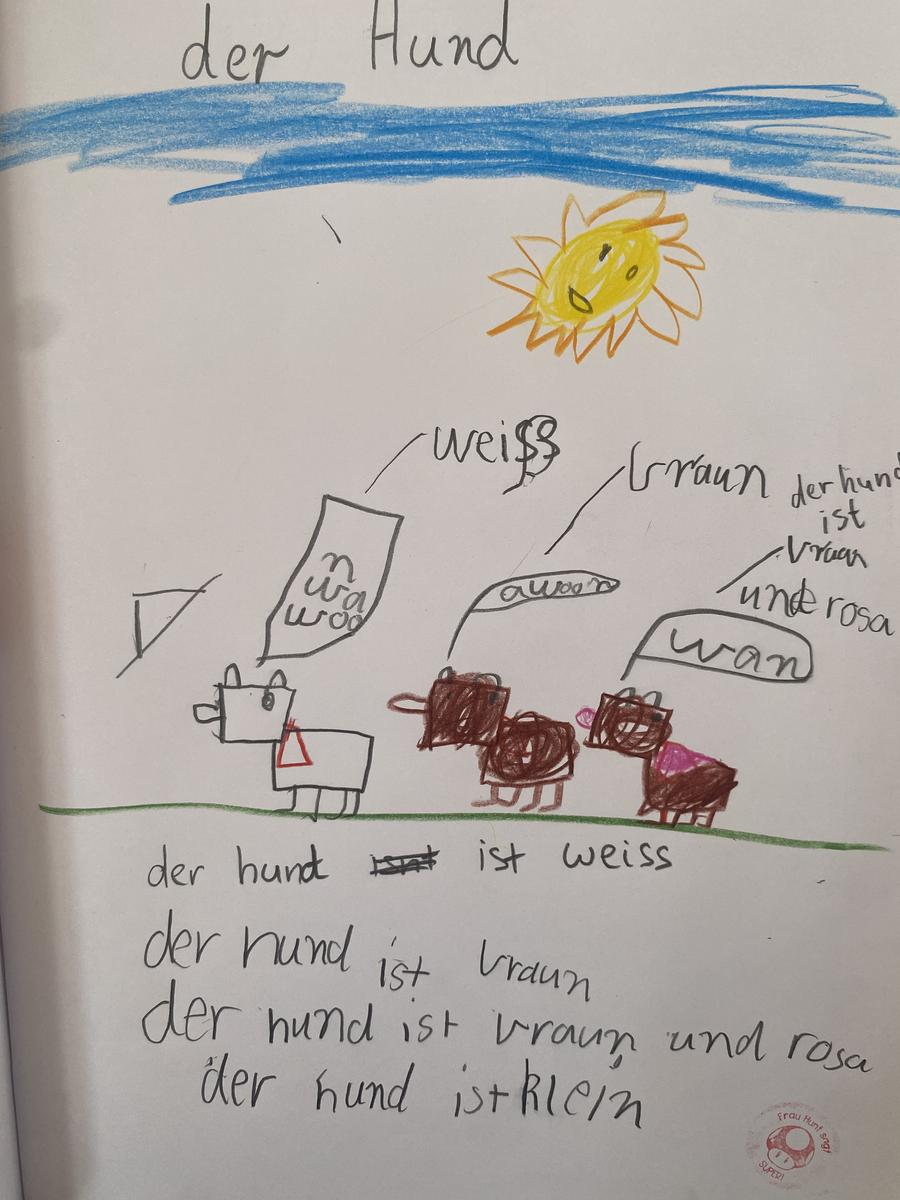
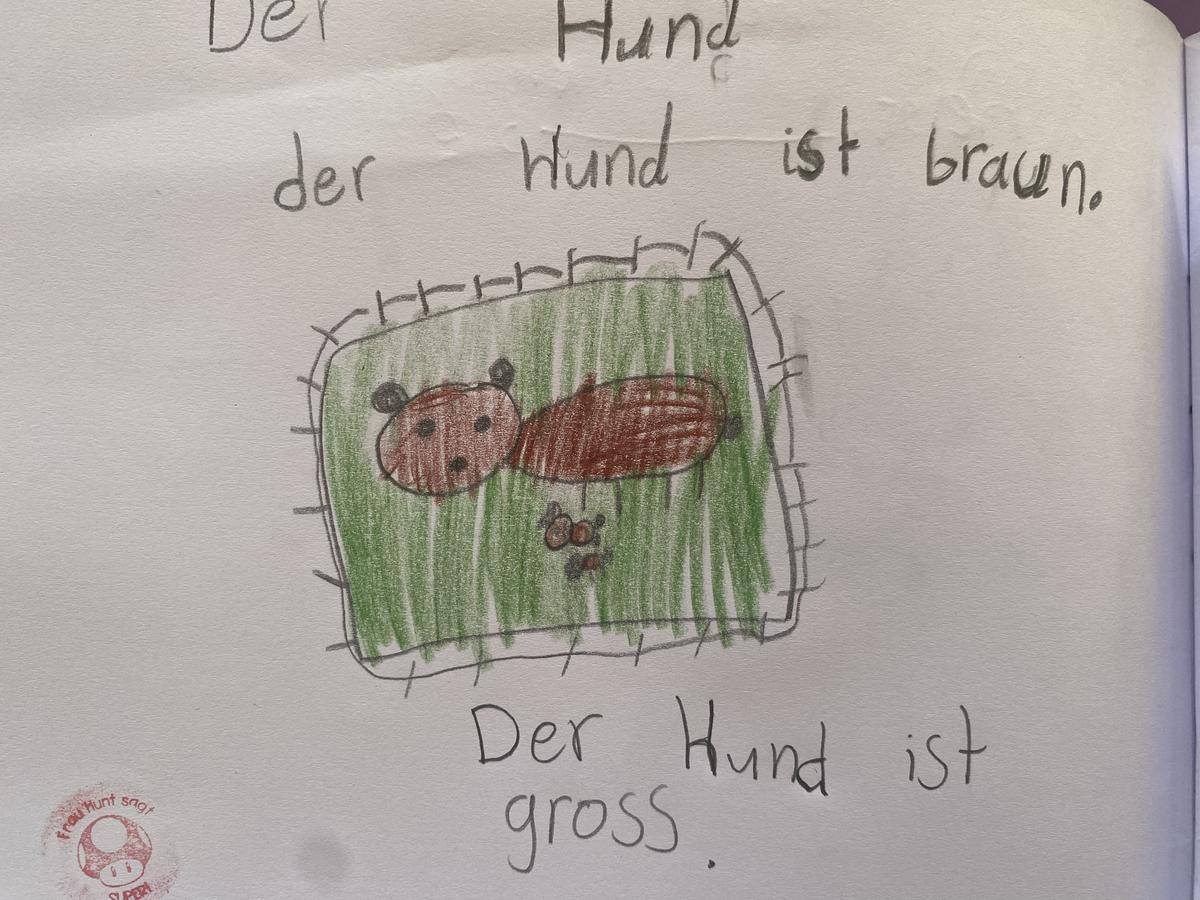
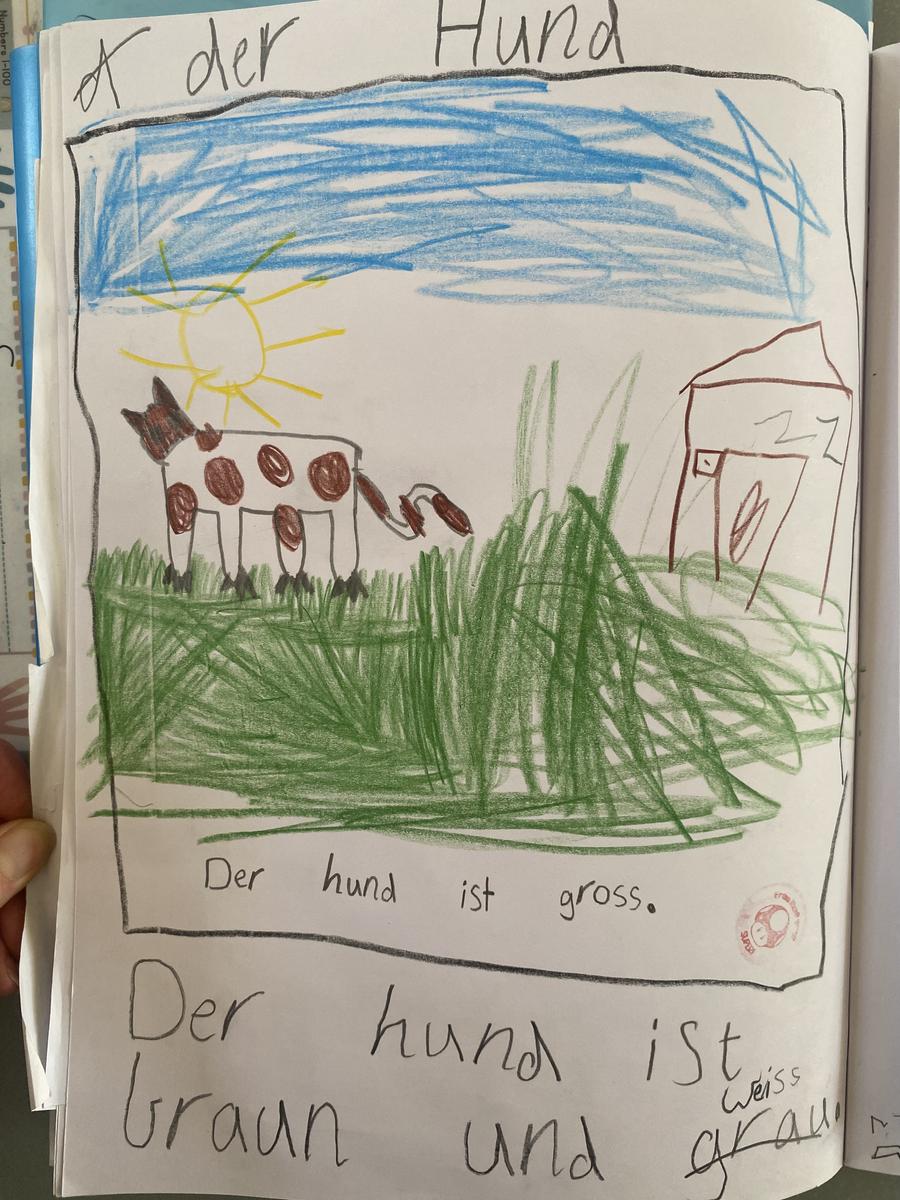
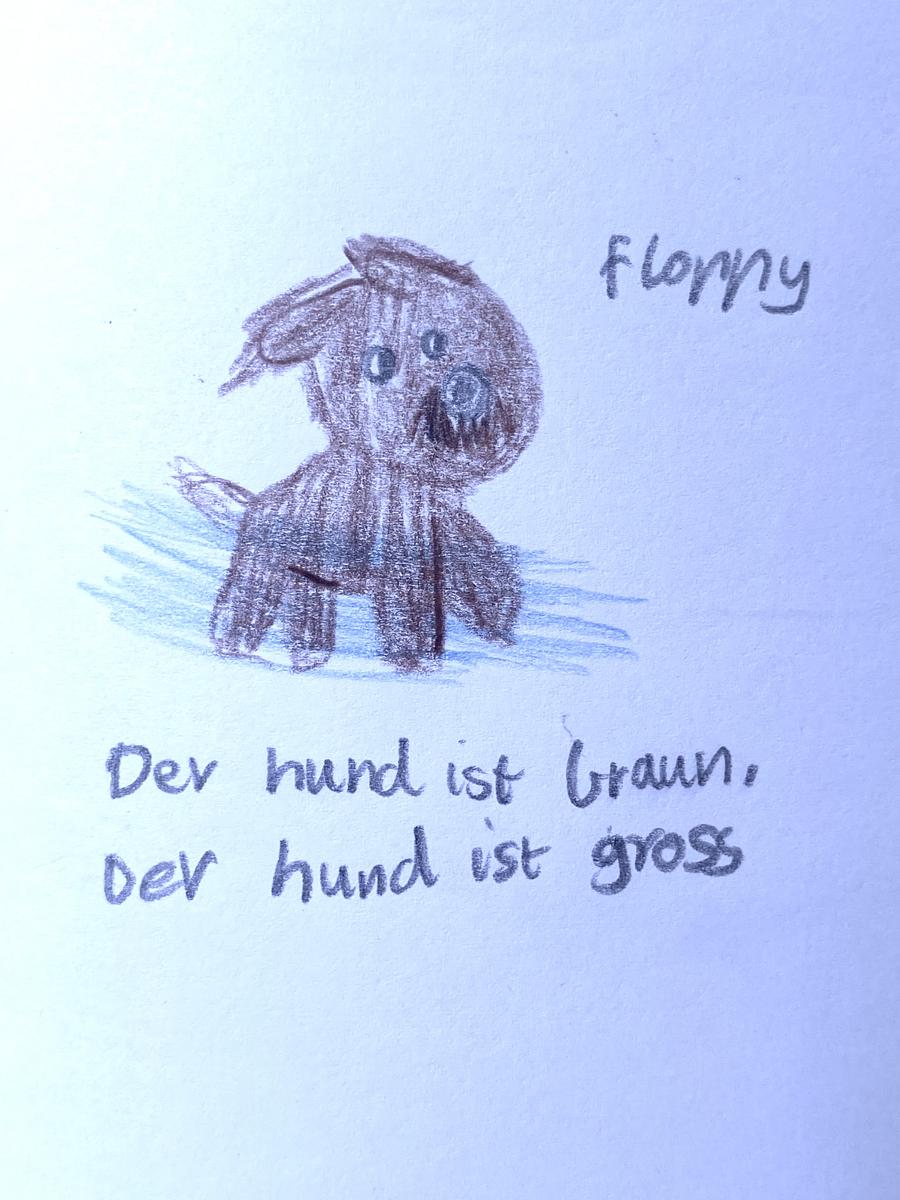
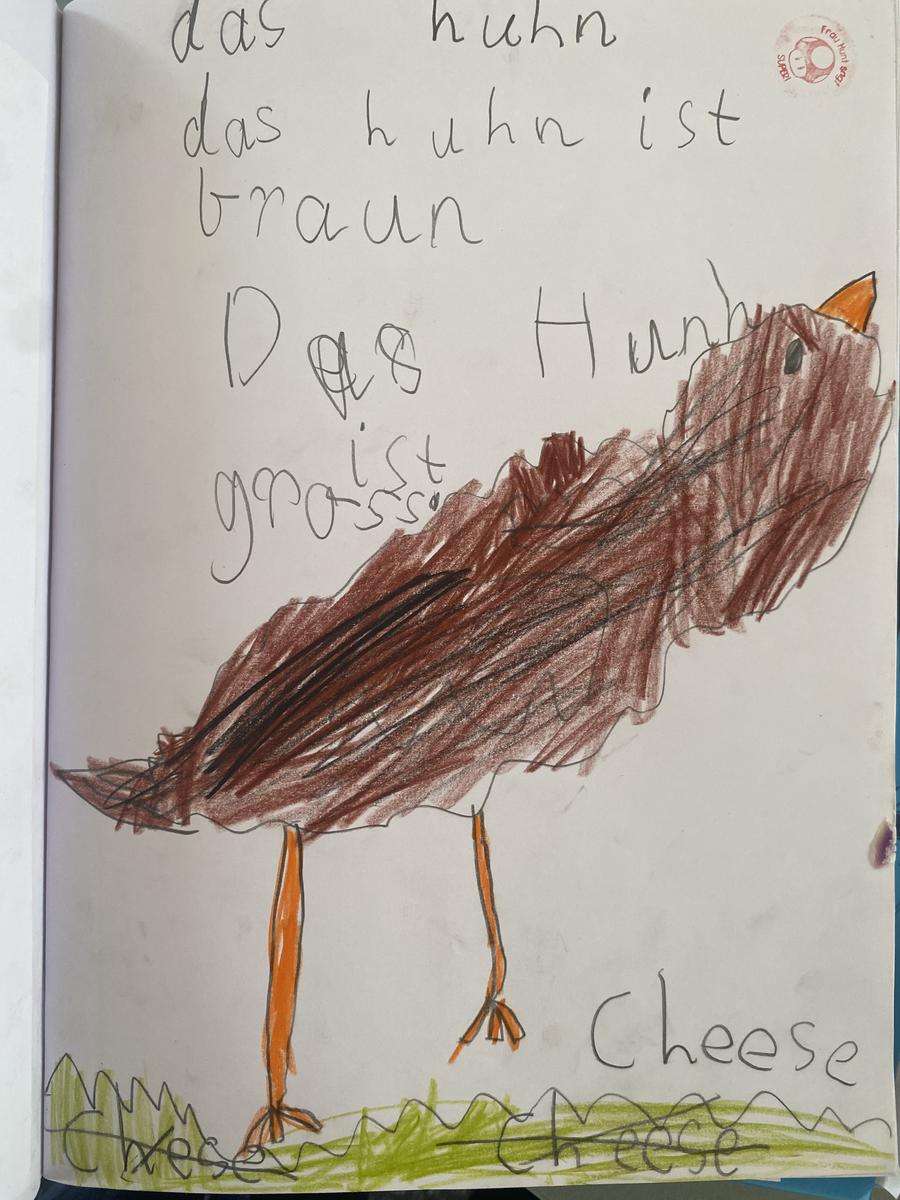
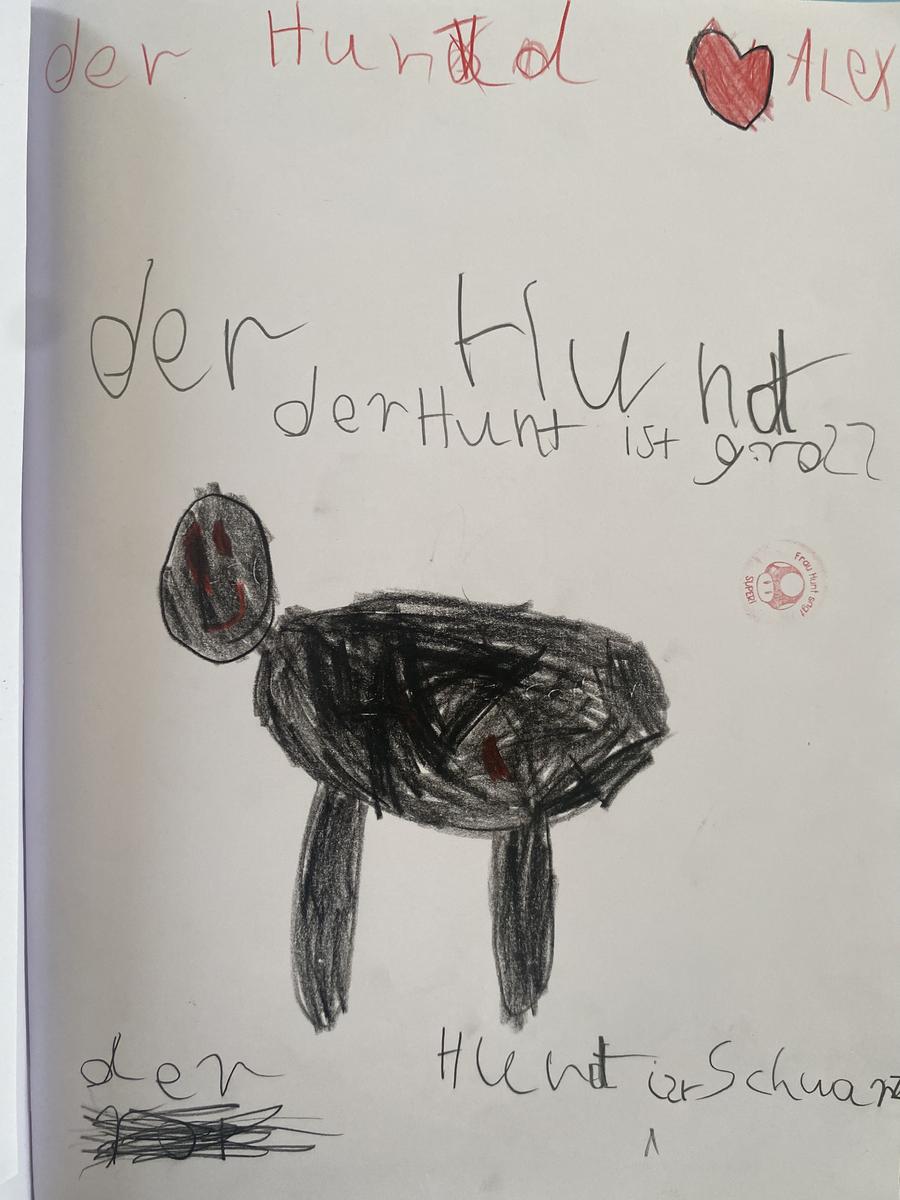
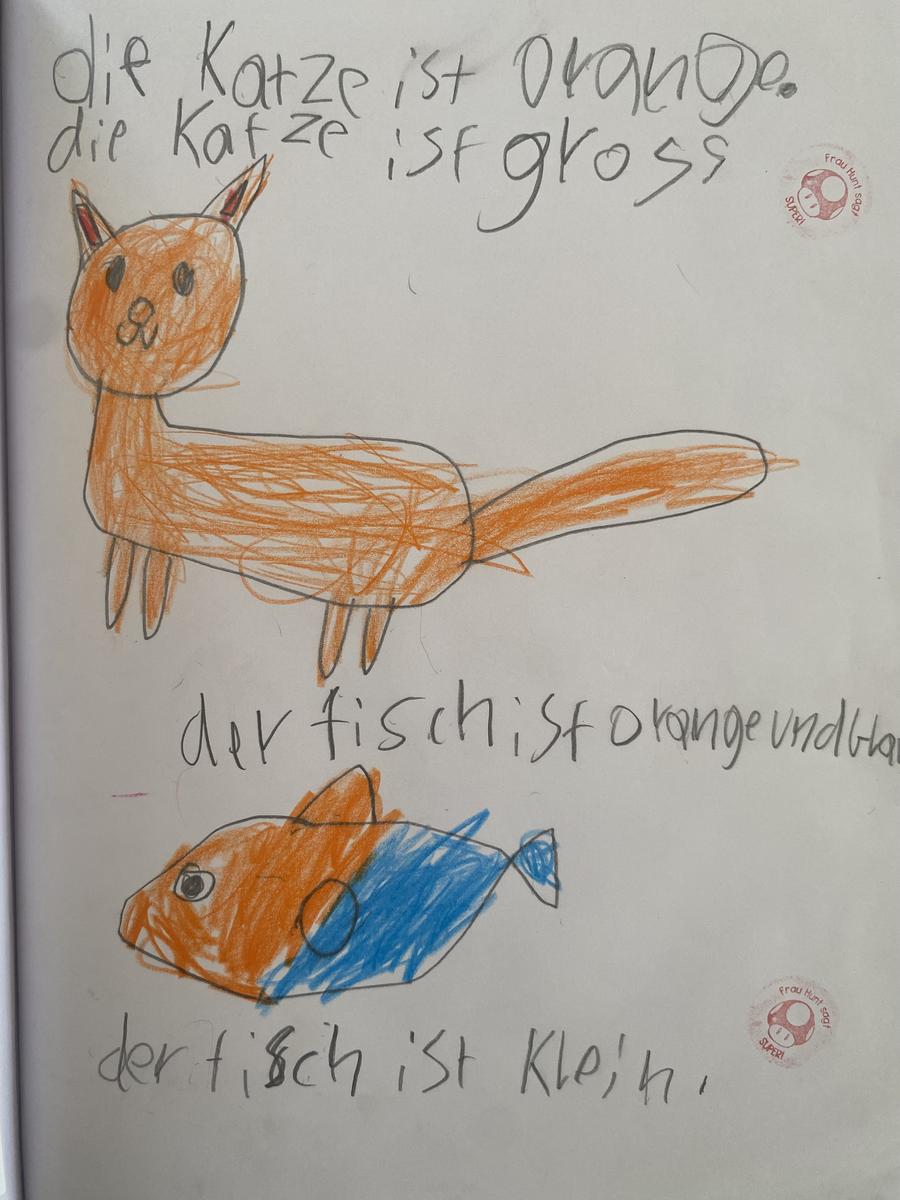
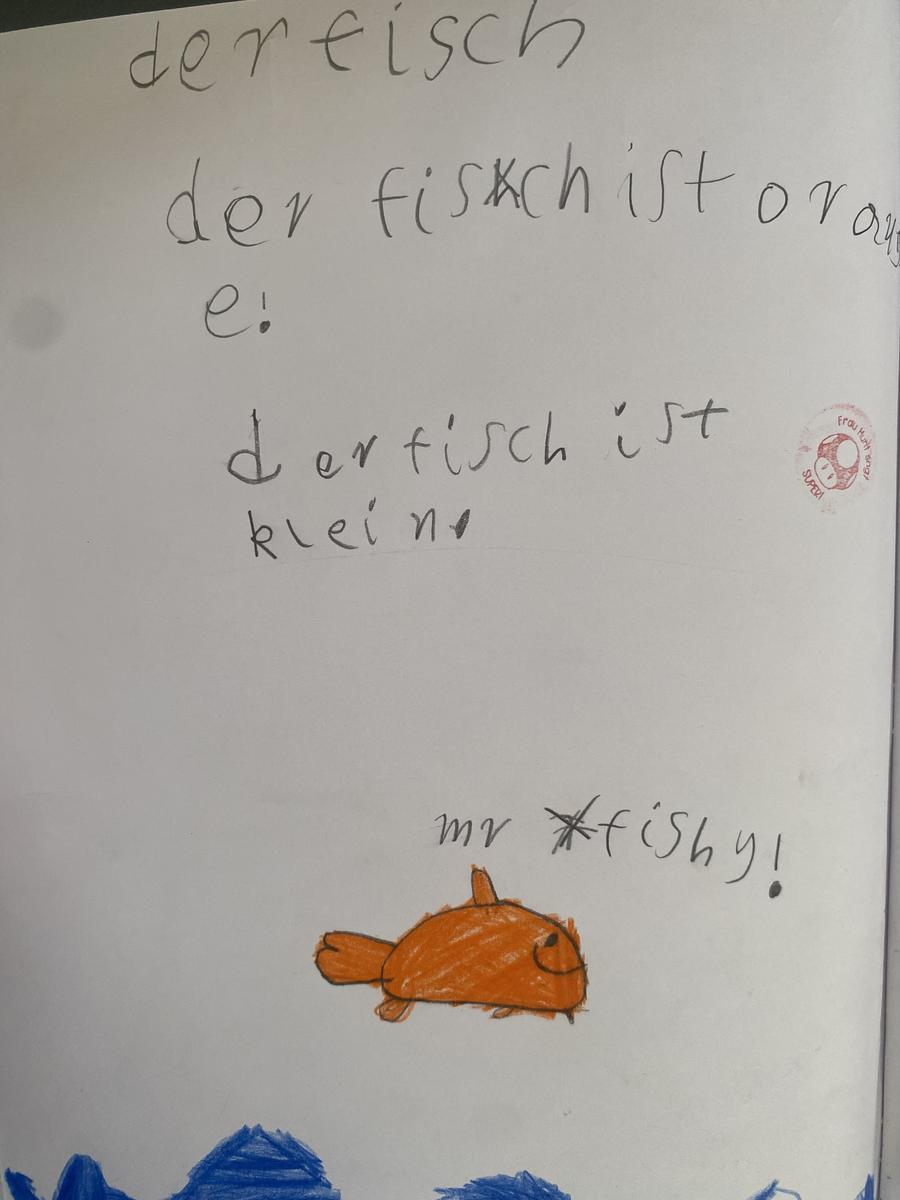
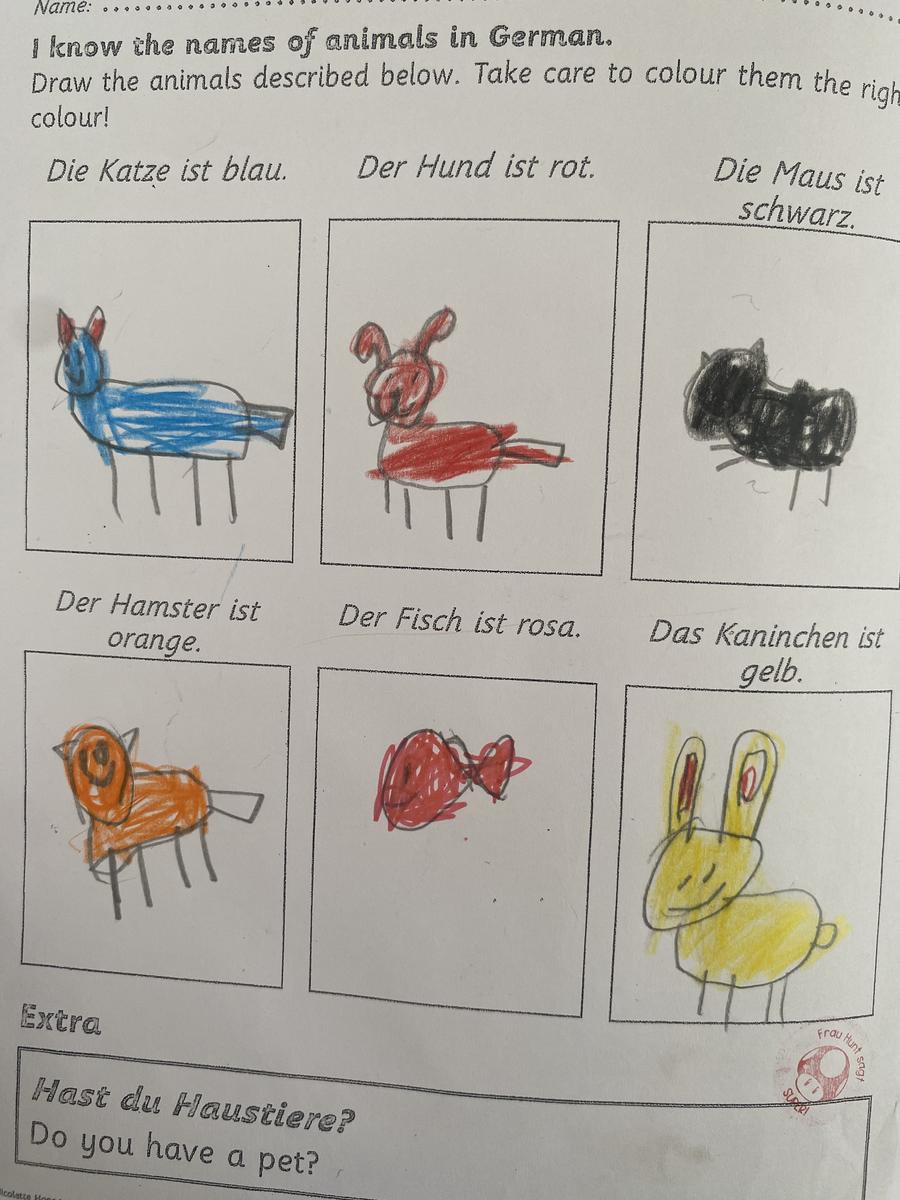
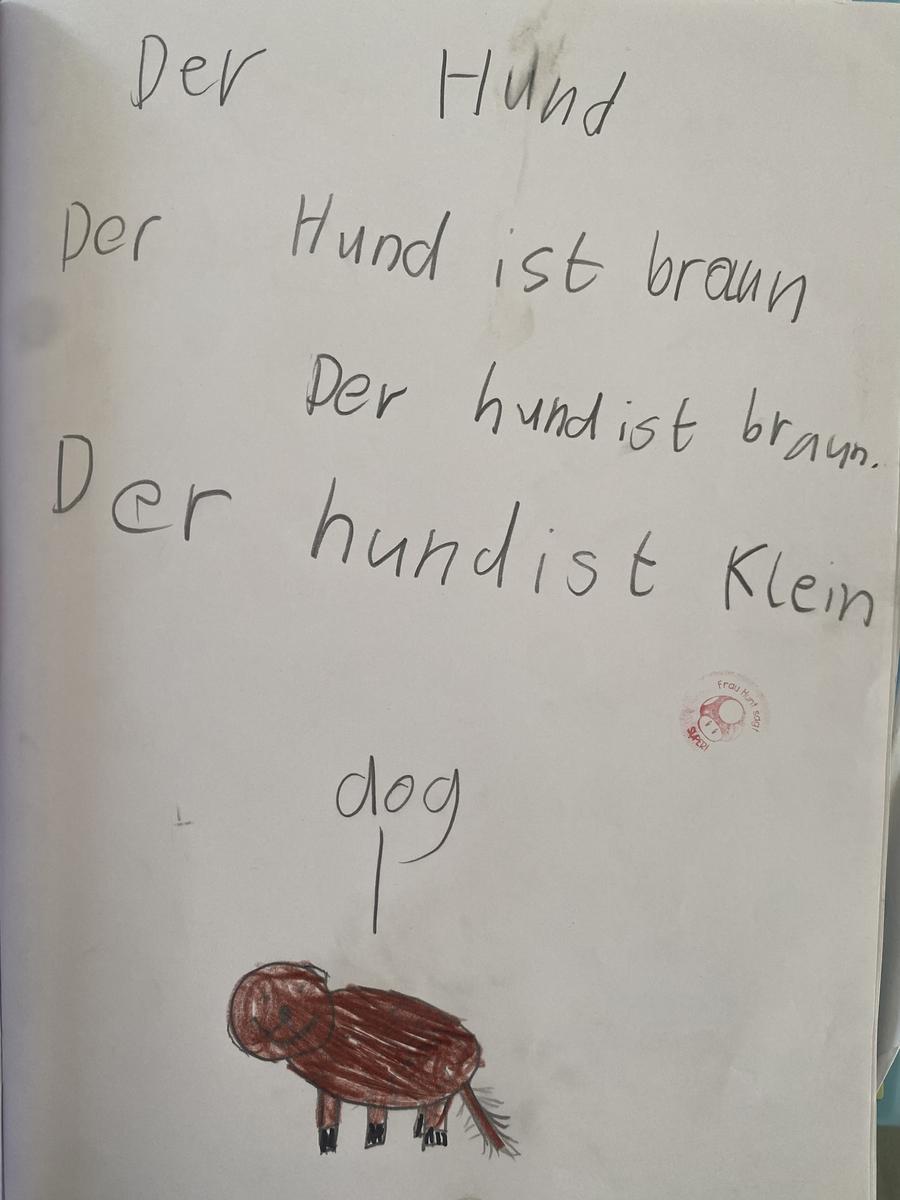
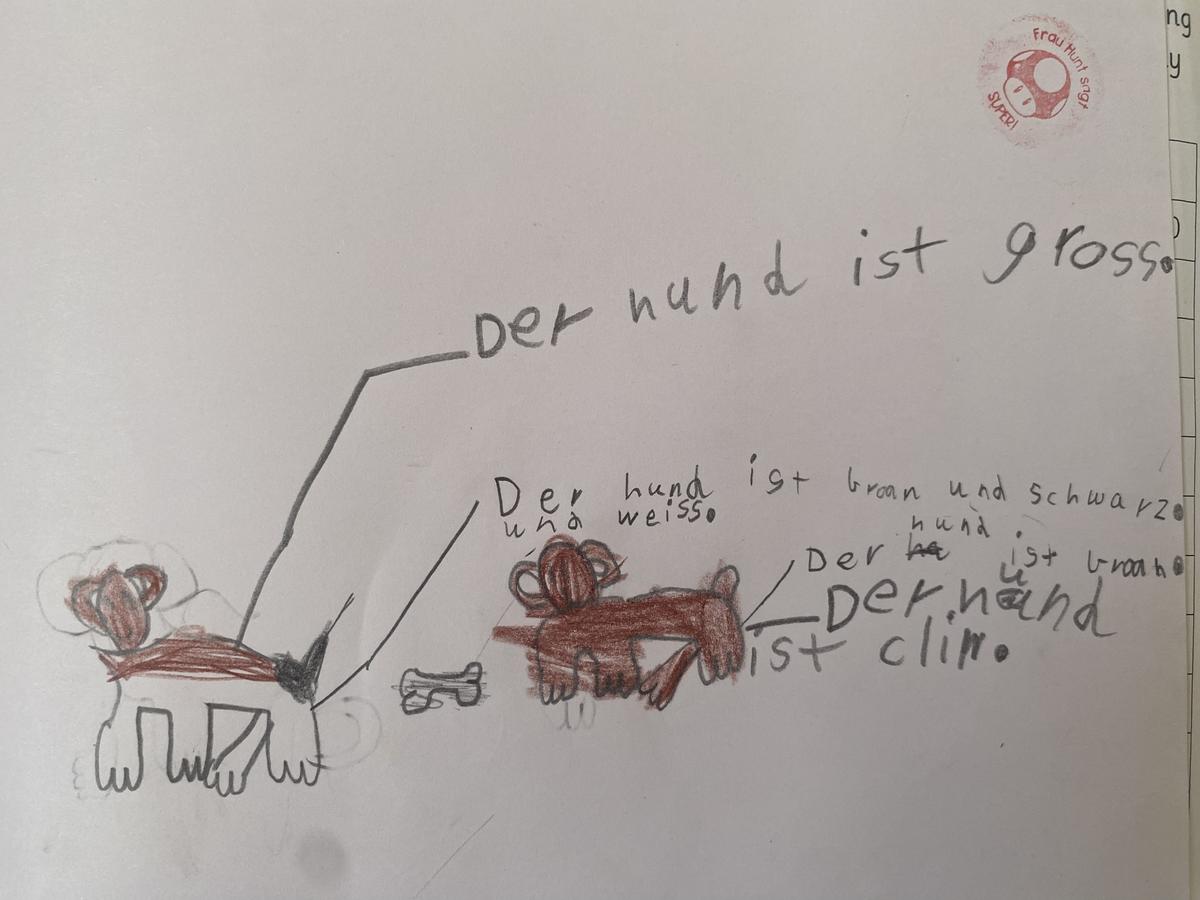
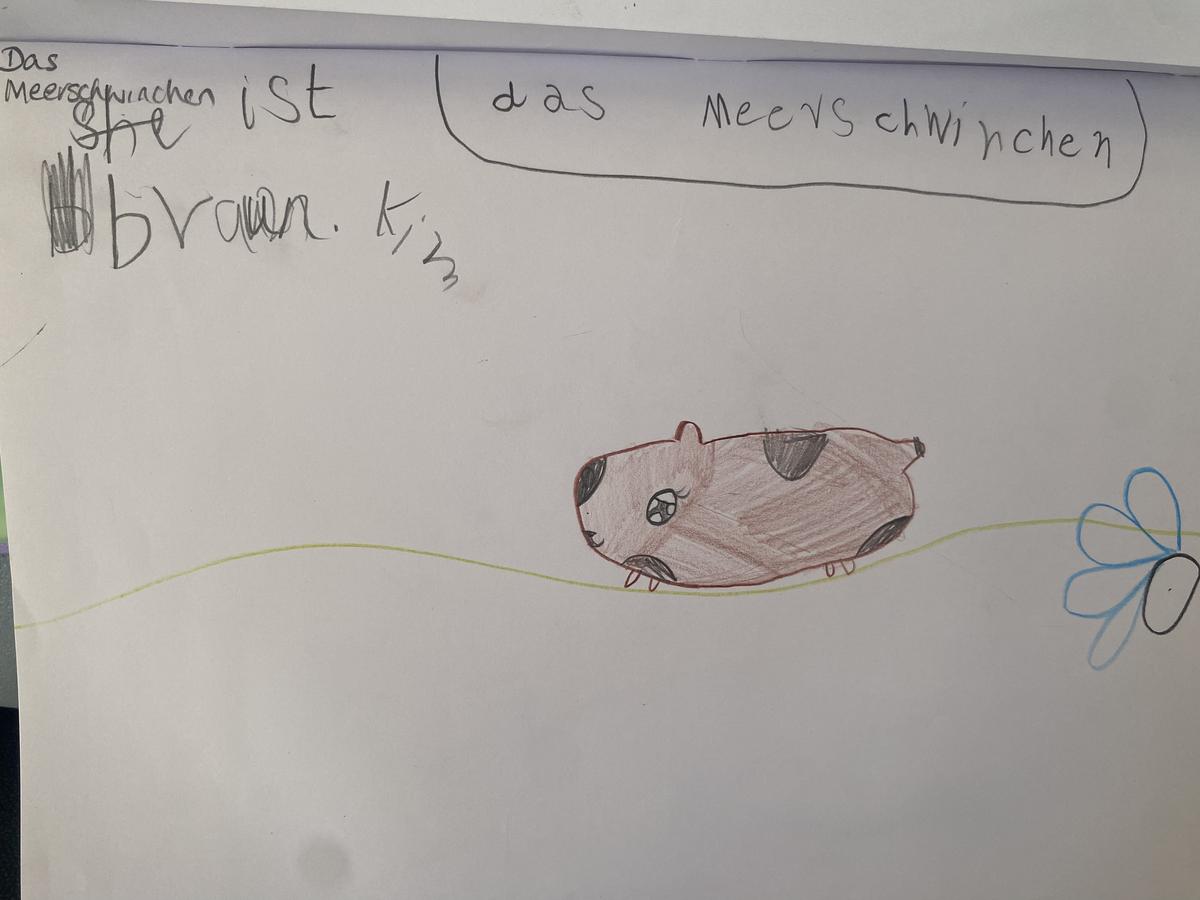
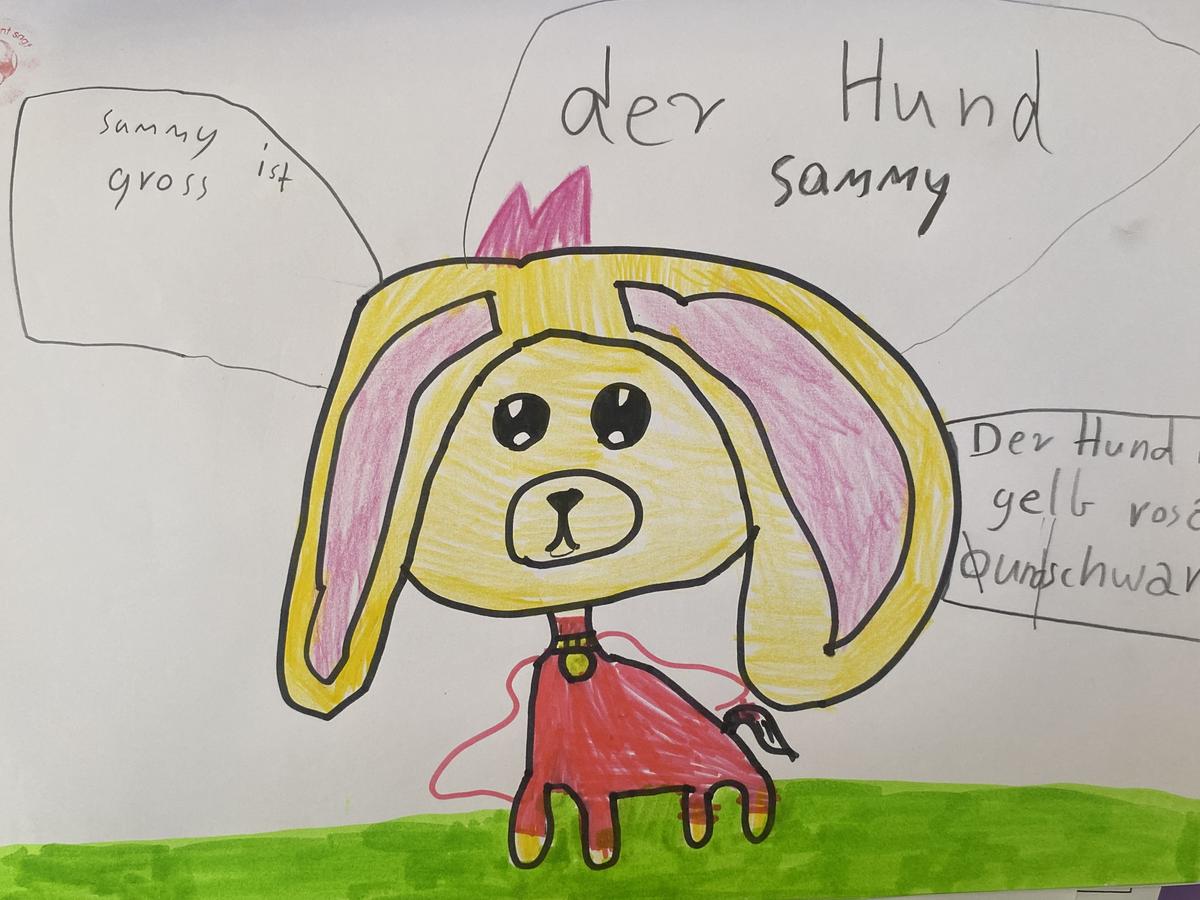
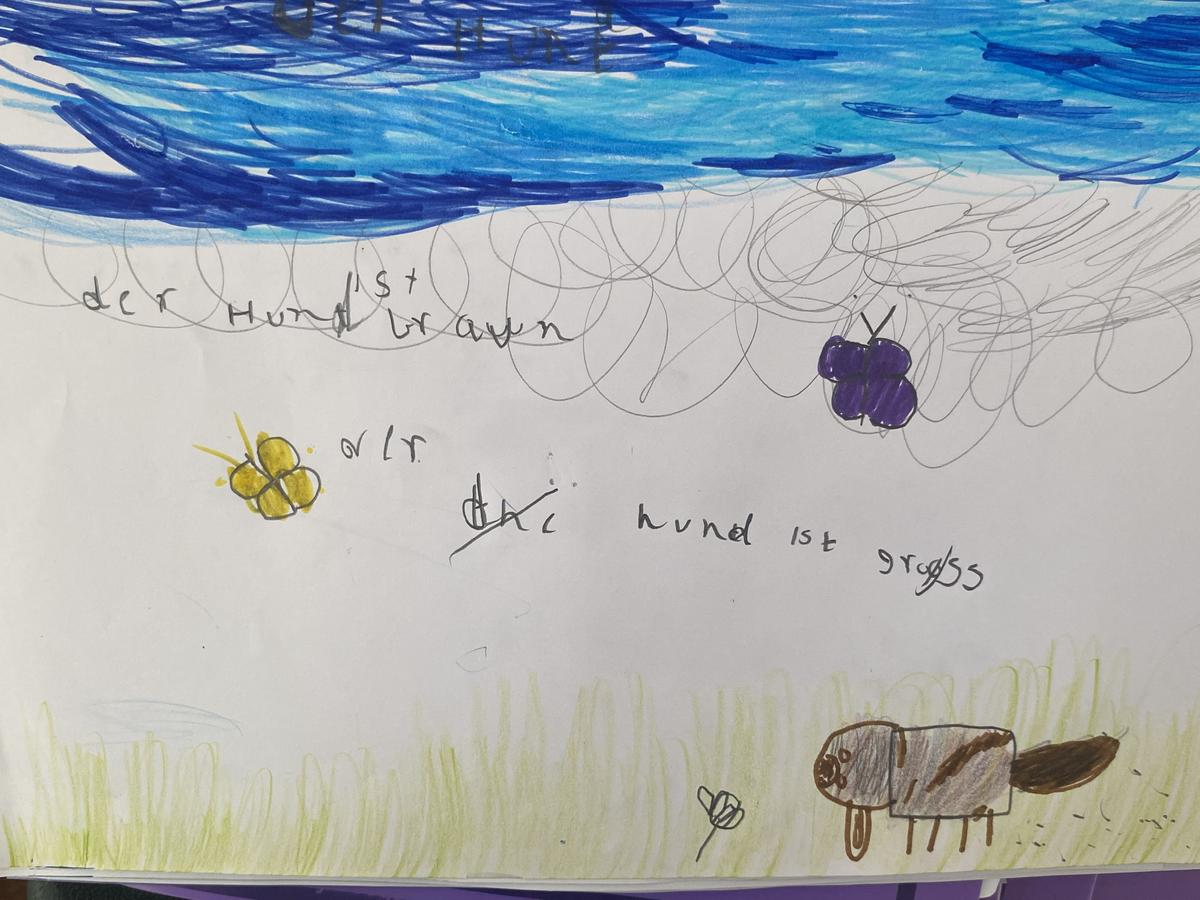
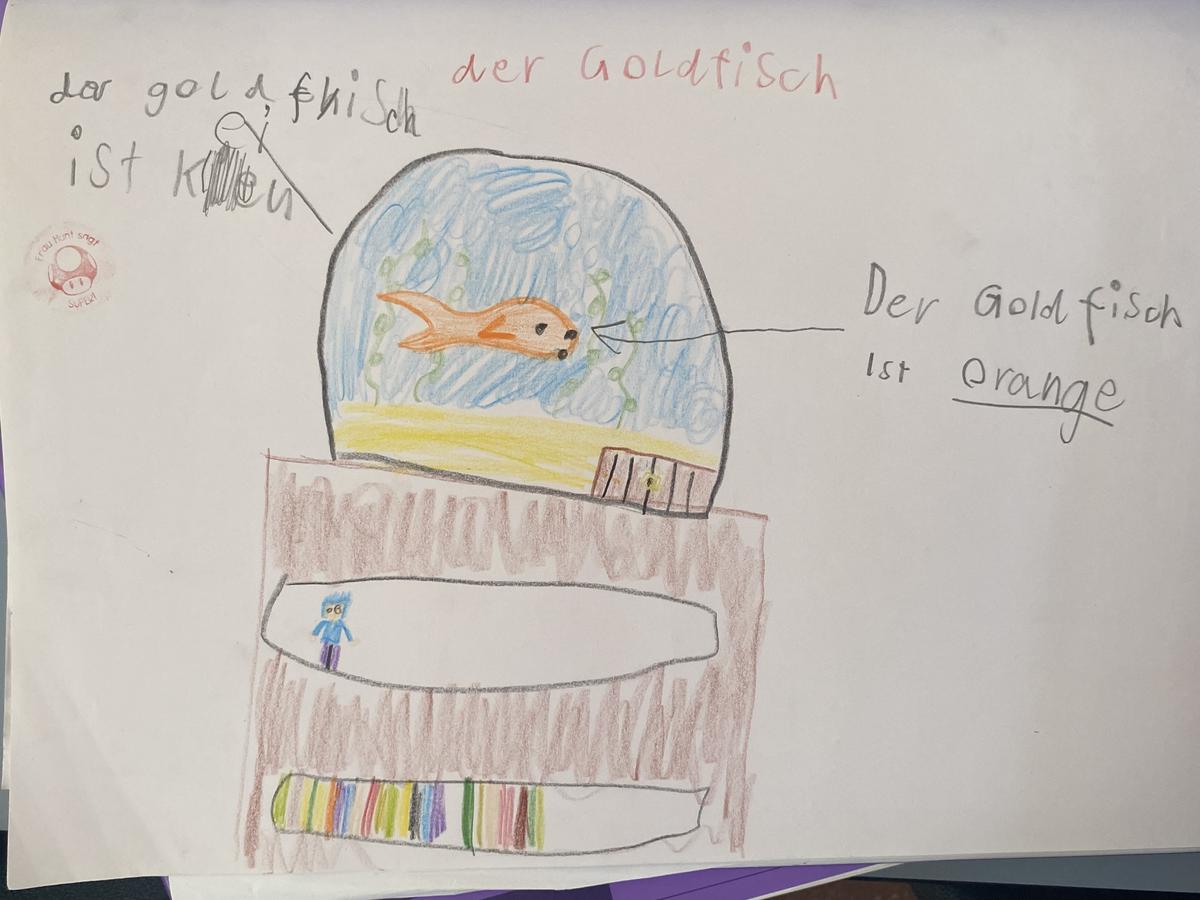
This term, students are learning vocabulary related to sporting activities. They will then learn how to say what their favourite thing is and apply this to activities, pets and colours to build familiarity and fluency with their growing base of vocabulary and language structures. We will be using simplified role-plays, games, activity sheets and written tasks to continue to develop foundational language skills. Towards the end of term, we will also explore German Christmas traditions and compare these with our own.
Year 3 and 4
Last term, students were introduced to the German names for their different school subjects. They built simple sentences and practised structures to ask and answer questions about when they do something. We used these to take a closer look at some basic grammatical rules and conventions for German sentence structure. Students also looked at the German school day to explore similarities and differences. They then created their ideal weekly school timetable. It was fabulous to see their individual interests and passions evident in these.
This term, we are looking at ‘der Körper’ (the body) and extending students’ vocabulary for different body parts. Students will learn and practise using the names for different body parts, a range of adjectives and simple language structures to describe themselves and others. Catchy songs, multimedia texts, classroom dialogue, games and activity sheets will be used to support their learning and further develop their language skills. Towards the end of term we will also look at German Christmas traditions and how they influence our own/those in Australia.
Year 5 and 6
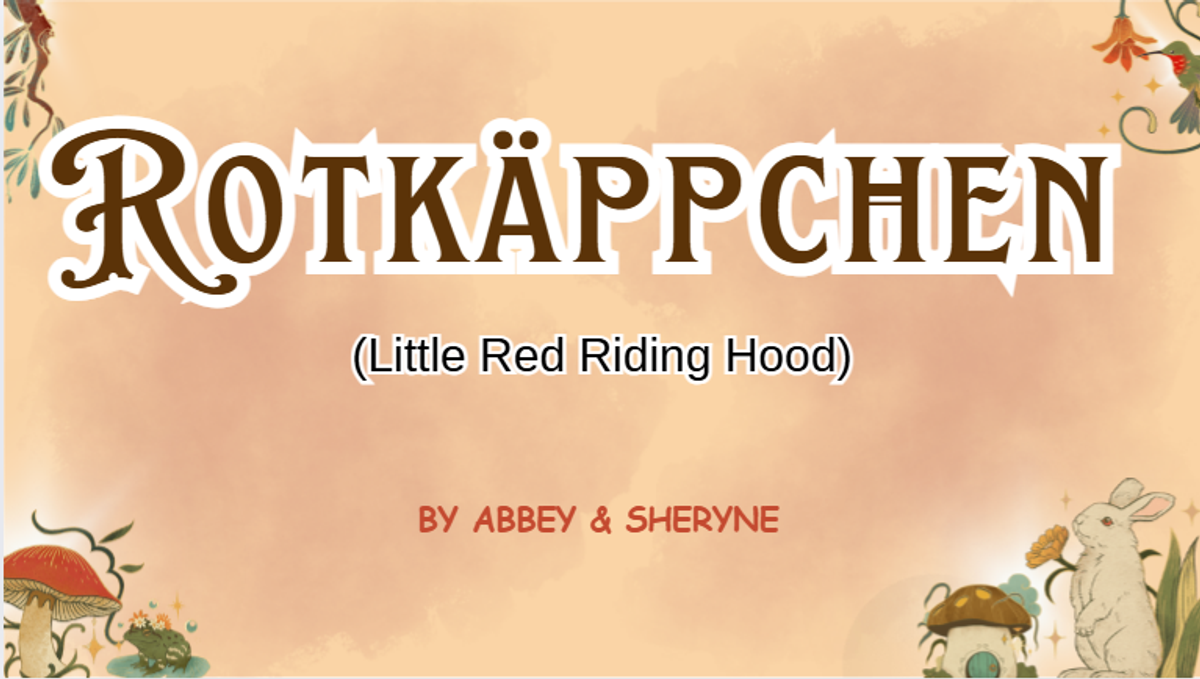
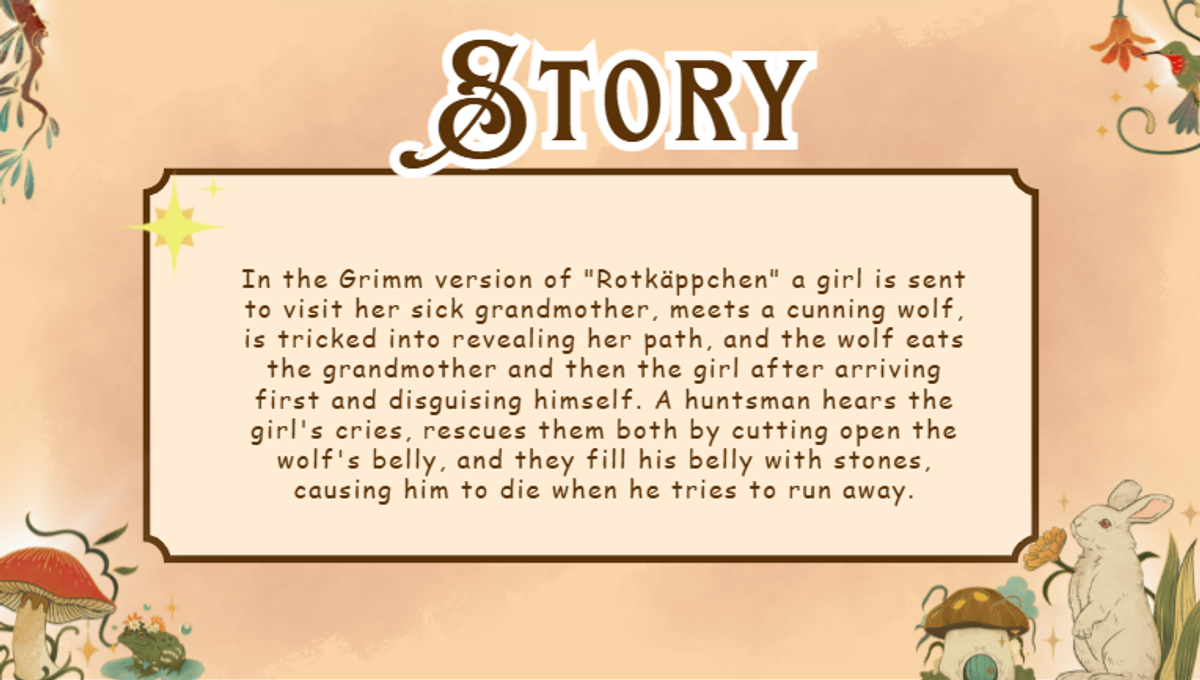
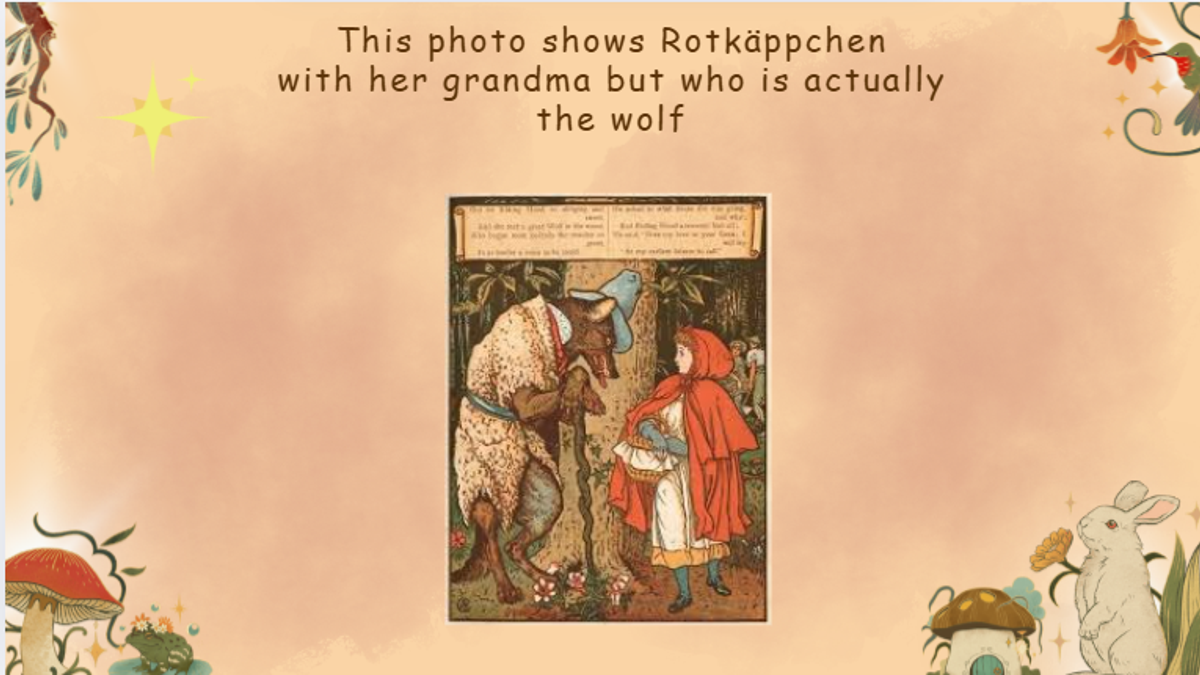
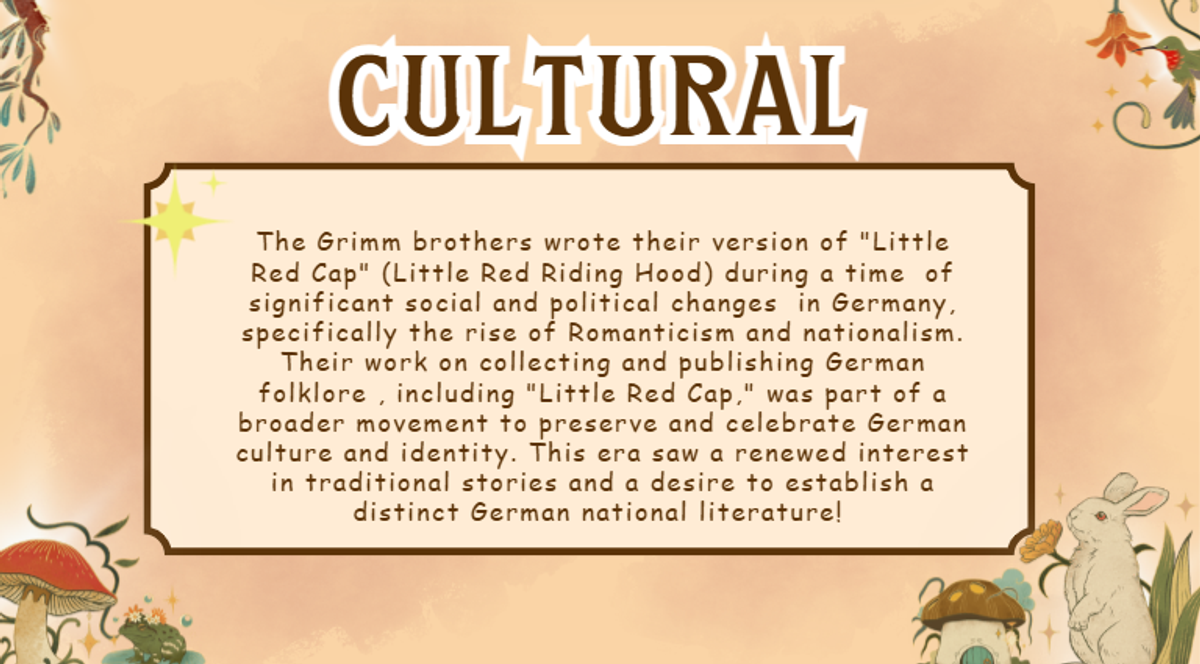
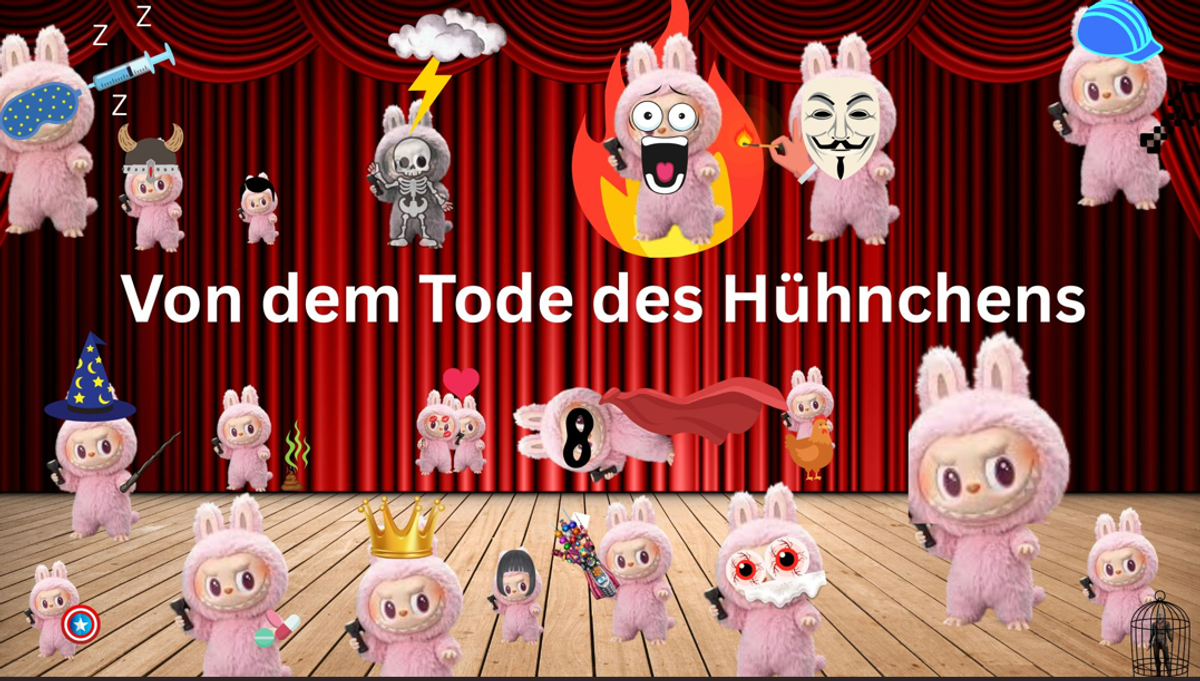
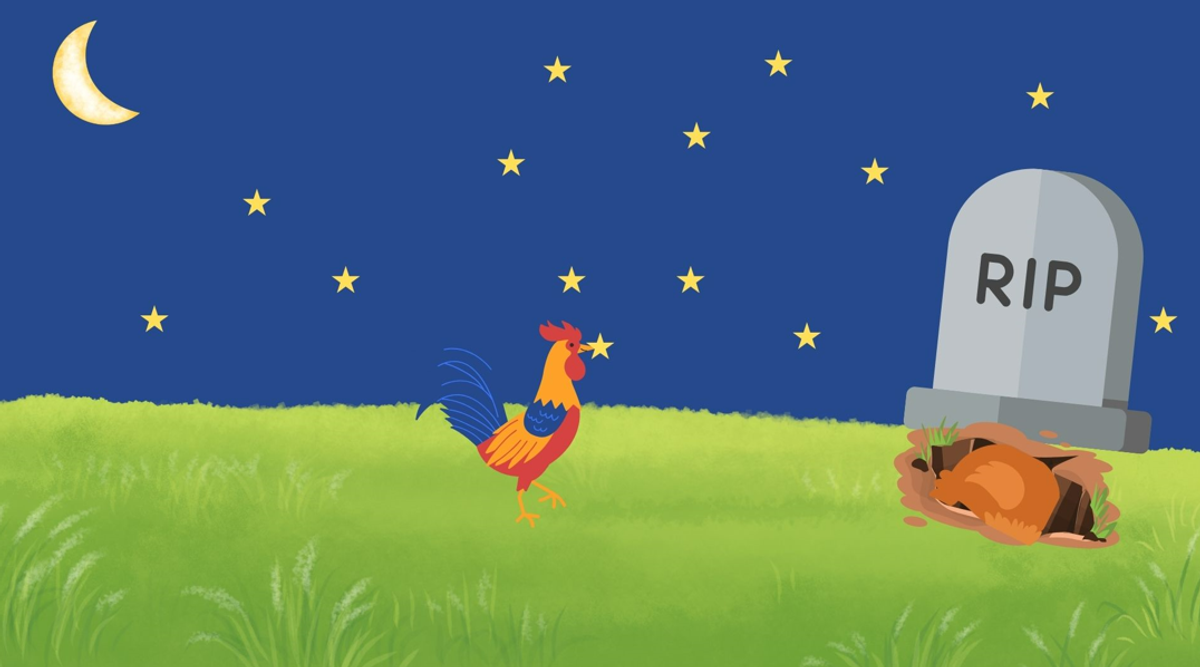
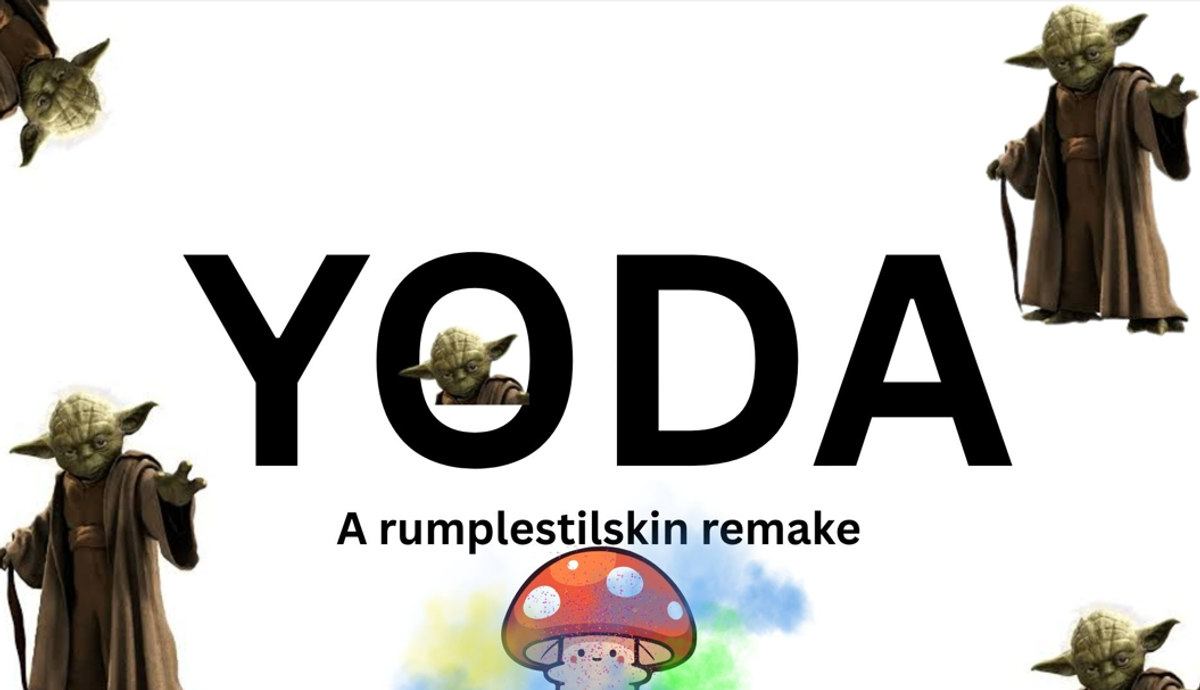
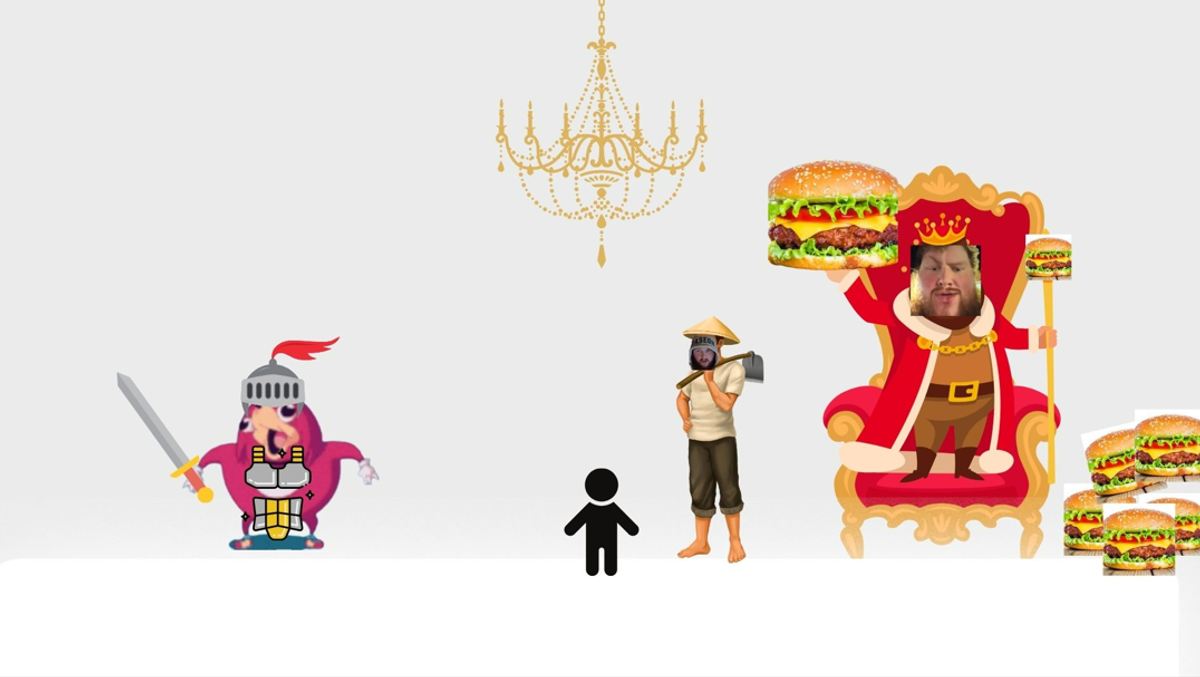
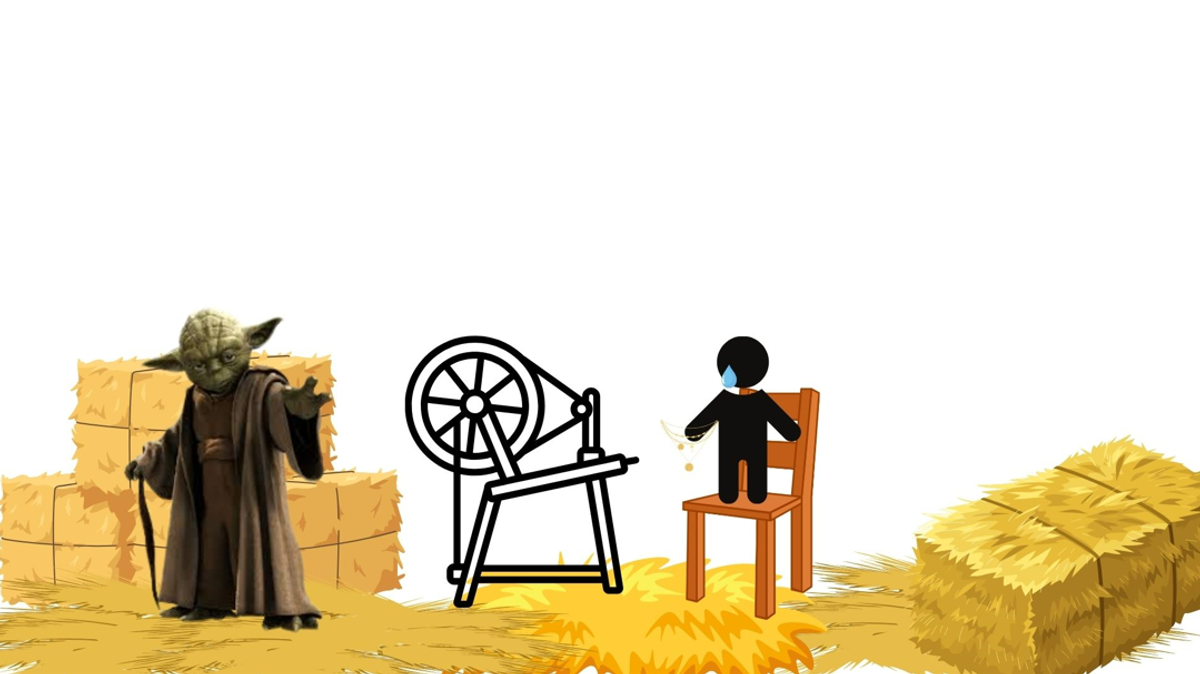
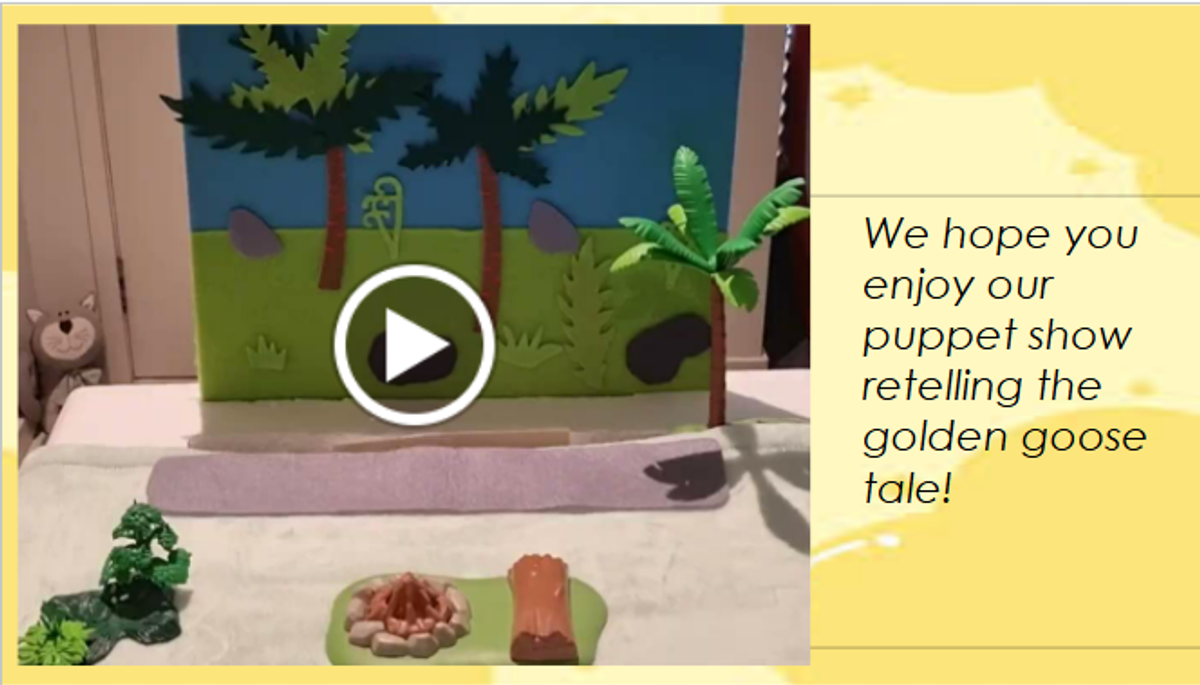
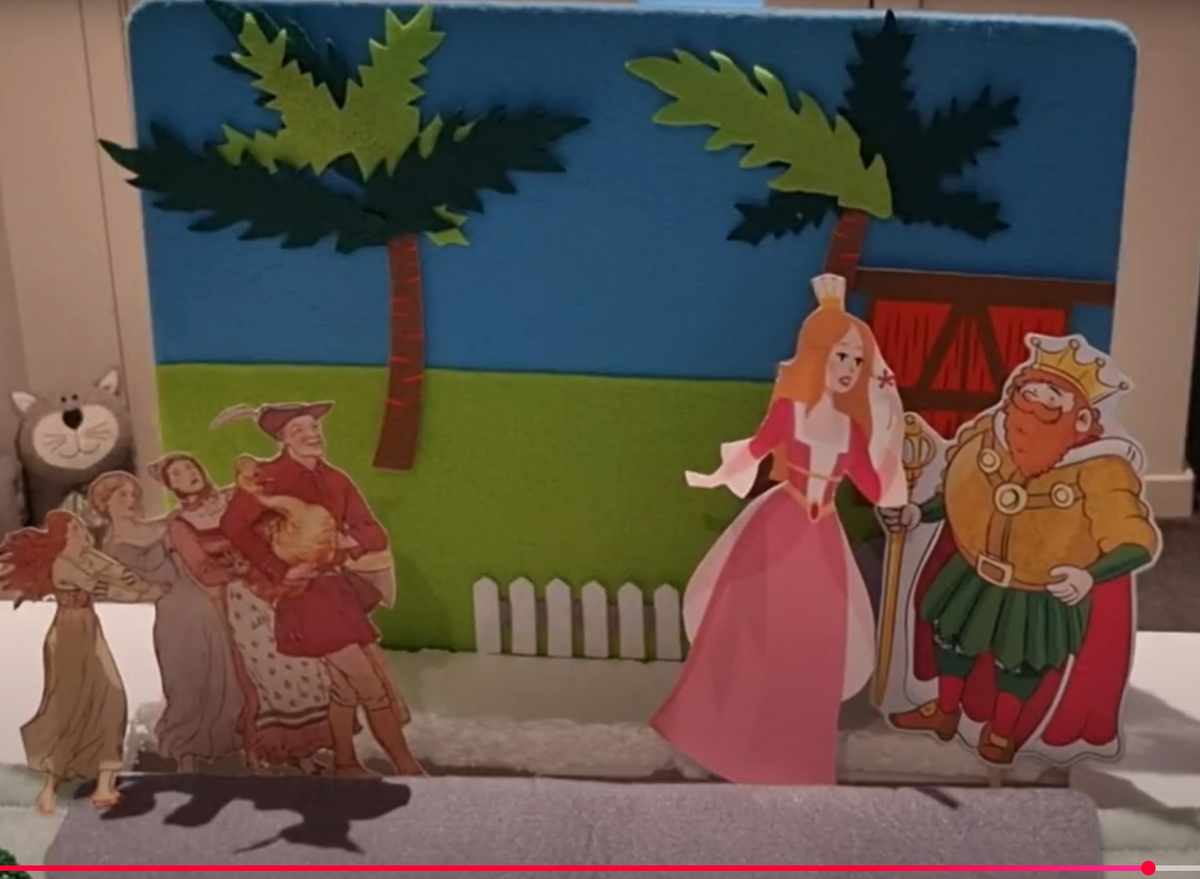
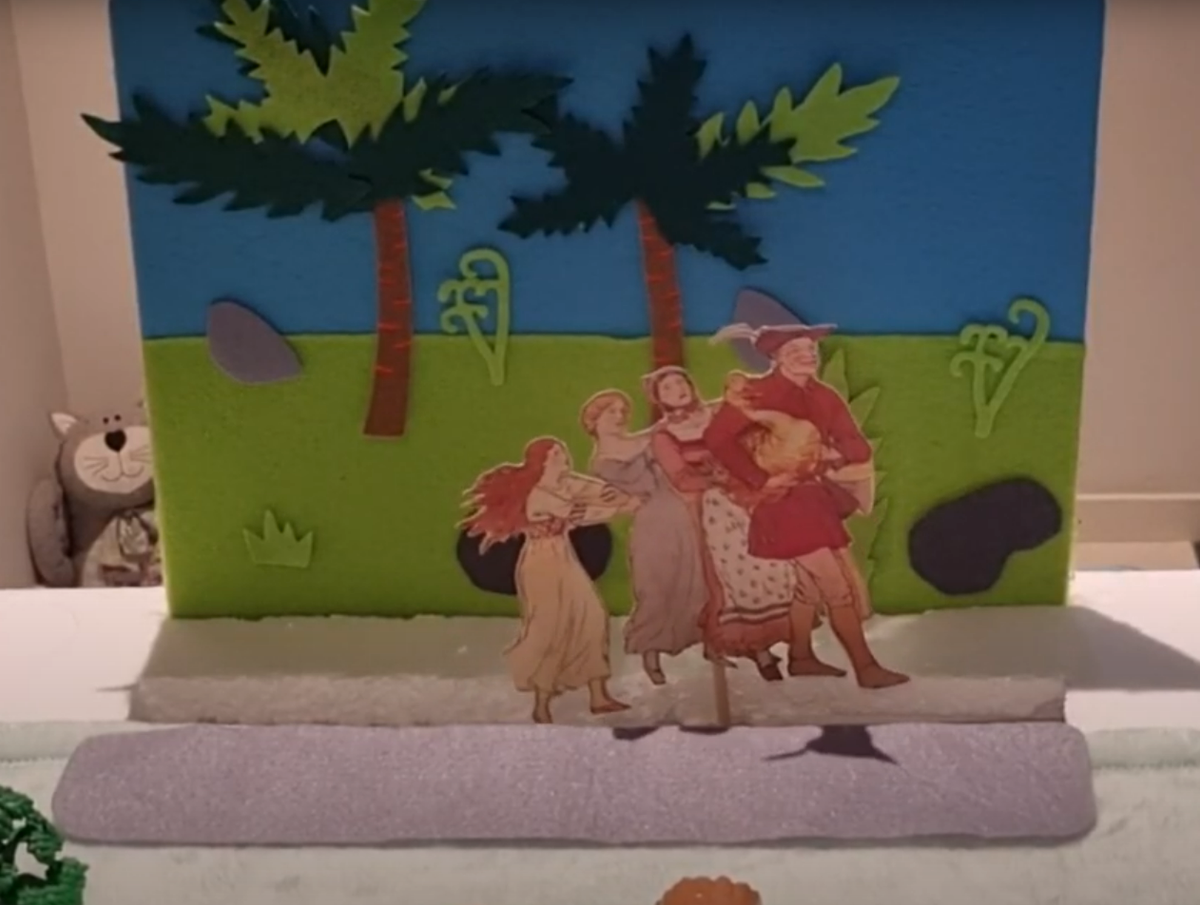
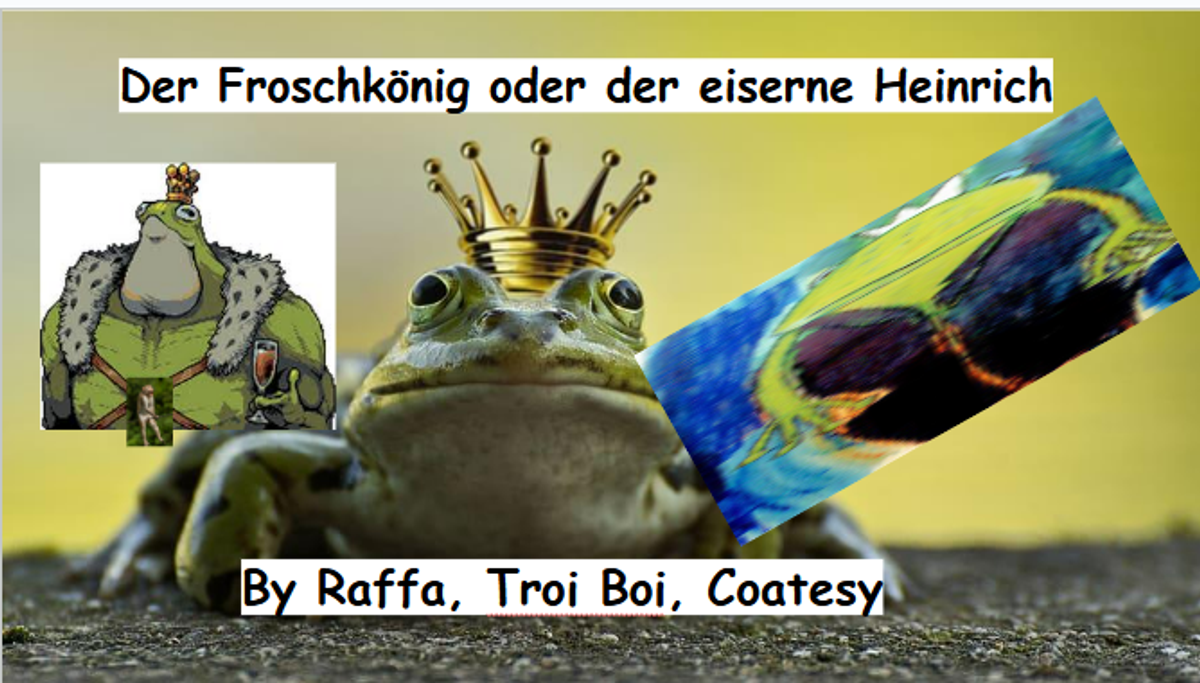
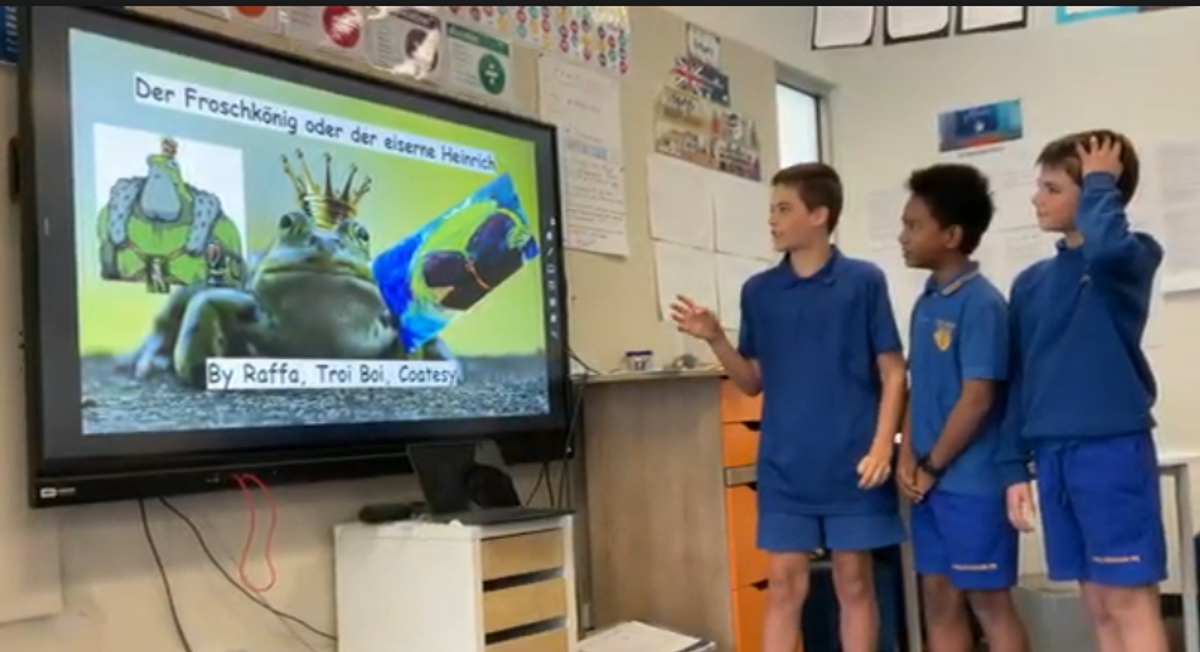
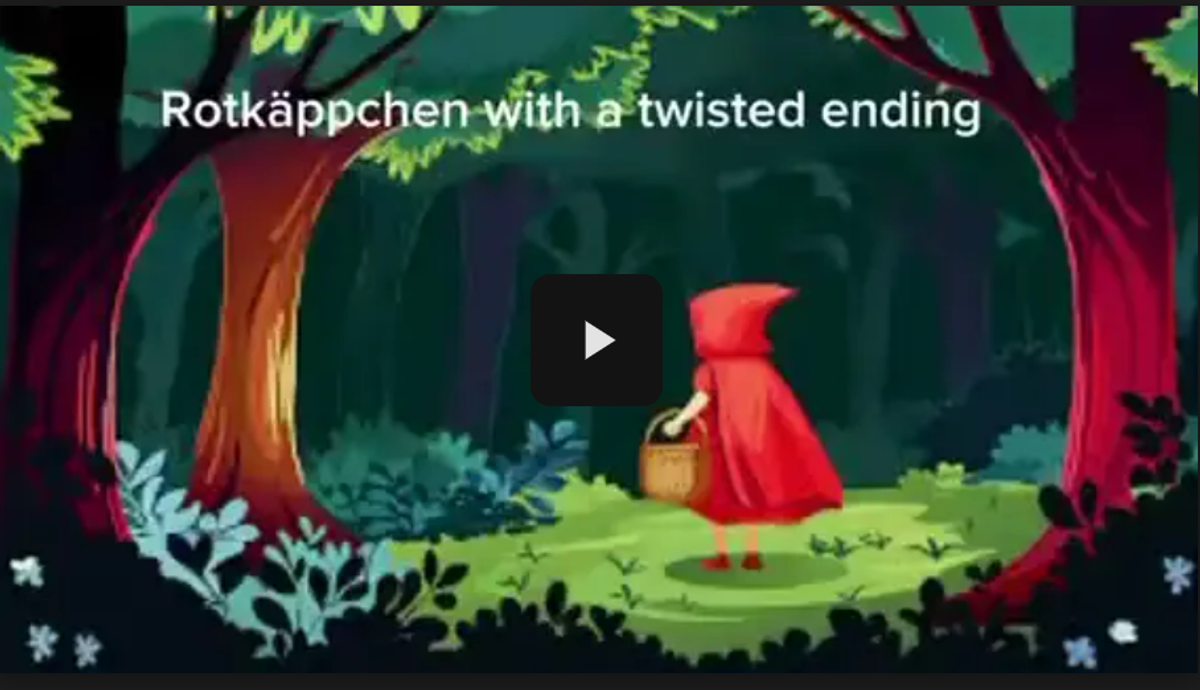
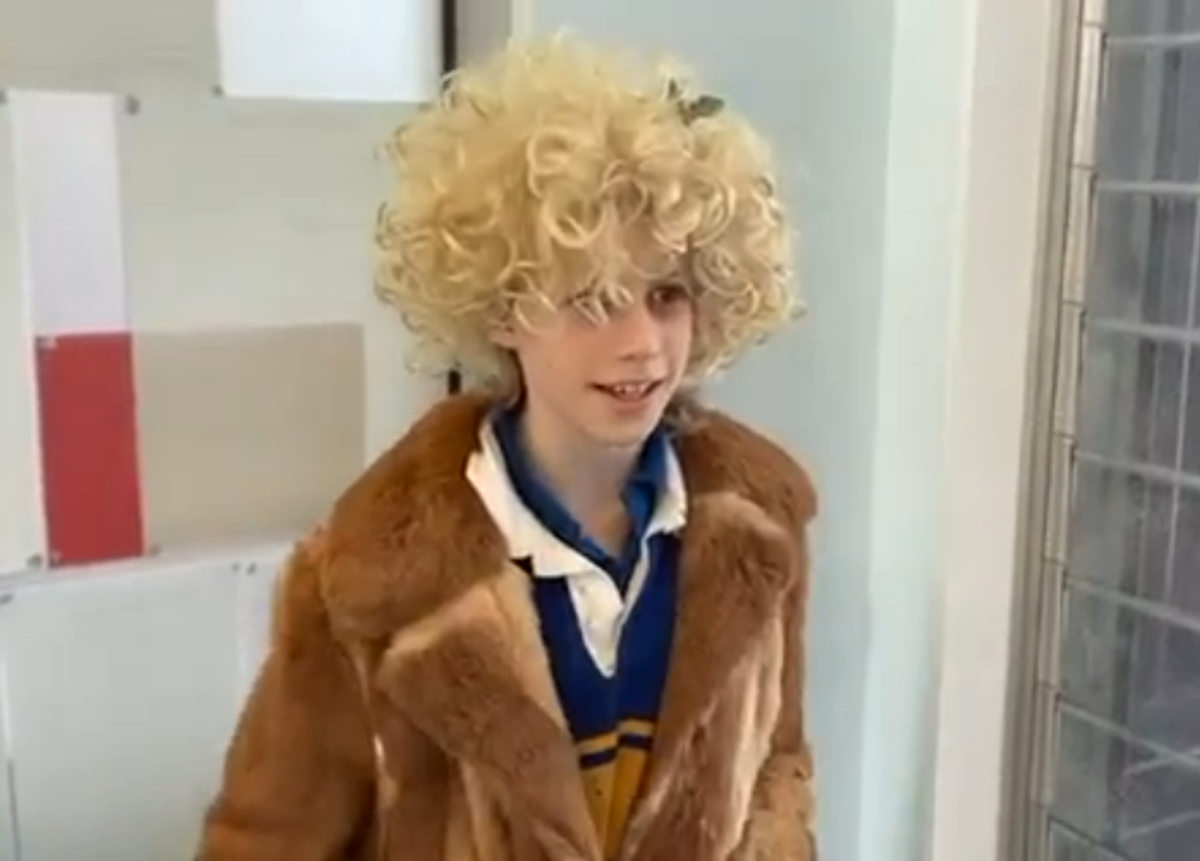
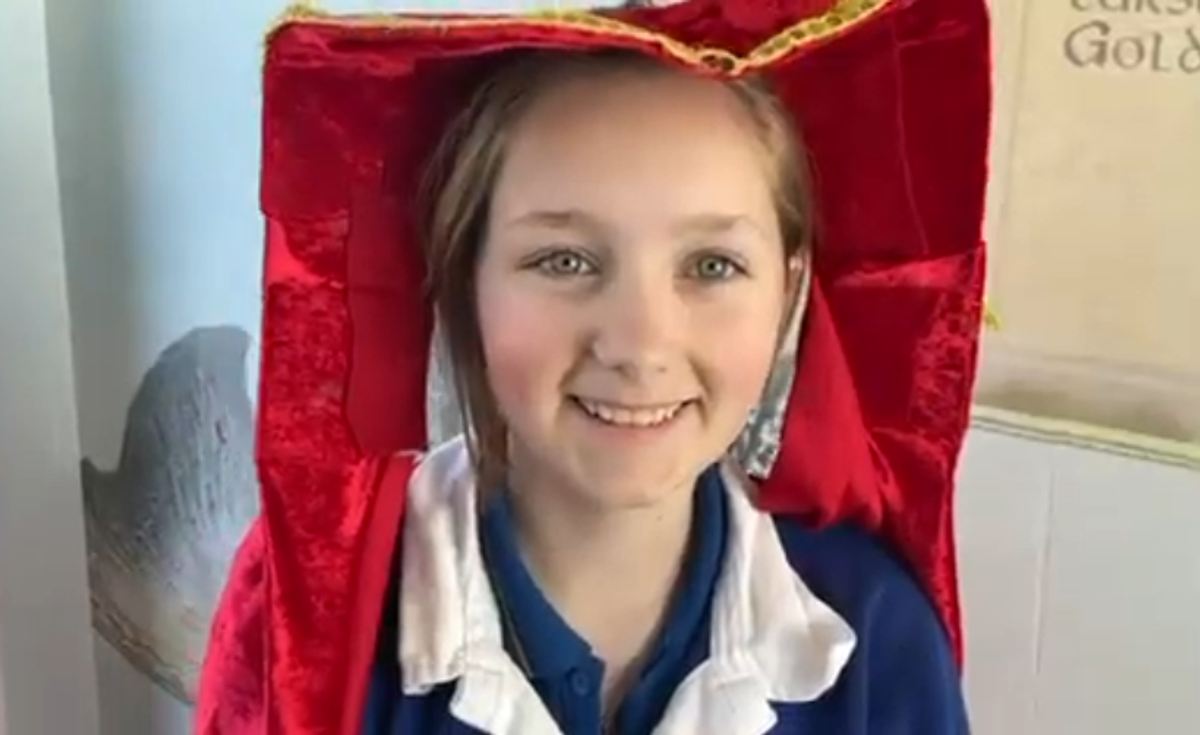
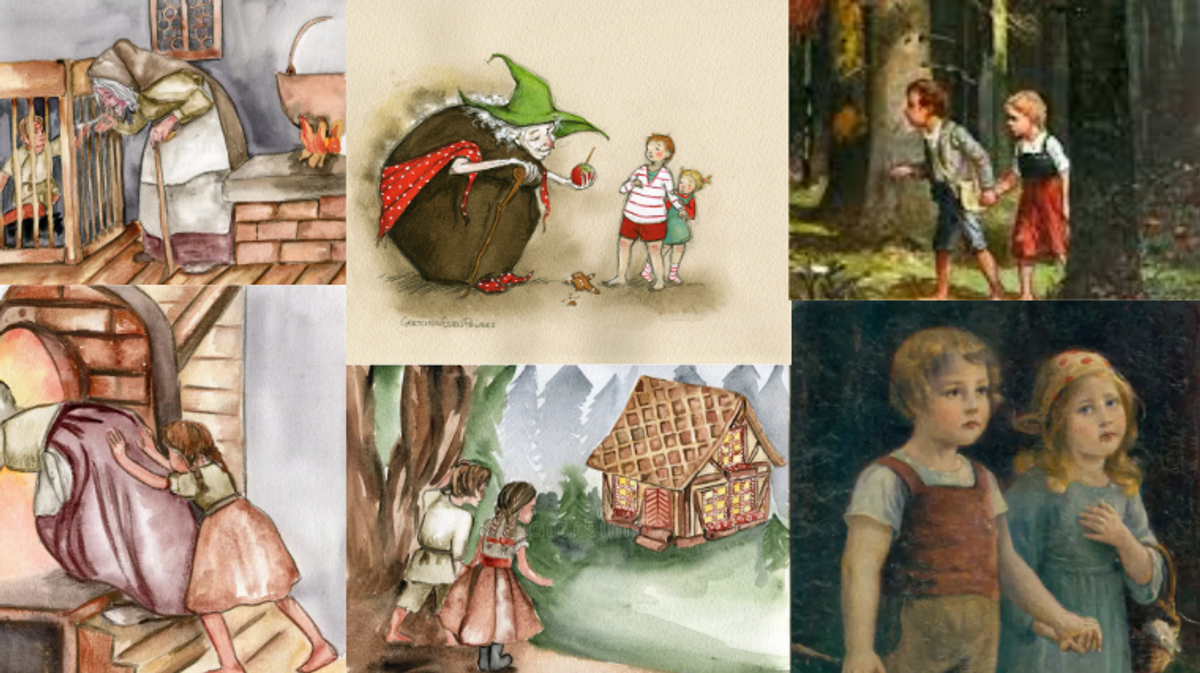
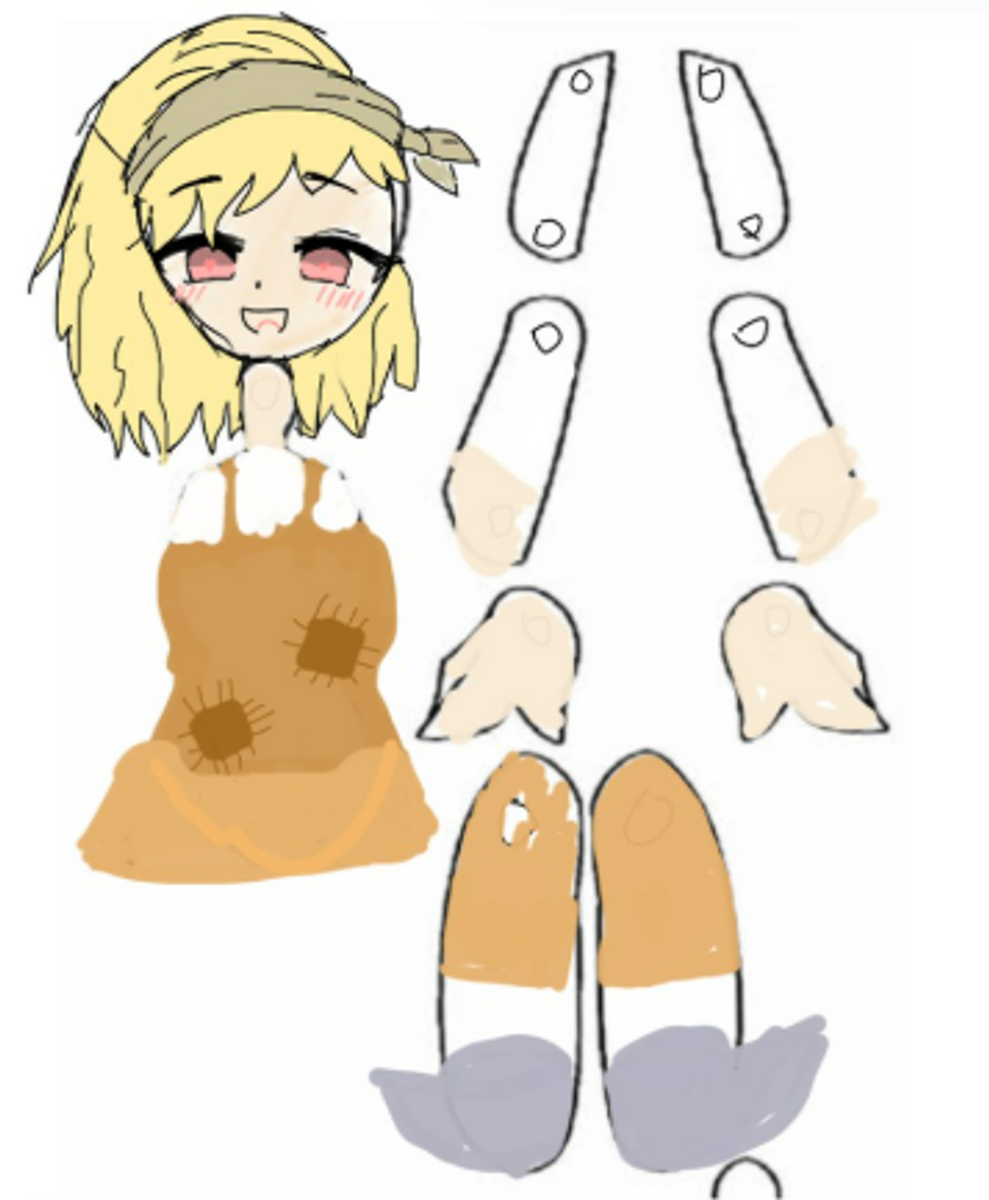
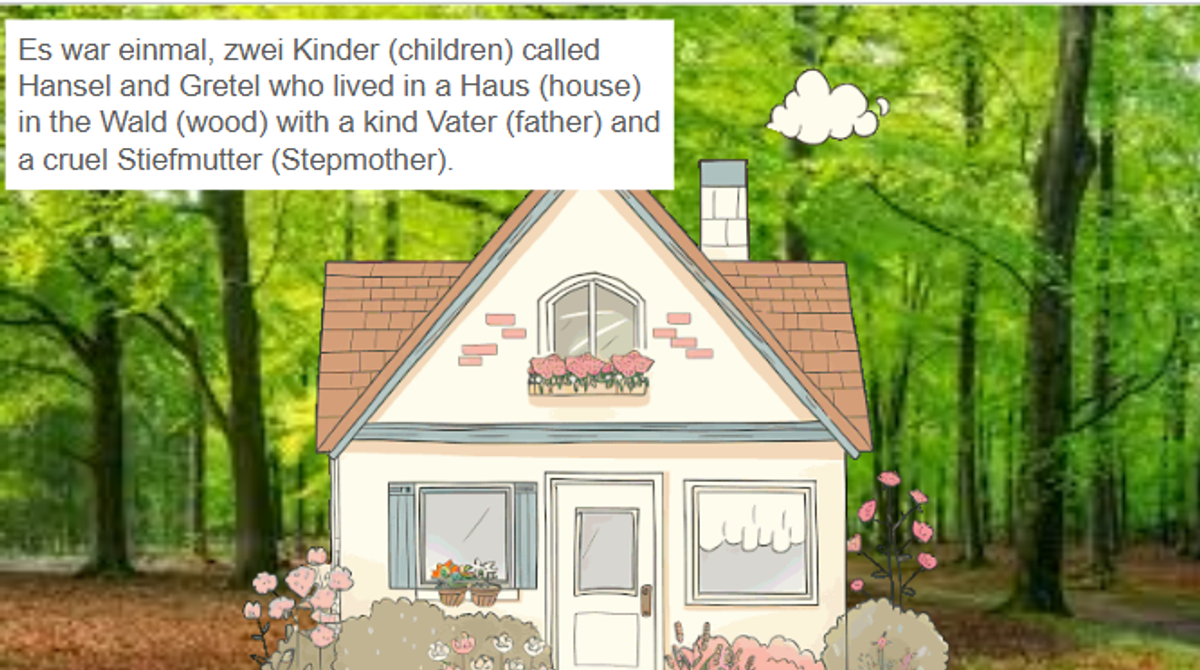
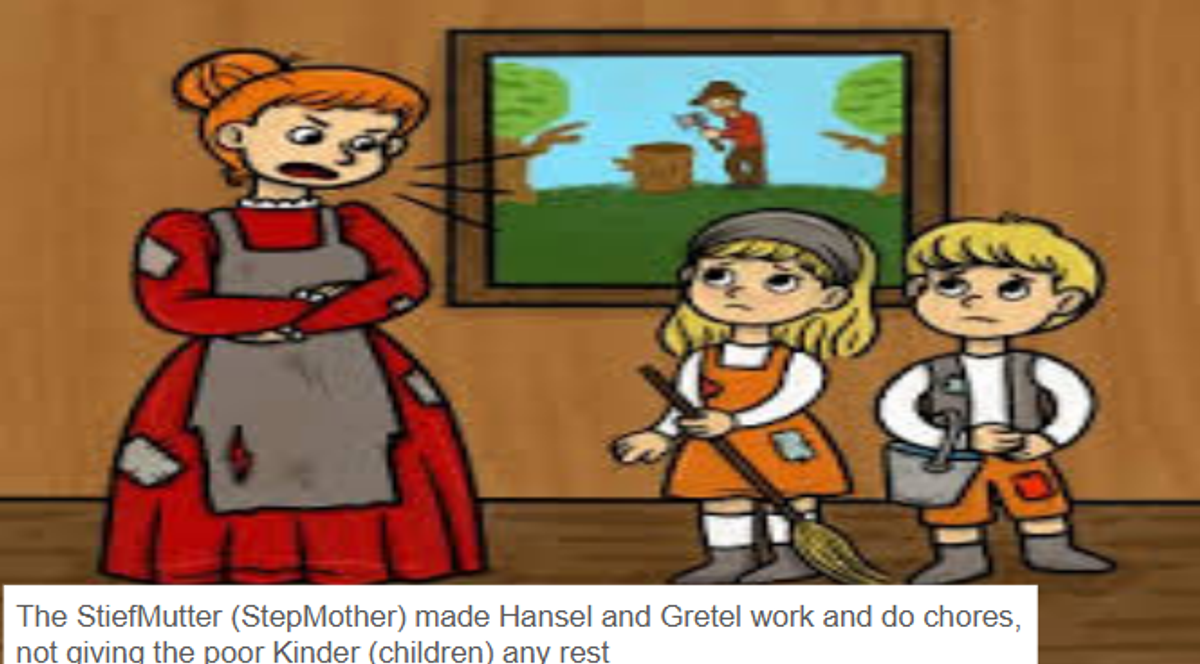
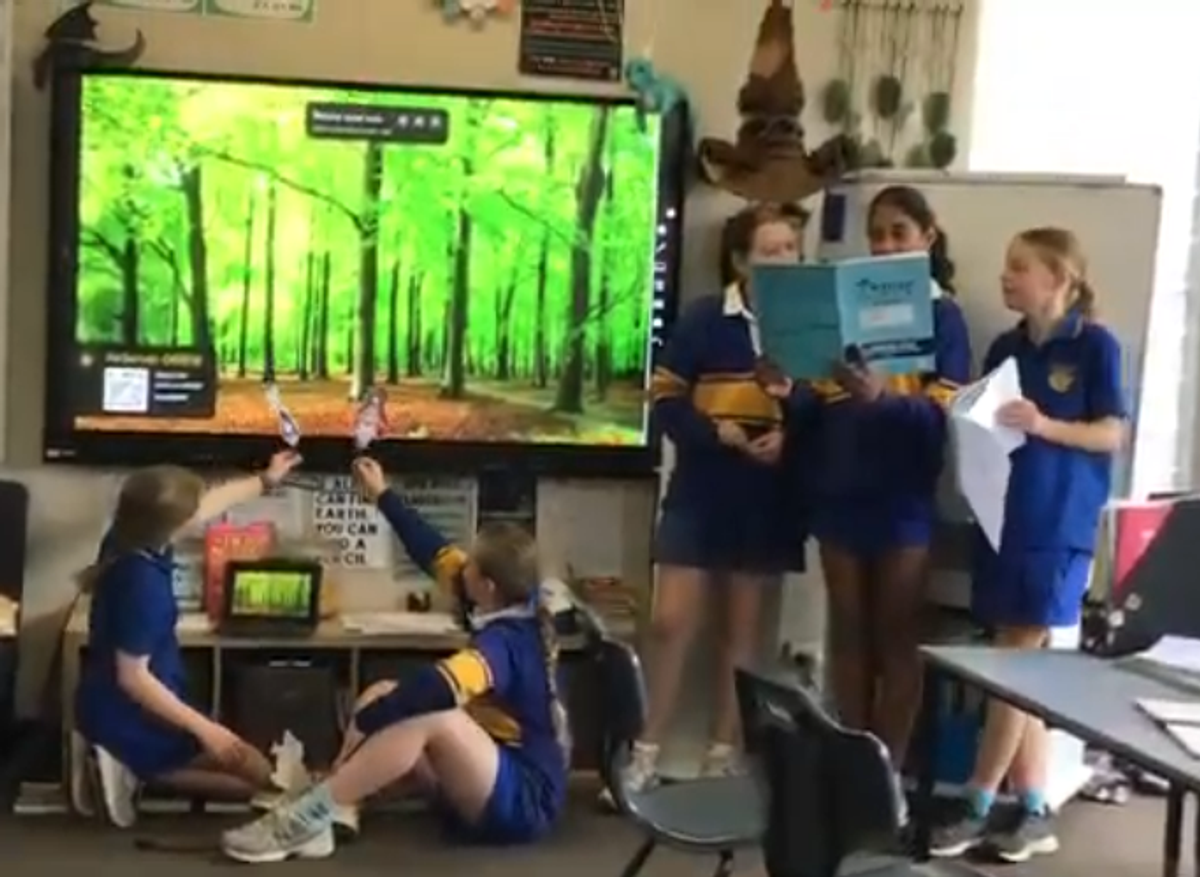
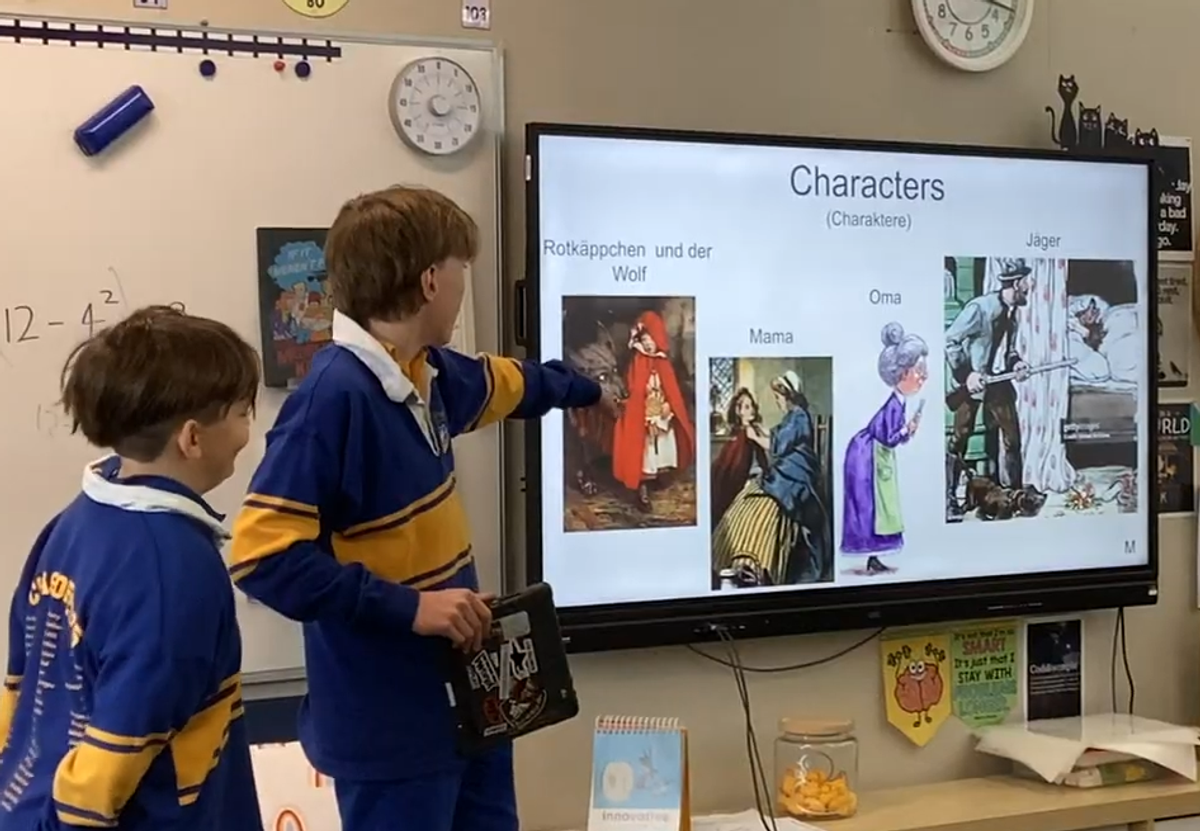
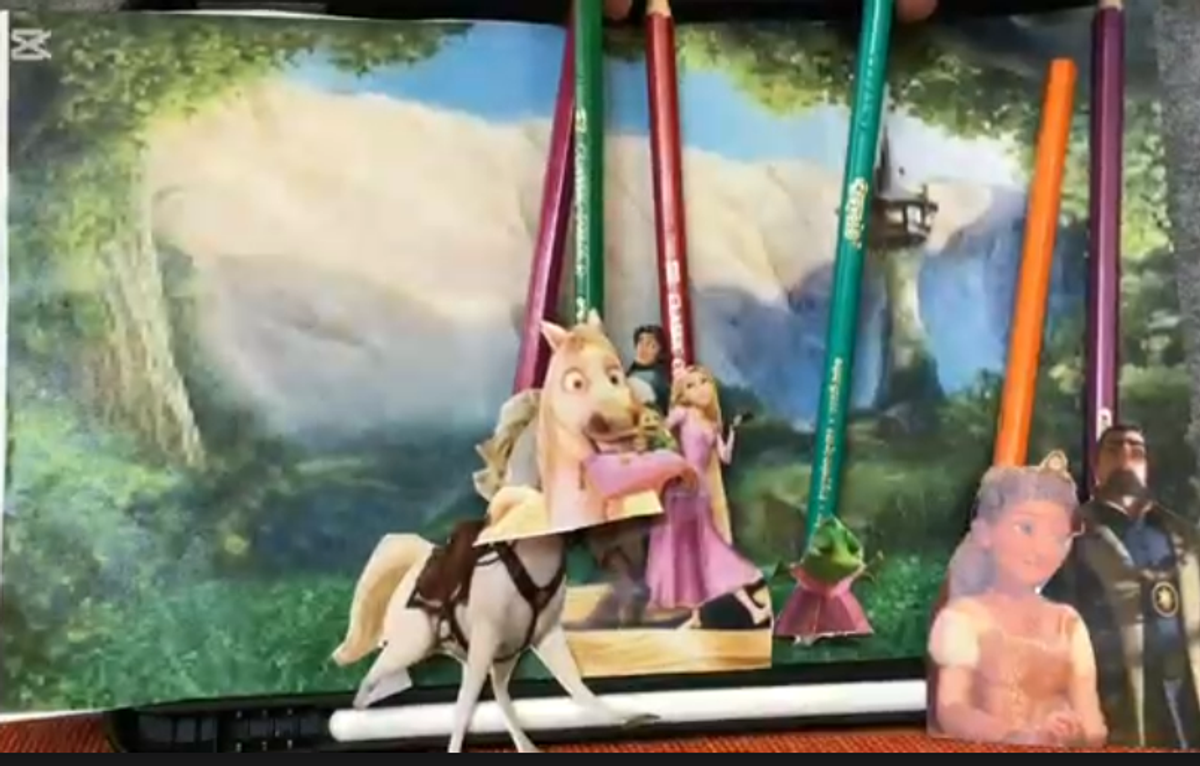
During Term 3, our senior students explored a range of popular and less well known fairy tales collated by the Brothers Grimm in our cultural unit on German Märchen (fairy tales). They produced and presented creative recounts of their chosen fairytale, either retelling the original or giving it their own twist to create some very entertaining fractured fairy tales. German language elements were incorporated through story titles, characters, settings and key phrases. The students also provided considered and constructive feedback on their peers’ presentations. The diversity, originality and quality of the recounts clearly reflected the efforts of the students, their self-efficacy as well as their creativity. Bravo! Please see the gallery for a handful of the different creative interpretations and presentations below.
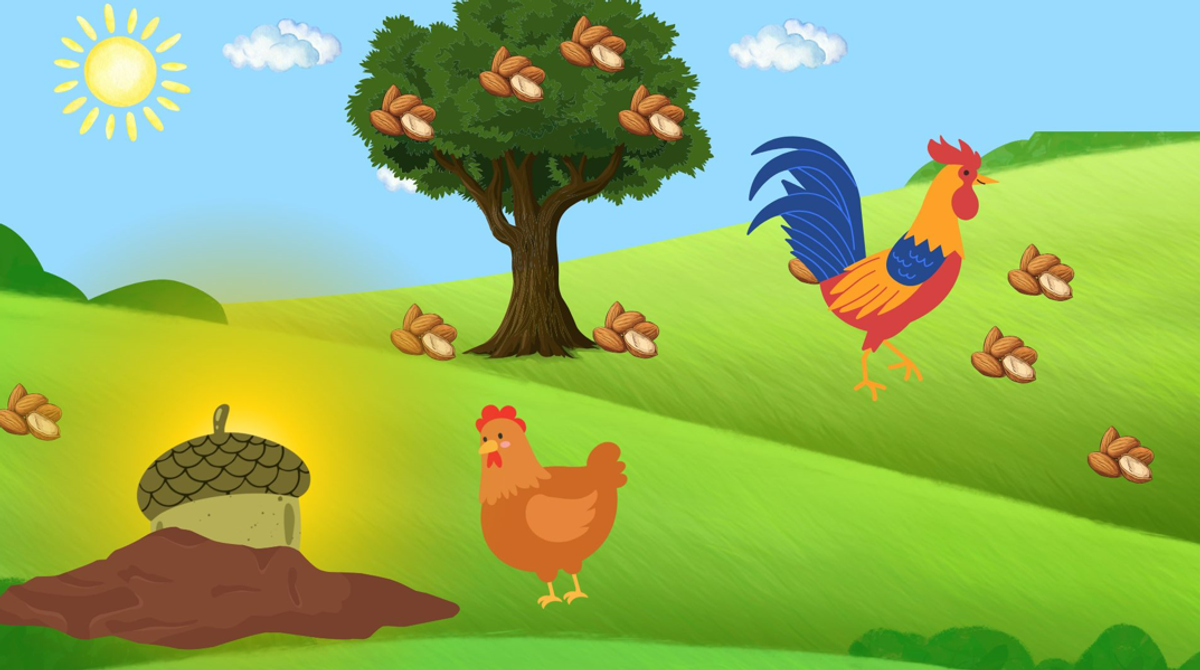
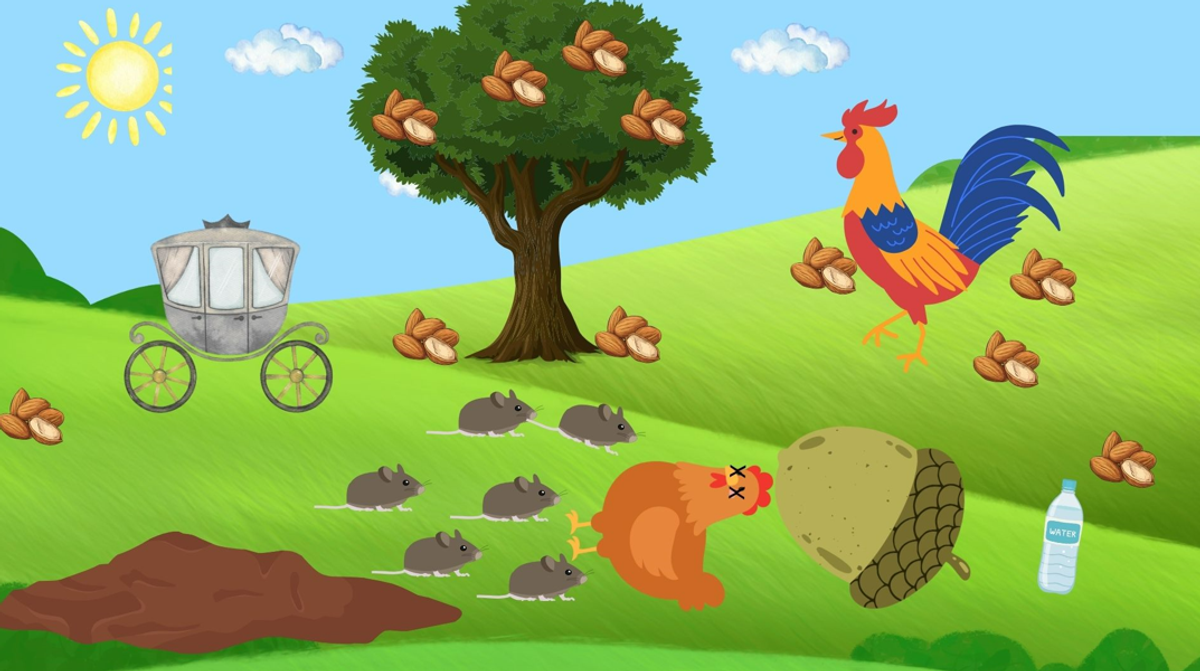
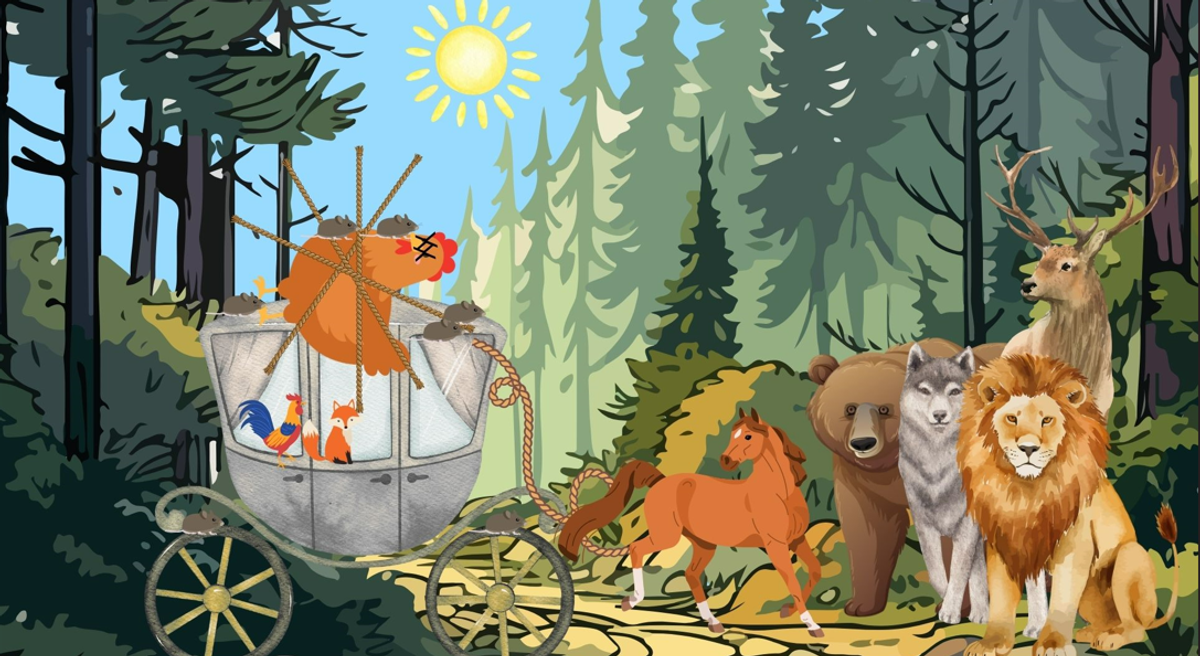
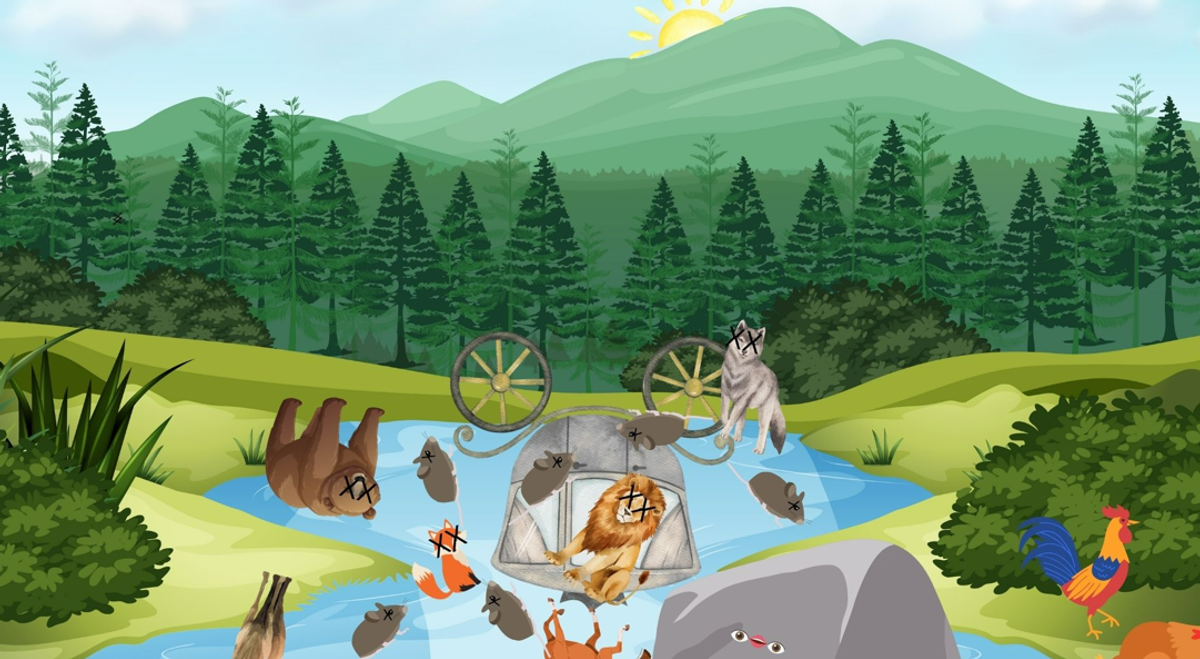

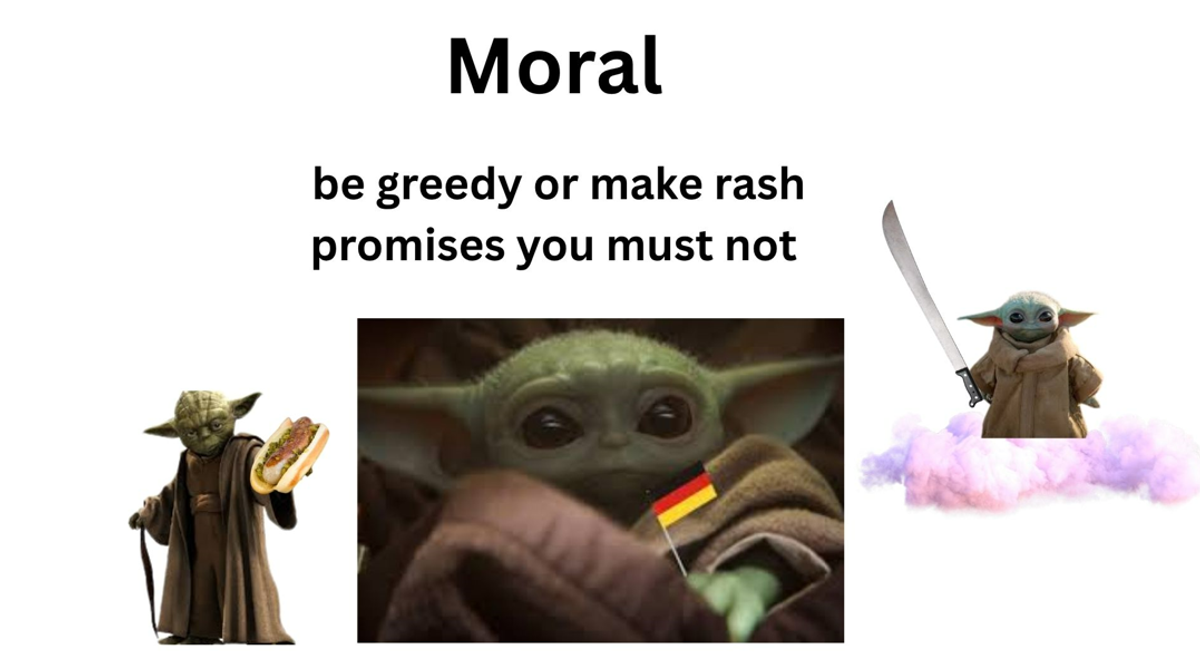
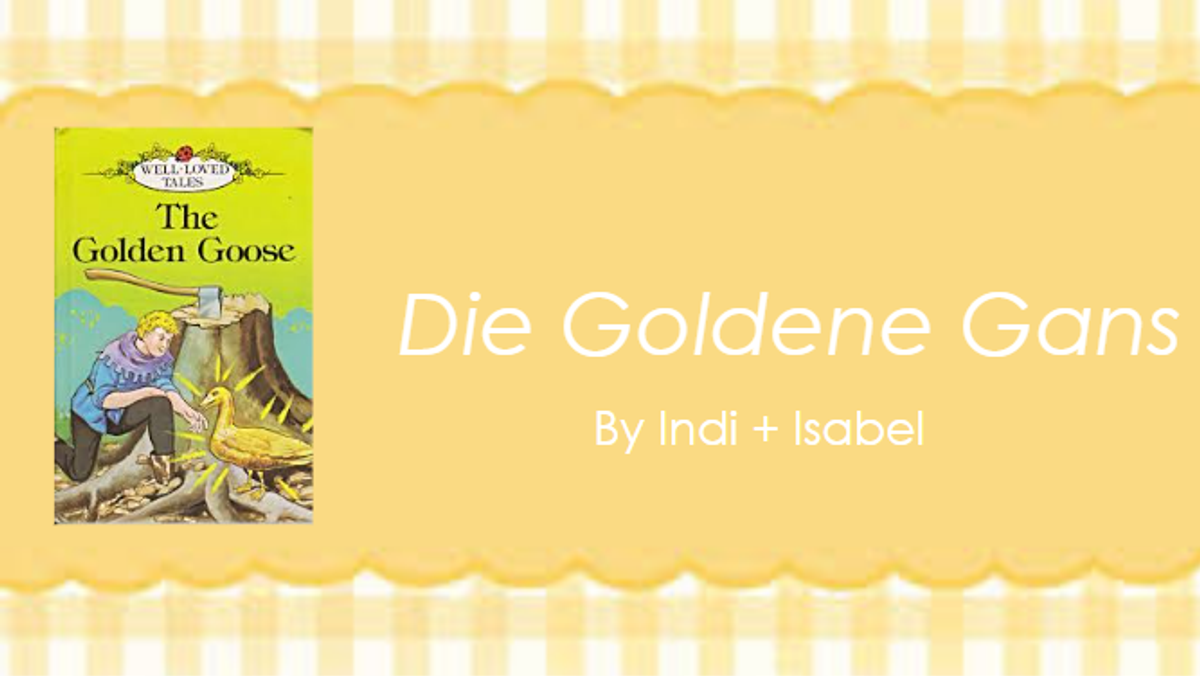
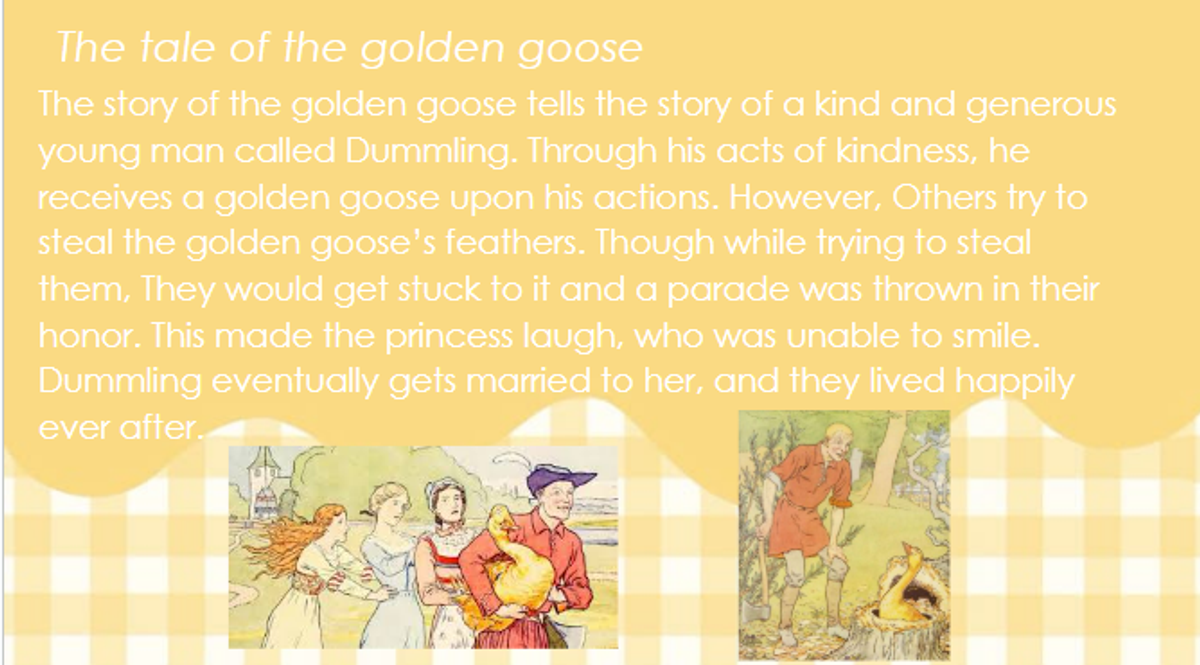
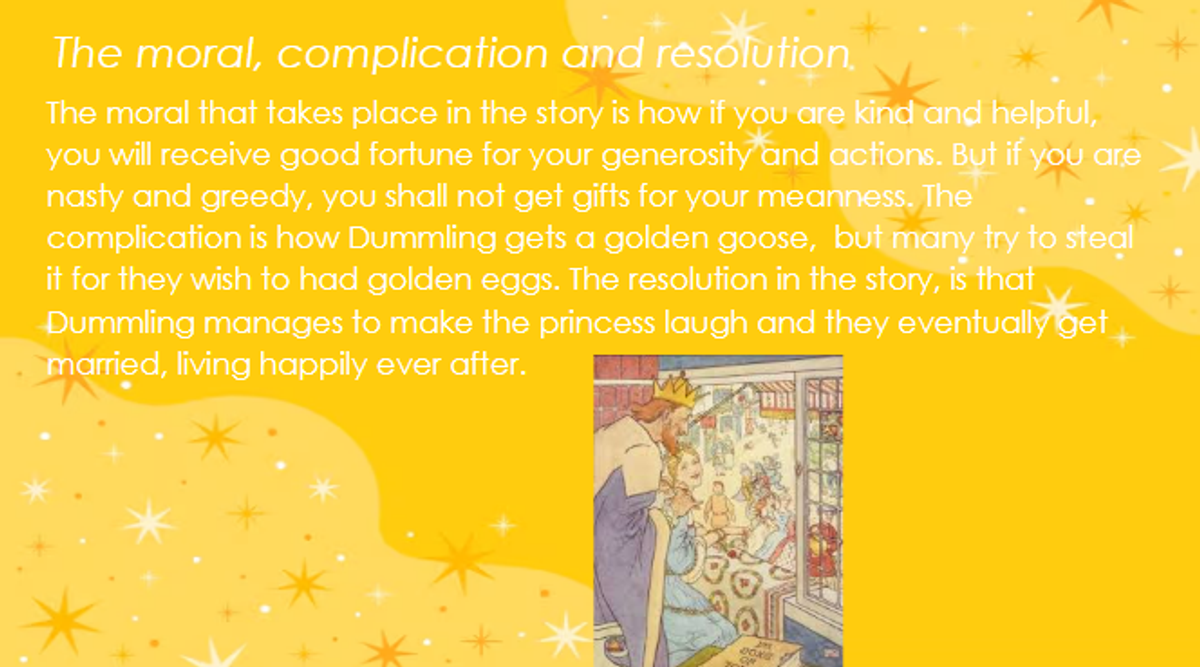
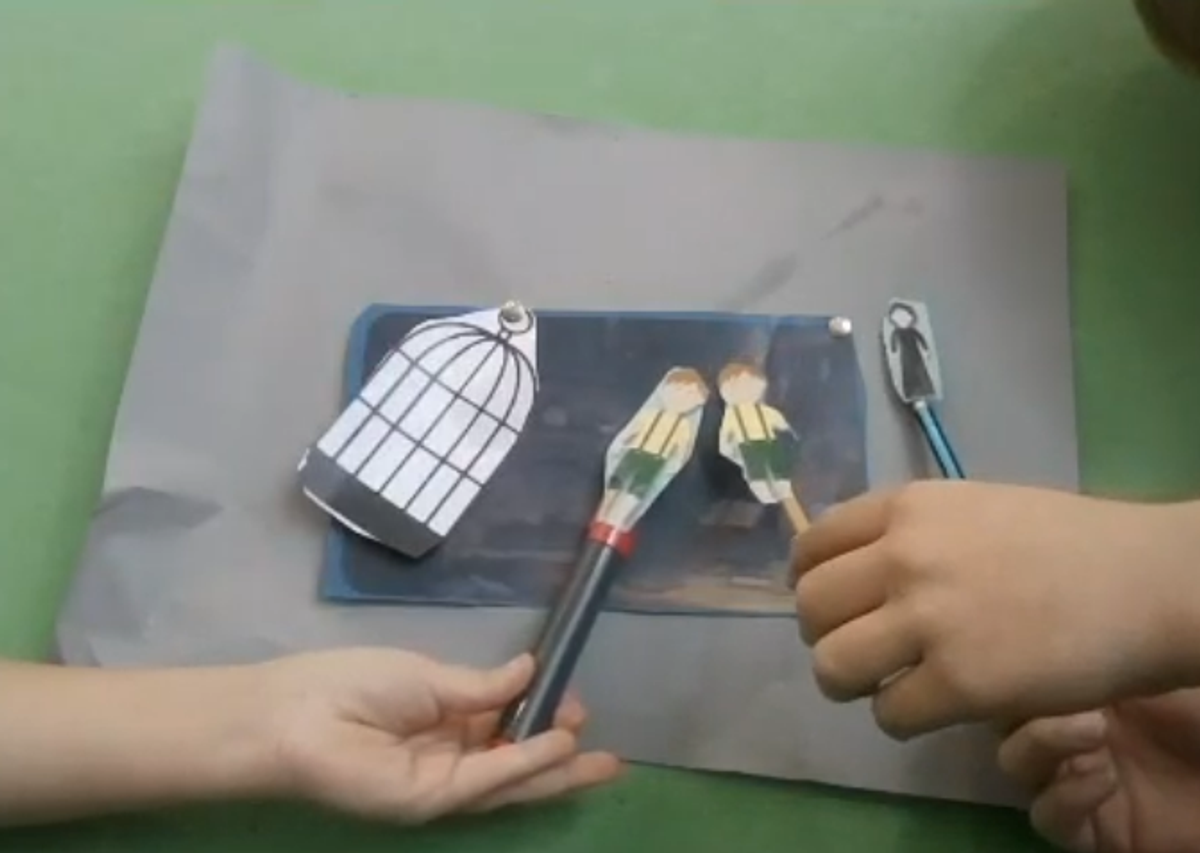
A brief reflection below from our German captains, Summer Trakal and Lexie Stevens:
Last term, in German we learned about German fairytales. In groups we had to pick a German fairytale (most of the German fairytales were collected by the brothers Grimm) and do some research on it. Most of us did a video where we acted out the fairytale, while the rest of us did a presentation with information about the fairytale of their choosing. Overall this was a great experience to learn and expand our knowledge of the German fairytales, the brothers Grimm's history and German culture's influence on our own.
In Lexie’s group, we worked on the well known fairytale Aschenputtel (Cinderella). We made a picture book on Canva for all the class to see. When we presented our project, we took turns reading out the pages. It was great fun!!
In Summer’s group, we did a short video about Hansel and Gretel. As we were a group with all girls, we changed it to Hazel and Gretel. In the video, we acted out the story with each person playing a different character. Our group loved the opportunity to take a German fairytale and make it our own. It was an amazing experience!
This term, students are extending their repertoire of adjectives and learning how to express feelings and emotions in German. This term’s ‘Alles über mich’ (all about me) project will then provide the opportunity to practise and consolidate their German language skills. Students will create a personal profile using learned vocabulary and structures to talk about themselves, their families, friends, interests and friends. In the lead up to the end of term, we will also look at German Christmas traditions and how they influence those in Australia and other cultures.
If you have any questions or would like to contribute to the German language and culture program, please feel free to contact me.
Tschüss!
Lisa Hunt
LOTE Specialist - German