
Leader of Pedagogy
Ms Natalie Mellowship

Leader of Pedagogy
Ms Natalie Mellowship
As we enter the final half of this academic year, it's a great time to pause and truly appreciate the incredible journey of growth our students have experienced in their learning. This last stretch is crucial - it's not only a time for a strong finish but also a powerful opportunity for reflection that cements learning for the future.
Pedagogically, this period is a vital time for metacognition - the process of thinking about one's own thinking. True growth is not just measured by academic grades, but by the resilience, curiosity, and strategic thinking students have developed. We are guiding our students to ask:
What did I learn this year?
How did I learn it best?
What challenges did I overcome?
What is my next learning goal?
This metacognitive practice is foundational to building confident, adaptable learners who understand their own learning process. It’s not just about looking back; it's about equipping students with the tools to become self-regulated, lifelong learners who can strategically approach any future task.
Data mapping is the process where our faculty teams systematically utilise both external/internal student performance data into planned curriculum sequences. This is the crucial step that transforms abstract curriculum teaching into more actionable instructional plans.
The strategic effectiveness of the Curriculum Mapping process is fundamentally dependent on Data Mapping. This is how we move from general planning to precision teaching, ensuring that our curriculum is truly responsive to the needs of every student.
Our teachers have been working on using cycles of data analysis to inform their planning and preparation for next year. Mapping Current Performance means that we analyse a variety of data (internal assessments and tasks, external benchmarks, and teacher observation) to map where the current cohort's mastery levels lie against the required prerequisite skills for the next stages of learning. The next stage is for us to identify the Data Gap which is the difference between the expected prerequisite skills and the actual mastery level. Finally, the team then adjusts the curriculum map for the final weeks of the current year and the beginning of the next academic year.
Through this disciplined and structured application of data mapping, we move away from a "one-size-fits-all" curriculum approach towards a flexible, responsive model. This is the definition of pedagogical success: ensuring our curriculum is built upon a factual understanding of student achievement, thereby setting every student up to feel prepared, excited, and empowered for their next academic challenge.
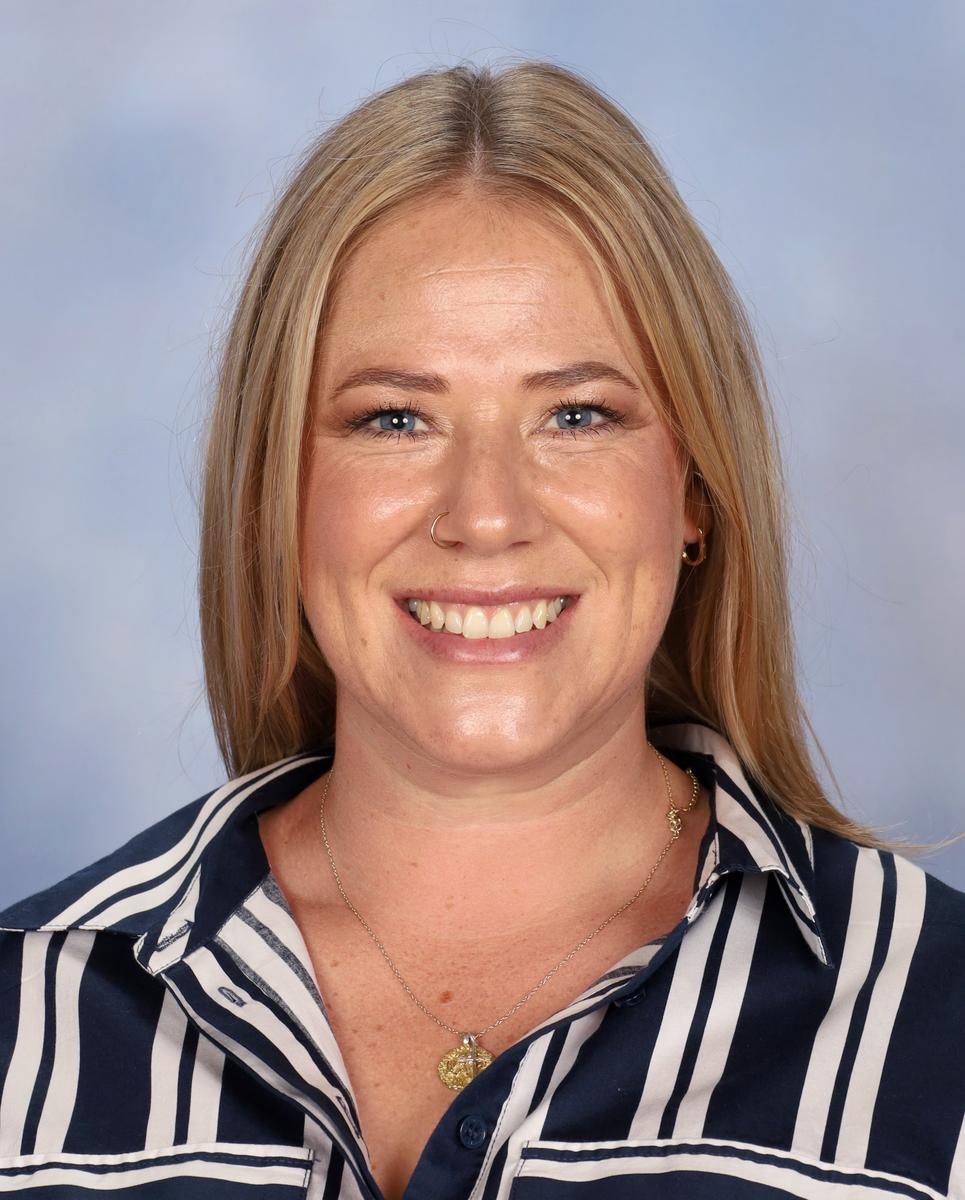
Ms. Natalie Mellowship
Leader of Pedagogy