STEM
Water Stations for the Bees!
Last week, students learned about the vital role water plays in a bee’s life. Bees require water to stay hydrated, cool their hives and nests, and dilute nectar to feed their larvae. While bees, like humans, can survive for up to three days without water, in extreme heat they may only survive for around two hours.
We surmised that the bees in our local bee gardens (Buzz City, Beetopia, Beeville and Airbeenbee) were likely struggling due to a lack of water. It has been an extremely dry summer, and several students commented that they had noticed large numbers of bees gathering around the bubblers, waiting for any leftover water in the troughs.
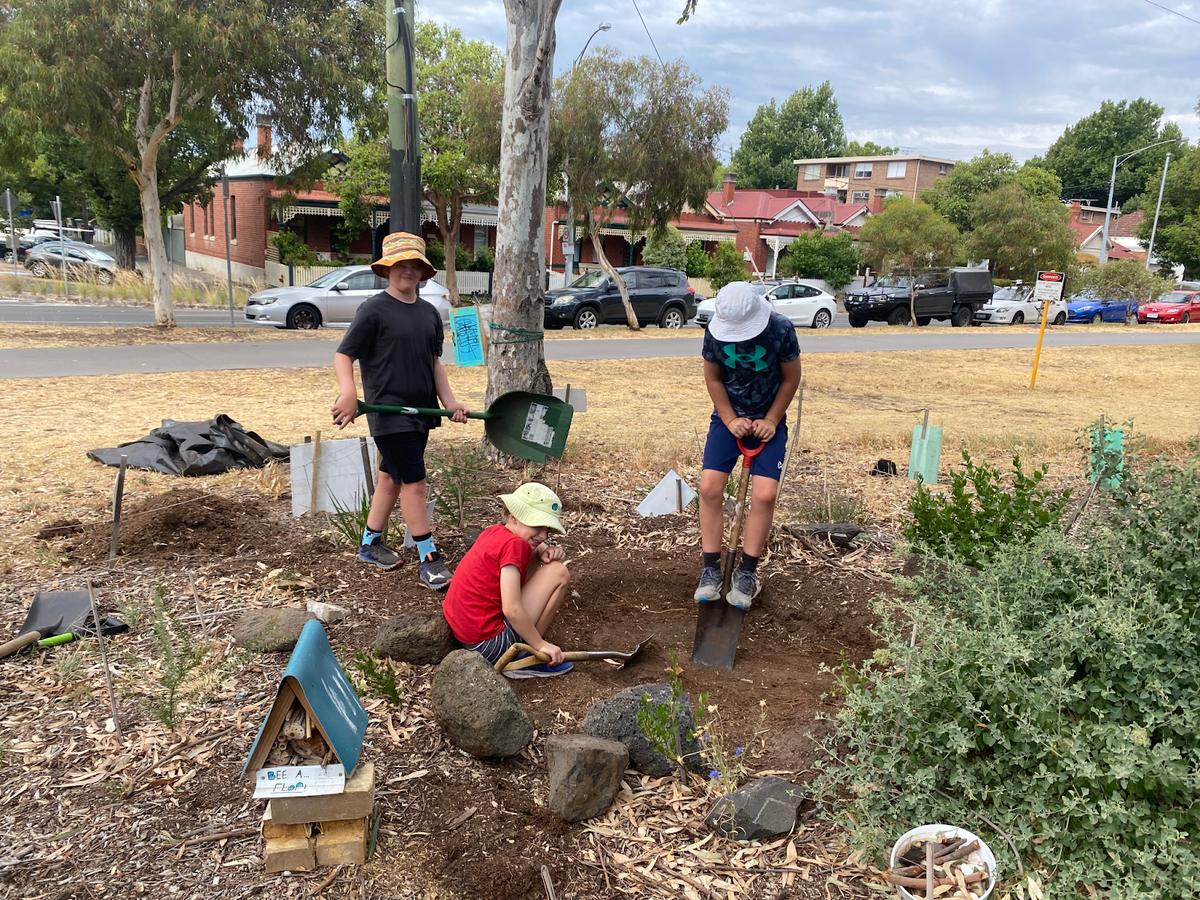
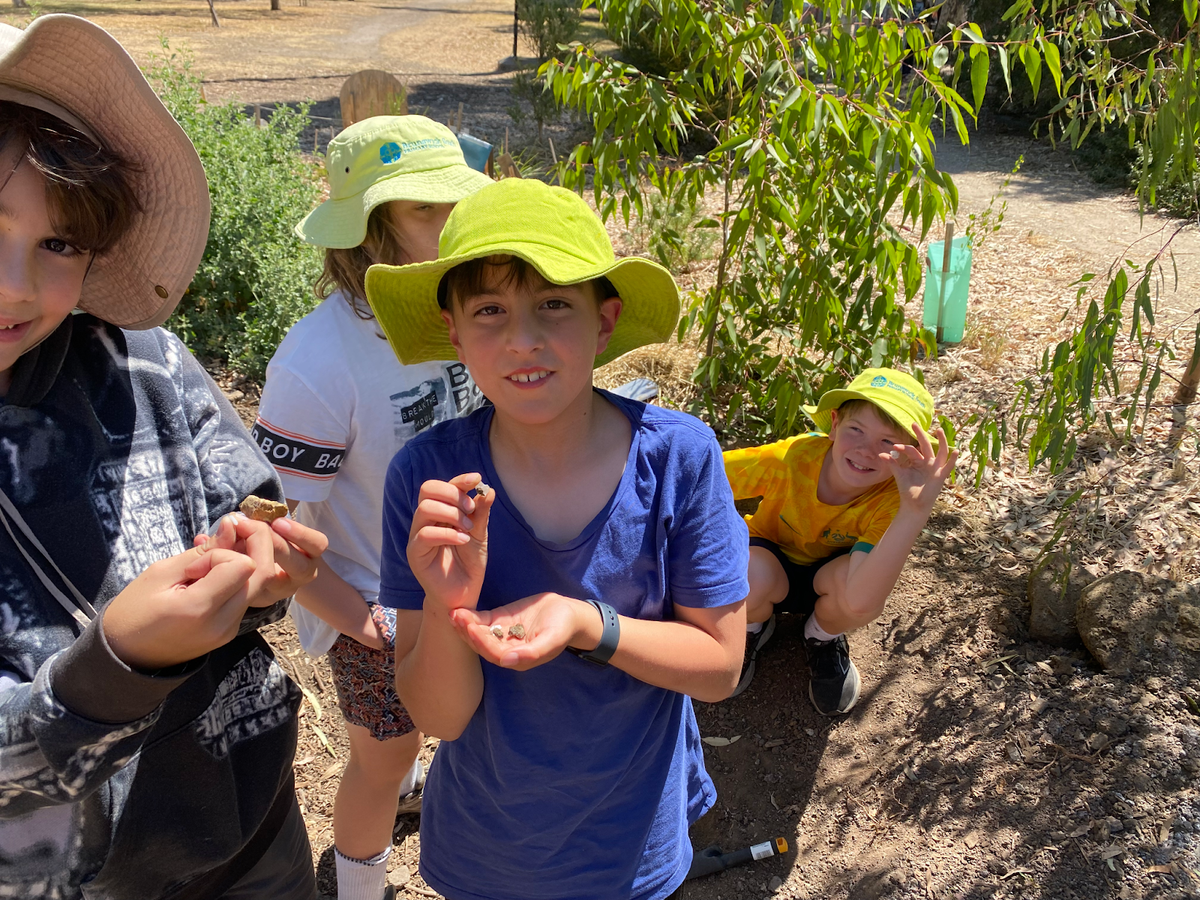
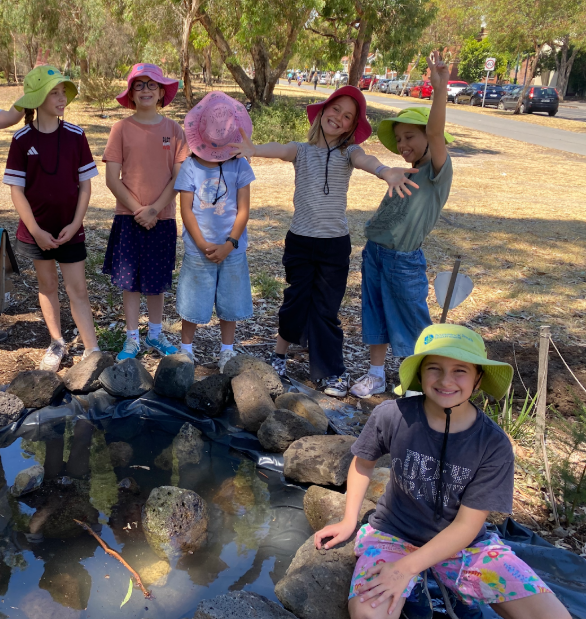
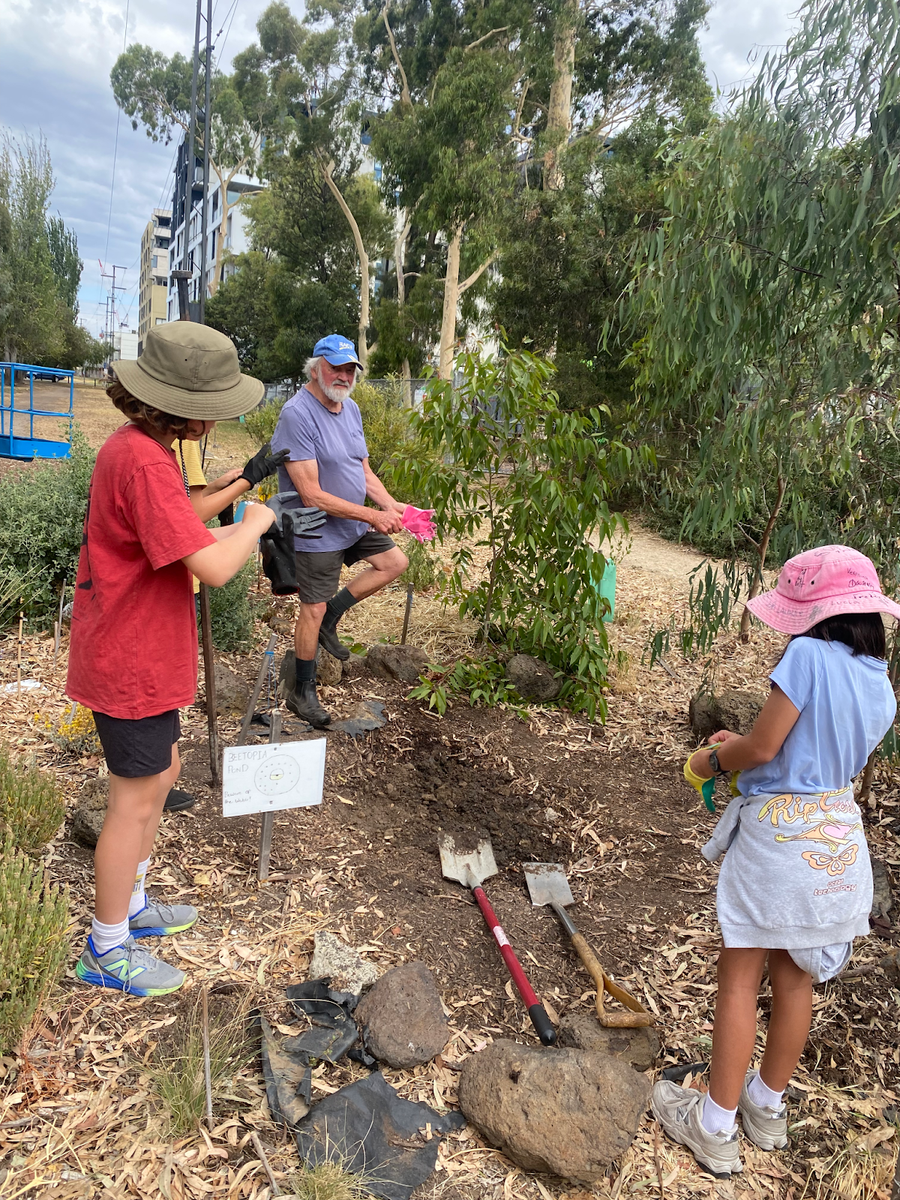
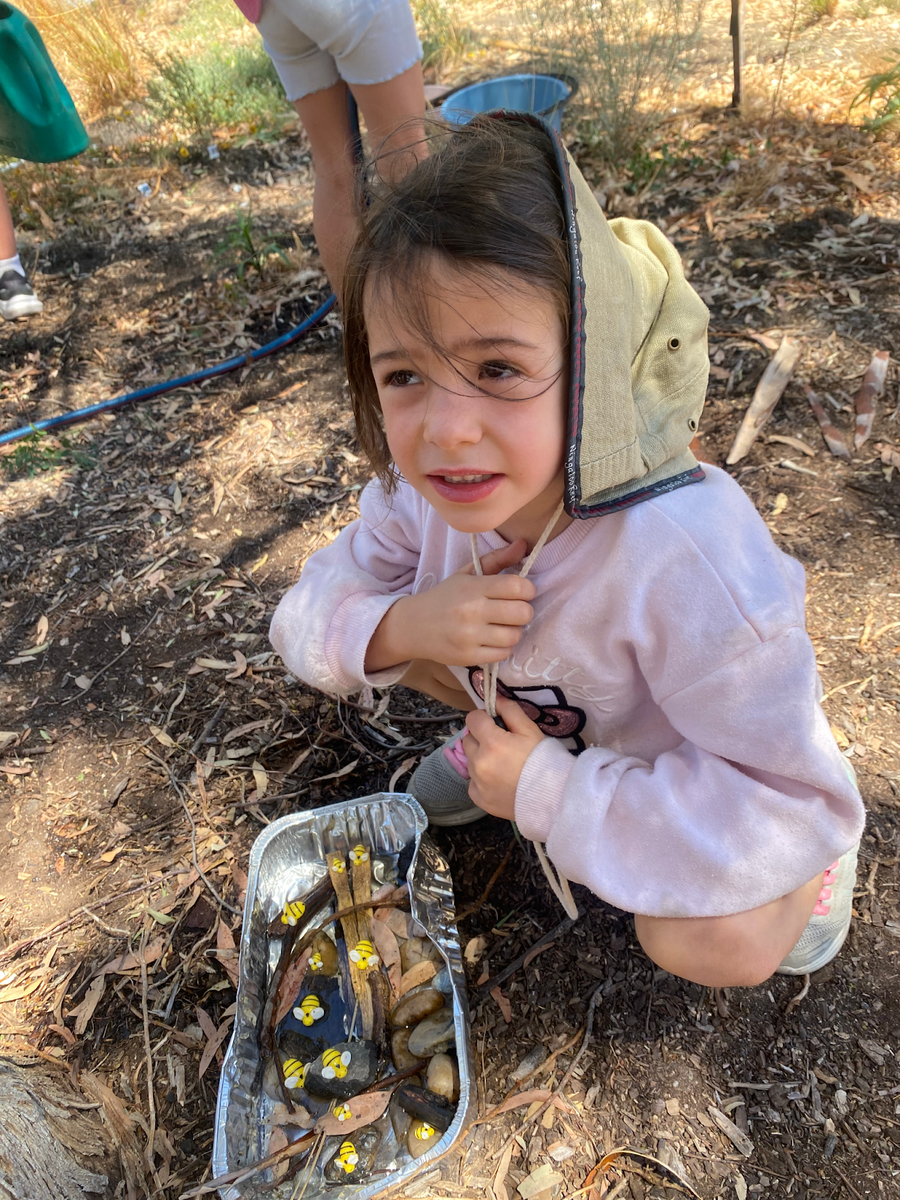
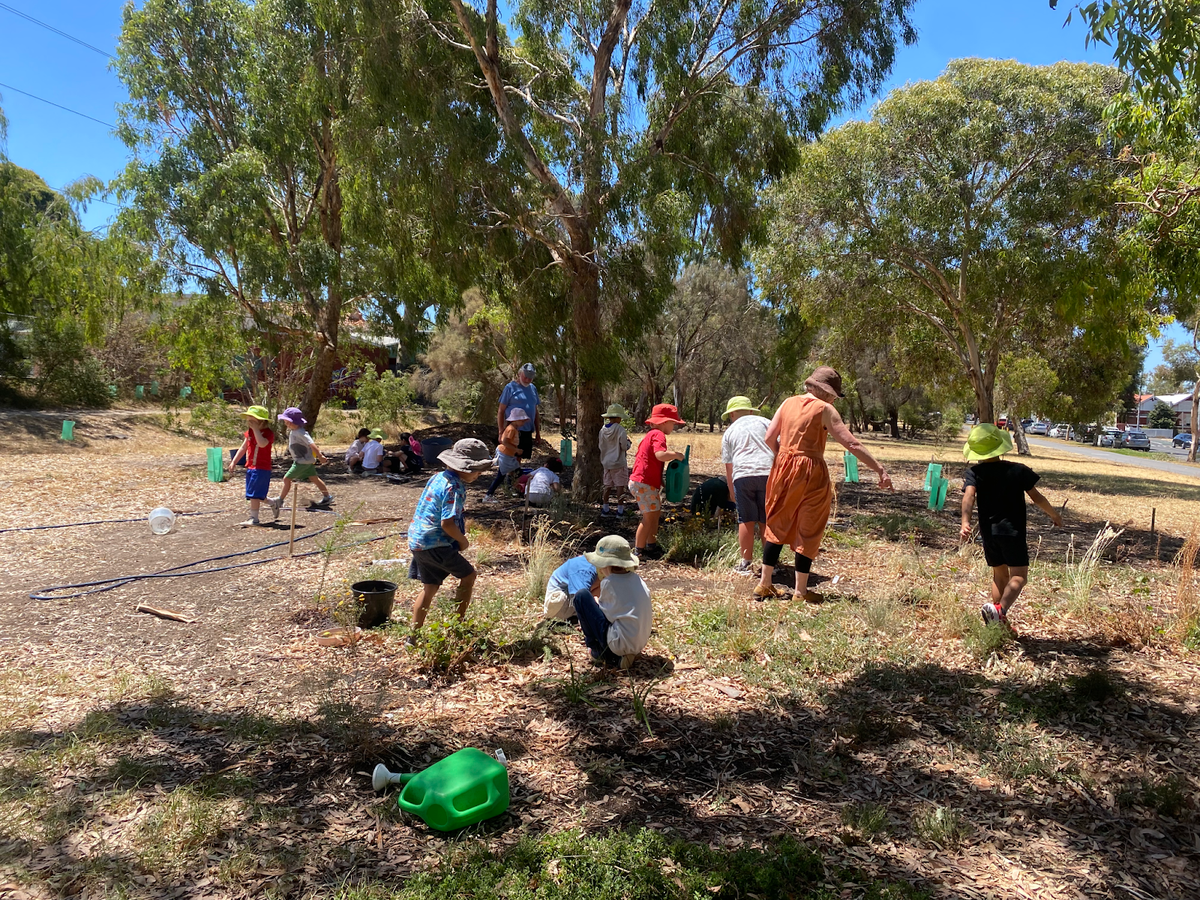
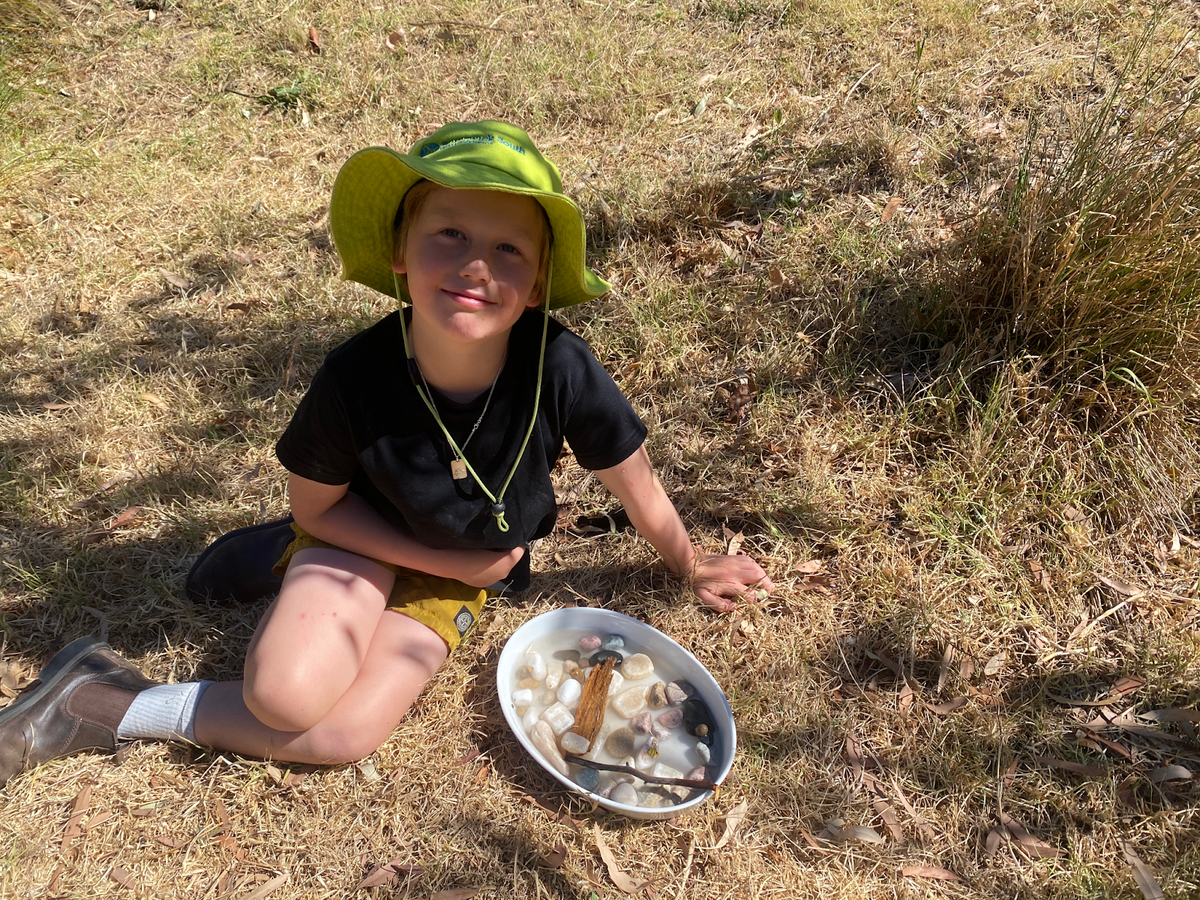
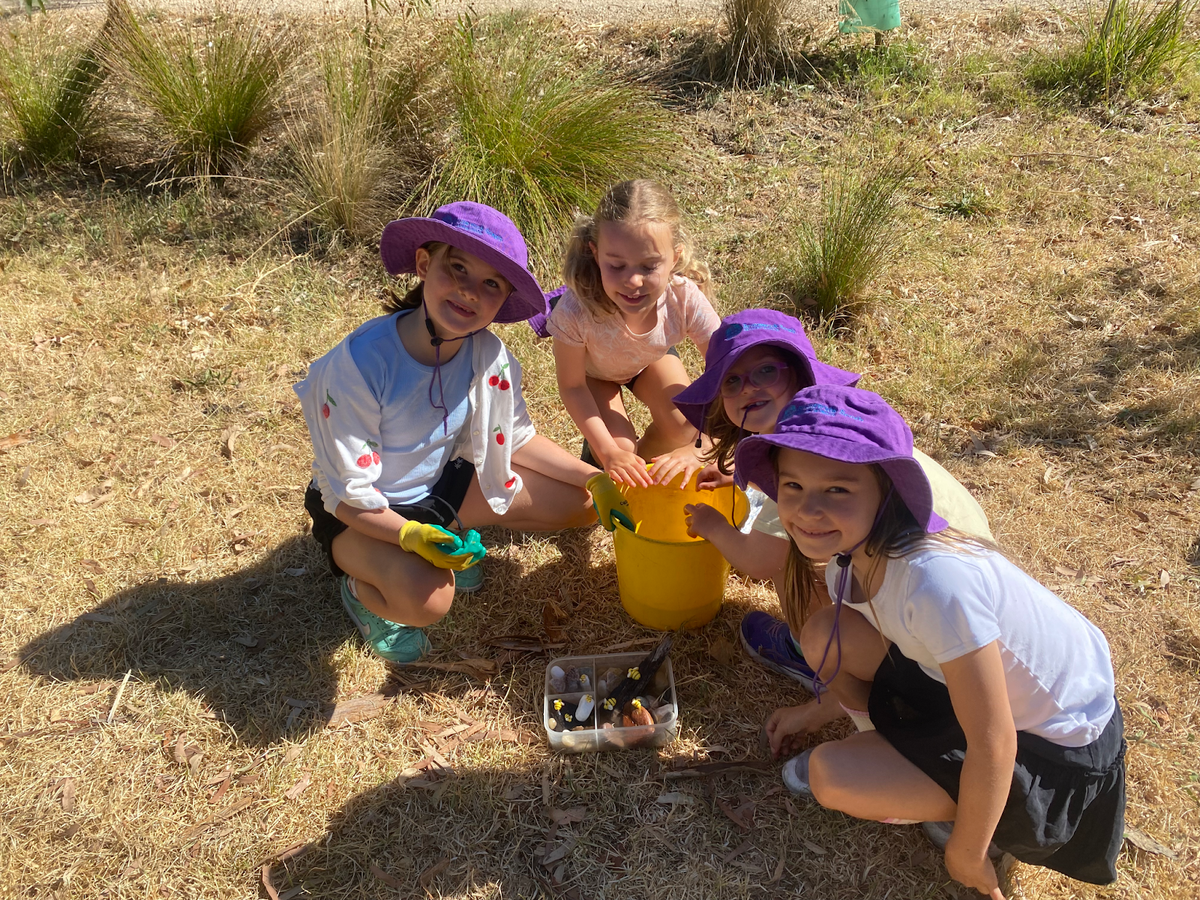
We decided it was time to give the bees their own water stations. The Year 1/2 students created small bee water stations using recycled containers, stones and sticks, which they placed throughout the gardens. The Year 3/4 students focused on maintaining the bees’ nectar sources by mulching the gardens to reduce evaporation and help the soil retain moisture. Meanwhile, the Year 5/6 students renovated the bee ponds, making them deeper and lining them with stronger, more reflective pond liners so the water would be less likely to evaporate or leak into the soil.
While I was extremely impressed by the results of the students’ efforts, I was most impressed by their commitment to helping the bees. Despite the heat, students were willing to put in plenty of elbow grease to support the bees that live in our local parkland. What an awesome bunch of kids!!
Welcome Foundation Students
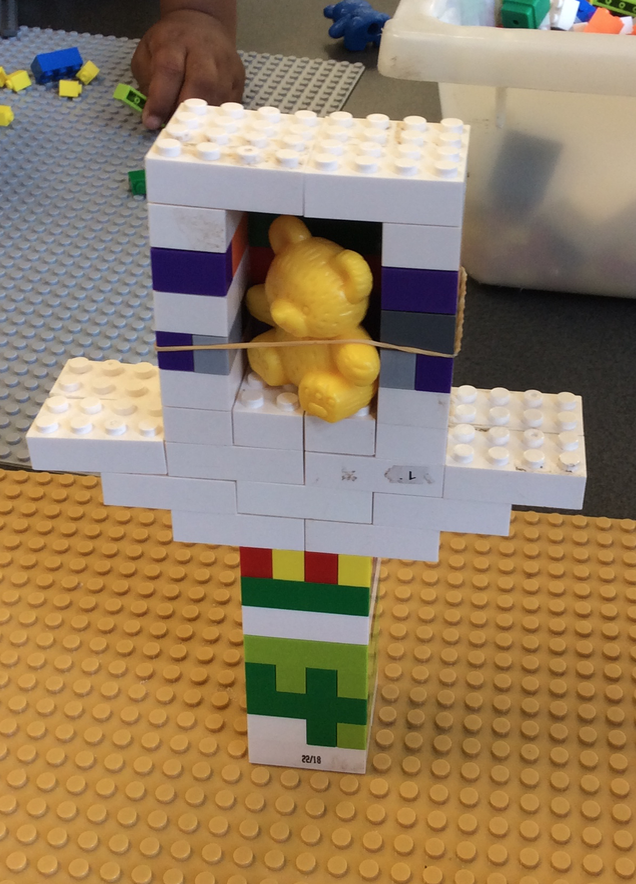
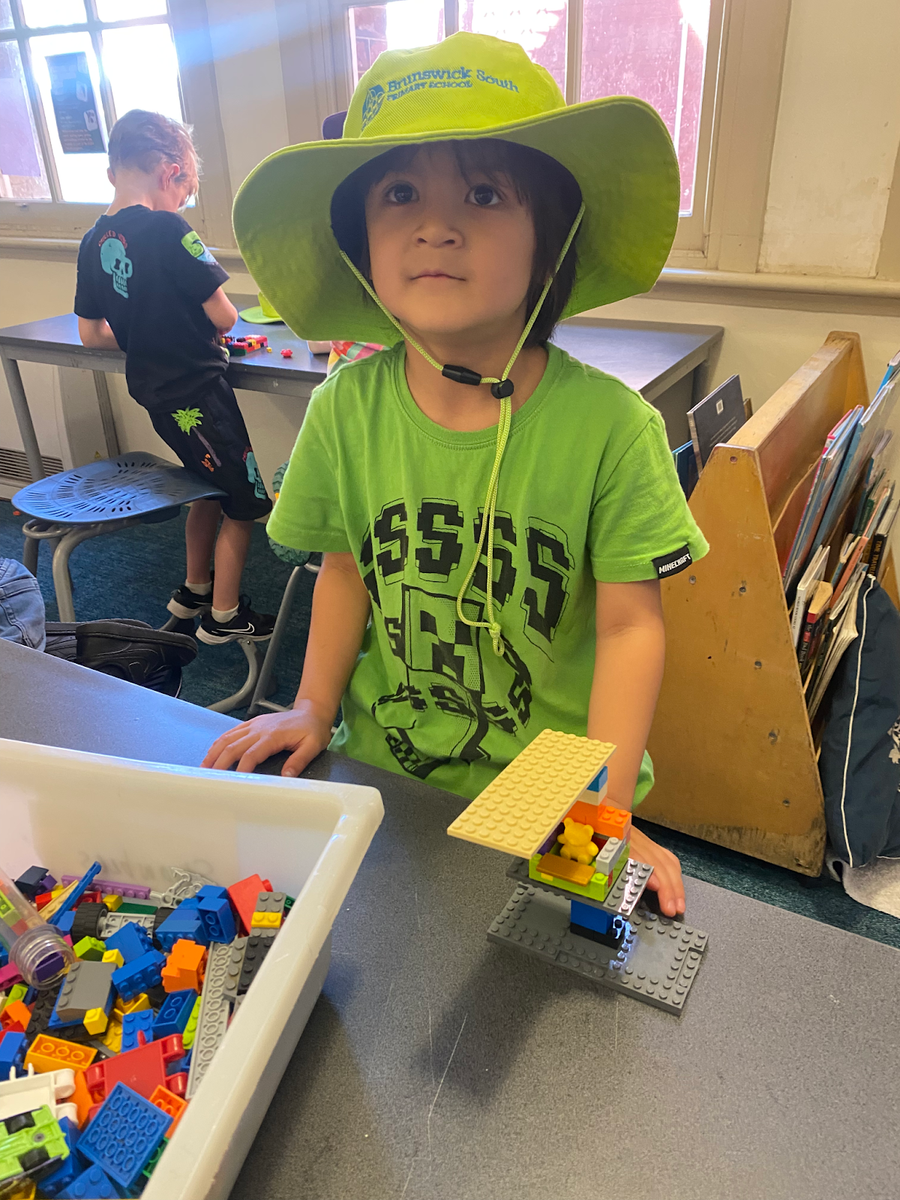
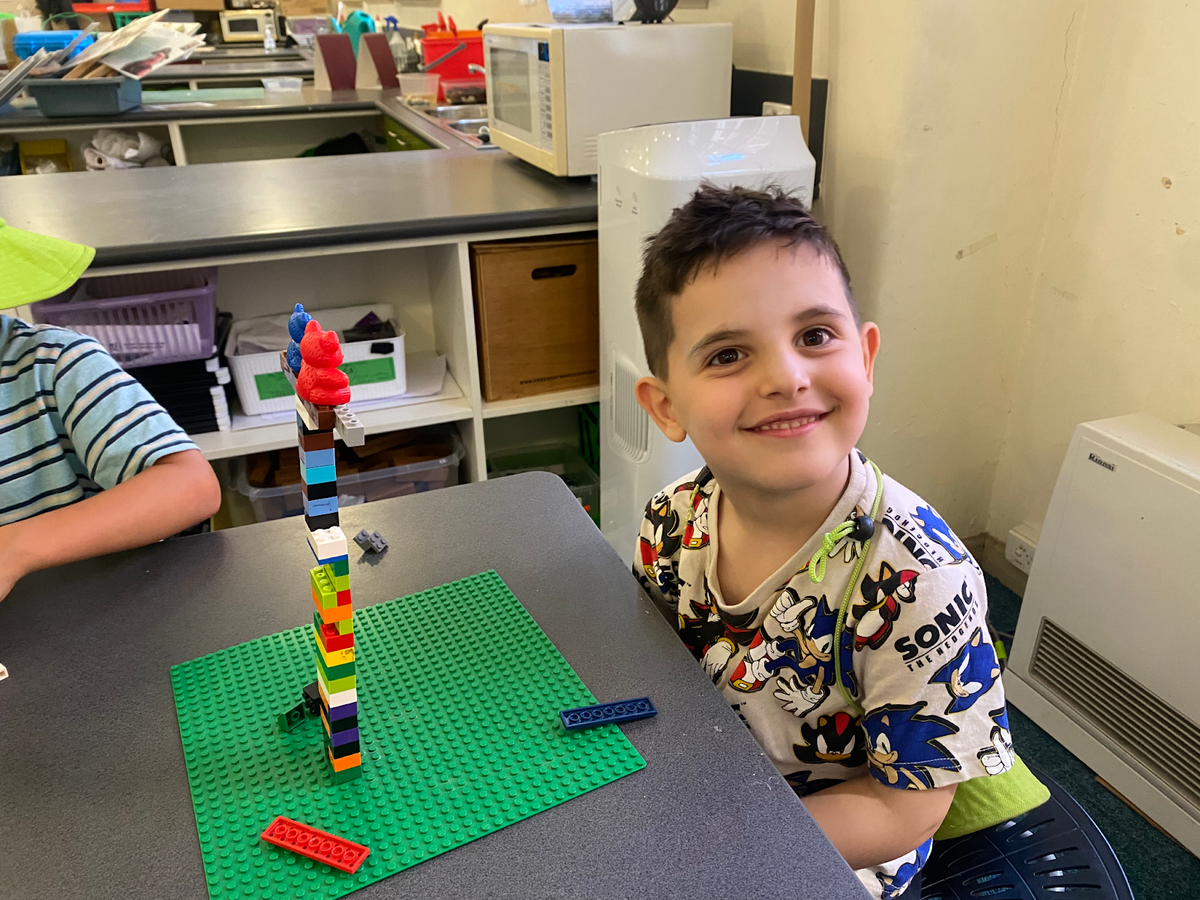
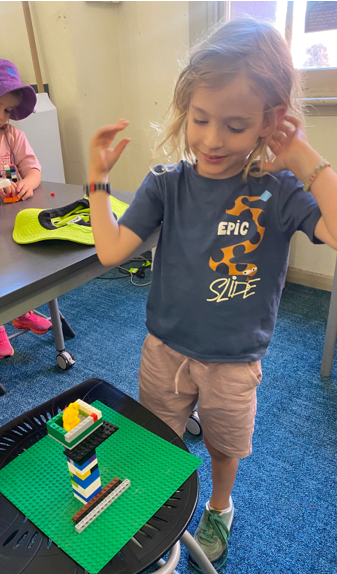
It was lovely to meet all of the new Foundation students last week. I resisted the temptation to put them straight to work in the bee gardens and instead welcomed them into the STEM room, where they built towers out of LEGO for a small teddy figurine.
We discussed what a tower is, the shapes towers are commonly made from (such as triangles and rectangles), and how to design towers that are safe so our teddies could sit on top and enjoy the view. The students embraced the challenge like the budding engineers they are, constructing towers with a range of creative features including sun roofs, chairs and even cushioned landing pads in case their teddy took a tumble.
It was wonderful to see the thought students put into keeping their teddy safe and comfortable. After all, that kind of careful thinking is a big part of engineering!
Environment Action Team
The BSPS Environment Action Team began 2026 with enthusiasm and determination to improve the environment of BSPS and the wider community.
Our junior members got straight to work watering and mulching the EAT Indigenous Garden, which was in need of some extra care after such a hot and dry summer.
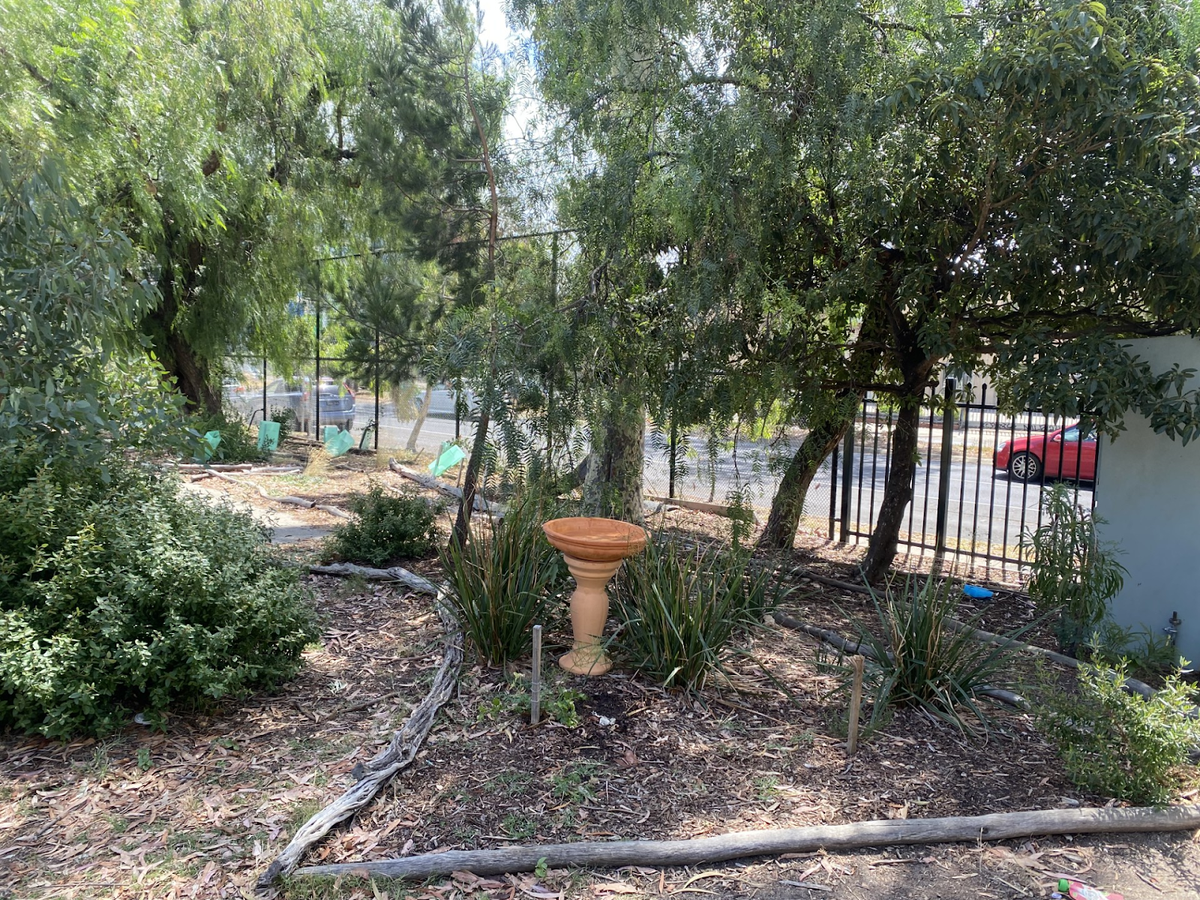
The senior members completed an audit of classroom bins to ensure students start the year disposing of waste correctly, with as much material as possible being composted or recycled. They also installed newly purchased bird baths around the school grounds so our local birds can clean themselves and stay hydrated during the heat. These bird baths were purchased using funds raised from the clothes swap hosted by the EAT last year.
We are incredibly lucky to have such thoughtful and committed student leaders at our school, who regularly give up their lunchtime play to protect, restore and enhance our natural environment.
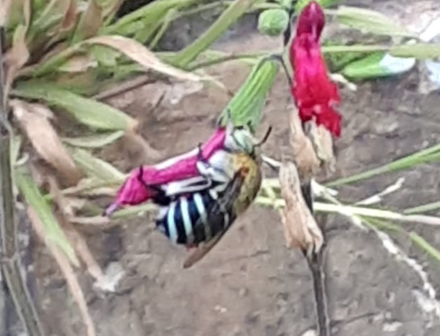
An exciting find!
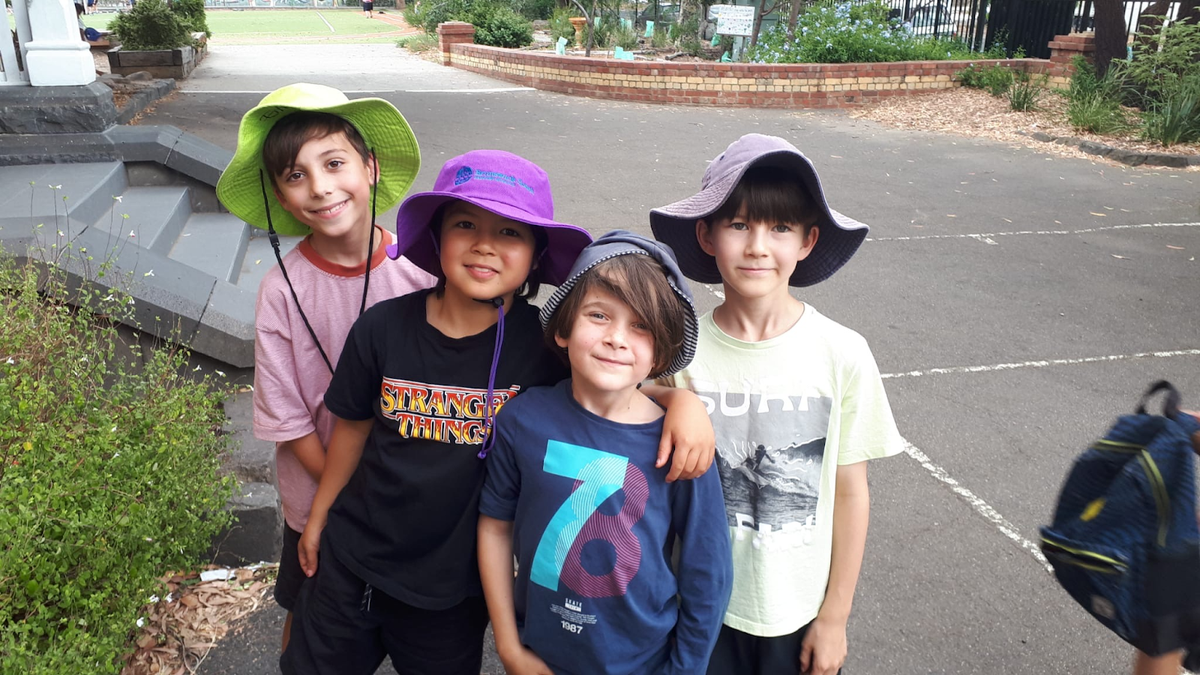
A Blue banded bee was spotted in the school yard yesterday by local citizen scientists Max, James, Leo and Achille. It looks like all the work we have put into our habitat gardens is paying off!