
Wellbeing & Inclusive Practices
March 2026
Wellbeing & Inclusive Practices
March 2026
During the first half of Term 1, our SEL sessions have focused on establishing calm, safe, and respectful spaces where students feel comfortable discussing important topics. Building this foundation is essential, as it allows students to share ideas, listen to others, and engage in learning with confidence and trust.
As the term progresses, we are beginning to explore emotional literacy. Students are learning to recognise and label a wider range of emotions in themselves and others, moving beyond simple feelings such as “happy” or “sad” to more specific emotions. Developing this understanding helps students make sense of their experiences and respond thoughtfully in social situations.
A key part of our learning involves discussing how emotions influence behaviour and identifying responses that are appropriate, respectful, and helpful depending on how someone is feeling. These skills support students not only at school, but also in their relationships and everyday interactions, helping them to be the best friend, classmate, and family member they can be.
Families can support this learning at home through simple everyday conversations. Encouraging children to name how they are feeling helps strengthen their emotional vocabulary and self-awareness. It can also be powerful for adults to model this by naming their own emotions (for example, “I’m feeling a bit frustrated today” or “I’m really pleased about that”). This helps children connect what they observe - such as facial expressions and tone of voice - with what may be happening in a person’s brain and body, building empathy and understanding.
We look forward to continuing this important work throughout the term.
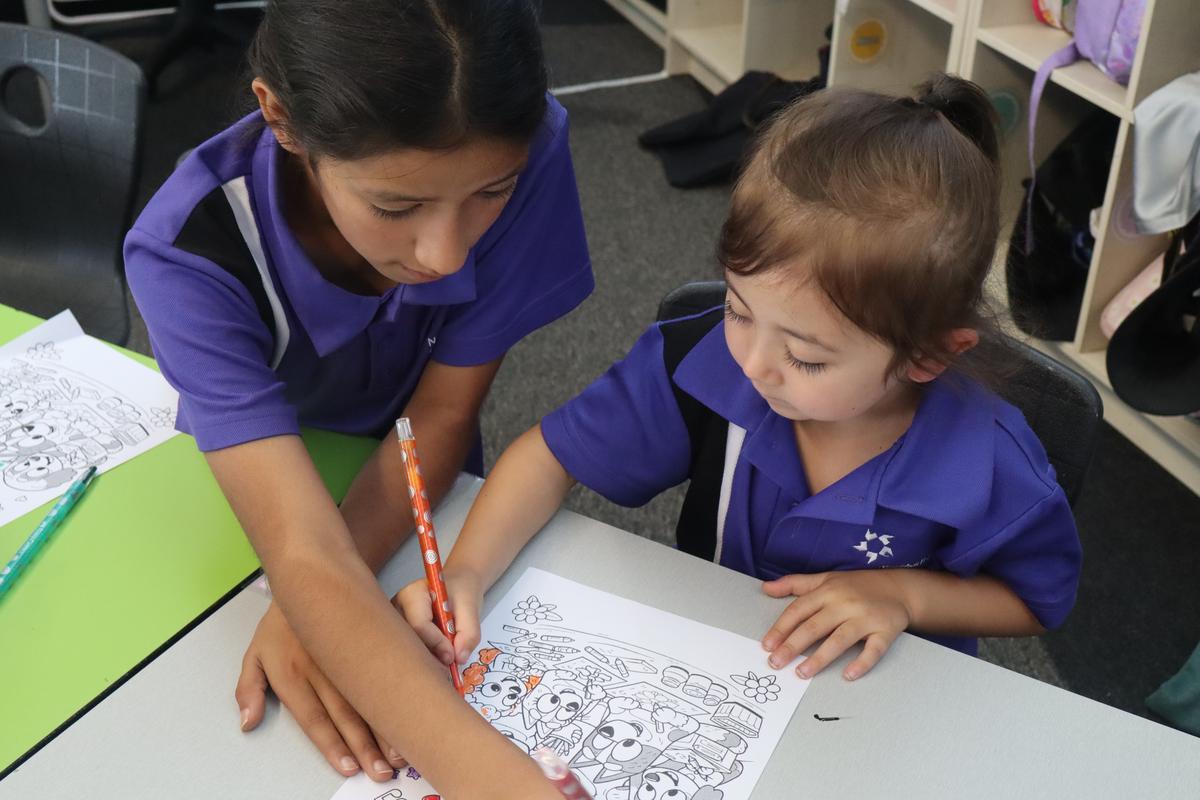
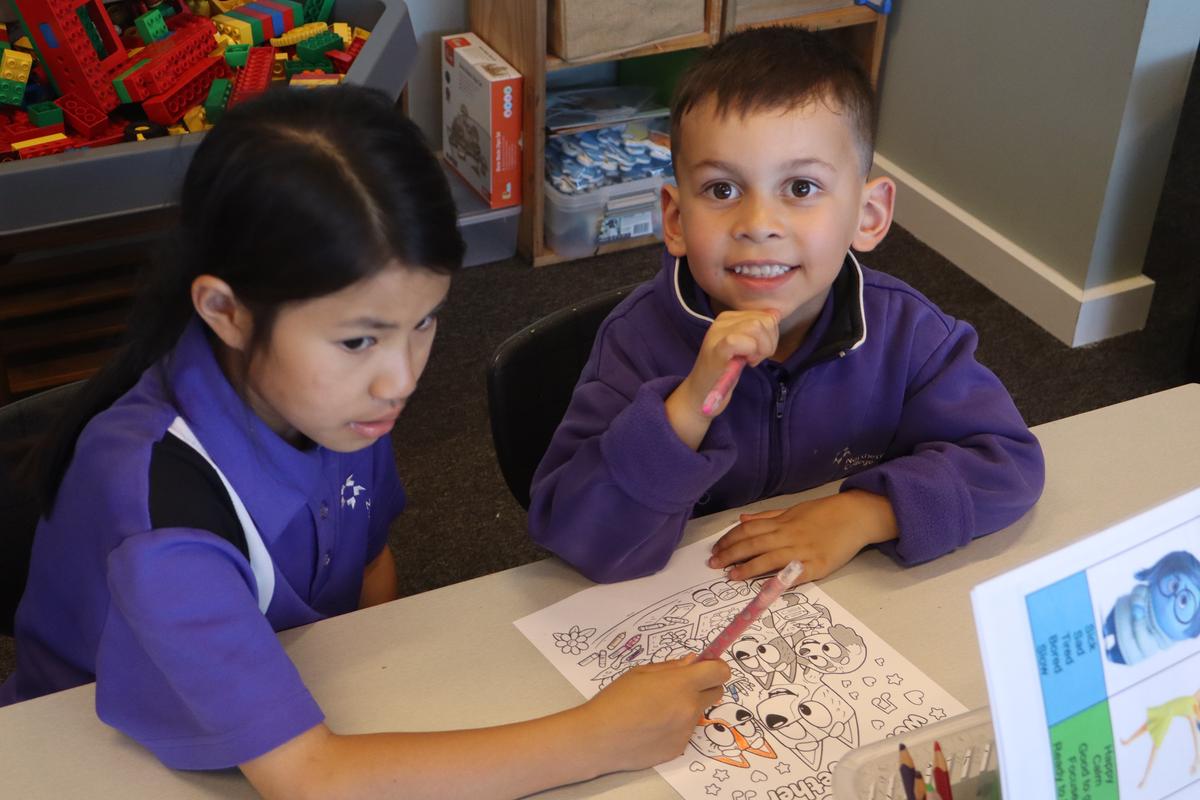
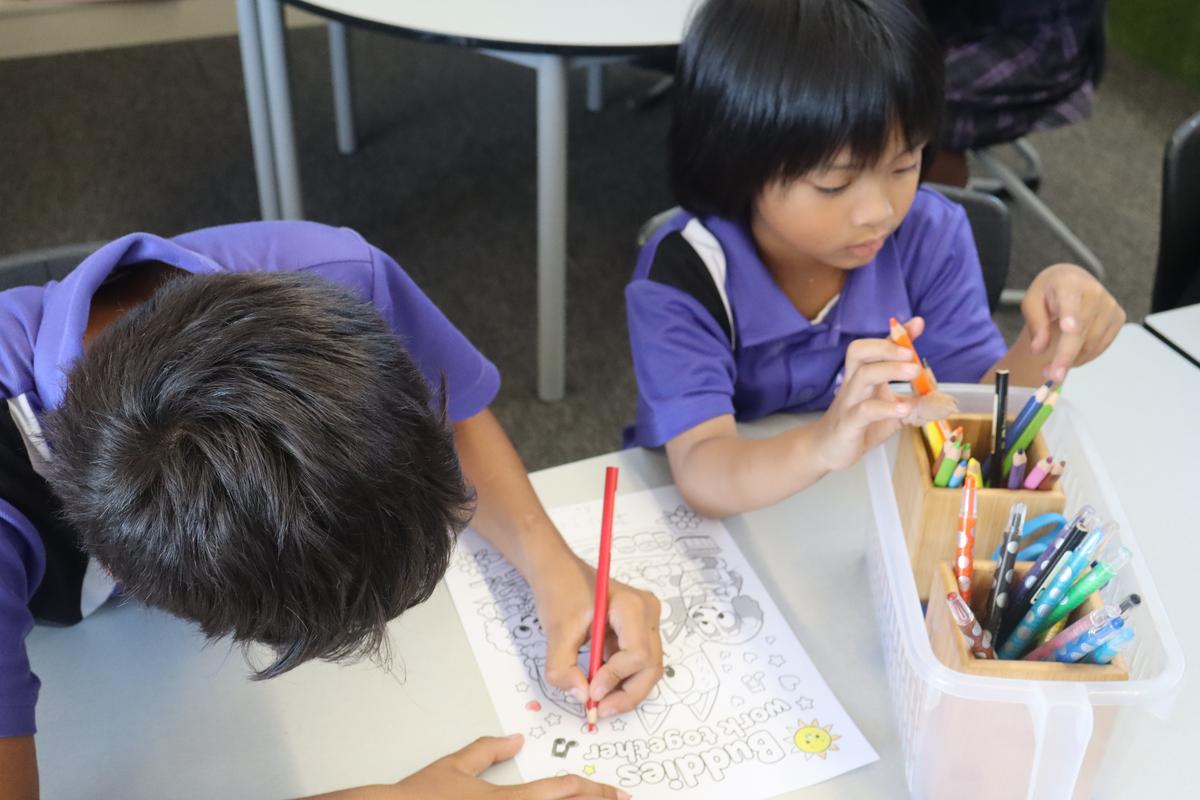
This term, our Grade 5 students are excited to begin their participation in the Buddy Program with our Grade Prep students. This program provides a wonderful leadership opportunity for our Grade 5s, allowing them to develop important skills such as responsibility, empathy, patience, and positive role modelling.
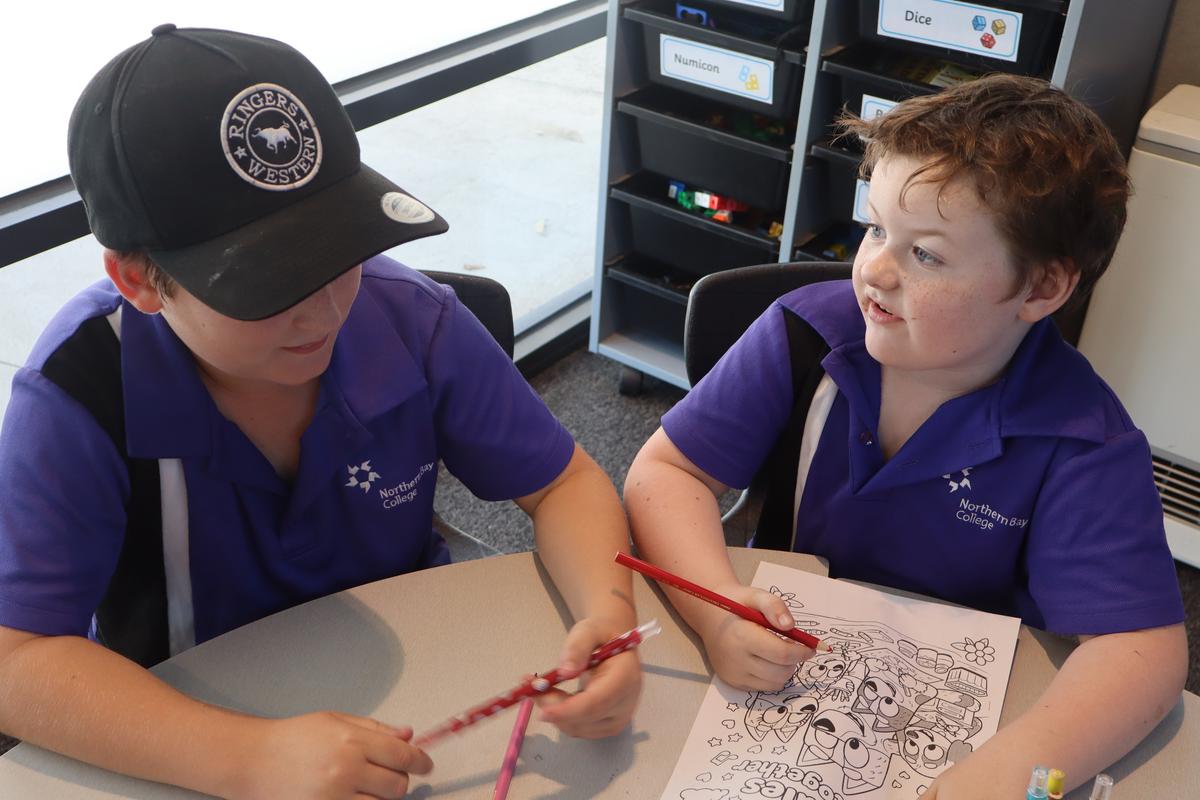
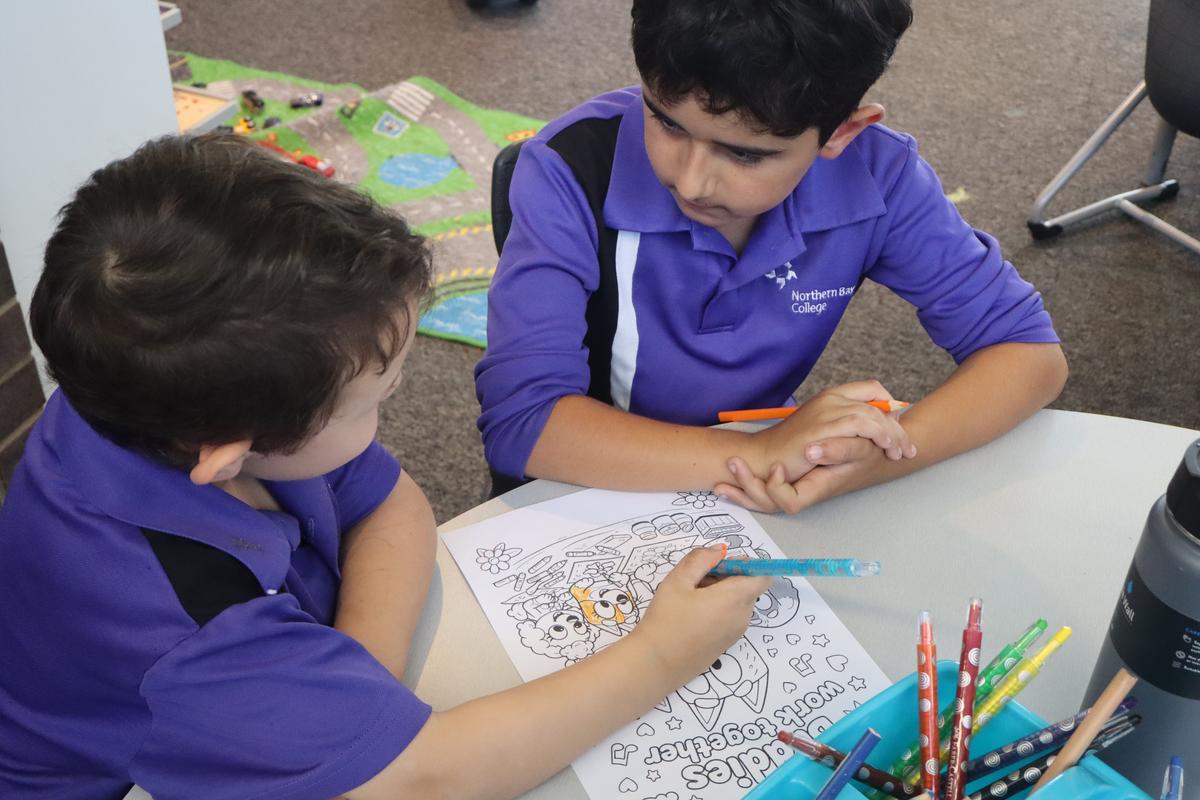
For our Prep students, buddies play a valuable role in helping them feel safe, supported, and connected as they begin their school journey. Building relationships with older peers can make a significant difference to a child’s confidence and sense of belonging within the school community.
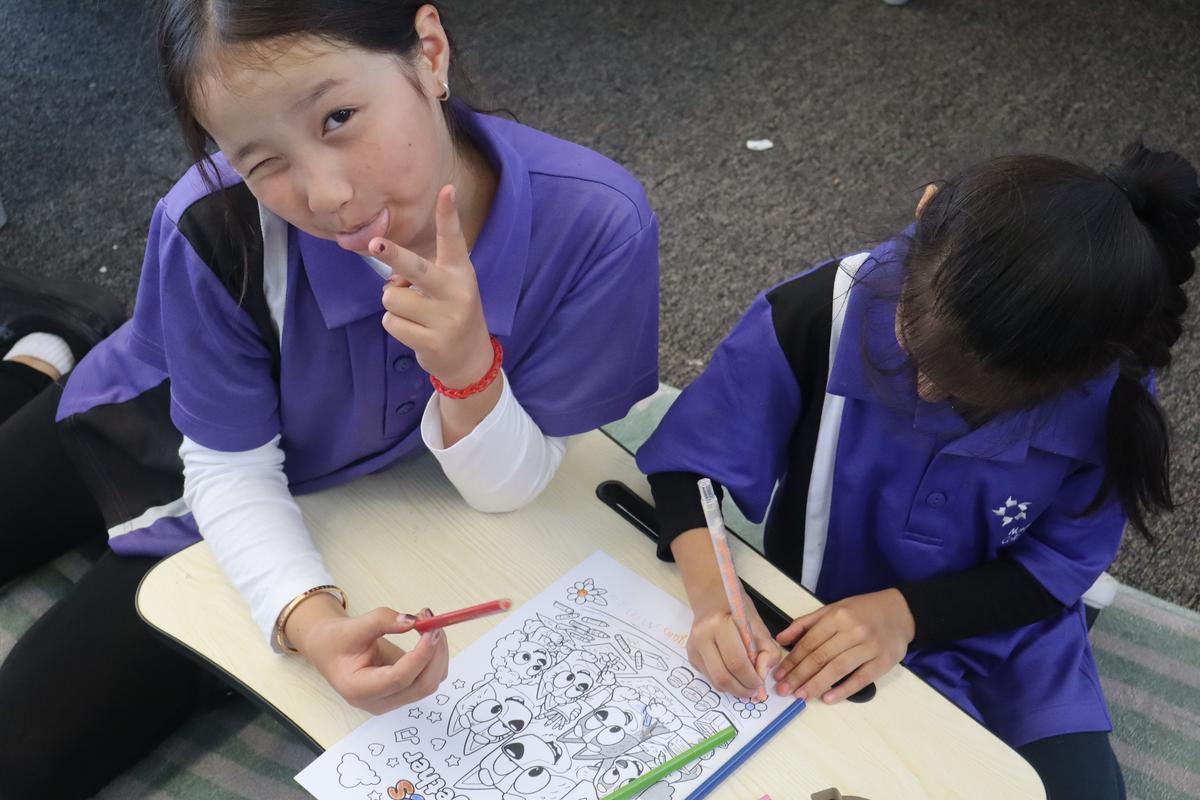
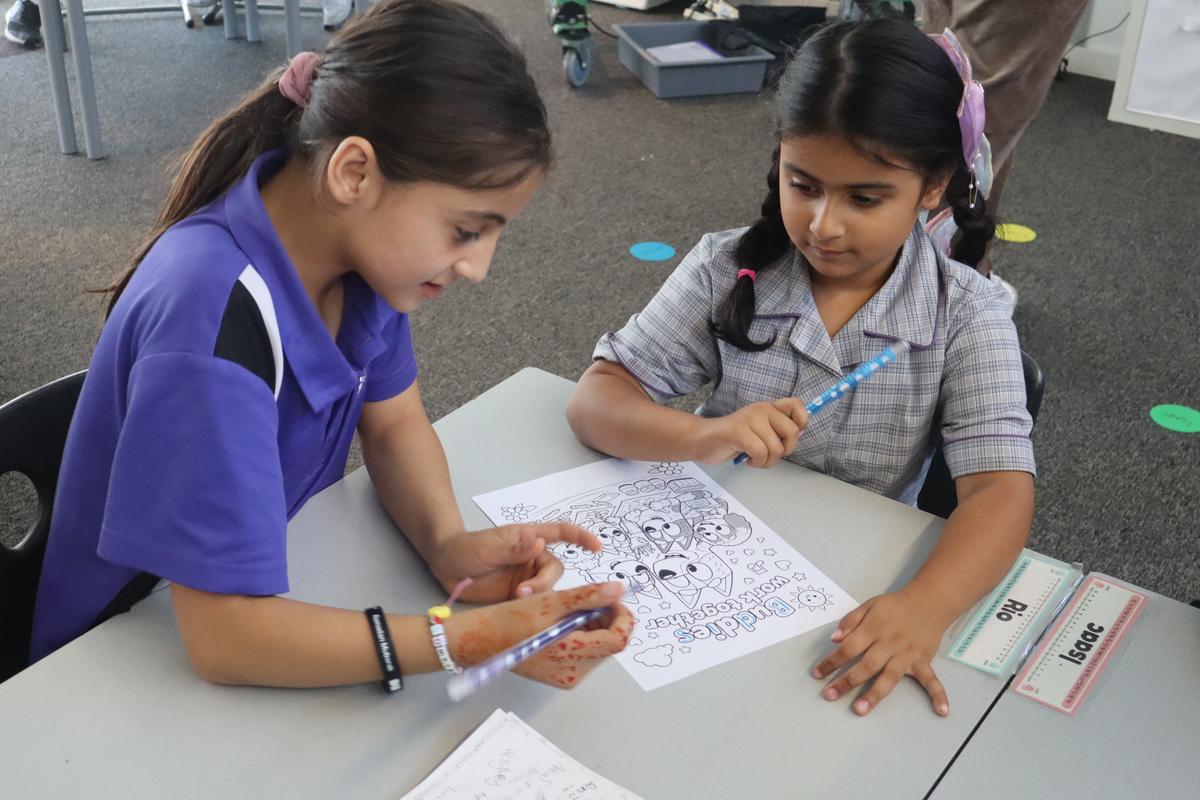
Throughout the year, students will engage in a variety of shared activities designed to foster positive relationships and create a strong sense of community across year levels. We look forward to seeing these connections grow and the many benefits this program brings to both our younger and older students.

Griffin Errey
Personal and Social Capabilities - Lead Teacher
Mental Health and Wellbeing Leader
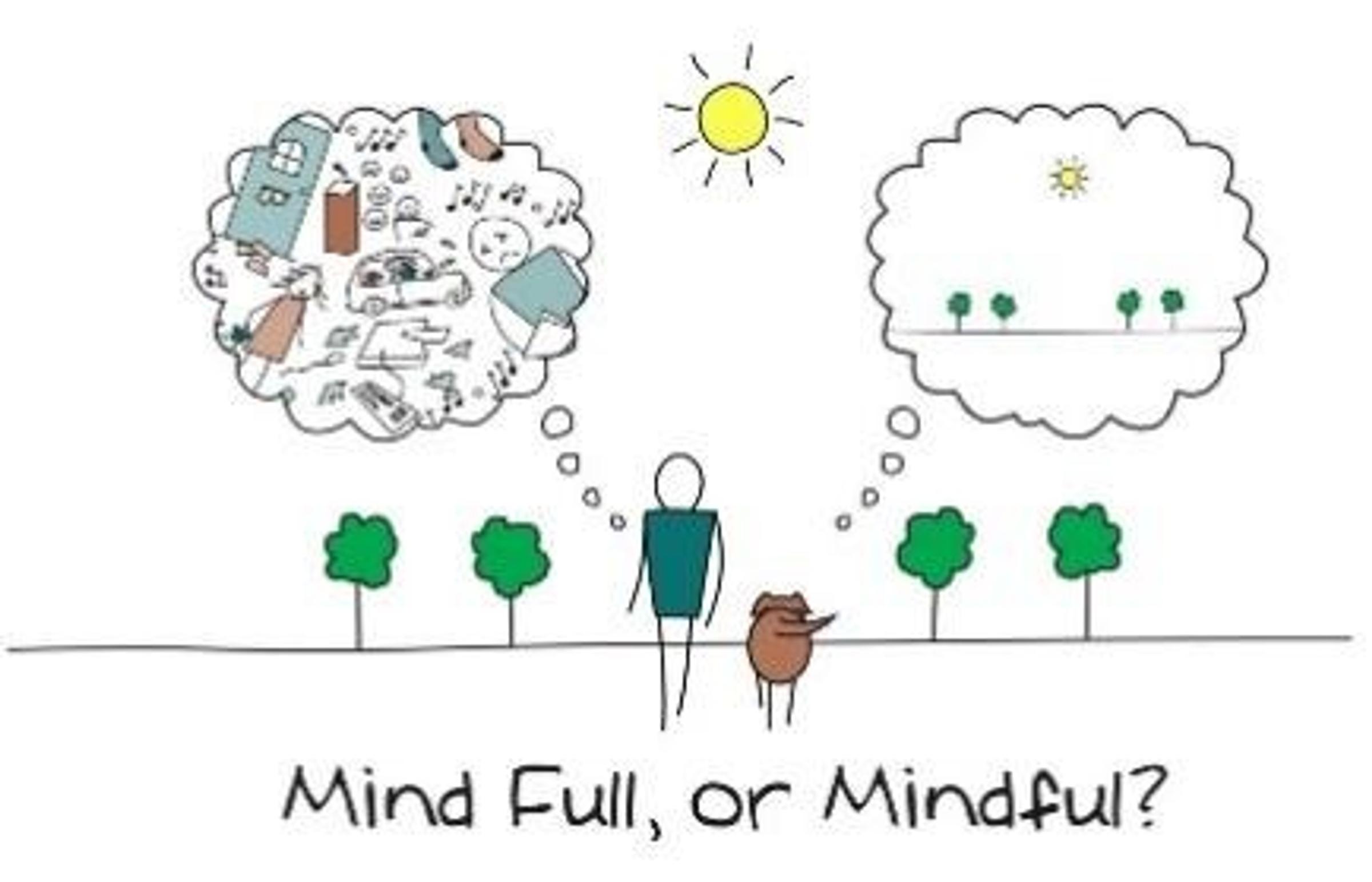
What Is Mindfulness?
Mindfulness means paying attention to what is happening right now. It helps children and adults to focus on the present instead of worrying about the past or the future.
Many of us have worried about something that never actually happened. Mindfulness helps children feel calmer and more in control.
Across our College, students from Prep to Year 12 are learning simple mindfulness skills to help them focus, manage their emotions, and show kindness to themselves and others.
Why Mindfulness Matters?
Benefits for children and teens
We know from research that mindfulness…
We know that with the increase in social media, especially short videos and reels, children’s and teens’ brains are changing. This can affect their ability to focus and concentrate (attention fragmentation). Mindfulness is a simple and practical way to help strengthen attention, build calm, and support healthy brain development.
Mindfulness is a way to calm yourself down, even if something happens outside, it doesn’t affect you after mindfulness. Your body will be calm and your mind clear. Kobe TC 1
Mindfulness in Classrooms
Students can explore mindfulness through:
Mindful movement – yoga/cosmic kids yoga
Mindfulness helps me focus and get back on track and listen to the teacher. And it helps me think about the present and not worry about the past or future. Hams TD 1

Mindfulness coloring Husnia TE 2
How to support mindfulness at home: - Model how to practice mindfulness - even 2 minutes of mindfulness practice can help.
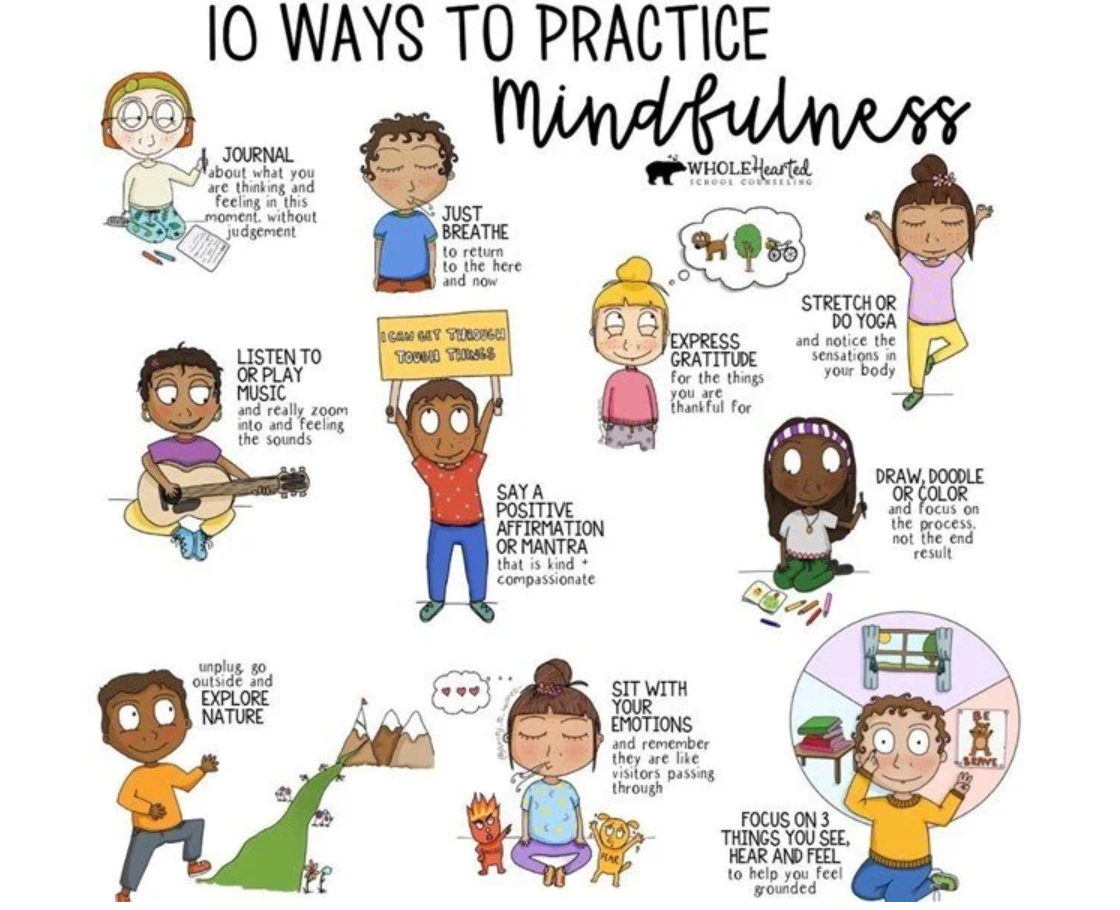
These simple strategies presented above will help your child stay present, focused, and calm while building healthy habits that support their wellbeing and happiness.
“We can’t always control what happens, but we can learn to control how we respond.” – Viktor Frankl

Selma Tron
Year 5/6 Learning Adjustment Coach