
Assistant Principal's Report

Dear Parents and Carers,
Free public transport for people aged under 18:
From 1 January 2026, all people under 18 can travel free on public transport, including trams, trains, buses and coaches. To access free travel, young people will need a new youth myki card and must tap on and off each trip.
More information about the youth myki card will be available later in Term 4, 2025 – refer to the myki types webpage on the Transport Victoria website.
New Year of Learning:
The 'new year of learning' webpage helps families and students of all year levels to prepare for school in 2026.
It includes tips for key transitions such as starting Prep, moving to secondary school, or beginning VCE, as well as information on what to expect at school, support with school costs, health and wellbeing advice, and learning and disability supports.
Every Day Counts: Attendance
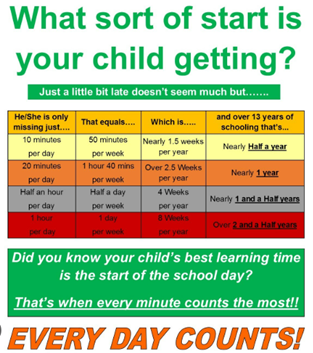
Going to school every day is an important part of your child’s education. Each day provides opportunities to learn new things, connect with friends, and develop positive habits that support their success.
Regular attendance helps children:
- build important knowledge and learning skills
- develop communication, teamwork and resilience
form friendships that build confidence and belonging.
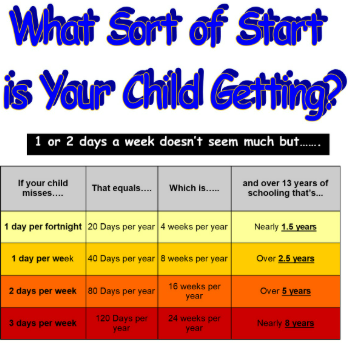
Missing one day every fortnight adds up to four weeks of lost learning across the year. Wherever possible, please make appointments outside of school hours and plan holidays during term breaks.
Some helpful tips:
- Celebrate good attendance and punctuality.
- Be a role model by showing commitment to your own responsibilities.
- Encourage involvement in sports, clubs or activities to build friendships and motivation.
- Keep routines consistent — homework, bedtime and morning preparation.
- Pack school bags and prepare uniforms the night before.
- Arrange for your child to meet a friend to travel to school together.
Remembrance Day:
We held a short Remembrance Day ceremony on Tuesday, November 11 at 11:00. Our Community Captains made a brief speech while each class listened to and watched information in honour of the fallen in their classrooms. Lest we forget.
Lost and Found:
We have a designated Lost and Found area located near the Year 4 entrance, which is starting to fill. To ensure the safe return of your child's lost items, it is recommended to label their belongings. If your child has misplaced an item, please check this space. All items left at the end of the year will be donated to children in need.
Parent Morning Tea: Thank you!
At Burwood East Primary, we value the partnerships we make with parents and the wider community. It is through such partnerships that we can maximise success for our students. There are so many ways that you all contribute to our school, so in thanks we invite all our Parent and Carer Helpers to a very special morning tea.
When: Thursday, 4 December
When: 11.15 am
Where: Main staffroom
Smile Squad:
Six month fluoride varnish visit December 3rd and 4th
The healthAbility Smile Squad team are heading back to our school to complete six-monthly fluoride varnish applications for those students who have provided consent when students’ initial consent forms were returned earlier in the year.
Fluoride varnish applications help make sure students have the best chance of preventing tooth decay, so we’re excited Smile Squad are coming back.
Consent for this fluoride varnish application was provided. However, if anyone has changed their mind and do not wish to receive a fluoride varnish application, they can contact healthAbility directly to let them know.
Please contact the SmileSquad team via: 0405990729 or SmileSquad@healthAbility.org.au
The Smile Squad team look forward to visiting soon.
Friendships:
As we prepare for 2026 class placements, many parents have questions about their child’s friendships — which ones to nurture, when a break might help, or how to support children who find friendships challenging.
You may worry about which friendships to encourage, which ones might need a break, whether your child has enough friends, or what to do if your child struggles to get along with others.
The Raising Children Network offers helpful advice on supporting school-age friendships and building confidence, wellbeing and social skills. Friendships help children learn how to cooperate, solve problems and manage friendship fires — skills that support their emotional health and future relationships.
If you would like to find out more and put your mind at ease, you may like to read the information on Supporting your school-age child’s friendships.
You can read more and explore 10 frequently asked questions about children’s friendships on the Raising Children Network website.
Year 6 Campers:
We wish our Year 6 students all the best on their upcoming camp and look forward to hearing about their adventures.
Take care,
Edwina & Teri