
WELLBEING
MR JORGEN LESCHKE - DIRECTOR OF WELLBEING
WELLBEING
MR JORGEN LESCHKE - DIRECTOR OF WELLBEING

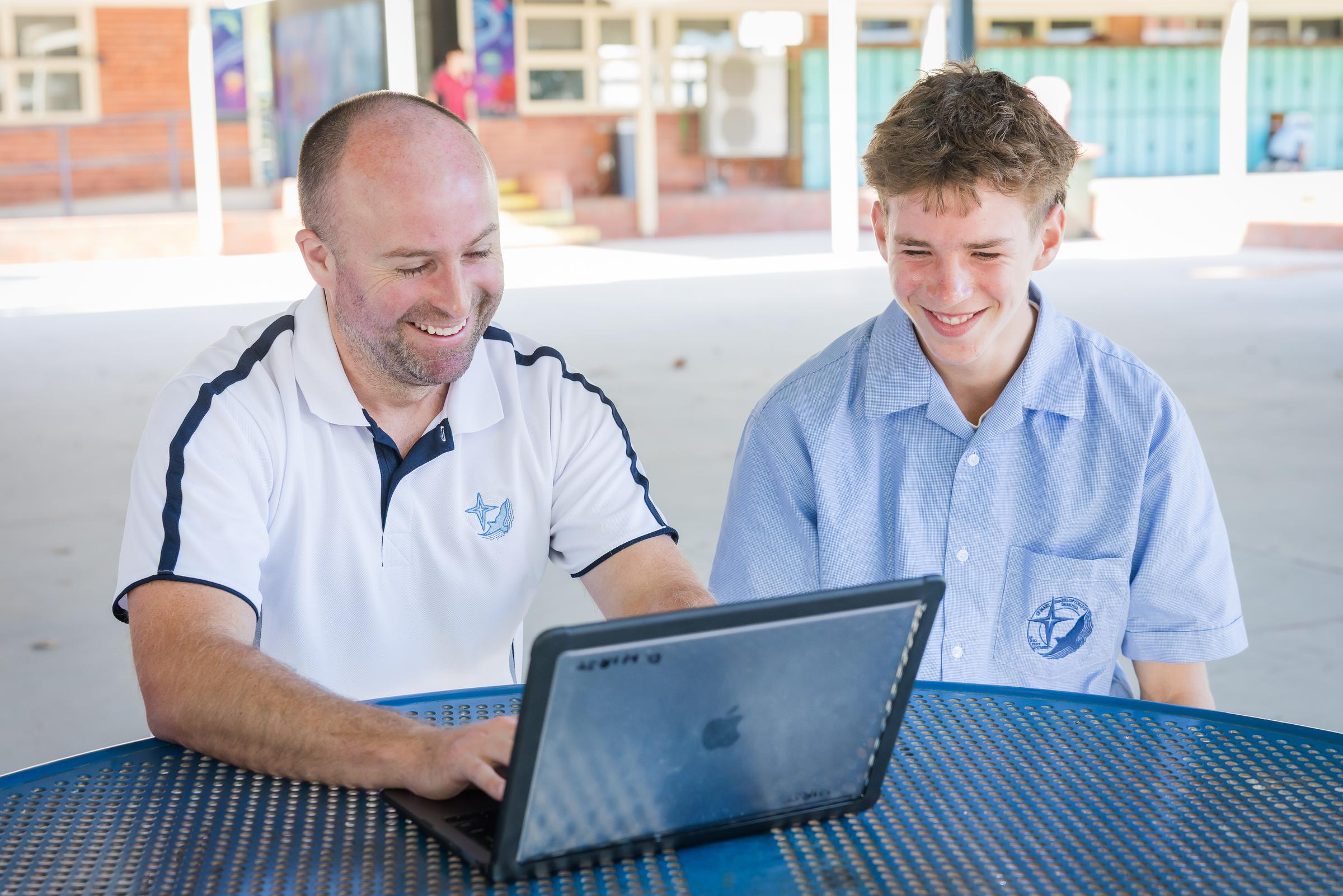
The Wellbeing Team is pleased to welcome our school community to the 2026 school year. We look forward to supporting our students through a year of learning, growth and positive experiences. Our focus remains on providing a caring and inclusive environment where students feel supported as they manage challenges and build confidence and resilience.
Our Wellbeing Team is led by Jorgen Leschke, who is excited to step into the role of Director of Wellbeing. He is supported by Gemma Phelan and Paula Stevens, who are both on campus full time, along with Tylah Gibbins and Jemma Cockfield, who work part time. Together, we are a compassionate and approachable team, ready to support students and families with wellbeing needs as they arise.
We are continuing our partnership with The Resilience Project, delivering their resilience-focused program within Wellbeing classes for Year 7 and Year 8 students. This program supports students to develop practical skills for managing their wellbeing, while strengthening the connection between school and home. Regular updates, resources and strategies will be shared through our newsletter and social media channels to support student wellbeing alongside academic success.
School Transitions
School transitions are a normal and important part of a child’s educational journey, but they can also be a time of uncertainty and heightened emotion. Transitions may include starting school, moving to a new year level, changing schools, or transitioning from primary to secondary settings. Even positive changes can feel overwhelming as children adjust to new environments, routines, expectations and relationships.
Ways to help overcome School Transitions:
Prepare Early and Talk About What to Expect
Where possible, prepare children ahead of time by talking through what will be different and what will stay the same. Clear, age-appropriate explanations help reduce uncertainty. Visiting new environments, meeting teachers, or discussing daily routines can support familiarity and confidence.
Acknowledge Feelings and Normalise Change
Mixed emotions are common during transitions. Let your child know that feeling nervous, unsure or excited is normal. Encourage open conversation without rushing reassurance or dismissing concerns. Feeling understood helps children process change more confidently.
Maintain Routines and Predictability
Consistent routines provide a sense of stability during times of change. Maintaining regular sleep, meals, school attendance and family time supports emotional regulation and helps children feel secure as they adjust.
If you believe your child could benefit from Wellbeing support, please don't hesitate to contact the Wellbeing Team on 03 5032 9771.
Jorgen Leschke
Director of Wellbeing