From the Foundation and 1/2 Classrooms
Foundation
Each morning, our Foundation students begin the day by building their reading skills through a dedicated 20-minute literacy session. This daily routine helps students practise their reading, share their learning with others, and develop confidence as young readers.
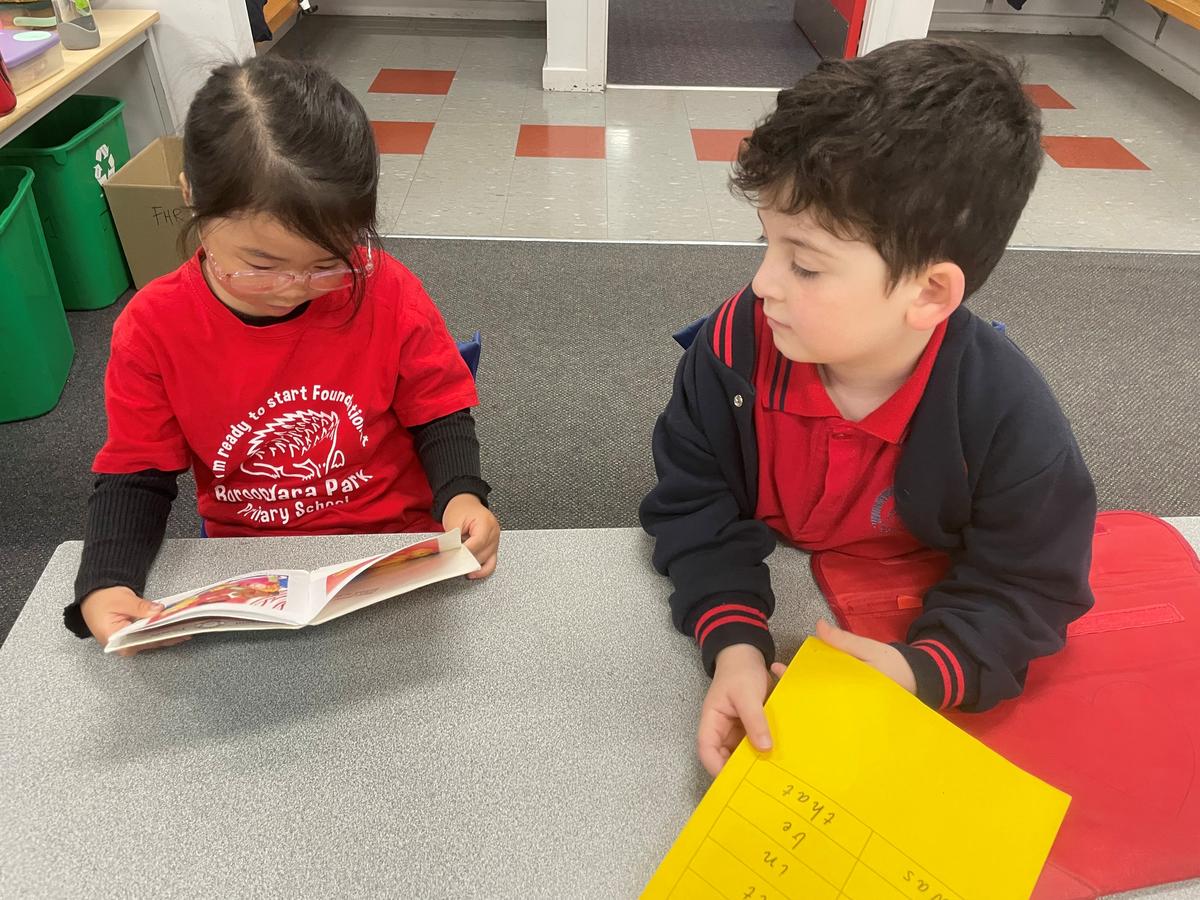
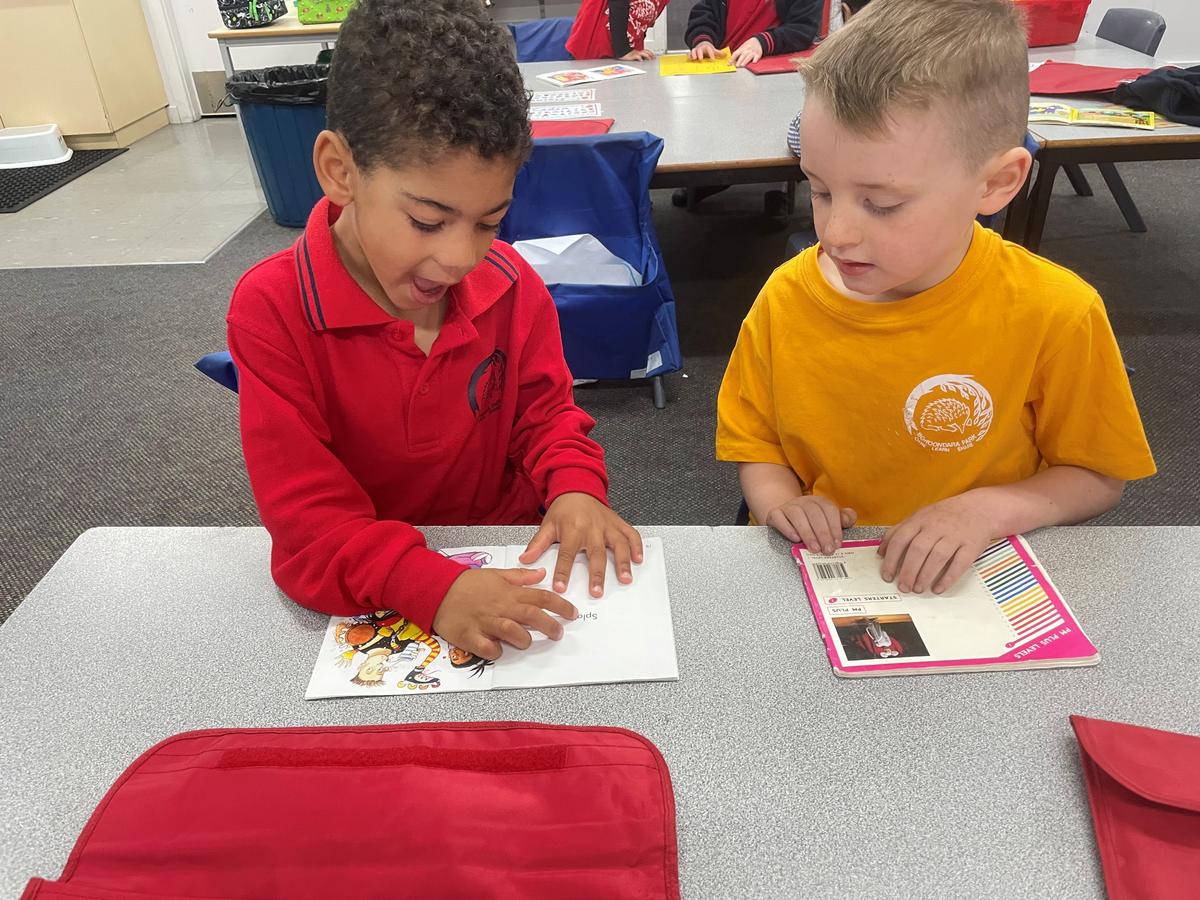
At the start of the session, students read their take-home books with a partner. This gives them the opportunity to show their classmates the reading they have been practising at home and celebrate their progress together. Partner reading also helps students improve their fluency while learning to listen and support one another.
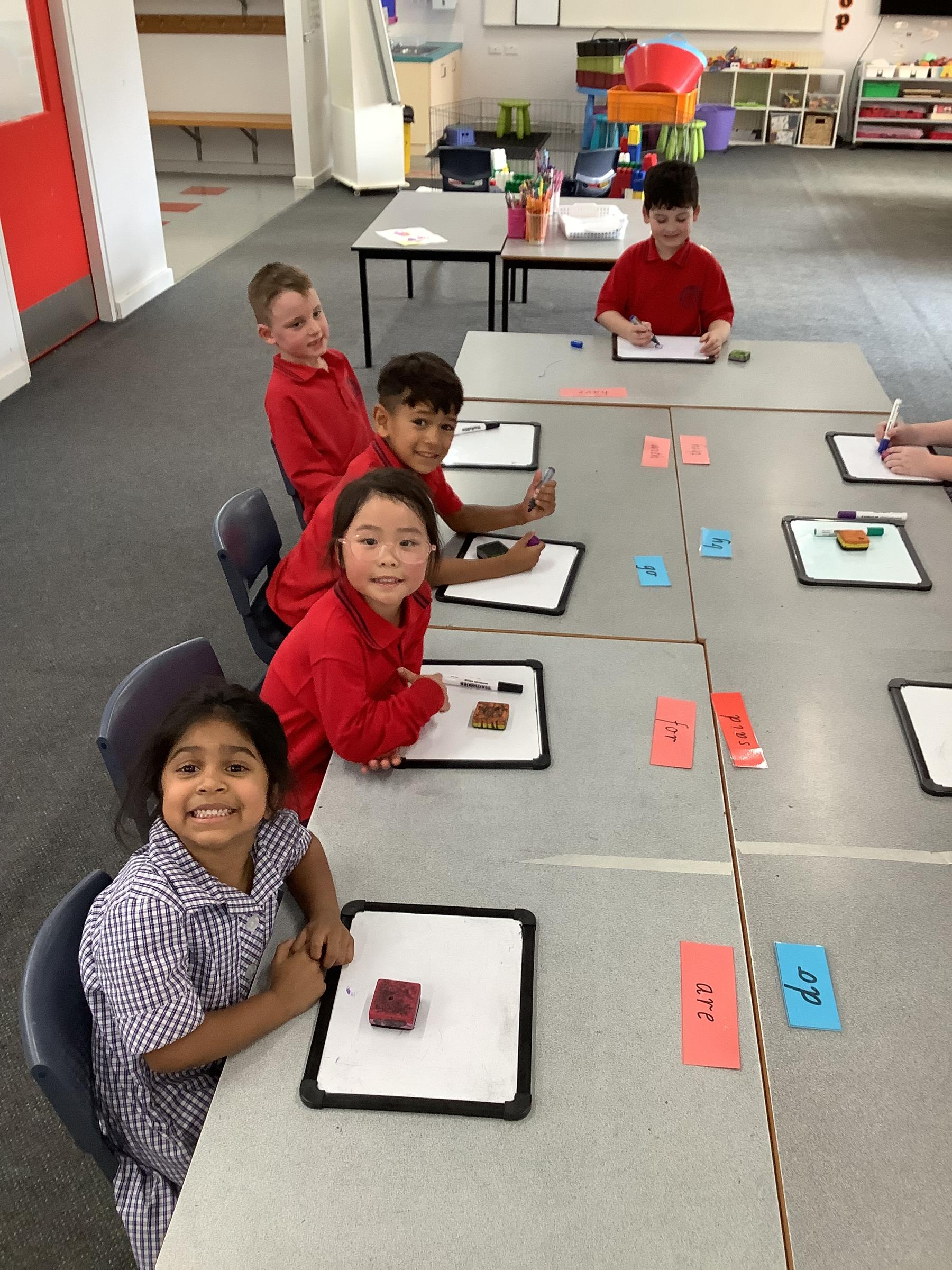
After sharing their take-home books, students choose a new book and read through it independently. They then select their favourite page from the book and copy it onto a mini whiteboard. This activity strengthens both reading and writing skills, as students carefully look at the words and practise writing them.
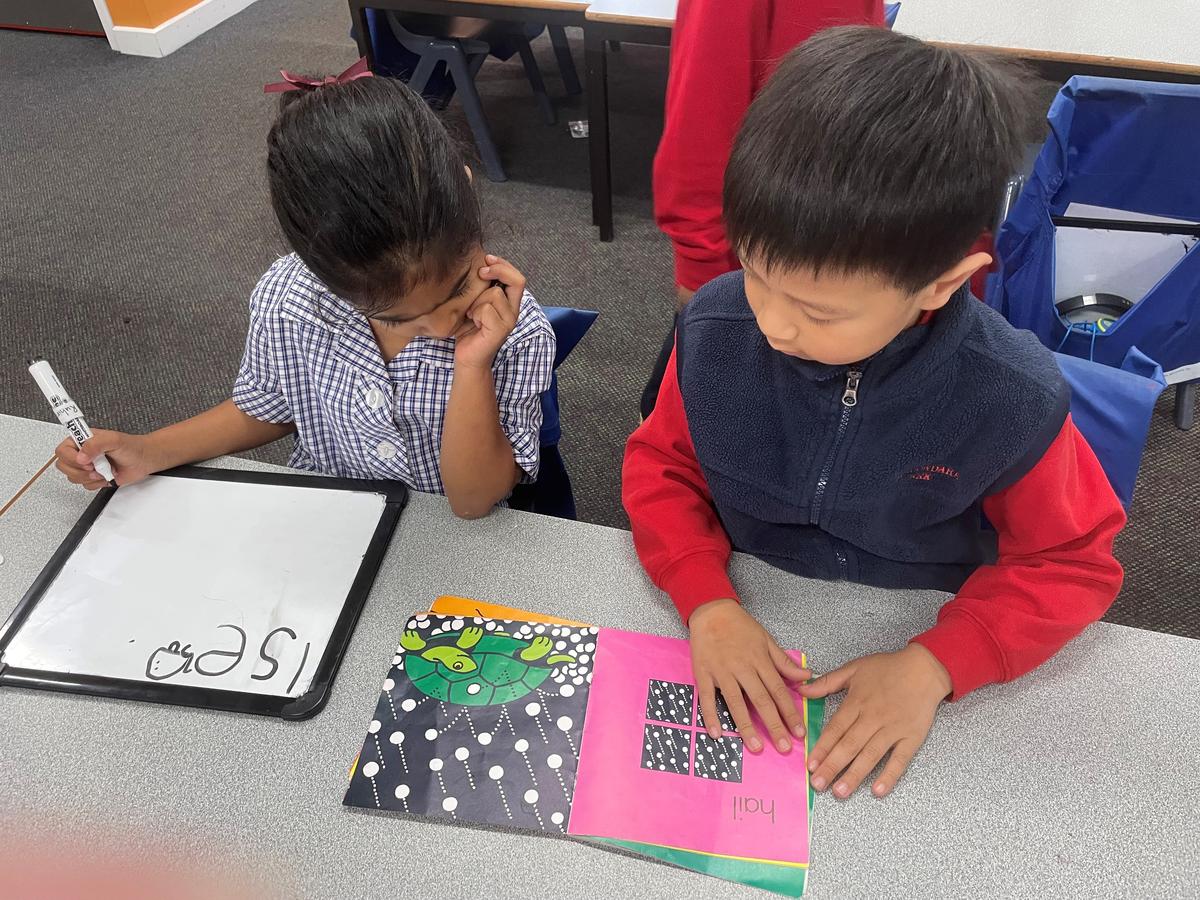
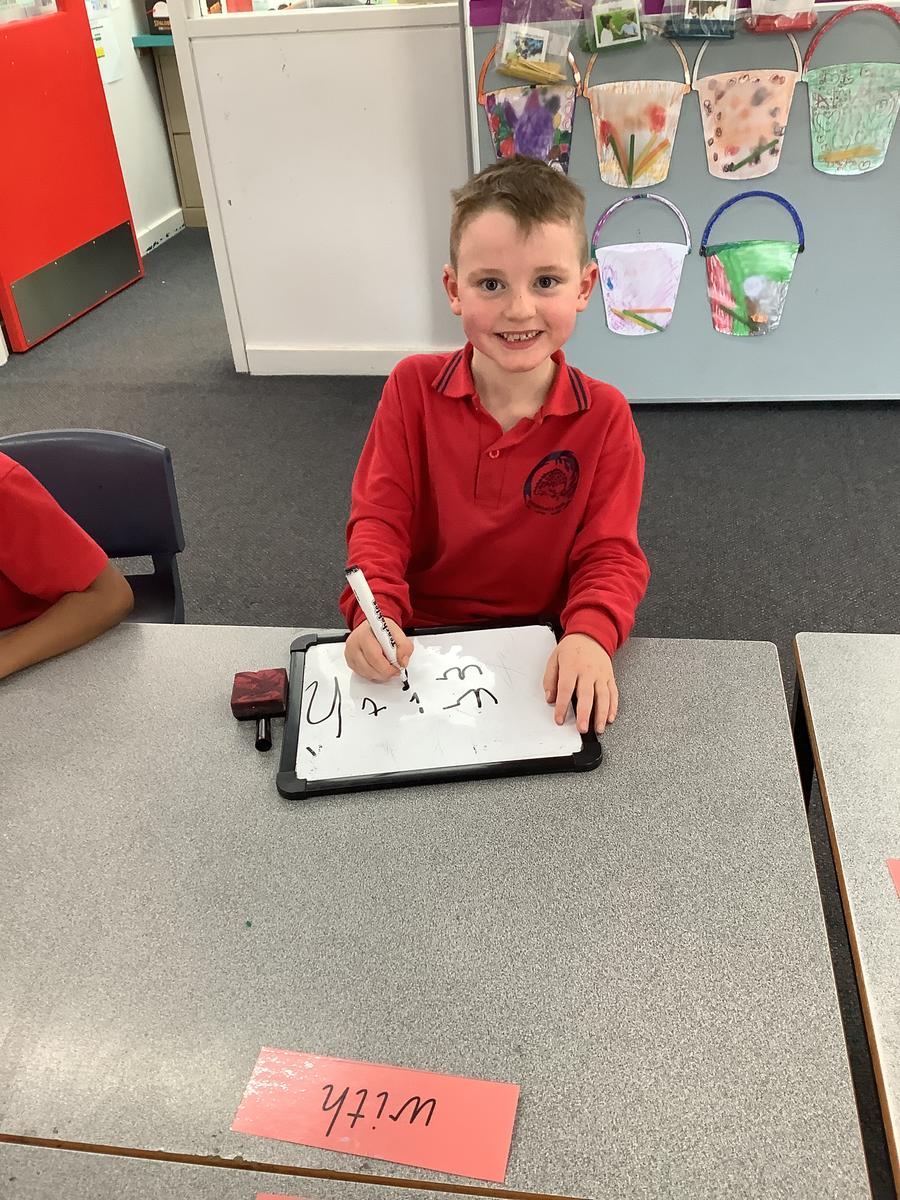
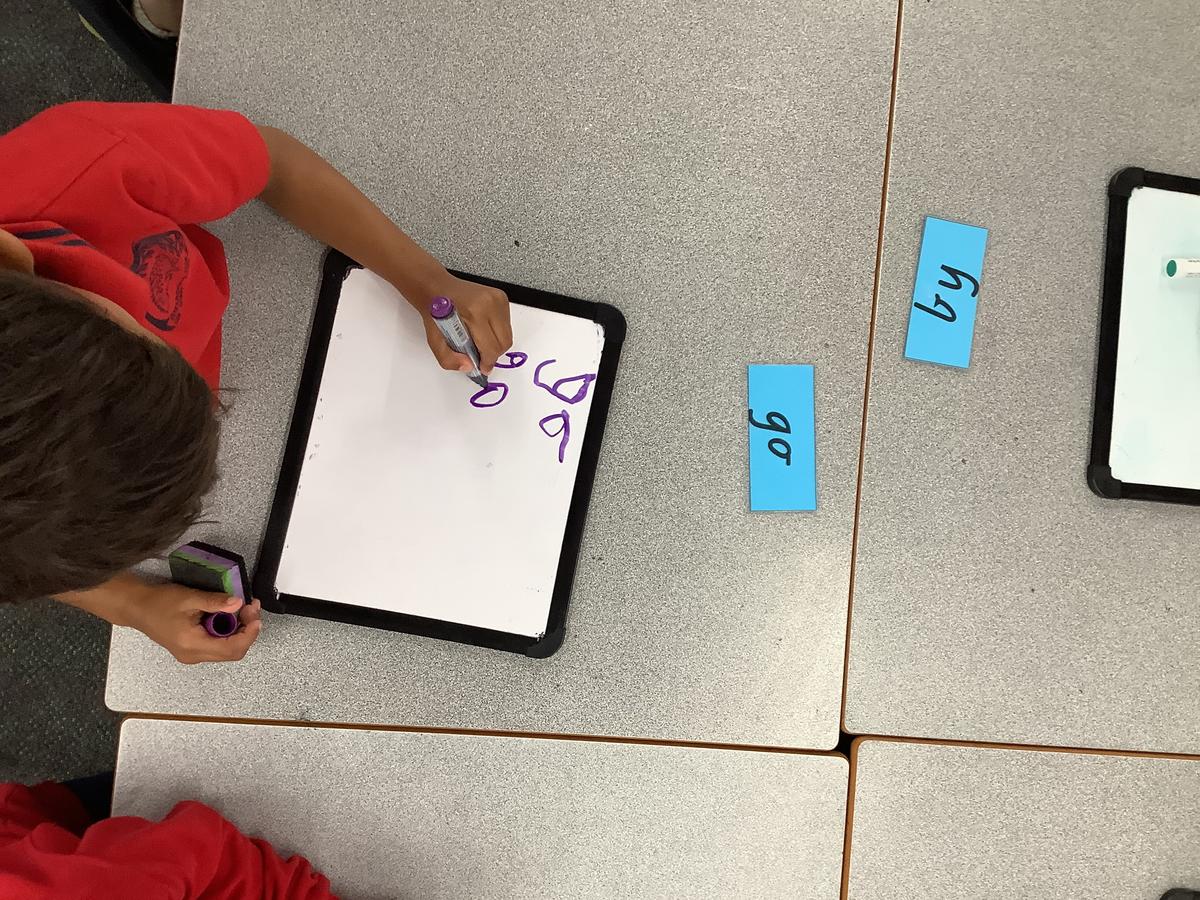
Students then move on to practising their high frequency words. These words are grouped into levels to help track progress. Students have already practised Level 1 Gold words and Level 2 Red words, and they are now focusing on Level 3 Blue words. During this activity, students sound out the words, read them aloud and practise writing them, helping them recognise common words quickly when reading.
Following this, students take part in the Phonics Plus program, which encourages them to use a variety of early literacy skills. During this session, students learn about the different sounds letters make and practise writing letters in both lowercase and uppercase forms.
So far, students have mastered the letters Ss, Aa, Tt, Pp, Ii, Nn, Cc, Mm, Dd, Oo and Gg. They are currently focusing on the letters Rr, Kk, Uu and Ee. Using the letters they have learned, students practise building and writing simple words such as red, mud, sit, and kit. Students also explore language through activities like rhyming and alliteration, which help them recognise patterns and sounds in words.
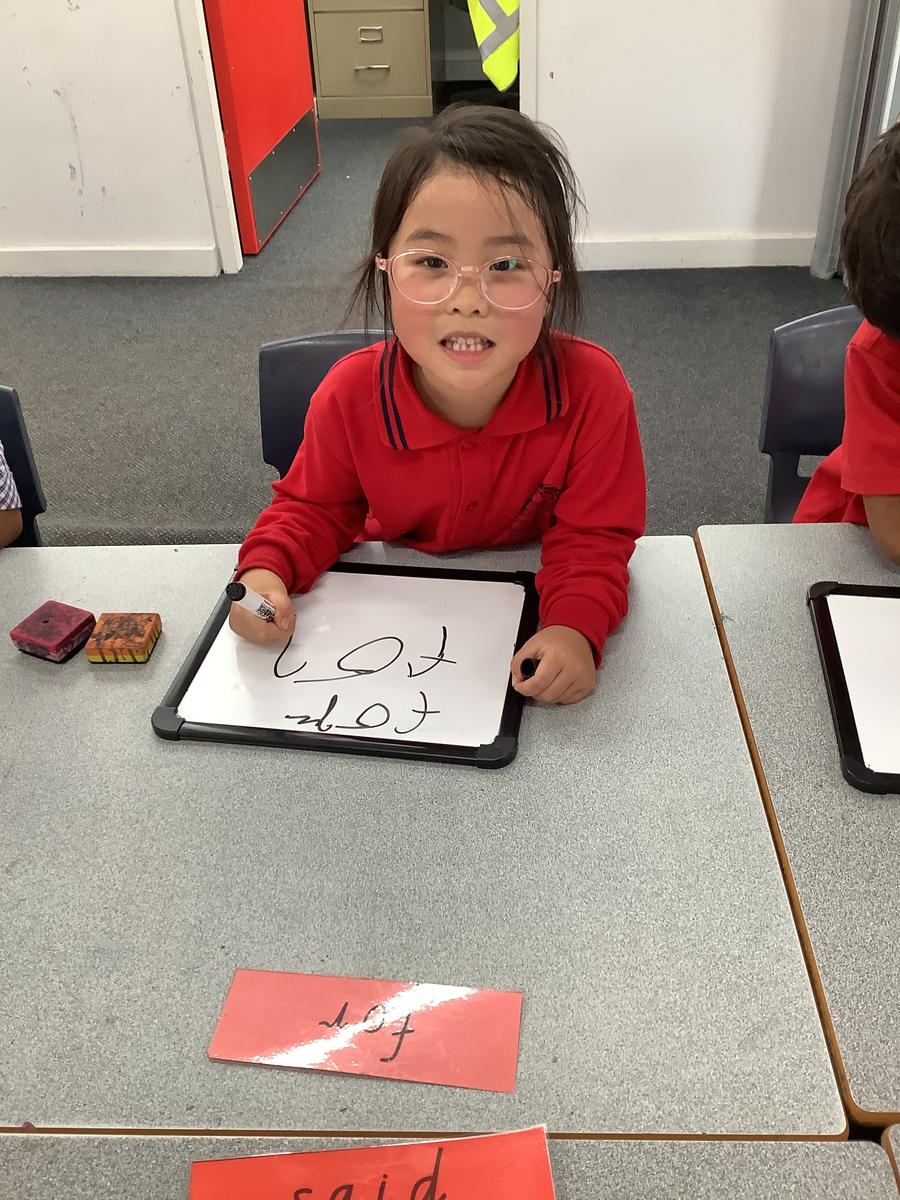
At the end of the Phonics Plus session, students practise dictation. During this activity, students listen carefully and write a simple sentence such as “The cod is in the dam.” These sentences combine their knowledge of high-frequency words with their phonics understanding. While writing their sentences, students are learning important writing conventions, including starting a sentence with a capital letter, leaving a finger space between each word, and ending the sentence with a full stop.
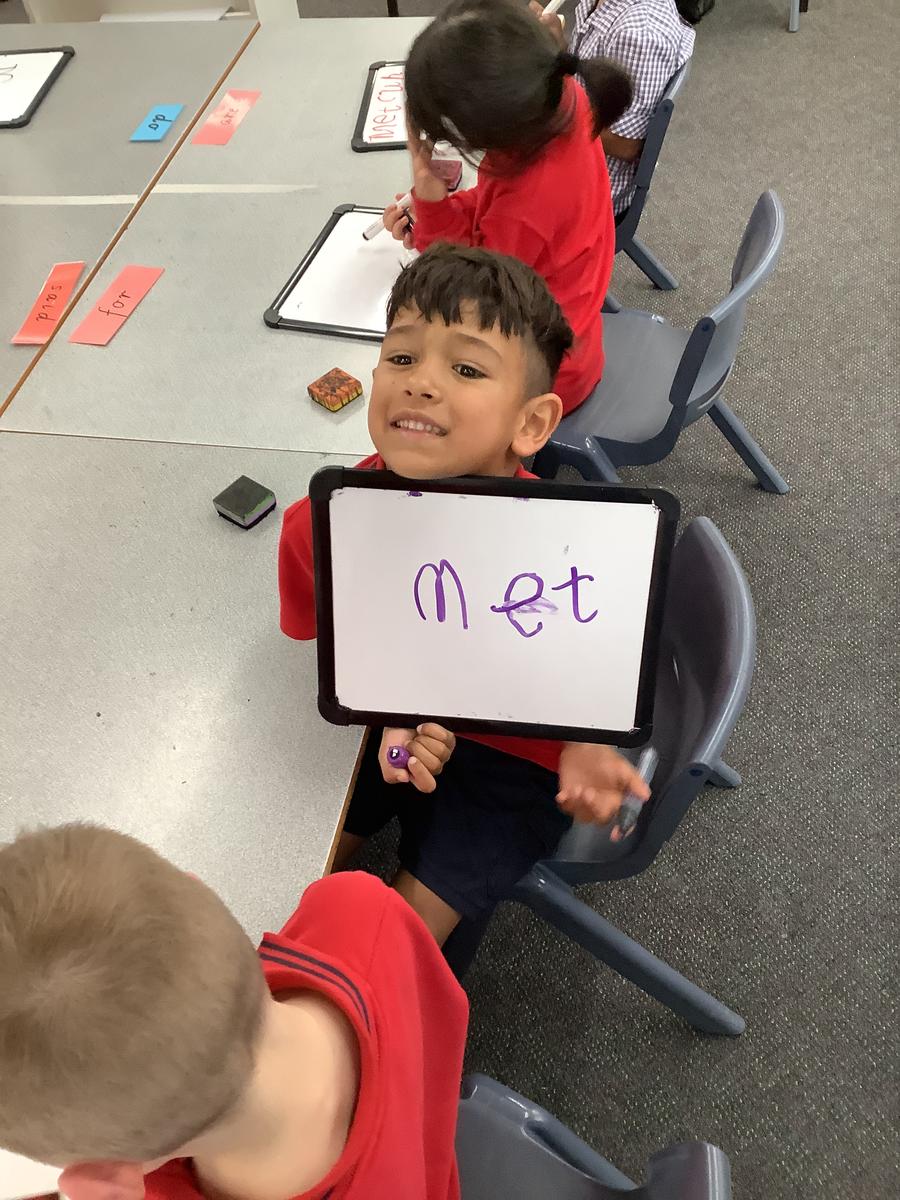
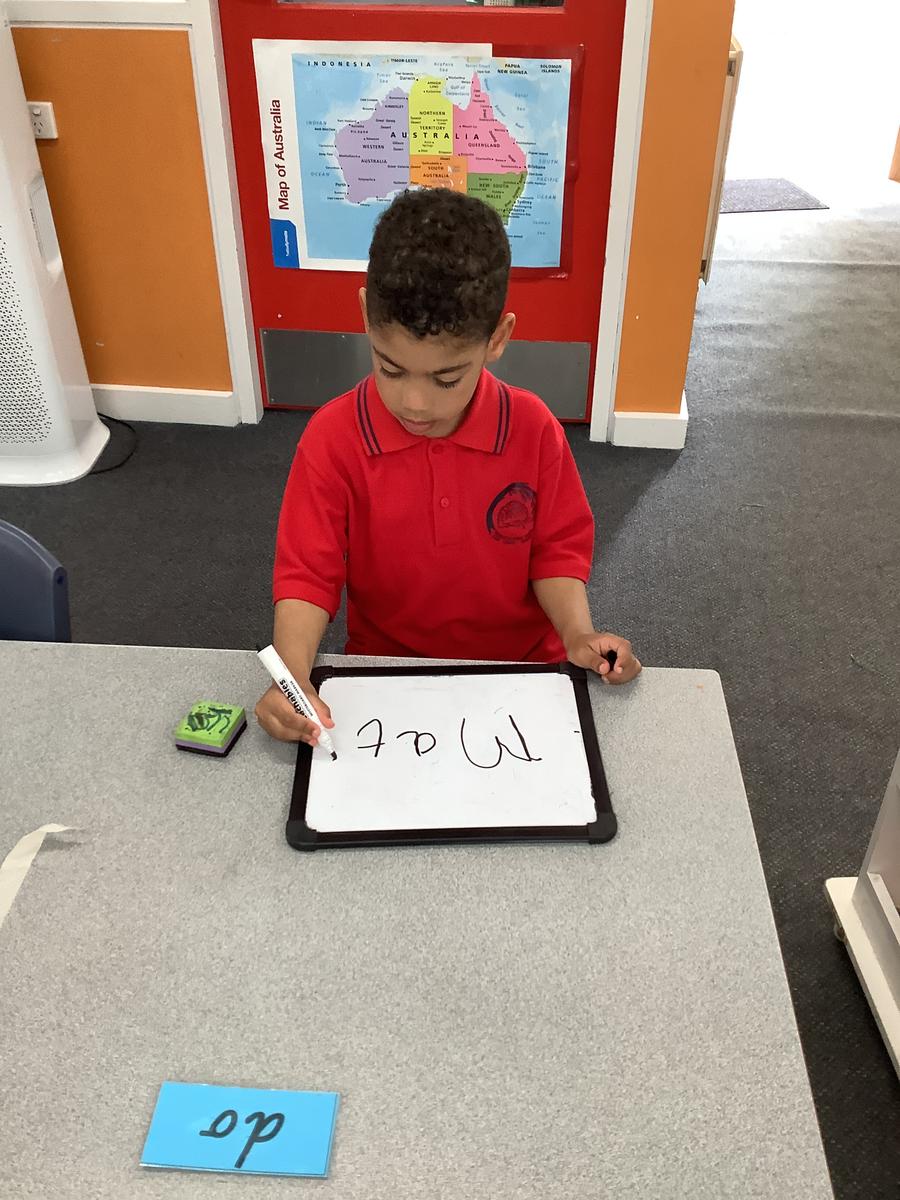
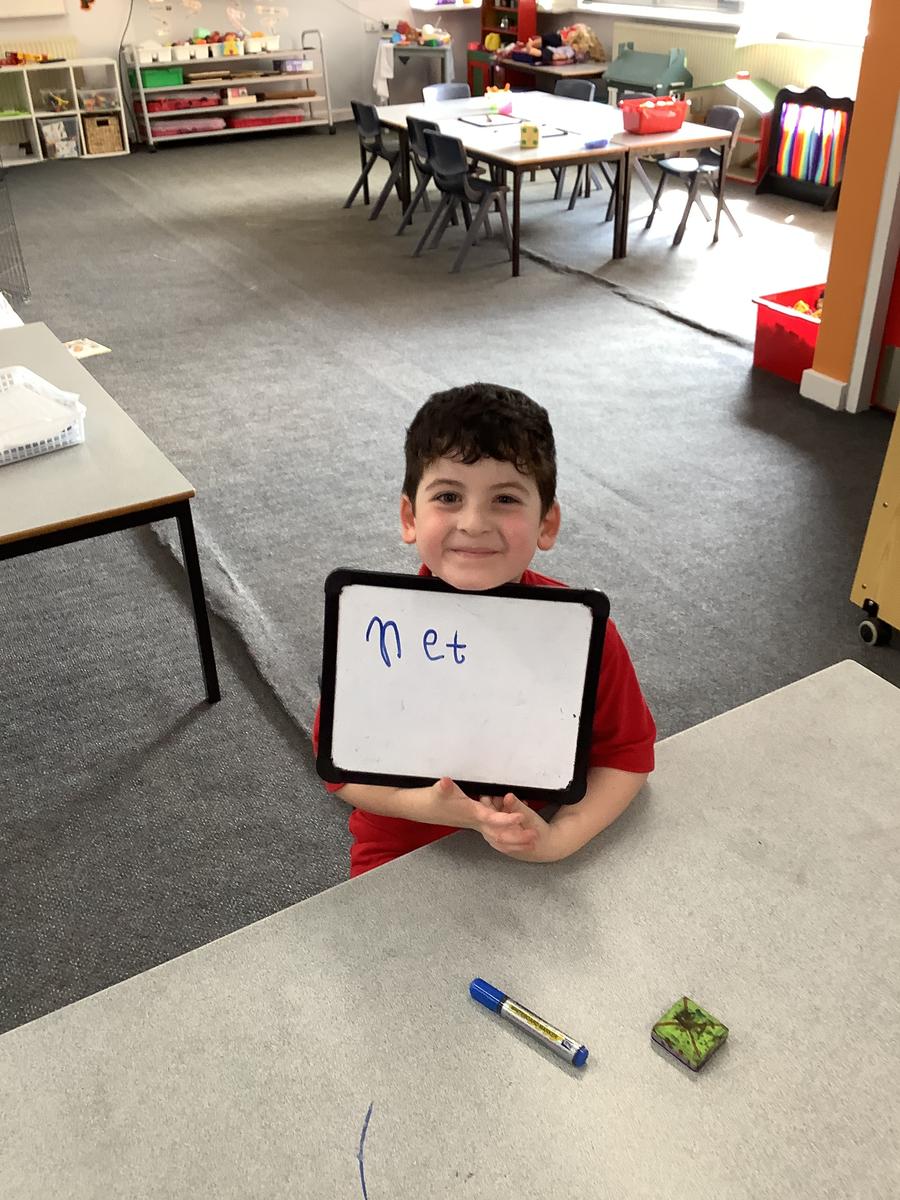
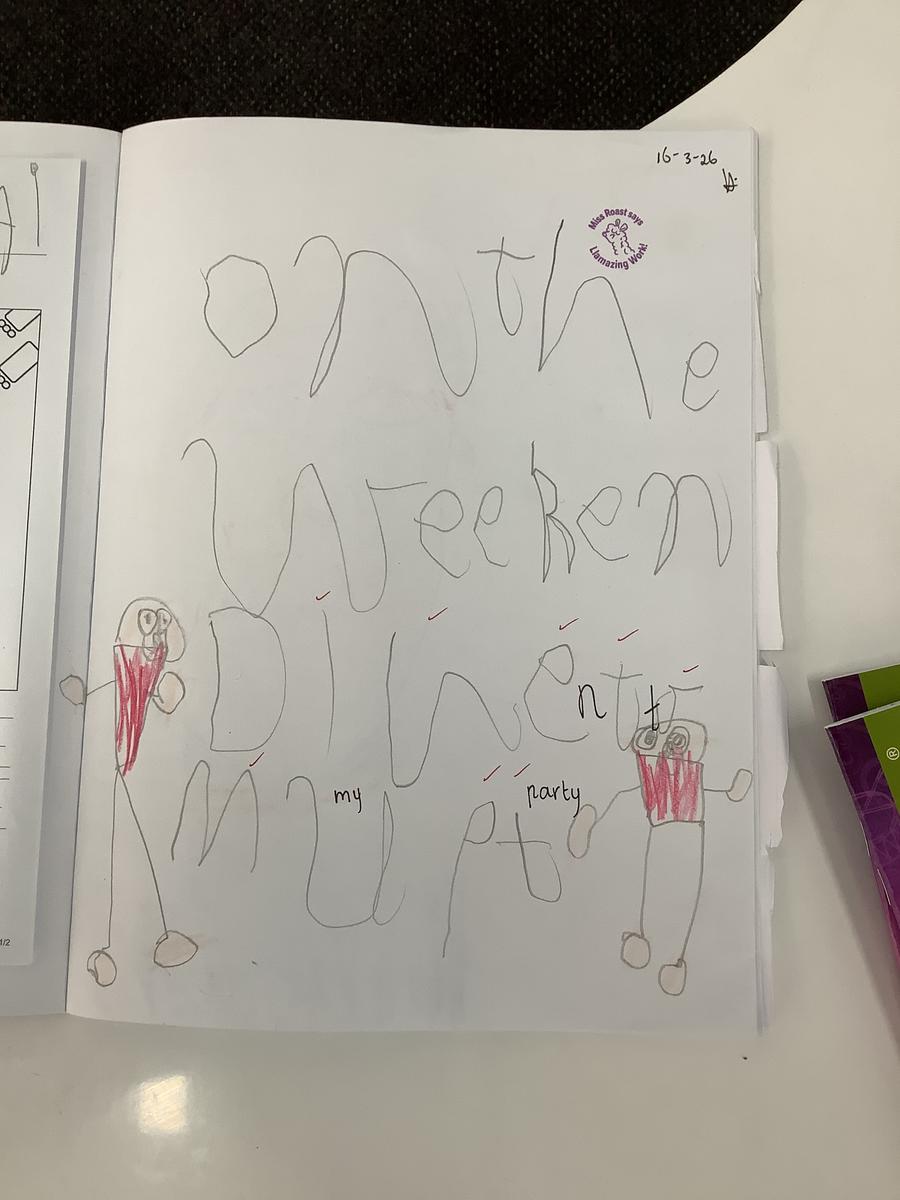
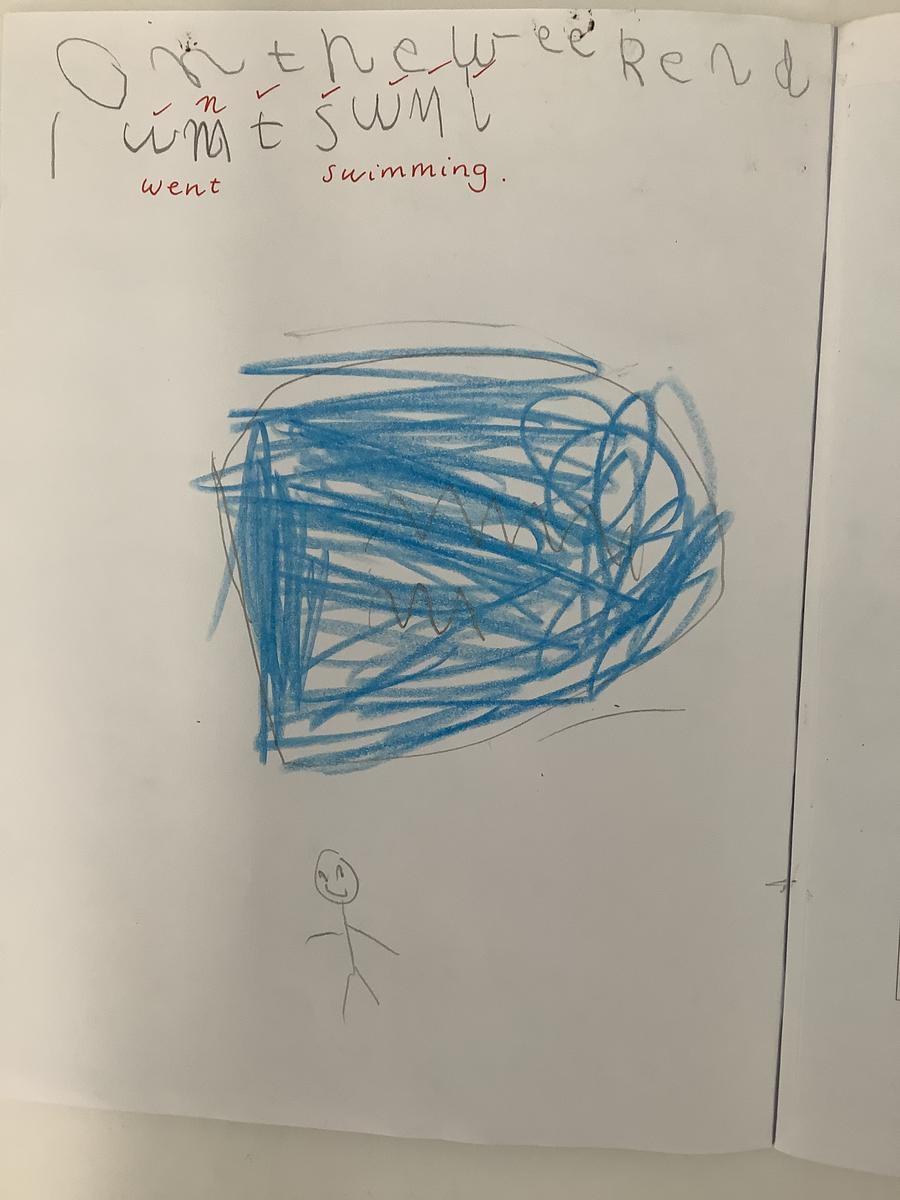
On Mondays, the morning routine finishes with a weekend recount. Students first share something exciting from their weekend with a partner and then with the class. The teacher demonstrates on the board how to begin a recount with the sentence starter, “On the weekend I…”. Students then copy the beginning of the sentence and try their best to write about something they did over the weekend.
It has been exciting to see how quickly the students have developed their literacy skills. With daily practice and engaging activities, our Foundation students are building confidence and a strong foundation for their future learning.
Grade 1/2
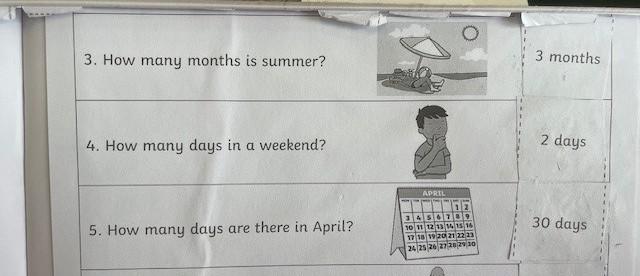
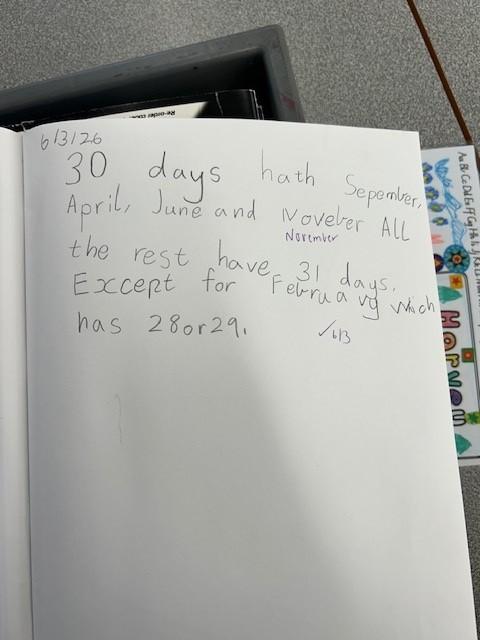
Our Grade 1 and 2 students have been learning about time and duration in their applied maths lessons. Students have been exploring different ways we measure time (hours, days, weeks, months) and how we use tools like calendars and stopwatches to help us understand how long events take (seconds, minutes).
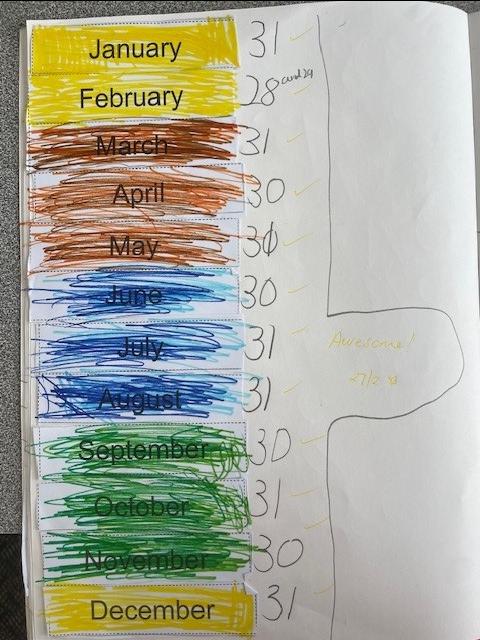
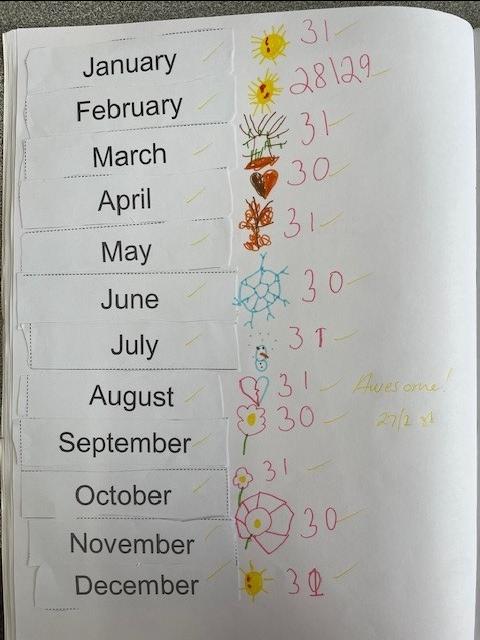
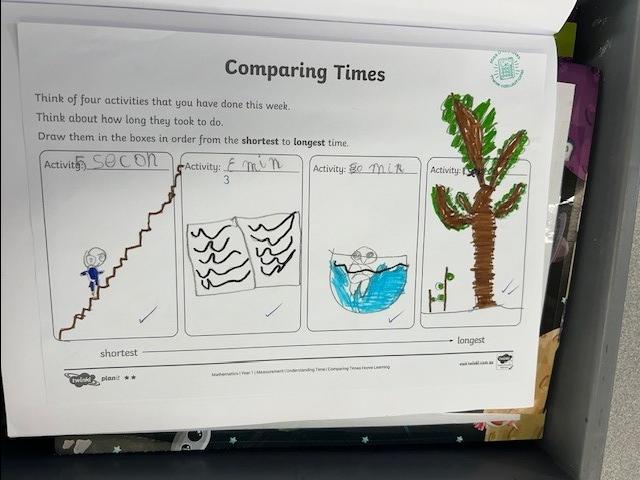
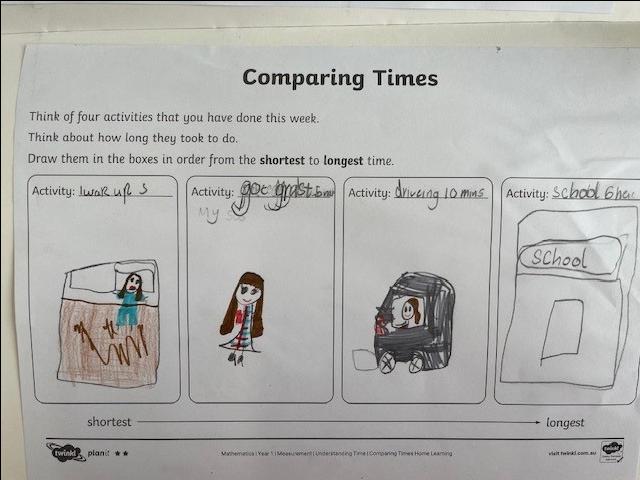
As part of this unit, students have been thinking about how long some of their daily tasks take. They were asked to order some of these tasks based on duration from shortest to longest duration.
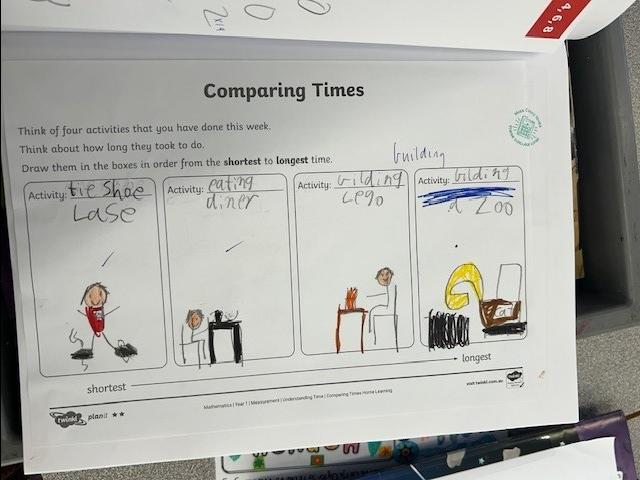
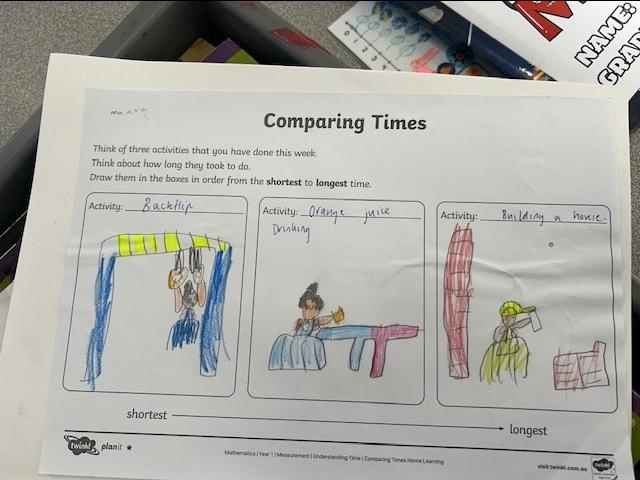
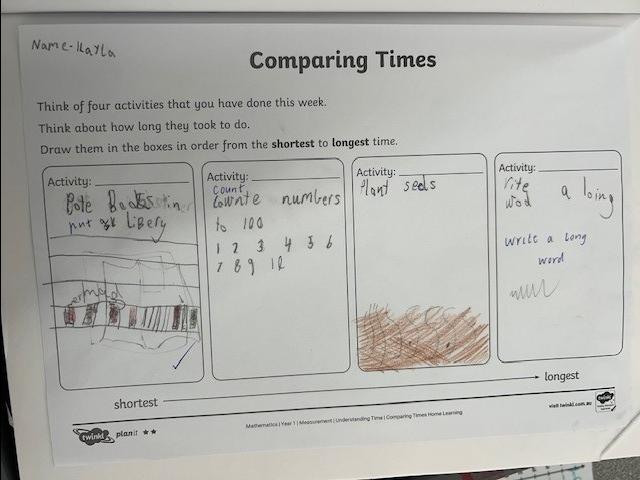
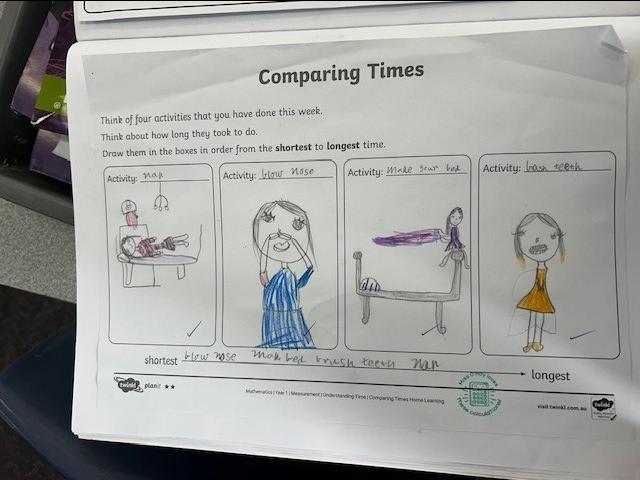
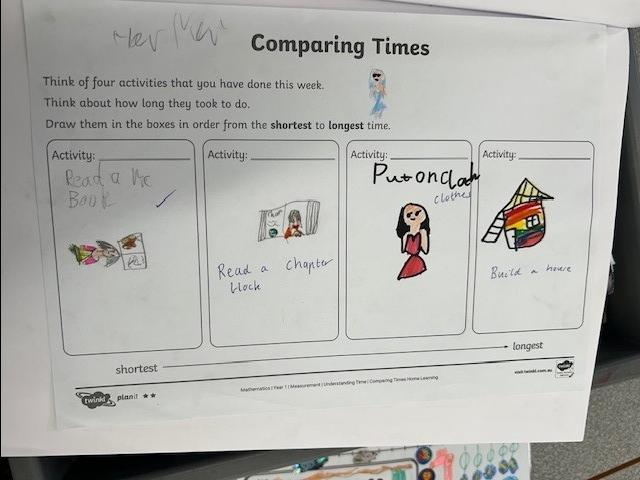
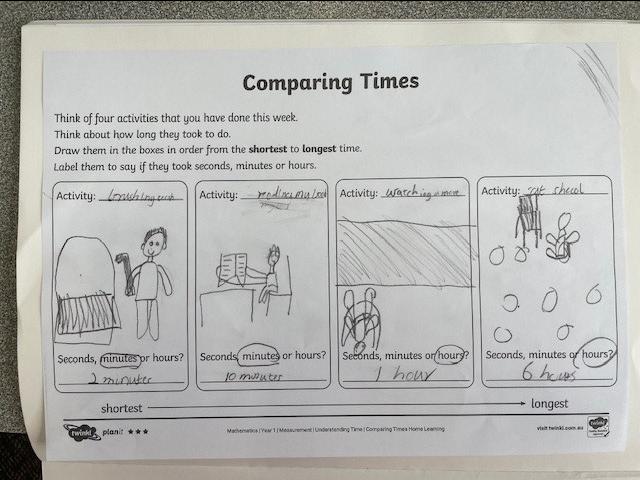
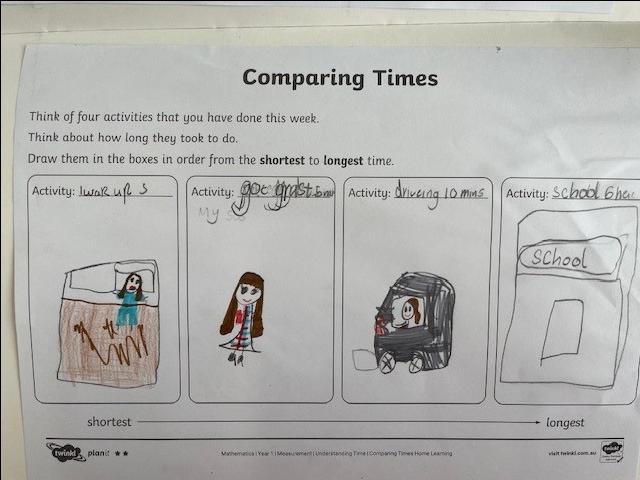
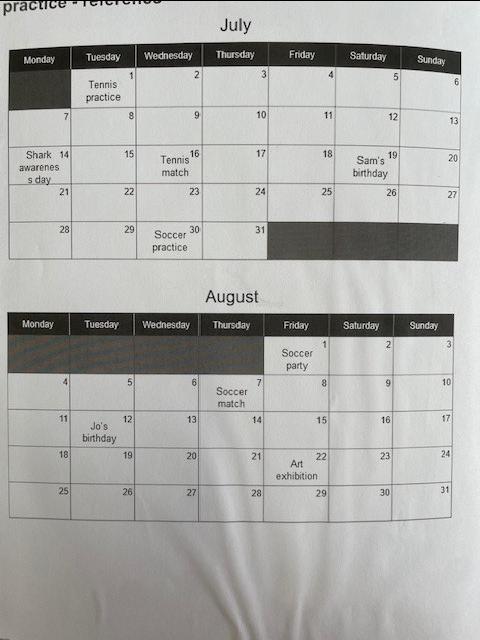
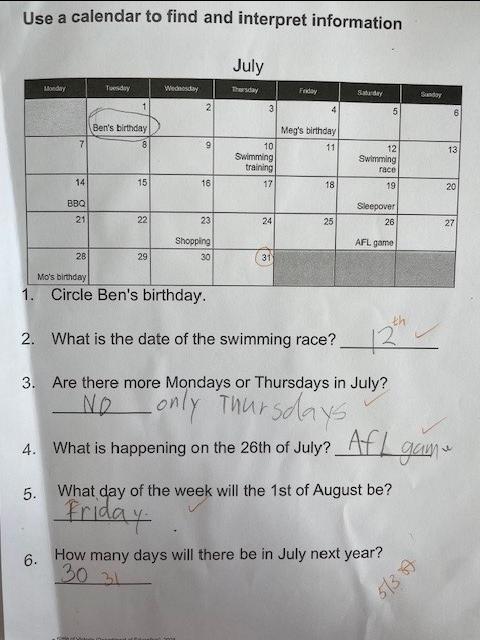
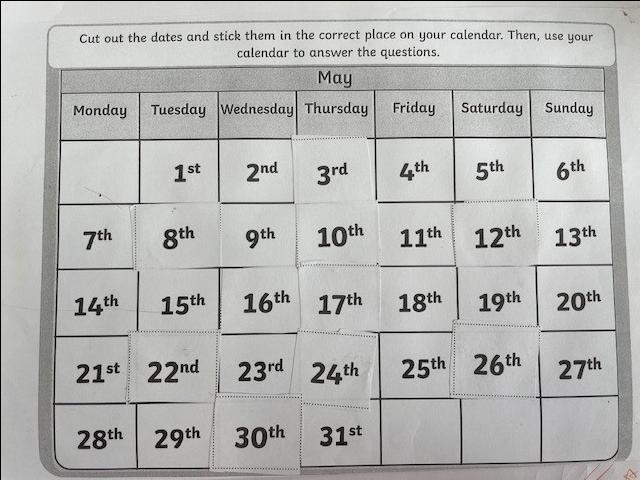
Students have also practised finding and interpreting information on a calendar, such as locating specific dates and days of the week. They used calendars to answer questions like “What day is the 15th?” or “How many days until _______?”. These activities helped students understand how calendars are structured and began to explore how they can be used to plan and organise everyday life. Students also learned how to calculate the duration between events on a calendar. They identified two events and counted the number of days between them, including even when the events were in different weeks or months. This helped them develop confidence in reading calendars and thinking about how time passes across days and weeks.
In another activity, students investigated shorter durations by using stopwatches to measure time in seconds. They timed different classroom activities and compared how long they took. This helped students learn that some events are best measured in seconds, while others might be better estimated in minutes or hours.
Try this at home!
We invite families to try a fun Duration Challenge together at home.
- Choose a simple activity such as brushing teeth, packing a school bag, or hopping 10 times.
- Ask your child to guess (estimate) how long it will take. Will it take seconds or minutes?
- Use a timer or stopwatch (a phone works well for this) to measure the activity.
Talk together about the result. Was the guess close? Was the activity quicker or slower than expected?
You could also look at a family calendar and talk about upcoming events, such as birthdays, holidays or weekend activities and discuss whether they are days, weeks or months away.
These simple conversations help children build confidence in understanding how time works in everyday life.
Reminder: We hope to see you at our Gruffalo Song performance at assembly this week!
Looking for some fun in the school holidays?
The Gruffalo Live on Stage is coming to the Athenaeum Theatre in the school holidays from 16-19 April. Check out this link for more information.
We are looking forward a wonderful year together!
Team Foundation, 1 and 2 teachers